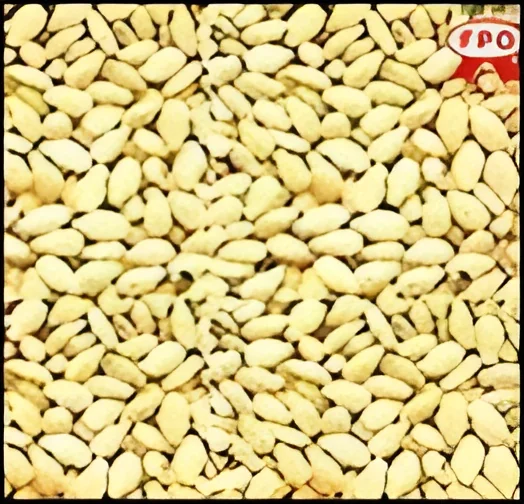
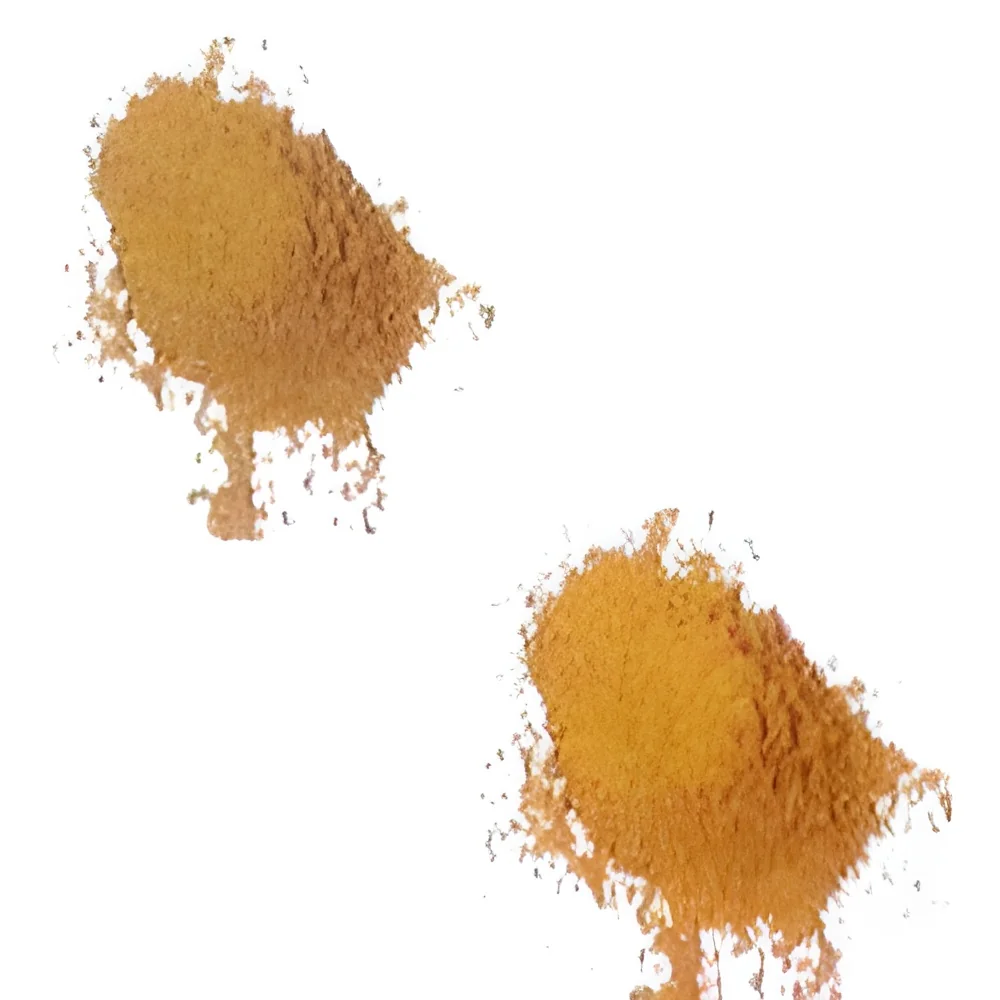
What are Rubber Powders?
Rubber powders are finely granulated materials derived from recycled rubber products, primarily used in various industrial applications. This process of grinding rubber not only promotes recycling but also creates versatile materials that can enhance the performance of numerous products. Rubber powders are known for their ability to improve elasticity, durability, and overall effectiveness in various formulations.
These powders are predominantly utilized in industries such as automotive, construction, and footwear. In automotive applications, rubber powders can be incorporated into tires and other components to enhance performance and longevity. In construction, they are used in asphalt mixtures to improve flexibility and resistance to cracking. Additionally, rubber powders serve in the footwear industry, providing cushioning and comfort in shoe soles. The growing emphasis on sustainability and eco-friendly materials has further propelled the demand for rubber powders in the market.
Key Features and Specifications
Rubber powders offer a range of features and specifications that make them suitable for various applications. These specifications are crucial for businesses seeking to incorporate rubber powders into their products.
Key specifications include:
1. Particle Size
- Typically ranges from 30 to 80 mesh
- Custom sizing options available based on specific requirements
2. Color
- Usually black, derived from recycled tires
- Can be produced in various colors upon request
3. Density
- Density generally falls between 0.8 to 1.2 g/cm³
- Variations may exist based on the source of rubber
4. Chemical Composition
- Composed of natural and synthetic rubber materials
- May include additives for enhanced performance
5. Hardness
- Shore A hardness ratings ranging from 40 to 90
- Selection depends on the intended application
6. Moisture Content
- Typically below 1% to ensure quality
- Controlled during the production process
7. Processing Temperature
- Suitable for processing at temperatures up to 180°C
- Important for applications requiring heat stability
8. Compliance
- Conforms to CE and other relevant safety standards
- Ensures suitability for various industrial uses
Rubber powders are versatile materials that meet diverse industry requirements, making them an essential component in numerous manufacturing processes.
Common Applications and Use Cases
Rubber powders have a wide array of applications across different sectors, providing significant benefits to manufacturers.
1. Automotive: Used in tire manufacturing, rubber powders improve durability and performance, contributing to safer driving experiences.
2. Construction: Incorporated into asphalt mixtures, rubber powders enhance the flexibility and longevity of roads and pavements.
3. Footwear: They provide cushioning and comfort in shoe soles, enhancing the overall user experience.
4. Sports Equipment: Used in the production of gym mats and other sports surfaces, rubber powders offer shock absorption and reduce injuries.
5. Industrial Products: Rubber powders serve as fillers in various industrial applications, providing cost-effective solutions while maintaining quality.
6. Recycling Initiatives: They contribute to sustainability efforts by recycling scrap rubber, reducing waste, and promoting eco-friendly practices.
7. Playground Surfaces: Rubber powders are used to create safe, shock-absorbent surfaces for playgrounds, ensuring child safety during play.
Product Variants and Subcategories
Rubber powders come in various forms, allowing businesses to select the most suitable option for their needs.
Standard Rubber Powder
This variant is produced from recycled tires, offering excellent performance in automotive and construction applications. Its versatility makes it a popular choice across multiple industries.
Colored Rubber Powder
This variant is available in various colors, allowing for customization in products such as sports equipment and playground surfaces. It enhances aesthetic appeal while maintaining the functional benefits of rubber powders.
Granulated Rubber Powder
This form features coarser granules, making it ideal for applications requiring bulk material, such as in construction and landscaping.
Benefits and Advantages
Rubber powders offer several advantages that make them appealing to B2B buyers.
Key benefits include:
1. Cost-Effectiveness: Utilizing rubber powders can significantly lower production costs, especially when sourced from recycled materials.
2. Enhanced Performance: They improve the durability and longevity of products, reducing the need for frequent replacements.
3. Sustainability: Sourcing from recycled rubber contributes to environmental protection and sustainability efforts in manufacturing.
4. Versatility: Rubber powders can be used across various industries, making them a flexible choice for manufacturers.
5. Improved Safety: Their shock-absorbing properties enhance safety in applications such as playground surfaces and sports equipment.
6. Customization: Available in different colors and sizes, rubber powders can be tailored to meet specific product requirements.
Buying Guide for B2B Buyers
When sourcing rubber powders, it is essential for B2B buyers to consider several key factors to ensure they make informed decisions.
1. Quality Assessment: Buyers should evaluate the quality of rubber powders based on standards such as particle size, density, and chemical composition. It is crucial to request sample testing to ensure the product meets specifications.
2. Supplier Verification: Vetting suppliers is vital. Buyers should look for established suppliers with a proven track record in the industry and positive customer reviews.
3. Pricing and MOQ: Understanding the pricing structure and minimum order quantities (MOQ) is important for budgeting. Buyers should compare quotes from multiple suppliers for better pricing.
4. Delivery and Lead Times: Assessing the supplier's logistics and delivery capabilities helps ensure timely receipt of materials, which is critical for production schedules.
5. Compliance Requirements: Buyers should verify that the rubber powders meet necessary regulatory standards and certifications, such as CE, to ensure safety and quality in their applications.
Compliance and Certifications
The rubber powder industry adheres to various quality standards and certifications, ensuring products meet safety and performance requirements.
Relevant quality standards include ISO 9001, which ensures consistent quality management systems are in place. Compliance with HACCP and GDP guidelines further reinforces product safety and reliability.
Industry certifications such as CE indicate that rubber powders meet European safety standards, making them suitable for use in various applications.
Additionally, safety and testing requirements are crucial, involving rigorous assessments to ensure that rubber powders do not contain harmful substances and perform as expected in their intended uses. Regional compliance considerations may vary, so it is essential for buyers to be aware of specific regulations in their target markets.
Why Source Rubber Powders from Pepagora?
Pepagora provides a trusted platform for sourcing rubber powders, offering several key advantages to B2B buyers.
Verified Supplier Network: Our network consists of verified suppliers who meet rigorous quality standards, ensuring reliable sourcing for businesses.
Streamlined RFQ Process: The quotation system simplifies the process of obtaining price quotes from multiple suppliers, allowing buyers to make informed decisions quickly.
Trade Assurance and Support: Buyers are protected through trade assurance policies, which provide a safety net during transactions and foster trust between buyers and suppliers.
Regional Coverage: Pepagora's geographic reach spans India, the GCC, and Southeast Asia, connecting buyers with suppliers across these regions, making it easier to source rubber powders tailored to their specific needs.
By choosing Pepagora, businesses can confidently navigate the sourcing process for rubber powders, benefiting from a robust network and dedicated support.

 IN
IN

 India
India