What are Rubber Molding Compounds?
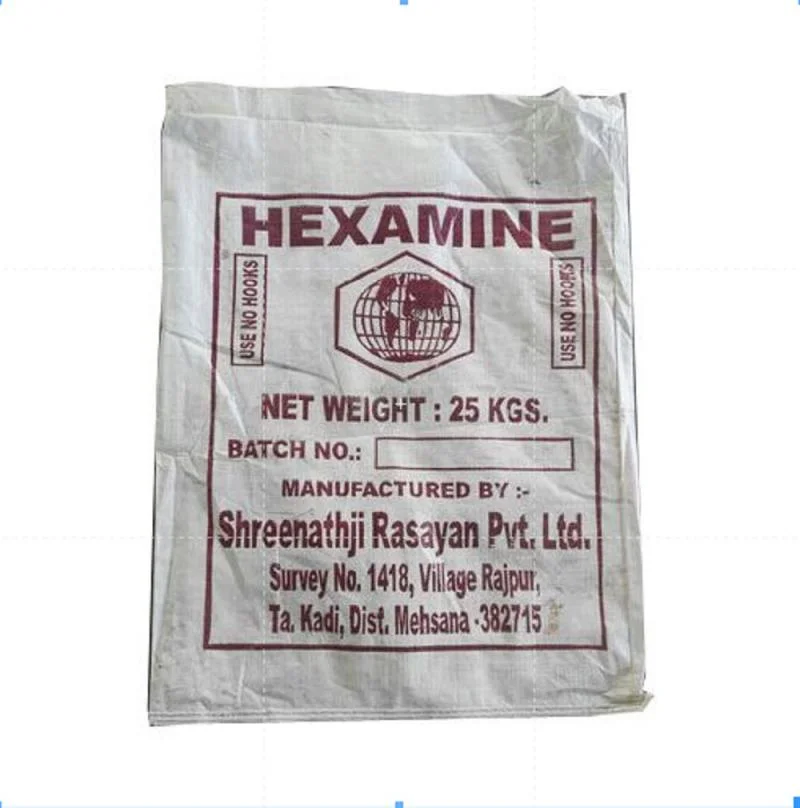
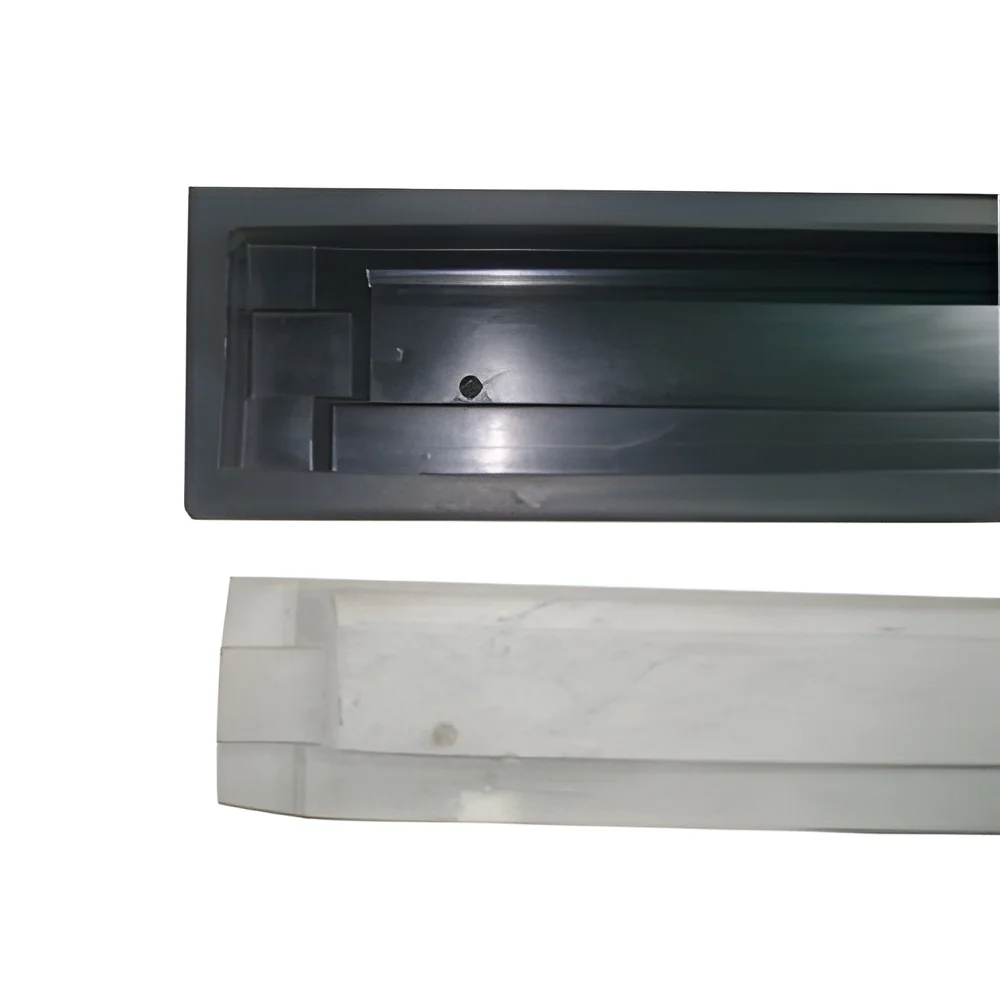
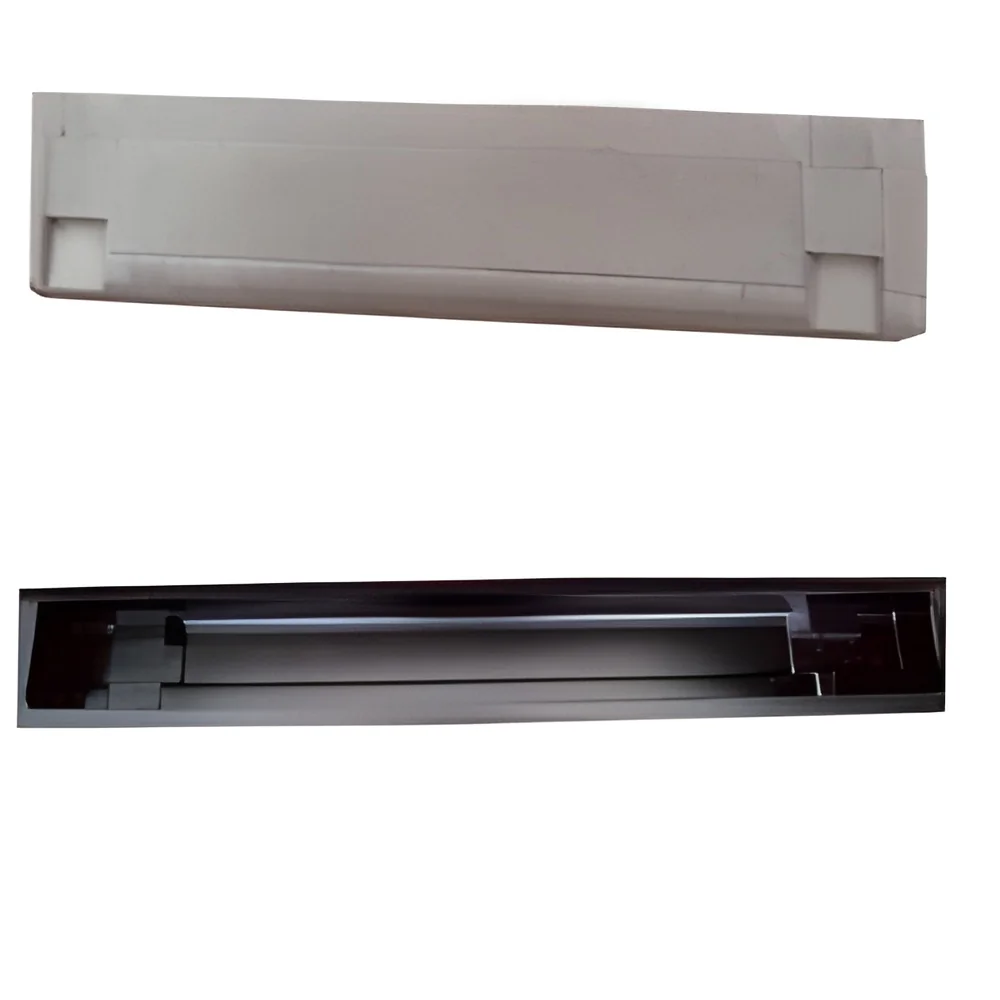
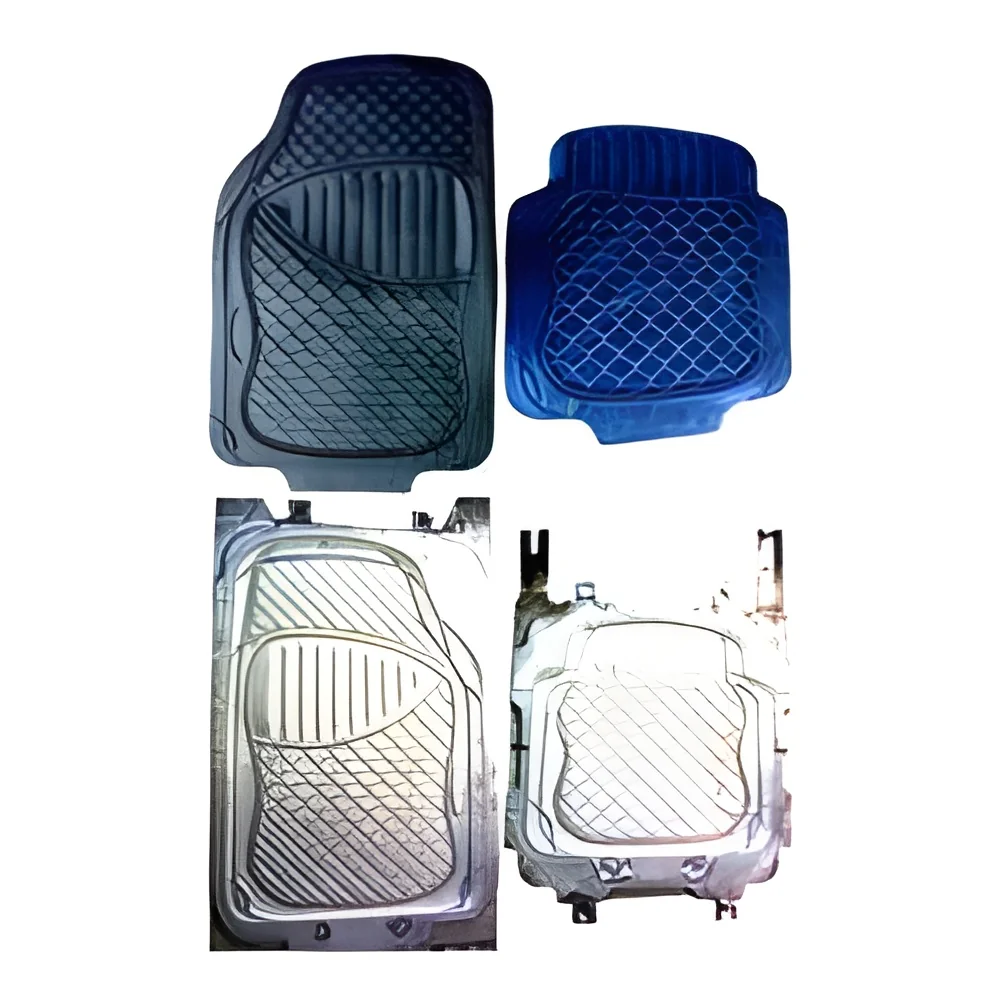
Rubber molding compounds are specialized materials used in the manufacturing of rubber products through various molding techniques. These compounds are formulated mixtures of rubber polymers, fillers, additives, and processing aids. They are designed to transform raw rubber into durable, high-performance components that can withstand various environmental conditions and mechanical stresses. The molding process typically involves shaping the compound in a mold and curing it through heat and pressure, resulting in a finished product with specific properties.
These compounds find extensive application in industries such as automotive, aerospace, medical, and consumer goods. They are used for manufacturing a wide range of products including seals, gaskets, hoses, and custom parts. The versatility of rubber molding compounds makes them an integral part of many industrial processes, catering to the demands for both functionality and aesthetics. As market trends shift towards sustainability and performance, the relevance of high-quality rubber molding compounds continues to grow, driven by innovation and advancements in material science.
Key Features and Specifications
Rubber molding compounds are characterized by several key features that determine their suitability for various applications. Understanding these specifications is crucial for manufacturers and buyers looking to optimize their production processes.
Key specifications include:
1. Material Composition
- Mixture of rubber polymers, fillers, and additives
- Varies based on application requirements
2. Hardness Range
- Measured in Shore A or Shore D scales
- Typically ranges from soft to hard compounds
3. Temperature Resistance
- Ability to withstand high and low temperatures
- Specific ranges depend on the formulation
4. Chemical Resistance
- Resistance to oils, solvents, and other chemicals
- Varies based on specific compound formulations
5. Tensile Strength
- Measurement of the material's resistance to breaking under tension
- Important for structural applications
6. Elongation at Break
- Percentage increase in length before breaking
- Indicates flexibility and durability
7. Compression Set
- Ability to return to original shape after compression
- Critical for applications requiring repeated deformation
8. Aging Resistance
- Stability of the material over time under various environmental conditions
- Important for outdoor and long-term use applications
In summary, the selection of rubber molding compounds should be based on these specifications to meet the specific needs of different applications.
Common Applications and Use Cases
Rubber molding compounds serve a multitude of industries, each leveraging their unique properties for various applications.
1. Automotive: Used for manufacturing gaskets, seals, and weather stripping that require durability and resistance to harsh environments.
2. Aerospace: Critical for components like vibration dampeners and seals that must meet strict safety standards and perform under extreme conditions.
3. Medical: Employed in the production of medical devices and seals, ensuring compliance with health regulations and material safety.
4. Industrial Equipment: Utilized for manufacturing vibration isolation mounts and protective coverings to enhance equipment longevity.
5. Consumer Products: Found in everyday items such as rubber grips, toys, and kitchen utensils that require a balance of comfort and durability.
6. Electronics: Used for insulating parts and creating protective casings for sensitive electronic components.
7. Construction: Essential for seals and expansion joints that require moisture and temperature resistance.
Product Variants and Subcategories
Rubber molding compounds are diverse in their formulations and applications, allowing for tailored solutions across various industries.
Standard Compound Type
This variant is designed for general-purpose applications, offering a balance of flexibility and strength for a range of uses.
High-Performance Compound
Engineered for demanding environments, this variant features enhanced properties such as higher temperature resistance and improved chemical stability.
Specialized Compound
Formulated for niche applications, this variant may include additional additives for specific performance characteristics, such as anti-static or flame-retardant properties.
Benefits and Advantages
Rubber molding compounds offer numerous benefits that make them a preferred choice across different industries.
1. Versatility: Can be tailored to meet specific application requirements, making them suitable for a wide range of products.
2. Durability: High resistance to wear, chemicals, and environmental factors ensures long-lasting performance.
3. Cost-Effectiveness: Efficient production processes reduce manufacturing costs while maintaining quality.
4. Customization: Formulations can be adjusted to achieve desired properties, allowing for bespoke solutions.
5. Safety Compliance: Many compounds meet regulatory standards, ensuring safety in applications such as medical and food contact.
6. Easy Processing: Compatible with various molding techniques, facilitating seamless integration into manufacturing processes.
Buying Guide for B2B Buyers
When sourcing rubber molding compounds, it is essential to consider several key factors to ensure optimal selection and supplier partnership.
1. Quality Assessment: Evaluate the quality of the compounds based on material specifications, certifications, and performance testing. Look for suppliers who provide detailed data sheets and quality assurance processes.
2. Supplier Verification: Research potential suppliers to validate their reputation and reliability. Seek out customer reviews and request references to ensure they meet industry standards.
3. Pricing and MOQ: Understand the pricing structure and minimum order quantities (MOQ) to align with budget and production needs. Compare quotes from multiple suppliers to identify the best options.
4. Delivery and Lead Times: Assess the supplier's ability to meet delivery schedules and lead times. Consider their logistics capabilities and past performance in fulfilling orders on time.
5. Compliance Requirements: Ensure that the products meet relevant industry certifications and regulatory standards. This is crucial for applications in regulated industries such as healthcare and food production.
Compliance and Certifications
Rubber molding compounds must adhere to various quality standards and certifications to ensure they meet industry requirements.
ISO 9001 is a widely recognized standard that ensures consistent quality management systems within manufacturing processes. Companies producing rubber molding compounds often seek this certification to demonstrate their commitment to quality.
CE certification indicates that a product complies with European safety, health, and environmental protection standards. This is particularly important for products intended for the European market.
Safety and testing requirements are critical for rubber molding compounds used in sensitive applications. Regular testing for properties such as tensile strength, chemical resistance, and aging stability is essential.
Regional compliance considerations may vary, with specific regulations governing the use of rubber materials in different countries. Buyers should be aware of local requirements to ensure compliance.
Why Source Rubber Molding Compounds from Pepagora?
Pepagora provides a trusted platform for sourcing rubber molding compounds, offering several key advantages to B2B buyers.
Verified Supplier Network: The platform connects buyers with a network of pre-vetted suppliers, ensuring that they source from reputable manufacturers. This reduces the risk of subpar products and enhances buyer confidence.
Streamlined RFQ Process: Pepagora features an efficient request for quotation (RFQ) system that simplifies the procurement process. Buyers can easily submit their requirements and receive competitive quotes from multiple suppliers.
Trade Assurance and Support: The platform offers buyer protection features, providing peace of mind during transactions. This includes support for resolving disputes and ensuring that contractual obligations are met.
Regional Coverage: With a strong presence in India, the GCC, and Southeast Asia, Pepagora offers broad geographic reach. This enables buyers to access a diverse range of suppliers and products tailored to their local market needs.

 IN
IN

 India
India