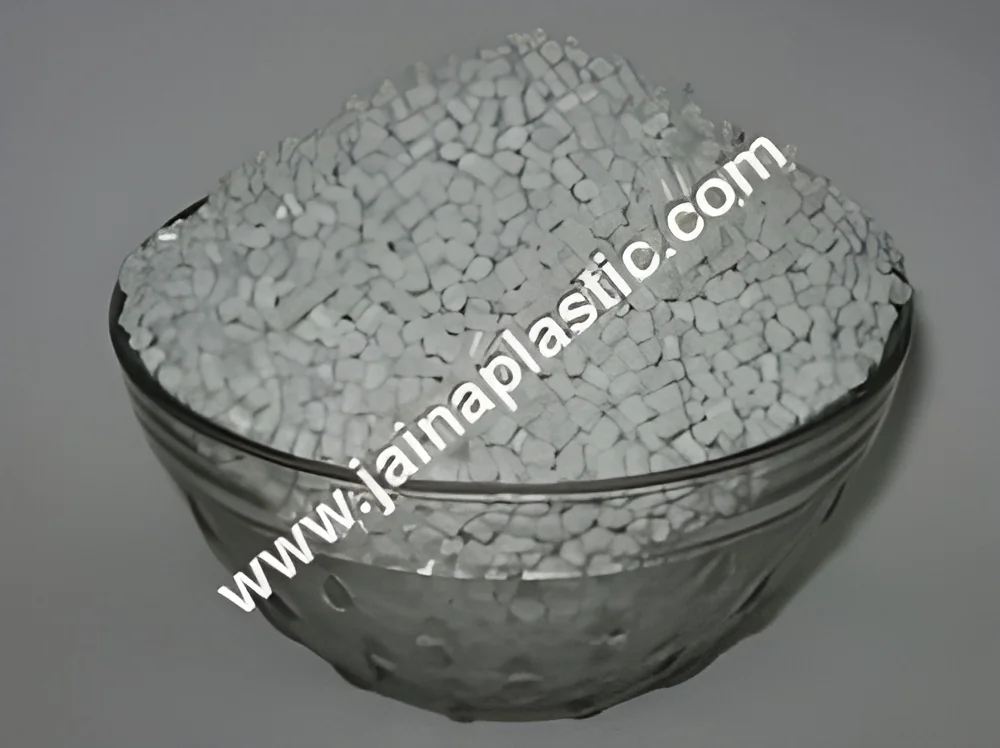
What are Rubber Granules?
Rubber granules are small, recycled rubber particles derived mainly from scrap tires. They are produced through a process that involves shredding and grinding rubber into fine granules. This material retains many of the beneficial properties of rubber, such as flexibility, resilience, and durability. Rubber granules can vary in size and texture, making them suitable for a range of applications across different industries.
The primary uses of rubber granules include applications in playground surfaces, sports fields, and flooring systems. They are often utilized as cushioning materials, providing safety and shock absorption in recreational areas. In addition to these uses, rubber granules can also be employed in construction materials, automotive products, and as fillers in various industrial processes. The market for rubber granules is growing, driven by increasing awareness of sustainability and the need for eco-friendly products.
In terms of industry relevance, the rubber granule market aligns with the broader trend of recycling and resource optimization. With a focus on reducing waste and promoting circular economy practices, businesses are turning to recycled materials like rubber granules to meet their operational and environmental goals. This has led to a diverse array of applications and a steady demand for high-quality rubber granules.
Key Features and Specifications
Rubber granules are characterized by several key features that make them suitable for various applications. Their versatility, durability, and eco-friendly nature are significant advantages. The specifications of rubber granules can vary depending on the intended use, but some standard parameters are typically considered.
Key specifications include:
1. Particle Size
- Rubber granules can range in size from fine powders to larger granules.
- Common sizes include 0.5 mm to 5 mm in diameter.
2. Color Variability
- Rubber granules are available in various colors, often achieved through dyeing processes.
- The color can be customized based on customer requirements.
3. Density
- The density of rubber granules can affect their performance in applications.
- Typical density ranges from 0.5 g/cm³ to 1.2 g/cm³.
4. Hardness
- The hardness of rubber granules is measured on the Shore A scale.
- Most granules have a hardness rating between 40 and 60 Shore A.
5. Flexibility
- Rubber granules exhibit excellent flexibility, allowing them to withstand deformation.
- This characteristic is essential for applications requiring shock absorption.
6. Moisture Resistance
- Rubber granules are resistant to moisture, making them suitable for outdoor applications.
- This quality helps maintain performance in varying weather conditions.
7. Chemical Resistance
- They exhibit resistance to many chemicals, enhancing their durability in industrial settings.
- This property is critical for applications where exposure to harsh substances is common.
In summary, rubber granules offer a broad range of features and specifications that cater to various industrial needs. Their performance characteristics make them a valuable choice for many applications.
Common Applications and Use Cases
Rubber granules are widely used across numerous industries due to their unique properties.
1. Sports and Recreation: Rubber granules are commonly used in sports fields and playgrounds. They provide cushioning and impact absorption, making play areas safer for children and athletes.
2. Construction: In the construction industry, rubber granules are used as infill materials for synthetic turf and flooring solutions. They enhance durability and weather resistance in building projects.
3. Automotive: The automotive sector utilizes rubber granules in manufacturing parts and components, such as gaskets and seals. Their flexibility and resilience contribute to the longevity of automotive products.
4. Landscaping: In landscaping applications, rubber granules serve as decorative mulch or ground cover. They help with moisture retention and weed control, while also providing an aesthetically pleasing finish.
5. Industrial Applications: Rubber granules are used as fillers and insulators in various industrial processes. Their chemical resistance and durability make them suitable for harsh working environments.
6. Equestrian: In the equestrian industry, rubber granules are often used in horse arenas and stables. They provide a soft, stable surface that improves traction and reduces the risk of injury.
7. Flooring: Rubber granules are utilized in flooring solutions for gyms, commercial spaces, and residential areas. They offer slip resistance and cushioning, contributing to overall safety and comfort.
Product Variants and Subcategories
Rubber granules come in various forms to suit different needs and preferences. Each variant has unique characteristics that cater to specific applications.
Standard Rubber Granules: These are the most common form of rubber granules, produced from recycled tires. They are versatile and used in a wide range of applications, including playgrounds and sports fields.
Colored Rubber Granules: These granules are dyed in various colors, allowing for creative designs in flooring and landscaping. They are often used in decorative applications where aesthetics are essential.
Fine Rubber Granules: With smaller particle sizes, fine rubber granules are ideal for applications requiring a smooth finish, such as in certain flooring systems or as a cushioning layer in synthetic turf.
Coarse Rubber Granules: These larger granules are used for applications requiring greater shock absorption and drainage, such as in equestrian arenas or outdoor play areas.
Benefits and Advantages
Rubber granules offer numerous benefits that make them a preferred choice across various industries.
1. Eco-Friendly: Made from recycled materials, rubber granules contribute to sustainability efforts by reducing landfill waste.
2. Safety: Their shock-absorbing properties enhance safety in playgrounds and sports fields, minimizing the risk of injuries.
3. Durability: Rubber granules are highly durable and resistant to wear and tear, ensuring long-lasting performance in various applications.
4. Versatility: They can be used in a wide range of applications, from recreational areas to industrial processes, making them a multi-functional solution.
5. Low Maintenance: Rubber granules require minimal maintenance compared to other materials, reducing overall operational costs for businesses.
6. Aesthetic Appeal: Available in various colors, rubber granules can enhance the visual appeal of recreational and landscaping projects.
Buying Guide for B2B Buyers
When sourcing rubber granules, it is essential for B2B buyers to consider several key factors to ensure they make informed decisions.
1. Quality Assessment: Evaluate the quality of rubber granules by checking certifications and conducting tests for performance characteristics. High-quality granules will meet industry standards and enhance application effectiveness.
2. Supplier Verification: Vet potential suppliers by reviewing their reputation, certifications, and customer feedback. A trustworthy supplier will ensure that you receive consistent quality and reliable service.
3. Pricing and MOQ: Compare pricing from different suppliers and be aware of minimum order quantities (MOQ). Understanding pricing structures will help you budget effectively for your projects.
4. Delivery and Lead Times: Inquire about delivery schedules and lead times to ensure that you receive your order when needed. Timely delivery is crucial for maintaining project timelines.
5. Compliance Requirements: Ensure that the rubber granules meet relevant industry regulations and compliance standards. This may include safety and environmental standards that apply to your specific industry.
Compliance and Certifications
Rubber granules must meet specific quality standards and certifications to ensure they are safe and effective for use in various applications.
Relevant quality standards include ISO 9001, which emphasizes quality management systems, and HACCP, which focuses on food safety. Compliance with these standards is essential for suppliers to demonstrate their commitment to quality.
Additionally, industry certifications such as UL and CE ensure that rubber granules meet safety and performance requirements. These certifications can provide assurance to buyers that the product has been rigorously tested.
Safety and testing requirements also play a crucial role in the compliance process. Rubber granules should undergo assessments for performance characteristics, such as impact absorption and durability, to ensure they meet the needs of specific applications.
Furthermore, regional compliance considerations may vary, so it is important for buyers to be aware of local regulations that may apply to the use of rubber granules in their industry.
Why Source Rubber Granules from Pepagora?
Pepagora provides a trusted platform for sourcing rubber granules, offering several key advantages that benefit B2B buyers.
Verified Supplier Network: Pepagora connects buyers with a network of verified suppliers, ensuring that you can source high-quality rubber granules from reputable manufacturers. This verification process helps mitigate risks associated with sourcing.
Streamlined RFQ Process: The Request for Quotation (RFQ) process at Pepagora is designed to be efficient and user-friendly. Buyers can easily submit their requirements and receive competitive quotes from multiple suppliers, simplifying the procurement process.
Trade Assurance and Support: Pepagora offers trade assurance to protect buyers during the purchasing process. This support includes assistance with negotiations and dispute resolution, ensuring that your interests are safeguarded.
Regional Coverage: With a wide geographic reach encompassing India, the GCC, and Southeast Asia, Pepagora provides access to a diverse range of suppliers and products. This regional coverage enhances your sourcing options and allows for better logistics management.
In conclusion, sourcing rubber granules from Pepagora not only streamlines the procurement process but also ensures that buyers have access to quality products and reliable suppliers.

 IN
IN