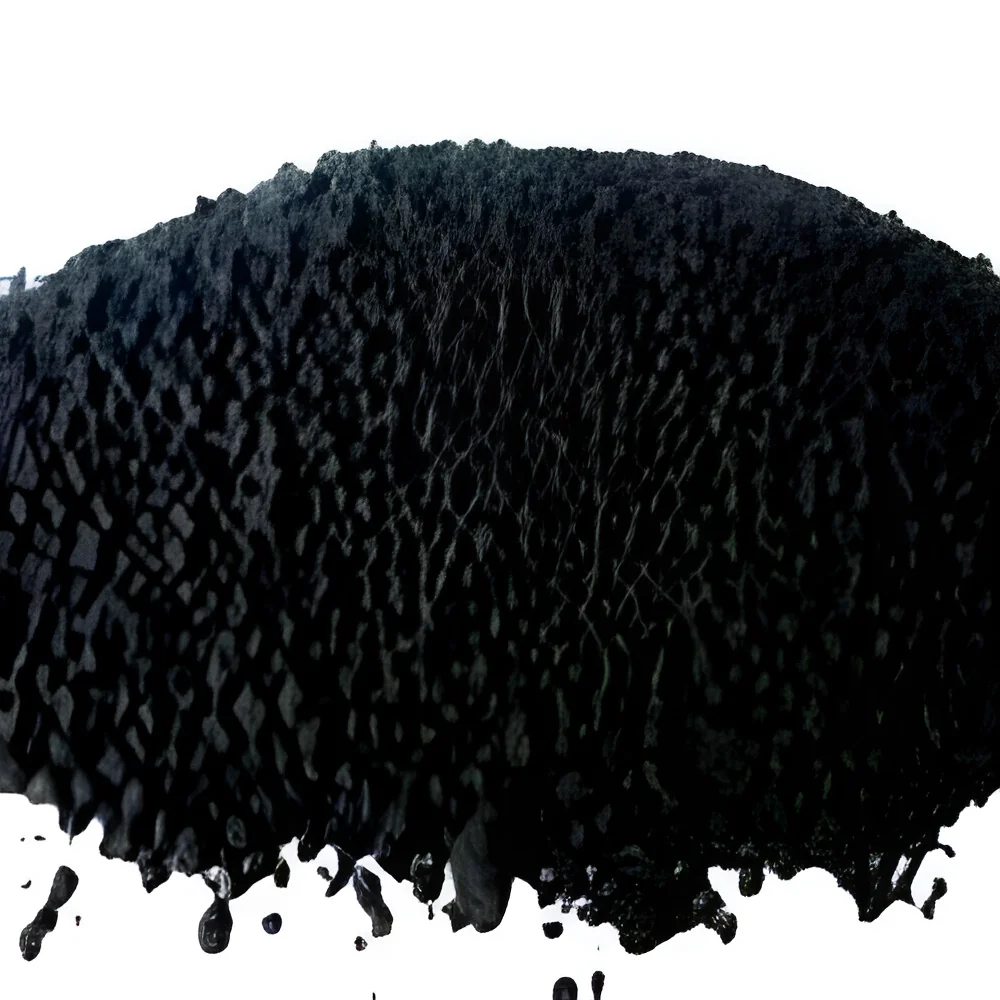
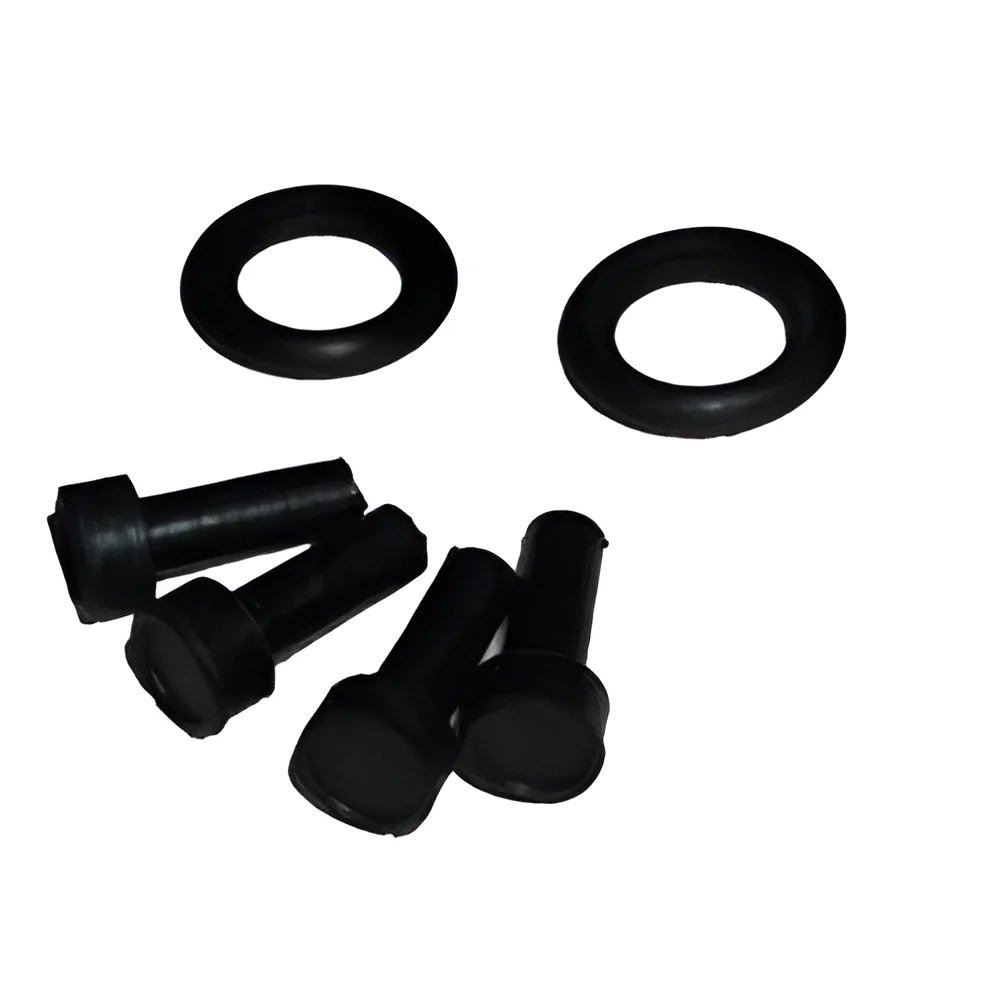
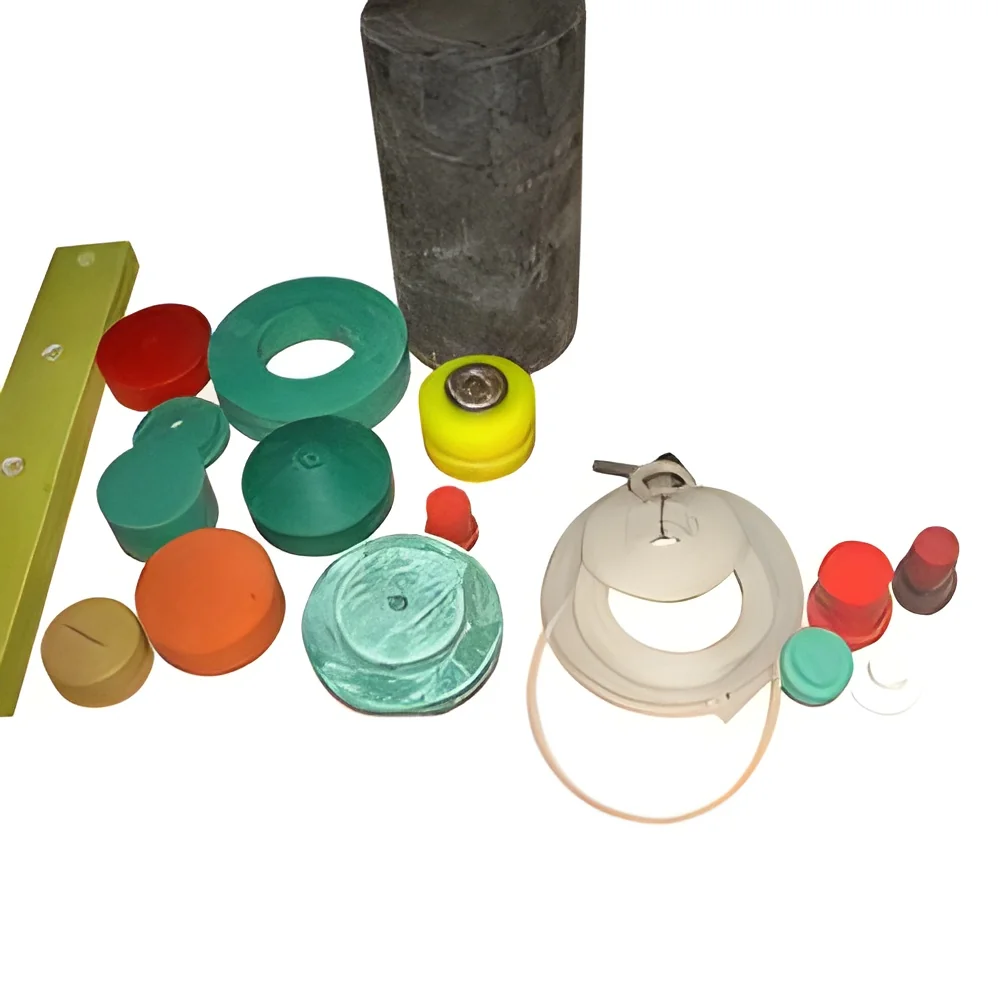
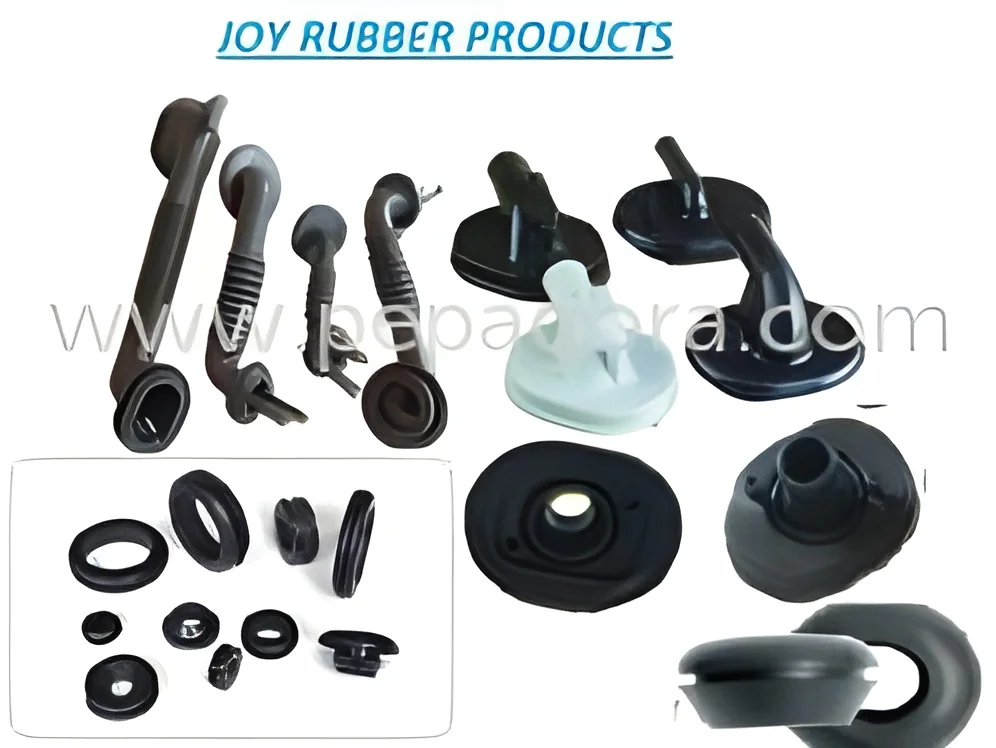
What are Rubber Compounds?
Rubber compounds are mixtures of natural or synthetic rubber with various additives designed to enhance their properties. These compounds are engineered for specific performance characteristics, including durability, elasticity, and resistance to environmental factors. The formulation of rubber compounds involves a careful selection of raw materials, including fillers, plasticizers, accelerators, and antioxidants, which all contribute to the final product's functionality and application suitability.
Rubber compounds are widely used across multiple industries, such as automotive, construction, and consumer goods. In the automotive sector, for instance, they are utilized in tires, seals, and gaskets due to their excellent wear resistance and flexibility. In construction, rubber compounds find applications in flooring, roofing membranes, and sealants where durability and weather resistance are critical. Given their versatile nature, rubber compounds play a vital role in various manufacturing processes and product development, making them essential in the industrial landscape.
Key Features and Specifications
Rubber compounds come with a range of features that make them suitable for diverse applications. Understanding these features is crucial for businesses looking to integrate rubber compounds into their products.
Key specifications include:
1. Compound Type
- Natural rubber, synthetic rubber, or a blend.
- Varies based on intended use and performance requirements.
2. Hardness
- Measured in Shore A or Shore D.
- Typically ranges from 30 to 90 Shore A for general applications.
3. Tensile Strength
- Indicates the maximum stress a material can withstand while being stretched.
- Commonly between 10 MPa to 35 MPa.
4. Elongation at Break
- Represents the extent to which a rubber can be stretched.
- Usually ranges from 100% to 800%.
5. Compression Set
- Measures the material’s ability to return to its original thickness after being compressed.
- Ideally less than 30% for most applications.
6. Temperature Resistance
- Capable of withstanding various temperature ranges.
- Typically from -40°C to 120°C, depending on the formulation.
7. Chemical Resistance
- Ability to resist degradation from exposure to oils, fuels, and solvents.
- Varies based on specific compound formulations.
8. Aging Resistance
- Reflects the compound’s longevity and performance over time.
- Generally assessed through accelerated aging tests.
These specifications are critical for determining the appropriate rubber compound for specific applications and environments.
Common Applications and Use Cases
Rubber compounds are integral to many industries, serving various functions based on their unique properties.
1. Automotive: Used in tires, seals, and gaskets, rubber compounds provide essential performance characteristics such as durability, flexibility, and resistance to wear.
2. Construction: Applied in flooring, roofing, and sealants, these compounds offer protection against weather elements while ensuring longevity and aesthetic appeal.
3. Consumer Goods: Found in products like footwear and household items, rubber compounds enhance comfort and durability, making them ideal for everyday use.
4. Aerospace: Utilized in seals and gaskets, rubber compounds are designed to withstand extreme temperatures and pressures, ensuring reliability in critical applications.
5. Medical: Employed in medical devices and equipment, rubber compounds must meet stringent safety and biocompatibility standards to ensure patient safety.
6. Electrical: Used in insulation and protective coverings, rubber compounds help safeguard electrical components from moisture and environmental damage.
7. Manufacturing: Essential in the production of conveyor belts and machinery parts, rubber compounds contribute to operational efficiency and longevity.
Product Variants and Subcategories
The diversity of rubber compounds allows for tailored solutions to meet specific industry needs.
Natural Rubber Compounds
Ideal for applications requiring excellent elasticity and resilience, these compounds are commonly used in products such as tires and rubber bands.
Synthetic Rubber Compounds
Formulated to offer enhanced chemical resistance and durability, these compounds are often found in automotive parts and industrial applications.
Specialty Rubber Compounds
Designed for niche applications, these compounds may include additives for specific performance characteristics such as flame resistance or high-temperature stability.
Benefits and Advantages
Rubber compounds offer a range of benefits that make them invaluable across various sectors.
1. Versatility: Rubber compounds can be tailored to meet specific performance needs, making them suitable for numerous applications.
2. Durability: Engineered to withstand wear and tear, rubber compounds ensure long-lasting performance in demanding environments.
3. Flexibility: The inherent elasticity of rubber compounds allows for various shapes and forms, enhancing product design options.
4. Chemical Resistance: Many rubber compounds are resistant to oils and chemicals, which is essential for automotive and industrial applications.
5. Cost-Effectiveness: The durability and longevity of rubber compounds can lead to reduced maintenance and replacement costs over time.
6. Customization: Rubber compounds can be formulated to meet unique customer specifications, providing tailored solutions for specific applications.
Buying Guide for B2B Buyers
When sourcing rubber compounds, it is essential to consider several key factors to ensure you make informed decisions.
1. Quality Assessment: Evaluate the quality of rubber compounds based on their specifications and performance characteristics. Look for samples and test results to verify claims.
2. Supplier Verification: Vet potential suppliers by checking their industry reputation and certifications. Established suppliers often provide better reliability and support.
3. Pricing and MOQ: Consider the cost of rubber compounds, along with the minimum order quantity (MOQ). Ensure that pricing aligns with your budget and projected usage.
4. Delivery and Lead Times: Discuss logistics with suppliers to understand delivery schedules and lead times. Timely delivery is crucial for maintaining production schedules.
5. Compliance Requirements: Ensure that the rubber compounds meet relevant industry standards and regulatory requirements, which can vary based on application and location.
Compliance and Certifications
Rubber compounds must adhere to various standards and certifications to ensure safety and performance in industrial applications. Key quality standards include ISO 9001, which outlines criteria for quality management systems, ensuring consistent product quality. Additionally, certifications such as CE demonstrate compliance with European safety standards, signifying that products meet essential health and safety requirements.
Safety and testing requirements are paramount, especially in industries such as medical and automotive, where reliability is critical. Regular testing for tensile strength, elongation, and aging resistance helps maintain compliance and ensure product efficacy.
Regional compliance considerations may also affect sourcing decisions, as different regions may impose specific regulations on materials used in manufacturing. Understanding these requirements helps businesses navigate the complexities of global supply chains.
Why Source Rubber Compounds from Pepagora?
Pepagora provides a trusted platform for sourcing rubber compounds, offering several key advantages to B2B buyers.
Verified Supplier Network: Pepagora maintains a rigorous verification process for suppliers, ensuring that buyers can access reliable and high-quality rubber compounds. This network fosters trust and facilitates better business relationships.
Streamlined RFQ Process: The platform features an efficient request-for-quotation (RFQ) system, allowing buyers to easily obtain quotes from multiple suppliers. This process saves time and enhances decision-making.
Trade Assurance and Support: Pepagora prioritizes buyer protection with trade assurance measures, helping to safeguard transactions. Additionally, the platform offers support to assist buyers throughout their sourcing journey.
Regional Coverage: With a strong presence in India, the Gulf Cooperation Council (GCC) region, and Southeast Asia, Pepagora connects buyers to suppliers across diverse markets, facilitating easy access to high-quality rubber compounds. This regional focus enhances local sourcing capabilities and reduces shipping times.

 IN
IN

 India
India