What are Rotary Vacuum Dryers?
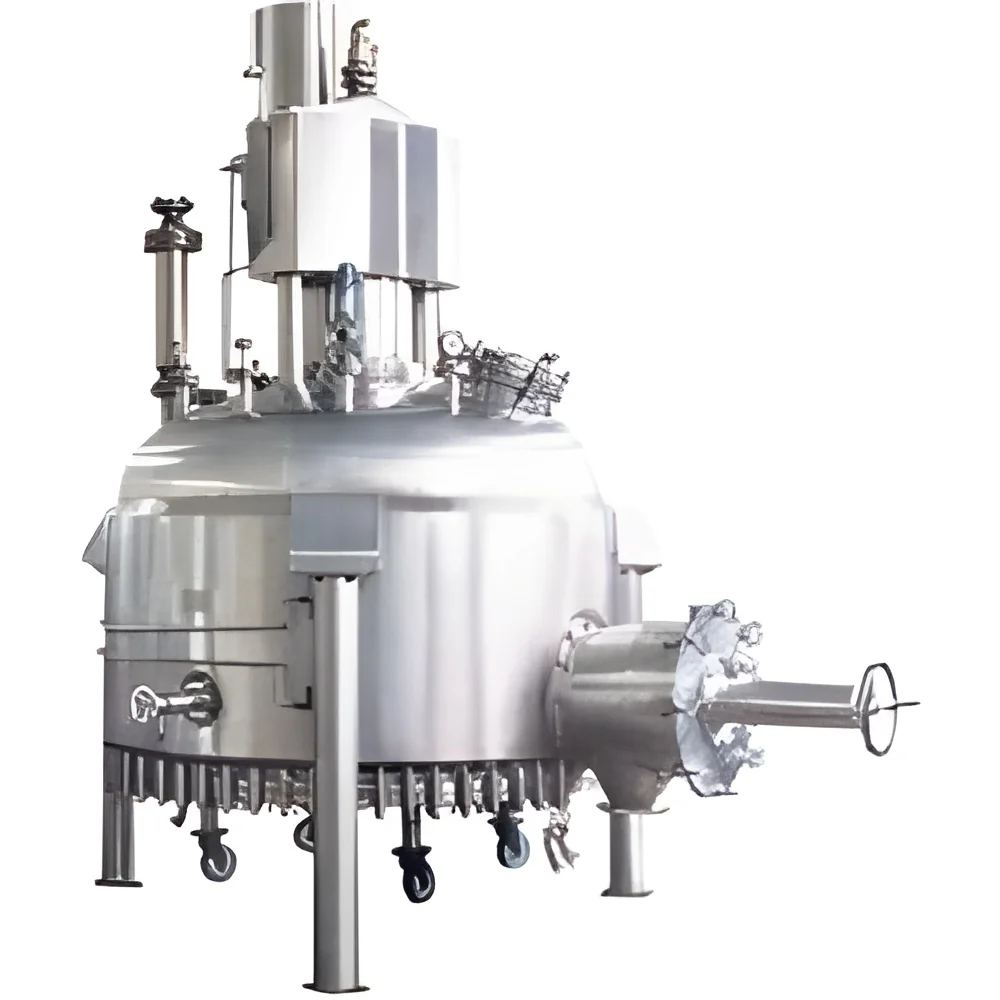
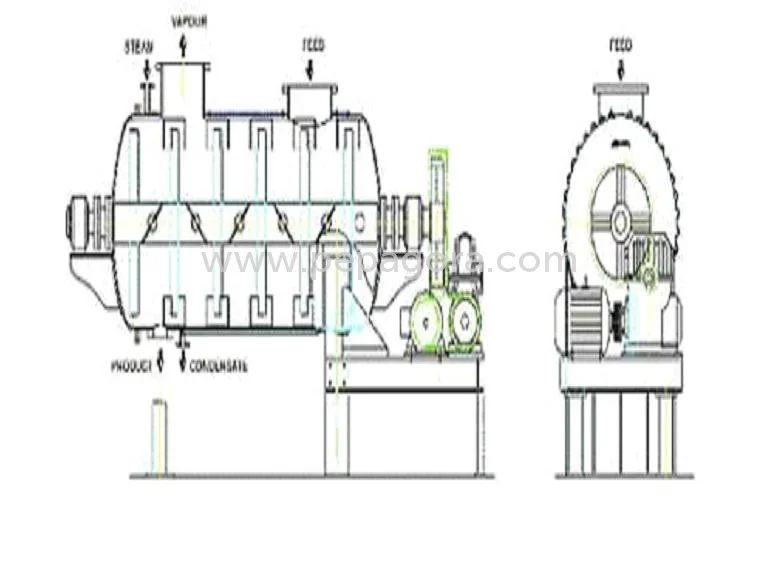
Rotary vacuum dryers are specialized equipment designed for the drying of powders and granules in various industries. These dryers operate by creating a vacuum environment, which lowers the boiling point of solvents and allows for efficient drying without exposing products to high temperatures. The rotary action ensures uniform drying by continually moving the material through the drying chamber, which helps prevent clumping and ensures consistent moisture removal.
In industrial settings, rotary vacuum dryers are commonly used in pharmaceuticals, food processing, and chemical production. They are particularly effective for materials that are heat-sensitive or require gentle drying to preserve their properties. The versatility of rotary vacuum dryers makes them valuable tools for businesses looking to improve their production efficiency and product quality.
As industries continue to evolve, the demand for rotary vacuum dryers is expected to grow. Businesses are increasingly focusing on sustainable practices and energy-efficient solutions, making these dryers relevant in today’s market. Their ability to minimize energy consumption while maximizing output aligns well with current industry trends focused on cost reduction and environmental responsibility.
Key Features and Specifications
Rotary vacuum dryers offer several features that enhance their functionality and usability in various applications. Understanding these specifications helps businesses make informed decisions when selecting the right equipment for their needs.
Key specifications include:
1. Material Construction
- Typically made from high-grade stainless steel for durability and corrosion resistance.
- Ensures hygienic processing, particularly important in food and pharmaceutical industries.
2. Operating Temperature Range
- Designed to operate under low temperatures to prevent thermal degradation of sensitive materials.
- Specific temperature ranges can vary based on the model and application.
3. Vacuum Pressure Levels
- Capable of achieving high vacuum levels, which facilitate quicker drying times.
- Vacuum pressure specifications can differ among various models.
4. Capacity
- Available in various sizes to accommodate different production scales.
- Capacity specifications usually range from small laboratory units to large-scale industrial models.
5. Heating Method
- Can utilize direct or indirect heating systems based on the application requirements.
- Indirect heating is often preferred for heat-sensitive materials.
6. Mixing Mechanism
- Equipped with a rotating drum that provides efficient mixing of the materials.
- Ensures uniform heat distribution and moisture removal.
7. Control Systems
- Often come with automated control systems for monitoring temperature and vacuum levels.
- Enables precise operation and enhances reliability.
8. Safety Features
- Integrated safety measures, such as pressure relief valves and temperature sensors.
- Ensures safe operation during the drying process.
In summary, rotary vacuum dryers combine advanced technology with robust design to meet diverse industrial needs. Their features support efficient drying processes while maintaining product integrity.
Common Applications and Use Cases
Rotary vacuum dryers find applications across a wide range of industries, owing to their versatility and effectiveness.
1. Pharmaceutical Industry: Used for drying active pharmaceutical ingredients (APIs) and excipients, ensuring that products meet stringent quality standards.
2. Food Processing: Ideal for drying food powders, such as instant coffee and dehydrated fruits, without compromising flavor or nutritional value.
3. Chemical Manufacturing: Employed for drying chemicals and polymers, contributing to the production of high-quality materials used in various applications.
4. Cosmetics: Used for drying cosmetic powders and formulations, ensuring that products maintain stability and quality.
5. Biotech: Effective in drying cell cultures and biological materials, critical in the production of vaccines and other biopharmaceuticals.
6. Waste Treatment: Utilized in drying sludge and other waste products, helping in waste reduction and management efforts.
7. Textile Industry: Assists in drying dye powders and textile materials, enhancing the efficiency of the manufacturing process.
Product Variants and Subcategories
Rotary vacuum dryers come in various configurations to suit different operational needs and production capacities.
Batch Rotary Vacuum Dryer: This variant is designed for batch processing, allowing for flexibility in production. It is suitable for smaller quantities and offers easy cleaning and maintenance.
Continuous Rotary Vacuum Dryer: This type facilitates continuous operation, making it ideal for large-scale production. It ensures a steady flow of material and can handle high volumes efficiently.
Benefits and Advantages
Investing in rotary vacuum dryers offers several advantages for businesses.
1. Energy Efficiency: The vacuum environment enables drying at lower temperatures, resulting in reduced energy consumption and costs.
2. Quality Preservation: Maintains the integrity of heat-sensitive materials by preventing thermal degradation during the drying process.
3. Versatility: Suitable for a wide range of materials across multiple industries, making them a flexible option for manufacturers.
4. Consistent Results: Provides uniform drying and mixing, ensuring that all materials reach the desired moisture content.
5. Reduced Processing Time: The efficient drying capabilities lead to faster turnaround times in production.
6. Easy Operation: Many models come with automated controls, simplifying the operation and monitoring of the drying process.
Buying Guide for B2B Buyers
When sourcing rotary vacuum dryers, there are several important factors to consider to ensure you make the right choice for your business.
1. Quality Assessment: Look for manufacturers that adhere to international quality standards. Evaluate the materials used in construction and request certifications if necessary.
2. Supplier Verification: Vet potential suppliers by checking their reputation, customer reviews, and industry experience. A reliable supplier will have a proven track record in delivering quality products.
3. Pricing and MOQ: Understand the pricing structure and minimum order quantities. Compare quotes from different suppliers to ensure you are getting the best value for your investment.
4. Delivery and Lead Times: Inquire about delivery schedules and lead times to ensure that the equipment can meet your production timelines.
5. Compliance Requirements: Be aware of any regulatory standards that must be met in your industry. Ensure that the rotary vacuum dryer meets relevant safety and performance regulations.
Compliance and Certifications
Compliance with industry standards and certifications is crucial for rotary vacuum dryers to ensure safety and reliability.
Many manufacturers adhere to quality standards such as ISO 9001, which outlines requirements for a quality management system. This certification demonstrates a commitment to consistent product quality and customer satisfaction.
The CE marking is also important, particularly for products sold in Europe. This certification indicates that the equipment meets EU safety, health, and environmental requirements.
Safety and testing requirements are vital for ensuring that the dryers operate efficiently and safely. Regular maintenance and compliance checks help in adhering to these standards.
Regional compliance considerations can vary, so it is essential to understand the specific regulations applicable in your area, particularly if you operate in multiple regions.
Why Source Rotary Vacuum Dryers from Pepagora?
Pepagora provides a trusted platform for sourcing rotary vacuum dryers, offering several key advantages to buyers.
Verified Supplier Network: Our platform connects you with a network of verified suppliers, ensuring that you have access to quality products and reliable service. Each supplier undergoes a thorough verification process to ensure credibility.
Streamlined RFQ Process: The Request for Quotation (RFQ) system simplifies the procurement process. Buyers can easily request quotes from multiple suppliers, allowing for quick comparisons and informed decision-making.
Trade Assurance and Support: Pepagora offers trade assurance and buyer protection, giving you peace of mind during your purchase. Our support team is available to assist you with any inquiries or issues that may arise.
Regional Coverage: With a strong presence in India, the Gulf Cooperation Council (GCC), and Southeast Asia, Pepagora facilitates access to rotary vacuum dryers across these regions. Our extensive network allows for effective sourcing and logistics management.
In conclusion, choosing Pepagora as your sourcing partner for rotary vacuum dryers ensures that you benefit from quality, efficiency, and comprehensive support throughout the buying process.

 IN
IN

 India
India