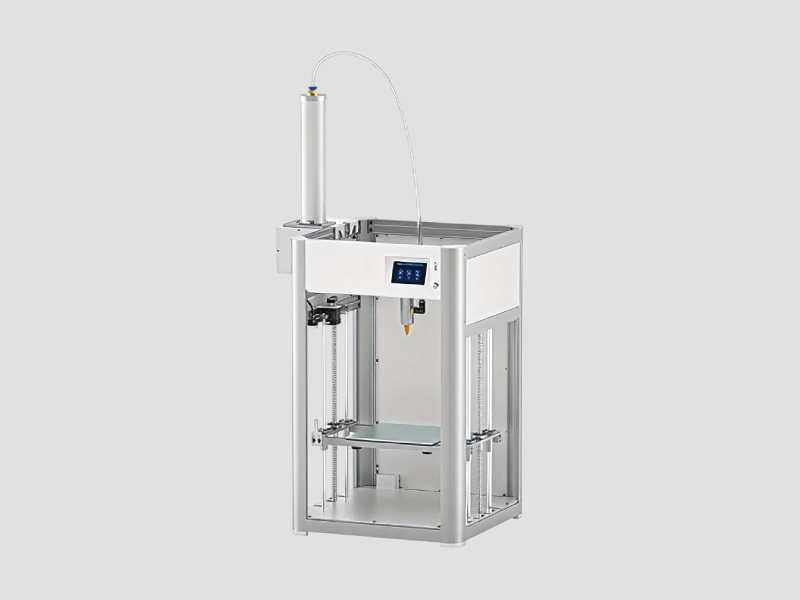
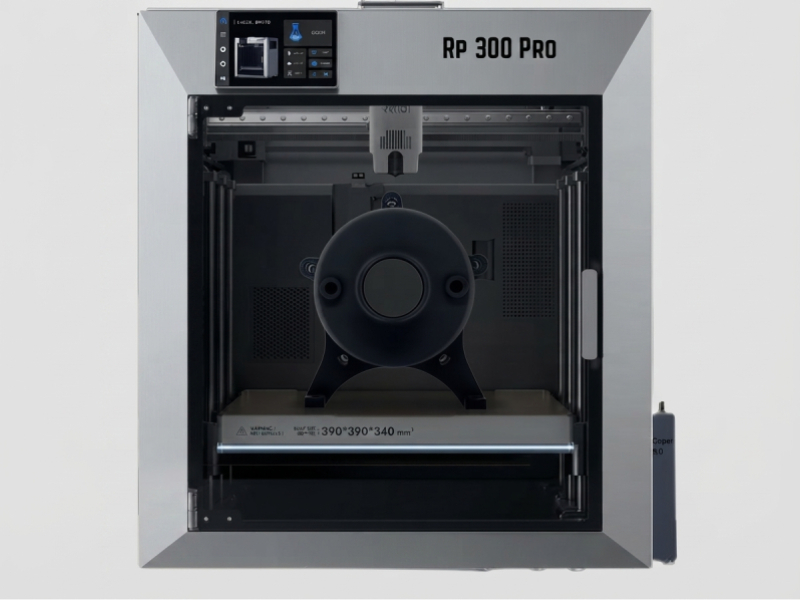
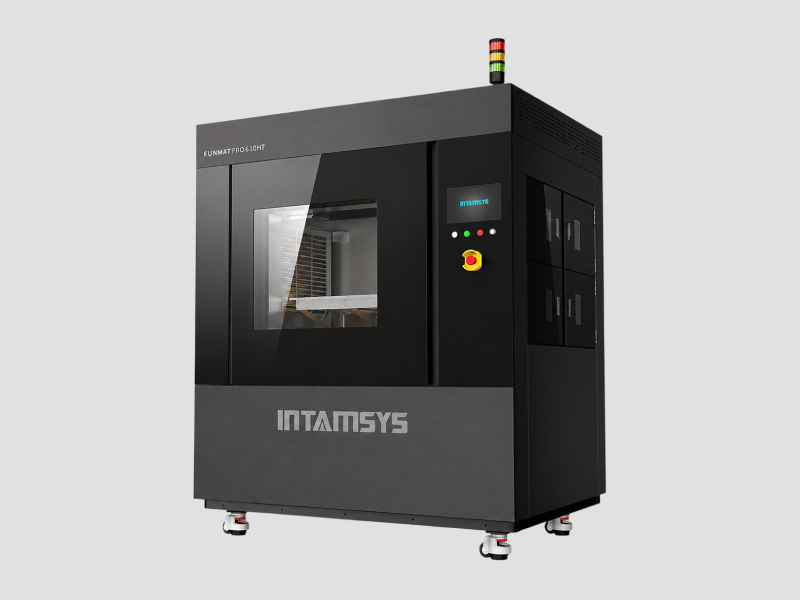
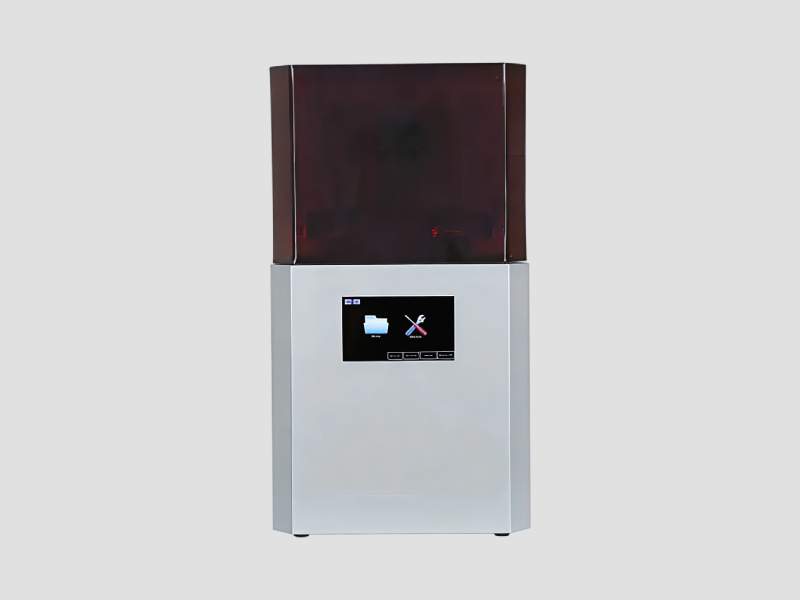
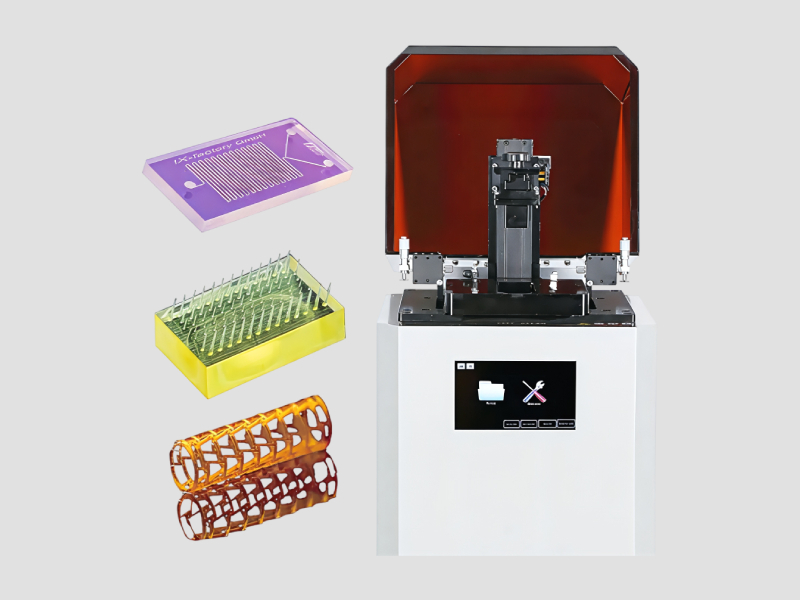
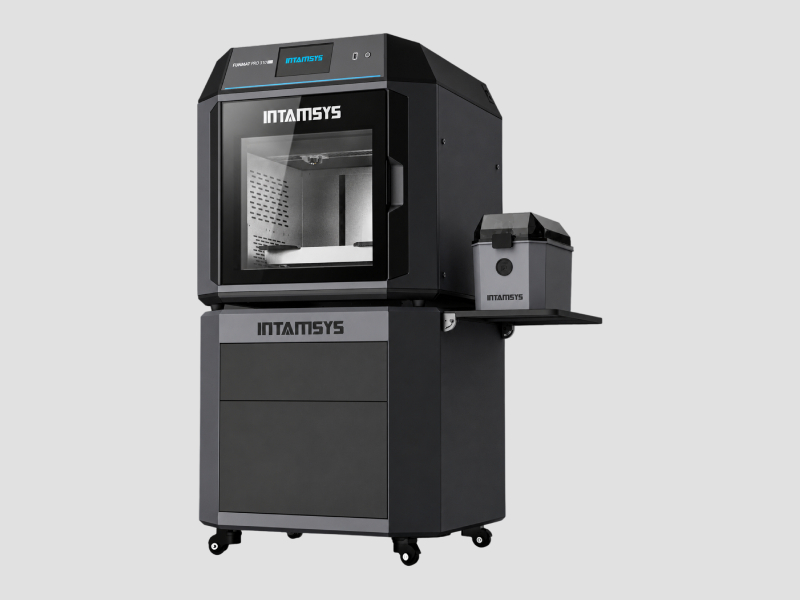
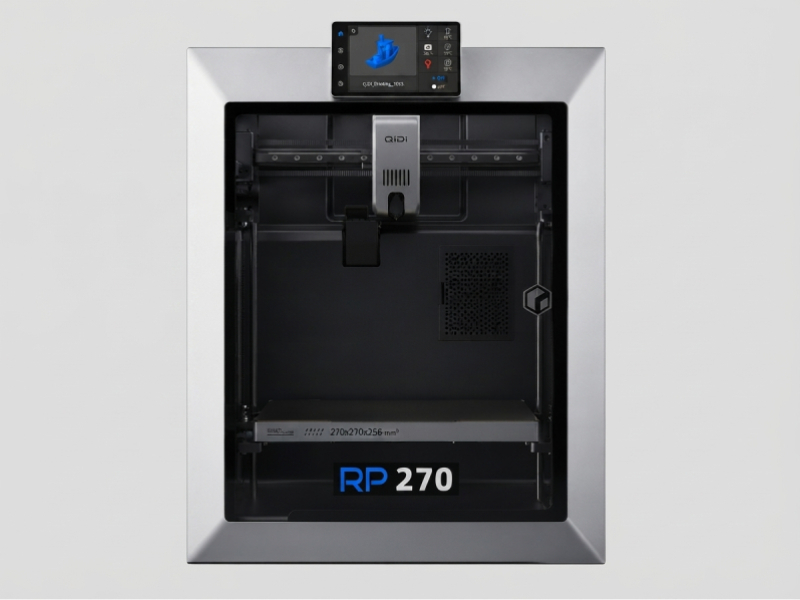
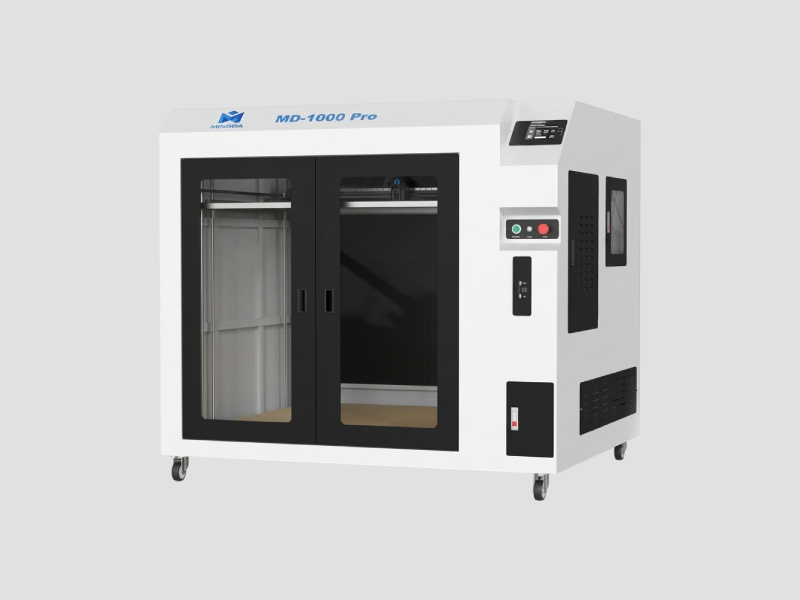
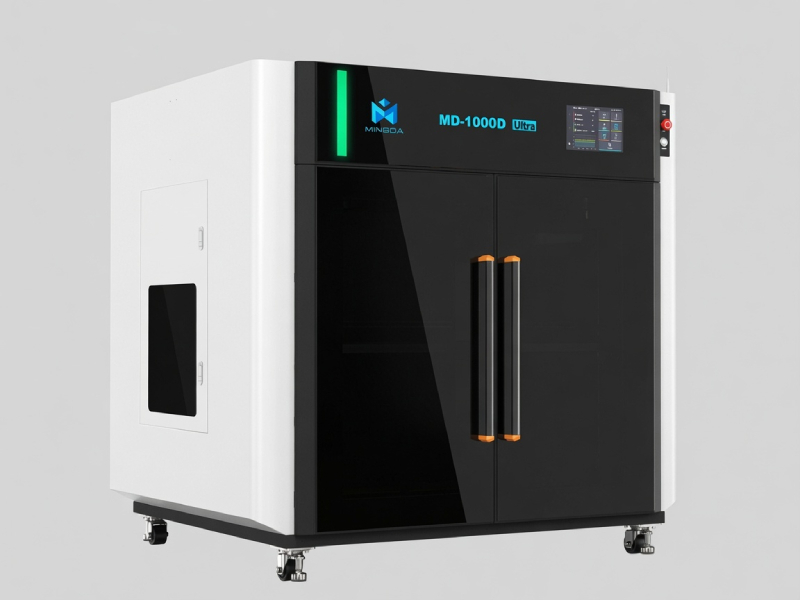
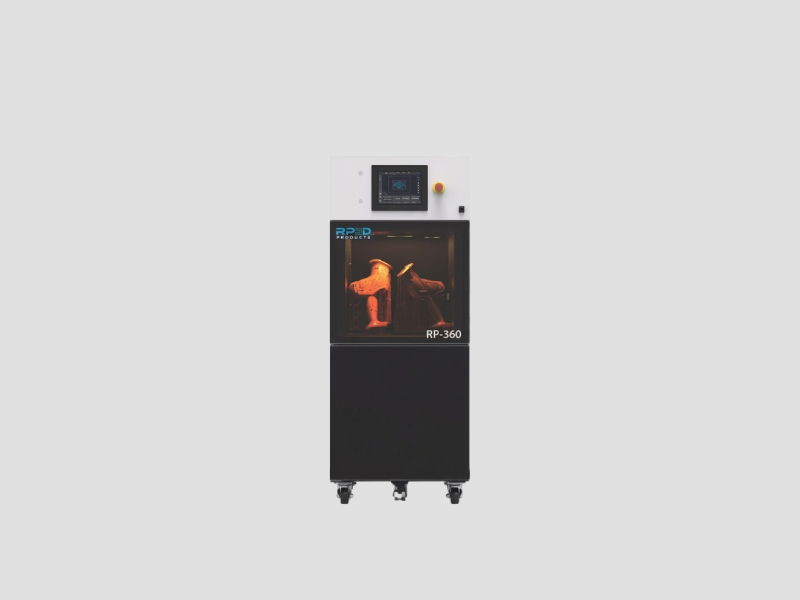
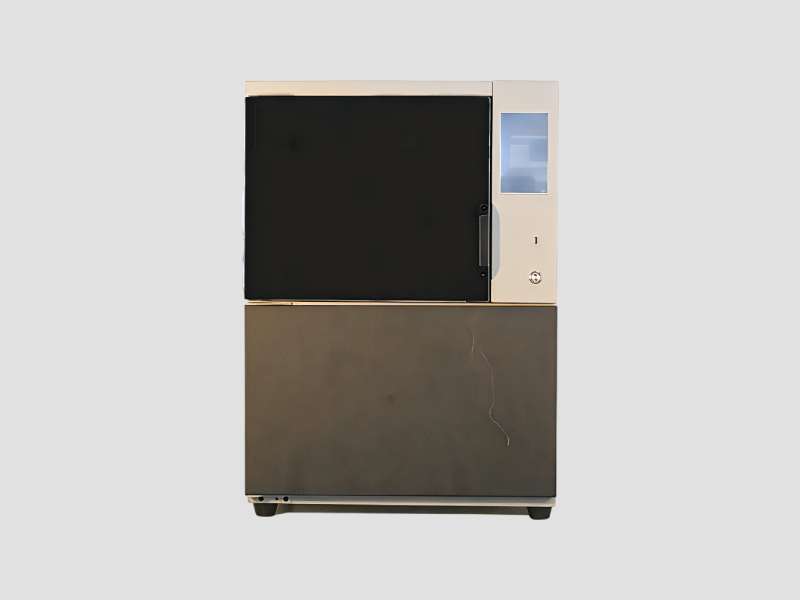
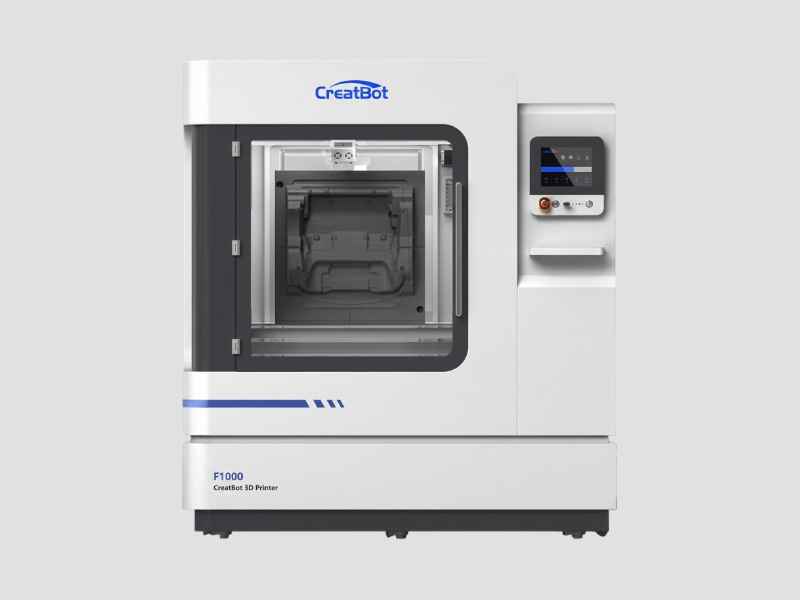
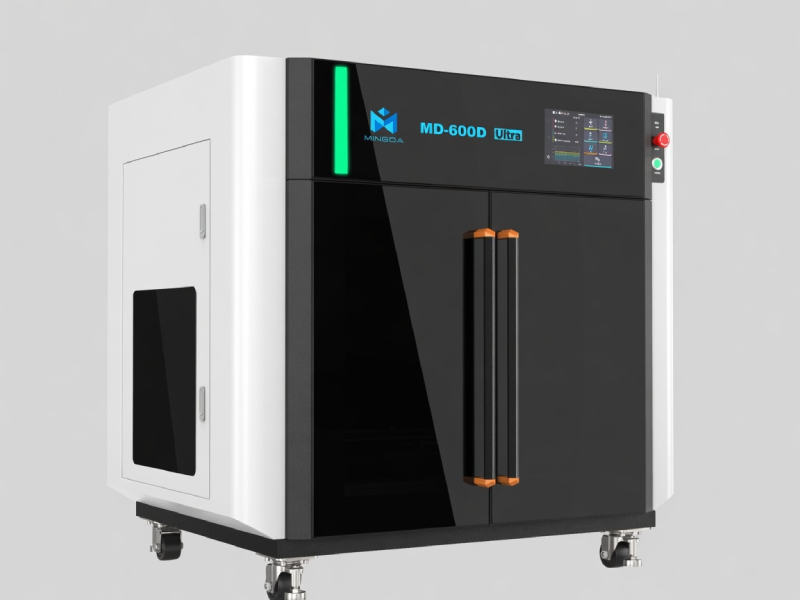
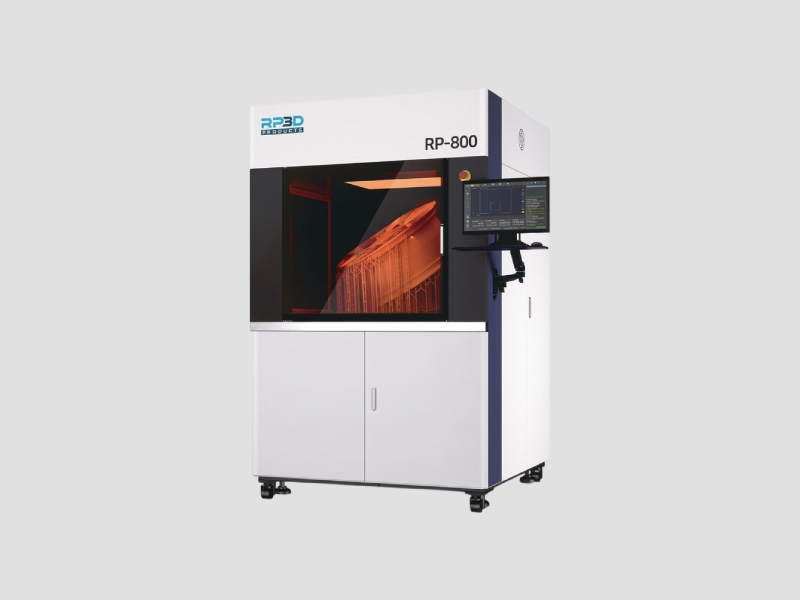
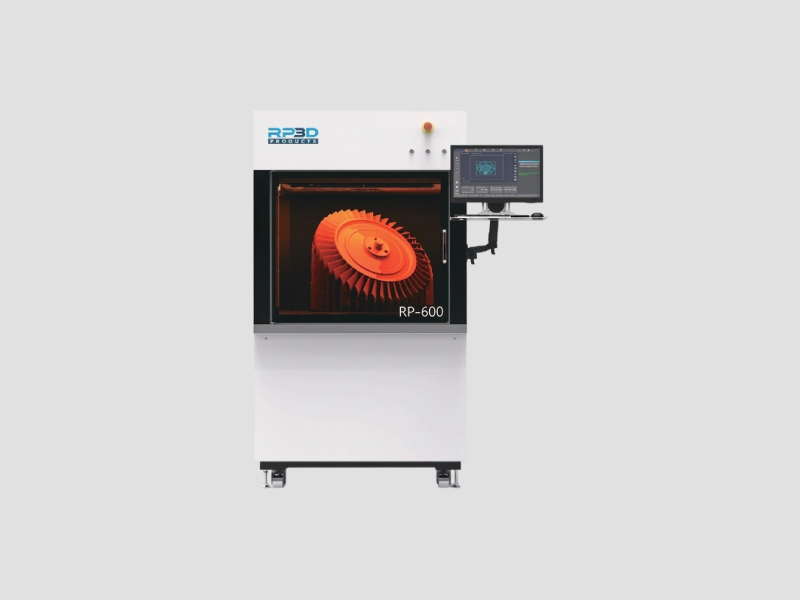
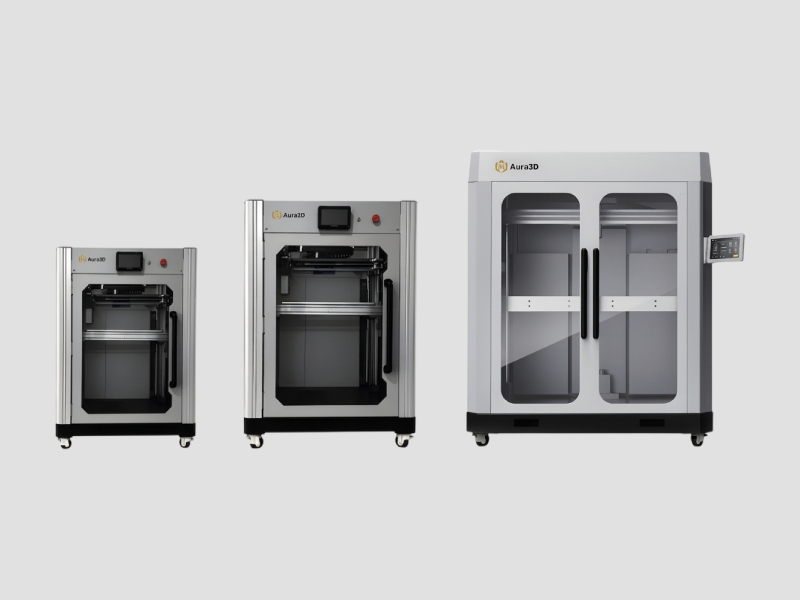
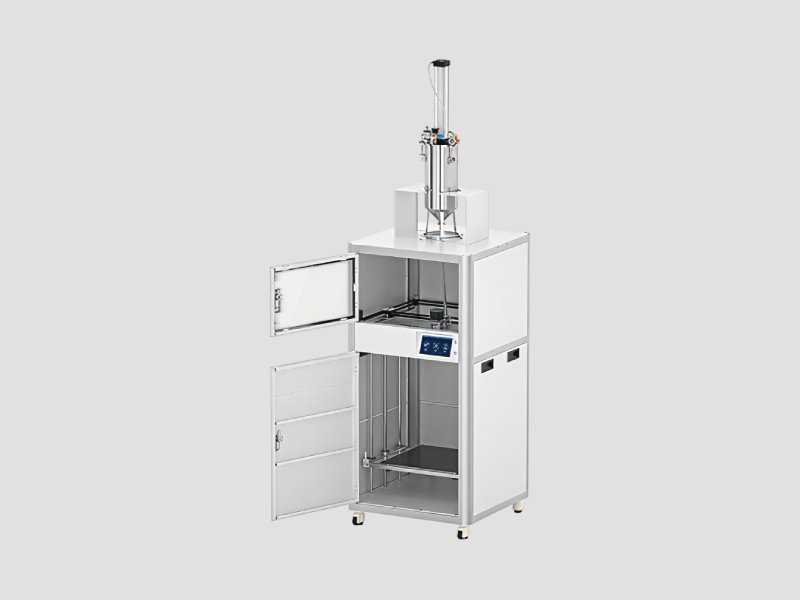
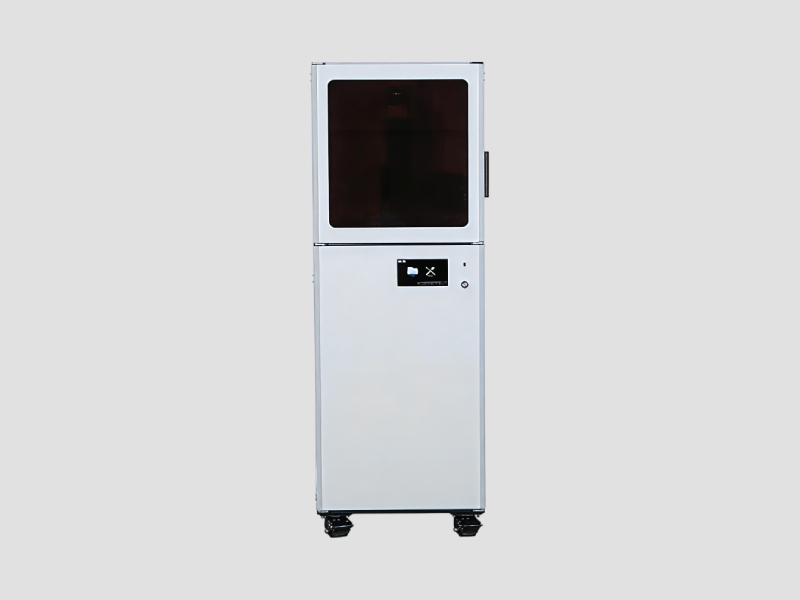
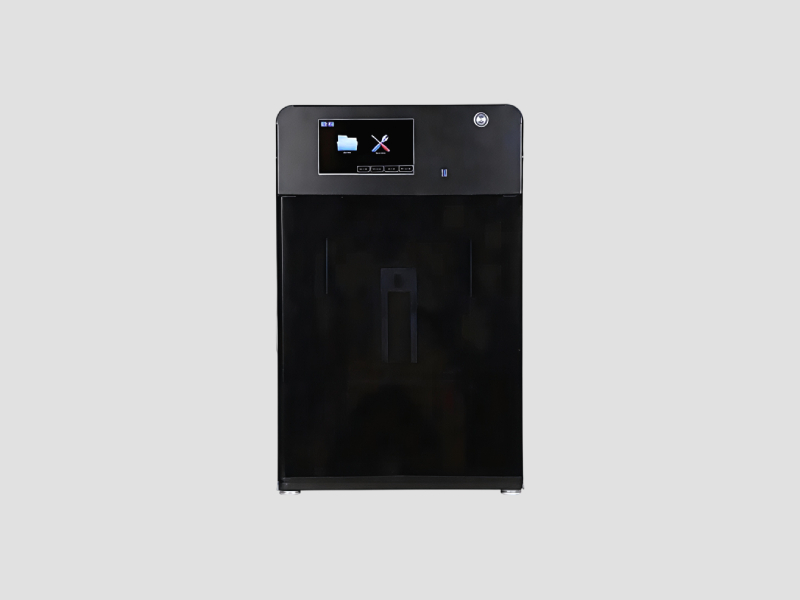
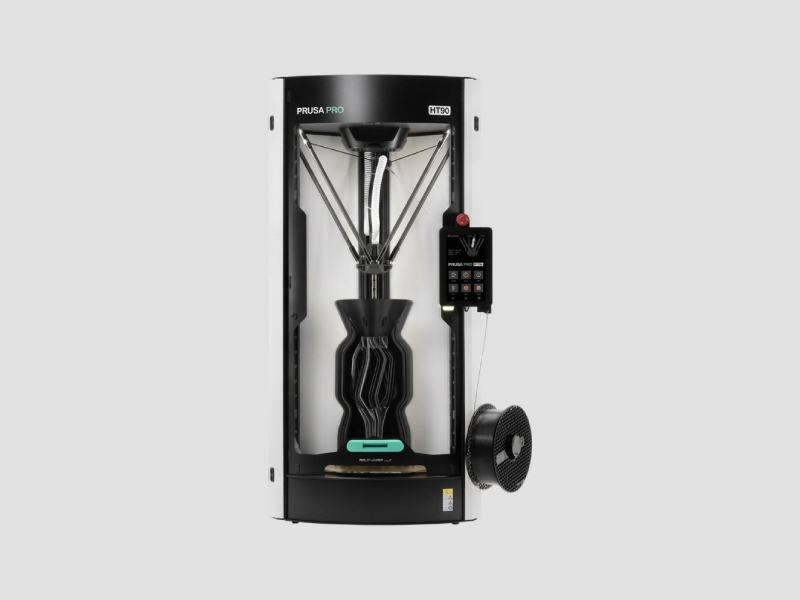
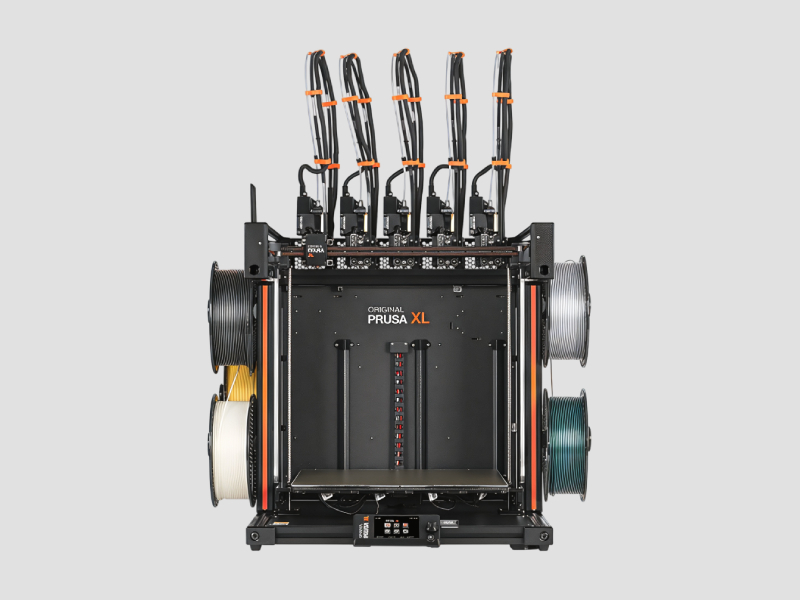
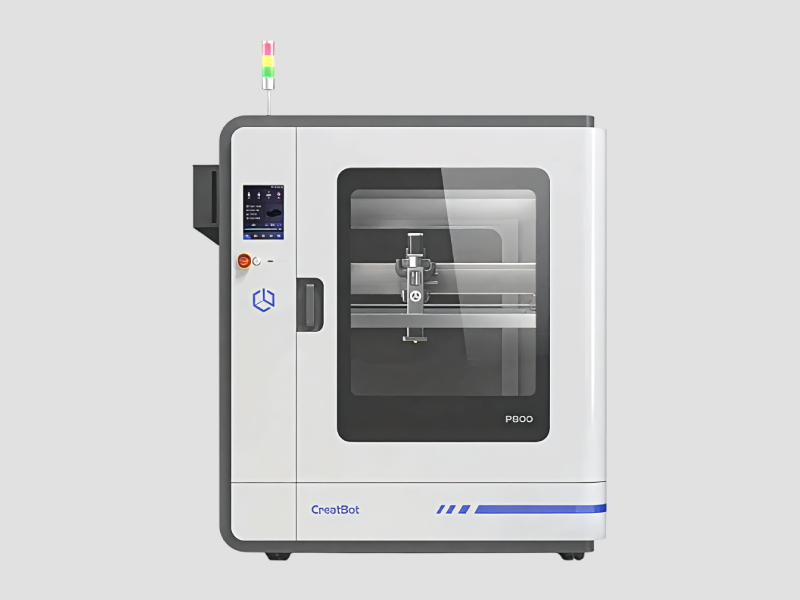
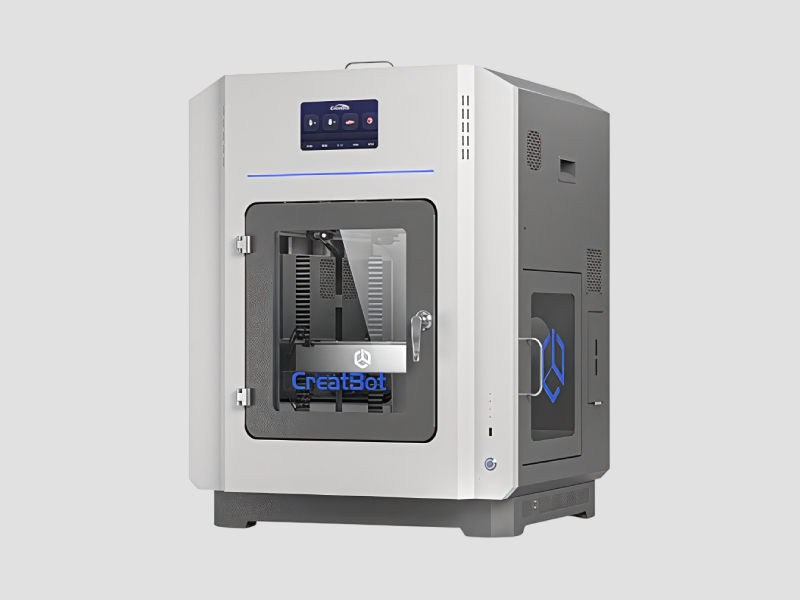
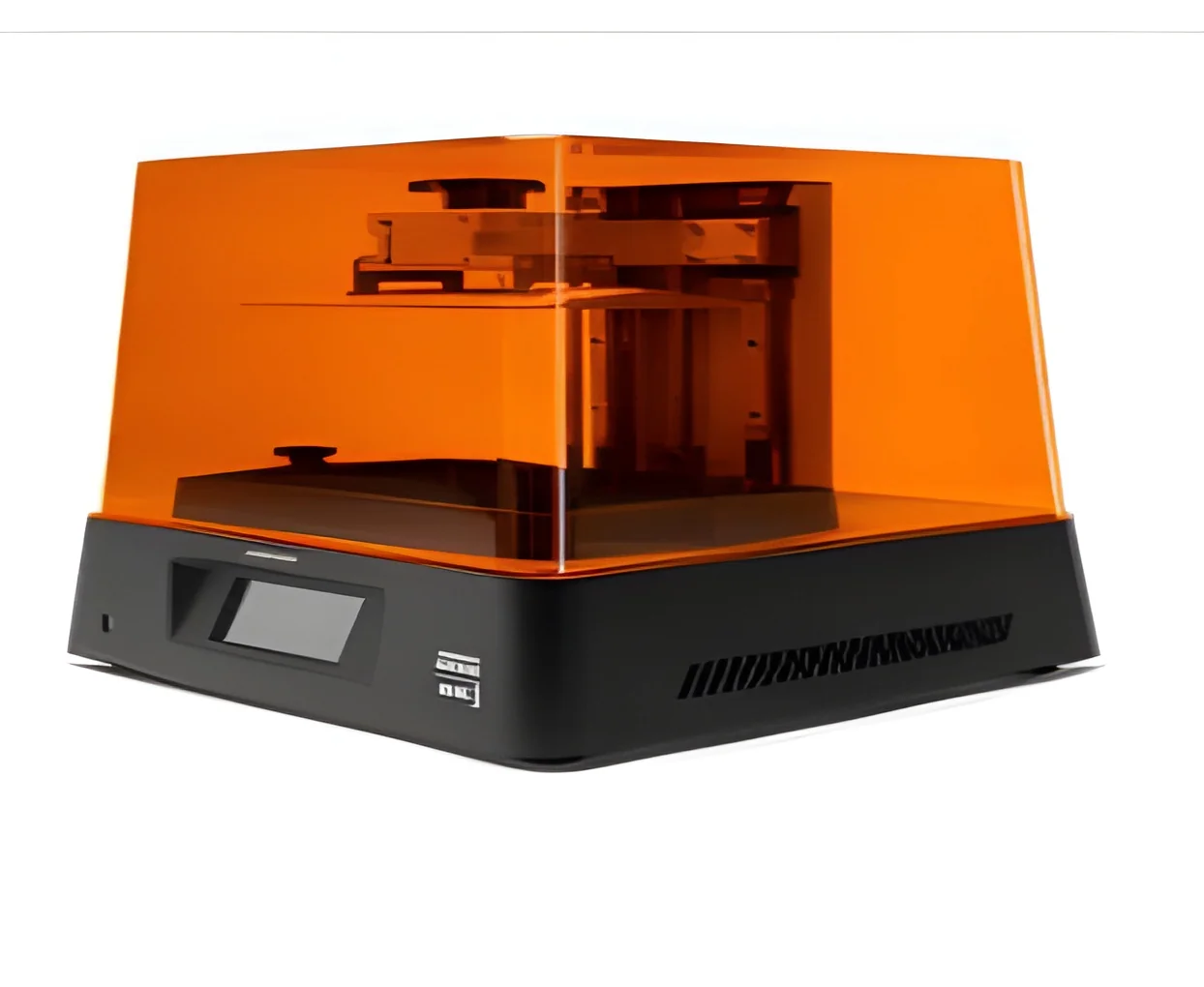
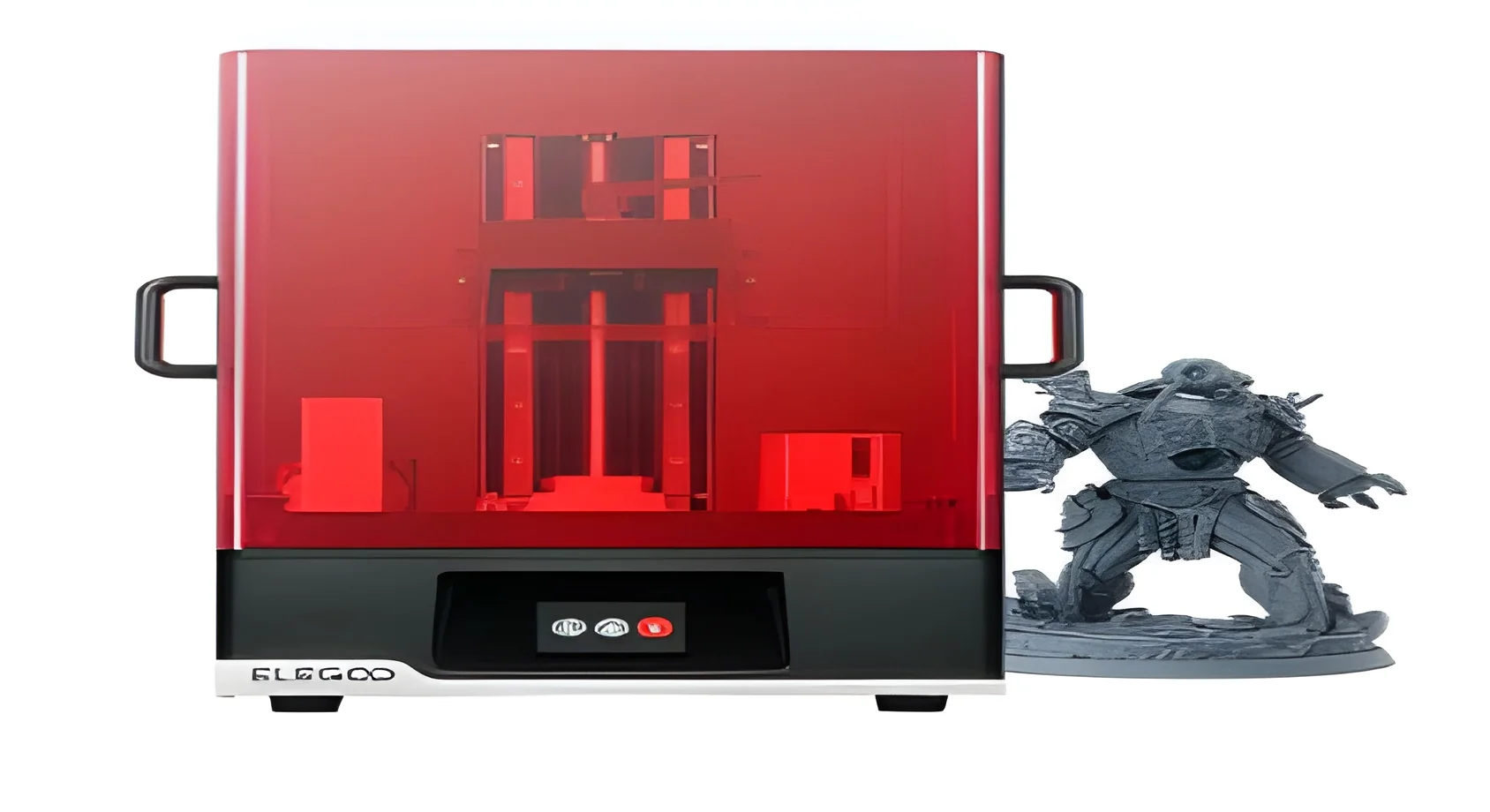
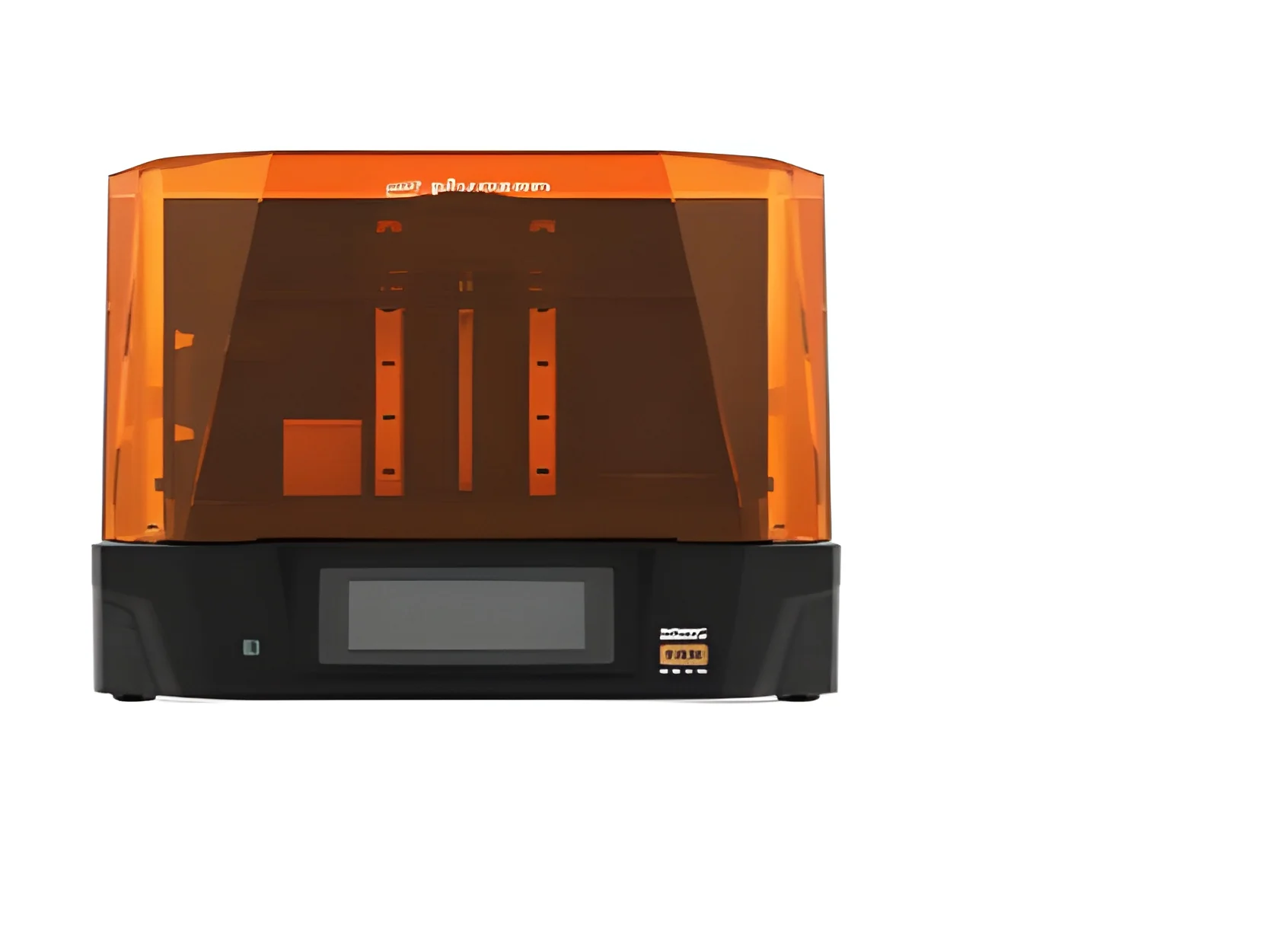
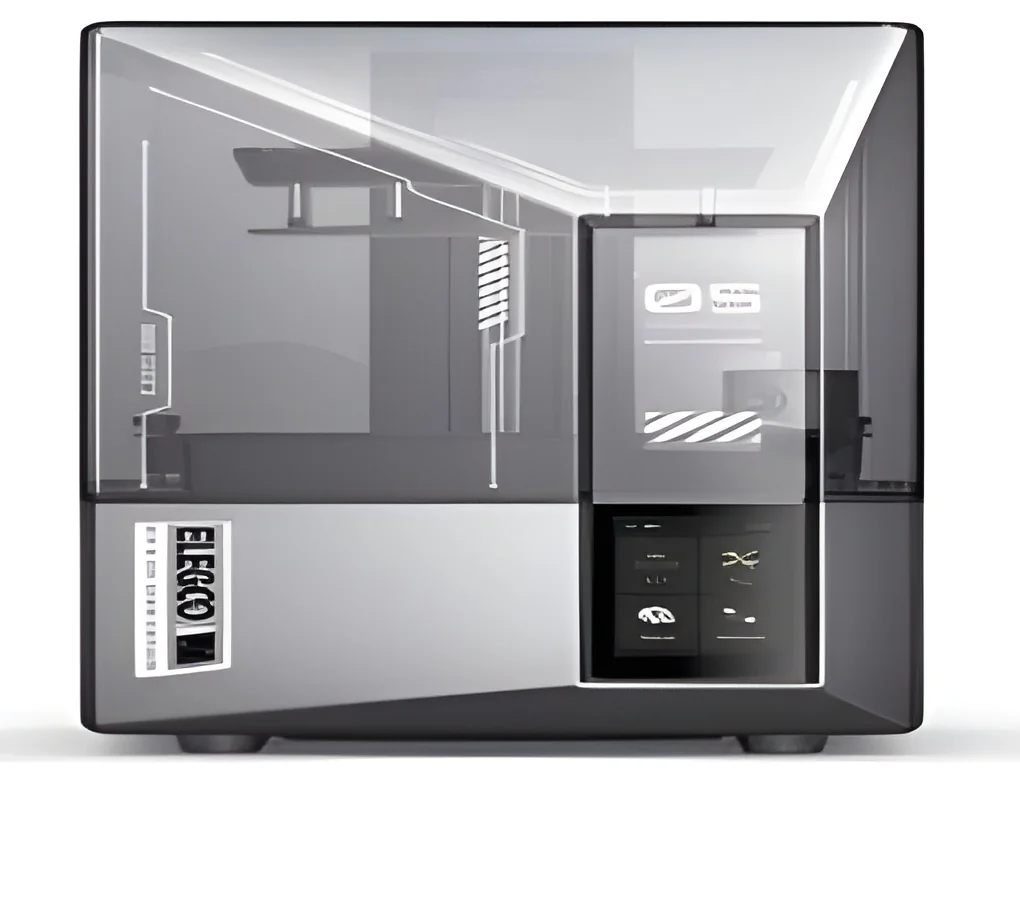
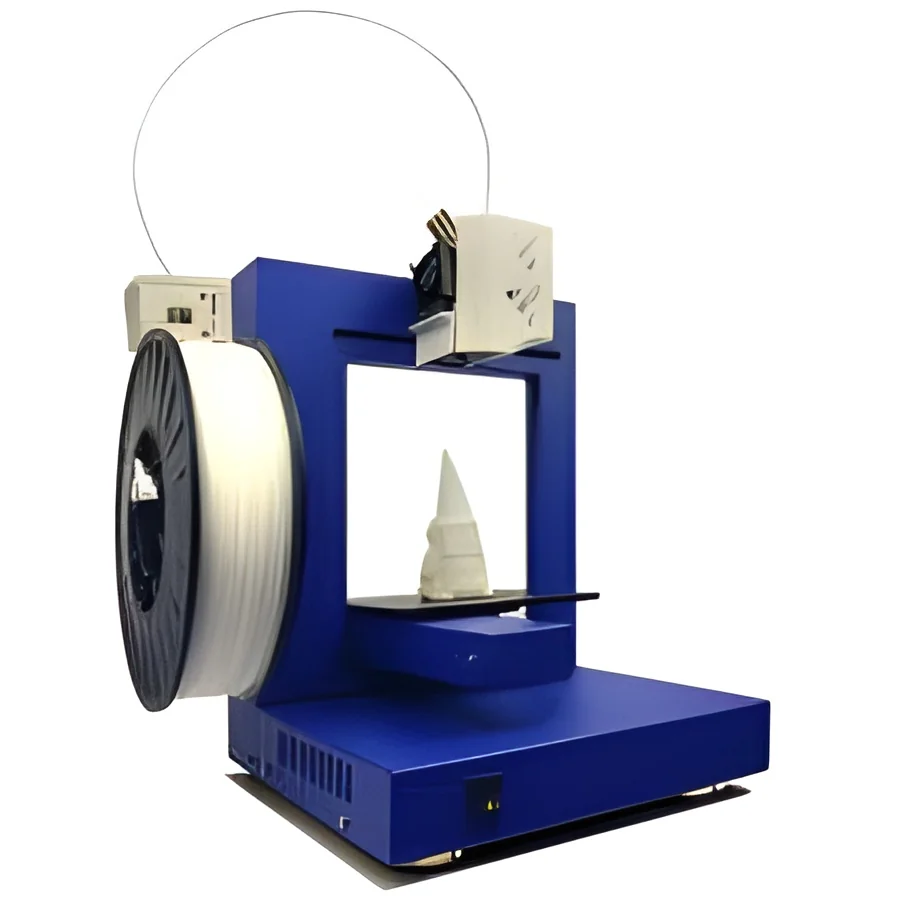
What are Resin 3D Printers?
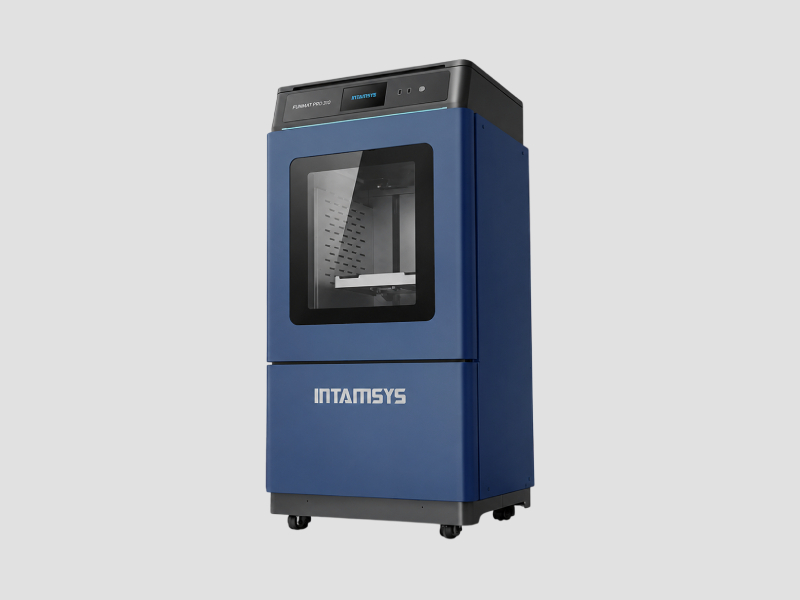
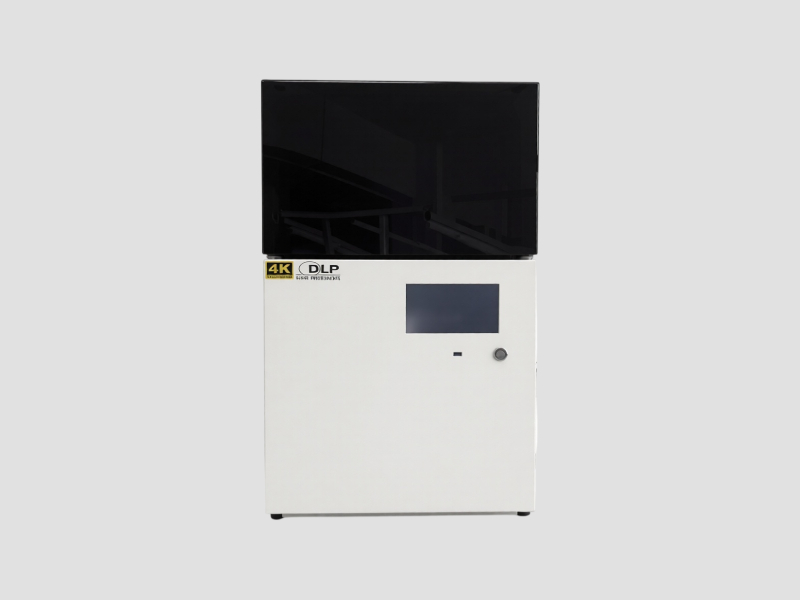
Resin 3D printers are advanced additive manufacturing machines that utilize liquid photopolymer resin to create three-dimensional objects. These printers use a light source, typically a UV or laser, to cure the resin layer by layer, resulting in highly detailed and precise models. The process is often faster than traditional FDM (Fused Deposition Modeling) printing, allowing for smoother finishes and intricate designs.
These printers are primarily used in industries that require high-resolution prototypes and intricate designs, such as jewelry, dental, and engineering sectors. Businesses leverage resin 3D printing for rapid prototyping, custom tooling, and even low-volume production. As such, they play a critical role in product development cycles, enabling companies to test and iterate designs quickly.
The market for resin 3D printers is expanding as more industries recognize their capabilities. With advancements in resin formulations and printer technology, these devices are becoming more accessible to a wider range of businesses. As a result, companies are increasingly adopting resin 3D printing as a means to enhance productivity and innovation in their manufacturing processes.
Key Features and Specifications
Resin 3D printers are characterized by several key features that differentiate them from other types of 3D printers. Understanding these specifications is essential for businesses looking to invest in this technology.
Key specifications include:
1. Build Volume
- The maximum size of the object that can be printed.
- Typically ranges from small desktop sizes to larger industrial models.
2. Layer Thickness
- The thickness of each printed layer.
- Commonly adjustable from 25 to 200 microns for varying detail levels.
3. Print Speed
- The rate at which a printer can produce objects.
- Influenced by the printer type and resin used.
4. Light Source
- The technology used to cure the resin.
- Options include LCD, DLP, and laser systems.
5. Resin Types
- Different formulations for various applications.
- Includes standard, tough, flexible, and castable resins.
6. Connectivity Options
- Methods for connecting the printer to a computer or network.
- Can include USB, Wi-Fi, and Ethernet capabilities.
7. Software Compatibility
- The software required for slicing and preparing models.
- Must be compatible with the printer’s operating system.
8. User Interface
- The ease of use of the printer’s control panel.
- Affects operational efficiency and user experience.
In summary, selecting a resin 3D printer involves considering these specifications to ensure it meets the specific needs of your business applications.
Common Applications and Use Cases
Resin 3D printers serve a variety of industries, showcasing their versatility and precision.
1. Jewelry: Designers use resin printing to create intricate jewelry models and prototypes that require fine details, enabling rapid design iterations.
2. Dental: Dental professionals utilize resin printers for creating custom dental models, crowns, and aligners with high accuracy, improving patient care and outcomes.
3. Engineering: Engineers create prototypes and functional parts quickly, allowing for better testing and validation of designs before production.
4. Education: Educational institutions use resin printers to demonstrate advanced manufacturing techniques and provide hands-on experience in design and engineering courses.
5. Art and Sculpture: Artists employ resin printing to realize complex sculptures and installations that would be challenging to produce using traditional methods.
6. Automotive: The automotive industry leverages resin printing for prototyping components and tools, reducing time and costs associated with traditional manufacturing.
7. Aerospace: Aerospace engineers use resin 3D printing for creating lightweight parts that require high precision and adherence to strict safety standards.
Product Variants and Subcategories
Resin 3D printers come in various configurations, catering to different industry needs and user preferences.
Entry-Level Resin Printers
These printers are designed for hobbyists and small businesses. They offer a balance of affordability and performance, making them suitable for basic prototyping and personal projects.
Professional Resin Printers
These models are built for industrial use, featuring larger build volumes and higher print speeds. They are ideal for businesses producing detailed prototypes or small production runs.
Industrial Resin Printers
These high-end machines are designed for large-scale manufacturing. They provide exceptional accuracy and speed, making them suitable for sectors like aerospace and automotive where precision is critical.
Desktop Resin Printers
Compact and user-friendly, these printers are perfect for small offices or workshops. They offer a good introduction to resin printing without requiring extensive space.
Benefits and Advantages
Investing in resin 3D printers presents several benefits for businesses looking to enhance their manufacturing capabilities.
Key benefits include:
1. High Precision: Resin printers provide exceptional detail and accuracy, making them ideal for intricate designs and prototypes.
2. Fast Prototyping: The quick printing process allows businesses to produce multiple iterations of a design in a short time, accelerating the development cycle.
3. Versatile Material Options: A wide range of resin types is available, allowing for different applications, from flexible prototypes to durable end-use parts.
4. Cost Efficiency: Reduces material waste compared to traditional manufacturing methods, leading to lower operational costs.
5. Customization: Businesses can easily modify designs and create customized products tailored to specific customer needs.
6. Enhanced Aesthetics: The smooth surface finish of resin prints often requires little to no post-processing, improving the final appearance of the models.
Buying Guide for B2B Buyers
When sourcing resin 3D printers, businesses should consider several critical factors to ensure they select the right model for their needs.
1. Quality Assessment: Look for printers that meet industry standards for quality. Consider factors such as print resolution, reliability, and customer reviews to gauge performance.
2. Supplier Verification: Vet suppliers by checking their reputation, certifications, and customer service track record. A reliable supplier can ensure you receive high-quality products and support.
3. Pricing and MOQ: Understand the pricing structure and minimum order quantities. Compare different suppliers to find the best balance of cost and quality.
4. Delivery and Lead Times: Evaluate the supplier's ability to deliver within your timeline. Consider logistics and shipping options to minimize downtime.
5. Compliance Requirements: Ensure that the printers meet any regulatory standards relevant to your industry. This may include safety certifications and environmental compliance.
Compliance and Certifications
Compliance and certification are vital in the resin 3D printing industry to ensure product safety and quality. Manufacturers often adhere to international quality standards such as ISO 9001, which focuses on quality management systems. This ensures that the production processes meet consistent quality benchmarks.
Additionally, CE certification is crucial for products sold in the European market. This label indicates that the product complies with safety, health, and environmental protection standards. For resin 3D printers, safety protocols must also be followed, which can include testing for electrical safety and material safety data sheets.
Regional compliance considerations may vary depending on the target market. It is essential for buyers to verify that the printers meet local regulations and industry-specific standards to avoid potential legal issues and ensure product reliability.
Why Source Resin 3D Printers from Pepagora?
Pepagora provides a trusted platform for sourcing resin 3D printers, offering numerous advantages for B2B buyers.
Verified Supplier Network: Pepagora has a rigorous vetting process for suppliers, ensuring that only reputable manufacturers are featured. This helps buyers make informed decisions and select reliable sources for their equipment.
Streamlined RFQ Process: The platform simplifies the request for quotation process, allowing businesses to compare multiple offers quickly. This efficiency enables buyers to find competitive pricing and tailored solutions that meet their specific needs.
Trade Assurance and Support: Pepagora prioritizes buyer protection through trade assurance measures. This includes support for resolving disputes and ensuring product quality, providing peace of mind for buyers during transactions.
Regional Coverage: With a strong presence in regions such as India, the Gulf Cooperation Council (GCC), and Southeast Asia, Pepagora connects buyers with local suppliers. This geographic reach enhances logistical efficiency and provides access to a diverse range of products tailored to regional markets.

 IN
IN