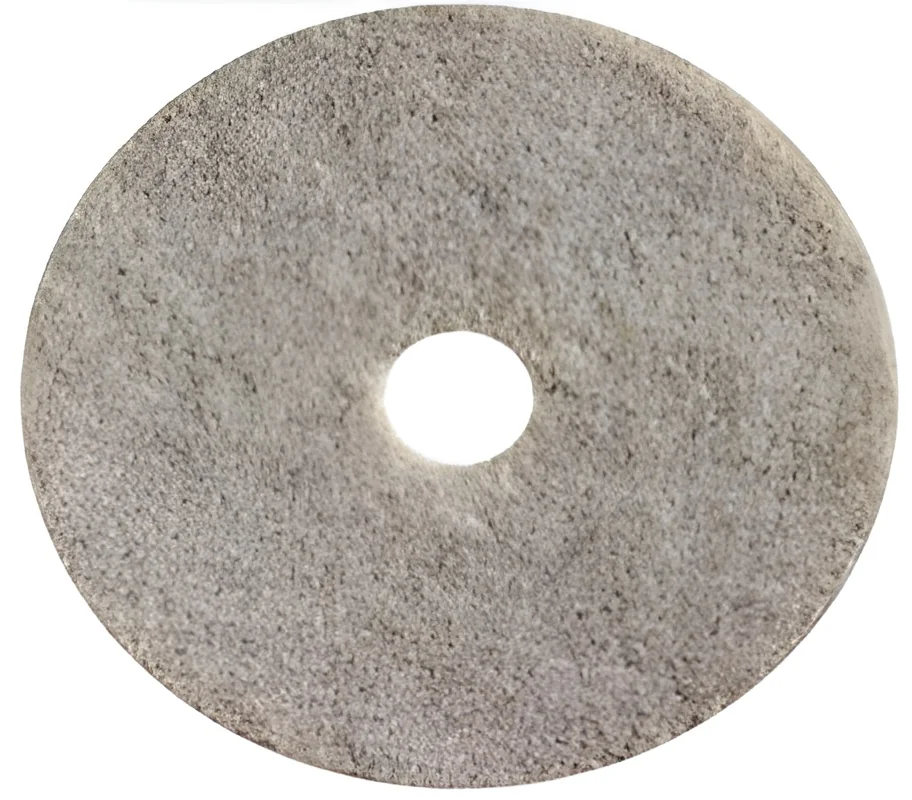
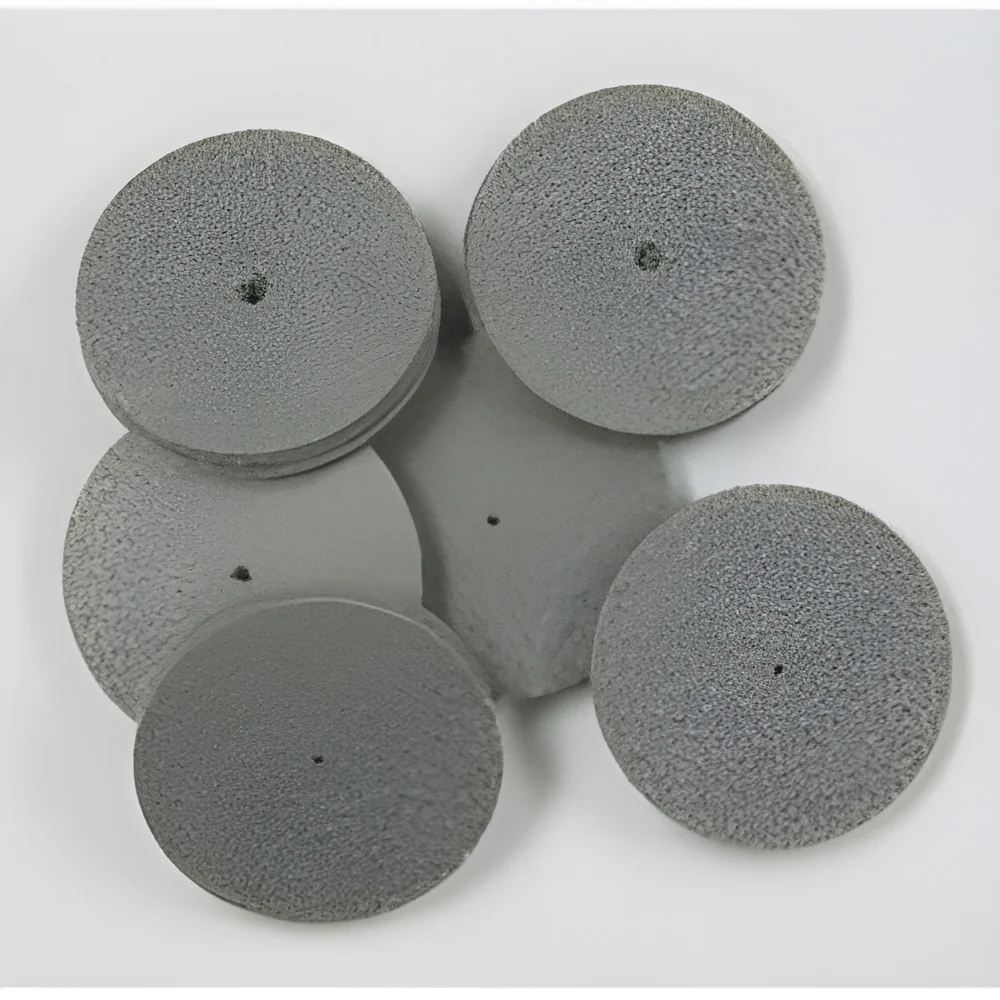
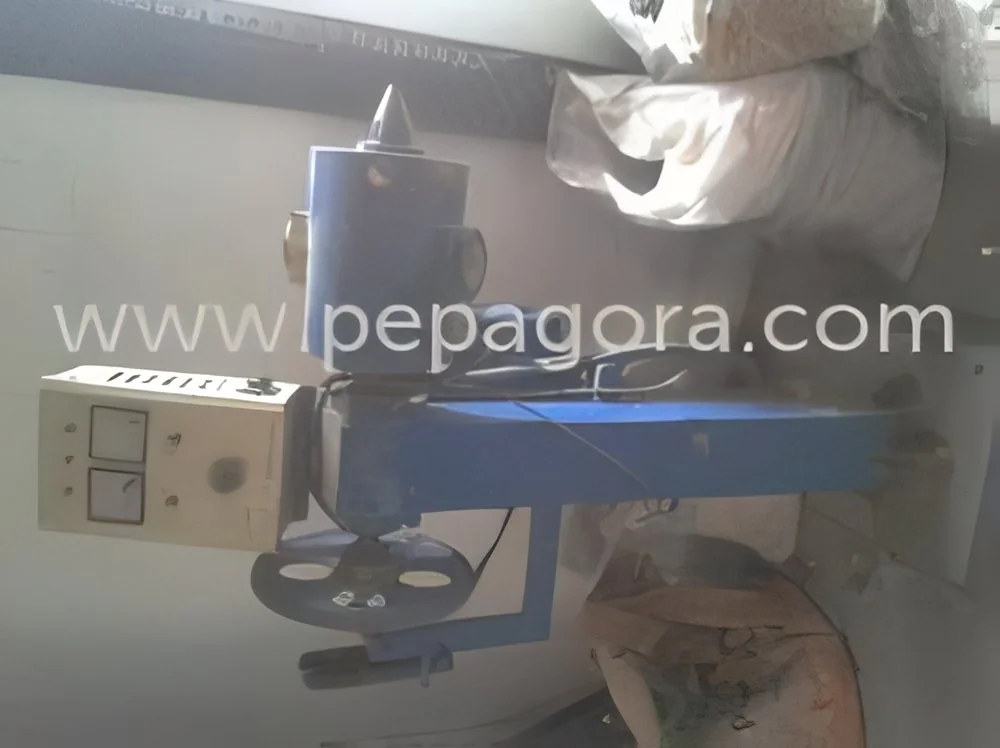
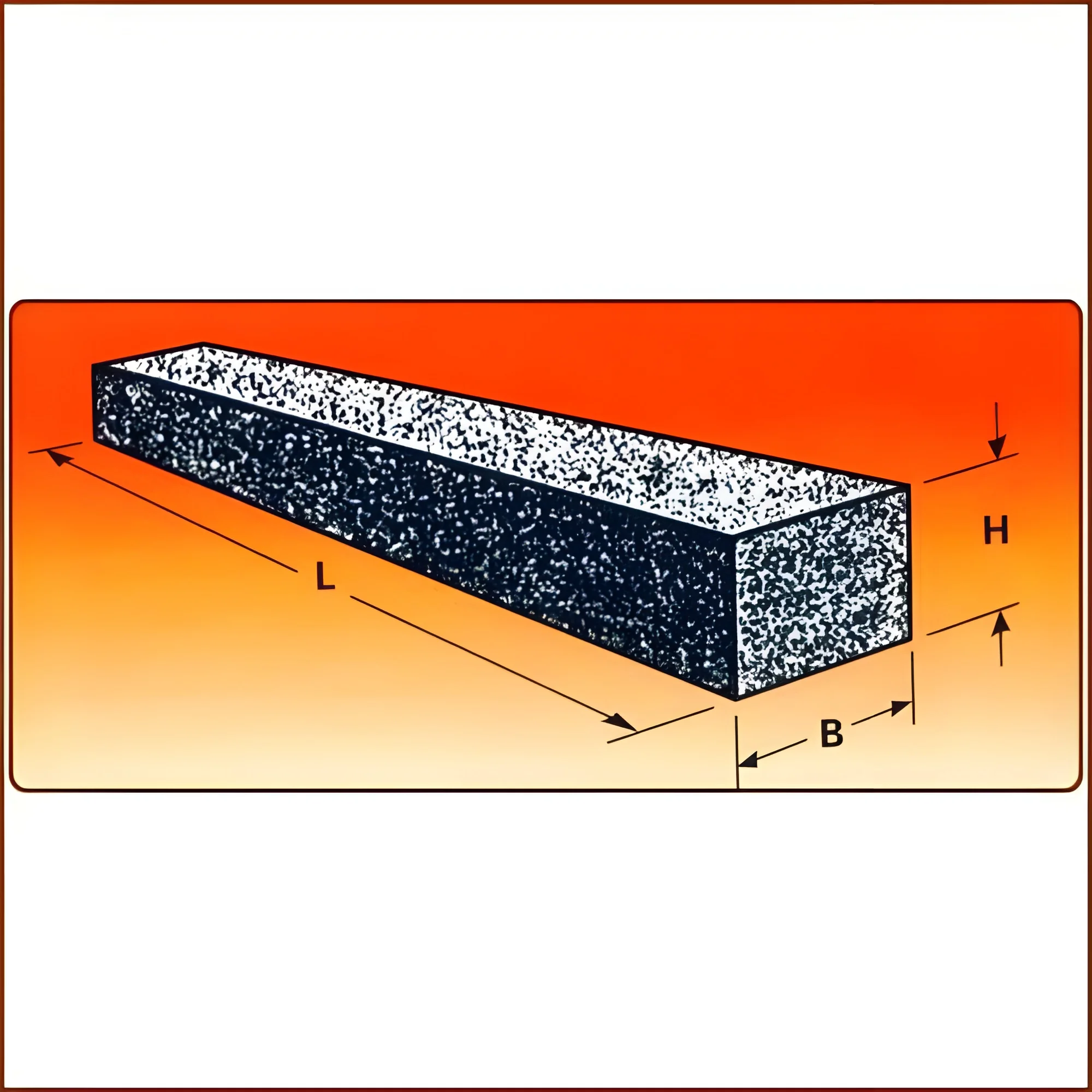
What are Surface Finishers?
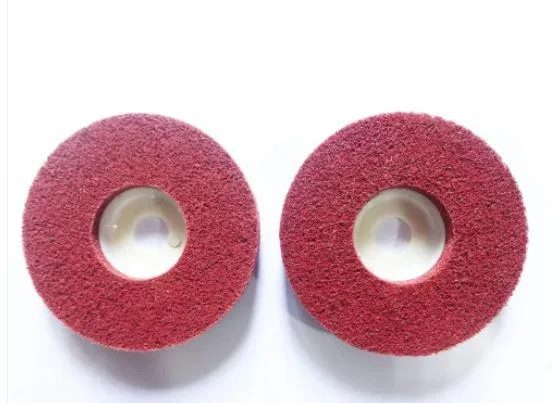
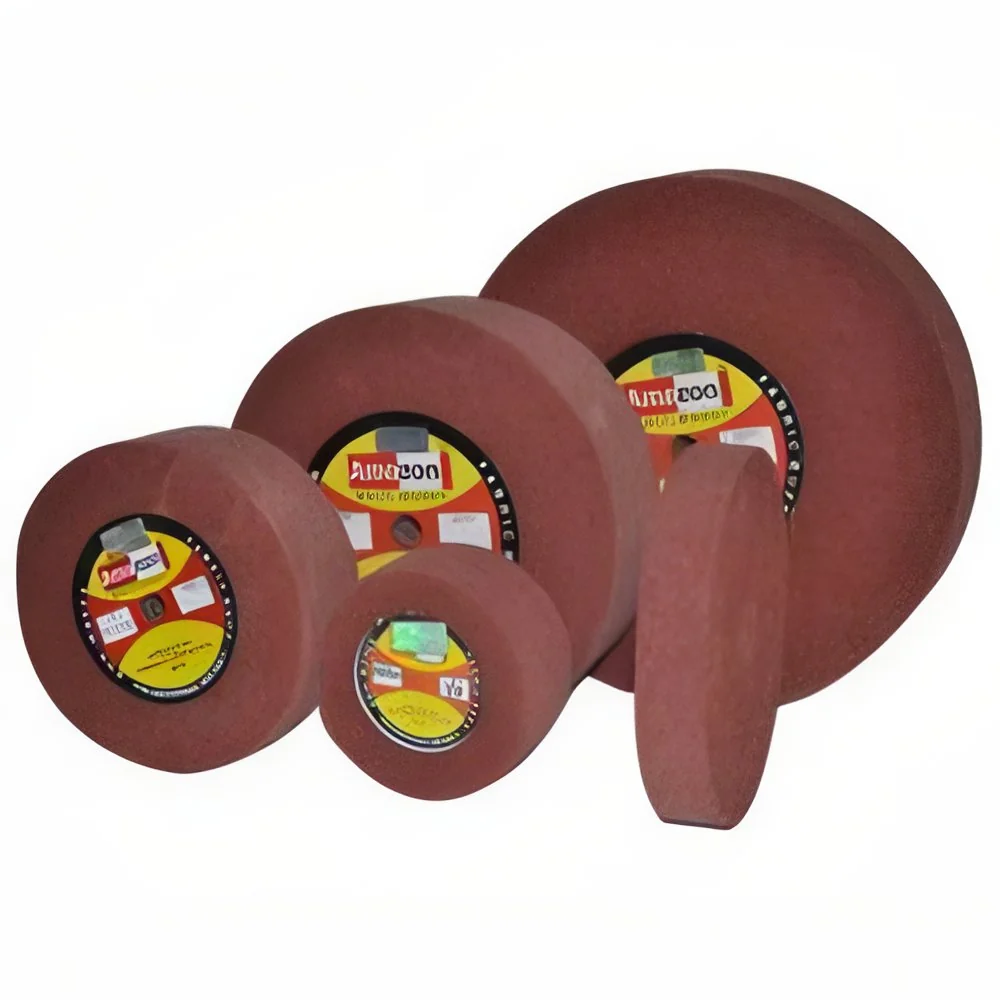
Surface finishers are specialized tools and equipment designed to improve the properties and aesthetics of a surface. These devices work by refining the texture of materials, ensuring that surfaces are smooth, polished, or otherwise treated based on specific requirements. Surface finishers play a crucial role in industries where surface quality impacts the performance and lifespan of products.
These tools are widely used in manufacturing processes across various sectors. For instance, surface finishers are essential in metal fabrication, automotive production, and electronics assembly. They help in preparing surfaces for coatings, improving adhesion, and preventing corrosion. The importance of surface finishers lies in their ability to enhance product longevity and performance, making them indispensable in competitive markets.
In the current industrial landscape, surface finishers are increasingly relevant as quality standards become more stringent. Companies are investing in advanced finishing technologies to meet customer demands for durability and reliability. This trend is driving innovation in surface finishing techniques and expanding the market for these essential industrial tools.
Key Features and Specifications
Surface finishers come with various features and specifications designed to meet diverse industrial needs. Understanding these specifications can help buyers choose the right equipment for their applications.
Key specifications include:
1. Power Type
- Electric or pneumatic options are available
- Varies based on operational requirements
2. Speed Settings
- Adjustable speed controls for different materials
- Ranges typically from 1,000 to 20,000 RPM
3. Weight
- Lightweight models for easy handling
- Heavier models offer stability during operation
4. Finish Types
- Capable of achieving various surface finishes
- Options include matte, glossy, or textured
5. Dust Collection
- Integrated systems for maintaining cleanliness
- Reduces airborne particles during operation
6. Ergonomics
- Designed for comfort during extended use
- Features such as rubber grips and balanced weight distribution
7. Safety Features
- Includes guards and automatic shut-off mechanisms
- Ensures operator safety during use
8. Compatibility
- Can be used with different types of abrasives and pads
- Versatile for various industrial applications
Surface finishers offer a wide range of specifications that cater to different industrial needs. Understanding these details helps businesses make informed purchasing decisions.
Common Applications and Use Cases
Surface finishers are used in multiple industries to achieve high-quality surface treatment results. Their versatility allows them to adapt to various applications.
1. Automotive Industry: Surface finishers are utilized for polishing car body parts and preparing surfaces for paint application. This ensures a flawless finish that enhances aesthetics and protection.
2. Aerospace Sector: In aerospace manufacturing, surface finishers are crucial for preparing components that must meet strict regulatory standards. They help ensure the longevity and reliability of critical parts.
3. Electronics Manufacturing: Surface finishers are used to refine the surfaces of circuit boards and components, improving electrical connectivity and overall performance.
4. Furniture Production: In the furniture industry, surface finishers are employed to smooth and polish wood surfaces, enhancing the visual appeal and durability of products.
5. Metal Fabrication: Surface finishers play a significant role in metalworking, helping to remove burrs and refine surfaces for better fit and finish.
6. Medical Devices: Surface finishers ensure that medical instruments are polished and free from contaminants, which is essential for safety and compliance with health regulations.
7. Construction: In construction, surface finishers are used for treating surfaces of building materials to improve durability and resistance to environmental factors.
Product Variants and Subcategories
Surface finishers come in various types to meet the diverse needs of different industries. Understanding the distinctions among these variants can help buyers select the appropriate tool for their needs.
Electric Surface Finishers: These models are powered by electricity and are widely used for precision tasks. They are ideal for applications requiring consistent performance without the need for compressed air.
Pneumatic Surface Finishers: Operated by compressed air, these finishers are known for their power and efficiency. They are often preferred in industrial settings where high-volume production is required.
Handheld Surface Finishers: Lightweight and portable, handheld models are designed for ease of use. These finishers are suitable for smaller jobs and are often used in workshops and construction sites.
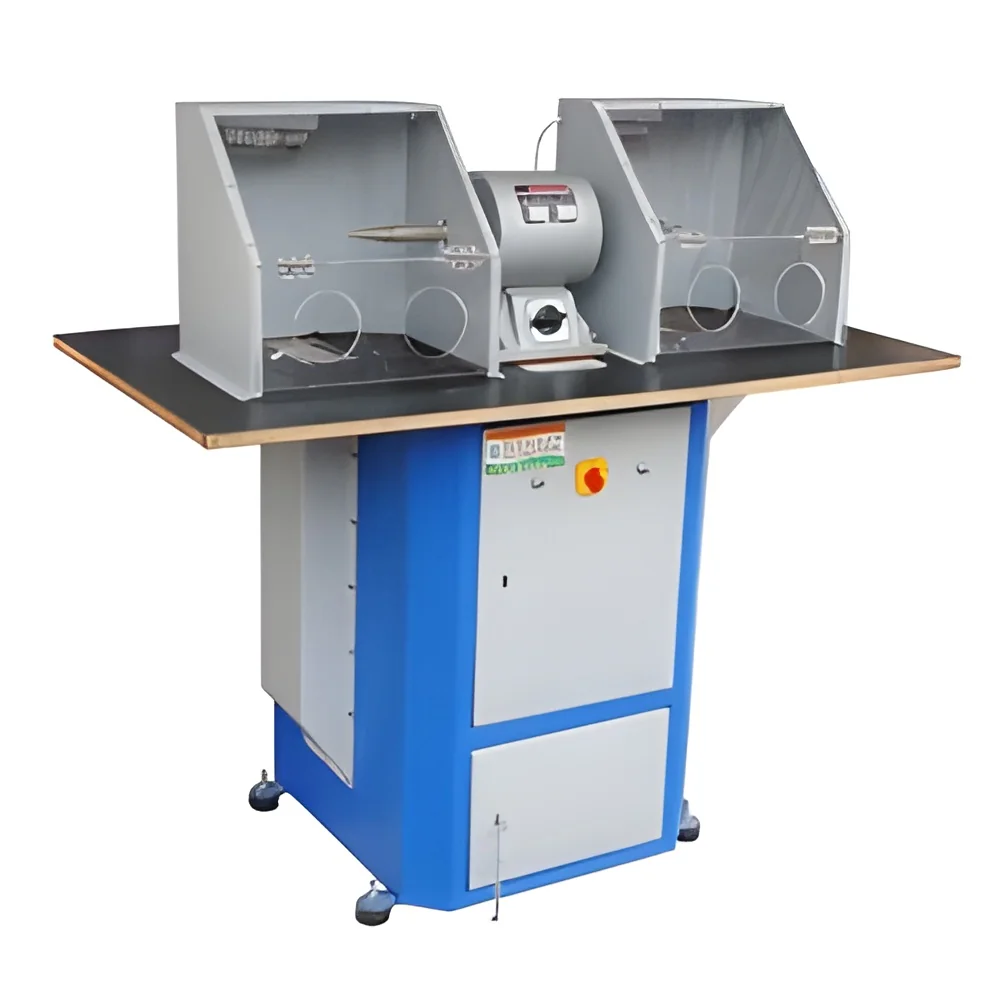
Stationary Surface Finishers: These units are designed for fixed installations and are used for larger scale operations. They are typically used in manufacturing environments for continuous production.
Benefits and Advantages
Investing in surface finishers provides several advantages that can enhance productivity and product quality.
1. Improved Surface Quality: Surface finishers enhance the texture of materials, resulting in better aesthetics and functionality.
2. Increased Durability: Proper surface finishing helps to protect materials from wear, corrosion, and environmental factors, extending product life.
3. Enhanced Performance: A refined surface can improve the performance of components, particularly in technical applications like electronics and automotive parts.
4. Compliance with Standards: Using surface finishers helps companies meet industry regulations and quality standards, essential for market competitiveness.
5. Versatility: Surface finishers can be used on various materials, making them suitable for multiple applications across industries.
6. Cost Efficiency: By improving quality and reducing defects, surface finishers can lead to lower production costs and higher efficiencies.
Buying Guide for B2B Buyers
When sourcing surface finishers, it is important for businesses to consider several factors to ensure they make the right choice.
1. Quality Assessment: Evaluate the quality of the finishers based on manufacturer specifications and user reviews. Look for reputable brands known for durability and reliability.
2. Supplier Verification: Conduct thorough research on potential suppliers. Verify their credentials, certifications, and customer feedback to ensure they can meet your needs.
3. Pricing and MOQ: Understand the pricing structures and minimum order quantities. Ensure that the costs align with your budget and production requirements.
4. Delivery and Lead Times: Discuss logistics with suppliers to understand delivery options and lead times. Timely delivery is crucial for maintaining production schedules.
5. Compliance Requirements: Ensure that the surface finishers meet necessary industry regulations and certifications, such as CE compliance, to avoid legal issues.
Compliance and Certifications
Surface finishers must adhere to various quality standards and certifications to ensure they meet industry requirements. One key standard is ISO 9001, which outlines the criteria for a quality management system. This standard ensures that companies consistently deliver products that meet customer and regulatory requirements.
Additionally, surface finishers may be required to comply with industry-specific certifications such as CE, which indicates conformity with health, safety, and environmental protection standards. This certification is critical for products sold in the European market.
Safety and testing requirements are also essential, as they ensure that the equipment operates safely for users. Manufacturers must conduct rigorous testing to meet these standards and ensure reliability.
Regional compliance considerations may vary based on local regulations. Buyers should be aware of specific requirements in their geographic area to ensure full compliance.
Why Source Surface Finishers from Pepagora?
Pepagora offers a trusted platform for sourcing surface finishers, providing several key advantages for businesses.
Verified Supplier Network: Pepagora's network consists of thoroughly vetted suppliers, ensuring that buyers can access high-quality products from reliable sources. This verification process helps minimize risks associated with purchasing.
Streamlined RFQ Process: The Request for Quotation (RFQ) system simplifies the procurement process. Buyers can easily submit their requirements and receive competitive quotes from multiple suppliers, enabling informed decision-making.
Trade Assurance and Support: Pepagora provides trade assurance, offering buyers protection against potential risks. This support builds confidence in transactions and fosters long-term business relationships.
Regional Coverage: With a strong presence in India, the GCC, and Southeast Asia, Pepagora offers extensive regional coverage. This geographic reach allows businesses to find suppliers that meet their specific needs while ensuring timely delivery and local support.

 IN
IN