
 IN
INMetal 3D Printers
1 products available
What are Metal 3D Printers?
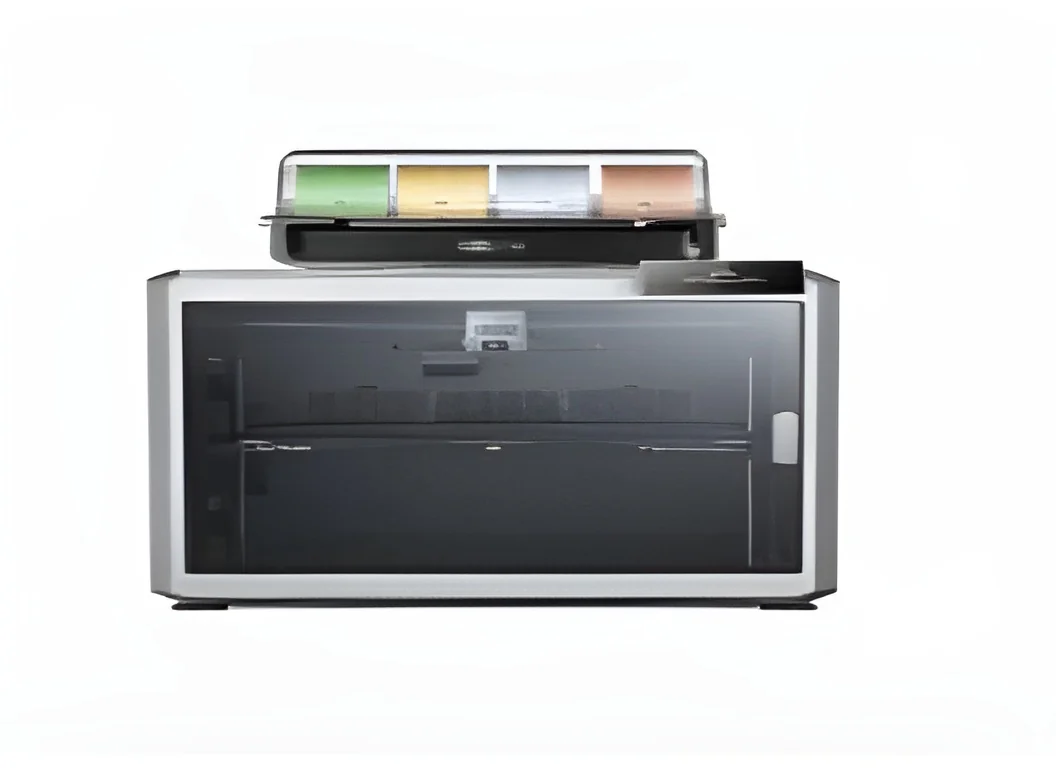
Metal 3D printers are advanced manufacturing machines that utilize additive manufacturing technology to create parts and components from metal materials. Unlike traditional subtractive manufacturing methods, which involve cutting away material, metal 3D printing builds objects layer by layer, allowing for more complex geometries and designs. This process typically involves melting metal powder using a laser or electron beam to fuse the particles together, resulting in a solid object.
These printers are widely used in various industries, including aerospace, automotive, medical, and tooling. They enable manufacturers to produce lightweight components that maintain strength and durability while also reducing material waste. The ability to create intricate designs that are often impossible to achieve with conventional manufacturing methods makes metal 3D printers increasingly relevant in today's competitive market.
As industries continue to embrace digital transformation, the demand for metal 3D printers is expected to grow. Companies are seeking innovative solutions to improve production efficiency, reduce costs, and enhance product performance. The market for metal 3D printing is evolving, with ongoing advancements in technology and materials, positioning it as a vital tool for modern manufacturing.
Key Features and Specifications
Metal 3D printers are equipped with several key features that enhance their performance and usability. These features are essential for meeting the demands of various applications and industries.
Key specifications include:
1. Build Volume
- Refers to the maximum dimensions of the objects that can be printed.
- Typical ranges vary from small parts to large components, often exceeding 400 x 400 x 400 mm.
2. Layer Thickness
- Indicates the thickness of each printed layer, impacting surface finish and detail.
- Commonly ranges from 20 to 100 microns, depending on the printer and material used.
3. Material Compatibility
- Lists the types of metals that can be printed, including titanium, aluminum, stainless steel, and others.
- Flexibility in material choice allows for diverse applications.
4. Print Speed
- Measures how fast the printer can produce parts, affecting overall production time.
- Print speeds can range from 10 to 100 cm³/hour based on the printer model.
5. Energy Source
- Specifies the type of energy used for melting the metal powder, such as laser or electron beam.
- Different energy sources can affect precision and material properties.
6. Software Integration
- Indicates compatibility with various design and engineering software.
- Essential for streamlining the design-to-print process.
7. Post-Processing Requirements
- Outlines any additional steps needed after printing, such as heat treatment or surface finishing.
- Understanding these needs is crucial for end-use applications.
8. Safety Features
- Includes built-in safety protocols to protect users during operation.
- Common features may involve ventilation, monitoring systems, and emergency shutdowns.
In summary, understanding these specifications is critical for selecting the right metal 3D printer for specific business needs and applications.
Common Applications and Use Cases
Metal 3D printers serve a broad range of industries, each leveraging their capabilities for unique applications.
1. Aerospace: Metal 3D printing is used to create lightweight and complex components for aircraft, such as brackets and engine parts, enhancing fuel efficiency and performance.
2. Automotive: Manufacturers utilize metal 3D printers for prototyping and producing parts like custom tooling and engine components, improving design flexibility and reducing lead times.
3. Medical: In the medical field, these printers are employed to manufacture implants and surgical instruments tailored to individual patient needs, promoting better outcomes.
4. Oil and Gas: Metal 3D printing is valuable for creating specialized tools and parts that withstand harsh environments, such as valves and connectors.
5. Defense: The defense industry uses metal 3D printers to develop components for military applications, including drones and armored vehicles, allowing for rapid prototyping and production.
6. Tooling: Companies in manufacturing often use metal 3D printing to produce molds and dies, reducing costs and lead times for tool production.
7. Industrial Equipment: Metal 3D printers are increasingly used to create components for machinery, enhancing durability and performance in demanding conditions.
Product Variants and Subcategories
Metal 3D printers come in various designs, each tailored for specific applications and user needs. This diversity allows businesses to choose a solution that best fits their production requirements.
Industrial Metal 3D Printer
This variant is designed for high-volume production and can accommodate larger build sizes. It often features advanced monitoring systems and high-speed printing capabilities, making it suitable for mass manufacturing.
Desktop Metal 3D Printer
A more compact option, this printer is ideal for small-scale operations or research and development environments. It offers a user-friendly interface and is often less expensive, making it accessible for startups.
High-Precision Metal 3D Printer
Focused on producing parts with exceptional accuracy, this variant is used in industries requiring tight tolerances, such as aerospace and medical. It employs advanced laser technologies to ensure high-quality outputs.
Benefits and Advantages
Investing in metal 3D printers comes with numerous benefits that can significantly enhance business operations.
Key benefits include:
1. Design Freedom: Metal 3D printers allow for complex geometries that traditional manufacturing methods cannot achieve, enabling innovative designs.
2. Material Efficiency: The additive process minimizes waste material, contributing to cost savings and environmental sustainability.
3. Customization: These printers enable the production of tailored parts to meet specific customer needs, enhancing product relevance.
4. Reduced Lead Times: Metal 3D printing accelerates the prototyping and production processes, allowing businesses to respond quickly to market demands.
5. Lightweight Components: The ability to produce lightweight yet strong parts contributes to improved performance and efficiency, especially in aerospace and automotive applications.
6. Scalability: Metal 3D printers can be scaled up for mass production or adjusted for small-batch runs, providing flexibility in production volume.
Buying Guide for B2B Buyers
When sourcing metal 3D printers, several critical factors should be considered to ensure the best fit for your business needs.
1. Quality Assessment: Evaluate the printer's build quality, reliability, and performance. Look for reviews and case studies from other businesses to gauge effectiveness.
2. Supplier Verification: Vet potential suppliers by checking their credentials, customer feedback, and industry presence. Ensure they have a proven track record of delivering quality products.
3. Pricing and MOQ: Consider the cost of the printer and any minimum order quantities required. Compare pricing across different suppliers to find the best deal.
4. Delivery and Lead Times: Inquire about delivery schedules and lead times. Understanding logistics is crucial for planning production timelines.
5. Compliance Requirements: Ensure that the printer meets any necessary regulatory standards for your industry. Familiarize yourself with compliance requirements, including safety and quality certifications.
Compliance and Certifications
Compliance and certifications are critical for ensuring the quality and safety of metal 3D printers.
Many manufacturers adhere to quality standards such as ISO 9001, which focuses on ensuring consistent quality management systems. These standards help businesses maintain high-quality production processes and customer satisfaction.
Additionally, specific industry certifications like CE are essential for demonstrating compliance with European safety and environmental protection regulations. This certification indicates that the product meets the necessary safety, health, and environmental requirements.
Safety and testing requirements are also paramount in the production of metal 3D printers. Manufacturers must conduct thorough testing to ensure that their equipment operates safely and complies with all relevant regulations.
Moreover, regional compliance considerations may vary, so it is vital for companies to understand the specific regulations applicable in the markets they operate in.
Why Source Metal 3D Printers from Pepagora?
Pepagora provides a trusted platform for sourcing metal 3D printers with several key advantages.
The verified supplier network ensures that buyers have access to reputable manufacturers who meet strict quality standards. This verification process helps mitigate risks and supports informed purchasing decisions.
The streamlined RFQ process simplifies the procurement of 3D printers. Buyers can easily request quotes from multiple suppliers, allowing for quick comparisons and efficient decision-making.
Trade assurance and support further enhance buyer protection, providing peace of mind during the purchasing process. This assurance helps safeguard investments and fosters trust in the transaction.
Pepagora's regional coverage spans India, the GCC, and Southeast Asia, allowing businesses in these regions to access metal 3D printers tailored to their specific needs. This geographic reach ensures that buyers can find suitable products and suppliers in their local markets.

Frequently Asked Questions
What are Metal 3D Printers?
Metal 3D Printers are advanced manufacturing machines that create three-dimensional objects using metal materials. They utilize processes like selective laser melting (SLM) or direct metal laser sintering (DMLS) to fuse metal powder layer by layer, enabling the production of complex geometries and high-strength parts.
What are the different types of Metal 3D Printers?
The main types of Metal 3D Printers include Selective Laser Melting (SLM), Direct Metal Laser Sintering (DMLS), Electron Beam Melting (EBM), and Binder Jetting. Each type has its unique process and applications, catering to different industrial needs and material requirements.
How do I choose the right Metal 3D Printers?
Choosing the right Metal 3D Printer involves evaluating your specific requirements, such as the type of metal materials you intend to use, the desired part complexity, and production volume. Additionally, consider factors such as machine reliability, support services, and price to ensure optimal performance for your applications.
What are the standard specifications for Metal 3D Printers?
Standard specifications for Metal 3D Printers typically include build volume, layer resolution, power source, and material compatibility. Other important specifications may include the type of laser or electron beam used, maximum build speed, and the precision of the machines.
What is the price range for Metal 3D Printers?
The price range for Metal 3D Printers varies significantly based on technology, build size, and manufacturer, typically starting from around INR 25 lakhs to over INR 1 crore. High-end industrial models with advanced features may cost significantly more, depending on their capabilities and specifications.
What quality standards apply to Metal 3D Printers?
Quality standards for Metal 3D Printers often include ISO 9001 for general quality management and specific standards related to additive manufacturing, such as ISO/ASTM 52900. Compliance with these standards ensures that products meet industry requirements for performance, safety, and reliability.
Where can I find Metal 3D Printers suppliers in India?
You can find Metal 3D Printers suppliers in India through online B2B marketplaces like Pepagora, industry trade shows, and manufacturer directories. Researching and comparing different suppliers can help you identify the best options based on your specific needs and location.
Can Metal 3D Printers be customized?
Yes, many manufacturers offer customization options for Metal 3D Printers based on specific requirements such as size, features, and material compatibility. Custom solutions can enhance the printer's performance for specialized applications and improve overall manufacturing efficiency.
What is the typical minimum order quantity for Metal 3D Printers?
The typical minimum order quantity (MOQ) for Metal 3D Printers can vary widely depending on the supplier and the specific model. Generally, MOQs can range from one unit for smaller manufacturers to multiple units for larger companies, especially for customized machines.
What is the typical lead time for Metal 3D Printers?
The typical lead time for Metal 3D Printers can range from a few weeks to several months, depending on factors such as the manufacturer's production schedule and whether the printer is a standard or customized model. It's essential to confirm lead times with suppliers when placing an order.
Why Businesses Trust Pepagora
Thousands of companies trust Pepagora to source smarter and sell faster
Expand Your Sales Globally

Source Smarter,Grow Faster
