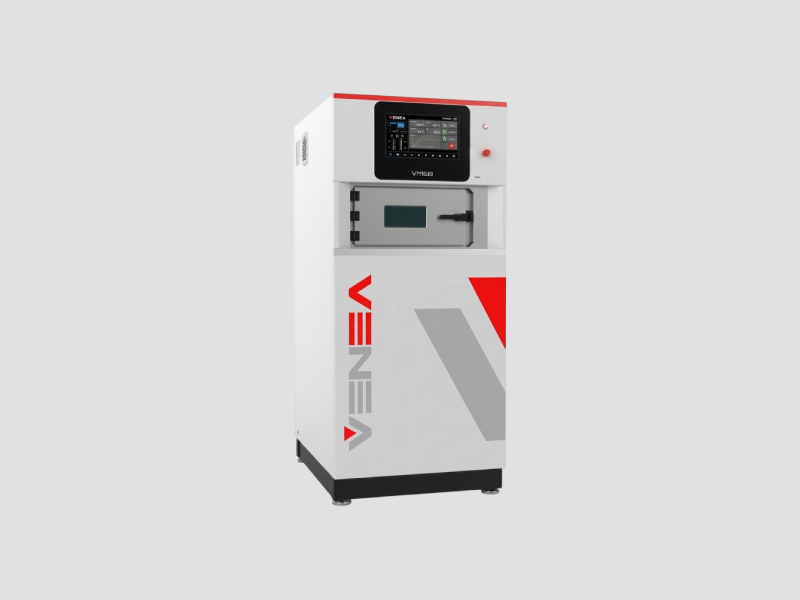
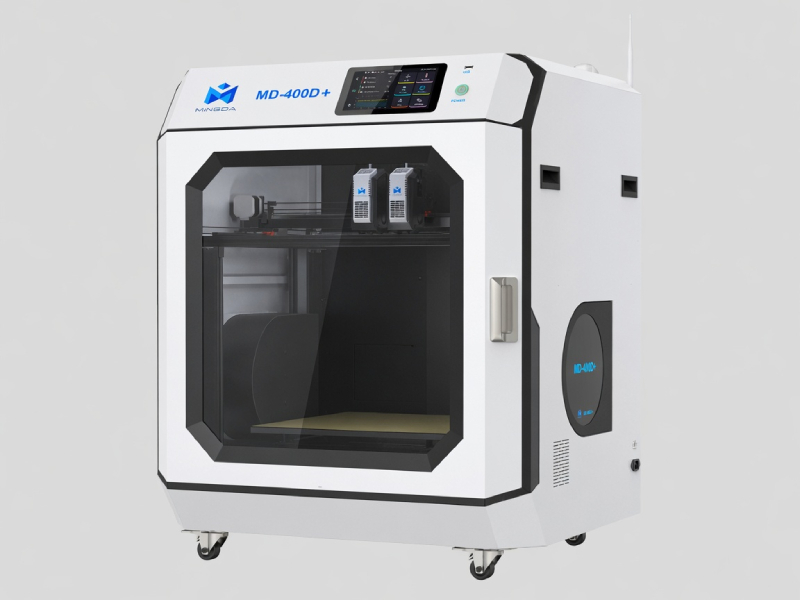
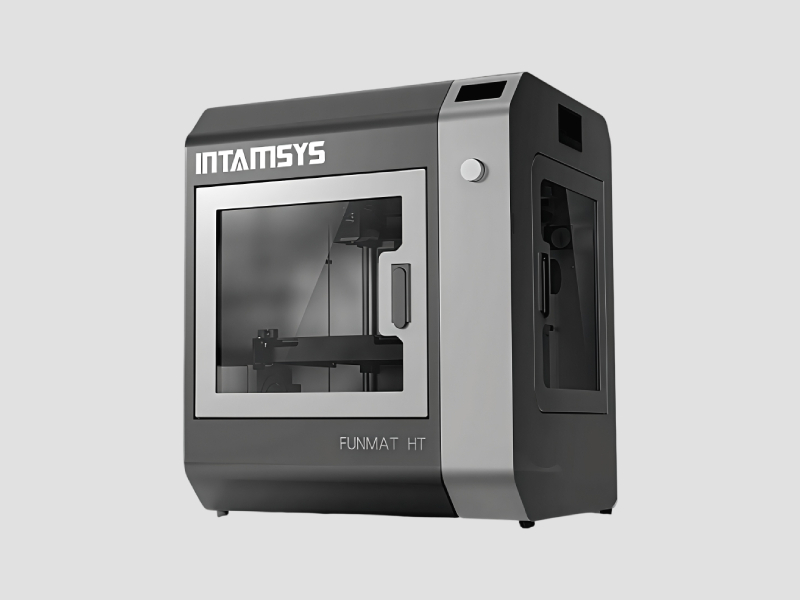
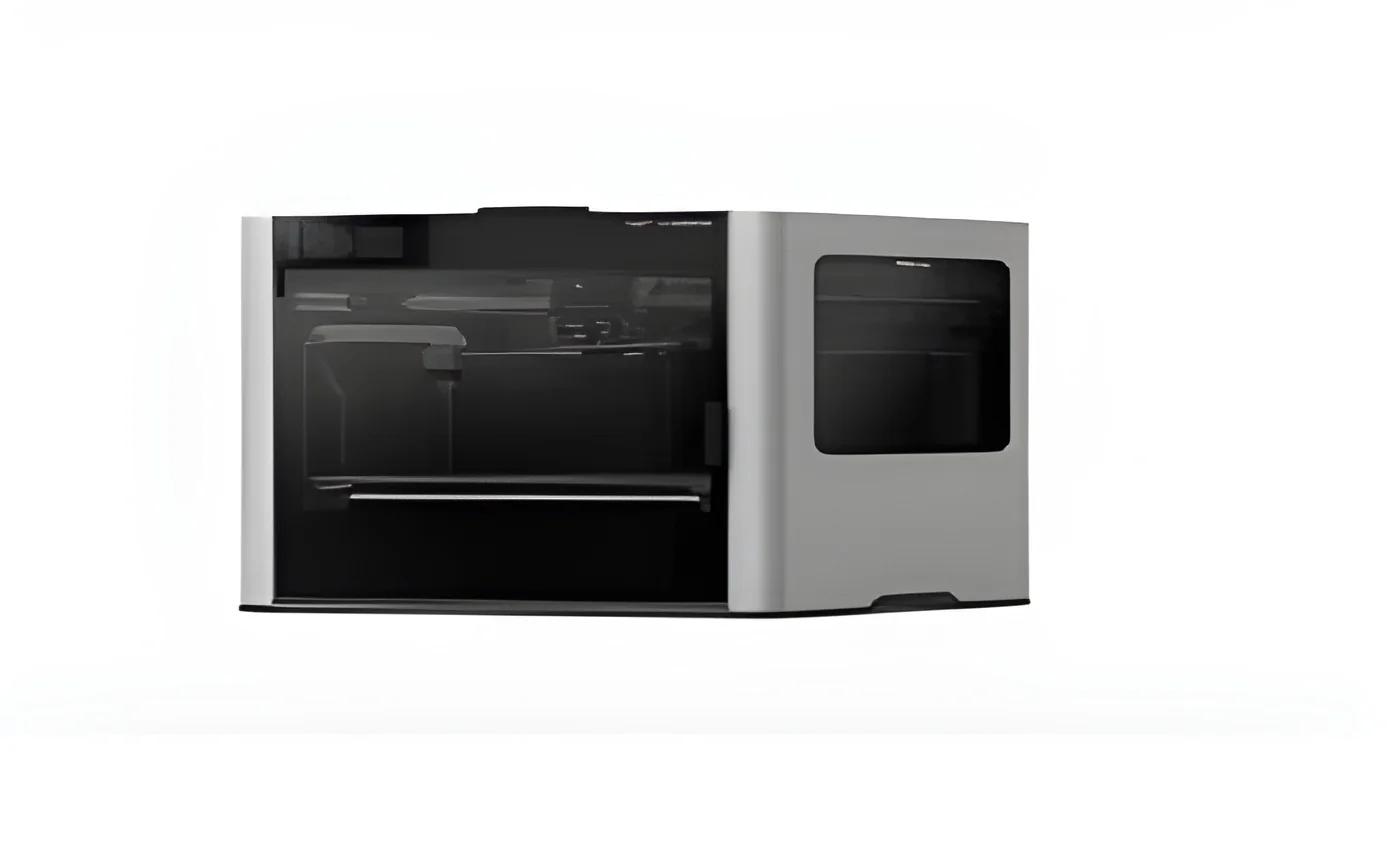
What are Industrial Plastic 3D Printers?
Industrial Plastic 3D Printers are advanced manufacturing systems designed to create three-dimensional objects from plastic materials through additive manufacturing technology. These printers work by layering plastic filament or resin to build complex shapes that can be used in a variety of applications. They are distinguished by their ability to produce high-precision components with intricate geometries, making them essential tools in modern industrial settings.
The primary uses of Industrial Plastic 3D Printers include rapid prototyping, product development, and low-volume production runs. Businesses leverage these printers to create prototypes for testing and validation, allowing for faster iterations and reduced time-to-market. Additionally, industries such as aerospace, automotive, and consumer goods employ these machines for custom parts and tooling, enhancing flexibility in manufacturing processes.
In today's market, the relevance of Industrial Plastic 3D Printers is growing rapidly as companies seek innovative solutions to meet increasing demands for customization and efficiency. With advancements in materials and technology, these printers are becoming more accessible and are being adopted across various sectors, positioning themselves as a vital component in the future of manufacturing.
Key Features and Specifications
Industrial Plastic 3D Printers come equipped with several key features that enhance their functionality and performance. Understanding these specifications is crucial for businesses looking to invest in this technology.
Key specifications include:
1. Build Volume
- The maximum size of the object that can be printed.
- Common ranges vary from small desktop models (200 x 200 x 200 mm) to larger industrial machines (1000 x 1000 x 1000 mm).
2. Layer Resolution
- Refers to the thickness of each layer of material laid during the printing process.
- Typical resolutions range from 50 microns to 300 microns, affecting the detail and finish of the printed object.
3. Print Speed
- The rate at which the printer can produce objects.
- Varies significantly by model, typically ranging from 30 mm/s to 200 mm/s.
4. Material Compatibility
- The types of plastic materials that can be used, such as PLA, ABS, Nylon, and PETG.
- Some printers may support specialty materials for specific applications.
5. Extruder Type
- The mechanism used to melt and extrude the plastic filament.
- Options include single or dual extruders for multi-material or color printing.
6. Connectivity Options
- Methods for connecting the printer to a computer or network.
- Common options include USB, Ethernet, and Wi-Fi.
7. Software Compatibility
- The types of slicing software that can be used to prepare models for printing.
- Support for popular CAD programs is often a critical feature.
8. Safety Features
- Includes elements like enclosed printing chambers and thermal protection to enhance user safety.
In summary, when evaluating Industrial Plastic 3D Printers, businesses should focus on specifications that align with their production needs and desired outcomes.
Common Applications and Use Cases
Industrial Plastic 3D Printers are versatile tools that serve multiple industries effectively.
1. Aerospace: These printers are used to create lightweight components and prototypes that meet stringent safety standards while reducing material waste.
2. Automotive: Manufacturers utilize 3D printing for rapid prototyping of parts, as well as producing specialized tools and fixtures that enhance assembly efficiency.
3. Consumer Goods: Brands leverage 3D printing for custom product designs, allowing for personalization and rapid market testing.
4. Medical: The healthcare sector employs these printers to produce custom implants and prosthetics, tailored to individual patient needs.
5. Education: Educational institutions use 3D printers to teach students about design and manufacturing processes, fostering innovation and creativity.
6. Architecture: Architects produce detailed models and prototypes that help visualize projects and communicate ideas effectively.
7. Robotics: Companies in this field use 3D printing to manufacture intricate components for robotic systems, enhancing functionality and reducing assembly time.
Product Variants and Subcategories
Industrial Plastic 3D Printers come in various models, each catering to specific needs and applications.
Entry-Level Printers: These models are designed for small businesses or educational institutions. They offer basic functionality and ease of use, making them ideal for beginners.
Professional Printers: Targeted at medium to large enterprises, these printers provide higher build volumes, faster print speeds, and advanced features for more demanding applications.
Industrial Printers: Designed for high-volume production, these machines feature robust construction and enhanced capabilities to handle a variety of materials and large parts.
Benefits and Advantages
Investing in Industrial Plastic 3D Printers brings numerous benefits to businesses.
1. Cost Efficiency: Reduces the need for expensive molds and tooling, lowering initial production costs.
2. Speed to Market: Accelerates the prototyping phase, allowing companies to bring products to market faster.
3. Customization: Offers the ability to produce customized parts tailored to specific customer requirements without significant cost increases.
4. Material Efficiency: Minimizes waste by using only the necessary amount of material for each print.
5. Design Flexibility: Enables the creation of complex geometries that may be impossible to achieve with traditional manufacturing methods.
6. Scalability: Supports both low-volume and high-volume production runs, making it adaptable for different business needs.
Buying Guide for B2B Buyers
When sourcing Industrial Plastic 3D Printers, it is essential to consider various factors to ensure a suitable investment.
1. Quality Assessment: Evaluate the printer’s build quality and reliability by reviewing customer feedback and case studies. Look for machines that have established a track record of performance in similar applications.
2. Supplier Verification: Vet suppliers by checking their credentials, customer service, and support offerings. Establishing a relationship with a reputable supplier can ensure better product reliability and after-sales support.
3. Pricing and MOQ: Understand the pricing structure and minimum order quantities (MOQ) required. Compare quotes from multiple suppliers to ensure competitive pricing.
4. Delivery and Lead Times: Inquire about lead times for delivery, especially if you have tight project timelines. Ensure that the supplier can meet your scheduling needs.
5. Compliance Requirements: Familiarize yourself with any industry-specific compliance standards related to safety and quality. Ensure that the printer meets necessary regulatory requirements for your sector.
Compliance and Certifications
Compliance with industry standards is critical for Industrial Plastic 3D Printers to ensure quality and safety.
Relevant quality standards include ISO 9001, which ensures that manufacturing processes meet consistent quality criteria. Additional standards like HACCP and GDP may apply depending on the industry use of the printed products.
Certifications such as CE indicate that the printer meets European safety and health requirements. This is important for businesses looking to operate within or export to European markets.
Safety and testing requirements must also be considered, especially when printers are used in industries such as medical or aerospace, where precision and safety are paramount.
Regional compliance considerations can vary greatly, so it is vital to understand local regulations that may affect the use of 3D printing technology in specific markets.
Why Source Industrial Plastic 3D Printers from Pepagora?
Pepagora provides a trusted platform for sourcing Industrial Plastic 3D Printers with several key advantages that facilitate the purchasing process.
Verified Supplier Network: Pepagora carefully vets suppliers to ensure that businesses can connect with reliable manufacturers. This helps buyers avoid risks associated with unverified sources.
Streamlined RFQ Process: The request for quotation (RFQ) system at Pepagora simplifies the process of obtaining competitive pricing from multiple suppliers, allowing businesses to make informed purchasing decisions efficiently.
Trade Assurance and Support: Pepagora offers buyer protection measures that provide assurance during transactions. This support includes assistance with issues that may arise post-purchase, enhancing buyer confidence.
Regional Coverage: With a broad geographic reach across India, the GCC, and Southeast Asia, Pepagora connects buyers with local suppliers, reducing shipping times and costs while supporting regional manufacturing initiatives.

 IN
IN