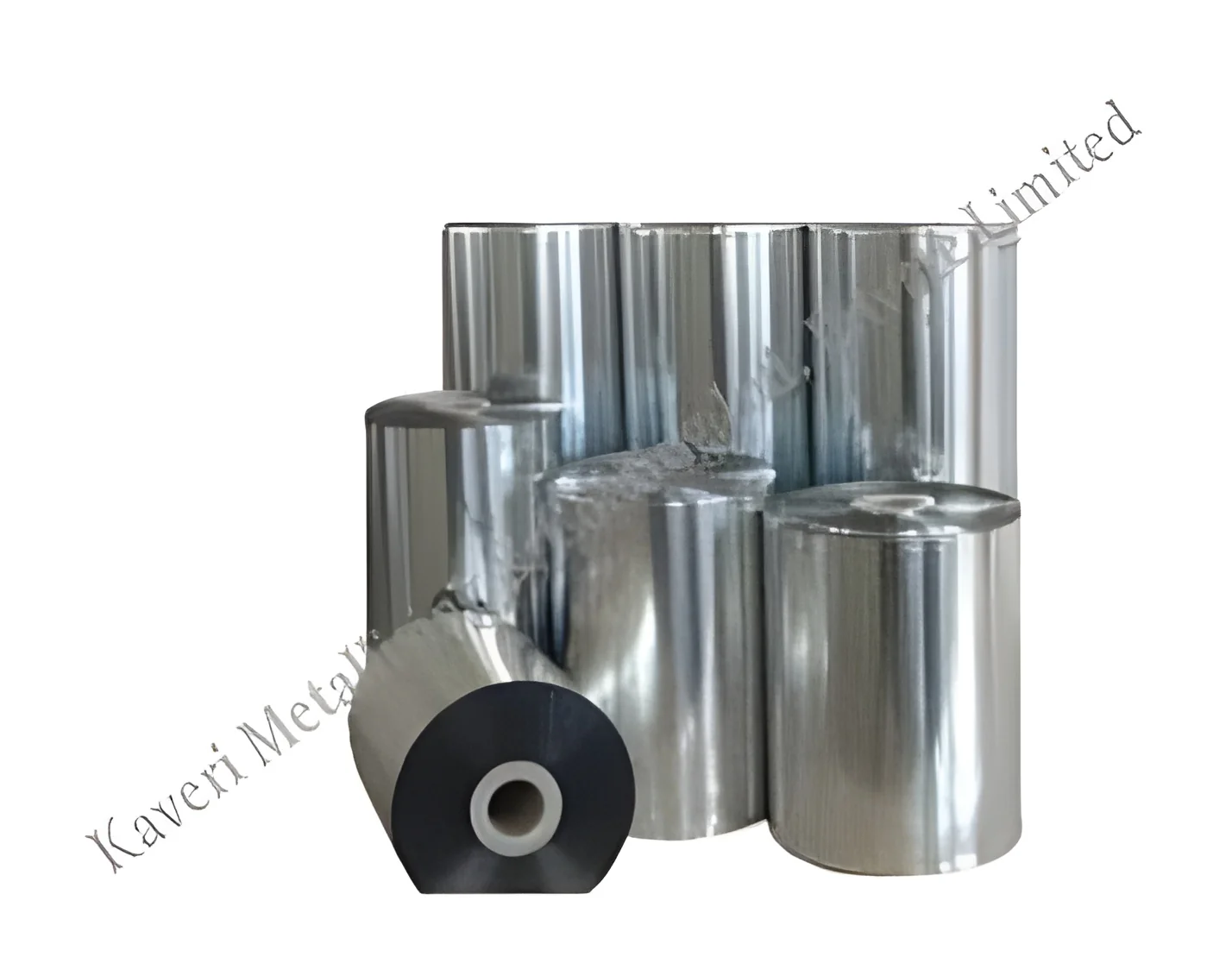
What are Nylon, TPU, PEEK Filaments?
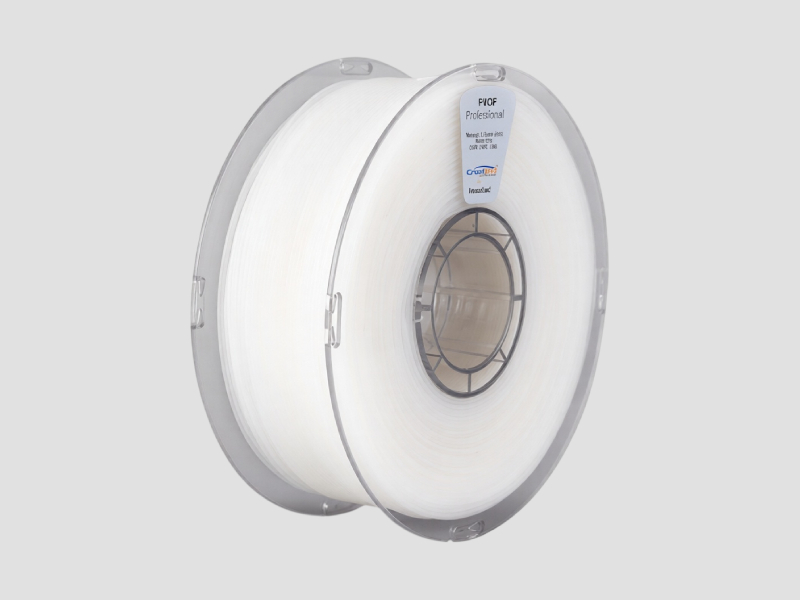
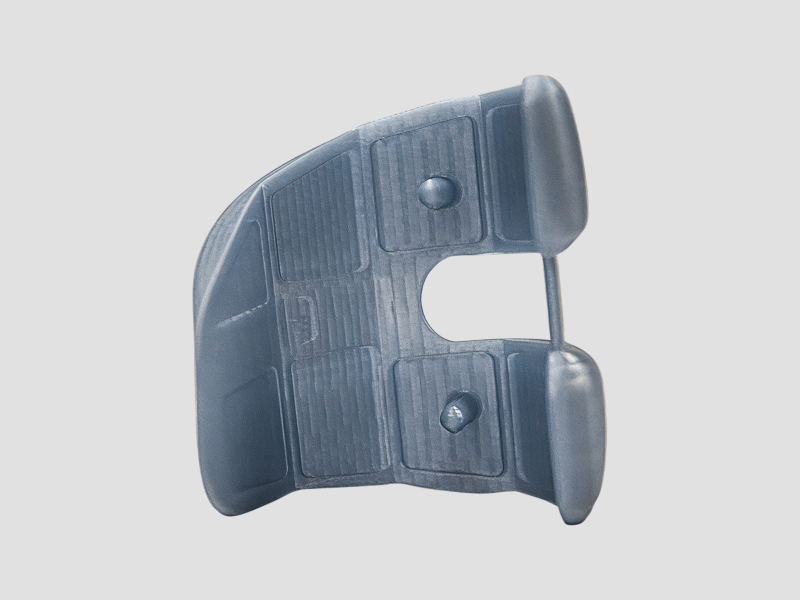
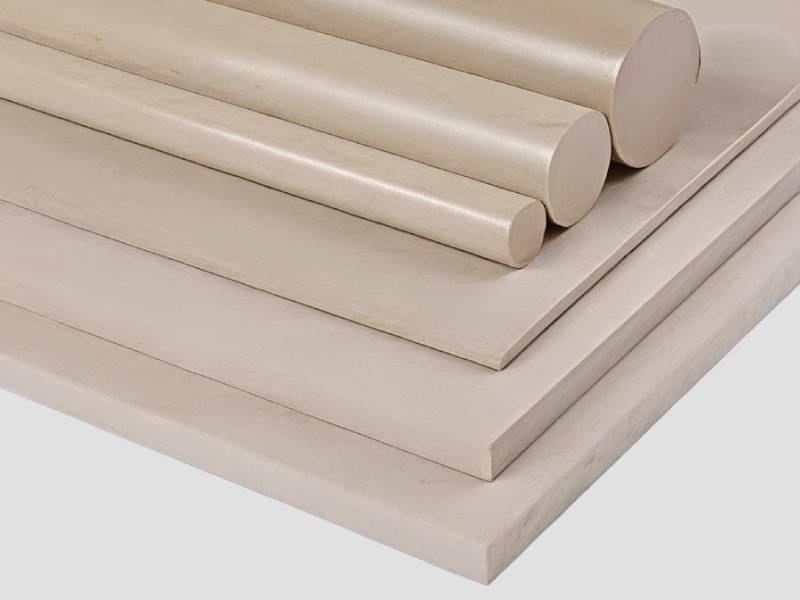
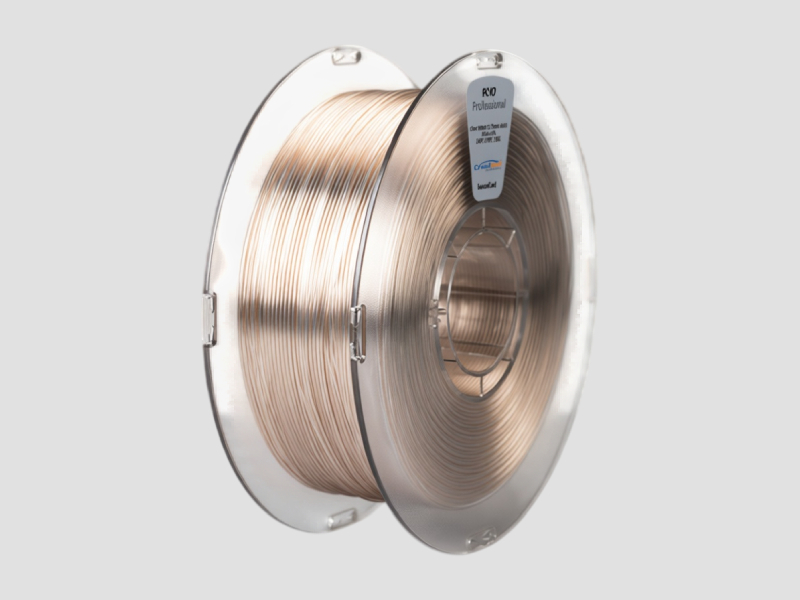
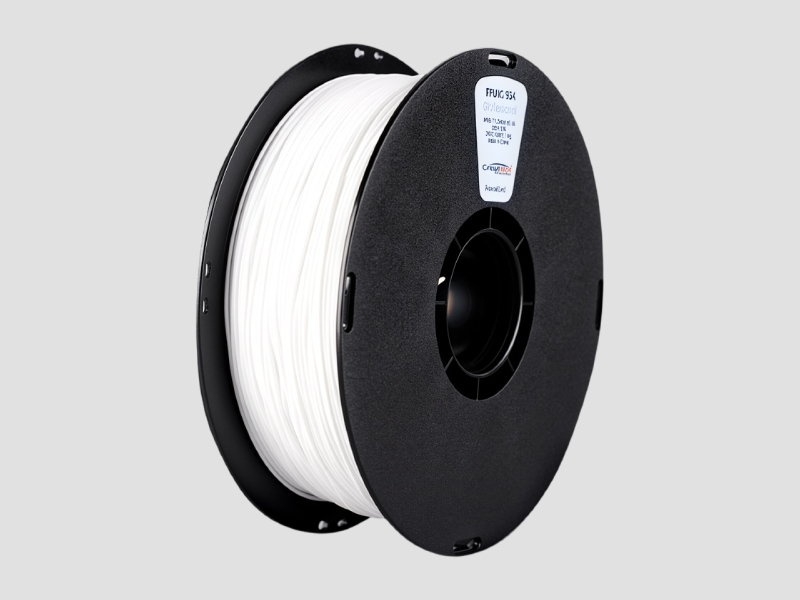
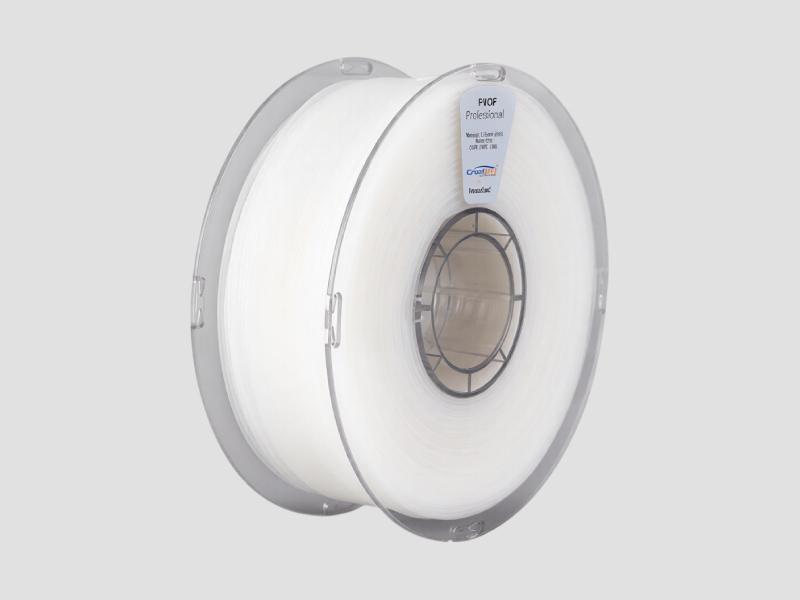
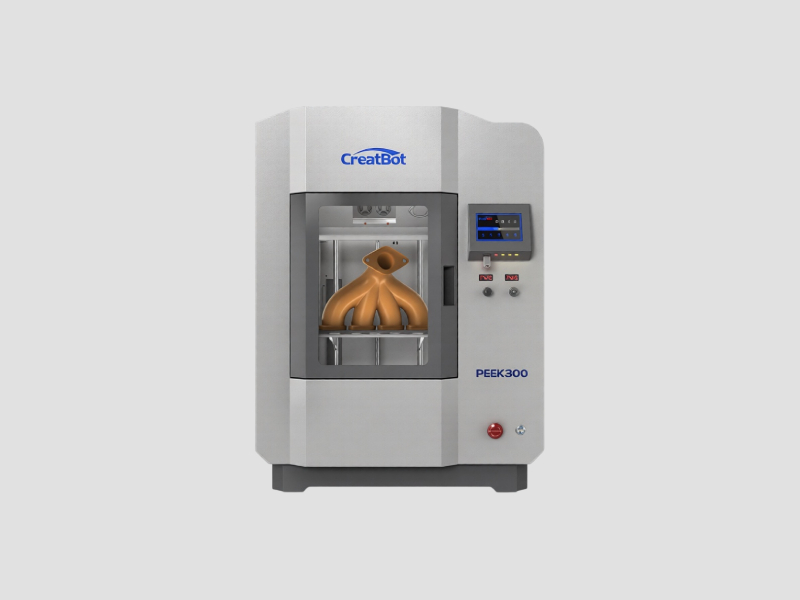
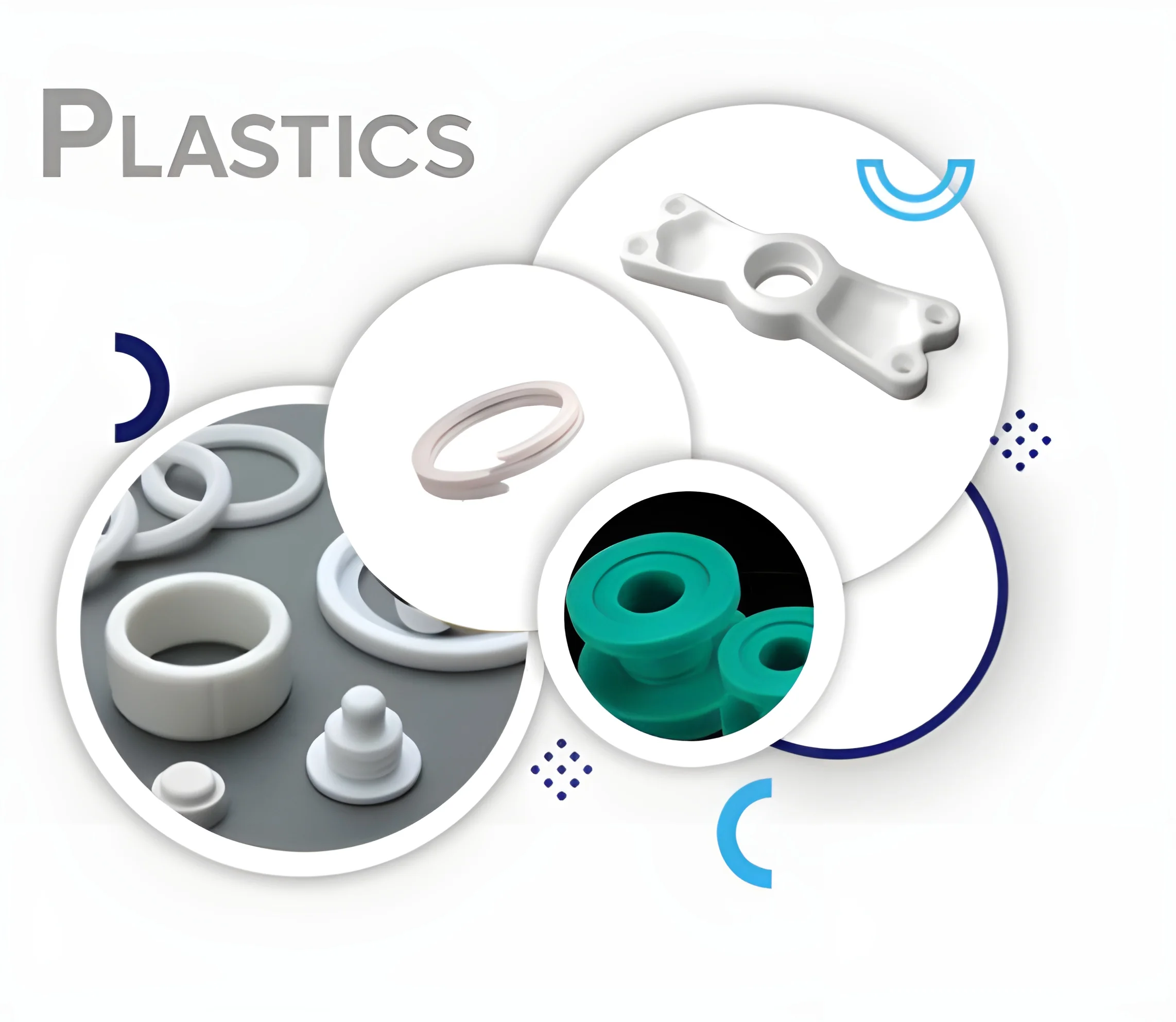
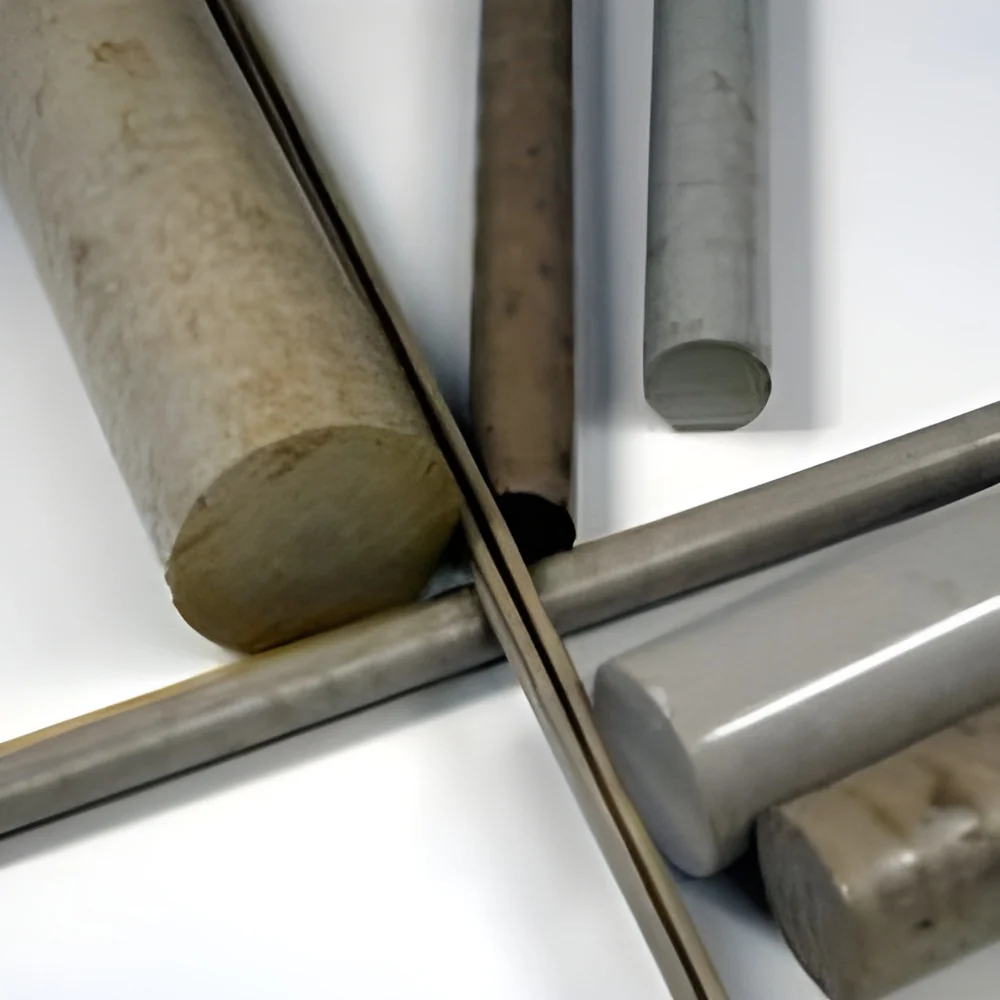
Nylon, TPU, and PEEK filaments are advanced materials primarily used in additive manufacturing and 3D printing. These filaments offer unique properties that make them suitable for a wide range of applications. Nylon is known for its strength and flexibility, TPU (thermoplastic polyurethane) is recognized for its elasticity and durability, while PEEK (polyether ether ketone) is celebrated for its high thermal and chemical resistance.
These filaments find extensive use in various industries including automotive, aerospace, medical, and consumer goods. Businesses utilize them to produce prototypes, functional parts, and end-use products that require specific mechanical and thermal properties. The growing adoption of 3D printing technology in these sectors has increased the demand for high-performance filaments like Nylon, TPU, and PEEK, thus establishing their relevance in the market.
As industries continue to evolve, the demand for advanced materials that can withstand extreme conditions is on the rise. The use of Nylon, TPU, and PEEK filaments is expected to grow, driven by innovations in 3D printing technology and the need for lightweight, durable components.
Key Features and Specifications
Nylon, TPU, and PEEK filaments have several key features that make them suitable for diverse applications. These features include durability, flexibility, and resistance to harsh environmental conditions. The specifications of these materials can vary, so it is crucial to understand their properties when selecting the right filament for your needs.
Key specifications include:
1. Material Type
- Nylon, TPU, or PEEK
- Determines the mechanical and thermal properties
2. Filament Diameter
- Common sizes are 1.75 mm and 2.85 mm
- Affects compatibility with different 3D printers
3. Print Temperature
- Nylon: typically 240-260°C
- TPU: usually around 220-230°C
- PEEK: can exceed 350°C
4. Tensile Strength
- Nylon: approximately 50 MPa
- TPU: about 30 MPa
- PEEK: can reach 100 MPa or higher
5. Flexural Modulus
- Nylon: around 2000-3000 MPa
- TPU: generally 500-800 MPa
- PEEK: approximately 4000-5000 MPa
6. Impact Resistance
- High for all three materials
- Essential for applications requiring durability
7. Chemical Resistance
- Nylon: resistant to oils and fuels
- TPU: good resistance to solvents and chemicals
- PEEK: exceptional resistance to a wide range of chemicals
8. Thermal Stability
- Nylon: relatively stable up to 80°C
- TPU: stable up to 100°C
- PEEK: maintains properties above 300°C
In summary, understanding these specifications helps buyers select the appropriate filament for their specific applications.
Common Applications and Use Cases
Nylon, TPU, and PEEK filaments are utilized across various industries due to their unique properties and versatility.
1. Automotive: These filaments are used for producing lightweight components such as brackets, clips, and custom parts that require high strength and flexibility.
2. Aerospace: They are employed to manufacture parts that can withstand high temperatures and harsh conditions, including engine components and structural parts.
3. Medical: Filaments are used to create custom prosthetics, surgical tools, and implants due to their biocompatibility and durability.
4. Consumer Goods: They are applied in creating prototypes and final products such as phone cases, wearables, and home appliances.
5. Industrial Equipment: Used for producing functional parts in machinery that require resistance to wear and tear.
6. Electronics: Filaments are utilized for creating housings and enclosures that need to withstand varying temperatures and environmental conditions.
7. Robotics: Employed in the production of lightweight and durable parts that contribute to the efficiency and performance of robotic systems.
Product Variants and Subcategories
Nylon, TPU, and PEEK filaments come in various formulations and blends to cater to different needs and applications.
Nylon 12
This variant offers enhanced flexibility and lower moisture absorption, making it suitable for applications in the automotive and consumer goods sectors.
TPU 95A
Known for its high elasticity and toughness, this variant is widely used for producing flexible parts such as seals, gaskets, and protective cases.
PEEK 450G
This high-performance variant is designed for applications requiring extreme heat and chemical resistance, commonly found in aerospace and medical fields.
Nylon Carbon Fiber
A composite material that combines Nylon with carbon fiber, providing increased strength and stiffness, ideal for high-strength applications.
TPU Soft
A softer variant of TPU, it is ideal for applications that require a high degree of flexibility and comfort, such as wearable technology.
Benefits and Advantages
Nylon, TPU, and PEEK filaments offer numerous benefits that make them attractive for B2B buyers.
1. Versatility: These materials can be used in a wide range of applications across various industries.
2. High Performance: They provide excellent mechanical properties, including strength, flexibility, and thermal stability.
3. Customization: Filaments can be tailored to meet specific requirements, allowing for unique applications and solutions.
4. Cost-Effectiveness: While they may have a higher upfront cost, the durability and performance can lead to long-term savings.
5. Fast Prototyping: The ability to quickly produce prototypes accelerates the product development cycle.
6. Sustainability: Many of these materials are recyclable, contributing to environmentally friendly practices.
Buying Guide for B2B Buyers
When sourcing Nylon, TPU, and PEEK filaments, there are several key factors to consider.
1. Quality Assessment: Evaluate the filament quality based on mechanical properties, consistency, and reliability to ensure optimal performance.
2. Supplier Verification: Vet suppliers to ensure they meet industry standards and have a good reputation for delivering high-quality materials.
3. Pricing and MOQ: Understand the pricing structure and minimum order quantities to manage your budget effectively.
4. Delivery and Lead Times: Consider logistics and the expected delivery timelines to ensure timely production schedules.
5. Compliance Requirements: Be aware of regulatory needs and certifications required for your industry to avoid compliance issues.
Compliance and Certifications
Nylon, TPU, and PEEK filaments must meet various quality standards and certifications to ensure safety and performance.
Relevant quality standards include ISO 9001, which focuses on quality management systems, ensuring that manufacturers adhere to consistent quality practices.
Industry certifications such as CE signify that the products meet European health, safety, and environmental protection standards, making them suitable for various applications.
Safety and testing requirements are critical, particularly in industries like medical and aerospace, where material failure can have severe consequences.
Additionally, regional compliance considerations may vary, requiring buyers to be aware of specific regulations in their geographical area.
Why Source Nylon, TPU, PEEK Filaments from Pepagora?
Pepagora provides a trusted platform for sourcing Nylon, TPU, PEEK filaments with several key advantages.
Verified Supplier Network: Pepagora connects buyers with a network of verified suppliers, ensuring reliability and quality in every transaction.
Streamlined RFQ Process: The platform simplifies the request for quotation process, allowing buyers to receive competitive pricing and tailored offers quickly.
Trade Assurance and Support: Buyers are protected through trade assurance measures, ensuring that their transactions are secure and backed by support.
Regional Coverage: With a presence in India, GCC, and Southeast Asia, Pepagora offers extensive geographic reach, making sourcing easy and efficient across regions.

 IN
IN