
 IN
Environmental Control Enclosures
20 products available
What are Environmental Control Enclosures?
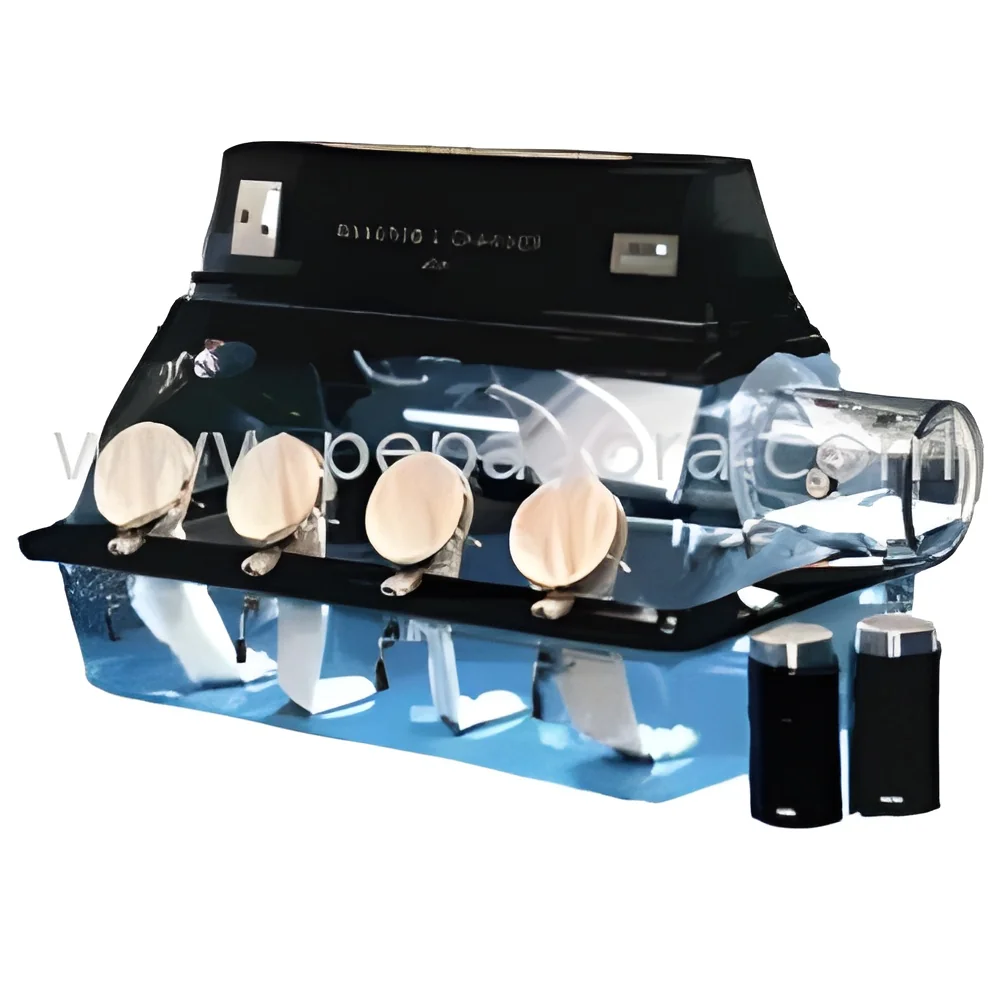
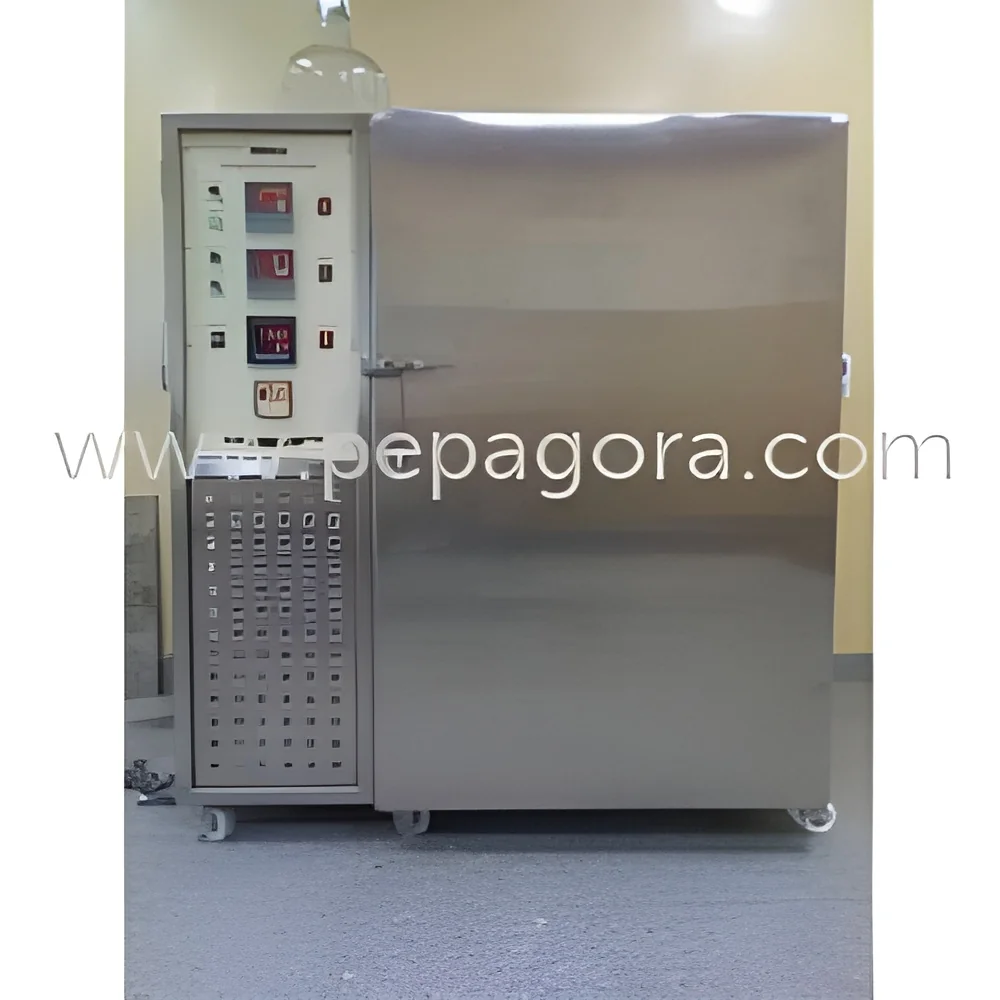
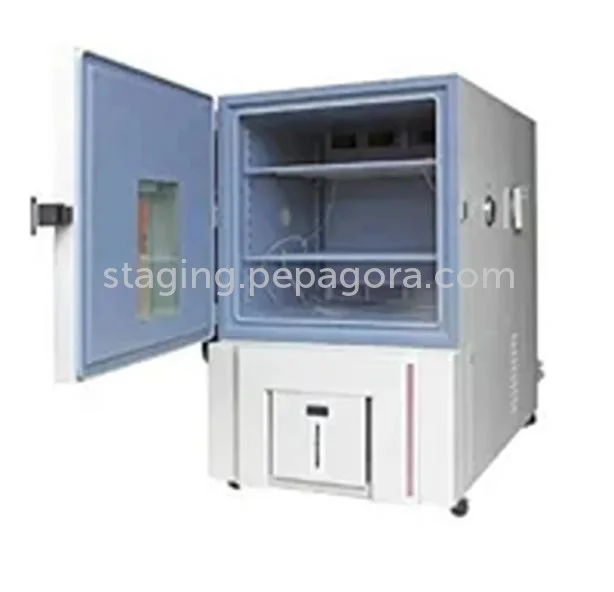
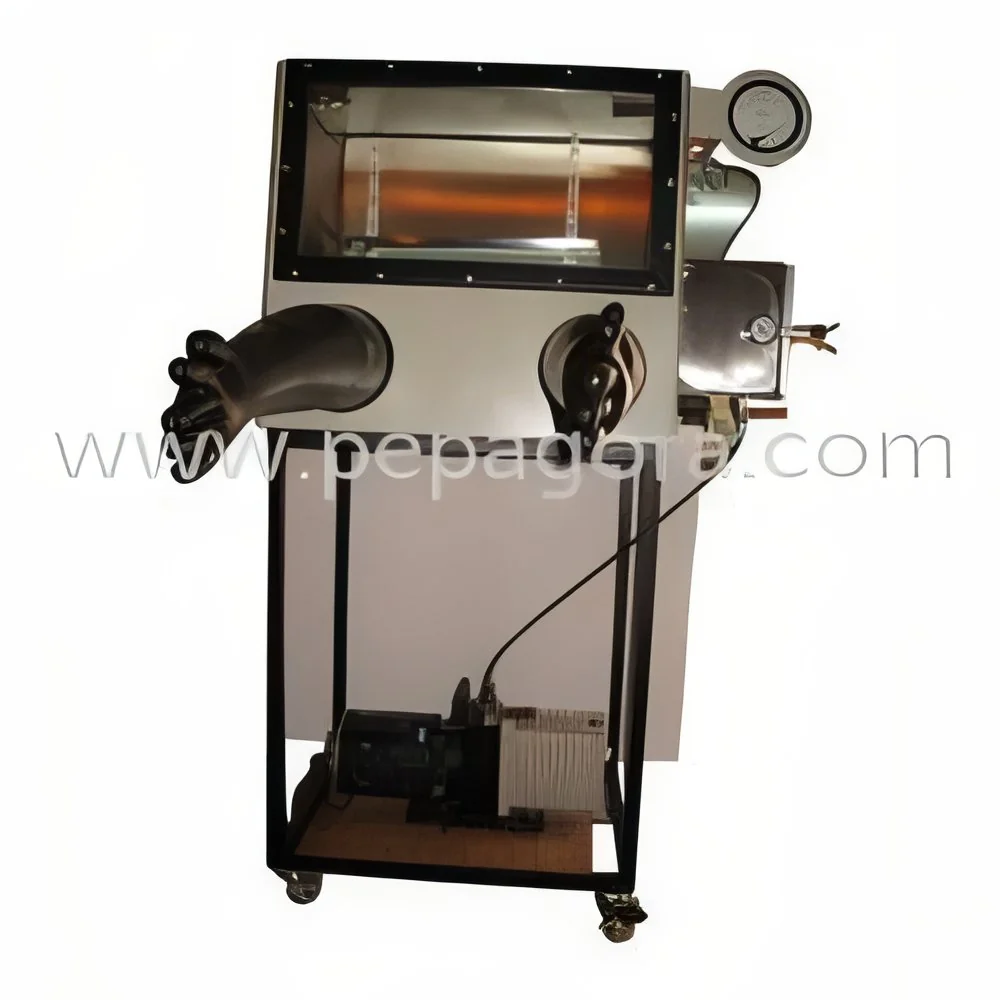
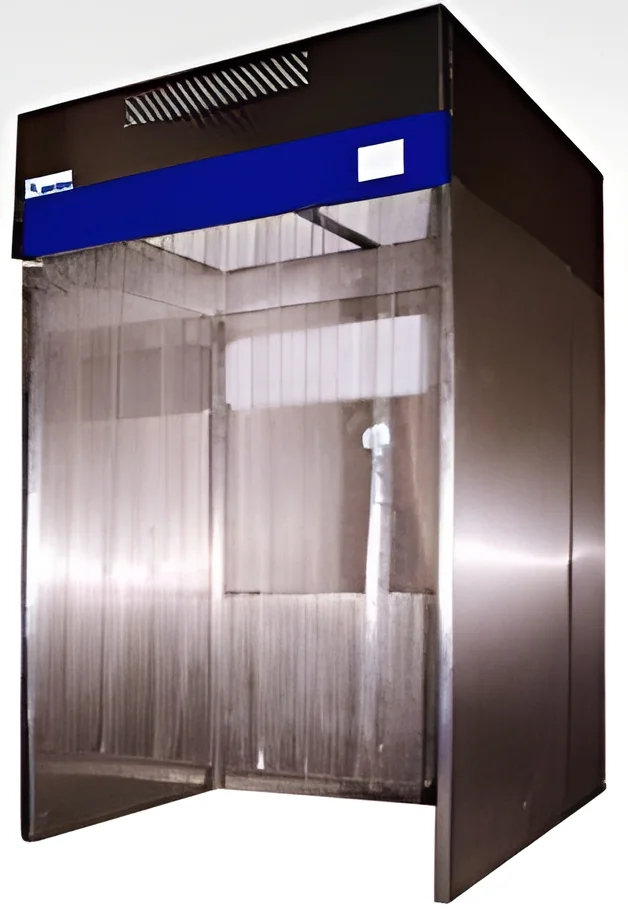
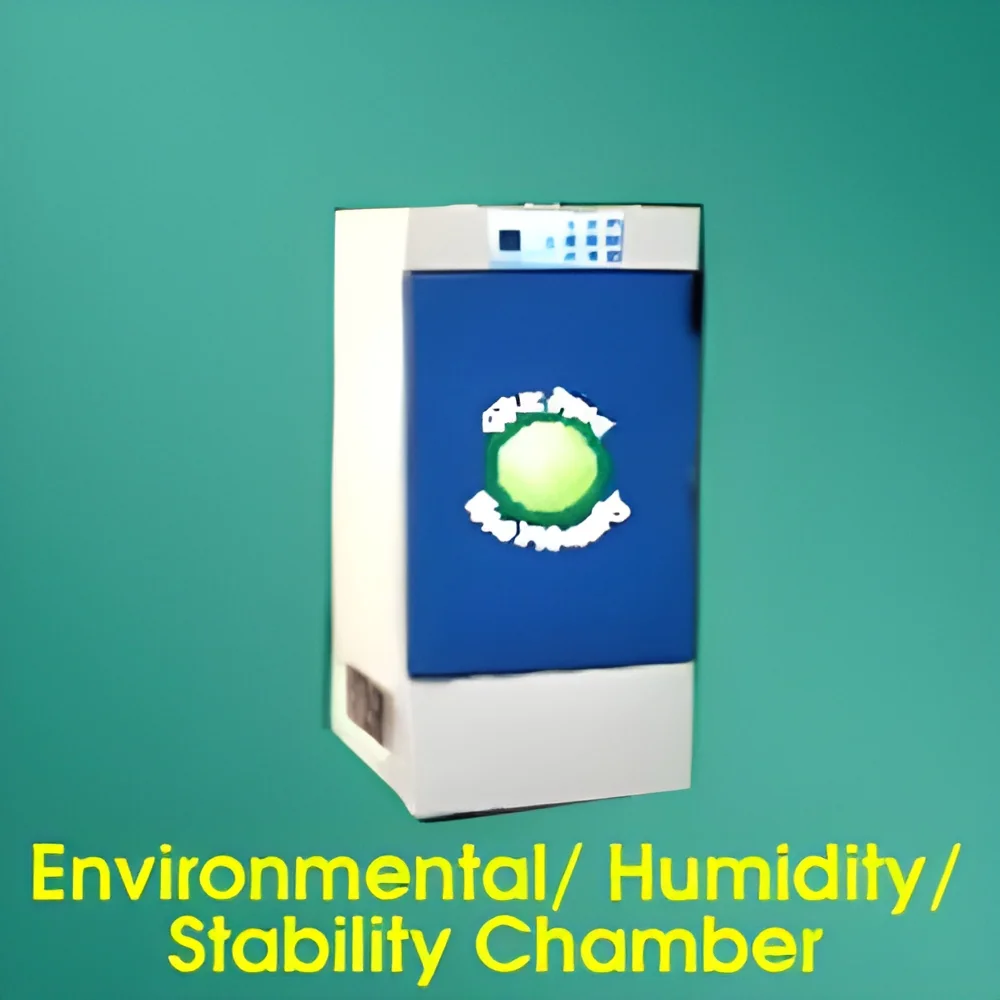
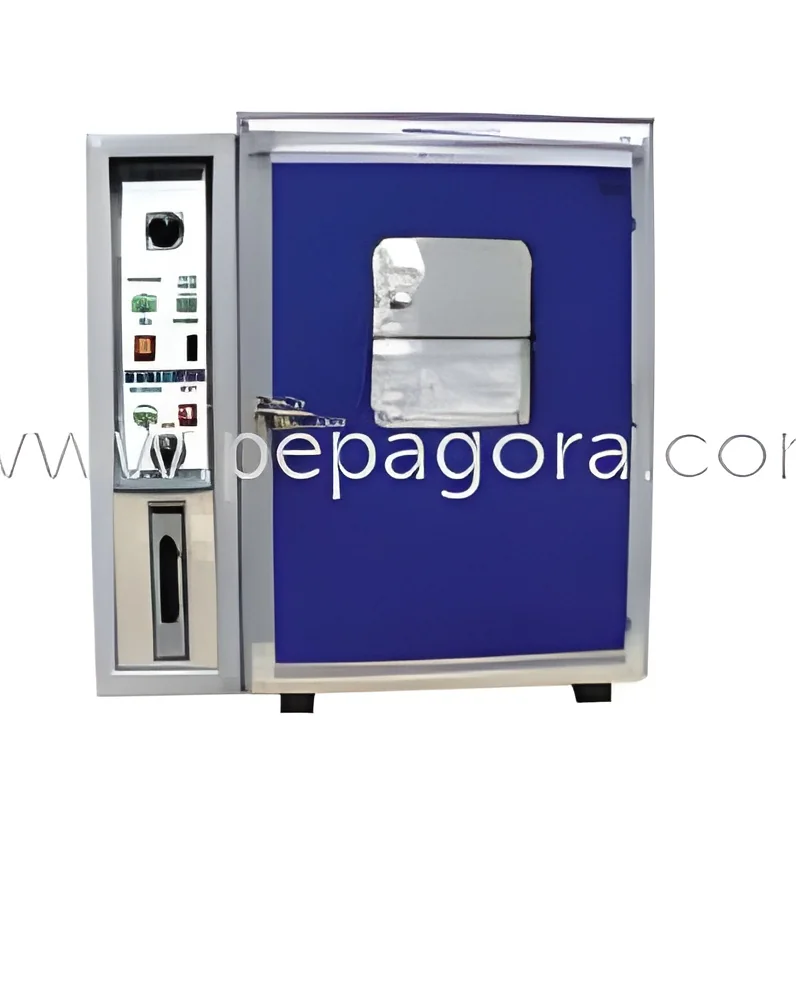
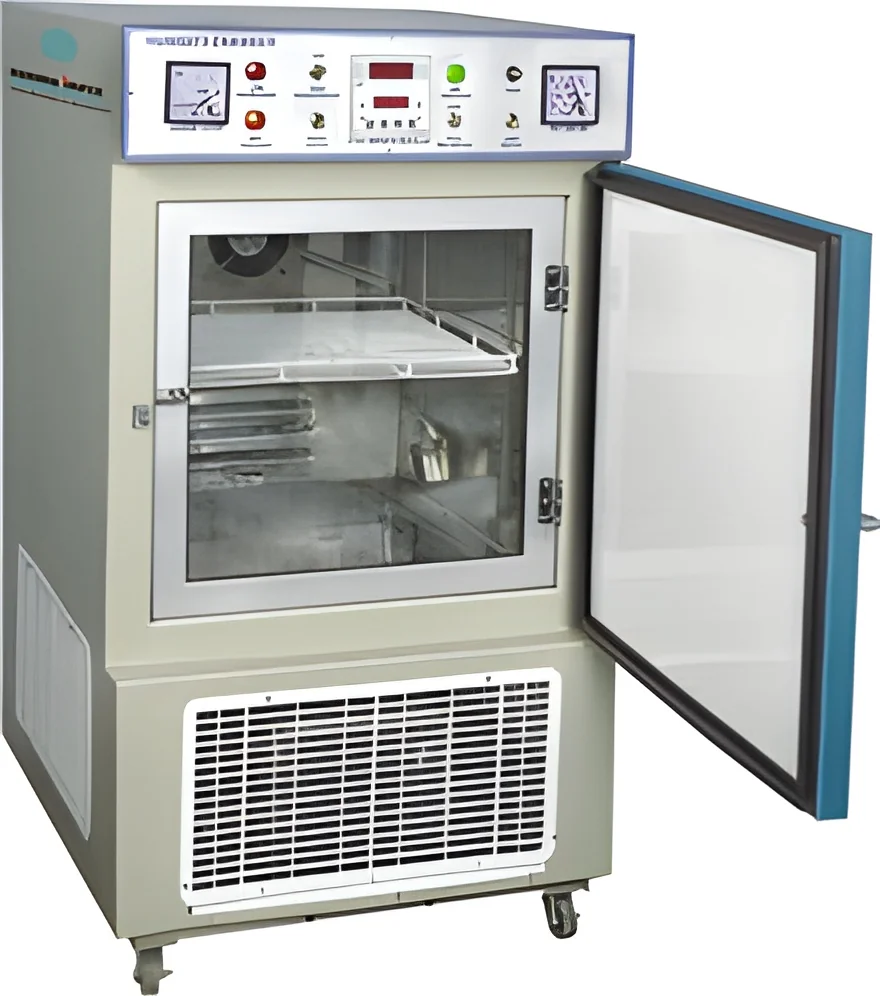
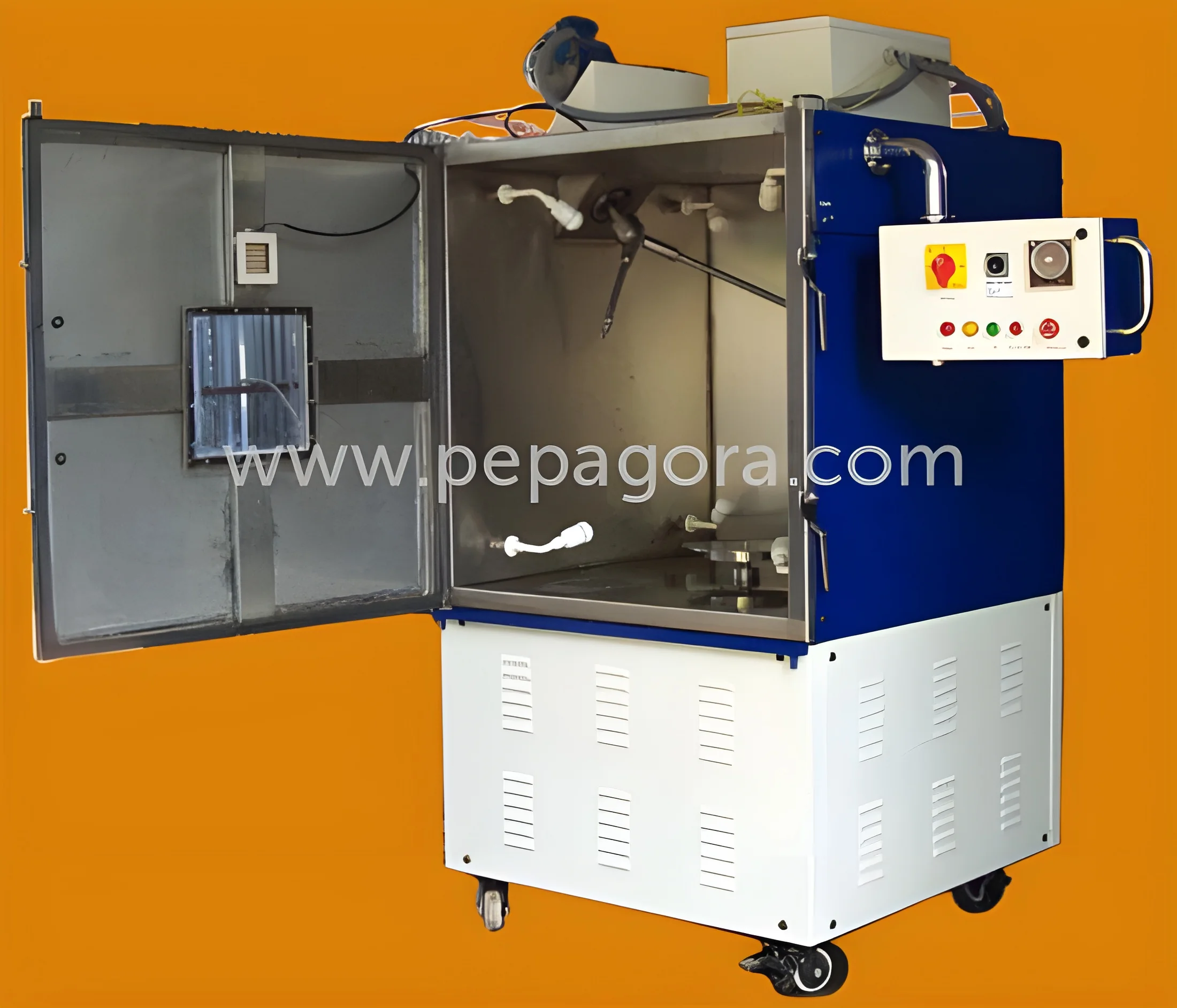
Environmental control enclosures are specialized structures designed to protect sensitive electronic equipment and instruments from environmental factors such as temperature fluctuations, humidity, and dust. These enclosures create a stable environment that ensures the optimal functioning of the equipment housed within. They are commonly constructed from materials that provide insulation and sealing properties to maintain the desired internal conditions.
These enclosures are used across various industries, including telecommunications, pharmaceuticals, and manufacturing, where maintaining a controlled environment is critical. Businesses deploy environmental control enclosures to safeguard their investments in technology and ensure compliance with regulatory requirements. As such, they play a significant role in enhancing operational efficiency and prolonging the lifespan of sensitive equipment in industrial settings.
The market for environmental control enclosures is growing, driven by increased demand for reliable electronic equipment across diverse sectors. With advancements in technology and rising awareness of the importance of equipment protection, these enclosures are becoming a standard requirement for businesses aiming to maintain high-quality operational standards.
Key Features and Specifications
Environmental control enclosures come with a range of features and specifications that cater to various applications. When selecting an enclosure, it is essential to understand these aspects to ensure it meets the specific needs of your operation.
Key specifications include:
1. Material Composition
- Typically made from steel or aluminum for durability
- Corrosion-resistant coatings available
2. Temperature Range
- Designed to maintain internal temperatures within specified limits
- Suitable for various environments, though specific ranges are data not available
3. Humidity Control
- Equipped with systems to regulate moisture levels
- Essential for preventing damage to sensitive equipment, though specific parameters are data not available
4. Size and Dimensions
- Available in various sizes to accommodate different equipment
- Custom sizes may be available upon request
5. Ventilation Options
- Options for passive or active ventilation systems
- Ensures adequate airflow and temperature regulation
6. Monitoring Features
- Some models include climate monitoring systems
- Alerts for temperature and humidity deviations, though specifics are data not available
7. Sealing and Insulation
- Designed to minimize air and moisture ingress
- High-quality seals enhance performance
8. Compliance Certifications
- Many enclosures meet industry standards such as CE certification
- Important for regulatory compliance in various sectors
In summary, environmental control enclosures are versatile products that offer critical protection for sensitive equipment, with specifications tailored to meet diverse operational needs.
Common Applications and Use Cases
Environmental control enclosures find applications in a wide array of industries, ensuring equipment protection and compliance with regulatory standards.
1. Telecommunications: These enclosures house critical communication equipment, protecting it from environmental factors that could disrupt service.
2. Pharmaceuticals: In this sector, enclosures are used to store sensitive instruments and maintain controlled environments for drug manufacturing and testing.
3. Manufacturing: Equipment used in production processes often requires protection from dust and humidity, making environmental control enclosures essential.
4. Data Centers: Enclosures play a vital role in protecting servers and networking equipment from temperature extremes and humidity fluctuations.
5. Food Processing: Enclosures are crucial for maintaining the integrity of monitoring equipment in environments where hygiene and temperature control are paramount.
6. Research Laboratories: Sensitive research instruments require stable conditions to function accurately, making enclosures necessary for optimal performance.
7. Renewable Energy: In solar and wind energy applications, enclosures protect control systems and batteries from outdoor elements.
Product Variants and Subcategories
Environmental control enclosures come in various forms to meet differing operational needs. While specific subcategories are not available, here are some common variants.
Standard Enclosures: These are general-purpose enclosures designed for typical applications, featuring basic humidity and temperature control.
Custom Enclosures: Tailored to specific requirements, these enclosures can be designed to fit unique equipment or environmental conditions, ensuring optimal protection.
Mobile Enclosures: Designed for use in transport or temporary setups, these enclosures are lightweight and portable, offering protection on the go.
Rack-Mount Enclosures: These are specifically designed for mounting sensitive equipment in server racks, providing both environmental protection and ease of access.
Benefits and Advantages
Environmental control enclosures offer several key advantages that enhance their value for businesses.
1. Equipment Protection: These enclosures safeguard sensitive equipment from damage caused by environmental factors such as temperature and humidity fluctuations.
2. Enhanced Performance: By maintaining optimal conditions, these enclosures help ensure that equipment operates at peak efficiency, reducing downtime.
3. Regulatory Compliance: Many industries require the use of environmental control solutions to meet safety and quality standards, making these enclosures essential.
4. Cost Savings: Protecting equipment from environmental damage can lead to significant savings in repair and replacement costs over time.
5. Customization Options: With a variety of sizes and features available, businesses can find or design enclosures that precisely meet their needs.
6. Easy Installation: Many enclosures are designed for straightforward installation, allowing businesses to quickly implement protective measures for their equipment.
Buying Guide for B2B Buyers
When sourcing environmental control enclosures, several factors should be considered to ensure an effective purchase.
1. Quality Assessment: Evaluate the materials and construction quality of the enclosures. High-quality materials enhance durability and effectiveness.
2. Supplier Verification: Vet potential suppliers to ensure they have a proven track record of delivering reliable products. Look for customer reviews and industry certifications.
3. Pricing and MOQ: Understand the pricing structure and minimum order quantities (MOQ) from suppliers. This helps in budgeting and planning your procurement effectively.
4. Delivery and Lead Times: Confirm delivery schedules and lead times to ensure that enclosures arrive when needed. Timely delivery is crucial for project planning.
5. Compliance Requirements: Ensure that the enclosures meet relevant industry standards and regulatory requirements to avoid compliance issues.
Compliance and Certifications
Environmental control enclosures must adhere to various quality standards and certifications to ensure their reliability and safety. One of the key quality standards relevant to these enclosures is ISO 9001, which focuses on quality management systems. Compliance with this standard indicates that the manufacturing processes meet consistent quality benchmarks.
Additionally, the CE certification is a critical mark that signifies that the enclosures meet European safety, health, and environmental protection standards. This certification is essential for businesses operating in or exporting to regions that require compliance with strict regulations.
Safety and testing requirements are crucial for ensuring that the enclosures perform as expected under various conditions. Manufacturers often conduct rigorous testing to validate the effectiveness of the enclosures in controlling environmental factors. Furthermore, regional compliance considerations may vary, necessitating that businesses verify the specific standards applicable in their operational areas to ensure full compliance.
Why Source Environmental Control Enclosures from Pepagora?
Pepagora offers a trusted platform for sourcing environmental control enclosures, providing several key advantages for buyers. One of the main benefits is the verified supplier network. Pepagora rigorously vets suppliers to ensure that only reliable manufacturers are featured on the platform, helping buyers make informed decisions.
The platform also features a streamlined RFQ process, allowing buyers to request quotations easily and compare offers from different suppliers. This efficiency helps businesses save time and focus on selecting the right products for their needs.
Additionally, Pepagora provides trade assurance and support, ensuring that buyers are protected throughout the purchasing process. This assurance reduces the risk associated with sourcing products in a B2B environment.
Lastly, Pepagora boasts regional coverage, reaching markets across India, the GCC, and Southeast Asia. This extensive geographic reach enables businesses to find suitable environmental control enclosures tailored to their specific regional requirements.



Frequently Asked Questions
What are Environmental Control Enclosures?
Environmental Control Enclosures are protective housings designed to safeguard sensitive electronic equipment from environmental factors such as temperature fluctuations, humidity, dust, and other external elements. These enclosures help maintain optimal operating conditions for equipment, ensuring reliability and longevity.
What are the different types of Environmental Control Enclosures?
There are several types of Environmental Control Enclosures, including freestanding enclosures, wall-mounted enclosures, and portable enclosures. Each type is designed for specific applications and environments, catering to various needs based on space, mobility, and equipment protection.
How do I choose the right Environmental Control Enclosures?
Choosing the right Environmental Control Enclosures involves considering factors such as the type of equipment being housed, the environmental conditions it will face, and the required level of protection. Additionally, evaluating the size, material, and any necessary features like cooling systems or filters is essential for optimal performance.
What are the standard specifications for Environmental Control Enclosures?
Standard specifications for Environmental Control Enclosures typically include dimensions, material composition (such as metal or plastic), ingress protection ratings, and thermal performance ratings. It's important to ensure that these specifications align with the equipment's requirements and the environmental conditions it will encounter.
What is the price range for Environmental Control Enclosures?
The price range for Environmental Control Enclosures can vary widely based on factors such as size, material, and customization options. Generally, prices can start from a few thousand rupees for basic models and can go up to several lakhs for specialized enclosures with advanced features.
What quality standards apply to Environmental Control Enclosures?
Environmental Control Enclosures are often subject to quality standards such as ISO 9001 for quality management systems and IEC standards for electrical enclosures. Compliance with these standards ensures that the enclosures meet safety and reliability requirements for protecting sensitive equipment.
Where can I find Environmental Control Enclosures suppliers in India?
You can find Environmental Control Enclosures suppliers in India through B2B marketplaces like Pepagora.com, industry trade shows, and online directories. It's advisable to research and compare different suppliers to ensure they meet your specific needs and quality standards.
Can Environmental Control Enclosures be customized?
Yes, Environmental Control Enclosures can be customized to meet specific requirements, including size, material, and additional features such as ventilation or heating systems. Many manufacturers offer customization options to ensure that the enclosures are tailored to the unique needs of the equipment being housed.
What is the typical minimum order quantity for Environmental Control Enclosures?
The typical minimum order quantity (MOQ) for Environmental Control Enclosures can vary by manufacturer, but it often ranges from 5 to 50 units. It's best to consult with suppliers for their specific MOQ policies, especially if you require customized enclosures.
What is the typical lead time for Environmental Control Enclosures?
The typical lead time for Environmental Control Enclosures can range from 2 to 6 weeks, depending on factors like manufacturing processes, customization requirements, and supplier capabilities. It's advisable to discuss lead times with suppliers to ensure they align with your project timelines.
Why Businesses Trust Pepagora
Thousands of companies trust Pepagora to source smarter and sell faster
Expand Your Sales Globally

Source Smarter,Grow Faster
