What are Debinding & Sintering Furnaces?
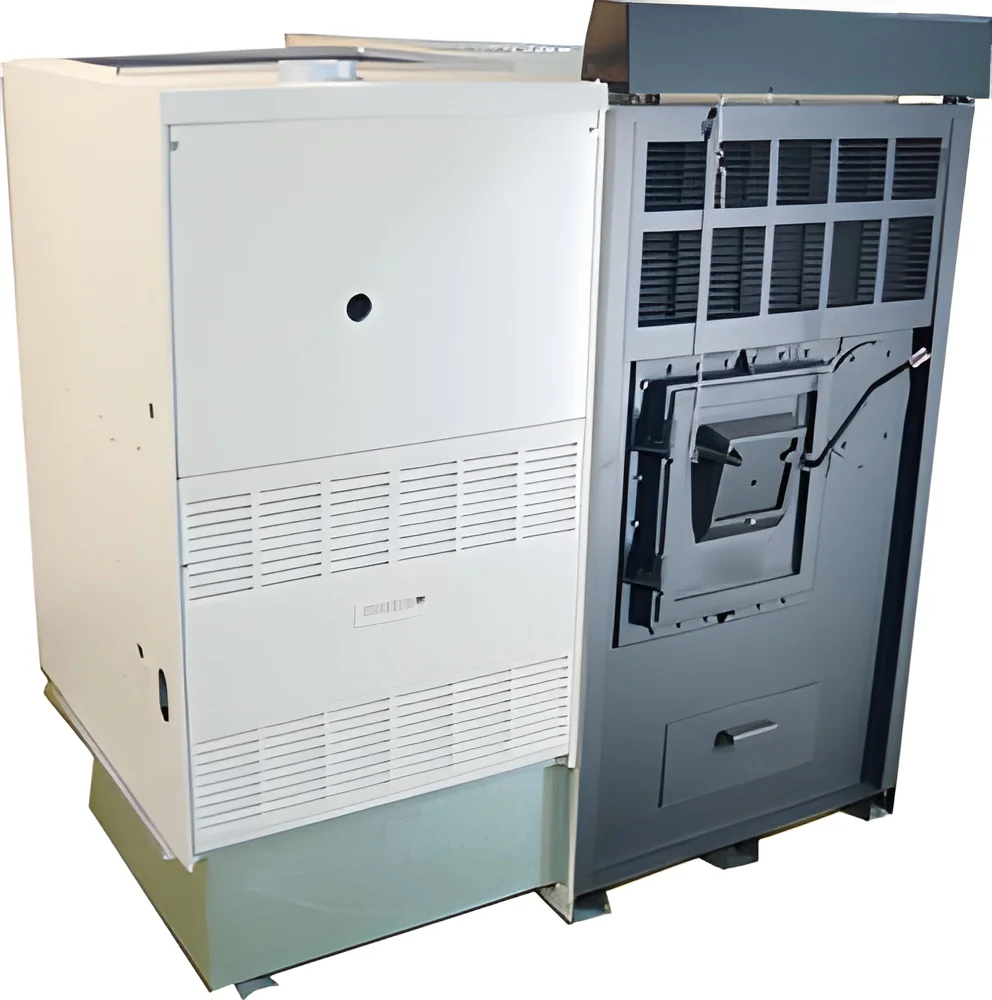
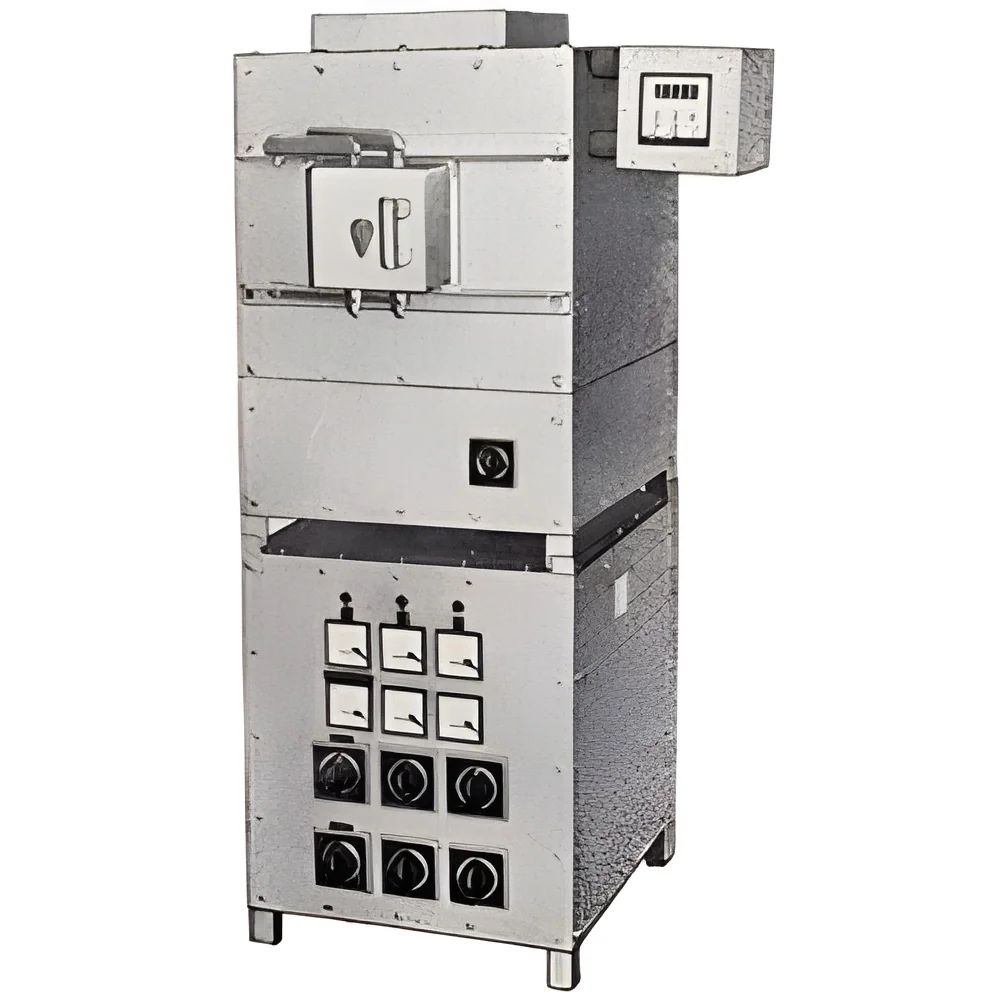
Debinding and sintering furnaces are specialized industrial ovens used in the processing of materials, primarily in the manufacturing of ceramics and metal components. Debinding is the process of removing binders from a material, typically a powder, to prepare it for the sintering phase. During sintering, the material is heated to a temperature below its melting point, allowing the particles to fuse together, enhancing the mechanical strength and density of the final product.
These furnaces play a critical role in industries such as aerospace, automotive, and electronics, where high-performance components are required. They are essential for producing items like metal parts, ceramic substrates, and advanced composite materials. The demand for precise thermal management and control in these processes has led to the development of sophisticated debinding and sintering technologies, ensuring the quality and consistency of the output.
In the current market context, the growth of additive manufacturing and the increasing use of advanced materials have elevated the importance of debinding and sintering furnaces. As manufacturers look to optimize production efficiency and product quality, these furnaces are becoming integral to modern manufacturing processes.
Key Features and Specifications
Debinding and sintering furnaces come equipped with various features designed to enhance performance and reliability. Understanding these specifications is crucial for selecting the right furnace for specific applications.
Key specifications include:
1. Temperature Control
- This specification ensures precise heating to the desired temperature.
- Typical ranges can vary based on materials but often reach up to 1200 degrees Celsius.
2. Heating Technology
- Options may include resistance heating, induction heating, or microwave heating.
- Each method provides unique benefits in terms of energy efficiency and heating speed.
3. Atmosphere Control
- Capable of operating in inert, vacuum, or reducing atmospheres to prevent oxidation.
- Essential for preserving material integrity during processing.
4. Chamber Size
- Encompasses various dimensions to accommodate different batch sizes.
- Standard sizes may range from small laboratory models to large industrial units.
5. Cooling System
- Integrated cooling systems help manage temperature after processing.
- This feature aids in maintaining material properties post-sintering.
6. Monitoring Features
- Equipped with advanced monitoring and control systems for real-time adjustments.
- Enhances operational efficiency and product quality.
7. Safety Features
- Includes emergency shut-off systems and temperature limiters.
- Ensures operator safety and protects the furnace.
8. Energy Efficiency
- Designed to minimize energy consumption during operation.
- Contributes to lower operational costs over time.
In summary, these specifications highlight the importance of selecting a debinding and sintering furnace that aligns with specific operational needs and material requirements.
Common Applications and Use Cases
Debinding and sintering furnaces find applications across various industries, each with unique requirements.
1. Aerospace: These furnaces are used to manufacture lightweight and high-strength components essential for aircraft, ensuring performance and safety.
2. Automotive: In the automotive sector, furnaces support the production of engine parts and structural components that require high durability and precision.
3. Electronics: Sintering is vital for creating ceramic substrates and electronic components that demand high thermal stability and conductivity.
4. Medical Devices: Furnaces are essential in producing biocompatible materials used in implants and surgical instruments, meeting stringent industry standards.
5. Tooling: The manufacturing of cutting tools and dies often relies on sintered materials for enhanced hardness and wear resistance.
6. Energy: In the renewable energy sector, sintering is used to produce components for solar panels and fuel cells, contributing to sustainable technology.
7. Additive Manufacturing: These furnaces play a role in post-processing additive manufacturing parts, enhancing their mechanical properties through debinding and sintering.
Product Variants and Subcategories
Debinding and sintering furnaces come in various configurations to meet diverse processing needs.
Laboratory Furnaces: These compact models are designed for research and small-scale production. They offer precise temperature control and atmosphere management, making them ideal for experimental applications.
Industrial Furnaces: Larger and more robust, these furnaces cater to high-volume production. They feature enhanced heating capabilities and can accommodate bigger batches, suitable for large-scale manufacturing.
Batch Furnaces: Designed for processing discrete batches of materials, these furnaces are versatile and can handle a variety of materials and sizes.
Continuous Furnaces: Suitable for high-throughput applications, continuous furnaces allow for uninterrupted processing, enhancing efficiency in mass production environments.
Benefits and Advantages
Debinding and sintering furnaces provide several key advantages that enhance manufacturing processes.
1. Improved Material Properties: These furnaces enhance the mechanical strength and integrity of materials through controlled sintering processes.
2. Precision Control: Advanced temperature and atmosphere controls allow for consistent results, reducing variability in production.
3. Energy Efficiency: Modern designs optimize energy consumption, leading to reduced operating costs and a smaller carbon footprint.
4. Versatility: The ability to work with various materials and processes makes these furnaces suitable for multiple industries.
5. Enhanced Safety: Equipped with safety features, these furnaces help protect operators and ensure compliance with industry standards.
6. Reduced Lead Times: Efficient processing capabilities lead to faster production cycles, improving time-to-market for products.
Buying Guide for B2B Buyers
When sourcing debinding and sintering furnaces, B2B buyers should consider several critical factors to ensure optimal selection.
1. Quality Assessment: Evaluate the build quality and durability of the furnace. This includes checking for standards compliance and the reputation of the manufacturer.
2. Supplier Verification: Conduct thorough research on potential suppliers. Ensure they have a track record of reliability and customer satisfaction.
3. Pricing and MOQ: Understand the pricing structure and any minimum order quantities. This helps in budgeting and forecasting expenses.
4. Delivery and Lead Times: Inquire about the expected delivery schedules and lead times. Timely delivery is crucial for maintaining production schedules.
5. Compliance Requirements: Verify that the furnaces meet relevant industry regulations and standards. Compliance ensures safety and reliability in operations.
Compliance and Certifications
Debinding and sintering furnaces must adhere to various compliance standards and certifications to ensure quality and safety.
ISO 9001 is a widely recognized quality management standard that ensures manufacturers consistently meet customer and regulatory requirements. Compliance with this standard reflects a commitment to continuous improvement and operational excellence.
CE certification indicates that the equipment meets the essential health, safety, and environmental protection requirements set by the European Union. This certification is crucial for suppliers targeting markets in Europe.
Safety and testing requirements are also paramount. Manufacturers must conduct rigorous testing to validate performance and safety features, ensuring the furnaces operate effectively under specified conditions.
Regional compliance considerations may vary, so understanding local regulations is critical for manufacturers and suppliers engaged in international markets.
Why Source Debinding & Sintering Furnaces from Pepagora?
Pepagora provides a trusted platform for sourcing debinding and sintering furnaces, offering several key advantages for B2B buyers.
Verified Supplier Network: Pepagora's extensive network of verified suppliers ensures that buyers can access high-quality products from reputable manufacturers. This reduces the risk associated with sourcing equipment.
Streamlined RFQ Process: The request for quotation process is simplified, allowing buyers to easily compare prices and specifications from multiple suppliers. This efficiency facilitates informed decision-making.
Trade Assurance and Support: Pepagora offers buyer protection through trade assurance programs, ensuring that purchases are secure and that buyers receive the products they expect.
Regional Coverage: With a strong presence in India, the GCC, and Southeast Asia, Pepagora connects buyers with suppliers in these regions, enhancing accessibility and market reach.
In conclusion, sourcing debinding and sintering furnaces through Pepagora ensures a reliable and efficient purchasing experience, supporting manufacturers in their quest for high-quality production solutions.

 IN
IN