What are Powder Recovery Systems?
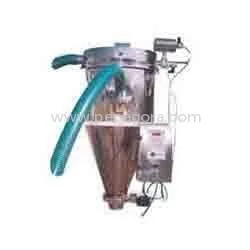
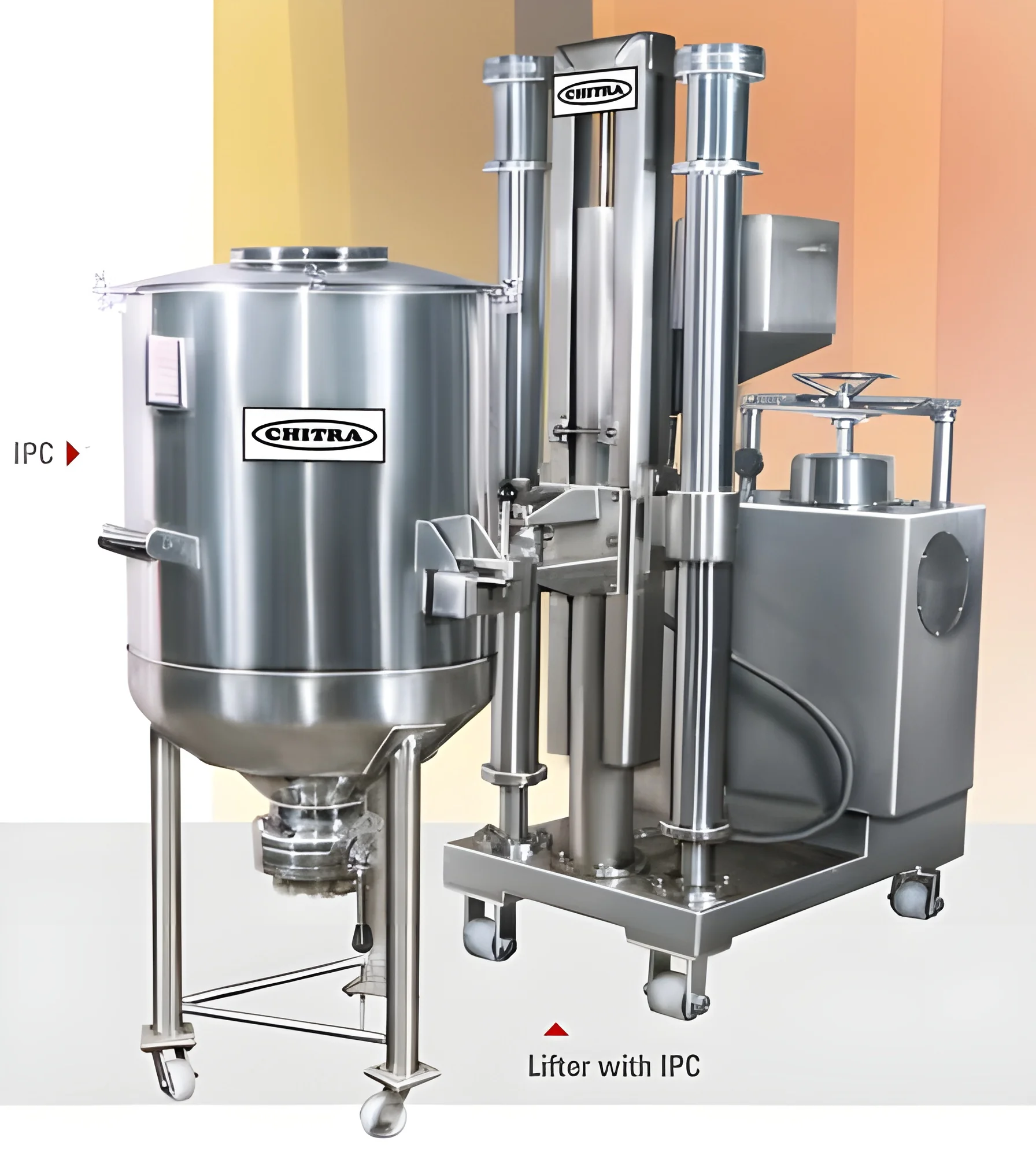
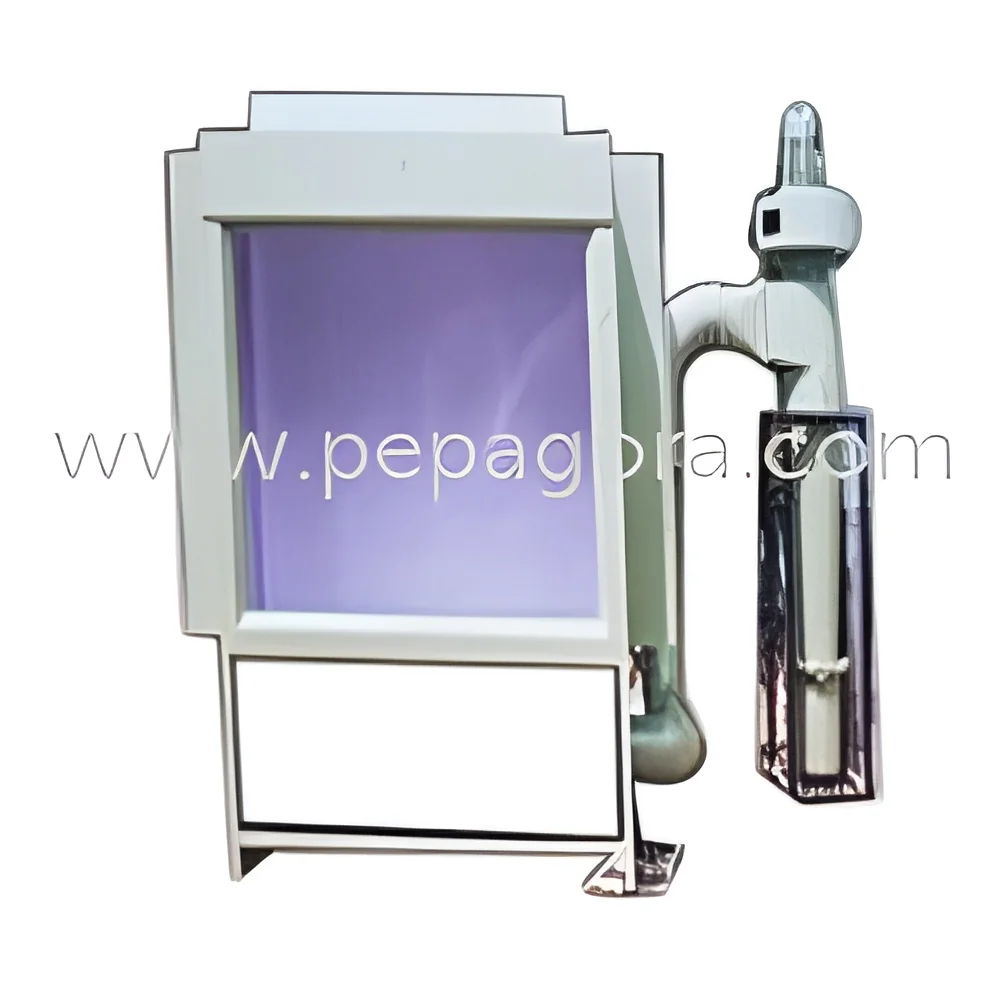
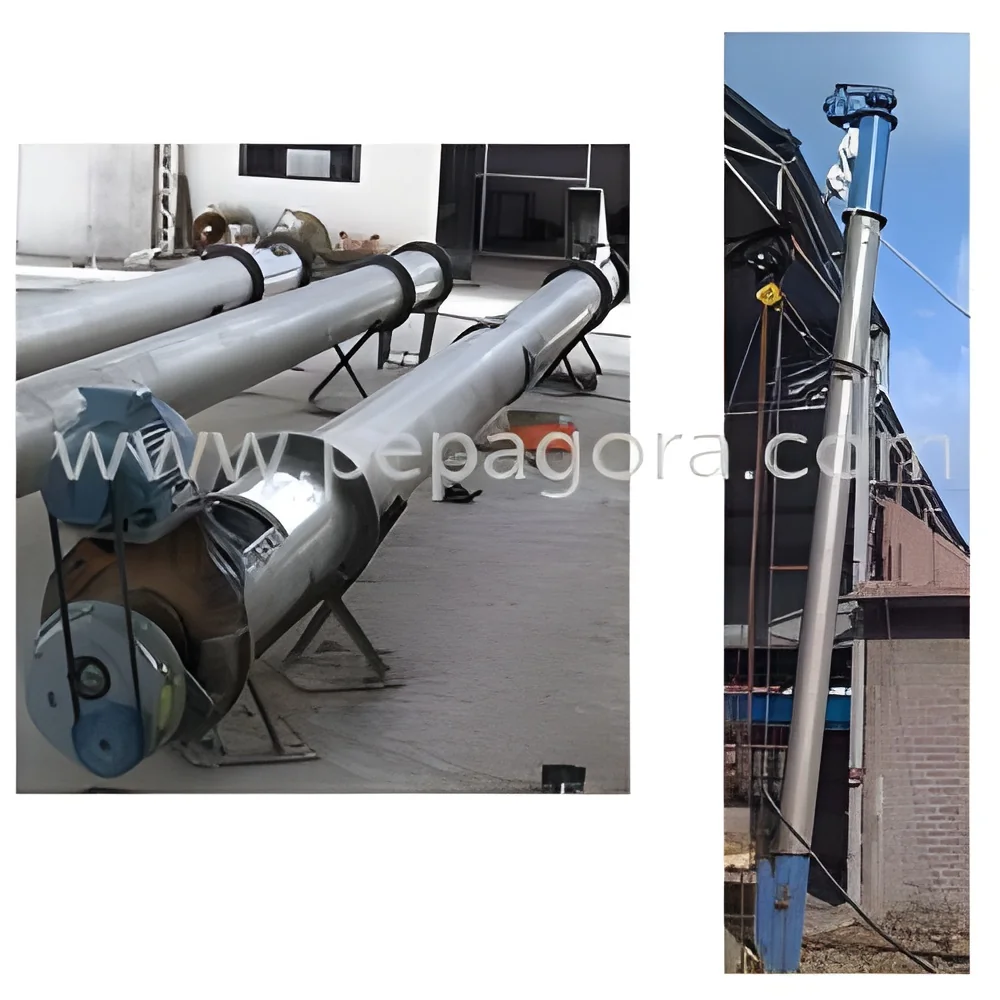
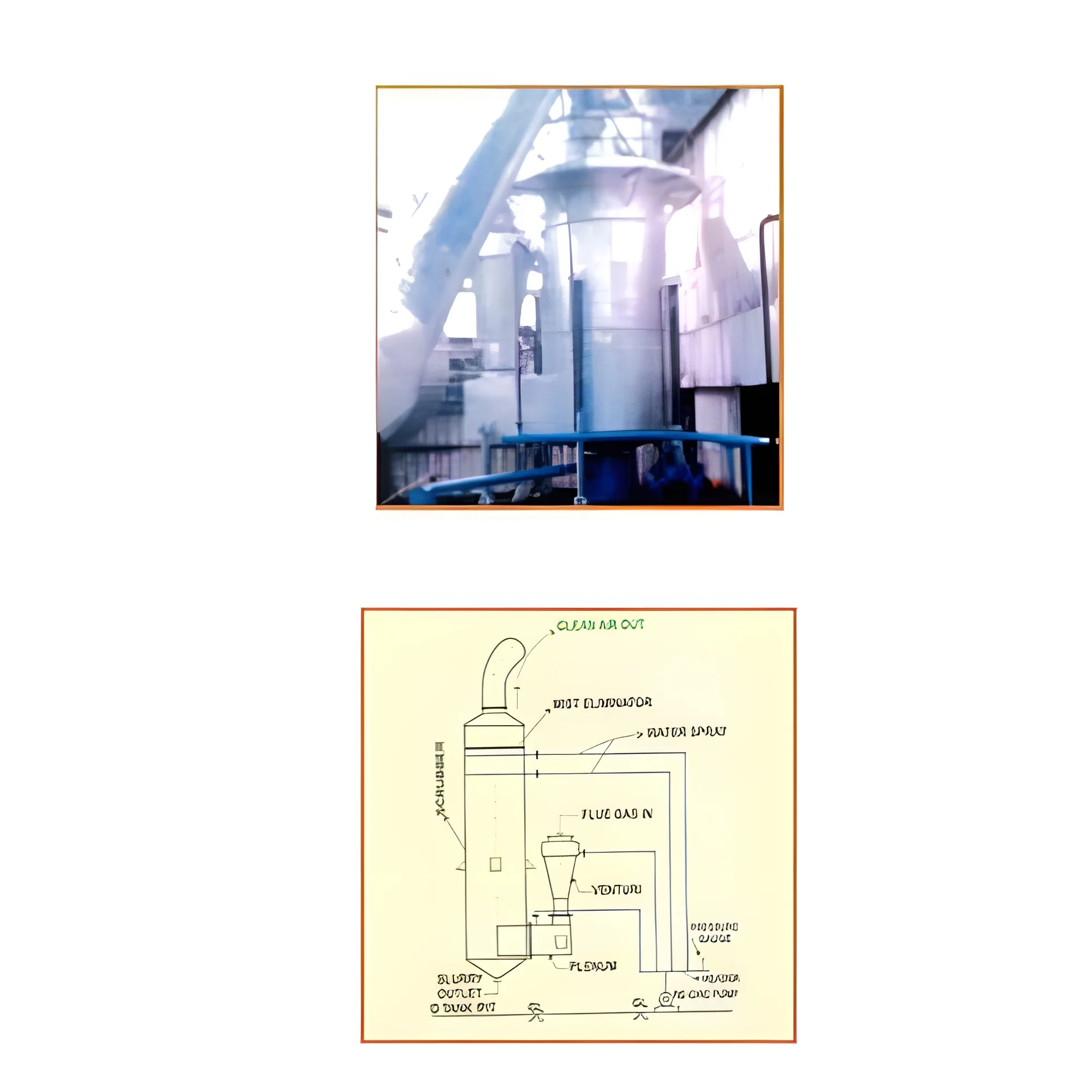
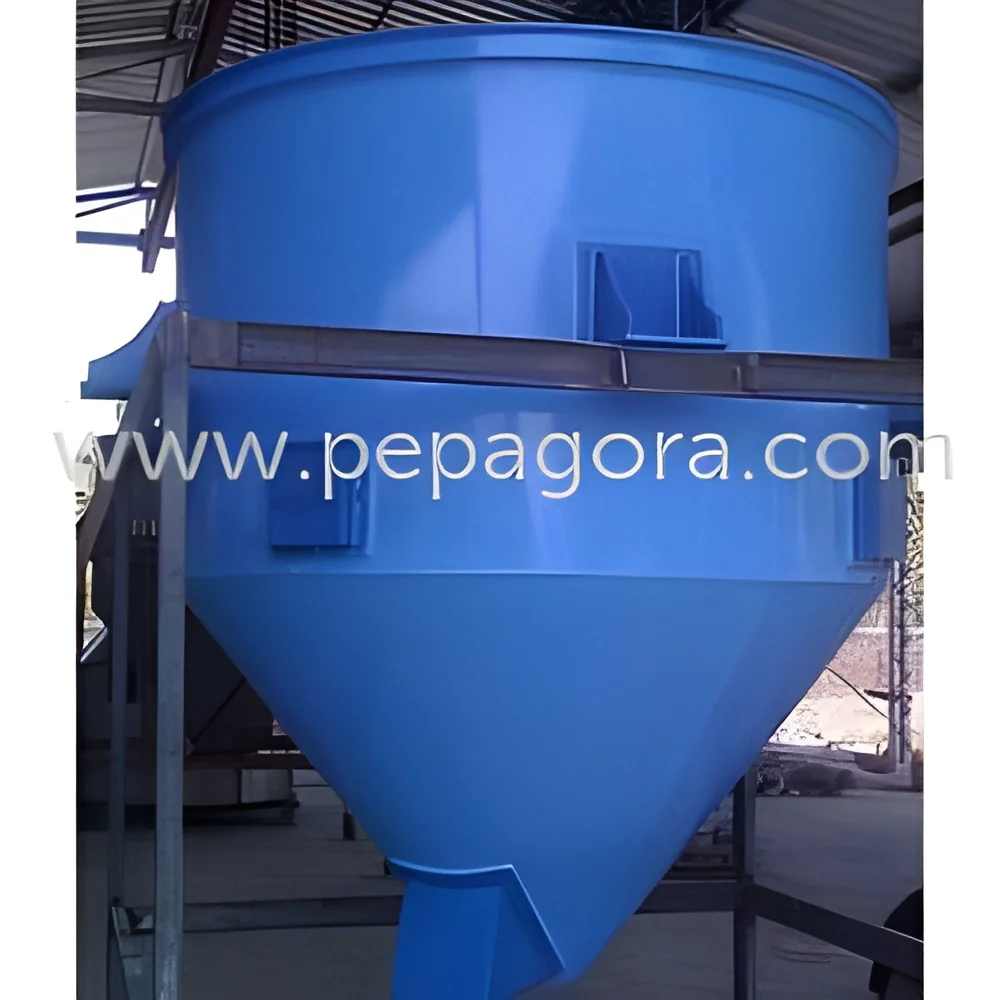
Powder Recovery Systems are specialized equipment designed to efficiently collect and recycle powder materials used in various industrial applications. These systems are integral to processes where powdered substances, such as coatings, chemicals, or food ingredients, are produced, processed, or handled. By capturing excess powder that would otherwise be lost, these systems help improve material utilization, reduce waste, and enhance overall operational efficiency.
The primary uses of Powder Recovery Systems span across multiple industries, including manufacturing, pharmaceuticals, food processing, and cosmetics. In these sectors, the systems facilitate the recovery of powders during production processes such as spraying, sieving, or mixing. This not only minimizes material loss but also ensures consistent product quality and compliance with industry standards. As market demand for sustainable practices increases, the relevance of Powder Recovery Systems continues to grow, positioning them as essential components in modern industrial operations.
Key Features and Specifications
Powder Recovery Systems come with a variety of features designed to enhance performance and efficiency. These systems are engineered to operate in diverse environments, accommodating different types of powders and operational needs. Below are key specifications that define their functionality and adaptability.
Key specifications include:
1. Airflow Capacity
- Determines the volume of air the system can handle per hour
- Typically ranges from 500 to 2000 cubic meters per hour
2. Filtration Efficiency
- Measures the effectiveness of the filtration system in capturing fine particles
- Commonly rated at 99.9% for powders down to 1 micron
3. Material Compatibility
- Indicates the types of materials that the system can process
- Compatible with metals, plastics, and various organic powders
4. System Size
- Refers to the physical dimensions of the equipment
- Available in compact designs suitable for limited spaces
5. Control Systems
- Includes options for manual or automated controls
- Advanced systems feature touch-screen interfaces for ease of use
6. Noise Levels
- Specifies the operational sound output
- Typically ranges from 60 to 85 decibels
7. Maintenance Requirements
- Details the ease of maintenance and part replacements
- Systems designed for quick access to key components
8. Compliance Standards
- Lists adherence to industry standards and regulations
- Often certified under CE standards for safety and quality
In summary, Powder Recovery Systems are critical tools that enhance production efficiency and sustainability across various industries by minimizing powder waste and ensuring high-quality output.
Common Applications and Use Cases
Powder Recovery Systems find applications in numerous sectors, each benefiting from the technology's efficiency and effectiveness.
1. Pharmaceutical Industry: These systems are used to recover active pharmaceutical ingredients (APIs) during the manufacturing process, ensuring minimal loss and compliance with strict regulatory standards.
2. Food Processing: In the food industry, Powder Recovery Systems help collect excess ingredients, such as spices and dry mixes, which enhances product yield and maintains quality.
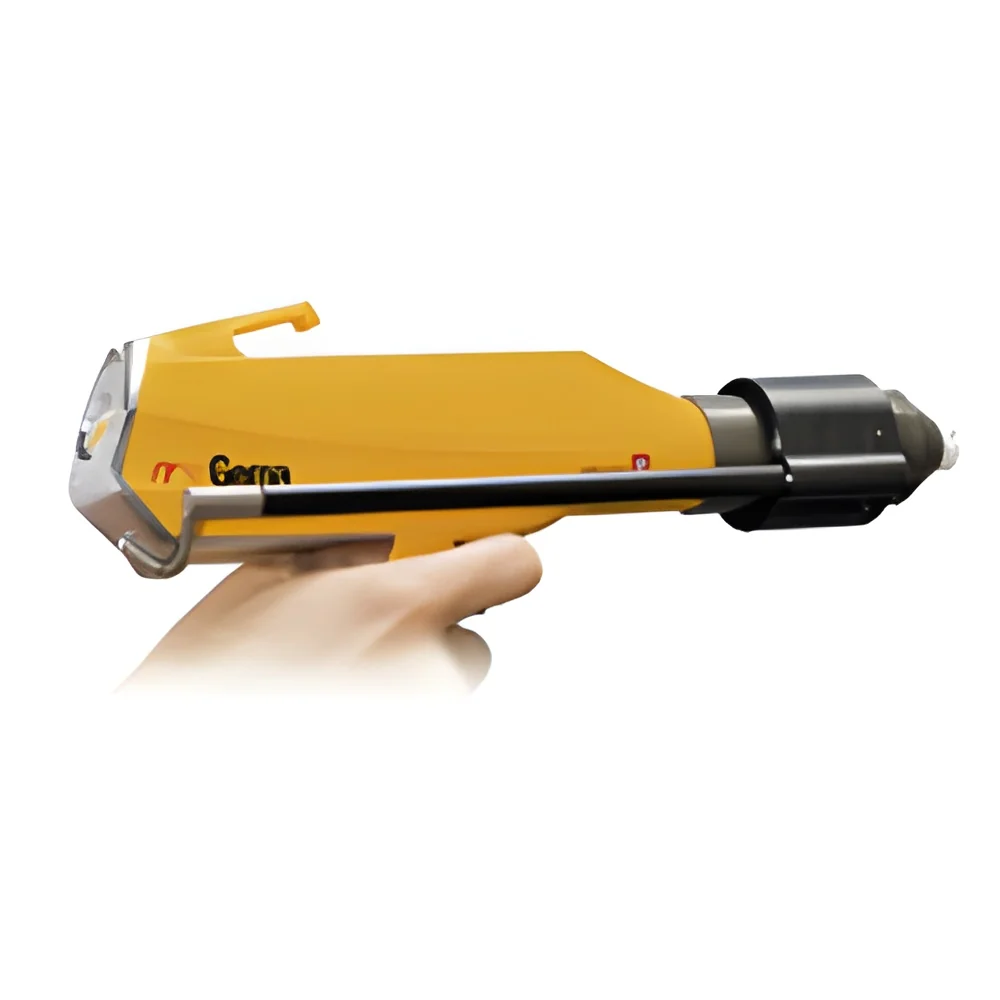
3. Coatings and Paints: These systems are essential in the coatings industry for reclaiming powder coatings during application processes, leading to significant cost savings and reduced environmental impact.
4. Cosmetics: In cosmetic manufacturing, Powder Recovery Systems enable the efficient collection of powdered pigments and other ingredients, ensuring high-quality formulations with minimal waste.
5. Chemical Manufacturing: Chemical plants utilize these systems to recover powdered chemicals, improving operational efficiency and contributing to sustainable practices.
6. Plastics: In the plastics industry, Powder Recovery Systems recover powdered resins, thus enhancing material usage and reducing production costs.
7. Metal Processing: These systems are also used in metal powder production, where capturing excess powder is crucial for maintaining product integrity and process efficiency.
Product Variants and Subcategories
Powder Recovery Systems are available in a variety of configurations to meet specific needs within different industries. This diversity allows businesses to select systems that align with their operational requirements.
Compact Powder Recovery System: This variant is designed for smaller operations where space is limited. It features a compact design without sacrificing efficiency, making it ideal for small-scale manufacturing.
High-Capacity Powder Recovery System: Engineered for large-scale operations, this system offers enhanced airflow and filtration capabilities, suitable for high-volume production environments.
Mobile Powder Recovery System: This portable variant provides flexibility for operations that require frequent relocation. It allows for easy setup and use in various locations.
Semi-Automatic Powder Recovery System: This system combines manual and automated features, offering users control while streamlining the recovery process. It is suitable for facilities looking to improve efficiency without full automation.
Benefits and Advantages
Investing in Powder Recovery Systems brings numerous advantages to industrial operations.
1. Cost Savings: By recovering and recycling powder, businesses reduce material costs and minimize waste disposal fees.
2. Improved Efficiency: These systems enhance production processes by ensuring continuous material availability, reducing downtime associated with powder loss.
3. Consistent Quality: Powder Recovery Systems help maintain product quality by preventing contamination and ensuring uniformity in the final product.
4. Environmental Sustainability: By reducing waste and material loss, these systems contribute to more sustainable manufacturing practices.
5. Compliance Assurance: Utilizing Powder Recovery Systems aids compliance with industry regulations regarding waste management and material handling.
6. Enhanced Productivity: With efficient powder recovery, operations can increase throughput and overall productivity, leading to better profitability.
Buying Guide for B2B Buyers
When sourcing Powder Recovery Systems, businesses should consider several critical factors to ensure they select the right equipment for their needs.
1. Quality Assessment: Evaluate the quality of materials and construction used in the system. Look for systems that meet recognized industry standards to ensure durability and performance.
2. Supplier Verification: Vet potential suppliers by checking their credentials, reputation, and customer reviews. A reliable supplier should provide references and have a solid track record in the industry.
3. Pricing and MOQ: Consider the pricing structure and minimum order quantities (MOQ) offered by suppliers. Ensure that the pricing aligns with your budget while still meeting your operational needs.
4. Delivery and Lead Times: Discuss logistics with suppliers to understand delivery timelines. Reliable lead times are essential for maintaining production schedules.
5. Compliance Requirements: Ensure that the Powder Recovery Systems comply with relevant industry regulations and standards. This helps avoid legal issues and guarantees product safety.
Compliance and Certifications
Compliance with industry standards and certifications is crucial for Powder Recovery Systems. Most systems adhere to quality management standards such as ISO 9001, ensuring consistent quality and reliability in manufacturing processes. Additionally, systems are often evaluated under HACCP (Hazard Analysis and Critical Control Points) guidelines, particularly in food processing applications, to ensure safe handling and production.
Many Powder Recovery Systems also comply with GDP (Good Distribution Practices), which is essential for maintaining product integrity during storage and transportation. Certifications like CE signify that the products meet European safety and environmental standards.
It is also important to consider regional compliance requirements, which may vary based on location and industry. Understanding these requirements ensures that businesses avoid costly penalties and maintain operations smoothly.
Why Source Powder Recovery Systems from Pepagora?
Pepagora provides a trusted platform for sourcing Powder Recovery Systems, offering several key advantages that benefit B2B buyers.
With a verified supplier network, Pepagora ensures that all listed suppliers meet stringent quality standards. This verification process helps buyers select reliable partners who can deliver high-quality systems tailored to their specific needs.
The streamlined RFQ (Request for Quotation) process simplifies the procurement experience. Buyers can easily request quotations from multiple suppliers, allowing for informed decision-making based on pricing and specifications.
Pepagora also offers trade assurance and support, providing buyers with protection against potential issues during the transaction process. This support enhances buyer confidence in their purchasing decisions.
Furthermore, Pepagora's regional coverage extends across India, GCC, and Southeast Asia, connecting buyers with suppliers in key markets. This geographic reach enables businesses to source Powder Recovery Systems that meet their operational requirements while benefiting from local market insights.

 IN
IN