What are Photopolymer Resins (Standard, Flexible, Castable)?
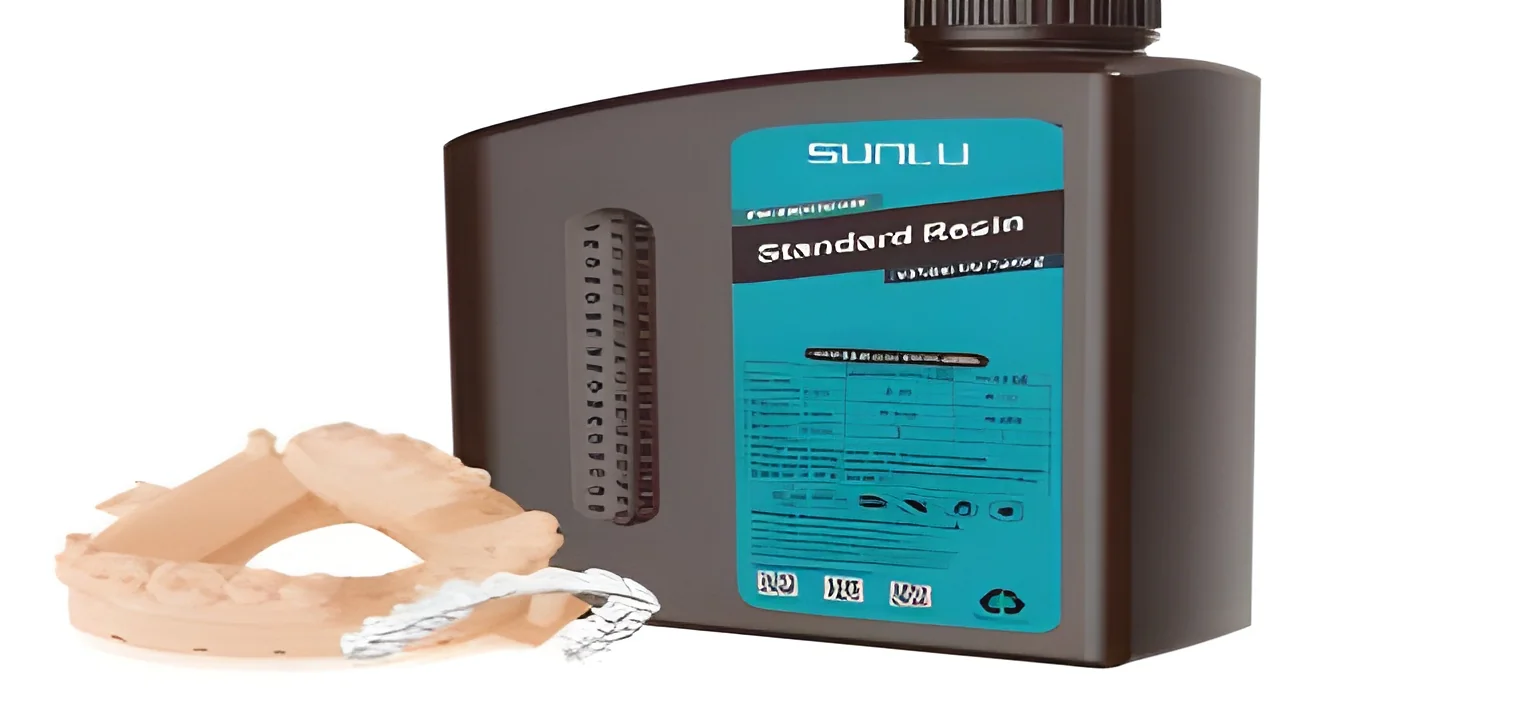
Photopolymer resins are a type of light-sensitive material used primarily in 3D printing and rapid prototyping. These resins cure and harden when exposed to specific wavelengths of light, allowing for the creation of detailed and intricate components. There are three main categories of photopolymer resins: standard, flexible, and castable. Each type serves distinct purposes depending on the application requirements, such as rigidity, flexibility, or detailed casting capabilities.
These resins are widely used in various industries, including aerospace, automotive, dental, and jewelry manufacturing. They are integral for producing prototypes, molds, and end-use parts with high precision and surface quality. The growing demand for additive manufacturing and rapid prototyping has led to a significant increase in the use of photopolymer resins, making them highly relevant in the current market landscape.
๐๐ฒ๐ ๐๐ฒ๐ฎ๐๐๐ฟ๐ฒ๐ ๐ฎ๐ป๐ฑ ๐ฆ๐ฝ๐ฒ๐ฐ๐ถ๐ณ๐ถ๐ฐ๐ฎ๐๐ถ๐ผ๐ป๐
Photopolymer resins come with specific features and technical specifications that make them suitable for various applications. Understanding these specifications is crucial for selecting the right resin for your needs.
Key specifications include:
1. Viscosity
- Determines how easily the resin flows during the printing process.
- Typically ranges from low to high viscosity, depending on the application.
2. Cure Time
- The time required for the resin to fully cure under light exposure.
- Varies based on the type of resin and light source used.
3. Shore Hardness
- Measures the hardness of the cured resin.
- Typically measured on the Shore A or D scale, indicating different hardness levels.
4. Tensile Strength
- Indicates the maximum stress the resin can withstand while being stretched.
- Varies significantly among standard, flexible, and castable resins.
5. Elongation at Break
- Measures how much the resin can stretch before breaking.
- Critical for flexible resin applications.
6. Thermal Stability
- Refers to the resin's ability to maintain properties at elevated temperatures.
- Important for applications involving heat exposure.
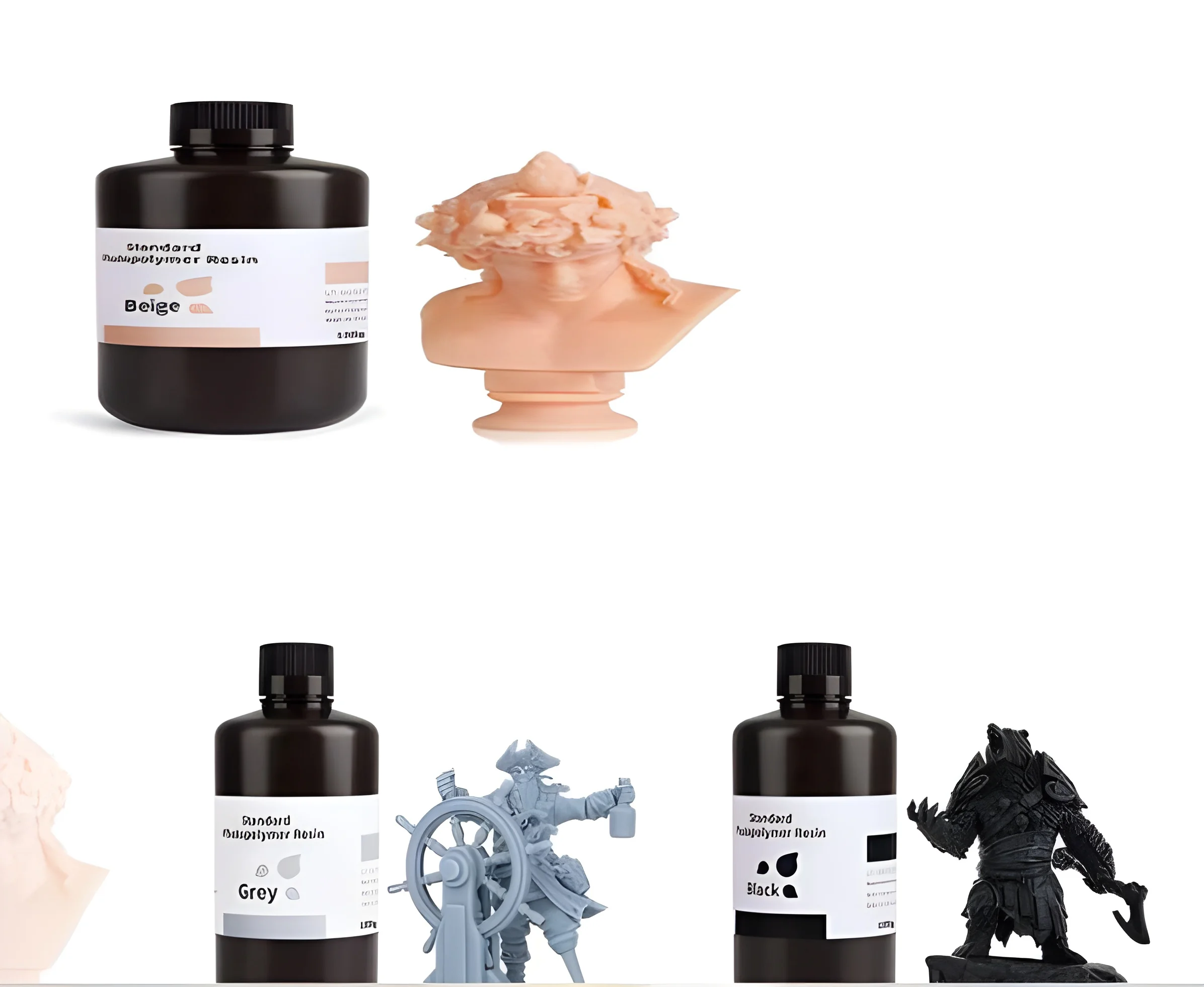
7. Color Options
- Available in various colors for aesthetic and functional purposes.
- Custom color formulations may be available.
8. Shelf Life
- Indicates how long the resin can be stored before it degrades.
- Proper storage conditions can extend shelf life.
In summary, understanding the key features and specifications of photopolymer resins is essential for selecting the right product for your specific industrial needs.
๐๐ผ๐บ๐บ๐ผ๐ป ๐๐ฝ๐ฝ๐น๐ถ๐ฐ๐ฎ๐๐ถ๐ผ๐ป๐ ๐ฎ๐ป๐ฑ ๐จ๐๐ฒ ๐๐ฎ๐๐ฒ๐
Photopolymer resins are utilized across various industries due to their adaptability and precision.
1. Aerospace: These resins are employed in producing lightweight components and prototypes for aircraft, where precision and weight are critical.
2. Automotive: Used for creating prototypes, molds, and tooling components, enabling rapid design iterations and testing.
3. Dental: Photopolymer resins are crucial in producing dental models, aligners, and crowns, offering high detail and biocompatibility.
4. Jewelry: Castable resins are used for creating intricate jewelry designs that can be directly cast in metal.
5. Consumer Electronics: Employed to manufacture parts and prototypes for gadgets, ensuring durability and precision.
6. Healthcare: Used in producing custom medical devices and prosthetics, allowing for patient-specific solutions.
7. Architecture: Photopolymer resins are utilized in creating architectural models, providing visual and structural clarity.
๐ฃ๐ฟ๐ผ๐ฑ๐๐ฐ๐ ๐ฉ๐ฎ๐ฟ๐ถ๐ฎ๐ป๐๐ ๐ฎ๐ป๐ฑ ๐ฆ๐๐ฏ๐ฐ๐ฎ๐๐ฒ๐ด๐ผ๐ฟ๐ถ๐ฒ๐
Photopolymer resins come in a variety of variants, each designed to meet specific application needs.
Standard Resins: These are general-purpose resins suitable for a wide range of applications. They offer good detail and surface finish, making them ideal for prototypes and models.
Flexible Resins: Designed for applications requiring elasticity and flexibility. These resins are used in producing parts that need to bend without breaking, such as gaskets and seals.
Castable Resins: Specifically formulated for casting applications, these resins allow for the creation of high-detail master patterns for investment casting. They burn out cleanly, leaving no residue.
๐๐ฒ๐ป๐ฒ๐ณ๐ถ๐๐ ๐ฎ๐ป๐ฑ ๐๐ฑ๐๐ฎ๐ป๐๐ฎ๐ด๐ฒ๐
Sourcing photopolymer resins offers several advantages for businesses.
1. High Precision: Photopolymer resins can create intricate details and complex geometries that are often unattainable with traditional manufacturing methods.
2. Rapid Prototyping: These resins enable fast production of prototypes, allowing for quicker design iterations and reduced time to market.
3. Versatile Applications: With different variants available, photopolymer resins can be tailored for a wide range of industrial applications.
4. Cost-Effective: Reduces material waste and labor costs by enabling efficient production processes.
5. Customization: Many manufacturers offer the ability to customize resins to meet specific performance requirements.
6. Improved Surface Finish: Photopolymer resins provide smooth finishes that often require less post-processing.
๐๐๐๐ถ๐ป๐ด ๐๐๐ถ๐ฑ๐ฒ ๐ณ๐ผ๐ฟ ๐๐ฎ๐ ๐๐๐๐ฒ๐ฟ๐
When sourcing photopolymer resins, there are several key factors to consider to ensure you make the best choice for your business needs.
1. Quality Assessment: Evaluate the quality of the resin by reviewing test results and certifications. Look for data on mechanical properties and curing performance.
2. Supplier Verification: Conduct thorough research on potential suppliers to ensure they have a good reputation and provide high-quality products.
3. Pricing and MOQ: Consider the pricing structure and minimum order quantities. Aim for a balance between cost and quality to maximize value.
4. Delivery and Lead Times: Check the supplierโs ability to meet your delivery deadlines. Timely delivery is crucial for maintaining production schedules.
5. Compliance Requirements: Ensure that the resins comply with relevant industry standards and regulations to avoid potential legal issues.
๐๐ผ๐บ๐ฝ๐น๐ถ๐ฎ๐ป๐ฐ๐ฒ ๐ฎ๐ป๐ฑ ๐๐ฒ๐ฟ๐๐ถ๐ณ๐ถ๐ฐ๐ฎ๐๐ถ๐ผ๐ป๐
Compliance with industry standards and certifications is critical when sourcing photopolymer resins. Common standards such as ISO 9001 ensure that manufacturers maintain quality management systems. Certifications like CE indicate that the products meet European health, safety, and environmental protection standards.
Safety and testing requirements must also be considered, especially when the resins are used in industries such as healthcare and food. It is essential to verify that the materials have undergone rigorous testing to ensure their safety and performance.
Additionally, regional compliance may vary. Buyers should familiarize themselves with local regulations to ensure that the products they source meet all necessary requirements.
Why Source Photopolymer Resins (Standard, Flexible, Castable) from Pepagora?
Pepagora offers a reliable platform for sourcing photopolymer resins, providing several key advantages to buyers.
Verified Supplier Network: Pepagora connects buyers with a network of verified suppliers, ensuring that you receive high-quality products from reputable manufacturers. This reduces the risk associated with sourcing materials.
Streamlined RFQ Process: The platform simplifies the request for quotation process, enabling buyers to easily compare offers and make informed purchasing decisions.
Trade Assurance and Support: Purchasing through Pepagora comes with trade assurance, offering protection for buyers and support throughout the transaction process.
Regional Coverage: Pepagora operates across various regions, including India, GCC, and Southeast Asia, ensuring that buyers can find suitable suppliers close to their operations.
By choosing Pepagora for your photopolymer resin needs, you can leverage these advantages to enhance your sourcing efficiency and product quality.