
 IN
Filament Dryers
2 products available
What are Filament Dryers?
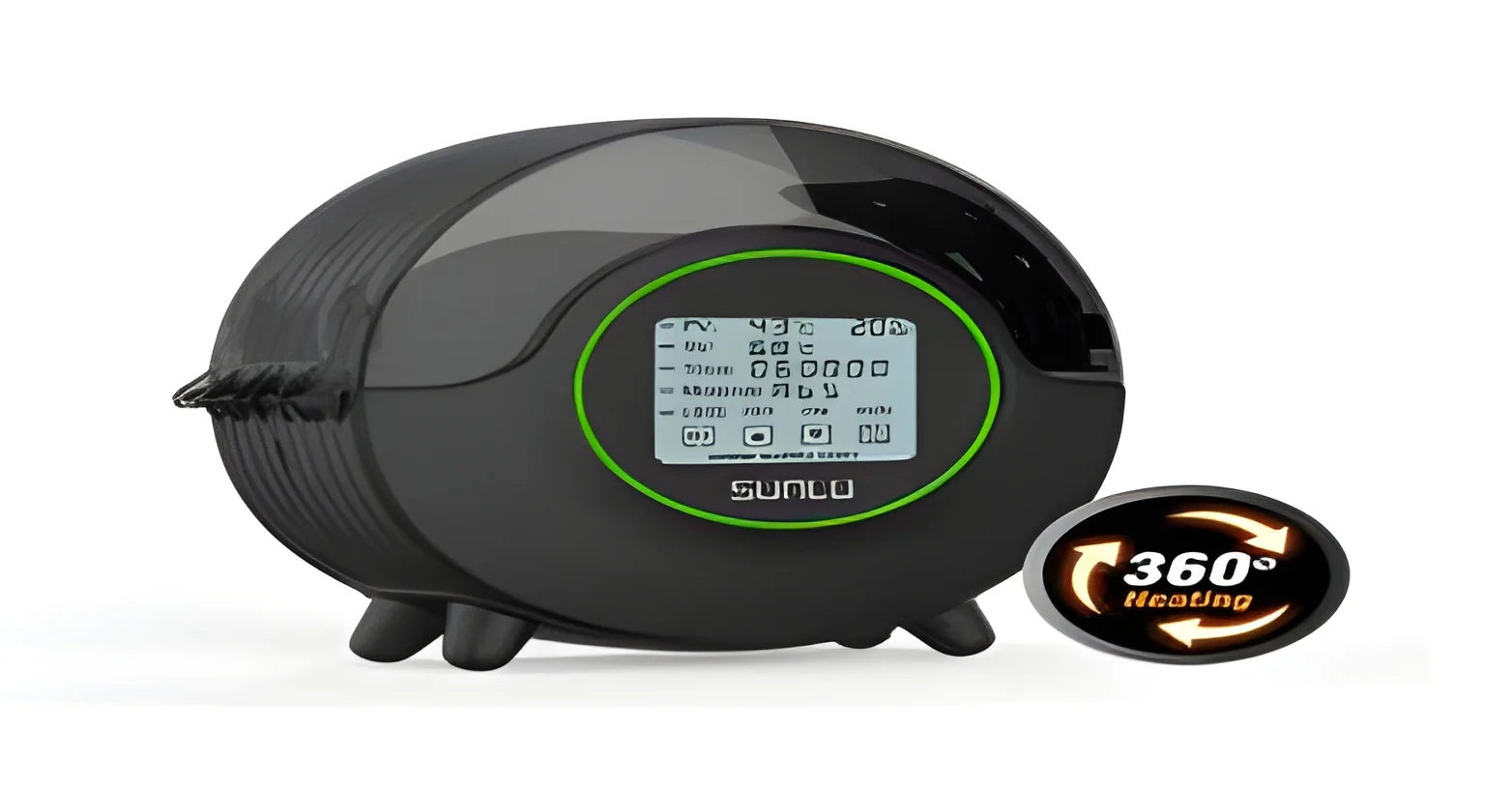
Filament dryers are specialized equipment designed to remove moisture from 3D printing filaments before they are used in the printing process. Moisture can adversely affect the quality of prints, leading to issues such as warping, bubbling, or inconsistent extrusion. By using filament dryers, businesses can ensure that their materials are kept at optimal moisture levels, thereby improving the overall performance and longevity of the filaments.
These dryers are particularly useful in industries that rely on precise and high-quality 3D printing, such as automotive, aerospace, and consumer goods manufacturing. In these sectors, the integrity of printed parts is critical, and moisture control is essential for achieving the desired results. As the demand for 3D printing continues to grow, the relevance of filament dryers in maintaining material quality is increasingly recognized across various manufacturing processes.
With the rise of advanced materials and printing techniques, filament dryers play a crucial role in supporting innovation and efficiency in the market. By minimizing defects and enhancing print quality, they contribute to better end products and operational excellence, making them an indispensable tool for businesses in the 3D printing landscape.
Key Features and Specifications
Filament dryers come equipped with several features that enhance their functionality and usability. These specifications are critical for ensuring optimal performance in moisture removal and overall filament management.
Key specifications include:
1. Temperature Control
- Allows precise setting of drying temperatures to suit different filament types.
- Common temperature ranges are typically between 40°C to 80°C.
2. Humidity Control
- Maintains stable humidity levels during the drying process.
- Essential for preventing moisture reabsorption in filaments.
3. Monitoring Features
- Some models offer real-time monitoring of temperature and humidity.
- Provides users with data to ensure effective drying.
4. Capacity
- Varies by model, typically accommodating multiple spools of filament.
- Common capacities range from 1 kg to 5 kg.
5. Energy Efficiency
- Designed to minimize power consumption during operation.
- Important for reducing operational costs.
6. Build Quality
- Constructed from durable materials to withstand regular use.
- Ensures long-term reliability and performance.
7. User Interface
- Often includes digital displays and user-friendly controls.
- Facilitates easy operation and monitoring.
8. Portability
- Some models are designed to be compact and easy to move.
- Useful for facilities with limited space.
In summary, the key features and specifications of filament dryers are designed to provide users with effective moisture control, ensuring high-quality 3D printing outcomes.
Common Applications and Use Cases
Filament dryers serve various industries, enhancing the quality of 3D printing processes.
1. Automotive: In the automotive industry, filament dryers are used to prepare materials for prototypes and production parts. Moisture-free filaments ensure consistent performance and durability of components.
2. Aerospace: Aerospace manufacturers utilize filament dryers to maintain high standards of quality in their parts. The precision required in this sector means that even minor defects from moisture can lead to significant issues.
3. Consumer Goods: Producers of consumer products leverage filament dryers for efficient and high-quality manufacturing. Keeping filaments dry helps in achieving the desired finish and functionality in final products.
4. Medical Devices: In the medical field, filament dryers help in producing components that must meet strict regulatory standards. Moisture control is essential to ensure the integrity and safety of medical devices.
5. Electronics: The electronics industry relies on filament dryers to produce intricate parts with precise dimensions. Drying filaments helps prevent malfunctions in electronic components due to moisture exposure.
6. Prototyping Services: Companies that offer prototyping services depend on filament dryers to ensure that the materials used yield accurate and reliable prototypes for client testing.
7. Education and Research: Educational institutions and research facilities use filament dryers to support various projects and experiments in 3D printing, ensuring that experiments yield accurate and reproducible results.
Product Variants and Subcategories
Filament dryers come in various configurations to meet the specific needs of different users.
Compact Filament Dryers: These dryers are designed for small workspaces, offering efficient drying capabilities without taking up too much room. Ideal for small-scale operations or hobbyists, they provide essential moisture control in a compact form.
Industrial Filament Dryers: Built for larger manufacturing environments, these dryers can handle multiple filament spools simultaneously. They are equipped with advanced features such as automated controls and extensive monitoring systems, making them suitable for high-volume production.
Desktop Filament Dryers: These compact units are engineered for desktop use, providing convenient drying solutions for smaller operations. They are user-friendly and often feature simple controls, making them accessible for users with varying levels of expertise.
Batch Filament Dryers: Designed for larger quantities, these dryers allow for the drying of bulk filament supplies. They are suitable for businesses that regularly produce or use significant amounts of filament.
Benefits and Advantages
Filament dryers offer numerous advantages to businesses that require high-quality 3D printing.
1. Improved Print Quality: By ensuring filaments are moisture-free, filament dryers help achieve superior print quality with fewer defects.
2. Increased Material Lifespan: Properly dried filaments tend to last longer, reducing waste and the need for frequent replacements.
3. Enhanced Performance: Filaments that are free from moisture exhibit better extrusion and adhesion properties, leading to more reliable printing results.
4. Cost Efficiency: Investing in filament dryers can lead to significant savings by reducing print failures and material waste.
5. Versatility: Filament dryers can accommodate various filament types, making them versatile tools for different printing needs.
6. User-Friendly Operation: Many models are designed with intuitive controls, allowing users to operate them with ease and efficiency.
Buying Guide for B2B Buyers
When sourcing filament dryers, it is essential for businesses to consider several critical factors to ensure they make informed decisions.
1. Quality Assessment: Assess the quality of the filament dryer by reviewing materials used, durability, and performance reviews. High-quality units will offer better longevity and efficiency.
2. Supplier Verification: It is crucial to vet suppliers thoroughly. Check their reputation, past customer feedback, and whether they adhere to industry standards.
3. Pricing and MOQ: Understand the price range and minimum order quantities. This will help in budgeting and determining the feasibility of the purchase.
4. Delivery and Lead Times: Inquire about delivery schedules and lead times to ensure timely access to the filament dryers, especially if they are needed for production.
5. Compliance Requirements: Be aware of any regulatory compliance that may apply to filament dryers, including safety certifications and quality standards relevant to your industry.
Compliance and Certifications
Filament dryers must meet various compliance and certification standards to ensure safety and reliability. Relevant quality standards, such as ISO 9001, focus on quality management systems, ensuring that manufacturers adhere to best practices.
Additionally, industry certifications like CE indicate that the equipment meets European safety, health, and environmental protection standards. Compliance with these certifications is essential for businesses looking to ensure reliability and safety in their operations.
Safety and testing requirements are also critical, with manufacturers often required to conduct rigorous testing to verify that their dryers function correctly under various conditions. This ensures that the equipment is safe for use in various environments.
Regional compliance considerations may differ, so businesses should familiarize themselves with local regulations and standards to ensure that any filament dryer they purchase meets necessary legal requirements.
Why Source Filament Dryers from Pepagora?
Pepagora provides a trusted platform for sourcing filament dryers with several key advantages.
Verified Supplier Network: Pepagora has a robust network of verified suppliers, ensuring that businesses can access reliable products that meet industry standards. This verification process helps mitigate risks associated with sourcing equipment.
Streamlined RFQ Process: The quotation system at Pepagora is designed to facilitate easy comparisons among suppliers, enabling businesses to find the best deals for their needs. This streamlined process saves time and ensures transparency.
Trade Assurance and Support: Pepagora offers trade assurance, providing buyers with protection and support throughout the purchasing process. This assurance builds confidence and trust in their transactions.
Regional Coverage: With a focus on markets in India, the GCC, and Southeast Asia, Pepagora ensures that businesses across these regions can access high-quality filament dryers tailored to their operational needs.


Frequently Asked Questions
What are Filament Dryers?
Filament dryers are specialized equipment designed to remove moisture from various types of filaments used in manufacturing processes. They are essential for ensuring that filaments are dry before processing, which helps prevent defects and maintains quality in final products.
What are the different types of Filament Dryers?
Filament dryers come in various types, including hot air dryers, vacuum dryers, and desiccant dryers. Each type serves a specific purpose and is suitable for different materials, depending on the moisture content and drying requirements.
How do I choose the right Filament Dryers?
Selecting the right filament dryer involves considering factors such as the type of filament, moisture levels, and production capacity. It's also important to evaluate the dryer’s efficiency, energy consumption, and compatibility with existing equipment.
What are the standard specifications for Filament Dryers?
Standard specifications for filament dryers include drying capacity, temperature range, power consumption, and dimensions. Additionally, features like control systems and material compatibility should also be assessed.
What is the price range for Filament Dryers?
The price range for filament dryers can vary significantly based on type, capacity, and features. Generally, you can expect prices to start from a few thousand Indian Rupees and go up to several lakhs for advanced models.
What quality standards apply to Filament Dryers?
Filament dryers must comply with various quality standards, including ISO certifications and safety regulations. These standards ensure the equipment operates efficiently and safely, providing consistent performance.
Where can I find Filament Dryers suppliers in India?
You can find filament dryer suppliers in India through B2B marketplaces like Pepagora.com, trade shows, or industry-specific directories. It's advisable to compare multiple suppliers to find the best options that meet your requirements.
Can Filament Dryers be customized?
Yes, many manufacturers offer customization options for filament dryers to meet specific industrial requirements. Customizations can include modifications in size, capacity, and additional features based on your production needs.
What is the typical minimum order quantity for Filament Dryers?
The typical minimum order quantity (MOQ) for filament dryers varies by supplier but usually ranges from one unit to several units depending on the manufacturer and specific model. It is best to check with individual suppliers for their specific MOQs.
What is the typical lead time for Filament Dryers?
The typical lead time for filament dryers can range from a few weeks to several months, depending on factors such as customization, supplier capacity, and shipping logistics. It is recommended to confirm lead times with the supplier before placing an order.
Why Businesses Trust Pepagora
Thousands of companies trust Pepagora to source smarter and sell faster
Expand Your Sales Globally

Source Smarter,Grow Faster
