What are UV Curing Chambers?
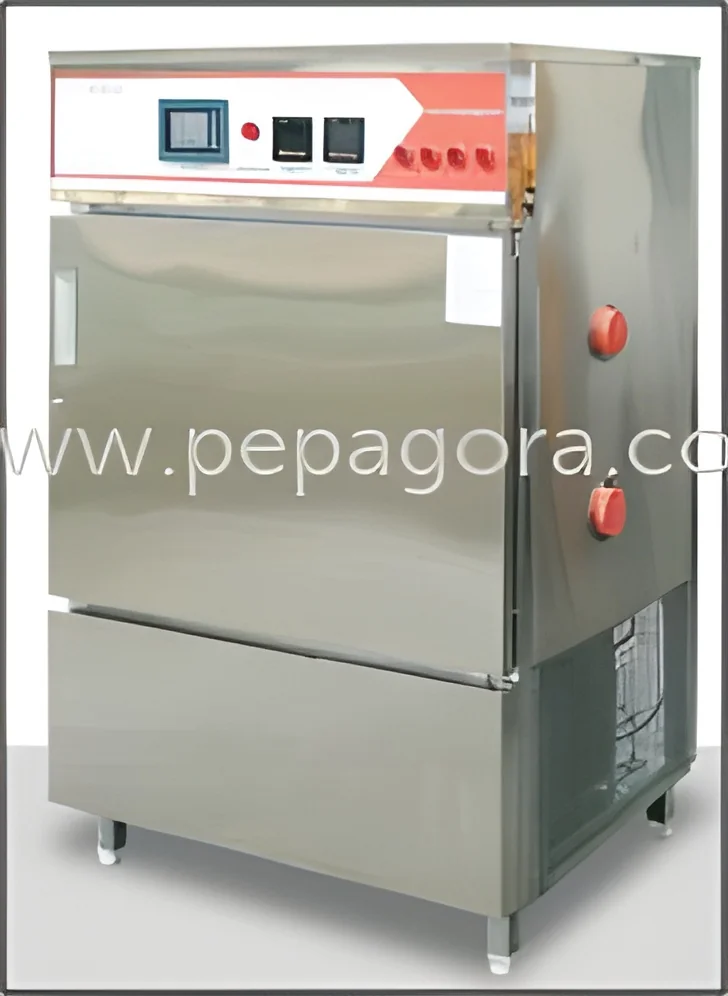
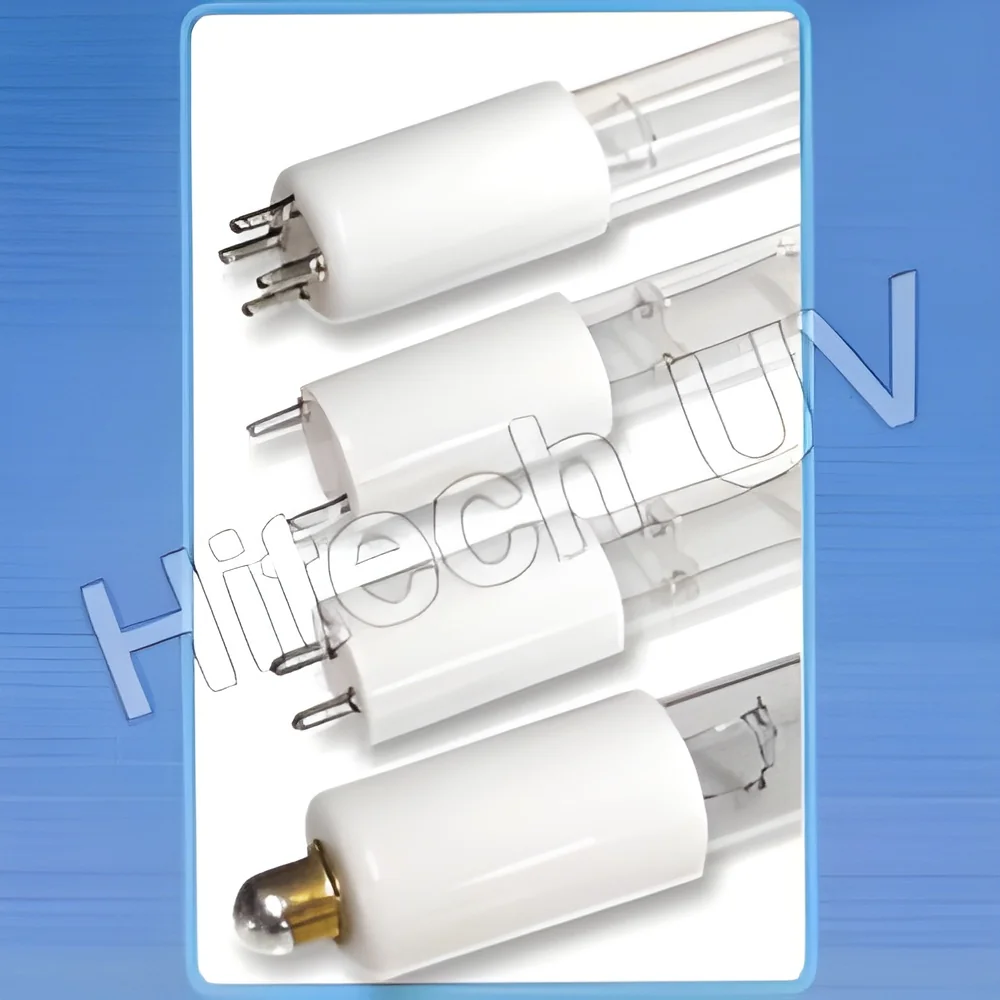
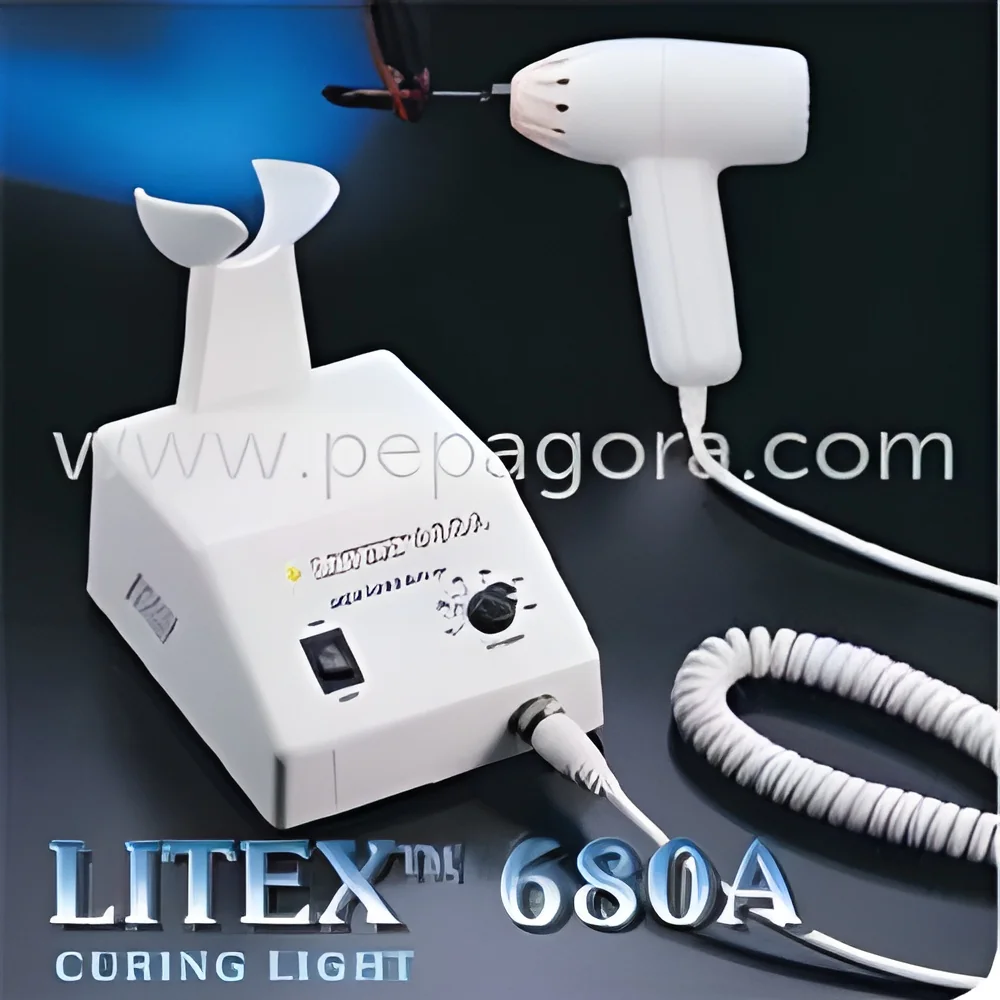
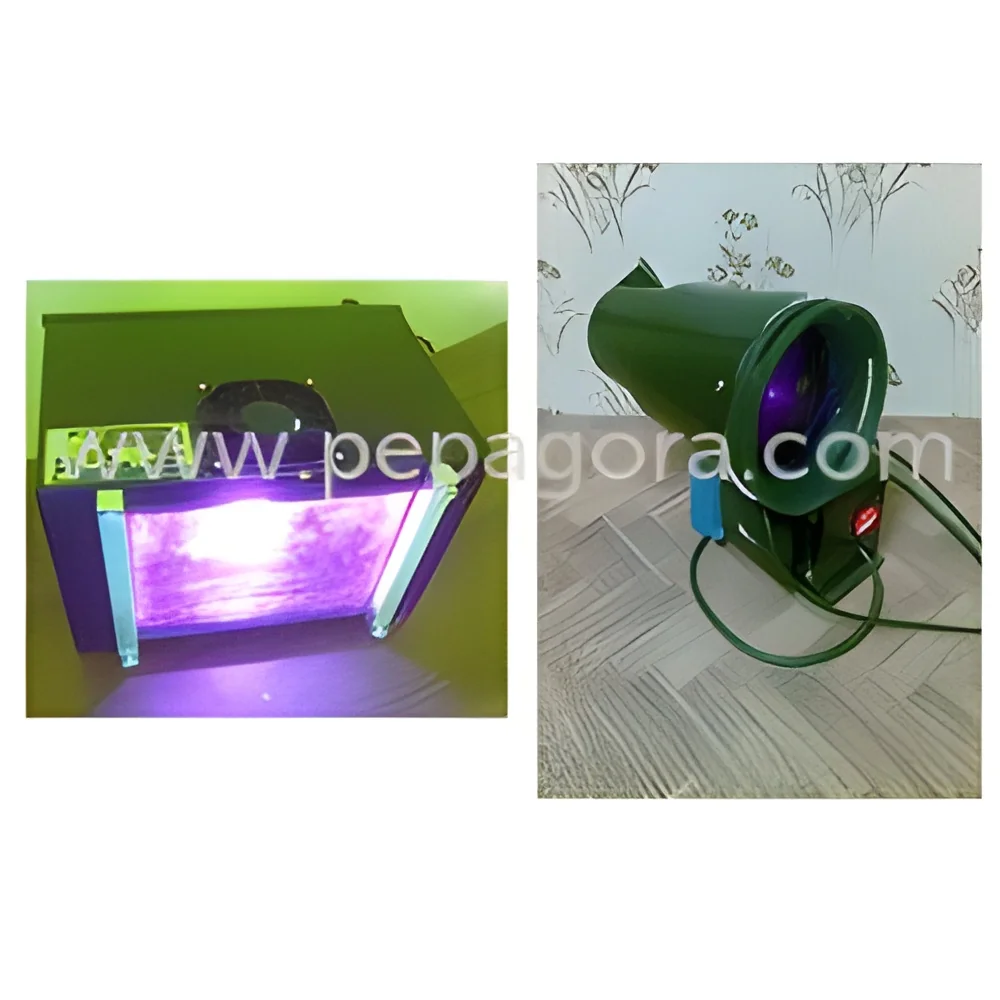
UV curing chambers are specialized equipment designed to cure or harden coatings, adhesives, and inks using ultraviolet light. The process involves exposing the material to UV radiation, which initiates a photochemical reaction that results in rapid curing. This technology is widely used due to its efficiency and ability to produce high-quality finishes.
The primary uses of UV curing chambers span various industries, including printing, automotive, and electronics. Businesses utilize these chambers to enhance production speeds, reduce energy consumption, and improve the durability of their products. The ability to cure materials in a matter of seconds makes UV curing especially advantageous in high-volume production settings.
In the current market, UV curing technology is gaining traction as manufacturers seek faster and more sustainable production methods. As industries increasingly prioritize efficiency and environmental responsibility, UV curing chambers are becoming essential tools in manufacturing processes. The growth of this technology reflects broader trends in industrial innovation and the need for advanced manufacturing solutions.
Key Features and Specifications
UV curing chambers possess several features that enhance their functionality and efficiency. Understanding these specifications is crucial for businesses looking to invest in this technology.
Key specifications include:
1. Curing Time
- Typically ranges from a few seconds to a few minutes depending on the material and thickness.
- Allows for rapid production cycles and increased output.
2. UV Intensity
- Measured in milliwatts per square centimeter (mW/cm²).
- Higher intensity leads to faster curing times and better material adhesion.
3. Chamber Size
- Dimensions vary based on application needs, from small benchtop models to large industrial units.
- Custom sizing may be available to accommodate specific production lines.
4. Energy Efficiency
- Designed to minimize energy consumption during operation.
- Many models incorporate LED UV technology for lower energy use.
5. Temperature Control
- Some chambers provide precise temperature management to ensure optimal curing conditions.
- Temperature ranges are not specifically defined but should meet the processing needs of materials.
6. Safety Features
- Equipped with safety interlocks and shields to protect operators from UV exposure.
- Compliance with safety regulations is essential for user safety.
7. Automation Capabilities
- Some models feature automated loading and unloading systems.
- Enhances production efficiency and reduces manual handling.
8. Maintenance Requirements
- Designed for easy access to components for routine maintenance and cleaning.
- Regular maintenance ensures consistent performance and longevity.
In summary, understanding the key features and specifications of UV curing chambers can help businesses select the right equipment for their production needs.
Common Applications and Use Cases
UV curing chambers serve various industries, demonstrating their versatility and effectiveness in numerous applications.
1. Printing: In the printing industry, UV curing is used to harden inks quickly, allowing for faster print runs and improving the quality of the final product.
2. Automotive: UV curing technology is applied in automotive coatings and adhesives, providing durable finishes that withstand harsh conditions and increase longevity.
3. Electronics: Manufacturers of electronic components utilize UV curing for potting and encapsulating materials, ensuring protection against moisture and environmental factors.
4. Woodworking: In woodworking, UV curing finishes provide a hard surface that enhances durability and aesthetic appeal, allowing for quick turnaround times on furniture and fixtures.
5. Medical Devices: UV curing is crucial in the production of medical devices, where sterilization and rapid curing times are essential for compliance and safety.
6. Labels and Packaging: UV cured labels and packaging materials provide high-quality finishes that are resistant to wear and tear, making them suitable for various products.
7. Adhesives: Many adhesive applications benefit from UV curing, providing strong bonds in a fraction of the time compared to traditional curing methods.
Product Variants and Subcategories
UV curing chambers come in a range of models to suit different production needs. Although specific subcategories are not available, there are variations based on size and functionality.
Standard Model
This variant typically features a compact design suited for small to medium production runs. It is ideal for businesses looking to enter the UV curing market without a significant investment.
Industrial Model
These larger units are designed for high-volume production environments. They feature advanced automation and energy-efficient designs, making them suitable for large manufacturers.
Custom Model
Some manufacturers offer customizable UV curing chambers that can be tailored to specific applications. This flexibility allows businesses to optimize their production processes based on unique requirements.
Benefits and Advantages
Investing in UV curing chambers offers numerous benefits for businesses in various sectors.
Key benefits include:
1. Speed of Curing: UV curing significantly reduces production times, allowing businesses to meet tight deadlines and increase throughput.
2. Enhanced Quality: The ability to produce high-quality finishes with superior adhesion leads to improved product performance and customer satisfaction.
3. Energy Efficiency: Many UV curing systems, especially those using LED technology, consume less energy than traditional curing methods, reducing operational costs.
4. Environmentally Friendly: UV curing processes typically emit fewer volatile organic compounds (VOCs), contributing to a cleaner production environment.
5. Versatility: UV curing technology can be applied to a wide range of materials, making it suitable for diverse manufacturing needs across industries.
6. Reduced Waste: The precision of the curing process minimizes excess material use and waste, leading to cost savings and improved sustainability.
Buying Guide for B2B Buyers
When sourcing UV curing chambers, businesses should consider several key factors to ensure they make an informed decision.
1. Quality Assessment: It is important to evaluate the quality of the UV curing chambers. Look for products that meet industry standards and have a track record of reliability.
2. Supplier Verification: Vetting suppliers is crucial. Confirm their reputation and experience in providing UV curing technology, and seek testimonials from other customers.
3. Pricing and MOQ: Understand the pricing structure and minimum order quantities (MOQ) that suppliers offer. This can impact budgeting and inventory management.
4. Delivery and Lead Times: Consider the logistics of delivery. Assess lead times to ensure that the equipment arrives on schedule, allowing for seamless integration into production.
5. Compliance Requirements: Be aware of any regulatory and compliance needs related to safety and environmental standards. Ensuring compliance can prevent setbacks in production.
Compliance and Certifications
Compliance with industry standards and certifications is essential for UV curing chambers.
Manufacturers should adhere to relevant quality standards such as ISO 9001, which focuses on quality management systems. Compliance with HACCP and GDP may also be necessary for specific applications, particularly in the food and pharmaceutical sectors.
Certifications like CE indicate that the equipment meets European safety, health, and environmental protection standards. This certification is crucial for market access in the European Union.
Safety and testing requirements are imperative to ensure the safe operation of UV curing chambers. Regular testing of equipment can help ensure that it operates within specified safety parameters.
Regional compliance considerations may vary. Businesses should familiarize themselves with local regulations to ensure that their UV curing chambers meet all necessary legal requirements.
Why Source UV Curing Chambers from Pepagora?
Pepagora provides a trusted platform for sourcing UV curing chambers, offering several key advantages to B2B buyers.
The verified supplier network includes reputable manufacturers known for quality and reliability. This network ensures that buyers have access to top-tier products and can make informed purchasing decisions.
The streamlined RFQ process simplifies the quotation system, allowing buyers to request and compare multiple quotes efficiently. This feature saves time and facilitates better negotiation options.
Trade assurance and support mechanisms are in place to protect buyers throughout the purchasing process. This assurance provides confidence in transactions and helps mitigate potential risks.
Pepagora also boasts extensive regional coverage, serving markets in India, the GCC, and Southeast Asia. This geographic reach allows businesses to access UV curing technology and suppliers tailored to their specific regional needs.

 IN
IN