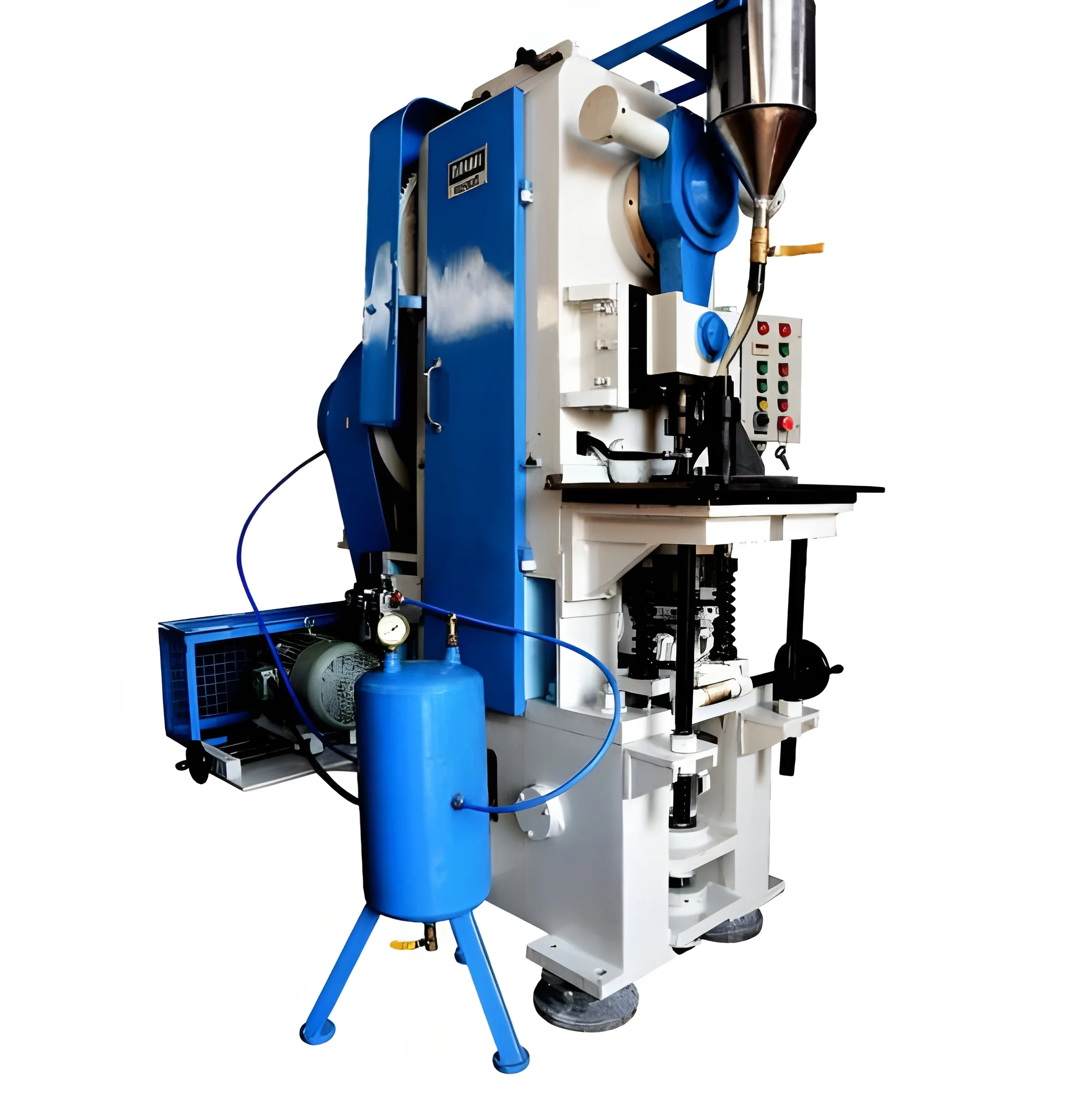
What are Ceramic & Composite Powders?
Ceramic and composite powders are advanced materials utilized primarily in various manufacturing processes. Ceramic powders are inorganic, non-metallic materials that are typically formed through the application of heat and subsequent cooling. These powders are known for their hardness, wear resistance, and thermal stability. Composite powders, on the other hand, are made from two or more constituent materials with significantly different physical or chemical properties. The combination of these materials results in enhanced characteristics, such as improved strength and lighter weight.
These powders find extensive applications across several industries, including aerospace, automotive, electronics, and medical sectors. In aerospace and automotive industries, they are employed in the production of components that require high strength-to-weight ratios and thermal stability. In electronics, they are used in capacitors and insulators. The relevance of ceramic and composite powders in the market is underscored by their ability to meet the demanding specifications of modern engineering and manufacturing processes.
Key Features and Specifications
Ceramic and composite powders come with a range of features and specifications tailored to meet industry standards. Understanding these specifications is crucial for selecting the right materials for specific applications.
Key specifications include:
1. Particle Size Distribution
- Typically ranges from sub-micron to several microns.
- Affects flowability and packing density.
2. Purity Levels
- High purity levels are essential for critical applications.
- Generally above 95% for most industrial uses.
3. Morphology
- Can be spherical, irregular, or a mixture.
- Influences the sintering process and final product properties.
4. Thermal Stability
- Maintains performance at high temperatures.
- Suitable for applications requiring thermal resistance.
5. Chemical Composition
- Various formulations available based on required properties.
- Customizable for specific applications.
6. Density
- Typically measured in grams per cubic centimeter.
- Affects material strength and performance.
7. Flow Characteristics
- Measured through flowability tests.
- Important for manufacturing processes like injection molding.
8. Specific Surface Area
- Influences reactivity and sintering behavior.
- Typically measured in square meters per gram.
In summary, understanding the key features and specifications of ceramic and composite powders is essential for their effective use in various industrial applications.
Common Applications and Use Cases
Ceramic and composite powders are utilized in multiple industries, each benefiting from their unique properties.
1. Aerospace: Ceramic powders are used for thermal barrier coatings and lightweight structural components that withstand extreme temperatures.
2. Automotive: These materials are employed in brake systems and engine components, offering durability and weight reduction.
3. Electronics: Ceramic powders are critical in the production of capacitors, insulators, and other electronic components requiring high thermal and electrical resistance.
4. Medical: Used in prosthetics and dental applications, providing biocompatibility and strength.
5. Defense: Employed in ballistic armor and other protective gear, offering superior strength and lightweight characteristics.
6. Energy: Utilized in fuel cells and batteries, enhancing performance and efficiency.
7. Manufacturing: Used in the production of cutting tools and wear-resistant coatings, improving tool life and performance.
Product Variants and Subcategories
Ceramic and composite powders encompass a diverse range of products, each tailored for specific applications.
Alumina Powders
These are widely used in applications requiring high wear resistance and thermal stability. Alumina powders are often used in ceramics, abrasives, and dental materials.
Zirconia Powders
Known for their toughness and fracture resistance, zirconia powders are used in dental crowns and thermal barrier coatings. They are ideal for applications demanding high strength and durability.
Silicon Carbide Powders
These powders are utilized in high-performance ceramics and abrasives. Silicon carbide offers excellent thermal conductivity and resistance to wear.
Titanium Dioxide Powders
Commonly used in pigment applications, titanium dioxide powders also serve in photocatalytic materials and as a filler in various products.
Benefits and Advantages
Ceramic and composite powders provide numerous benefits to industries seeking advanced materials.
Key benefits include:
1. High Strength: These powders offer superior mechanical strength, making them ideal for demanding applications.
2. Thermal Stability: They maintain performance under high-temperature conditions, essential for aerospace and automotive industries.
3. Wear Resistance: The durability of these materials extends the lifespan of components, reducing replacement costs.
4. Lightweight: Many ceramic and composite powders are lightweight, contributing to overall weight savings in applications.
5. Customizability: These materials can often be tailored to meet specific performance requirements, enhancing their versatility.
6. Biocompatibility: Certain ceramic powders are designed for medical applications, ensuring safety and effectiveness in healthcare settings.
Buying Guide for B2B Buyers
When sourcing ceramic and composite powders, businesses should consider several important factors to ensure they select the right materials.
1. Quality Assessment: Look for suppliers that provide detailed quality criteria, including purity levels and particle size distribution, to ensure material performance.
2. Supplier Verification: It is crucial to vet suppliers for reliability and reputation in the industry. Consider their certifications and customer reviews.
3. Pricing and MOQ: Understand the pricing structure and minimum order quantities required by suppliers to effectively plan your budget.
4. Delivery and Lead Times: Evaluate the logistics capabilities of suppliers, including their ability to meet delivery deadlines and manage lead times.
5. Compliance Requirements: Ensure that the materials comply with relevant industry regulations and standards, as this can impact their usability in specific applications.
Compliance and Certifications
Ceramic and composite powders must meet various compliance and certification standards to ensure their quality and safety.
ISO 9001 is a widely recognized quality management standard that ensures consistent quality in manufacturing processes. Suppliers that adhere to this standard demonstrate a commitment to quality and continuous improvement.
In addition to ISO standards, CE certification is essential for products sold in the European market. This certification indicates that the products meet health, safety, and environmental protection standards set by the European Union.
Safety and testing requirements are also critical in the production of ceramic and composite powders. Manufacturers must conduct rigorous testing to verify the performance and safety of their products.
Regional compliance considerations can vary based on local regulations. Therefore, buyers should be aware of specific compliance requirements in their regions to ensure successful procurement.
Why Source Ceramic & Composite Powders from Pepagora?
Pepagora offers a trusted platform for sourcing ceramic and composite powders, providing several key advantages for B2B buyers.
Verified Supplier Network: Pepagora connects buyers with a network of verified suppliers, ensuring that companies can trust the quality and reliability of the products they purchase.
Streamlined RFQ Process: The request for quotation (RFQ) process is designed to be user-friendly, allowing buyers to receive competitive quotes from multiple suppliers quickly and efficiently.
Trade Assurance and Support: Buyers benefit from trade assurance, which protects their transactions and ensures they receive the products as promised. Excellent customer support is also available to assist throughout the procurement process.
Regional Coverage: Pepagora has a strong geographic reach, serving clients in India, the GCC, and Southeast Asia. This broad coverage enables companies to access high-quality ceramic and composite powders tailored to their specific needs.

 IN
IN