What are Spare Parts & Calibration Tools?
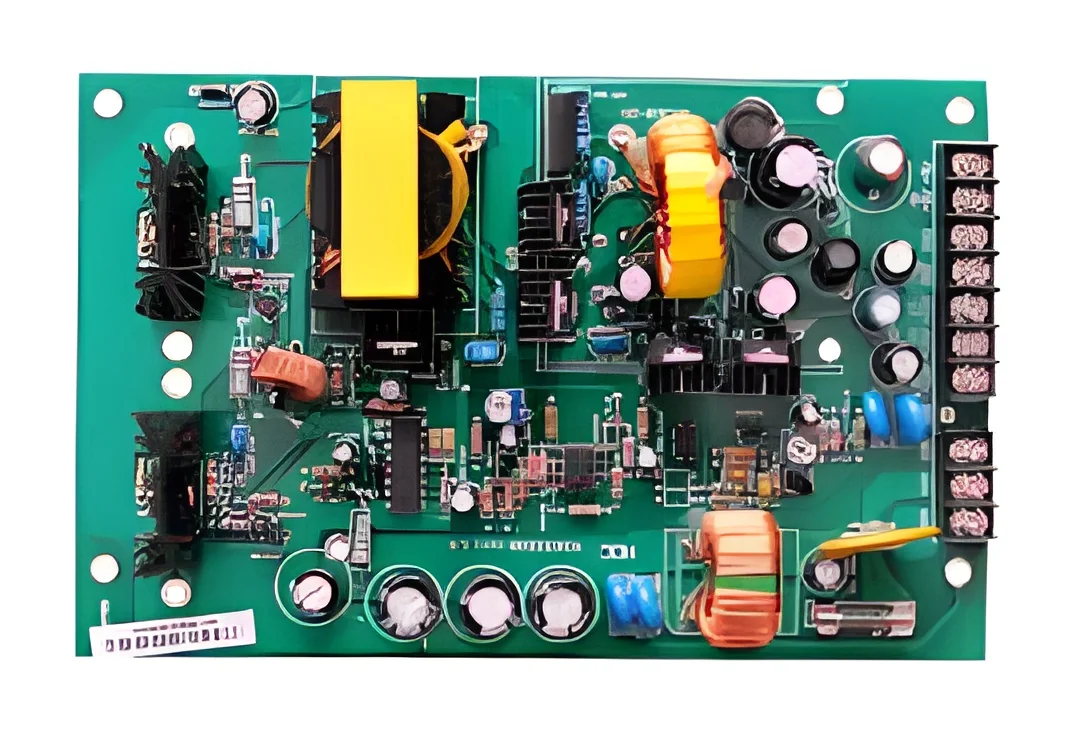
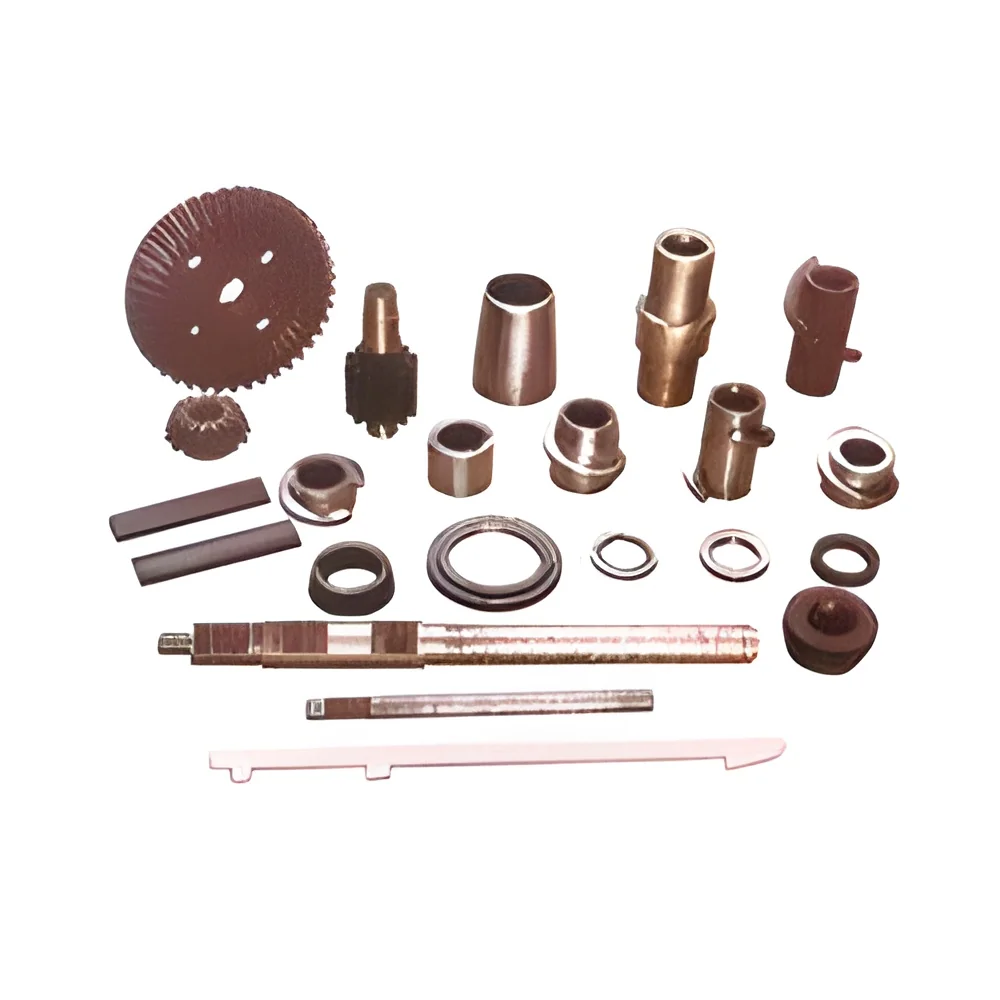
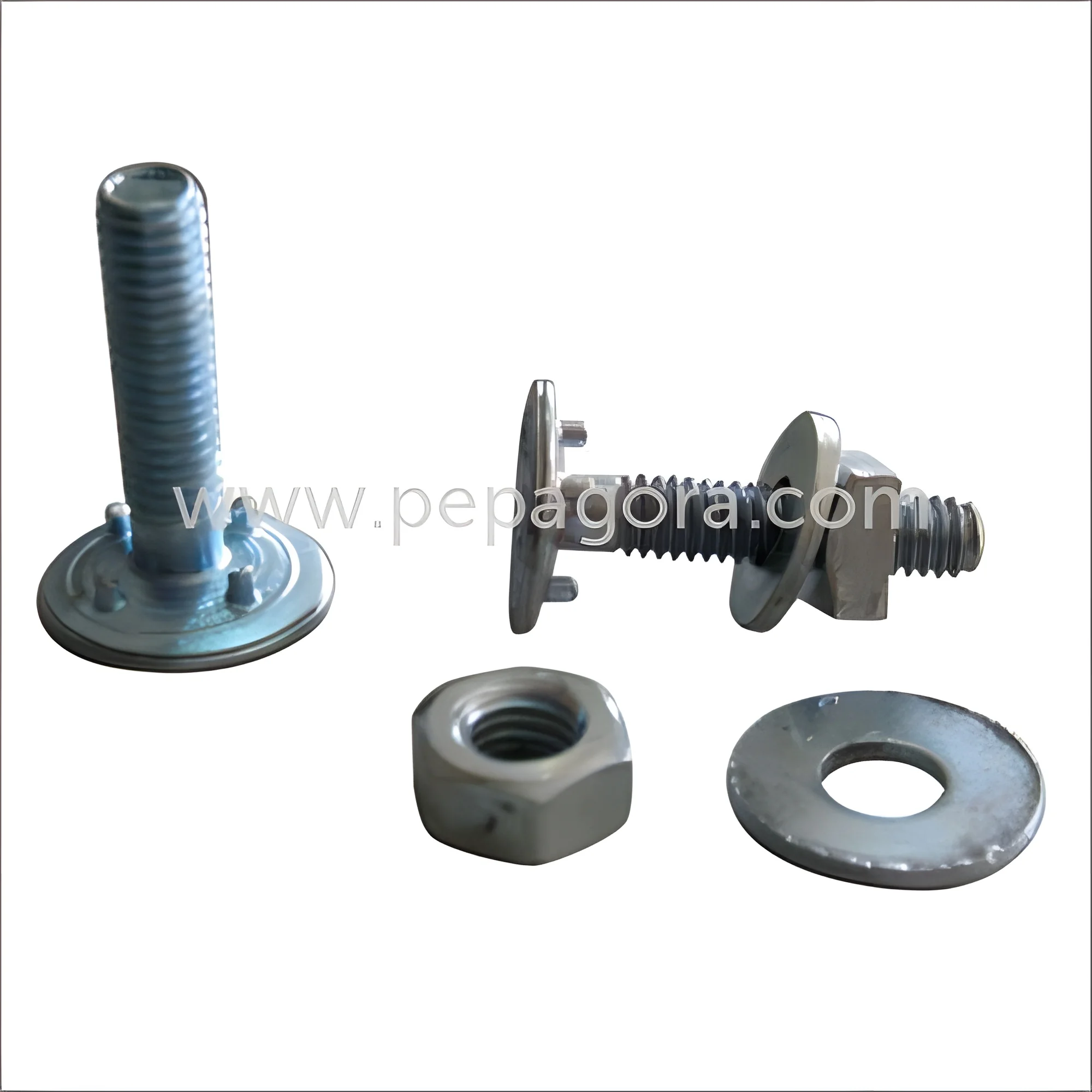
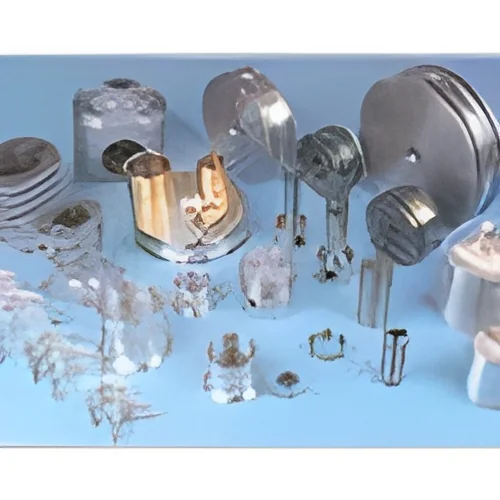
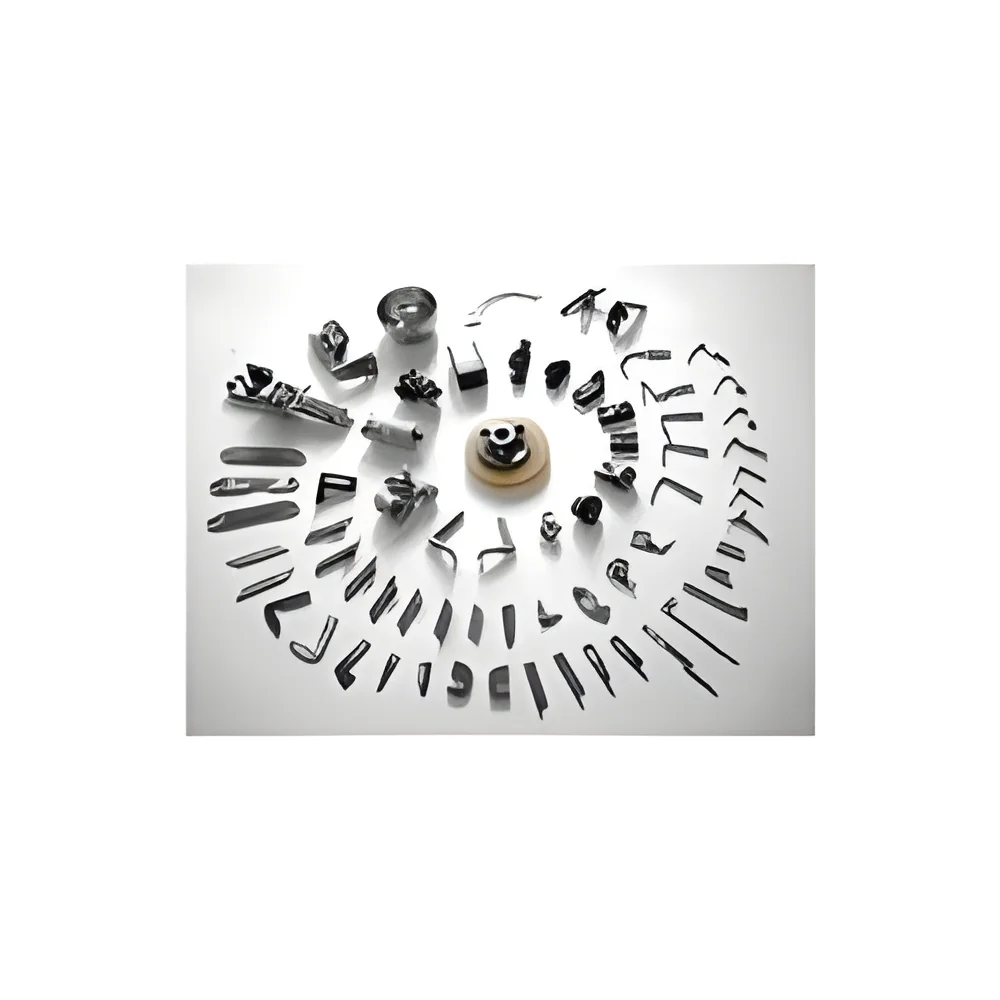
Spare parts and calibration tools are essential components in various industries, ensuring that machinery and equipment operate efficiently and accurately. Spare parts refer to the individual pieces of equipment or components that can be replaced when original parts become worn out or damaged. Calibration tools, on the other hand, are instruments used to measure and adjust the accuracy of equipment, ensuring optimal performance and compliance with industry standards.
These tools and parts are widely used across multiple business applications, including manufacturing, automotive, aerospace, and electronics. Proper maintenance using spare parts ensures that machinery operates smoothly, reducing downtime and increasing productivity. Calibration tools are crucial for maintaining precision in measurements, which is vital for quality control and adherence to regulatory standards.
In today's market, the relevance of spare parts and calibration tools has grown alongside advancements in technology. With an increasing emphasis on automation and precision engineering, businesses are investing more in high-quality spare parts and calibration tools to meet operational demands. The global market for these products is expected to expand as industries prioritize reliability and efficiency.
Key Features and Specifications
Spare parts and calibration tools come with various features and specifications tailored to meet industry needs. Understanding these specifications is crucial for selecting the right products for your operations.
Key specifications include:
1. Material Composition
- Typically made from durable materials such as stainless steel, aluminum, or high-grade plastics.
- Ensures longevity and resistance to wear and corrosion.
2. Accuracy Range
- Calibration tools provide varying levels of accuracy, often specified in micrometers or millimeters.
- Important for ensuring compliance with industry standards.
3. Temperature Tolerance
- Many calibration tools can operate within specific temperature ranges.
- Ensures reliable performance in diverse environments.
4. Humidity Control
- Some tools are designed to function optimally within specified humidity levels.
- Vital for maintaining accuracy in sensitive applications.
5. Monitoring Features
- Advanced tools may include digital displays or connectivity features for real-time monitoring.
- Enhances usability and data tracking.
6. Compatibility
- Spare parts are often designed to fit specific machinery or brands.
- Ensures seamless integration and functionality.
7. Certification
- Many products are certified to industry standards such as CE.
- Guarantees quality and compliance.
8. Minimum Order Quantity
- Suppliers may set minimum order quantities depending on the product type.
- Important for budget considerations and inventory management.
These specifications help businesses make informed decisions when sourcing spare parts and calibration tools.
Common Applications and Use Cases
Spare parts and calibration tools serve a wide variety of industries, each with unique requirements and applications.
1. Manufacturing: Spare parts are essential for machinery maintenance, while calibration tools ensure that production equipment operates within specified tolerances.
2. Automotive: Calibration tools are used to maintain precision in vehicle assembly and repair processes, while spare parts keep vehicles in optimal condition.
3. Aerospace: Calibration tools are critical for ensuring the accuracy of instruments and equipment used in flight, while spare parts keep aircraft operational.
4. Electronics: Spare parts are vital for replacing components in electronic devices, and calibration tools ensure that devices meet performance standards.
5. Pharmaceuticals: Calibration tools are used to maintain the accuracy of measuring instruments, while spare parts are necessary for maintaining production lines.
6. Oil and Gas: Spare parts are needed for the maintenance of drilling and extraction equipment, and calibration tools ensure safety and efficiency.
7. Food and Beverage: Calibration tools help maintain the accuracy of measuring equipment, while spare parts are essential for equipment reliability in processing.
Product Variants and Subcategories
Spare parts and calibration tools come in various forms to meet the specific needs of different industries.
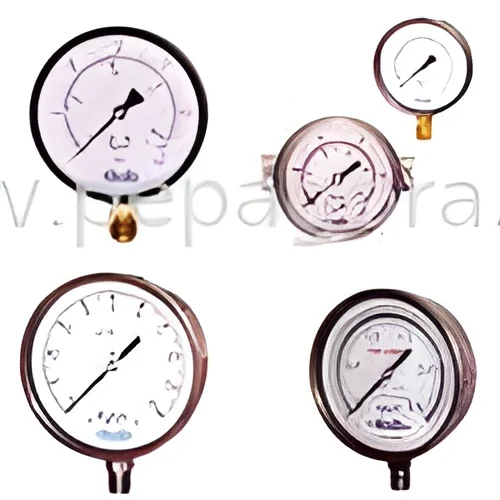
Calibration Gauges
These tools are used to ensure the precision of measurements in manufacturing processes. They are designed to be highly accurate and easy to use, making them essential for quality assurance.
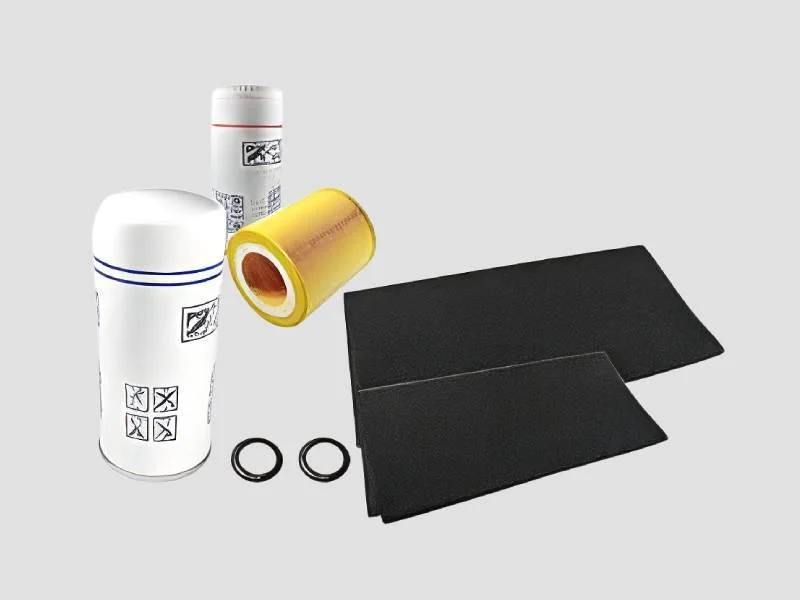
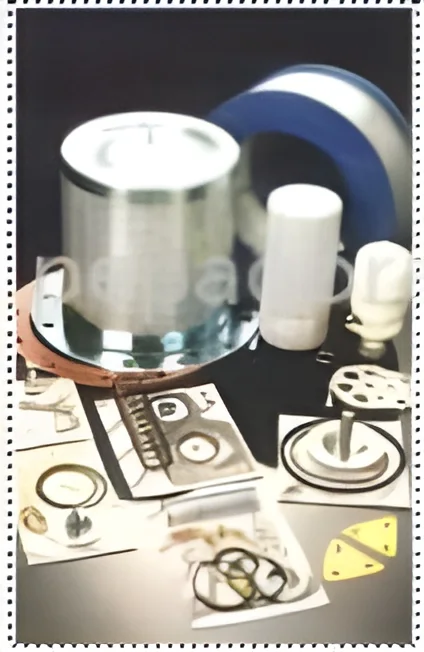
Replacement Filters
Used in various machinery and equipment, replacement filters are crucial for maintaining optimal performance. They help ensure that systems operate efficiently and prevent contamination.
Calibration Weights
These weights are used to calibrate scales and measuring instruments. They come in various sizes and weights, providing flexibility for different calibration needs.
Digital Calibrators
These advanced tools offer precise measurements and can connect to software for data logging. They are ideal for industries requiring high levels of accuracy.
Benefits and Advantages
Investing in spare parts and calibration tools offers numerous advantages to businesses.
1. Enhanced Efficiency: Regular maintenance using spare parts keeps machinery running smoothly, reducing downtime and increasing productivity.
2. Accurate Measurements: Calibration tools ensure precision, which is vital for quality control in manufacturing and compliance with industry standards.
3. Cost Savings: By using spare parts instead of replacing entire machines, businesses can save significantly on operational costs.
4. Improved Safety: Properly calibrated equipment reduces the risk of accidents and ensures compliance with safety regulations.
5. Increased Equipment Lifespan: Regular use of spare parts and calibration tools extends the life of machinery, providing better long-term value.
6. Regulatory Compliance: Calibration tools help businesses adhere to industry regulations, avoiding potential fines and ensuring product quality.
Buying Guide for B2B Buyers
When sourcing spare parts and calibration tools, several factors should be considered to ensure informed purchasing decisions.
1. Quality Assessment: Look for products that meet international quality standards, such as ISO certifications. Quality plays a crucial role in the reliability and performance of parts.
2. Supplier Verification: Vet potential suppliers by checking their reputation, certifications, and customer reviews. A reliable supplier is crucial for ensuring quality and timely delivery.
3. Pricing and MOQ: Understand the pricing structure and minimum order quantities. This will help manage budgets and inventory effectively.
4. Delivery and Lead Times: Evaluate the supplier's lead times for delivery. Timely delivery is essential for maintaining operational efficiency.
5. Compliance Requirements: Ensure that the products meet industry-specific compliance standards. This includes safety regulations and quality certifications.
Compliance and Certifications
In the realm of spare parts and calibration tools, compliance and certifications are paramount to ensure product reliability and safety.
Relevant quality standards such as ISO 9001 guarantee that manufacturing processes meet established quality management criteria. This standard is critical for maintaining consistent product quality and customer satisfaction.
Industry certifications like CE signify that products meet European safety, health, and environmental protection standards. This certification is essential for products sold in the European market and assures customers of their quality.
Safety and testing requirements vary by industry. Calibration tools, for instance, must undergo rigorous testing to ensure they provide accurate measurements. Compliance with these requirements is vital for businesses to operate legally and ethically.
Regional compliance considerations can also impact sourcing decisions. Different regions may have specific regulations that must be met, making it essential for businesses to understand the regulatory landscape in their operational areas.
Why Source Spare Parts & Calibration Tools from Pepagora?
Pepagora provides a trusted platform for sourcing spare parts and calibration tools, offering significant advantages to B2B buyers.
Verified Supplier Network: Pepagora has a comprehensive network of verified suppliers, ensuring that buyers can access high-quality products. This verification process instills confidence in the sourcing process.
Streamlined RFQ Process: The Request for Quotation (RFQ) system simplifies the procurement process. Buyers can easily compare offers and select the best options based on their specific needs.
Trade Assurance and Support: Pepagora offers trade assurance to protect buyers, providing support throughout the purchasing process. This includes assistance with negotiations and resolving potential disputes.
Regional Coverage: With a focus on markets in India, the GCC, and Southeast Asia, Pepagora has extensive regional coverage. This allows businesses to source locally while benefiting from a global supplier network.
By choosing Pepagora, businesses can ensure they are making informed decisions while accessing a wide range of reliable spare parts and calibration tools.

 IN
IN