What are Bioprinting Systems?
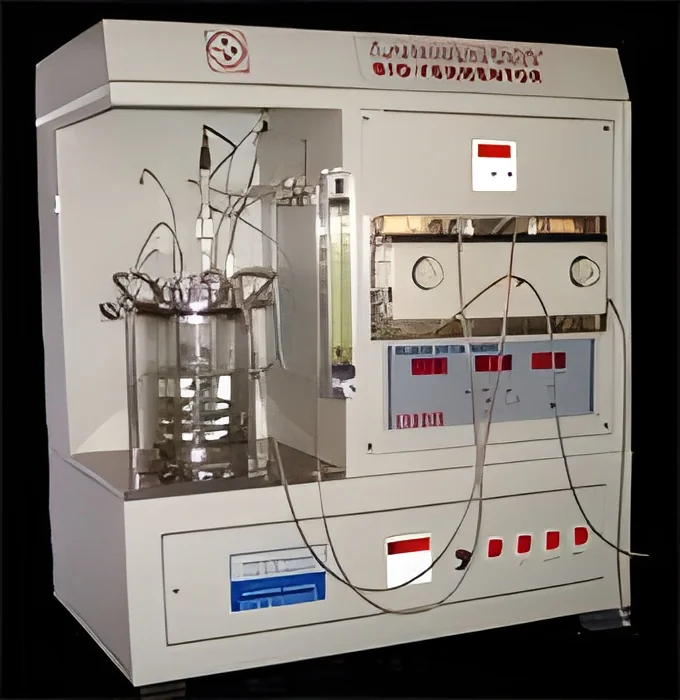
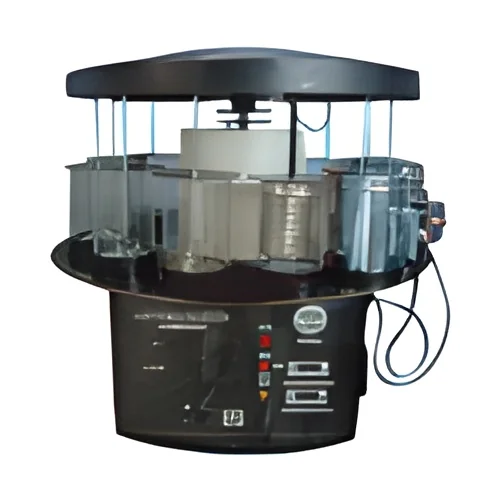
Bioprinting systems are advanced technologies that utilize 3D printing techniques to create biological structures. These systems layer living cells, biomaterials, and growth factors to produce tissues and organs for medical research and therapeutic applications. The process involves precise control over the placement of cells and materials, allowing for the fabrication of complex biological architectures that mimic natural tissue.
The primary uses of bioprinting systems span several industries, including healthcare, pharmaceuticals, and regenerative medicine. They are employed for applications such as tissue engineering, drug development, and personalized medicine. Researchers use bioprinting to develop models that can predict how human bodies will respond to treatments. Additionally, the technology holds potential for organ transplantation in the future, addressing the critical shortage of donor organs.
As the bioprinting market continues to evolve, the technology is becoming increasingly relevant in the context of personalized healthcare solutions. The integration of bioprinting into research and clinical practices is attracting significant investment, indicating a growing recognition of its potential to transform traditional healthcare and medical manufacturing processes.
Key Features and Specifications
Bioprinting systems come equipped with several features that enhance their functionality and usability. These systems are designed to ensure precision, reliability, and versatility in bioprinting applications.
Key specifications include:
1. Print Resolution
- This specification determines the smallest detail a bioprinter can achieve.
- Typical resolutions range from 10 to 100 microns.
2. Print Speed
- The rate at which the bioprinter can deposit materials.
- Print speeds can vary from 1 to 10 mm per second depending on the complexity of the design.
3. Material Compatibility
- Bioprinting systems can work with various materials, including hydrogels, cells, and scaffolds.
- Compatibility with multiple bioinks is crucial for diverse applications.
4. Layer Thickness
- This refers to the thickness of each layer deposited during the printing process.
- Layer thickness usually ranges from 50 to 200 microns.
5. Temperature Control
- Essential for maintaining the viability of living cells during the printing process.
- Systems typically maintain temperatures between 20 to 37 degrees Celsius.
6. Humidity Control
- Important for ensuring material integrity and cell viability.
- Systems may operate within a humidity range of 30% to 70%.
7. User Interface
- An intuitive interface allows for easy operation and monitoring of the printing process.
- Features may include touchscreens and software for design customization.
8. Monitoring Features
- Advanced monitoring systems track the printing process and material conditions.
- Real-time feedback can help optimize outcomes.
With these specifications, bioprinting systems provide researchers and manufacturers with the tools necessary to innovate in tissue engineering and regenerative medicine.
Common Applications and Use Cases
Bioprinting systems are utilized across several industries, showcasing their versatility and impact.
1. Healthcare: In the healthcare sector, bioprinting is used to create tissue models for drug testing, reducing the need for animal testing and streamlining the drug development process.
2. Pharmaceuticals: Pharmaceutical companies leverage bioprinting to produce complex tissue models that replicate disease states, facilitating the discovery of new therapies and personalized medicine approaches.
3. Regenerative Medicine: In regenerative medicine, bioprinting aims to develop replacement tissues and organs, which may one day eliminate transplant waiting lists and improve patient outcomes.
4. Academic Research: Universities and research institutions employ bioprinting systems to advance scientific understanding of cellular behavior and tissue interactions.
5. Cosmetic Testing: Bioprinting is also emerging in the cosmetic industry for creating skin models that can be used for safety testing of new products.
6. Food Industry: Some bioprinting technologies are being explored in the food industry for creating plant-based meat alternatives, enhancing sustainability efforts.
7. Biotechnology: Bioprinting is applied in biotechnology for producing bioactive compounds and other biomaterials used in various applications.
Product Variants and Subcategories
Bioprinting systems are diverse and can be categorized based on their capabilities and applications.
Compact Bioprinter
This variant is designed for small-scale research and development. It offers ease of use and portability, making it ideal for academic labs and startups. It typically features a user-friendly interface and basic printing capabilities.
Industrial Bioprinter
Industrial bioprinters are built for high-throughput production, suitable for large-scale applications in pharmaceuticals and tissue engineering. These systems offer advanced features for precision and speed, accommodating complex designs and multiple materials.
Hybrid Bioprinter
Hybrid bioprinters combine various printing technologies, such as inkjet and extrusion, allowing for enhanced versatility in material use. This variant is beneficial for applications requiring different materials in a single print job.
Benefits and Advantages
Investing in bioprinting systems provides numerous advantages for businesses and research institutions.
Key benefits include:
1. Precision Manufacturing: Bioprinting allows for the precise placement of cells and materials, leading to better replication of natural tissues.
2. Customization: The ability to design and print unique tissue structures tailored to specific applications enhances research and therapeutic outcomes.
3. Reduced Waste: Bioprinting minimizes material waste compared to traditional manufacturing methods, contributing to cost savings.
4. Accelerated Research: Bioprinting speeds up the development of new drugs and therapies by providing accurate models for testing.
5. Ethical Alternatives: This technology reduces the need for animal testing, aligning with ethical standards in research and development.
6. Scalability: Bioprinting systems can be scaled for both small and large production runs, making them suitable for a range of applications.
Buying Guide for B2B Buyers
When sourcing bioprinting systems, several factors should be taken into consideration to ensure a suitable purchase.
1. Quality Assessment: Evaluate the quality of the bioprinting systems by looking for certifications and compliance with industry standards. Ensure that the materials used are of high quality and suitable for your intended applications.
2. Supplier Verification: Conduct thorough research on suppliers to verify their reputation and reliability. Look for feedback from previous customers and ensure they have a proven track record in the bioprinting sector.
3. Pricing and MOQ: Understand the pricing structures of different suppliers, including minimum order quantities. Compare costs to ensure you are getting a fair deal without compromising on quality.
4. Delivery and Lead Times: Consider the delivery schedules and lead times provided by suppliers. Timely delivery is crucial for maintaining project timelines and operational efficiency.
5. Compliance Requirements: Ensure that the bioprinting systems meet all regulatory requirements for your region. Familiarize yourself with necessary certifications and compliance standards.
Compliance and Certifications
Bioprinting systems must adhere to various quality standards and industry regulations to ensure safety and efficacy.
Relevant quality standards include ISO 9001, which focuses on quality management systems, and HACCP, which addresses food safety management. Compliance with Good Distribution Practice (GDP) is also essential, particularly for systems used in pharmaceutical applications.
Industry certifications such as CE indicate that the bioprinting systems meet European safety and health requirements. This certification is vital for products intended for medical or healthcare applications.
Safety and testing requirements are critical, especially when dealing with living materials. Manufacturers must ensure that their systems undergo rigorous testing to confirm their reliability and safety.
Additionally, regional compliance considerations vary, so it is important for buyers to be aware of local regulations related to bioprinting and tissue engineering.
Why Source Bioprinting Systems from Pepagora?
Pepagora provides a trusted platform for sourcing bioprinting systems, offering several key advantages to B2B buyers.
The verified supplier network at Pepagora ensures that all suppliers undergo extensive vetting processes. This verification gives buyers confidence in the quality and reliability of the systems they purchase, helping them to make informed decisions.
The streamlined RFQ process simplifies the procurement of bioprinting systems. Buyers can easily request quotations from multiple suppliers, allowing for quick comparisons and better negotiation options.
Trade assurance and support are integral features of the Pepagora platform. This ensures that buyers are protected throughout the purchasing process, providing peace of mind when investing in complex technologies.
Pepagora also boasts regional coverage across India, the GCC, and Southeast Asia. This broad geographic reach allows buyers to access a diverse range of suppliers and products tailored to their specific needs.

 IN
IN