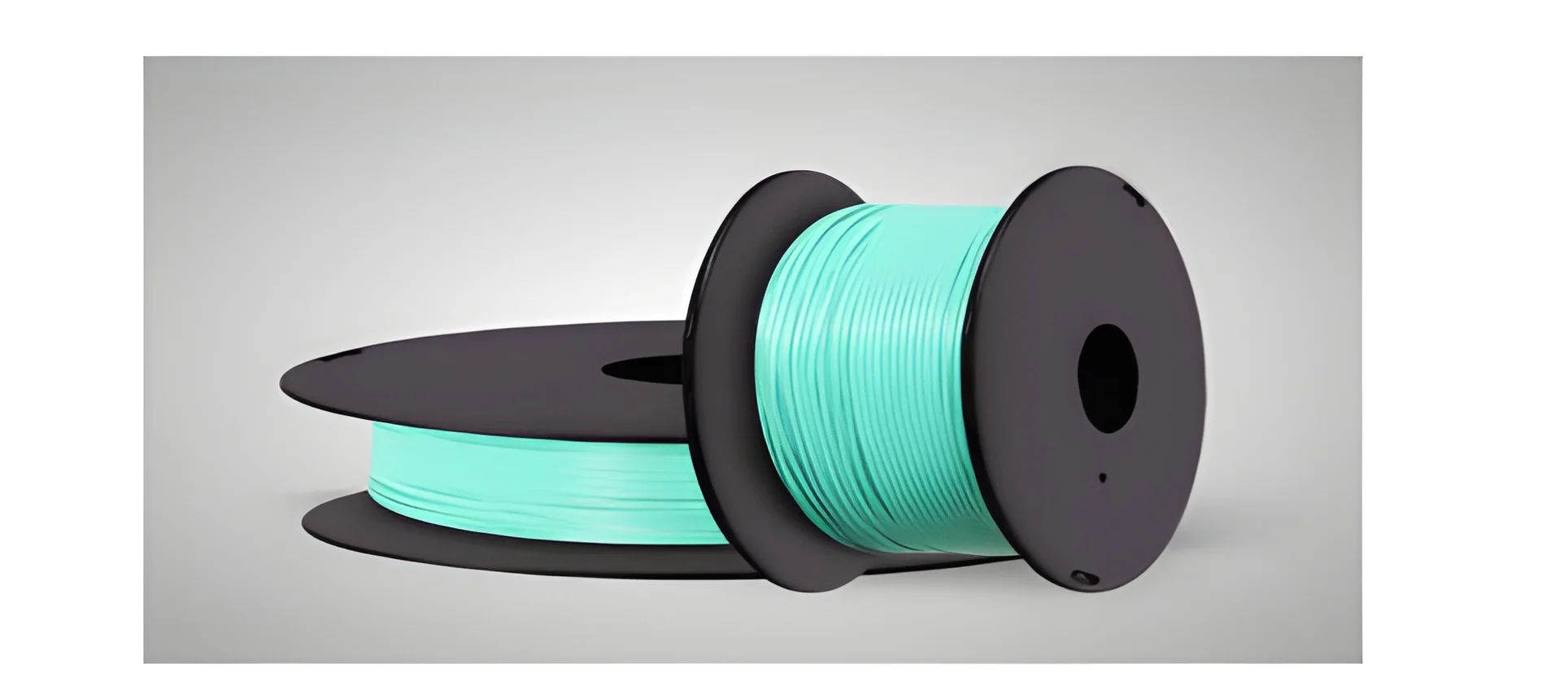
What are PLA, ABS, PETG Filaments?
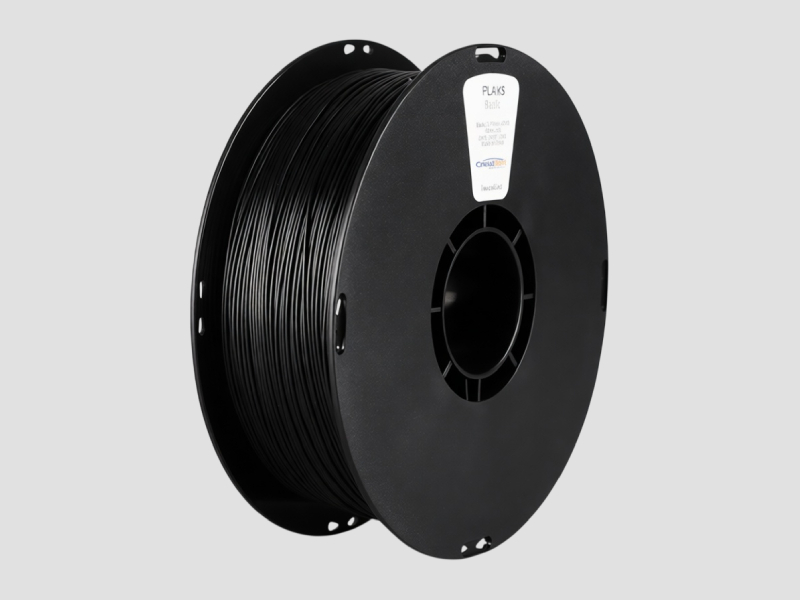
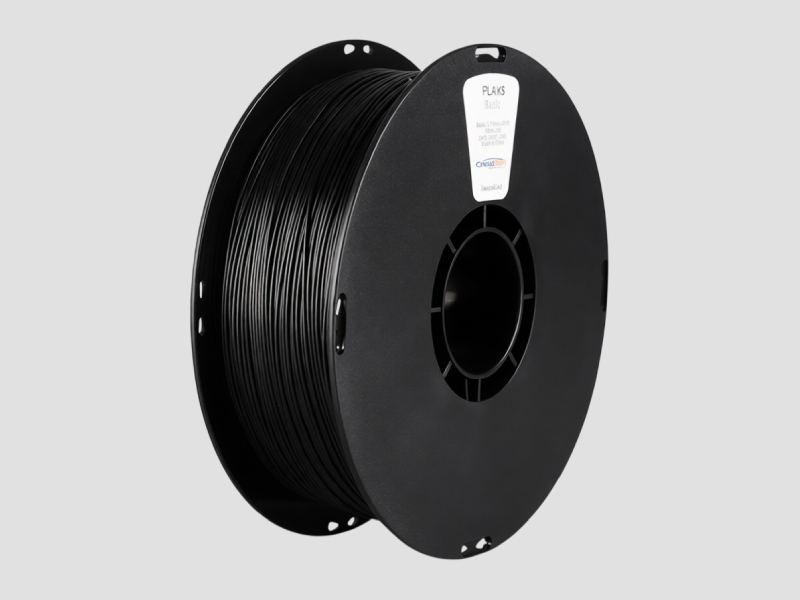
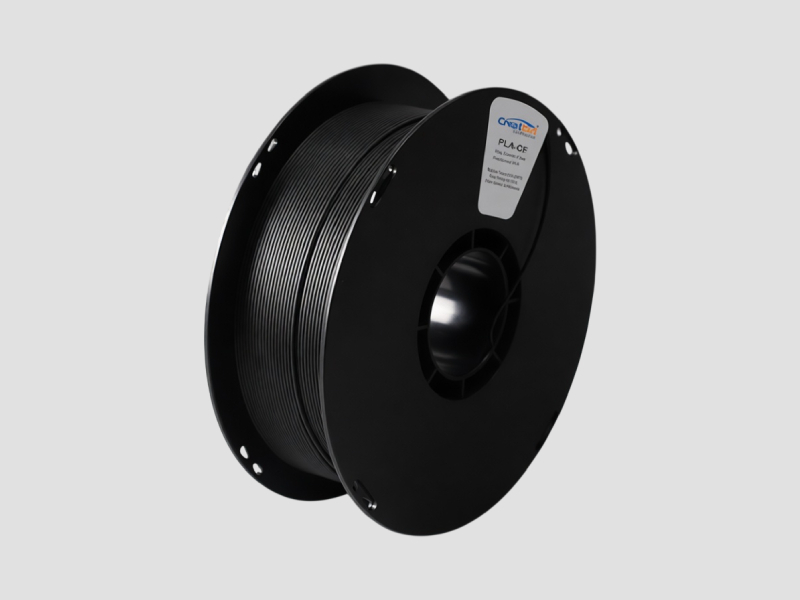
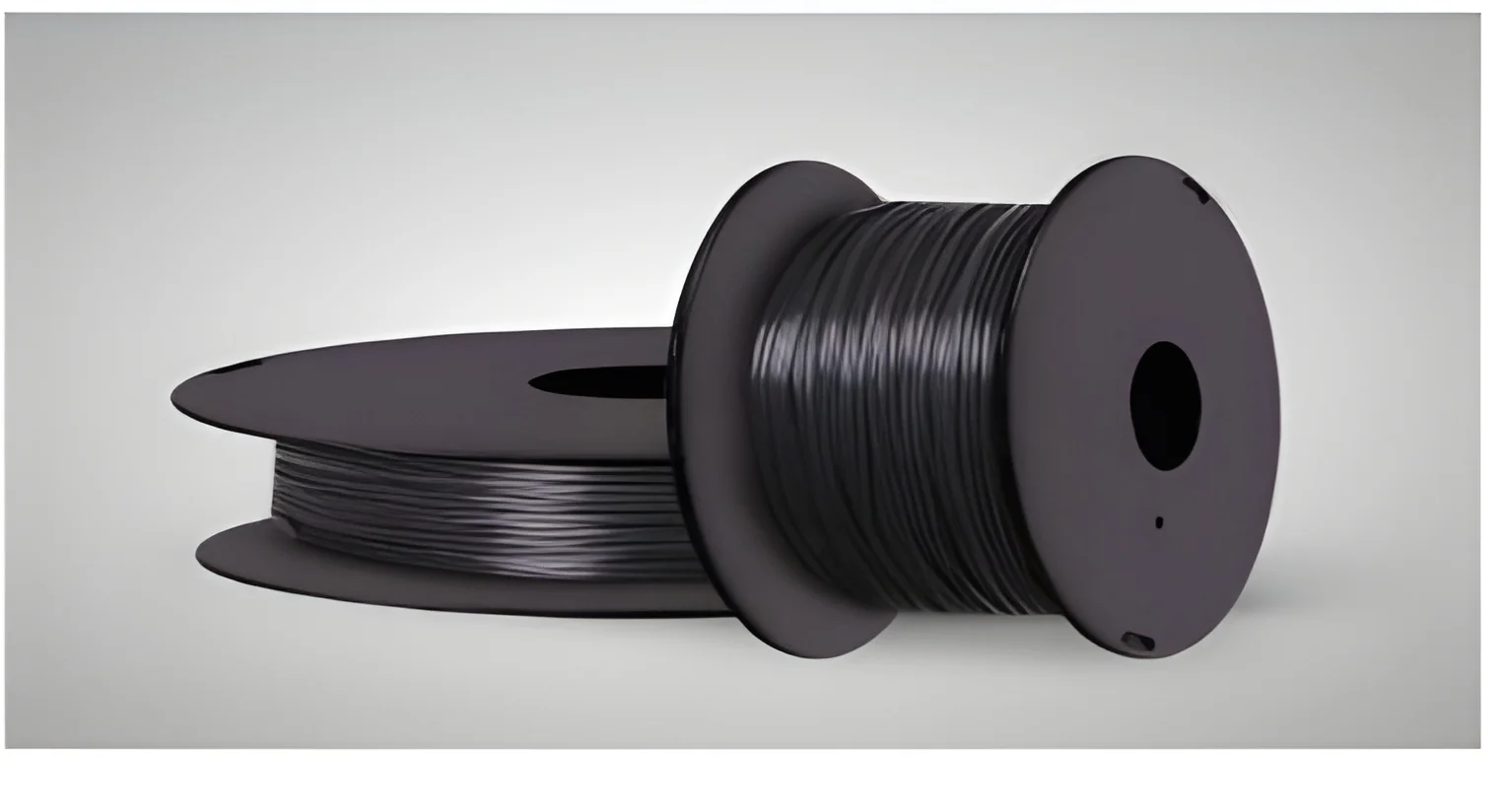
PLA, ABS, and PETG are three types of thermoplastic filaments commonly used in 3D printing and manufacturing. Each of these materials has unique properties that make them suitable for different applications. PLA (Polylactic Acid) is a biodegradable and eco-friendly option derived from renewable resources like corn starch. ABS (Acrylonitrile Butadiene Styrene) is known for its durability and strength, making it ideal for parts that require impact resistance. PETG (Polyethylene Terephthalate Glycol) combines the best features of both PLA and ABS, offering durability, flexibility, and ease of use.
These filaments are used in various business applications, including prototyping, product design, and manufacturing of end-use parts. Industries such as automotive, aerospace, healthcare, and consumer products rely on these materials for their 3D printing needs. As the demand for additive manufacturing continues to grow, so does the relevance of PLA, ABS, and PETG filaments in the industrial landscape. Companies are increasingly adopting these materials to enhance their production capabilities and reduce waste.
The market for these filaments is expanding, driven by the rise of 3D printing technologies. As businesses look for sustainable and efficient manufacturing solutions, PLA, ABS, and PETG filaments provide versatile options to meet diverse needs.
Key Features and Specifications
PLA, ABS, and PETG filaments come with distinct features and specifications that cater to different printing requirements. Understanding these specifications is crucial for businesses looking to select the right filament for their projects.
Key specifications include:
1. Printing Temperature
- PLA: Typically requires a printing temperature of 180-220 degrees Celsius.
- ABS: Generally needs a higher temperature range of 210-250 degrees Celsius.
- PETG: Suitable for a temperature range of 220-250 degrees Celsius.
2. Material Properties
- PLA: Biodegradable, low warping, and easy to print.
- ABS: High impact resistance, better toughness, but prone to warping.
- PETG: Combines the ease of printing of PLA with the strength of ABS.
3. Finish Quality
- PLA: Offers a glossy finish, ideal for aesthetic applications.
- ABS: Can be smoothed with acetone for a professional look.
- PETG: Provides a shiny finish and is less prone to layer adhesion issues.
4. Strength and Durability
- PLA: Moderate strength, suitable for prototypes.
- ABS: High strength, suitable for functional parts.
- PETG: Excellent impact strength, making it suitable for mechanical parts.
5. Flexibility
- PLA: Rigid and brittle.
- ABS: More flexible than PLA, making it suitable for certain applications.
- PETG: Offers good flexibility without sacrificing strength.
6. Environmental Impact
- PLA: Derived from renewable resources and biodegradable.
- ABS: Not biodegradable, but can be recycled.
- PETG: Recyclable, making it a more sustainable option.
In summary, choosing the right filament depends on the specific needs of the application, including strength requirements, ease of printing, and environmental considerations.
Common Applications and Use Cases
PLA, ABS, and PETG filaments are widely utilized across various industries due to their diverse properties and applications.
1. Automotive: Used for prototyping vehicle parts and creating custom tools and fixtures.
2. Aerospace: Ideal for producing lightweight components and prototypes for testing purposes.
3. Healthcare: Commonly used in producing medical models, custom prosthetics, and equipment prototypes.
4. Consumer Products: Employed in creating product prototypes, packaging, and even final products like toys.
5. Education: Frequently used in educational institutions for teaching 3D printing techniques and design.
6. Art and Design: Popular among artists and designers for creating intricate models and sculptures.
7. Electronics: Utilized for making enclosures and brackets for electronic devices.
Product Variants and Subcategories
The diversity of PLA, ABS, and PETG filaments allows for various product variants tailored to specific requirements.
PLA Plus: This variant enhances the standard PLA properties by improving strength and impact resistance. It is suitable for applications requiring more durability than regular PLA.
ABS Plus: An upgraded version of ABS that offers better adhesion properties and reduced warping. This variant is ideal for larger prints and functional parts.
PETG Clear: A transparent variant of PETG that is perfect for applications requiring visibility, such as light covers and decorative items.
PETG Carbon Fiber: This variant incorporates carbon fiber for enhanced strength and rigidity, making it ideal for demanding structural applications.
Benefits and Advantages
Sourcing PLA, ABS, and PETG filaments comes with multiple benefits that can enhance manufacturing processes.
1. Versatility: These filaments can be used for a wide range of applications, from prototypes to end-use parts.
2. Ease of Use: Most of these materials are user-friendly, making them accessible for both beginners and experienced users.
3. Cost-Effectiveness: These filaments are generally affordable, allowing businesses to save on material costs while still achieving quality results.
4. Eco-Friendly Options: PLA is biodegradable, offering a sustainable choice for environmentally conscious businesses.
5. Strong Community Support: A vast community of users and resources is available for troubleshooting, guidance, and shared expertise.
6. Customization: Many suppliers offer custom formulations of these filaments to meet specific industrial needs.
Buying Guide for B2B Buyers
When sourcing PLA, ABS, and PETG filaments, businesses should consider several key factors to ensure they select the right materials for their needs.
1. Quality Assessment: Evaluate the quality of the filaments by examining their printability, strength, and finish. Look for samples or test prints before making larger purchases.
2. Supplier Verification: Vet suppliers by checking their credentials, reviews, and certifications to ensure reliability and product quality.
3. Pricing and MOQ: Understand the pricing structure and minimum order quantities required by suppliers to find a deal that fits your budget.
4. Delivery and Lead Times: Assess the logistics and delivery schedules to ensure that the materials arrive in a timely manner for your projects.
5. Compliance Requirements: Confirm that the filaments meet industry standards and regulations relevant to your applications, such as safety and environmental compliance.
Compliance and Certifications
PLA, ABS, and PETG filaments must adhere to various quality standards and certifications to ensure safety and effectiveness. Compliance with standards such as ISO 9001 ensures that manufacturers maintain a high level of quality management. Certifications like CE indicate that the products meet European safety and health requirements.
In addition to these standards, safety testing is crucial for ensuring that the materials are suitable for their intended applications. This may include mechanical testing, thermal testing, and chemical resistance assessments.
Regional compliance considerations may also play a role in sourcing decisions, as different regions may have specific regulations governing the use of plastics and 3D printing materials. Understanding these requirements can help businesses avoid compliance issues and ensure product safety.
Why Source PLA, ABS, PETG Filaments from Pepagora?
Pepagora provides a trusted platform for sourcing PLA, ABS, and PETG filaments, offering several key advantages to B2B buyers.
Verified Supplier Network: Pepagora connects businesses with a network of verified suppliers, ensuring quality materials and reliable service. This network allows buyers to make informed choices based on supplier ratings and feedback.
Streamlined RFQ Process: The platform simplifies the request for quotation (RFQ) process, enabling buyers to receive competitive quotes from multiple suppliers quickly. This efficiency saves time and helps businesses secure the best deals.
Trade Assurance and Support: Pepagora offers trade assurance features that protect buyers, providing peace of mind in their purchasing decisions. The platform also provides support to address any issues that may arise during the sourcing process.
Regional Coverage: With a strong presence in India, the GCC, and Southeast Asia, Pepagora offers extensive regional coverage, making it easier for businesses to find local suppliers and manage logistics effectively.

 IN
IN