
 IN
Photoelectric Sensors
73 products available
What are Photoelectric Sensors?
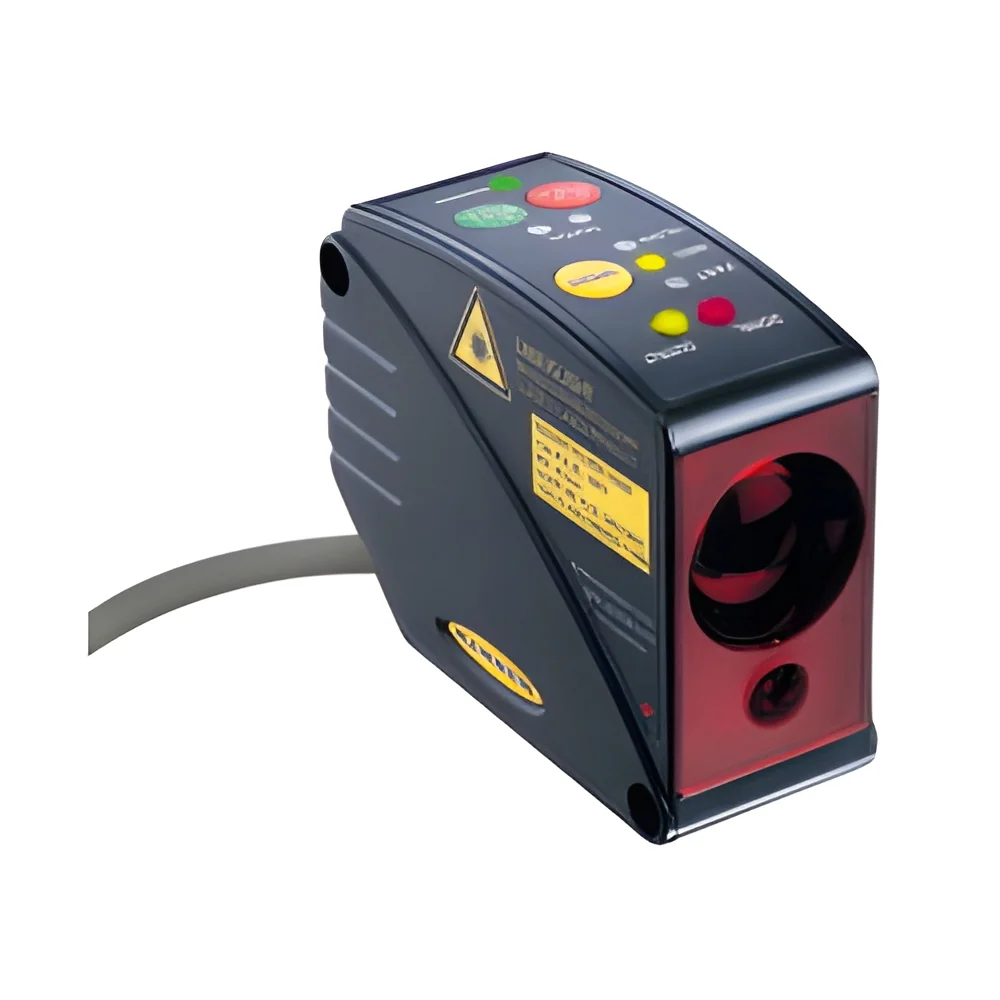
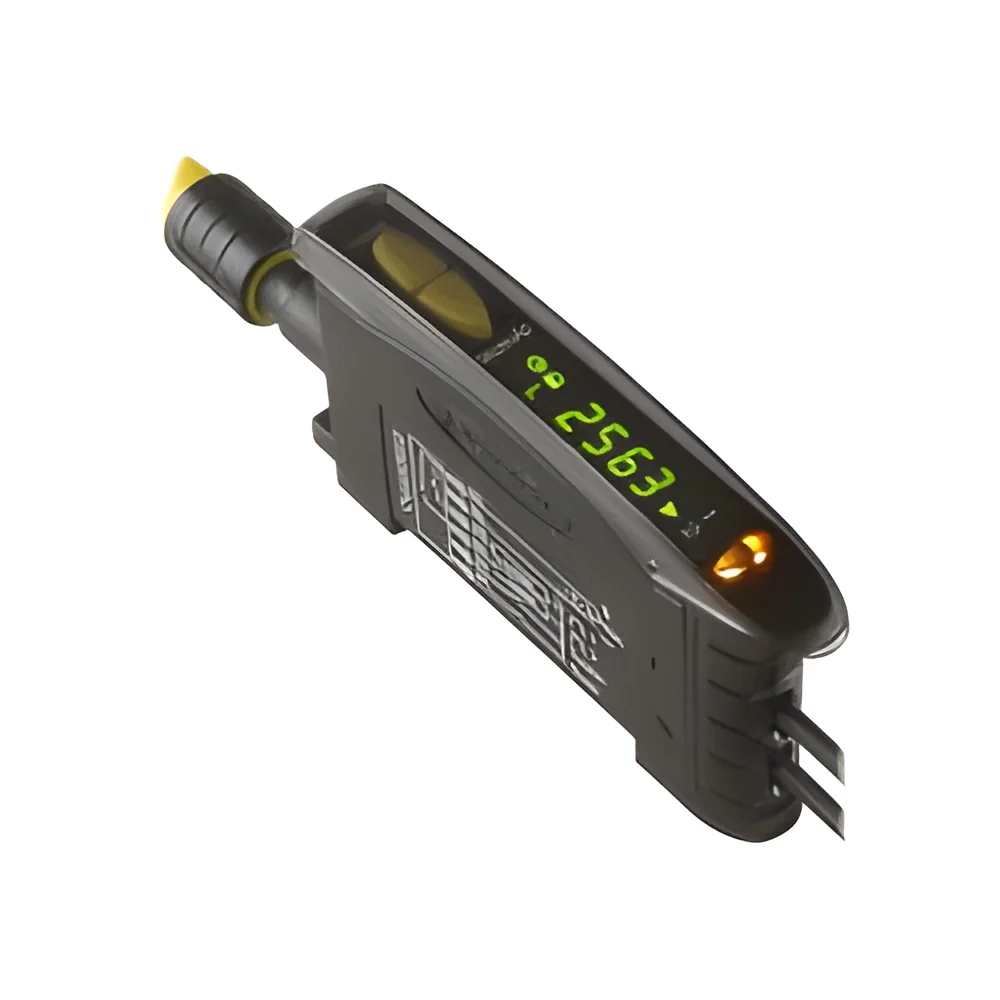
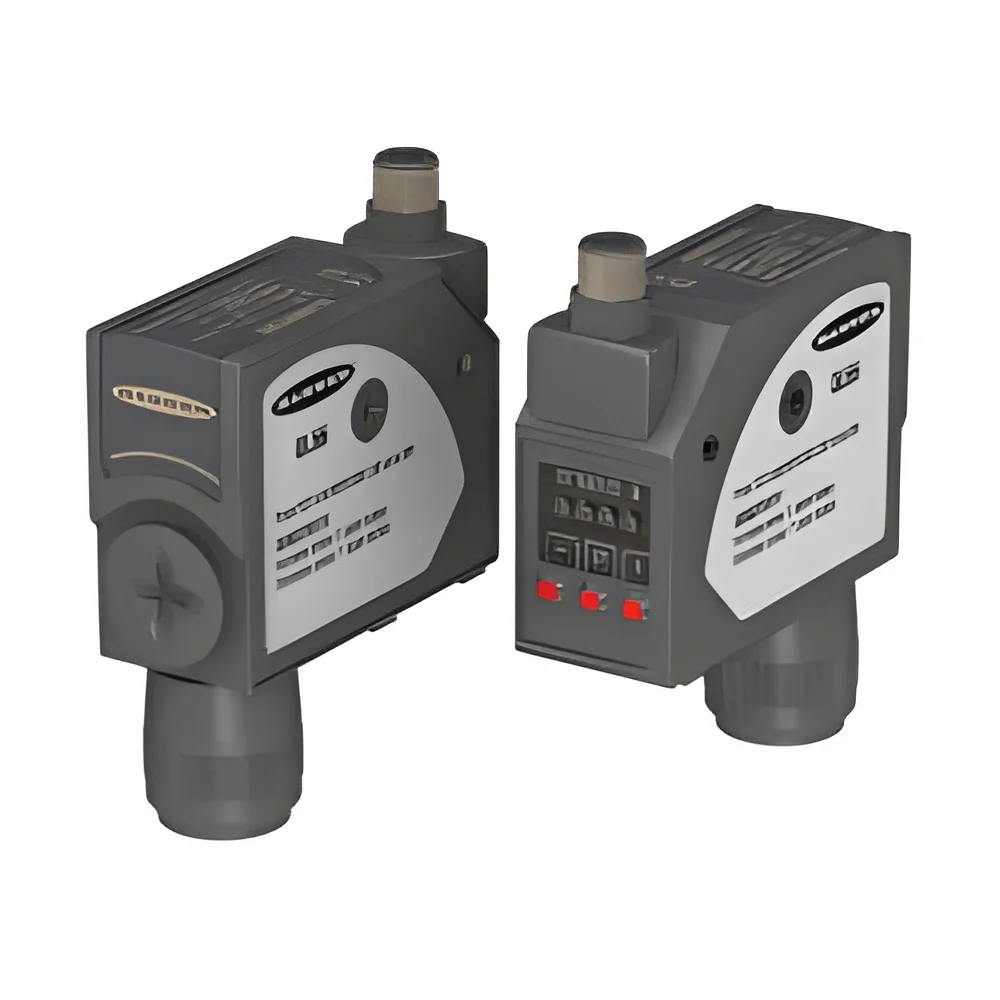
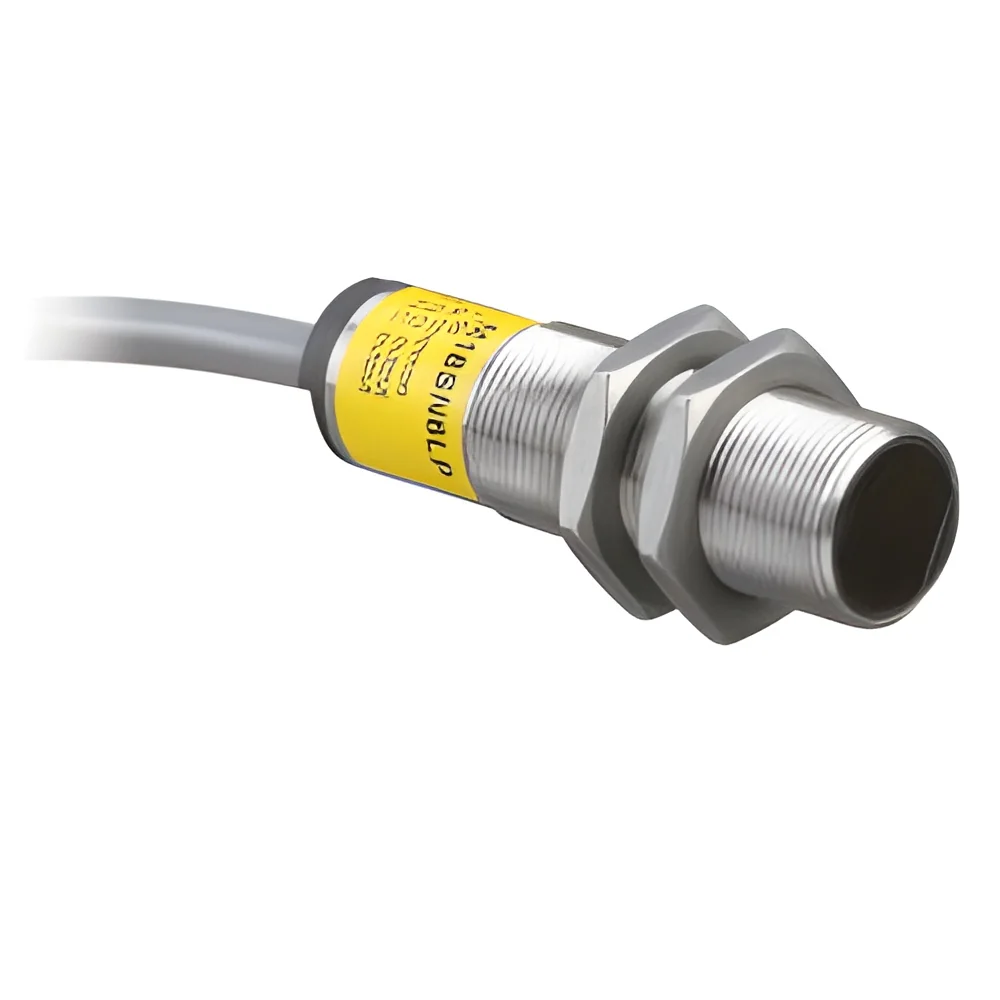
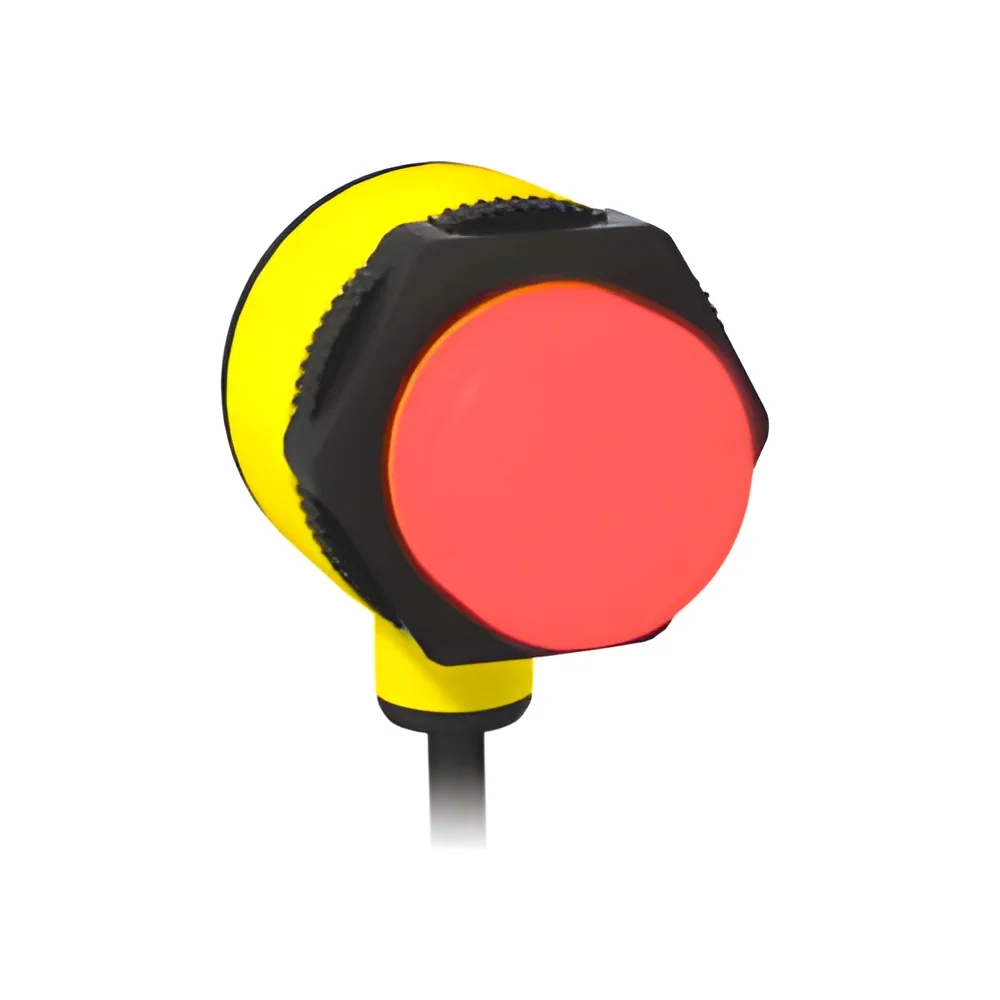
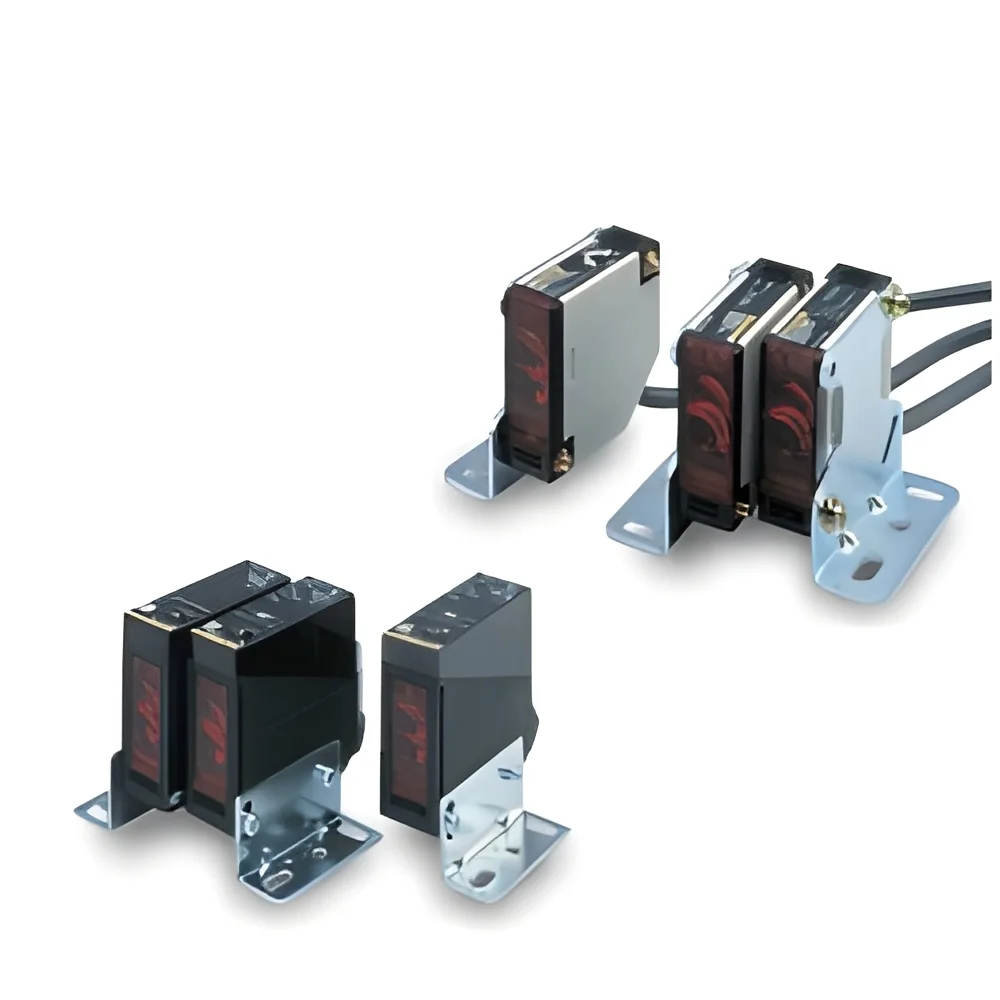
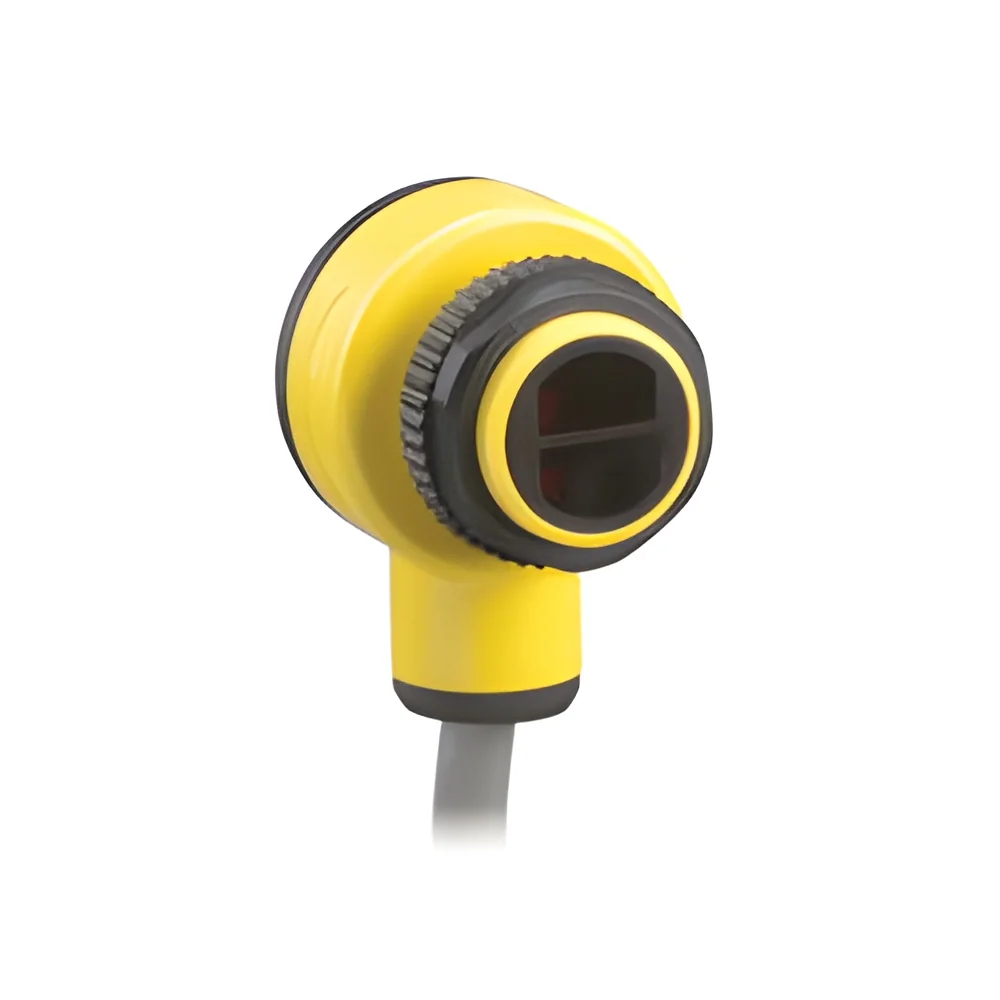
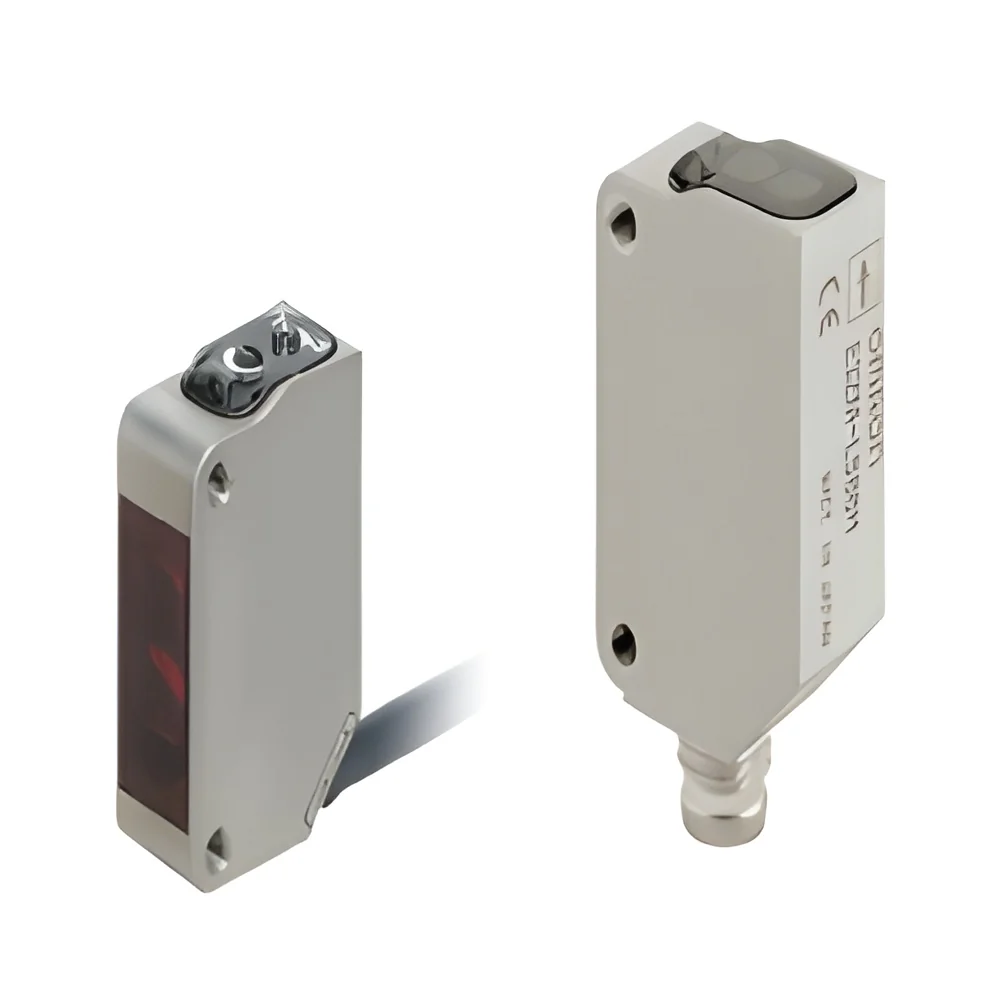
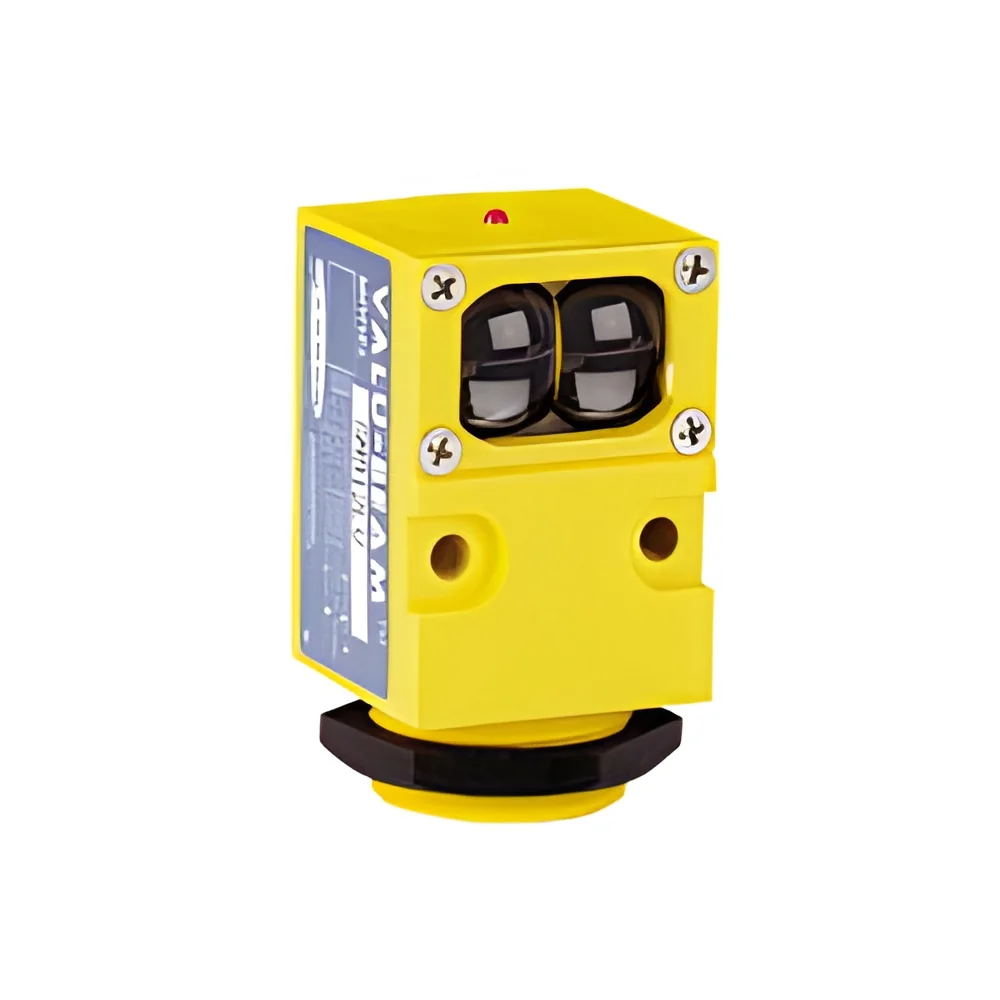
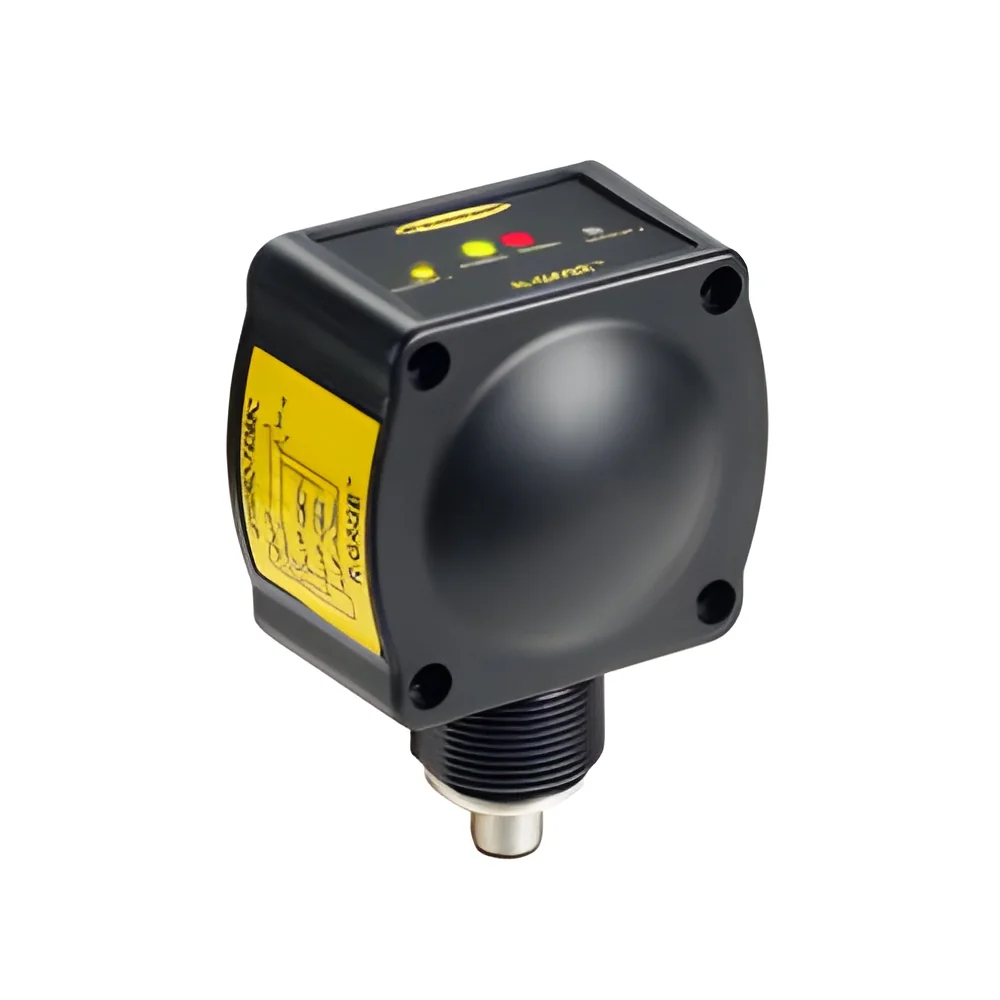
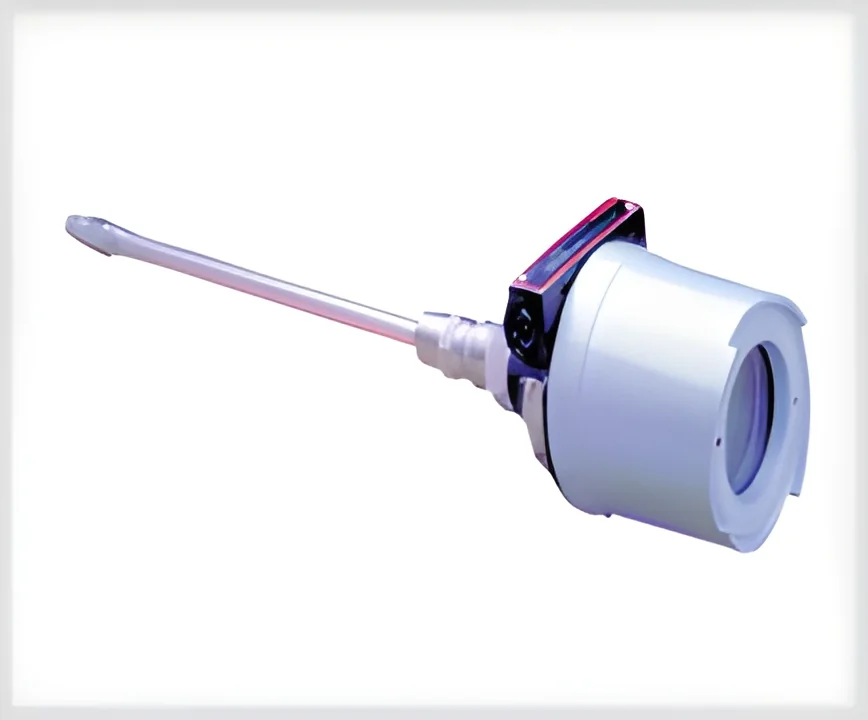
Photoelectric sensors are devices that utilize light to detect the presence or absence of objects, as well as to measure distances and detect changes in the environment. They operate by emitting a beam of light, usually in the form of infrared radiation, and then monitoring the reflection or interruption of that beam. These sensors are essential in automation and control systems, providing reliable, non-contact detection capabilities.
In business applications, photoelectric sensors are widely used in manufacturing, packaging, and material handling industries. They play a crucial role in automated production lines, where they can detect items on conveyor belts, control machinery, and ensure safety by providing feedback on the presence of personnel or objects. Their versatility and efficiency make them relevant across various sectors, including automotive, food and beverage, and logistics.
As industries move towards automation and smart technologies, the demand for photoelectric sensors continues to grow. They contribute to increased productivity, enhanced safety, and improved operational efficiency. The global market for photoelectric sensors is expanding, driven by advancements in sensor technology and the growing emphasis on automation in manufacturing processes.
Key Features and Specifications
Photoelectric sensors offer a range of features that enhance their functionality and reliability in industrial applications. These sensors are known for their precision, durability, and versatility, making them suitable for various environments.
Key specifications include:
1. Detection Range
- The distance at which the sensor can accurately detect objects.
- Typically ranges from a few centimeters to several meters, depending on the sensor type.
2. Output Type
- Refers to the signal type produced by the sensor when an object is detected.
- Common output types include NPN, PNP, and analog signals.
3. Sensing Mode
- The operational mode of the sensor, which can include through-beam, retro-reflective, and diffuse reflection modes.
- Each mode is suited for different detection tasks based on the application.
4. Response Time
- The time taken by the sensor to detect an object and output a signal.
- Usually measured in milliseconds, with faster response times preferred for high-speed applications.
5. Operating Temperature
- The range of temperatures within which the sensor can function effectively.
- Typically specified in degrees Celsius, ensuring performance in various environmental conditions.
6. Protection Class
- Indicates the level of dust and water resistance.
- Common classifications include IP65, IP67, and IP68, determining suitability for different industrial environments.
7. Voltage Supply
- The voltage required for the sensor to operate.
- Commonly ranges from 10V to 30V DC, depending on the model.
8. Certifications
- Compliance with industry standards such as CE certification.
- Ensures that the sensor meets safety and performance regulations.
In summary, photoelectric sensors are equipped with key features that enhance their reliability and effectiveness in industrial applications, making them a preferred choice for automation solutions.
Common Applications and Use Cases
Photoelectric sensors are versatile devices utilized across various industries to enhance operational efficiency and safety.
1. Manufacturing: In manufacturing plants, photoelectric sensors are used to monitor production lines, detect part presence, and ensure equipment safety by preventing accidents.
2. Packaging: These sensors help in the accurate positioning of packages, controlling filling processes, and verifying labels, significantly improving packaging operations.
3. Automotive: In the automotive sector, photoelectric sensors are employed for detecting vehicle presence, managing assembly processes, and ensuring safety in automated guided vehicles.
4. Food and Beverage: Photoelectric sensors monitor product flow, control packaging machines, and ensure safety and hygiene in food processing environments.
5. Logistics: In warehouses and distribution centers, these sensors are crucial for inventory management, facilitating automated sorting and guiding robotic systems.
6. Textile Industry: Photoelectric sensors are used for detecting fabric presence on production lines, ensuring precise cutting and weaving processes.
7. Pharmaceutical: In the pharmaceutical industry, they help in monitoring production lines, ensuring accurate dosing, and maintaining sterile environments.
Product Variants and Subcategories
Photoelectric sensors come in various types to cater to specific application needs.
Through-Beam Sensors
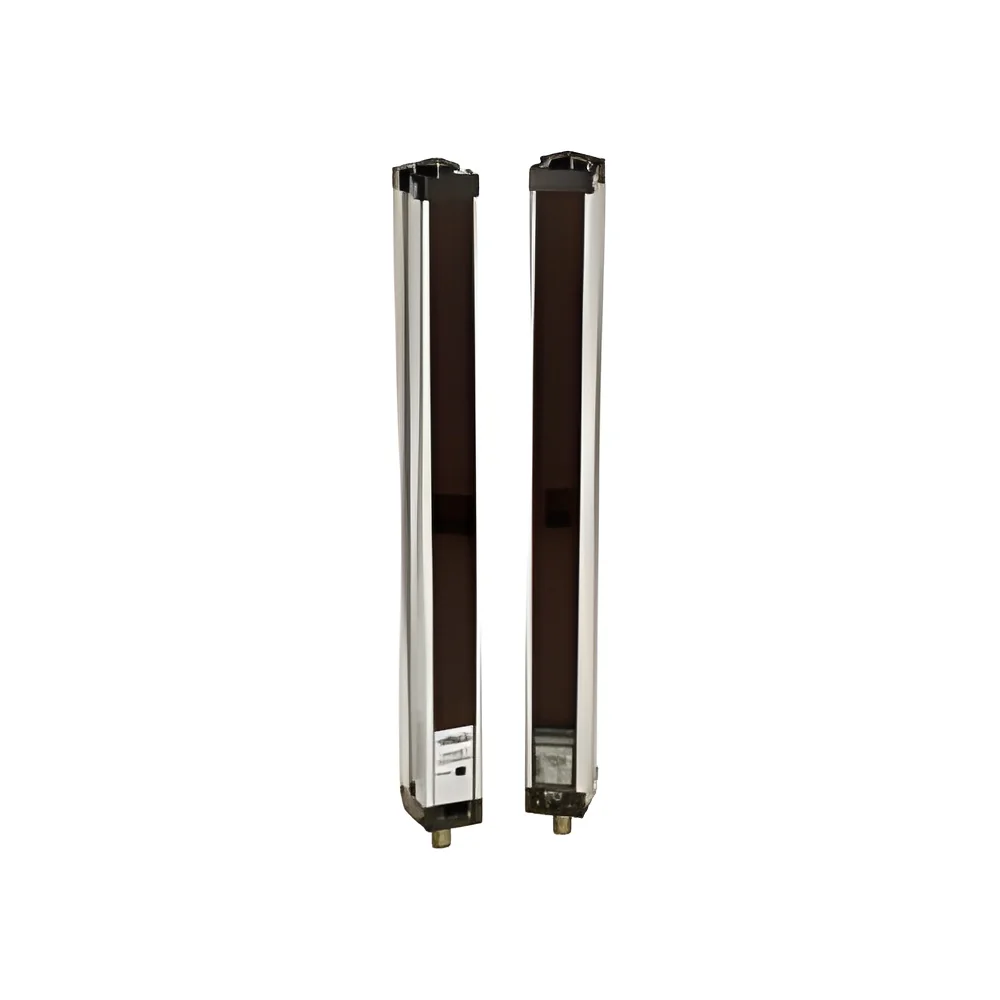
These sensors consist of a transmitter and receiver placed opposite each other. They are ideal for long-range detection and high-speed applications, providing reliable object detection without interference.
Retro-Reflective Sensors
These sensors use a reflector to bounce the emitted light back to the receiver. They are suitable for shorter distances and are commonly used in packaging and conveyor systems.
Diffuse Reflection Sensors
In these sensors, the emitted light reflects off the object being detected and returns to the sensor. They are versatile and widely used in various applications due to their simplicity and effectiveness.
Benefits and Advantages
Photoelectric sensors offer numerous benefits that enhance their appeal in industrial applications.
1. Non-contact Detection: These sensors operate without physical contact, reducing wear and tear on equipment and increasing lifespan.
2. Versatility: Photoelectric sensors can be used in various environments and applications, making them adaptable to different industrial needs.
3. High Precision: They provide accurate detection capabilities, essential for automated processes that require precise measurements.
4. Safety Enhancement: By detecting the presence of objects and personnel, photoelectric sensors improve workplace safety and reduce the risk of accidents.
5. Increased Efficiency: Their quick response times lead to improved operational efficiency in automated systems, minimizing downtime.
6. Cost-Effectiveness: By reducing manual intervention and streamlining processes, photoelectric sensors can lead to significant cost savings over time.
Buying Guide for B2B Buyers
When sourcing photoelectric sensors, it is essential to consider several key factors to ensure you select the right product for your needs.
1. Quality Assessment: Evaluate the quality of photoelectric sensors by reviewing manufacturer specifications, performance data, and customer feedback. Look for products that adhere to recognized industry standards.
2. Supplier Verification: It is crucial to vet suppliers for reliability and reputation. Check their history, certifications, and customer reviews to ensure they provide quality products.
3. Pricing and MOQ: Understand the pricing structure and minimum order quantities (MOQ) for photoelectric sensors. Compare quotes from multiple suppliers to find the best value while considering quality.
4. Delivery and Lead Times: Inquire about delivery schedules and lead times. Timely delivery is critical for maintaining operational efficiency and minimizing production delays.
5. Compliance Requirements: Ensure that the sensors meet any applicable regulatory and compliance standards for your industry. This may include safety certifications and environmental regulations.
Compliance and Certifications
Photoelectric sensors must adhere to various standards to ensure safety and performance. Compliance with ISO 9001 guarantees that manufacturers follow quality management systems. Industry certifications, such as CE, indicate that the products meet European safety and health standards.
Safety and testing requirements are essential for ensuring that photoelectric sensors can operate reliably in their intended environments. This may involve rigorous testing for durability, temperature tolerance, and resistance to environmental factors.
Regional compliance considerations may vary depending on the market. Buyers should be aware of specific regulations in their region, ensuring that the sourced products meet all local compliance requirements.
Why Source Photoelectric Sensors from Pepagora?
Pepagora provides a trusted platform for sourcing photoelectric sensors, offering several key advantages that cater to B2B buyers.
Verified Supplier Network: Our platform connects buyers with a network of verified suppliers, ensuring that you can source high-quality photoelectric sensors from reputable manufacturers.
Streamlined RFQ Process: Pepagora offers a simplified request for quotation process, allowing you to quickly obtain competitive pricing from multiple suppliers. This efficiency saves time and facilitates informed purchasing decisions.
Trade Assurance and Support: Buyers are protected through our trade assurance program, which ensures that products meet agreed-upon quality and delivery standards. Our dedicated support team is available to assist with any inquiries and issues.
Regional Coverage: Pepagora has a strong presence in key markets, including India, the GCC, and Southeast Asia. This wide geographic reach enables you to source photoelectric sensors from suppliers close to your operations, reducing logistics costs and lead times.

Frequently Asked Questions
What are Photoelectric Sensors?
Photoelectric sensors are electronic devices that detect the presence or absence of an object by using light. They operate on the principle of light modulation, where a light source and a receiver detect changes in light levels caused by an object interrupting or reflecting the light beam.
What are the different types of Photoelectric Sensors?
There are three main types of photoelectric sensors: through-beam, retro-reflective, and diffuse. Through-beam sensors consist of a separate light emitter and receiver, while retro-reflective sensors use a reflector to bounce the light back to the receiver. Diffuse sensors have the emitter and receiver in one unit and detect objects based on reflected light.
How do I choose the right Photoelectric Sensors?
Choosing the right photoelectric sensor depends on several factors including the application, environment, and distance of detection. Consider the type of object you want to detect, ambient light conditions, and the required sensing range to select a suitable sensor.
What are the standard specifications for Photoelectric Sensors?
Standard specifications for photoelectric sensors typically include sensing range, response time, and output type. Other important specifications may include operating voltage, ambient temperature range, and housing material to ensure suitability for specific applications.
What is the price range for Photoelectric Sensors?
The price of photoelectric sensors can vary widely based on the type, specifications, and manufacturer. Generally, prices can range from a few hundred to several thousand Indian Rupees, depending on the complexity and features of the sensor.
What quality standards apply to Photoelectric Sensors?
Photoelectric sensors are typically manufactured to comply with international quality standards such as ISO 9001. Additionally, they may also adhere to specific industry standards like IEC or UL certifications to ensure reliability and safety in their applications.
Where can I find Photoelectric Sensors suppliers in India?
You can find photoelectric sensor suppliers in India through online B2B marketplaces, industry trade shows, and directories. Websites such as Pepagora.com provide a platform to connect with verified manufacturers and suppliers in the country.
Can Photoelectric Sensors be customized?
Yes, many manufacturers offer customization options for photoelectric sensors to meet specific application requirements. Customizations can include modifications in sensing range, output type, and housing design based on the needs of the customer.
What is the typical minimum order quantity for Photoelectric Sensors?
The typical minimum order quantity (MOQ) for photoelectric sensors varies by manufacturer and product type. Generally, the MOQ can range from 10 to 100 units, but it is advisable to check with individual suppliers for their specific requirements.
What is the typical lead time for Photoelectric Sensors?
The typical lead time for photoelectric sensors can range from a few days to several weeks, depending on the supplier, stock availability, and any customization requests. It is recommended to confirm the lead time with the supplier before placing an order.
Why Businesses Trust Pepagora
Thousands of companies trust Pepagora to source smarter and sell faster
Expand Your Sales Globally

Source Smarter,Grow Faster
