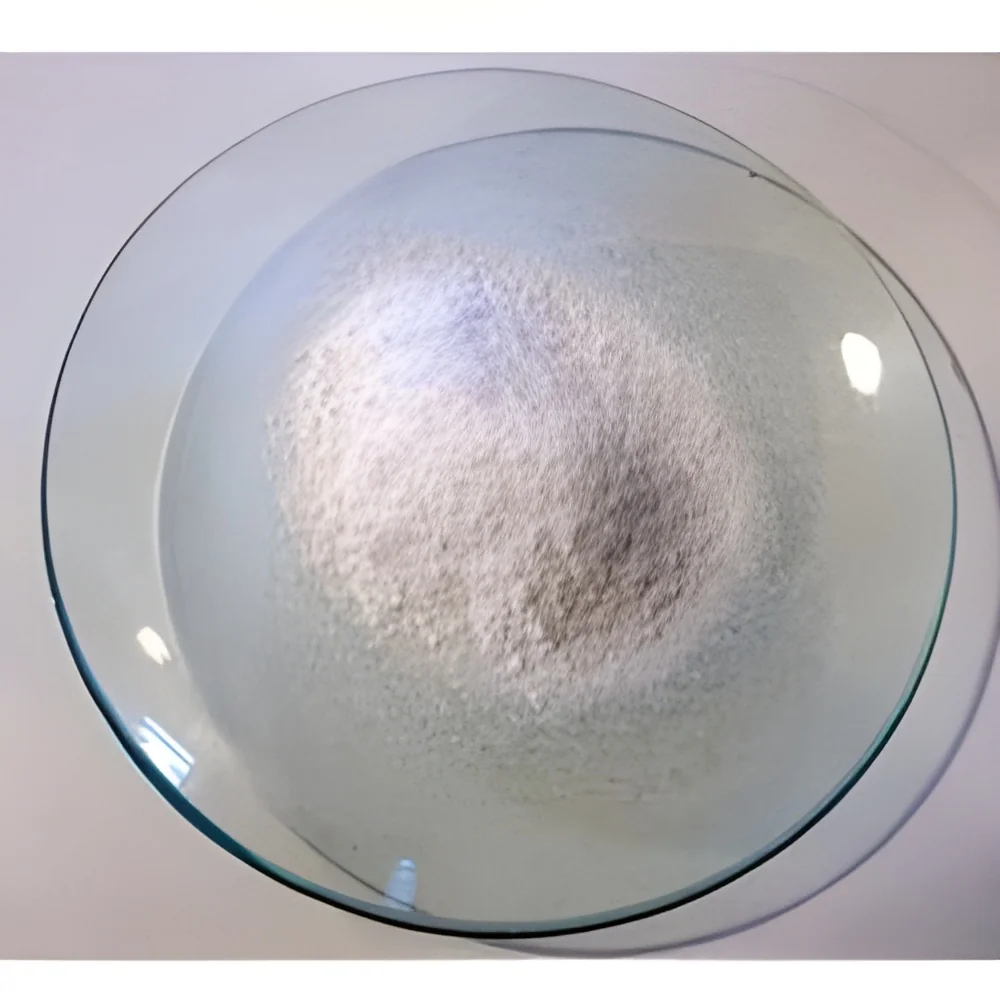
What are Oxidizing Agents?
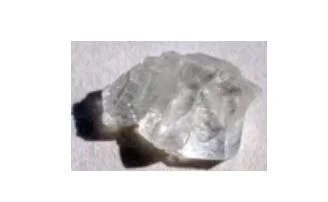
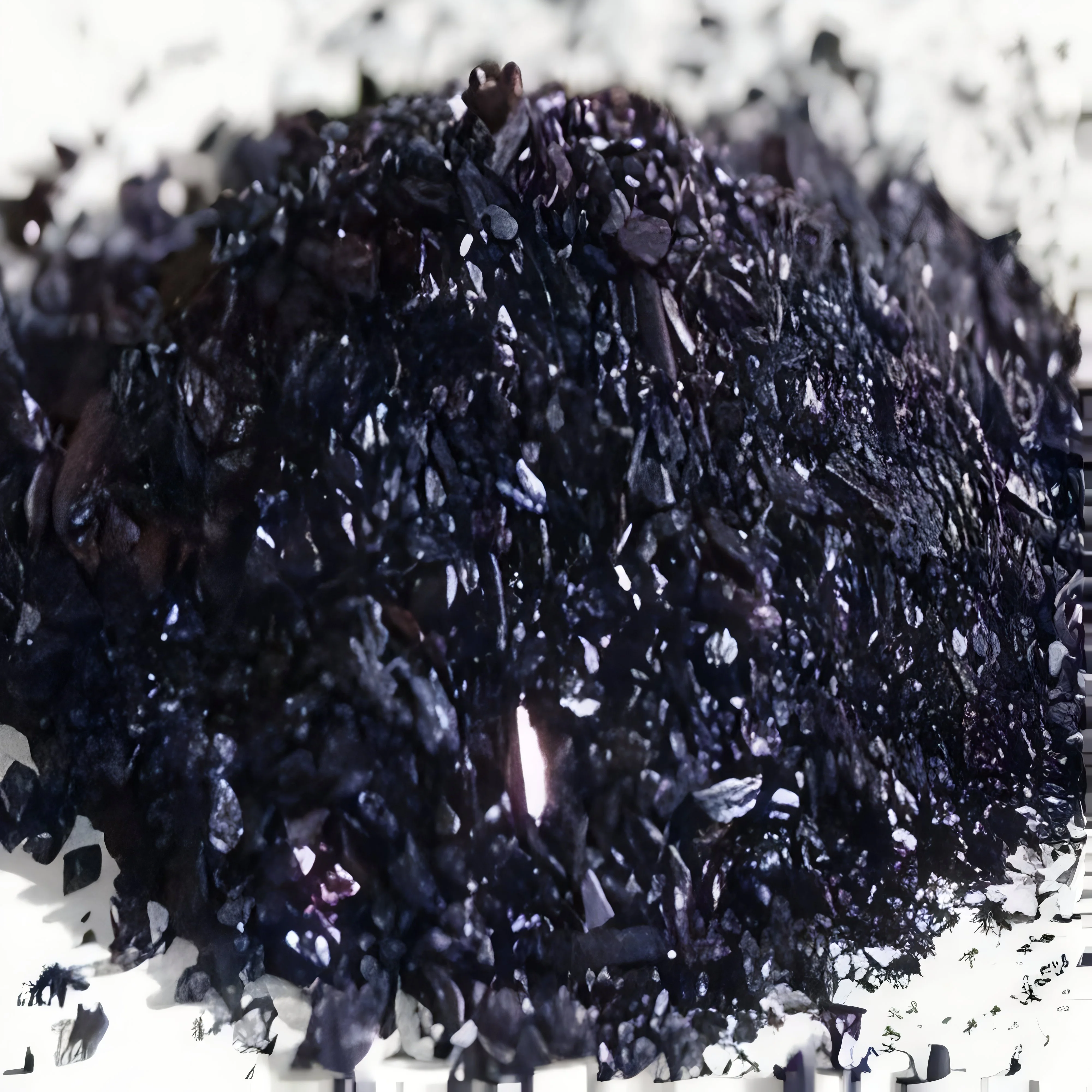
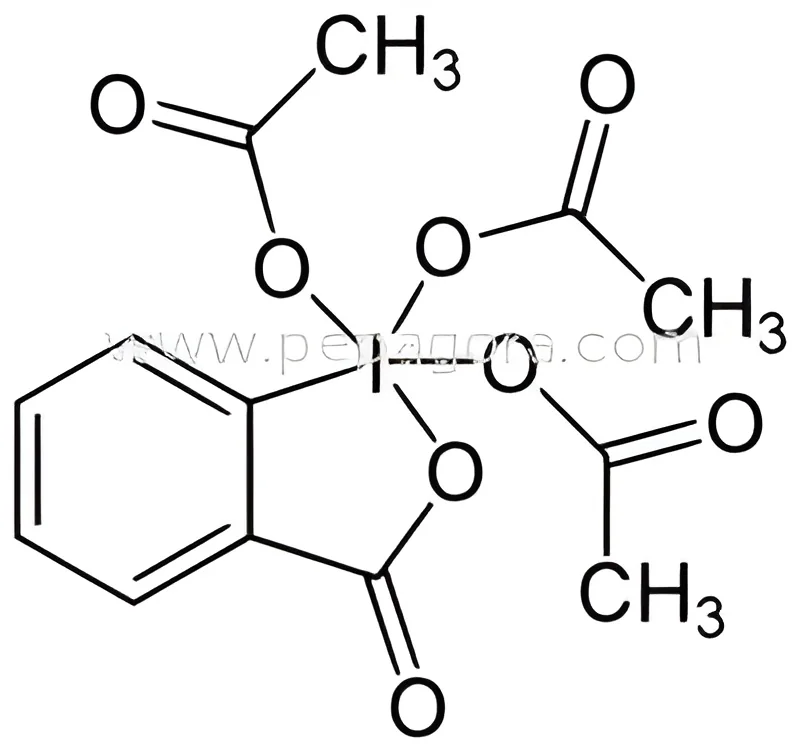
Oxidizing agents are substances that can accept electrons from another species during a chemical reaction, leading to oxidation. They play a critical role in various chemical processes by promoting the oxidation of other materials, making them essential in industries such as pharmaceuticals, water treatment, and manufacturing. Common examples of oxidizing agents include hydrogen peroxide, chlorine, and potassium permanganate.
In the business context, oxidizing agents are used for a wide range of applications. They are vital in producing chemicals, disinfecting water, bleaching materials, and even in the synthesis of pharmaceuticals. Their ability to facilitate oxidation reactions makes them indispensable in various industrial processes. As industries continue to evolve, the demand for high-quality oxidizing agents remains strong, reflecting their importance in maintaining efficiency and safety in operations.
The market for oxidizing agents is influenced by several factors, including regulatory requirements, technological advancements, and the growing need for sustainable practices. With increasing environmental concerns, industries are looking for effective oxidizing agents that can not only achieve desired chemical reactions but also comply with safety and environmental standards.
Key Features and Specifications
Oxidizing agents come with a range of features that make them suitable for various applications. Understanding these specifications is crucial for selecting the right agent for specific needs.
Key specifications include:
1. Purity Level
- High purity levels are essential for effective performance.
- Generally, purity ranges from 95% to 99.9% depending on the application.
2. Chemical Form
- Oxidizing agents can be available in liquid, solid, or powdered forms.
- The choice of form often depends on ease of handling and application method.
3. Stability
- Stability under various conditions is vital for safe storage and use.
- Most oxidizing agents are stable at room temperature but may require specific storage conditions.
4. Solubility
- The solubility of the agent in water or other solvents impacts its effectiveness.
- Solubility can vary widely; for example, some agents are highly soluble while others are not.
5. Reaction Speed
- The rate at which oxidizing agents react can significantly influence their effectiveness.
- Fast-reacting agents are often preferred in time-sensitive applications.
6. Safety Data
- Detailed safety data is critical for safe handling and compliance.
- Information includes potential hazards, first aid measures, and storage requirements.
7. Environmental Impact
- The environmental impact of oxidizing agents is increasingly scrutinized.
- Many suppliers are now focusing on producing eco-friendly options.
8. Regulatory Compliance
- Many oxidizing agents must comply with specific regulations and standards.
- Common certifications include CE, indicating conformity with health and safety requirements.
In summary, selecting the right oxidizing agent requires careful consideration of its features and specifications to ensure it meets the intended application requirements.
Common Applications and Use Cases
Oxidizing agents are versatile and find use in numerous industries, each with specific applications.
1. Water Treatment: In this industry, oxidizing agents are used to purify water by eliminating impurities and pathogens. They are essential in disinfecting drinking water and wastewater treatment processes.
2. Chemical Manufacturing: Oxidizing agents are crucial in producing various chemicals, including acids, dyes, and pharmaceuticals. They facilitate essential chemical reactions in the synthesis process.
3. Agriculture: In agriculture, these agents serve as pesticides and herbicides. They help in controlling pests and diseases in crops, promoting healthier yields.
4. Textile Industry: Oxidizing agents are utilized for bleaching and dyeing fabrics. They enhance the color quality and remove unwanted stains from textiles.
5. Food Processing: In food processing, oxidizing agents are used as preservatives. They help in extending shelf life by inhibiting microbial growth.
6. Pharmaceuticals: The pharmaceutical industry relies on oxidizing agents for synthesizing active pharmaceutical ingredients. Their properties make them effective in various reactions necessary for drug formulation.
7. Oil and Gas: In this sector, oxidizing agents play a role in refining processes and in the treatment of oil spills, aiding in the breakdown of hydrocarbons.
Product Variants and Subcategories
Oxidizing agents can vary significantly in their chemical composition and applications, catering to diverse industrial needs.
Hydrogen Peroxide
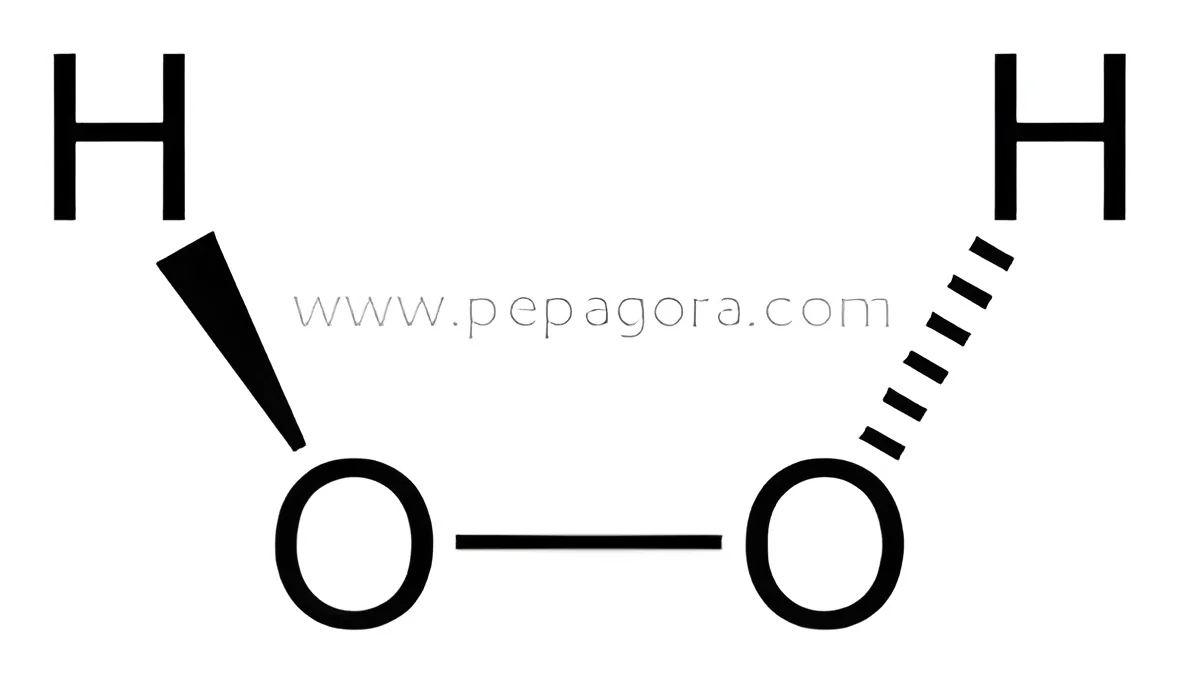
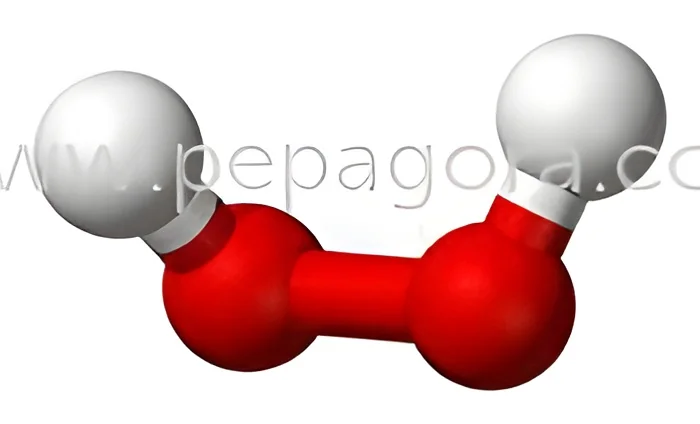
Hydrogen peroxide is a widely used oxidizing agent known for its strong bleaching and disinfecting properties. It is commonly utilized in water treatment, pulp and paper bleaching, and as a sanitizer in food processing.
Chlorine
Chlorine is another essential oxidizing agent, primarily used in water treatment for disinfection. It plays a vital role in ensuring safe drinking water by eliminating harmful microorganisms.
Potassium Permanganate
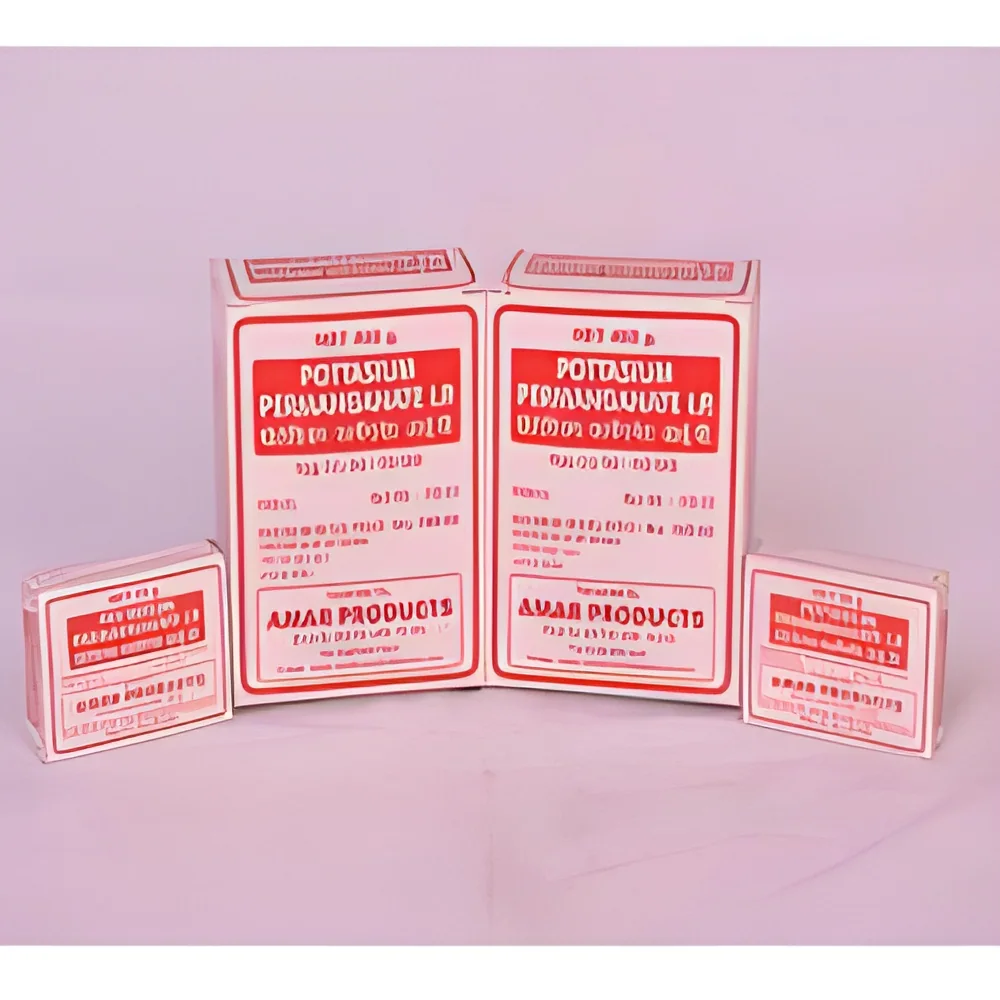
Potassium permanganate is known for its strong oxidative properties. It is commonly used in water treatment, as a disinfectant, and in various chemical synthesis processes.
Sodium Hypochlorite
Sodium hypochlorite is frequently used as a bleaching agent and disinfectant. Its applications range from household cleaning products to industrial water treatment.
Benefits and Advantages
Sourcing oxidizing agents provides several benefits that can enhance operational efficiency and product quality.
1. Enhanced Efficiency: Oxidizing agents improve the speed of chemical reactions, leading to faster production times in various processes.
2. Improved Quality: High-purity oxidizing agents lead to superior product quality in applications such as pharmaceuticals and chemicals.
3. Versatility: They can be used across multiple industries, making them a flexible solution for various business needs.
4. Safety Improvements: Properly formulated oxidizing agents can enhance safety in processes by effectively controlling microbial growth and preventing contamination.
5. Compliance with Regulations: Sourcing from reputable suppliers ensures that oxidizing agents meet necessary regulatory and safety standards.
6. Cost-Effectiveness: Utilizing efficient oxidizing agents can reduce overall production costs by minimizing waste and maximizing yield.
Buying Guide for B2B Buyers
When sourcing oxidizing agents, it is essential to consider various factors to ensure the right choice for your business needs.
1. Quality Assessment: Look for suppliers that provide detailed quality specifications and testing results. Verify the purity levels and ensure they meet industry standards.
2. Supplier Verification: Vet suppliers through reviews, references, and certifications. A reliable supplier will have a track record of delivering quality products consistently.
3. Pricing and MOQ: Understand the pricing structure and minimum order quantities to ensure they align with your budget and operational needs.
4. Delivery and Lead Times: Assess the supplier's ability to meet delivery timelines. Reliable logistics are crucial for maintaining production schedules.
5. Compliance Requirements: Ensure that the oxidizing agents comply with relevant regulations and safety standards applicable to your industry.
Compliance and Certifications
Compliance and certifications are vital for ensuring the safety and effectiveness of oxidizing agents. Key standards include ISO 9001, which focuses on quality management systems, ensuring that products consistently meet customer and regulatory requirements.
Many oxidizing agents also hold CE certification, indicating compliance with European health, safety, and environmental protection standards. This certification is particularly important for suppliers targeting markets in Europe.
Safety and testing requirements are also critical. Manufacturers must conduct thorough testing to evaluate the stability, reactivity, and potential hazards associated with their oxidizing agents. This ensures that they can be used safely in various applications.
Regional compliance considerations may vary. It is essential to understand local regulations governing the use of oxidizing agents, especially when exporting or importing these substances.
Why Source Oxidizing Agents from Pepagora?
Pepagora provides an excellent platform for sourcing oxidizing agents, offering numerous advantages to businesses.
Verified Supplier Network: Pepagora ensures that all suppliers in its network are thoroughly vetted. This guarantees that buyers connect with reputable manufacturers who maintain high-quality standards.
Streamlined RFQ Process: The Request for Quotation process on Pepagora is designed to be efficient and user-friendly. Buyers can easily request quotes from multiple suppliers, allowing for competitive pricing and better decision-making.
Trade Assurance and Support: Pepagora offers trade assurance to protect buyers throughout the purchasing process. This includes support in case of disputes and assistance in ensuring timely delivery.
Regional Coverage: Pepagora's geographic reach spans India, the GCC, and Southeast Asia. This broad coverage allows businesses in these regions to easily access quality oxidizing agents, facilitating smooth procurement processes.

 IN
IN

 India
India