IN
IN₹
Apparel & Fashion
Loading subcategories...
View More
Description
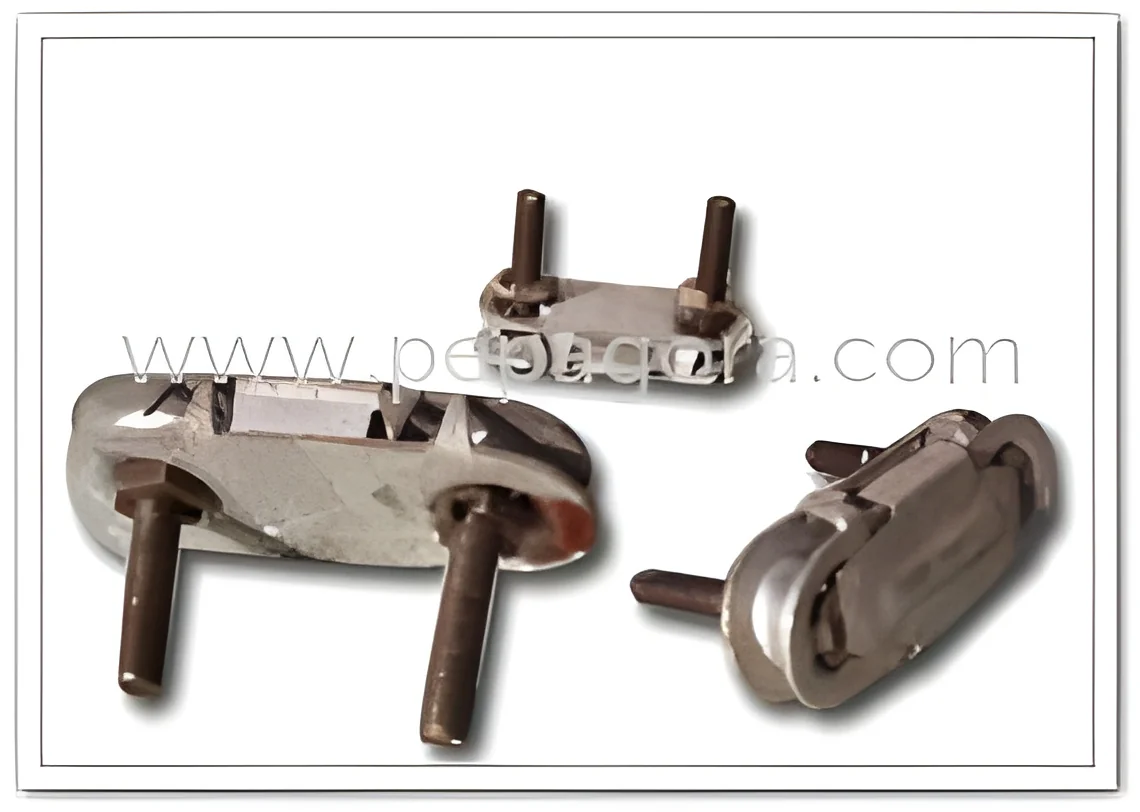
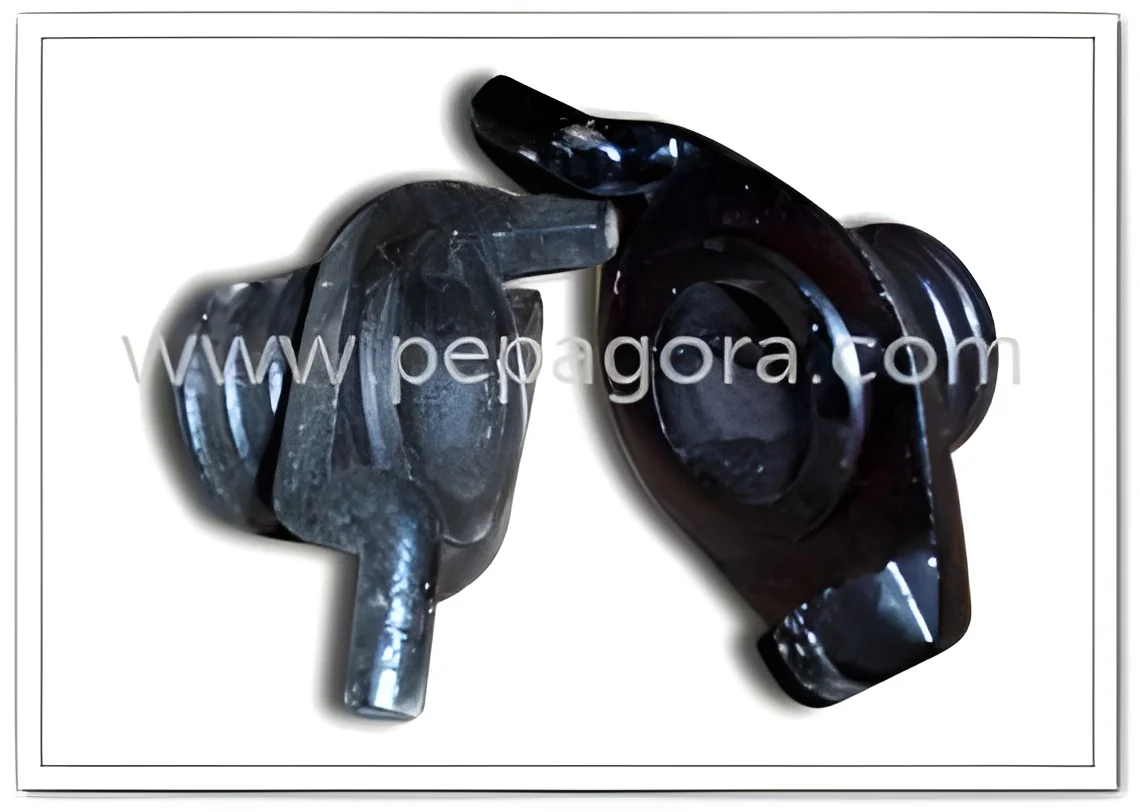
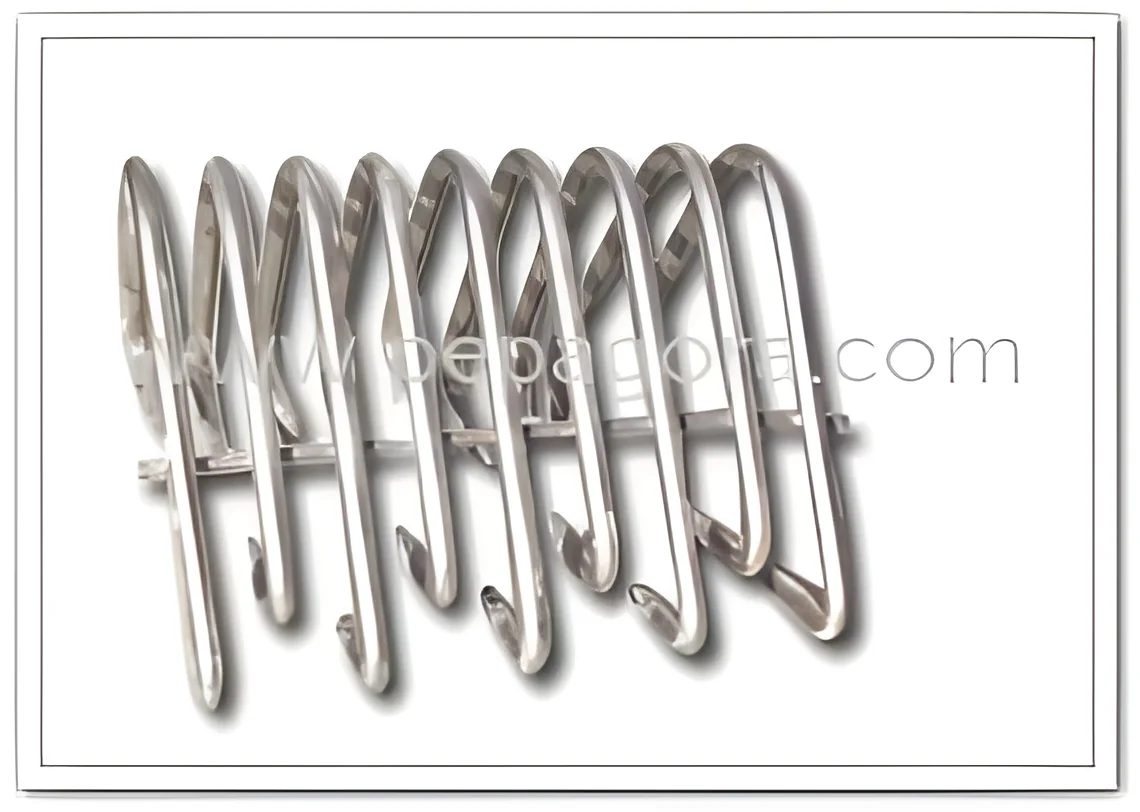
Industrial conveyor belt fastening hooks are critical hardware components designed to create strong, reliable, and flexible splices in conveyor belts. They mechanically interlock belt ends, forming a joint that can handle significant tension while allowing for natural belt movement and flexing around pulleys. Manufactured from high-strength materials, these hooks are built to endure the harsh conditions of continuous industrial operation, including exposure to dust, moisture, and varying loads. Their primary function is to replace traditional vulcanized splicing with a mechanical solution that is faster to install and easier to maintain, ensuring conveyor systems remain operational with minimal interruption.

These fastening hooks are indispensable in industries where conveyor belts are the backbone of material transport. In mining and aggregate processing, they connect belts that carry tons of raw material over long distances, often in rugged, outdoor environments. Manufacturing secto...
Industrial conveyor belt fastening hooks are critical hardware components designed to create strong, reliable, and flexible splices in conveyor belts. They mechanically interlock belt ends, forming a joint that can handle significant tension while allowing for natural belt movement and flexing around pulleys. Manufactured from high-strength materials, these hooks are built to endure the harsh conditions of continuous industrial operation, including exposure to dust, moisture, and varying loads. Their primary function is to replace traditional vulcanized splicing with a mechanical solution that is faster to install and easier to maintain, ensuring conveyor systems remain operational with minimal interruption.

These fastening hooks are indispensable in industries where conveyor belts are the backbone of material transport. In mining and aggregate processing, they connect belts that carry tons of raw material over long distances, often in rugged, outdoor environments. Manufacturing sectors, including automotive, steel, and cement, rely on them for in-plant movement of components and bulk materials. The logistics and parcel handling industry uses them in high-speed sorting facilities, while agriculture and food processing employ them for gentle handling of grains and produce. Their design versatility makes them suitable for nearly any conveyor application, from lightweight packaging lines to heavy-duty bulk material handling.

The business value of these premium fastening hooks lies in their direct contribution to operational reliability and cost control. By providing a durable and secure joint, they dramatically reduce the frequency of belt failures and unplanned downtime, which are major cost drivers in material handling. Their ease of installation translates to lower labor costs for both initial setup and ongoing maintenance. The use of quality materials ensures a long service life, reducing the total cost of ownership and the need for frequent replacements. This reliability allows businesses to maximize their conveyor system uptime, improve throughput predictability, and protect their investment in material handling infrastructure, delivering a clear return on investment for procurement managers and plant engineers.

Key Features:
- Constructed from high-grade, hardened steel for maximum tensile strength and wear resistance.
- Engineered for a precise fit to ensure smooth operation over conveyor pulleys and rollers.
- Compatible with a wide range of belt widths, thicknesses, and ply constructions.
- Designed for straightforward installation with standard tools, reducing setup and repair time.
- Available with corrosion-resistant coatings or finishes for use in wet or chemically active environments.

Benefits:
- Enhances system uptime by creating durable joints that resist separation under heavy loads.
- Lowers maintenance costs through easy installation and the ability to perform repairs without specialized vulcanizing equipment.
- Extends belt life by distributing tension evenly across the joint, preventing premature belt failure.
- Improves operational safety by providing a secure, reliable connection that minimizes the risk of belt snap or material spillage.
- Offers a versatile solution that can be adapted to various conveyor designs and industry-specific requirements.
Specifications
| Additional Information | |
|---|---|
| Country of Origin | India |
| Customisable | No |
Application
Industrial conveyor belt fastening hooks are engineered to form secure, long-lasting joints in conveyor systems. They withstand continuous operational stress, vibration, and tension changes, ensuring belt integrity and minimizing the risk of unexpected failures. Their robust design is crucial for maintaining smooth material flow in demanding environments where downtime is costly.
These components are versatile and built for heavy-duty use across core industries. They accommodate various belt thicknesses and materials, providing a reliable solution for diverse conveyor setups. From connecting belts on steep inclines to handling abrasive materials, these hooks deliver consistent performance, making them a trusted choice for system builders and maintenance teams.
- Mining and quarrying operations for transporting heavy ores, coal, and aggregates on long-distance conveyor lines.
- Manufacturing and automotive assembly plants for moving parts and finished goods along production and packaging lines.
- Large-scale warehousing, distribution centers, and airport baggage systems for sorting and transporting packages.
- Agricultural processing and food handling facilities for moving grain, produce, and other bulk materials.
- Recycling plants and waste management facilities for sorting and conveying recyclables and municipal solid waste.
Trade Details
| Available Stock | In Stock |
| Sample Availability | No |
Payment Terms
| Payment Terms |
|
Company Profile
Navdeep Industries, Punjab
 Punjab, India
Punjab, IndiaRaw Materials & Chemicals•Manufacturer•Trading Company•Distributor / Wholesaler
Factory Details
Factory SizeBelow 1000 sqm
Annual Production Capacity0
Industrial Conveyor Belt Fastening Hooks For Durable Joints
Premium industrial conveyor belt fastening hooks create durable, flexible joints for material handling systems. These reliable components ensure secure connections in mining, manufacturing, and logistics operations.
Min. Order Quantity: 1 unit
Shipping
Shipping fee and delivery date to be negotiated. Contact supplier now for more details.
Navdeep Industries
 Punjab, India
Punjab, IndiaRaw Materials & ChemicalsManufacturer