
 IN
Organic Cotton Fabric
22 products available
What are Organic Cotton Fabric?
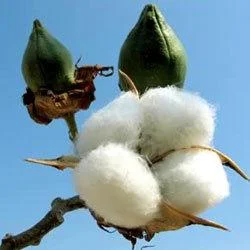
Organic Cotton Fabric is a textile made from cotton that is grown without the use of synthetic fertilizers, pesticides, or genetically modified organisms (GMOs). The cultivation of organic cotton emphasizes sustainability and environmental responsibility, promoting soil health and biodiversity. This fabric is favored for its softness, breathability, and hypoallergenic properties, making it a popular choice in various applications.
The primary uses of Organic Cotton Fabric span multiple sectors, including clothing, home textiles, and industrial applications. It is widely utilized in the production of apparel such as t-shirts, dresses, and baby clothes, as well as in household items like bed linens, towels, and curtains. In the industrial sector, organic cotton is increasingly used for eco-friendly packaging and other sustainable products. As consumers become more environmentally conscious, the demand for organic textiles continues to rise, making it a significant product in the global fabric market.
With the growing emphasis on sustainability, Organic Cotton Fabric plays a crucial role in industries focused on eco-friendly practices. The market for organic textiles has expanded rapidly, supported by consumer awareness and regulatory frameworks promoting organic farming. This fabric aligns with the sustainability goals of many businesses while catering to a niche market that values ethical sourcing and production.
Key Features and Specifications
Organic Cotton Fabric is characterized by several key features that enhance its desirability in the market. Understanding these specifications is crucial for businesses looking to source high-quality materials for their products.
Key specifications include:
1. Fiber Composition
- Made from 100% organic cotton fibers
- Free from synthetic additives and harmful chemicals
2. Fabric Weight
- Available in various weights, typically ranging from 100 to 300 GSM
- Heavier fabrics are suitable for upholstery, while lighter weights are ideal for apparel
3. Weave Type
- Common weave types include plain, twill, and sateen
- Each weave type offers different textures and finishes
4. Breathability
- Highly breathable, providing comfort in various temperatures
- Ideal for clothing and home textiles
5. Colorfastness
- Naturally dyed options available, with good resistance to fading
- Certification for non-toxic dyes ensures safety for consumers
6. Biodegradability
- Fully biodegradable, reducing environmental impact at end-of-life
- Supports circular economy principles
7. Certification Compliance
- Complies with international organic standards such as GOTS and OEKO-TEX
- Ensures transparency and ethical sourcing
In summary, Organic Cotton Fabric is defined by its natural composition, diverse applications, and commitment to sustainability. These specifications make it a preferred choice for businesses aiming to align with eco-friendly practices.
Common Applications and Use Cases
Organic Cotton Fabric serves various industries, providing sustainable material options for numerous applications.
1. Apparel Industry: Used extensively for manufacturing clothing items such as t-shirts, dresses, and activewear, organic cotton is favored for its softness and comfort.
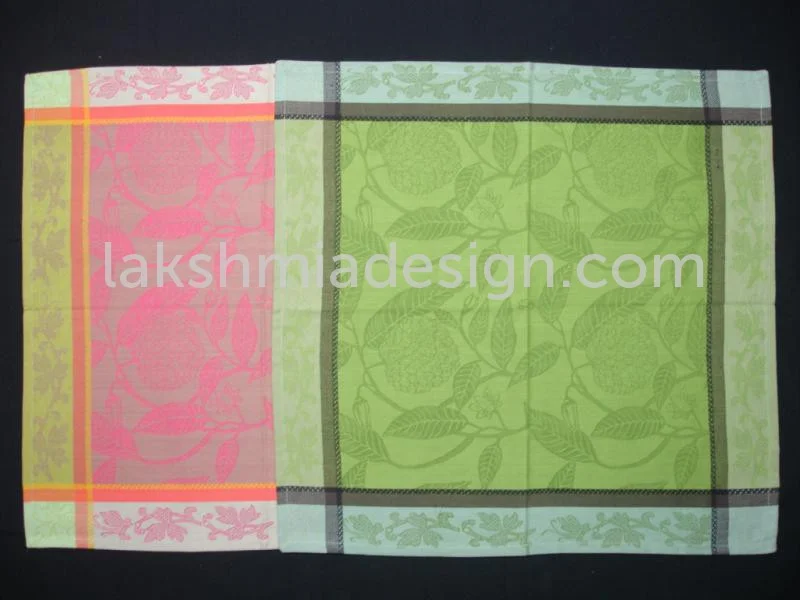
2. Home Textiles: Commonly utilized in bed linens, towels, and curtains, this fabric enhances the aesthetic and comfort of living spaces while promoting sustainability.
3. Baby Products: Organic cotton is a popular choice for baby clothing and diapers due to its hypoallergenic properties and safety for sensitive skin.
4. Eco-Friendly Packaging: Emerging as a sustainable alternative in the packaging sector, organic cotton is used for tote bags and reusable packaging solutions.
5. Health and Wellness: The fabric is often employed in products like yoga mats and meditation cushions, aligning with the growing trend towards organic and natural living.
6. Craft and DIY: Ideal for various crafting projects, organic cotton is used in quilting, sewing, and other creative applications, appealing to eco-conscious hobbyists.
7. Industrial Applications: Increasingly, organic cotton is utilized in eco-friendly textile solutions for industries focused on sustainability initiatives.
Product Variants and Subcategories
Organic Cotton Fabric offers a range of variants to meet the diverse needs of different industries. While specific subcategories are not available, the fabric can be tailored to various applications.
Lightweight Organic Cotton
This variant is perfect for summer apparel and lightweight home textiles. Its breathability makes it an excellent choice for casual wear and comfortable bedding.
Medium Weight Organic Cotton
Ideal for everyday clothing and accessories, this option provides durability while maintaining comfort. It is commonly used in t-shirts and casual dresses.
Heavyweight Organic Cotton
This variant is suited for upholstery and heavy-duty applications. Its robustness makes it ideal for items requiring extra durability, such as bags and outdoor gear.
Benefits and Advantages
Choosing Organic Cotton Fabric presents numerous advantages for businesses and consumers alike.
Key benefits include:
1. Environmental Sustainability: Grown without harmful chemicals, organic cotton promotes healthier ecosystems and reduces pollution.
2. Health and Safety: Free from toxic substances, organic cotton is safer for consumers, particularly those with sensitive skin or allergies.
3. Enhanced Comfort: Known for its softness and breathability, organic cotton provides superior comfort compared to conventional fabrics.
4. Ethical Sourcing: Businesses can align their practices with consumer demand for ethically sourced materials, enhancing brand reputation.
5. Durability: Organic cotton fabrics are often more resilient, leading to longer-lasting products that withstand wear and tear.
6. Support for Organic Farmers: Sourcing organic cotton helps support farmers committed to sustainable practices, fostering rural economies.
Buying Guide for B2B Buyers
When sourcing Organic Cotton Fabric, several factors should be considered to ensure quality and compliance.
1. Quality Assessment: Evaluate the fabric's weight, weave, and feel. Request samples to assess softness and durability against your specific requirements.
2. Supplier Verification: Conduct thorough research to verify suppliers' credentials and ensure they adhere to organic standards. Look for certifications that validate their practices.
3. Pricing and MOQ: Understand the pricing structure and minimum order quantities (MOQ) to align with your business needs and budget. Compare prices from multiple suppliers.
4. Delivery and Lead Times: Clarify delivery schedules and lead times to ensure timely procurement. Consider logistics and transportation options for bulk orders.
5. Compliance Requirements: Ensure that the fabric meets all necessary regulatory and environmental compliance standards, including certifications relevant to your market.
Compliance and Certifications
Organic Cotton Fabric must adhere to various quality standards and certifications to ensure safety and sustainability in production.
Relevant quality standards such as ISO 9001 focus on quality management systems, ensuring that manufacturers maintain consistent quality throughout the production process. HACCP and GDP standards may also apply, particularly in the context of food-related applications.
Industry certifications like CE indicate compliance with European health, safety, and environmental protection standards. This certification reassures businesses of the fabric's safety for consumer use.
Safety and testing requirements are crucial, particularly for products intended for sensitive populations, such as babies and those with allergies. Manufacturers should conduct thorough testing to verify the absence of harmful substances.
Regional compliance considerations may vary, so businesses should be aware of local regulations governing organic textiles in their target markets.
Why Source Organic Cotton Fabric from Pepagora?
Pepagora provides a trusted platform for sourcing Organic Cotton Fabric, offering several key advantages that benefit B2B buyers.
Verified Supplier Network: Pepagora connects buyers with a network of verified suppliers committed to quality and sustainability. This ensures that businesses can source reliable materials with peace of mind.
Streamlined RFQ Process: The platform simplifies the request for quotation (RFQ) process, allowing buyers to easily compare prices and specifications from multiple suppliers. This efficiency saves time and enhances decision-making.
Trade Assurance and Support: Pepagora offers trade assurance services, providing protection for buyers against non-delivery and quality issues. This support enhances buyer confidence when sourcing materials.
Regional Coverage: With a strong presence in India, the GCC, and Southeast Asia, Pepagora facilitates access to a diverse range of organic cotton products, catering to various markets and industries.
By sourcing Organic Cotton Fabric through Pepagora, businesses can align their operations with sustainability goals while benefiting from a structured and efficient procurement process.

 India

 India
 India
 India
 India
 India
 India
 India
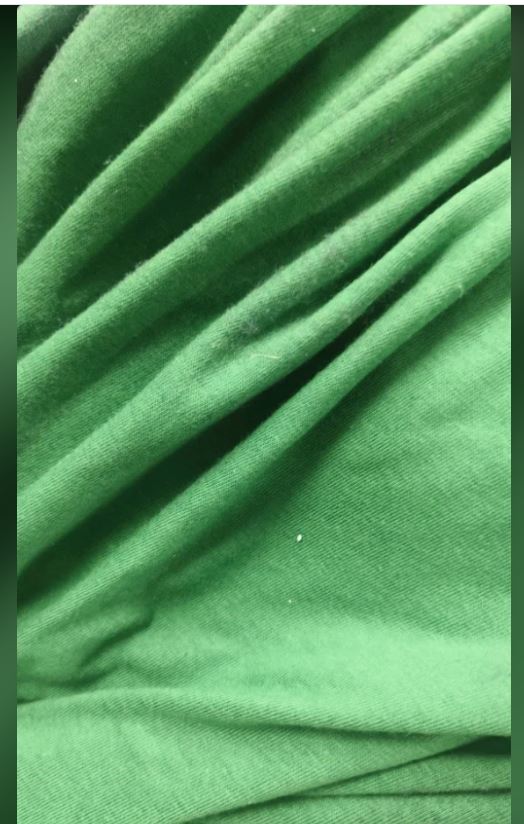
 India
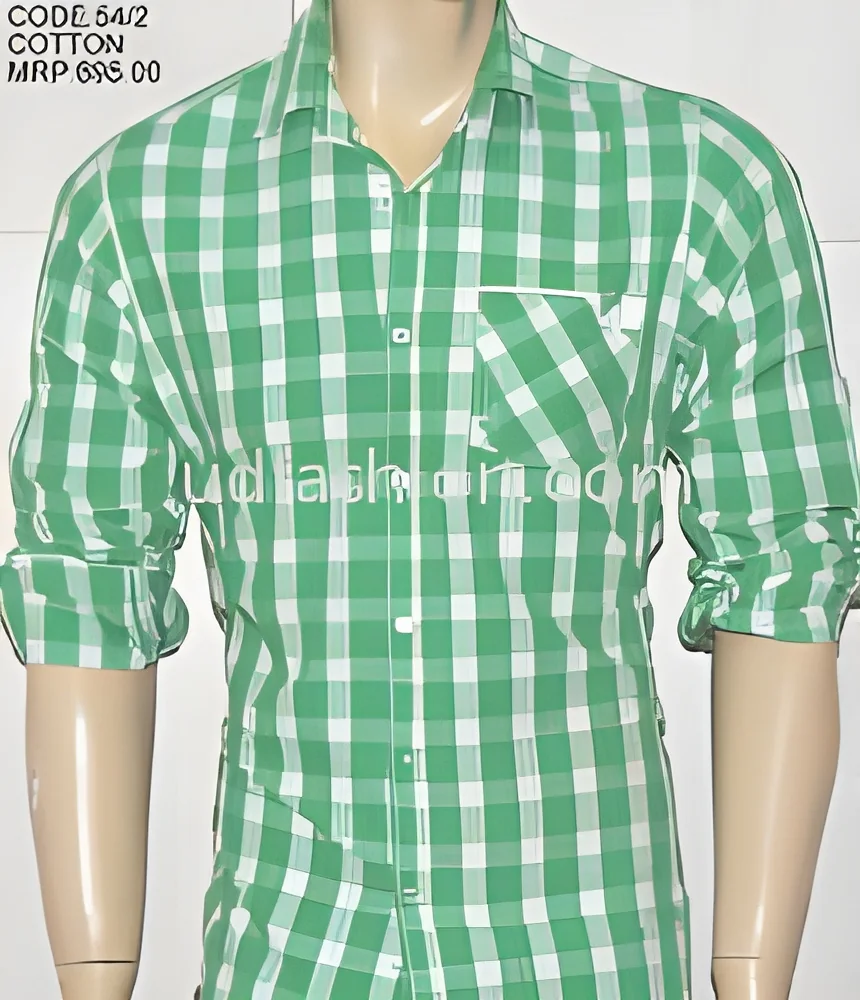
 India
 India
Frequently Asked Questions
What are Organic Cotton Fabric?
Organic Cotton Fabric is made from cotton that is grown without the use of synthetic fertilizers, pesticides, or genetically modified organisms (GMOs). This fabric is produced in farming systems that maintain and replenish soil fertility while promoting biodiversity.
What are the different types of Organic Cotton Fabric?
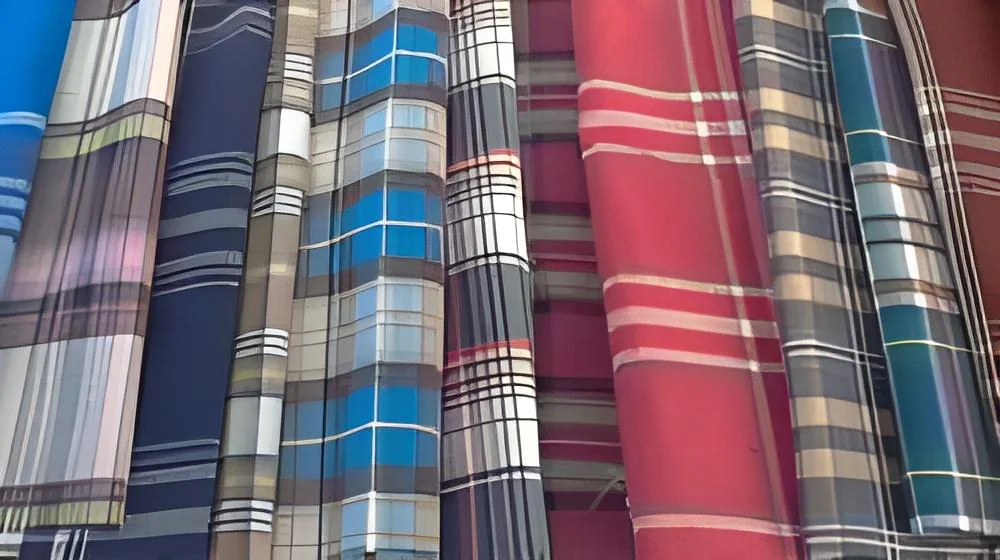
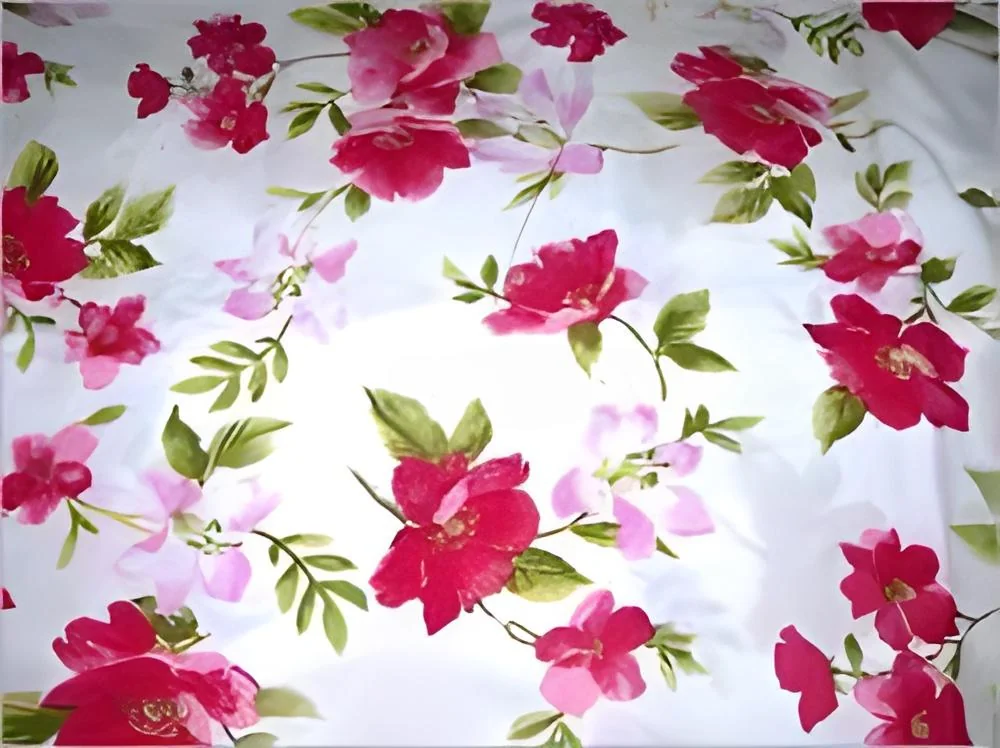
Organic Cotton Fabric comes in various types, including woven, knitted, and printed forms. Each type serves different purposes, such as clothing, home textiles, and accessories, based on the weave and finish applied.
How do I choose the right Organic Cotton Fabric?
When choosing Organic Cotton Fabric, consider the intended use, texture, weight, and color. It's also crucial to look for certifications that confirm the organic status of the fabric, ensuring ethical and sustainable practices.
What are the standard specifications for Organic Cotton Fabric?
Standard specifications for Organic Cotton Fabric typically include fiber content, weight (grams per square meter), and thread count. Additionally, the fabric should comply with organic certifications such as GOTS (Global Organic Textile Standard) or OEKO-TEX.
What is the price range for Organic Cotton Fabric?
The price range for Organic Cotton Fabric can vary significantly based on factors like quality, type, and supplier. Generally, prices may range from INR 150 to INR 500 per meter, depending on these variables.
What quality standards apply to Organic Cotton Fabric?
Quality standards for Organic Cotton Fabric include organic certification, colorfastness, shrinkage, and durability. Fabrics should meet specific guidelines to ensure they are environmentally friendly and safe for consumers.
Where can I find Organic Cotton Fabric suppliers in India?
You can find Organic Cotton Fabric suppliers in India through online B2B marketplaces like Pepagora.com, trade shows, and textile exhibitions. Networking with industry professionals can also lead to reliable supplier connections.
Can Organic Cotton Fabric be customized?
Yes, Organic Cotton Fabric can often be customized in terms of color, print, and finish based on the buyer’s requirements. However, customization options may vary by supplier, so it’s advisable to check in advance.
What is the typical minimum order quantity for Organic Cotton Fabric?
The typical minimum order quantity (MOQ) for Organic Cotton Fabric can vary by supplier, but it generally ranges from 50 to 100 meters. Larger orders may result in better pricing options.
What is the typical lead time for Organic Cotton Fabric?
The typical lead time for Organic Cotton Fabric can range from 2 to 6 weeks depending on the supplier, order size, and customization requirements. It is advisable to confirm the lead time with the supplier before placing an order.
Why Businesses Trust Pepagora
Thousands of companies trust Pepagora to source smarter and sell faster
Expand Your Sales Globally

Source Smarter,Grow Faster
