What are Silk Satin Fabric?
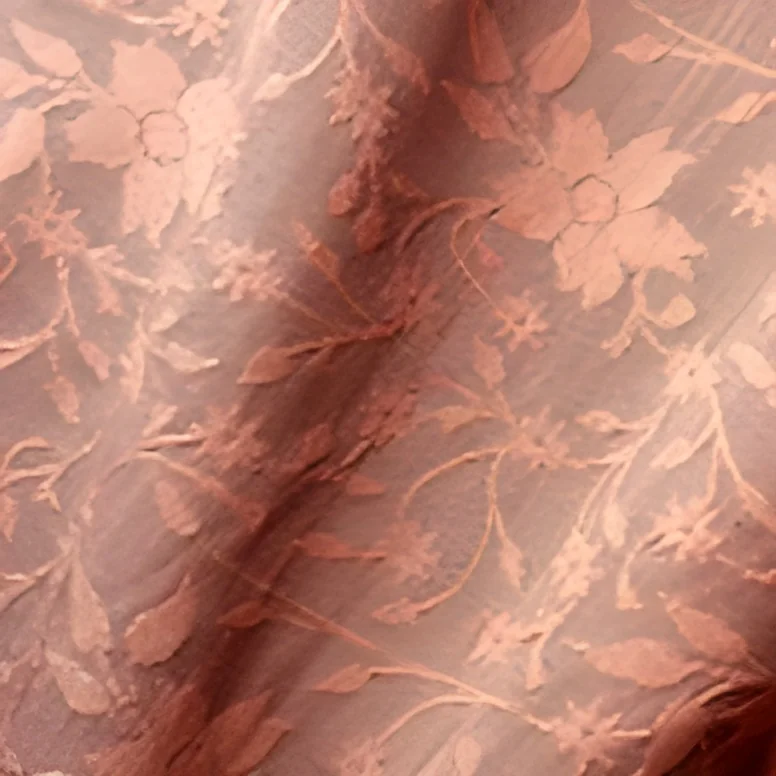
Silk satin fabric is a luxurious textile known for its smooth, glossy surface and soft texture. It is made from silk fibers, which provide a natural sheen and drape that makes the fabric highly desirable in various applications. The weaving technique used to create silk satin results in a fabric that has a delicate yet durable quality, making it suitable for high-end products.
Silk satin is primarily utilized in the fashion industry for creating elegant garments such as evening gowns, bridal wear, and lingerie. Its fluidity and luster enhance the aesthetic appeal of clothing, making it a popular choice for designers. Additionally, silk satin is often used in interior design for upholstery, drapery, and decorative elements, contributing to a sophisticated ambiance in both residential and commercial spaces. As the demand for luxury materials grows, silk satin remains relevant in the market, appealing to businesses that prioritize quality and elegance.
Key Features and Specifications
Silk satin fabric offers a unique combination of features that make it suitable for various applications. This fabric is appreciated not only for its aesthetic qualities but also for its performance characteristics.
Key specifications include:
1. Composition
- Made from 100% silk fibers
- Provides a luxurious feel and appearance
2. Weight
- Typically ranges from 19 to 30 momme
- Heavier weights offer more durability and structure
3. Width
- Common widths range from 45 to 60 inches
- Wider widths are ideal for large garments or upholstery
4. Finish
- Available in various finishes, including matte and glossy
- Glossy finishes enhance sheen and reflectivity
5. Color Options
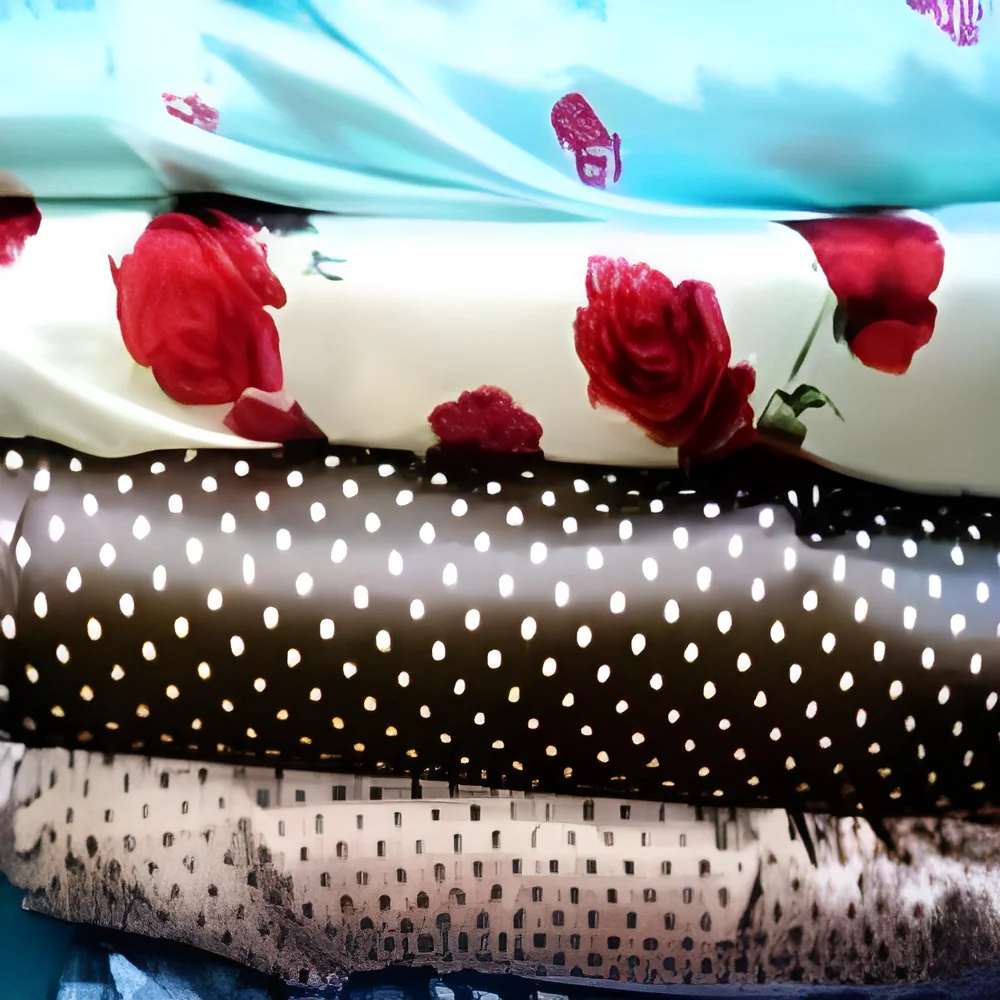
- Available in a wide array of colors and prints
- Custom dyeing options are often available for specific needs
6. Care Instructions
- Dry clean recommended to maintain fabric integrity
- Gentle hand washing may be possible for some variants
7. Breathability
- Offers excellent breathability, making it comfortable to wear
- Suitable for various climates and seasons
Silk satin fabric combines elegance with functionality, making it an excellent choice for businesses looking for high-quality textile solutions.
Common Applications and Use Cases
Silk satin fabric serves various industries, each benefiting from its unique properties.
1. Fashion Industry: Silk satin is commonly used to create high-end garments such as evening dresses, bridal wear, and luxury sleepwear. Designers favor it for its elegant drape and lustrous finish.
2. Interior Design: This fabric is often utilized in home décor items like curtains, cushion covers, and high-quality upholstery, adding a touch of sophistication to any space.
3. Hospitality Sector: Silk satin is used in luxury hotel linens and bedding, enhancing guest experiences with its soft texture and elegant appearance.
4. Event Planning: For events such as weddings and galas, silk satin is frequently chosen for table linens and decorations, contributing to an upscale atmosphere.
5. Costume and Theatre: The film and theatre industries utilize silk satin for costumes due to its dramatic appearance and ability to catch light effectively.
6. Fashion Accessories: Silk satin is also popular in the production of scarves, ties, and other accessories, providing a luxurious touch to any outfit.
7. High-End Gifts: Businesses often use silk satin for creating bespoke packaging or as part of luxury gift items, enhancing the perceived value.
Product Variants and Subcategories
Silk satin fabric offers a diverse range of options to meet various needs and preferences.
Silk Satin Charmeuse
Silk satin charmeuse is known for its lightweight and fluid drape. This variant is often used for evening gowns and lingerie because of its soft feel against the skin and its ability to flow beautifully.
Silk Satin Crepe
Silk satin crepe has a slightly textured surface, providing a unique look compared to traditional satin. It is often used in professional attire and dresses, combining elegance with a structured appearance.
Silk Satin Blend
Silk satin blends combine silk with other fibers, such as polyester or cotton. This variant offers increased durability and easier care while retaining some of the luxurious qualities of silk.
Benefits and Advantages
Silk satin fabric provides numerous advantages that make it an excellent choice for businesses.
1. Luxurious Aesthetic: The natural sheen and smooth texture of silk satin give products an upscale appearance that appeals to consumers.
2. Softness and Comfort: Silk satin is gentle on the skin, making it ideal for intimate apparel and bedding.
3. Versatile Applications: This fabric can be used in various sectors, from fashion to interior design, making it a versatile choice for businesses.
4. Breathability: Silk satin allows air circulation, providing comfort in both warm and cool environments.
5. Customization Options: Many suppliers offer customization in colors, weights, and finishes, allowing businesses to tailor their products to specific needs.
6. Durability: When cared for properly, silk satin can withstand regular use, making it a worthwhile investment for quality-conscious businesses.
Buying Guide for B2B Buyers
When sourcing silk satin fabric, consider the following factors to ensure you make informed decisions.
1. Quality Assessment: Evaluate the fabric by checking its weight, sheen, and feel. High-quality silk satin should be smooth and have a consistent appearance.
2. Supplier Verification: Research potential suppliers by checking their reputation, reviews, and history in the industry. Reliable suppliers should provide certifications and references.
3. Pricing and MOQ: Understand the price range for silk satin and inquire about minimum order quantities. Prices can vary based on quality, weight, and supplier.
4. Delivery and Lead Times: Discuss logistics and expected delivery times with suppliers to ensure they align with your production schedules.
5. Compliance Requirements: Ensure that the fabric meets relevant industry standards and regulations, especially if you plan to sell finished products in specific markets.
Compliance and Certifications
Silk satin fabric is subject to various quality standards and certifications that ensure its safety and reliability. Notably, compliance with ISO 9001 standards indicates that the manufacturing processes meet international quality management criteria.
Additionally, the CE marking signifies that the product has been assessed and meets European health, safety, and environmental protection standards.
In certain regions, specific testing requirements may apply, ensuring that the fabric is free from harmful substances. Buyers must also consider regional compliance factors, which may vary based on local regulations and market demands.
Why Source Silk Satin Fabric from Pepagora?
Pepagora provides a trusted platform for sourcing silk satin fabric with several key advantages that benefit B2B buyers.
Verified Supplier Network: Pepagora has established a robust network of verified suppliers, ensuring that buyers can access high-quality silk satin from reputable sources. This verification process helps minimize risks associated with sourcing.
Streamlined RFQ Process: The platform offers an efficient Request for Quotation (RFQ) system, allowing buyers to quickly obtain quotes from multiple suppliers. This process facilitates comparison and ensures competitive pricing.
Trade Assurance and Support: Pepagora prioritizes buyer protection through trade assurance mechanisms. This support provides added confidence in transactions, ensuring that buyers receive the products they ordered.
Regional Coverage: With a strong presence in India, the GCC, and Southeast Asia, Pepagora connects buyers with suppliers across these regions. This geographic reach enhances options for sourcing silk satin fabric tailored to diverse market needs.

 IN
IN