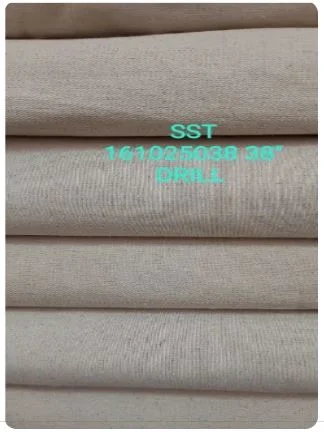
What are Cotton Twill Fabric?
Cotton twill fabric is a versatile textile characterized by its diagonal weave, which results in a durable and sturdy material. This fabric is made from cotton fibers, giving it a soft texture while maintaining strength and resilience. The unique twill weave creates a distinct pattern that enhances its visual appeal and contributes to its strength, making it a popular choice in various applications.
Cotton twill fabric is widely used in industries ranging from fashion to home textiles. Its durability makes it suitable for clothing items such as trousers, jackets, and uniforms. Additionally, it is commonly used in home furnishings like curtains, upholstery, and table linens. Its adaptability allows for dyeing and printing, expanding its use in creative applications. The cotton twill market holds a significant place within the textile industry, with a steady demand driven by its quality and versatility.
Key Features and Specifications
Cotton twill fabric is known for its combination of strength, comfort, and versatility. It is available in various weights and finishes, catering to different industry needs. This fabric is appreciated for its durability and ease of care, making it a go-to choice for many manufacturers.
Key specifications include:
1. Fabric Weight
- Typically ranges from 5 to 12 ounces per square yard.
- Heavier weights provide added durability for workwear.
2. Weave Type
- Diagonal twill weave, which enhances strength and texture.
- Available in various patterns including herringbone and classic twill.
3. Width
- Commonly available in widths of 36 to 60 inches.
- Wider widths can reduce fabric waste in cutting.
4. Color Options
- Available in a wide array of colors for diverse applications.
- Can be dyed or printed for custom designs.
5. Abrasion Resistance
- High resistance to wear and tear.
- Suitable for heavy-use applications.
6. Breathability
- Offers good airflow, enhancing comfort in clothing.
- Ideal for warm-weather garments.
7. Care Instructions
- Generally machine washable and easy to maintain.
- Requires minimal ironing due to the fabric's weave.
In summary, cotton twill fabric combines functionality with aesthetic appeal, making it an essential material in various sectors.
Common Applications and Use Cases
Cotton twill fabric serves various industries due to its durability and versatility.
1. Fashion Industry: Used extensively for making trousers, jackets, and uniforms, cotton twill is favored for its strength and comfort.
2. Home Textiles: Often found in curtains, upholstery, and table linens, this fabric enhances the aesthetic of home decor while providing durability.
3. Workwear: Ideal for uniforms and protective clothing, cotton twill is appreciated for its abrasion resistance and comfort during long hours of wear.
4. Sporting Goods: Utilized in the manufacture of bags and outdoor gear, cotton twill offers durability and a breathable quality.
5. Accessories: Commonly used for belts, hats, and bags, this fabric provides both style and function.
6. Automotive Textiles: Used in car interiors for its durability and ease of cleaning, cotton twill is ideal for upholstery.
7. Crafting: Popular among hobbyists for various DIY projects, cotton twill is available in multiple colors and patterns, making it a favorite for custom creations.
Product Variants and Subcategories
Cotton twill fabric comes in various forms, catering to different needs and preferences.
Heavyweight Cotton Twill
This variant is thicker and more durable, making it ideal for workwear and heavy-duty applications. Its robust nature withstands wear and tear, providing longevity in use.
Lightweight Cotton Twill
A softer, lighter option, this variant is suitable for casual wear and summer clothing. It drapes well, making it a popular choice for fashion designers looking for comfort and style.
Printed Cotton Twill
Featuring various patterns and designs, printed cotton twill adds a creative touch to garments and home textiles. It combines the durability of twill with vibrant aesthetics, appealing to diverse markets.
Benefits and Advantages
Cotton twill fabric offers numerous advantages that make it a preferred choice across various industries.
1. Durability: The strong twill weave enhances the fabric's lifespan, making it resistant to wear and tear.
2. Comfort: Soft and breathable, cotton twill is comfortable against the skin, making it ideal for clothing.
3. Versatility: Available in various weights and colors, it can be used for a wide range of applications.
4. Easy Maintenance: Machine washable and low in care requirements, cotton twill is practical for everyday use.
5. Aesthetic Appeal: The distinctive diagonal weave and ability to hold dye well make cotton twill visually appealing for fashion and home decor.
6. Customization: Easily printed or dyed, it allows for unique designs tailored to specific market needs.
Buying Guide for B2B Buyers
When sourcing cotton twill fabric, several factors should be considered to ensure quality and suitability for your business needs.
1. Quality Assessment: Look for fabrics that meet durability and comfort standards. Check for fabric weight and weave consistency to ensure long-lasting performance.
2. Supplier Verification: Vet suppliers thoroughly to ensure they provide high-quality products. Check for reviews, certifications, and previous client feedback to gauge reliability.
3. Pricing and MOQ: Understand the pricing structure, including any minimum order quantities. Compare quotes from different suppliers to find competitive pricing.
4. Delivery and Lead Times: Confirm lead times for orders to ensure timely delivery. Consider logistics and shipping options to avoid delays in your supply chain.
5. Compliance Requirements: Ensure that the fabric complies with industry standards and regulations applicable to your market. This includes checking for certifications like CE and other safety requirements.
Compliance and Certifications
Cotton twill fabric is subject to various quality standards and compliance regulations.
Relevant quality standards, such as ISO 9001, ensure that manufacturers maintain a consistent level of quality in their products. Compliance with HACCP and GDP may also apply, particularly in industries where textiles are used in food or healthcare applications.
Industry certifications, like CE, indicate that the fabric meets specific safety and performance standards, making it suitable for various uses.
It is essential to consider safety and testing requirements, which may vary by region. This includes tests for flammability, colorfastness, and durability.
Regional compliance considerations are also crucial, as different markets may have specific regulations governing textile products. Understanding these requirements helps ensure that the fabric meets the necessary standards for your target market.
Why Source Cotton Twill Fabric from Pepagora?
Pepagora provides a trusted platform for sourcing cotton twill fabric, offering several key advantages to B2B buyers.
The verified supplier network ensures that buyers have access to reputable manufacturers who deliver high-quality products. Each supplier undergoes rigorous checks to guarantee reliability and product excellence.
The streamlined RFQ process simplifies the procurement of cotton twill fabric. Buyers can quickly request quotes from multiple suppliers, making it easier to compare options and make informed decisions.
Trade assurance and support are integral to the Pepagora experience, providing buyers with protection throughout the purchasing process. This includes assistance with disputes and adherence to quality standards.
With regional coverage spanning India, the GCC, and Southeast Asia, Pepagora facilitates connections between buyers and suppliers across diverse markets. This broad reach allows for easier sourcing and distribution of cotton twill fabric to meet various business needs.

 IN
IN