What are Other Fabric?
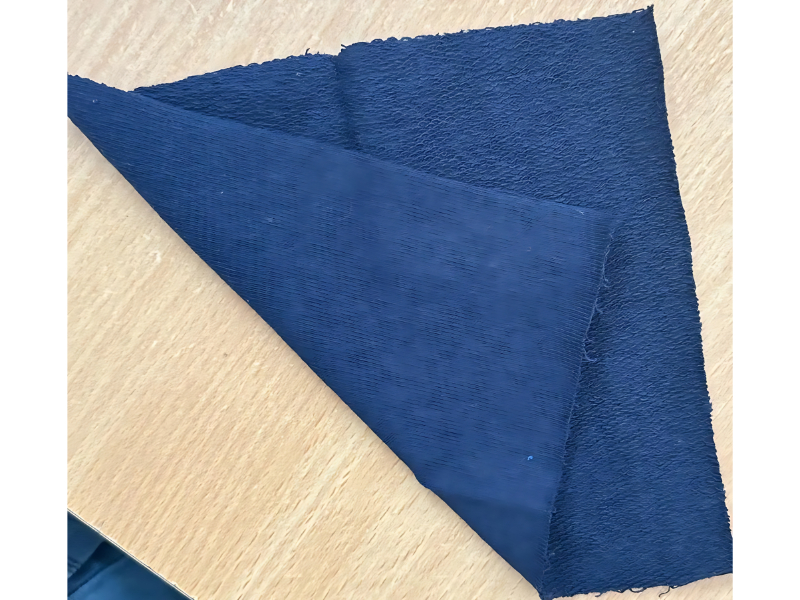
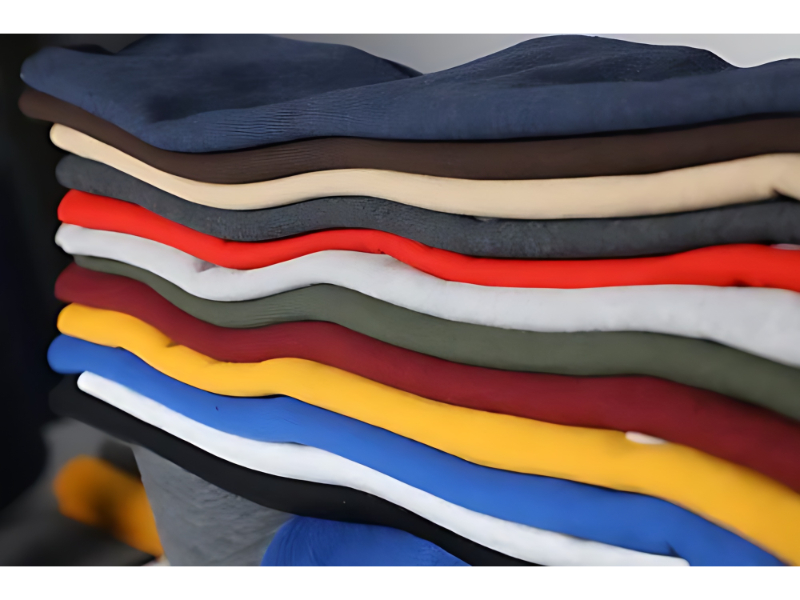
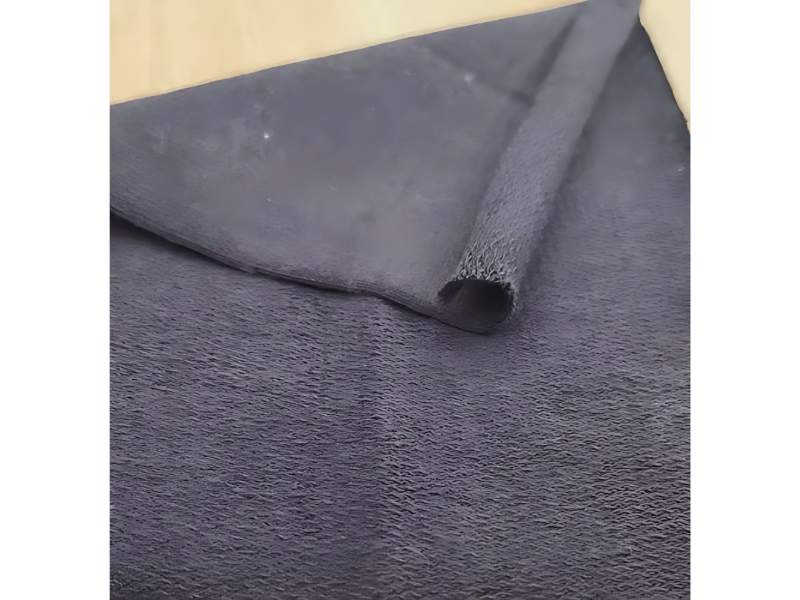
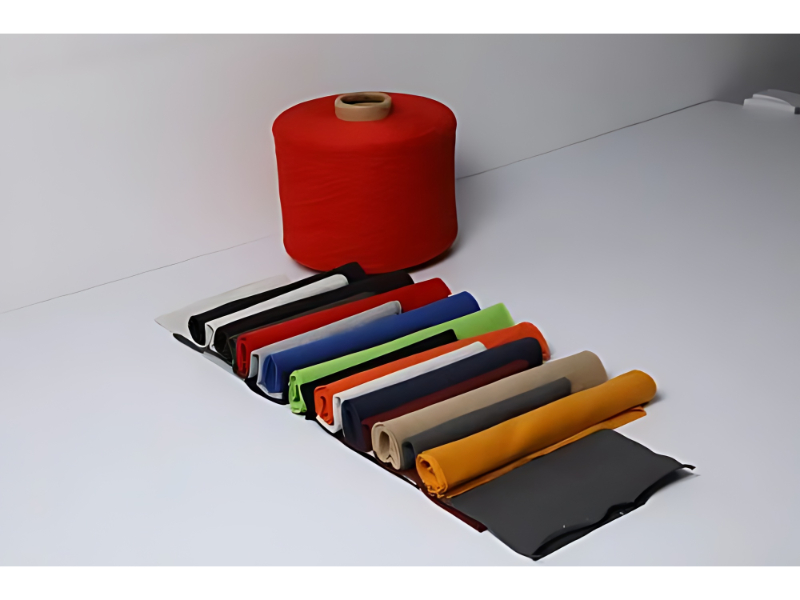
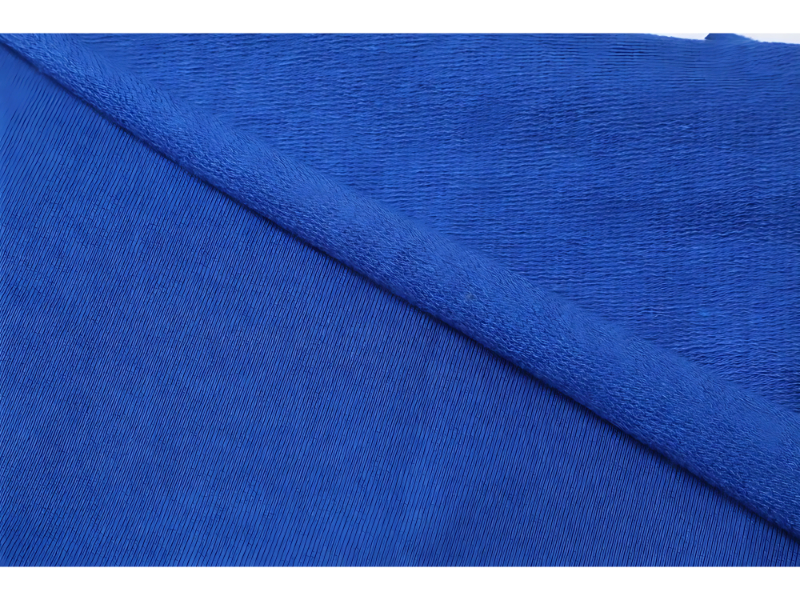
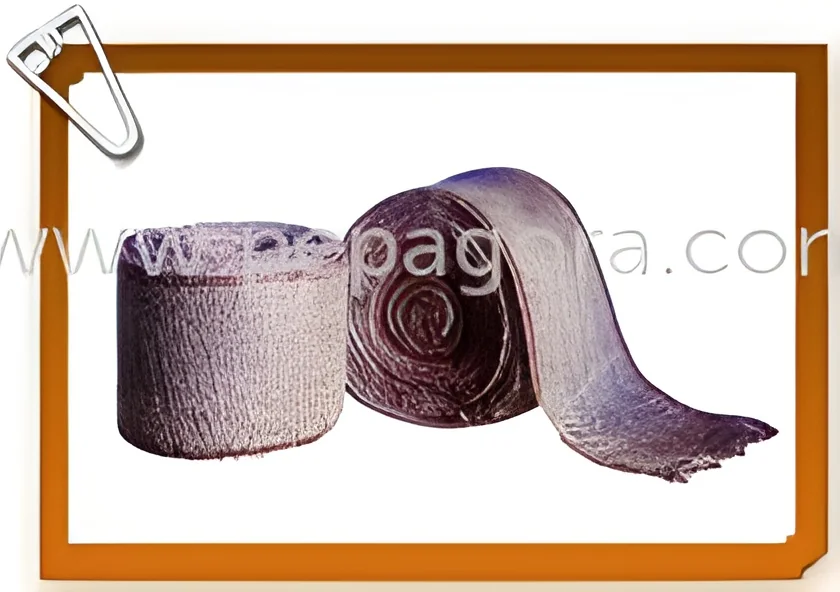
Other Fabric refers to a diverse range of textile materials that do not fit into conventional categories such as cotton, polyester, or wool. This classification encompasses specialized fabrics that are designed for specific industrial applications, featuring unique properties and characteristics. These materials can include non-woven fabrics, composite fabrics, and textiles engineered for performance in demanding environments.
The primary uses of Other Fabric span various industries, including automotive, aerospace, medical, and construction. Businesses utilize these fabrics for applications that require unique performance attributes, such as enhanced durability, resistance to chemicals, or specialized thermal properties. The versatility of Other Fabric makes it a critical component in manufacturing processes, product development, and technological advancements across multiple sectors.
In terms of industry relevance, the market for Other Fabric is growing as manufacturers seek innovative solutions to meet evolving demands. The development of advanced textile technologies has enabled the creation of fabrics that can withstand extreme conditions, enhance product performance, and comply with stringent regulatory requirements. As a result, Other Fabric plays a pivotal role in modern manufacturing and product design, driving efficiencies and fostering innovation.
Key Features and Specifications
Other Fabric offers a variety of features that cater to different industrial needs. Understanding these specifications is crucial for businesses looking to select the appropriate material for their applications.
Key specifications include:
1. Fabric Composition
- The makeup of the fabric, which can include a blend of synthetic and natural fibers.
- Common compositions may involve polyester, nylon, or specialty fibers.
2. Weight and Thickness
- The weight of the fabric per square meter, which affects its strength and durability.
- Thickness can vary based on the intended application, ranging from lightweight to heavy-duty.
3. Tensile Strength
- The maximum stress that the fabric can withstand while being stretched.
- Measured in units such as pounds per square inch (psi) or Newtons.
4. Chemical Resistance
- The fabric's ability to withstand exposure to various chemicals without degradation.
- Important for applications in medical and industrial environments.
5. Water Resistance
- The degree to which the fabric repels water, measured by hydrostatic pressure.
- Essential for outdoor applications and environments where moisture is a concern.
6. UV Resistance
- The fabric's ability to resist degradation from ultraviolet light exposure.
- Important for outdoor use where sun exposure is significant.
7. Flame Retardancy
- Certain Other Fabrics are treated to resist ignition and slow combustion.
- This feature is critical in sectors like construction and textiles used in public spaces.
8. Environmental Impact
- Many fabrics are now produced with sustainability in mind, utilizing recycled materials or eco-friendly processes.
- Certifications may be available to verify environmental claims.
In summary, understanding these key features and specifications helps businesses make informed choices when selecting Other Fabric for their specific applications.
Common Applications and Use Cases
Other Fabric is utilized across a wide range of industries, each with unique requirements and applications.
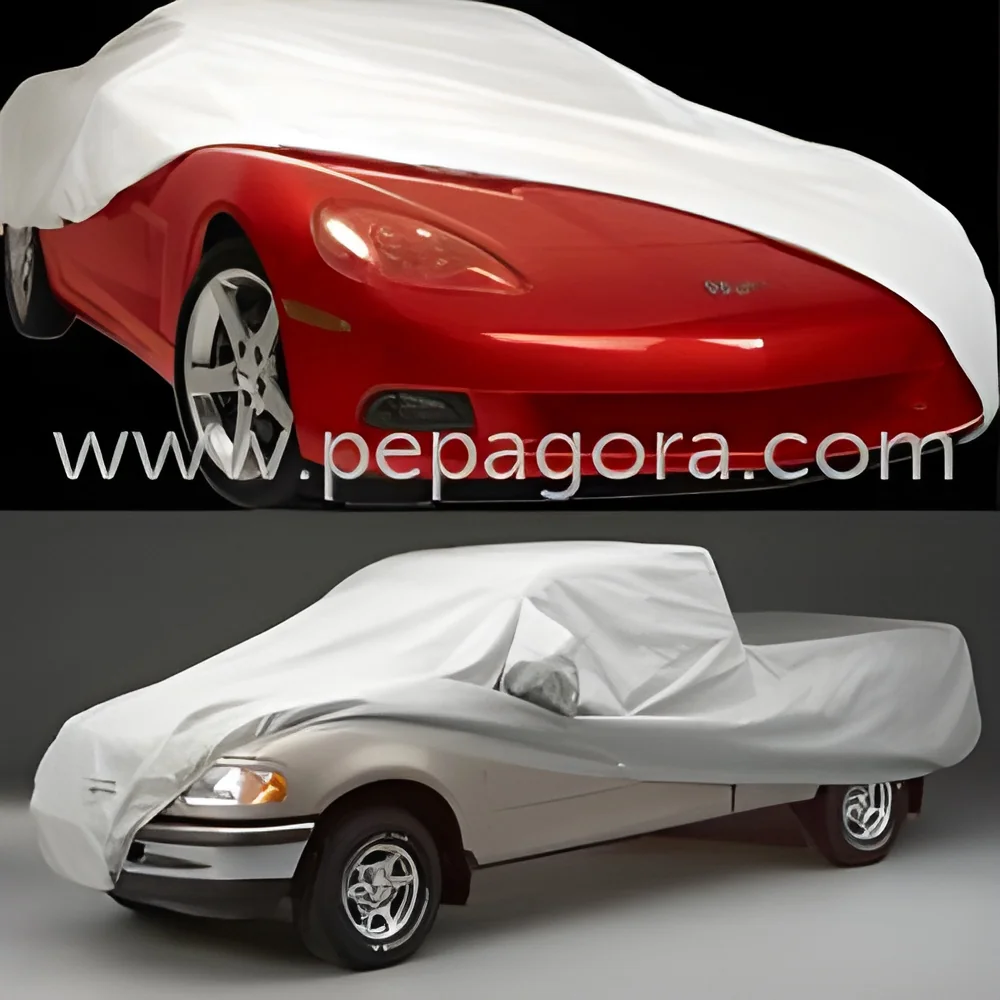
1. Automotive: In the automotive industry, Other Fabric is used for interior upholstery, insulation, and protective coverings. Its lightweight and durable properties contribute to vehicle efficiency and safety.
2. Aerospace: Aerospace applications benefit from high-performance fabrics that offer lightweight strength and resistance to extreme conditions. These fabrics are used in aircraft interiors, components, and protective gear.
3. Medical: In the medical field, Other Fabric is used for surgical gowns, drapes, and sterilization wraps. The fabrics' properties, such as fluid resistance and breathability, are essential for patient safety.
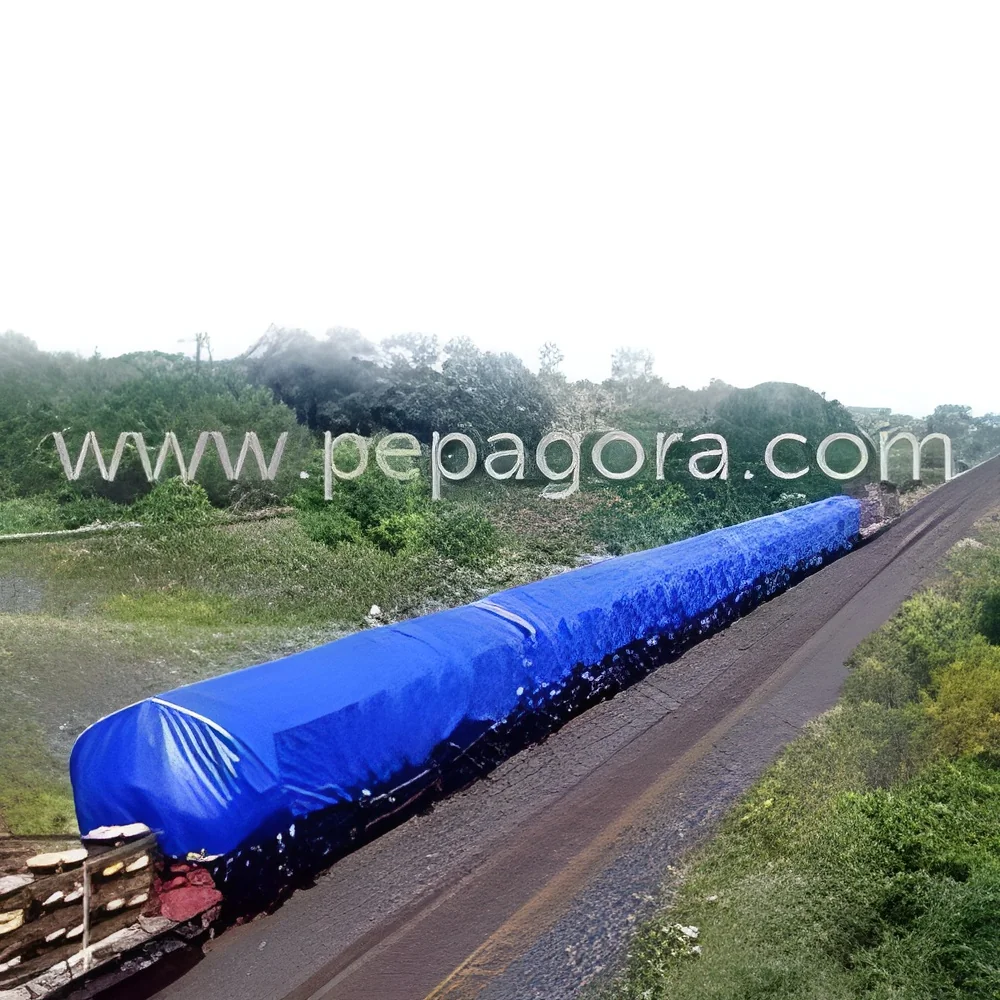
4. Construction: Construction materials often incorporate Other Fabric for applications such as geotextiles, which reinforce soil and prevent erosion. These fabrics also provide moisture barriers and insulation in building projects.
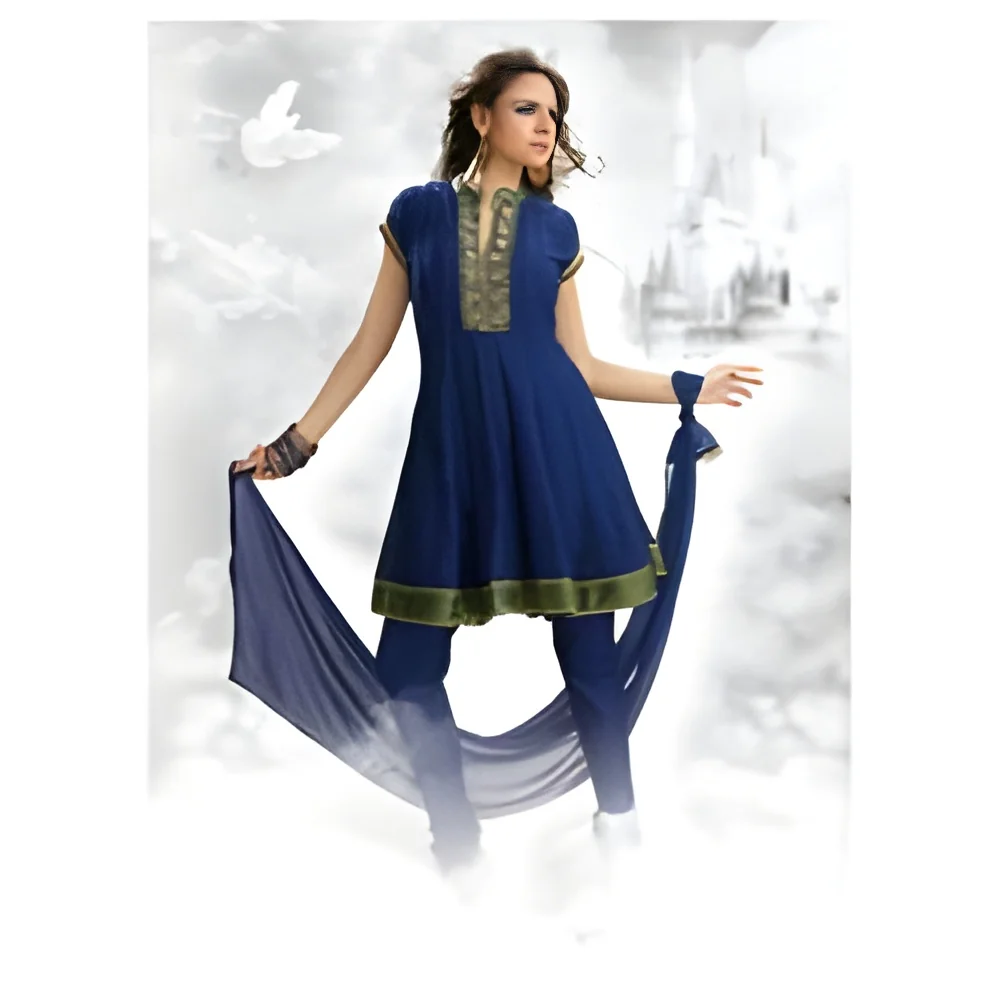
5. Sports and Outdoor Gear: The sports industry relies on Other Fabric for high-performance apparel and gear, including moisture-wicking and breathable textiles that enhance comfort and functionality.
6. Home Textiles: Other Fabric finds applications in home textiles, such as curtains and upholstery, where unique aesthetics and durability are required.
7. Protective Clothing: Industries that require protective gear, such as firefighting or hazardous materials handling, utilize Other Fabric for its flame-retardant and chemical-resistant properties.
Product Variants and Subcategories
Other Fabric encompasses a range of variants designed to meet specific needs across different markets. While subcategories are not specified, the diversity of Other Fabric allows for tailored solutions.
Composite Fabric: This variant combines multiple fabric types to enhance strength, durability, and functionality. It is widely used in aerospace and automotive applications.
Non-Woven Fabric: Produced without traditional weaving methods, non-woven fabrics are often used in medical and hygiene products due to their lightweight and disposable nature.
Performance Fabric: Engineered for specific functionalities, performance fabrics include moisture-wicking, UV-resistant, and flame-retardant options. These are popular in sportswear and outdoor equipment.
Technical Fabric: Designed for industrial applications, technical fabrics offer specialized properties such as chemical resistance and high tensile strength. They are used in sectors like construction and manufacturing.
Benefits and Advantages
Sourcing Other Fabric provides numerous benefits that can enhance product performance and meet specific industry needs.
1. Versatility: Other Fabric can be tailored for a wide range of applications, making it suitable for various industries.
2. Enhanced Durability: Many Other Fabrics are designed to withstand harsh conditions, providing longevity in demanding environments.
3. Customization Options: Businesses can often work with manufacturers to create custom fabric solutions that meet unique specifications.
4. Cost-Effectiveness: By selecting the right type of Other Fabric, companies can achieve better performance at a competitive price point.
5. Compliance with Standards: Many Other Fabrics are produced in compliance with industry standards, ensuring safety and quality.
6. Innovation Potential: The ongoing development of new materials and technologies in the Other Fabric category opens doors for innovation in product design.
Buying Guide for B2B Buyers
When sourcing Other Fabric, it is important for businesses to consider several key factors to ensure they make the right choice.
1. Quality Assessment: Assess the quality of the fabric based on its specifications and intended use. Look for certifications and test results that validate performance claims.
2. Supplier Verification: Vet suppliers by checking their reputation, production capabilities, and history of compliance with industry standards. A reliable supplier is crucial for consistent quality.
3. Pricing and MOQ: Understand the pricing structure and minimum order quantities (MOQ) required by suppliers. This helps in budgeting and ensures that procurement aligns with production needs.
4. Delivery and Lead Times: Consider the logistics involved in sourcing Other Fabric. Evaluate suppliers' ability to meet delivery schedules and their lead times for production.
5. Compliance Requirements: Ensure that the fabric meets any applicable regulatory and compliance standards relevant to your industry. This may include certifications for safety, environmental impact, and usability.
Compliance and Certifications
Compliance and certifications are crucial considerations when sourcing Other Fabric. Many fabrics adhere to relevant quality standards such as ISO 9001, which ensures consistent quality management systems.
Industry certifications like CE indicate that the fabric meets European safety, health, and environmental protection standards.
Additionally, safety and testing requirements are often in place to guarantee the fabric's performance in specific applications. For example, flame retardancy or chemical resistance may need to be tested.
Regional compliance considerations are also important, as regulations can vary by market. Understanding these requirements ensures that the fabric is suitable for its intended use and meets all necessary legal standards.
Why Source Other Fabric from Pepagora?
Pepagora provides a trusted platform for sourcing Other Fabric, offering several key advantages to B2B buyers.
Verified Supplier Network: Pepagora ensures that all suppliers are thoroughly vetted, providing buyers with confidence in the quality and reliability of their products.
Streamlined RFQ Process: The quotation system simplifies the procurement process, allowing buyers to easily request quotes from multiple suppliers and compare options.
Trade Assurance and Support: Buyers are protected through trade assurance programs that ensure product quality and on-time delivery, providing peace of mind during transactions.
Regional Coverage: Pepagora serves a wide geographic area, including India, the Gulf Cooperation Council (GCC) countries, and Southeast Asia. This broad reach allows buyers to access a diverse range of Other Fabric products and suppliers.

 IN
IN