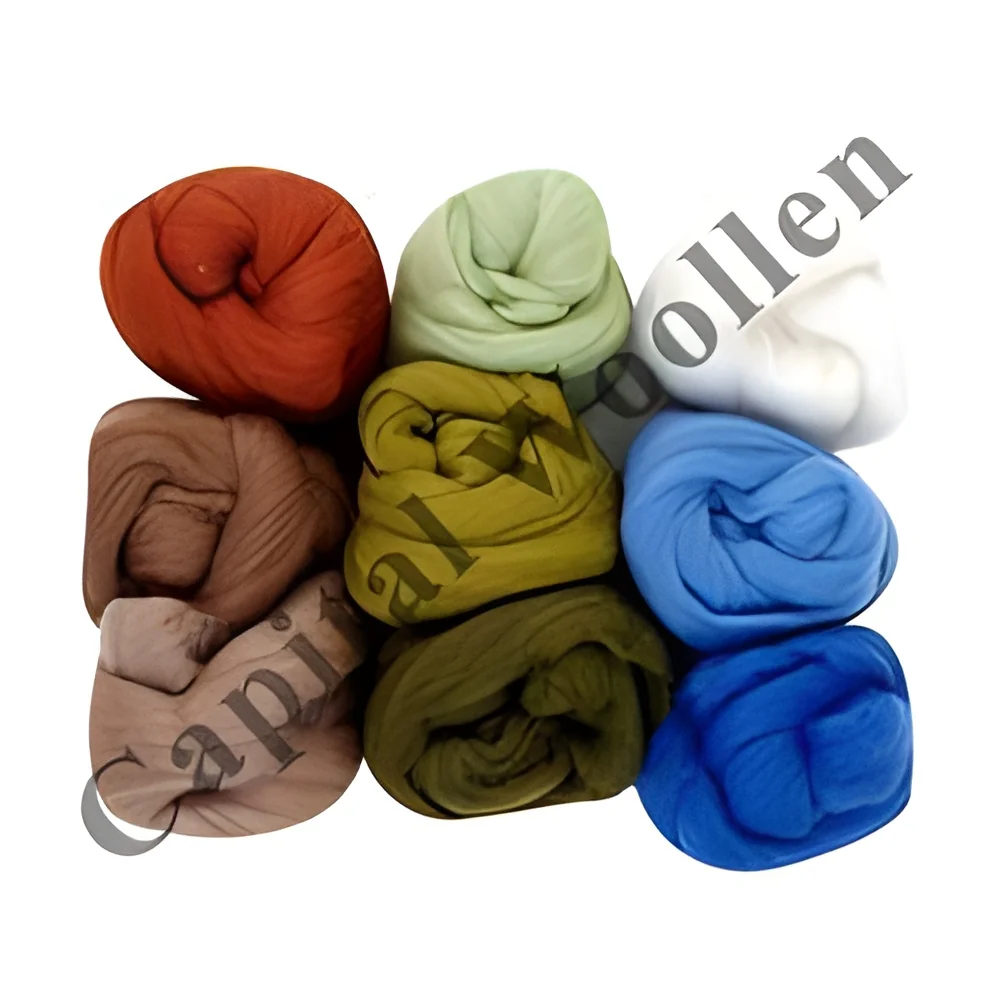
What are Merino Wool Fabric?
Merino wool fabric is a high-quality textile made from the fleece of Merino sheep, renowned for its softness, durability, and excellent thermal regulation. This natural fiber is finer than traditional wool, resulting in a softer feel against the skin. Merino wool is celebrated for its ability to wick moisture away from the body while retaining warmth, making it an ideal choice for various applications in both cold and warm climates.
In the B2B context, Merino wool fabric is widely used in the production of apparel, outdoor gear, and home textiles. Its unique properties make it suitable for industries such as fashion, sportswear, and outdoor equipment manufacturing. Businesses leverage Merino wool for its comfort, breathability, and performance characteristics, which are essential for creating functional and stylish products that meet consumer demands.
As industries continue to seek sustainable and high-performance materials, Merino wool fabric holds significant market relevance. Its natural origins and eco-friendly attributes align with the growing preference for sustainable textiles, making it a popular choice among manufacturers looking to enhance their product offerings.
Key Features and Specifications
Merino wool fabric is characterized by a range of features that set it apart from other textiles. Understanding these specifications is crucial for businesses looking to incorporate this material into their products.
Key specifications include:
1. Fiber Diameter
- Merino wool fibers typically range from 15 to 25 microns in diameter.
- Finer fibers provide increased softness and comfort.
2. Moisture Management
- Merino wool has excellent moisture-wicking properties.
- It can absorb up to 30% of its weight in moisture without feeling wet.
3. Thermal Regulation
- The fabric provides warmth in cold conditions and coolness in warm conditions.
- This is due to the natural crimp of the fibers, which creates insulating air pockets.
4. Odor Resistance
- Merino wool fibers contain lanolin, which helps reduce odor buildup.
- This makes the fabric ideal for activewear and long-term wear.
5. Durability
- Despite its softness, Merino wool is strong and resilient.
- It can withstand regular wear and washing without losing its shape.
6. Biodegradability
- Being a natural fiber, Merino wool is fully biodegradable.
- This aligns with sustainable production practices.
7. Flame Resistance
- Merino wool has inherent flame-resistant properties.
- It does not melt or drip when exposed to flames.
8. Color Retention
- The natural fibers hold dye well, resulting in vibrant colors.
- This enhances the aesthetic appeal of the final product.
In summary, Merino wool fabric combines functionality with sustainability, making it a valuable choice for various industrial applications.
Common Applications and Use Cases
Merino wool fabric serves a diverse range of industries due to its unique characteristics.
1. Apparel: Merino wool is commonly used in the production of high-performance clothing, such as base layers, socks, and sweaters. Its moisture-wicking and thermal properties make it ideal for both casual and active wear.
2. Outdoor Gear: Manufacturers of jackets, sleeping bags, and other outdoor equipment often utilize Merino wool for its durability and temperature regulation. This fabric enhances the performance of outdoor gear in varying weather conditions.
3. Sportswear: The athletic industry benefits from Merino wool's odor resistance and moisture management, making it a popular choice for sports jerseys and workout clothing.
4. Home Textiles: Merino wool is also found in blankets, throws, and upholstery, providing warmth and comfort in residential settings.
5. Fashion: Designers incorporate Merino wool in luxury garments due to its softness and versatility, appealing to consumers seeking high-quality fashion items.
6. Uniforms: The corporate apparel sector uses Merino wool for uniforms, as it offers a professional appearance along with comfort and ease of care.
7. Footwear: Many brands utilize Merino wool in socks and insoles for its temperature regulation and cushioning properties, enhancing overall comfort for the wearer.
Product Variants and Subcategories
Merino wool fabric is available in various forms to meet specific industry needs.
Lightweight Merino Wool
This variant is perfect for layering and is often used in activewear. It provides breathability and comfort without bulkiness, making it ideal for outdoor activities.
Midweight Merino Wool
This version strikes a balance between warmth and weight, suitable for versatile clothing options such as sweaters and jackets. It provides sufficient insulation while remaining breathable.
Heavyweight Merino Wool
Designed for colder conditions, heavyweight Merino wool is used in products that require maximum thermal protection, like winter coats and heavy blankets. It offers superior warmth and durability.
Blended Merino Wool
Combining Merino wool with synthetic fibers enhances specific performance features. This variant is often used in athletic wear for improved stretch and moisture management.
Benefits and Advantages
Merino wool fabric offers numerous advantages that cater to the needs of businesses and end-users.
Key benefits include:
1. Comfort: The fine fibers of Merino wool provide a soft and comfortable feel against the skin, making it suitable for all-day wear.
2. Versatility: With its range of weights and blends, Merino wool can be adapted for various applications, from casual wear to high-performance outdoor gear.
3. Eco-Friendliness: As a natural fiber, Merino wool is biodegradable and renewable, aligning with the sustainable practices of modern consumers.
4. Performance: The fabric excels in moisture-wicking and temperature regulation, making it ideal for active lifestyles and diverse climates.
5. Durability: Merino wool is resilient and can withstand repeated use and laundering, ensuring longevity in products.
6. Easy Care: Many Merino wool fabrics are machine washable and resistant to wrinkling, simplifying maintenance for end-users.
Buying Guide for B2B Buyers
When sourcing Merino wool fabric, it is essential for businesses to consider several key factors to ensure they make informed purchasing decisions.
1. Quality Assessment: Look for high-quality fibers with a fine diameter for maximum comfort. Consider the fabric's weight and construction to ensure it meets the intended application.
2. Supplier Verification: Vet suppliers by checking their credentials, product reviews, and production practices. A reliable supplier should have a proven track record in delivering quality materials.
3. Pricing and MOQ: Understand the price range for Merino wool fabric and inquire about minimum order quantities to align with your production needs and budget.
4. Delivery and Lead Times: Clarify logistics and expected delivery times to ensure timely receipt of materials, which is critical for production schedules.
5. Compliance Requirements: Be aware of any industry-specific regulations or standards that apply to Merino wool fabric, including safety and environmental considerations.
Compliance and Certifications
Merino wool fabric is subject to various quality standards and certifications that ensure its safety and performance in industrial applications.
Relevant quality standards include ISO 9001, which focuses on maintaining quality management systems. This standard is essential for manufacturers to demonstrate consistent quality in their processes.
Industry certifications such as CE signify that the fabric meets European safety standards, assuring buyers of its safety and reliability.
Safety and testing requirements are crucial in ensuring that Merino wool fabric is free from harmful substances and meets performance expectations. Regular testing helps maintain compliance with industry standards.
Regional compliance considerations may vary, so businesses should ensure that their suppliers adhere to local regulations where the fabric will be used or sold, ensuring broader market acceptance.
Why Source Merino Wool Fabric from Pepagora?
Pepagora provides a trusted platform for sourcing Merino wool fabric, offering several key advantages to B2B buyers looking for reliable materials.
Verified Supplier Network: Pepagora has established a network of verified suppliers, ensuring that buyers can access high-quality Merino wool fabric from reputable sources. This mitigates risks associated with supplier reliability.
Streamlined RFQ Process: The platform features a user-friendly request for quotation (RFQ) system, allowing businesses to easily compare offers from multiple suppliers. This efficiency aids in making informed purchasing decisions.
Trade Assurance and Support: Pepagora offers trade assurance, providing buyers with protection throughout the transaction process. This includes support for resolving any issues that may arise, ensuring a smooth procurement experience.
Regional Coverage: With a strong presence in regions like India, the GCC, and Southeast Asia, Pepagora enables businesses to source Merino wool fabric locally or internationally, catering to diverse market needs.

 IN
IN