
 IN
INCotton, Linen, Wool, Silk, Rayon
519 products available
𝗪𝗵𝗮𝘁 𝗮𝗿𝗲 𝗖𝗼𝘁𝘁𝗼𝗻, 𝗟𝗶𝗻𝗲𝗻, 𝗪𝗼𝗼𝗹, 𝗦𝗶𝗹𝗸, 𝗥𝗮𝘆𝗼𝗻?
𝗞𝗲𝘆 𝗙𝗲𝗮𝘁𝘂𝗿𝗲𝘀 𝗮𝗻𝗱 𝗦𝗽𝗲𝗰𝗶𝗳𝗶𝗰𝗮𝘁𝗶𝗼𝗻𝘀
𝗖𝗼𝗺𝗺𝗼𝗻 𝗔𝗽𝗽𝗹𝗶𝗰𝗮𝘁𝗶𝗼𝗻𝘀 𝗮𝗻𝗱 𝗨𝘀𝗲 𝗖𝗮𝘀𝗲𝘀
𝗣𝗿𝗼𝗱𝘂𝗰𝘁 𝗩𝗮𝗿𝗶𝗮𝗻𝘁𝘀 𝗮𝗻𝗱 𝗦𝘂𝗯𝗰𝗮𝘁𝗲𝗴𝗼𝗿𝗶𝗲𝘀
𝗕𝗲𝗻𝗲𝗳𝗶𝘁𝘀 𝗮𝗻𝗱 𝗔𝗱𝘃𝗮𝗻𝘁𝗮𝗴𝗲𝘀
𝗕𝘂𝘆𝗶𝗻𝗴 𝗚𝘂𝗶𝗱𝗲 𝗳𝗼𝗿 𝗕𝟮𝗕 𝗕𝘂𝘆𝗲𝗿𝘀
𝗖𝗼𝗺𝗽𝗹𝗶𝗮𝗻𝗰𝗲 𝗮𝗻𝗱 𝗖𝗲𝗿𝘁𝗶𝗳𝗶𝗰𝗮𝘁𝗶𝗼𝗻𝘀
𝗪𝗵𝘆 𝗦𝗼𝘂𝗿𝗰𝗲 𝗖𝗼𝘁𝘁𝗼𝗻, 𝗟𝗶𝗻𝗲𝗻, 𝗪𝗼𝗼𝗹, 𝗦𝗶𝗹𝗸, 𝗥𝗮𝘆𝗼𝗻 𝗳𝗿𝗼𝗺 𝗣𝗲𝗽𝗮𝗴𝗼𝗿𝗮?

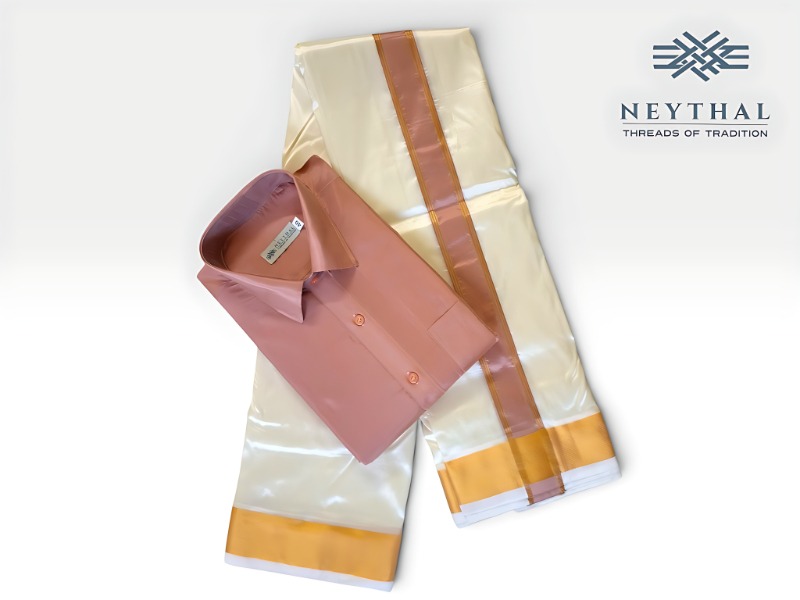


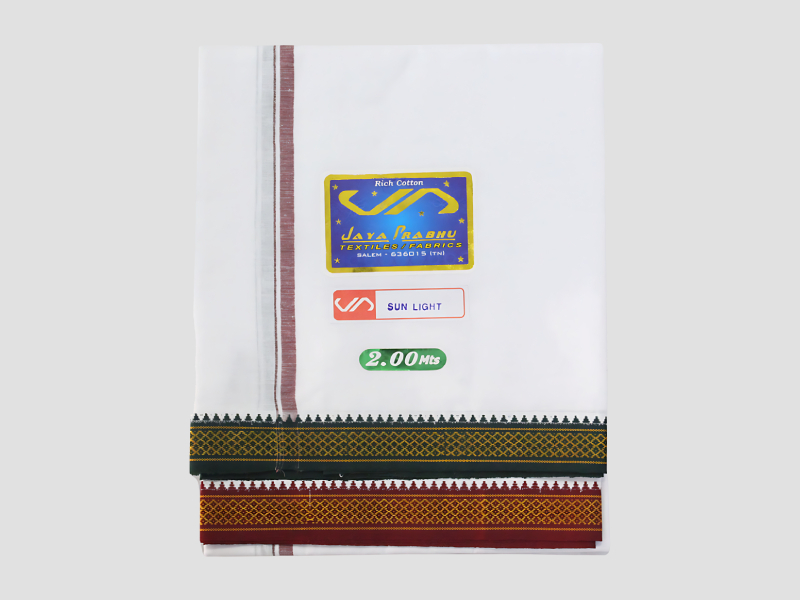
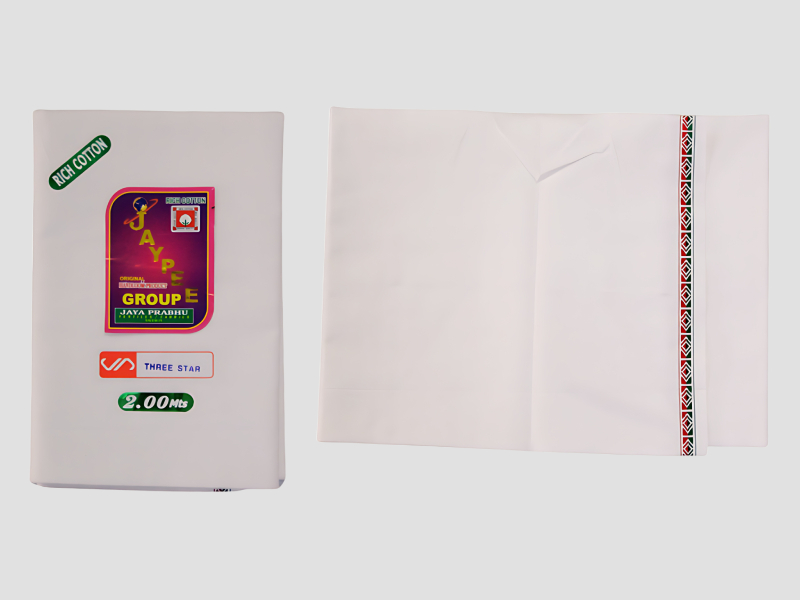
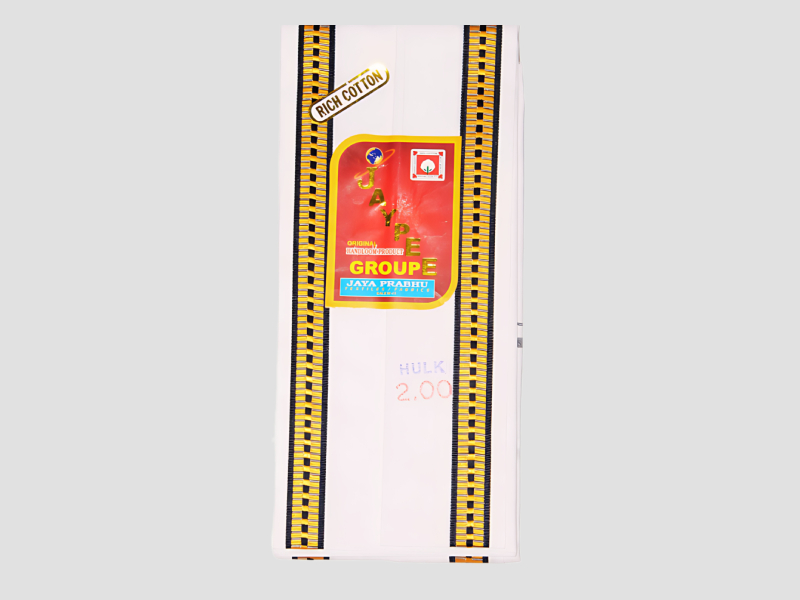
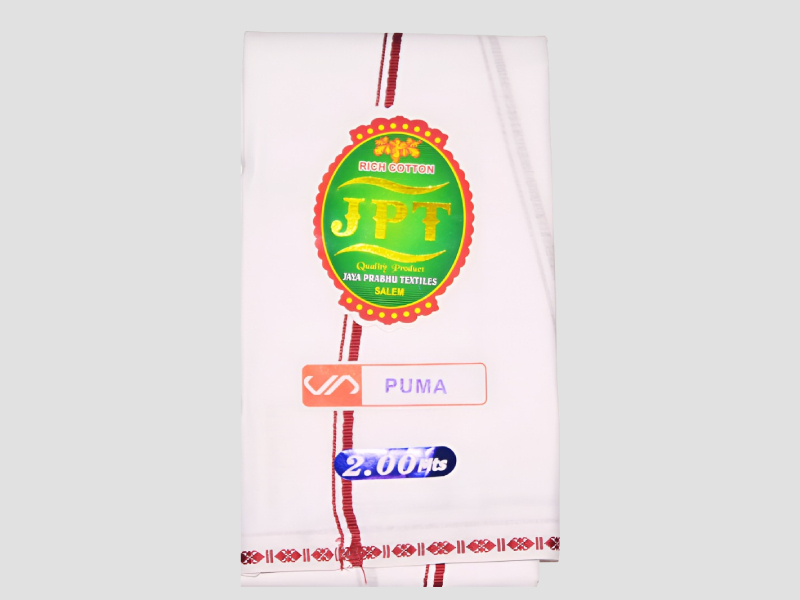
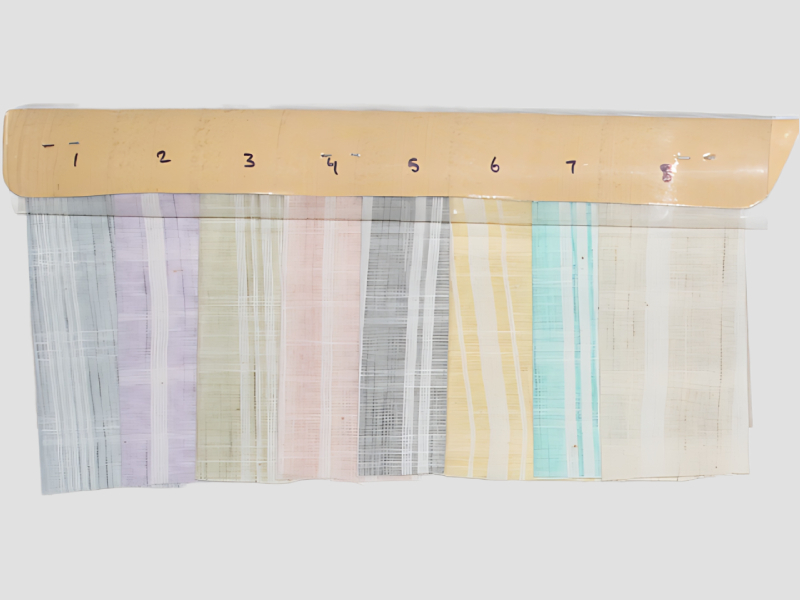
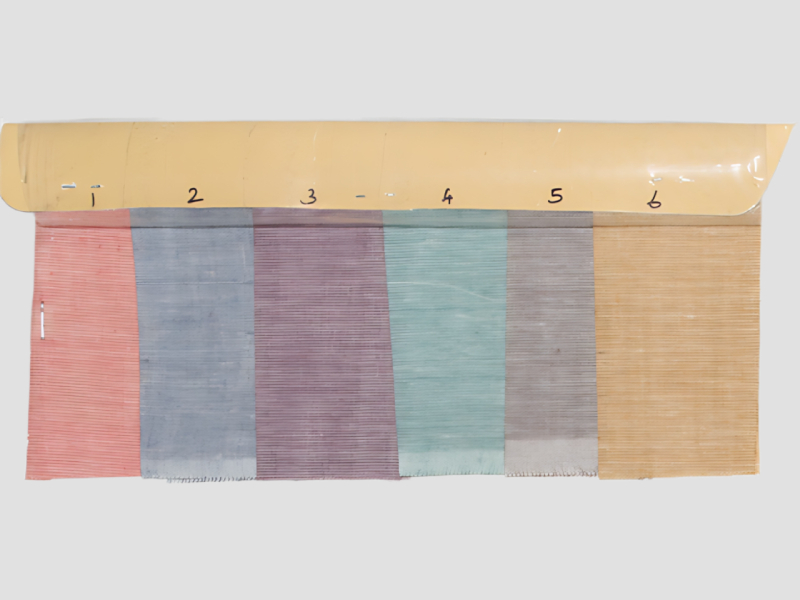
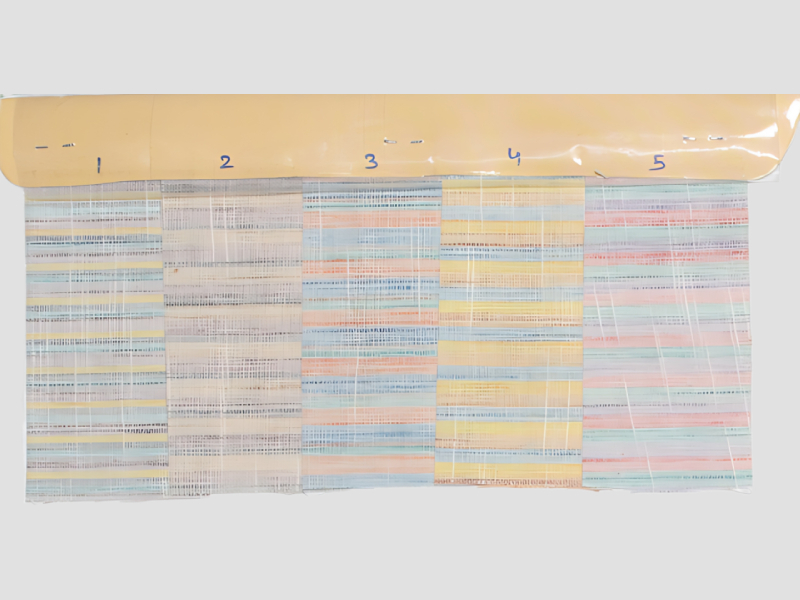
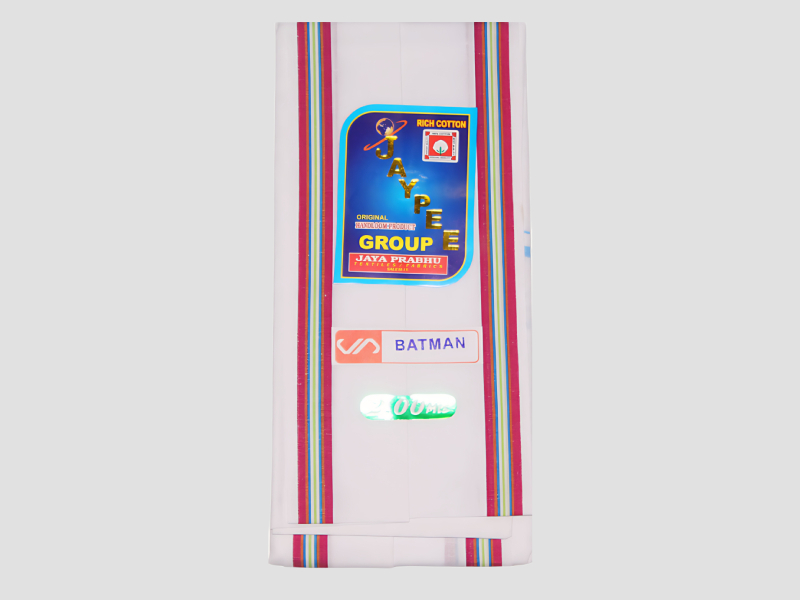
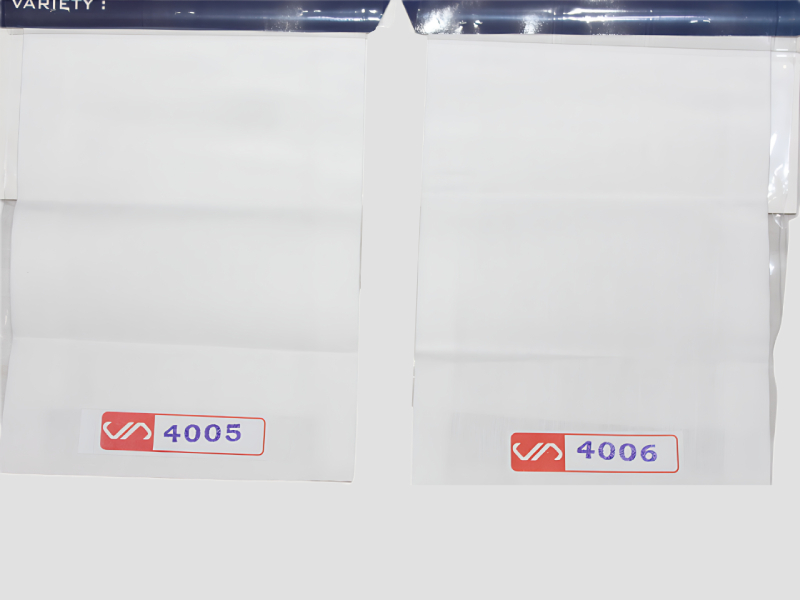
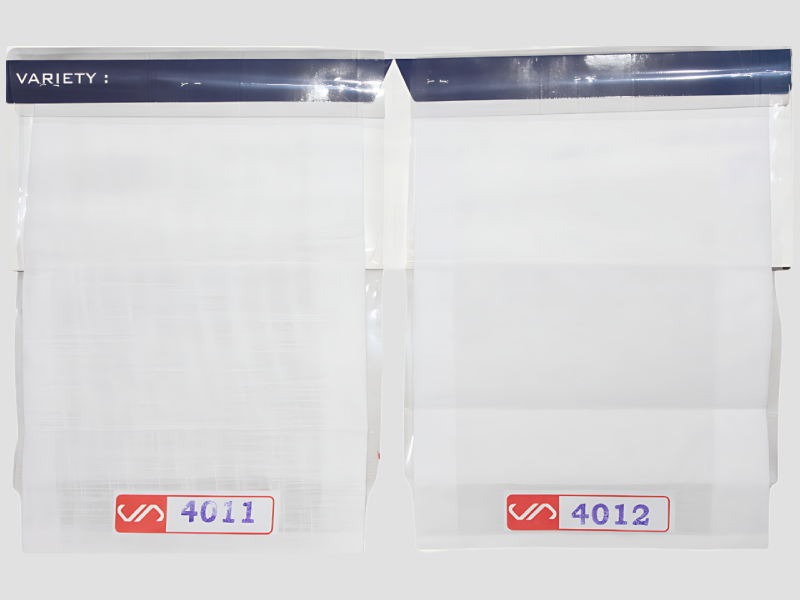
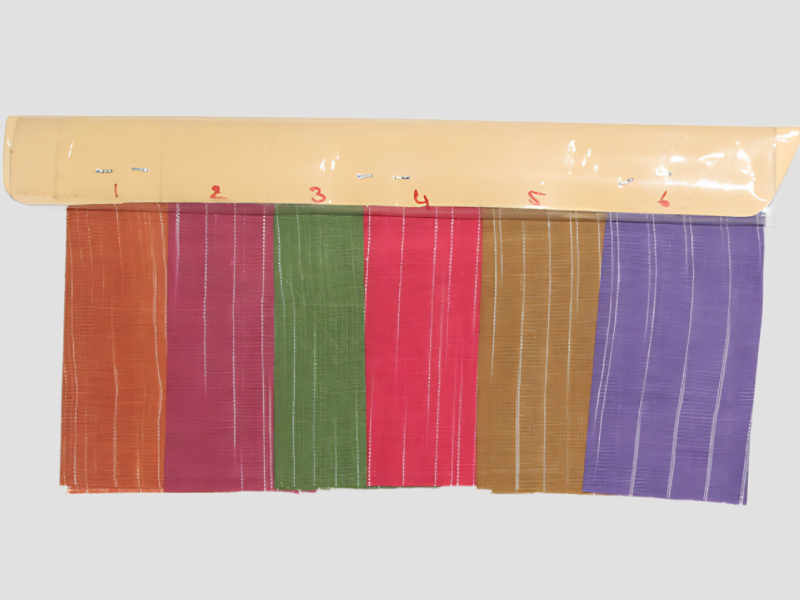
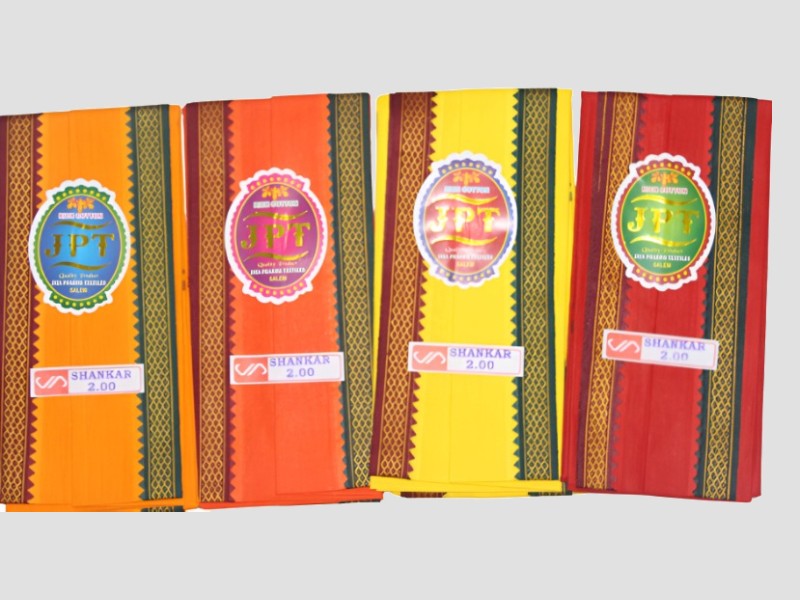
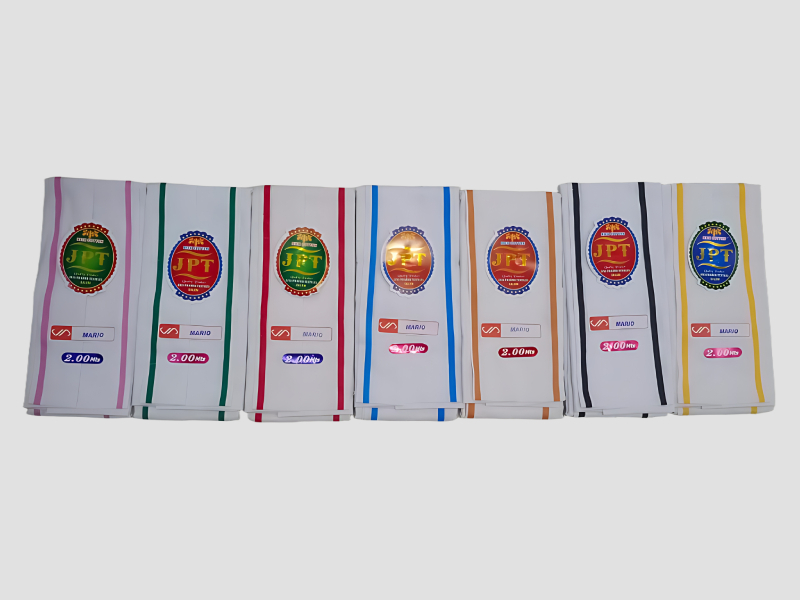
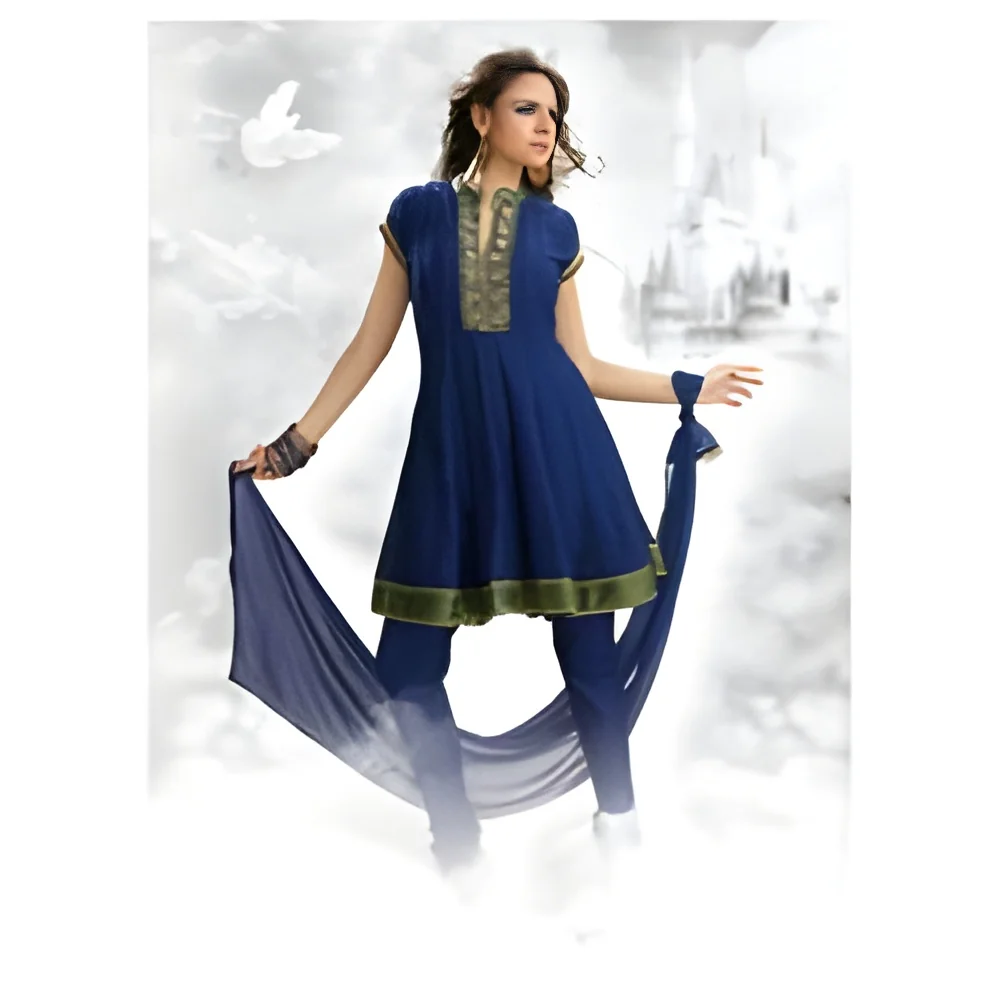
Puma Cotton Dhupatta 2 Meter Thin Woven Border
In Stock
Min. order :1 Meter

Jaya Prabhu Textiles
India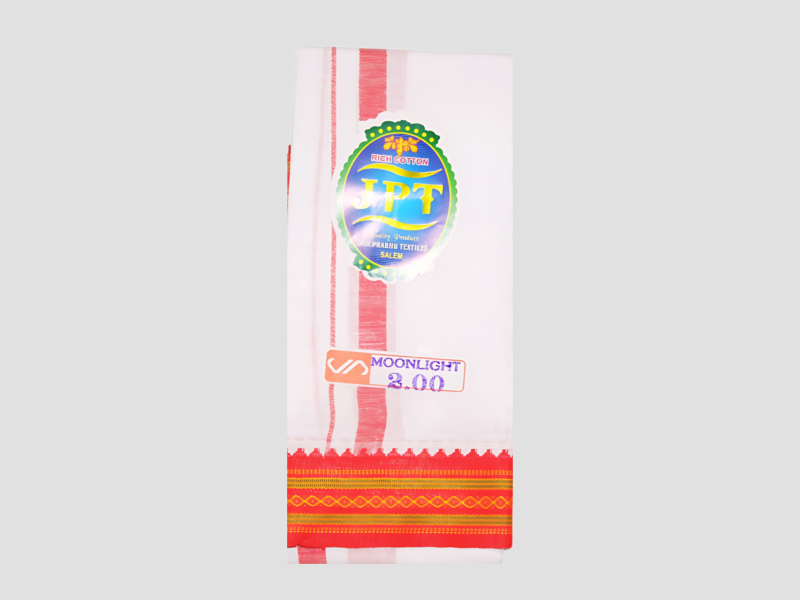
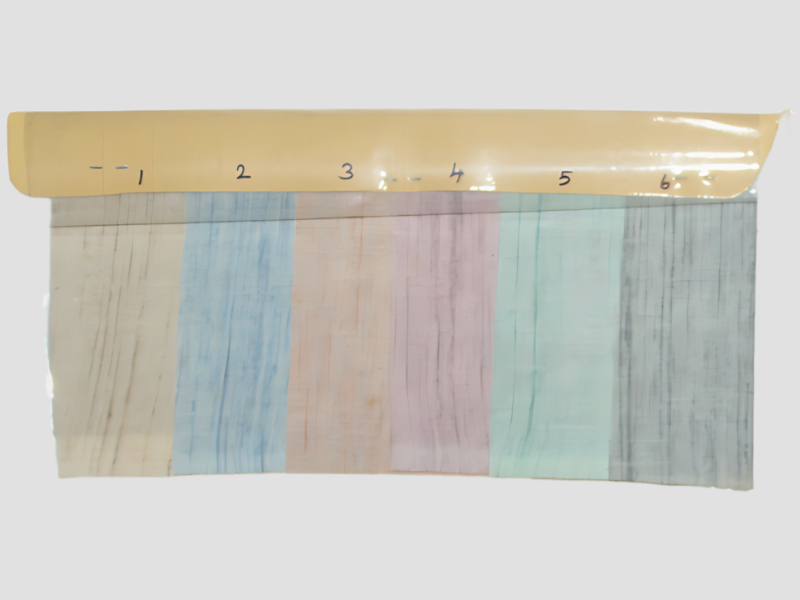
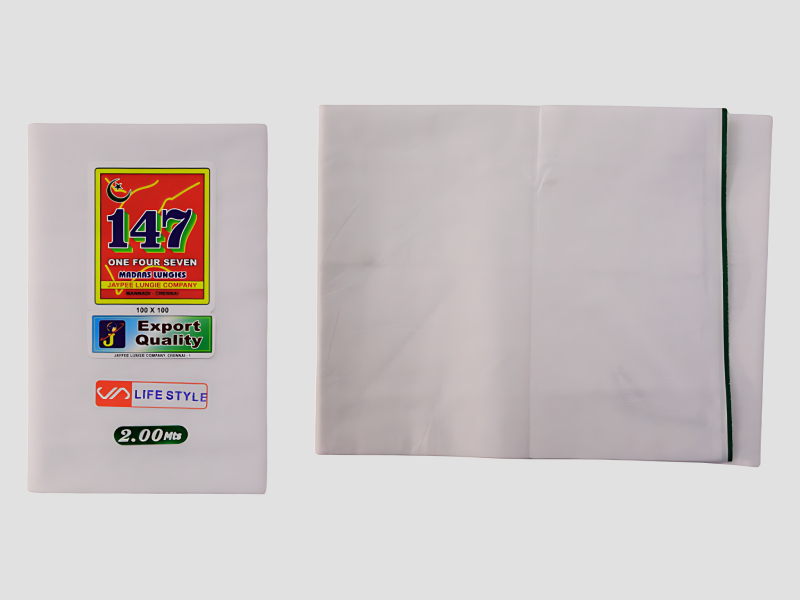
Moonlight Cotton Dhupatta 2 Meter Woven Border
In Stock
Min. order :1 Meter
Jaya Prabhu Textiles
India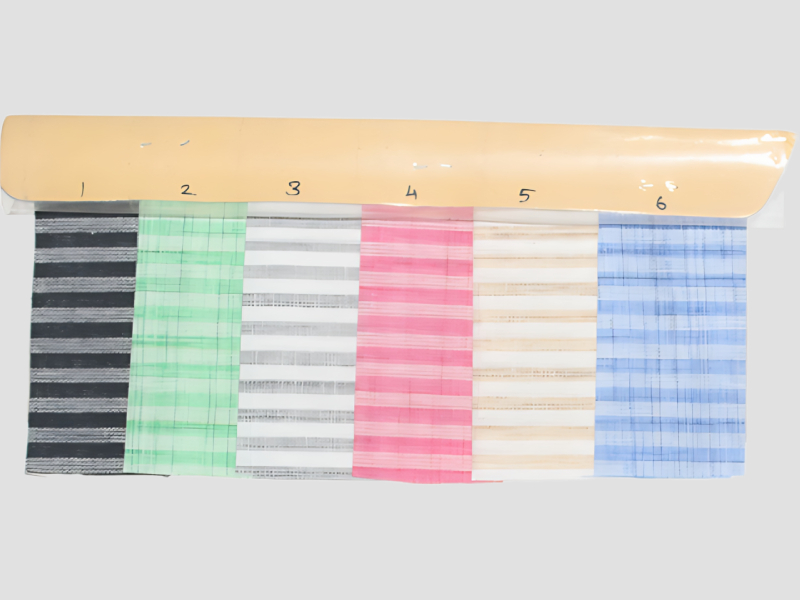










Frequently Asked Questions
What are Cotton, Linen, Wool, Silk, Rayon?
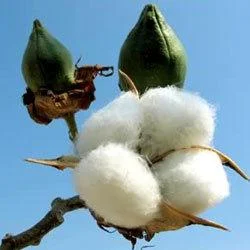
Cotton, Linen, Wool, Silk, and Rayon are natural and semi-synthetic fibers used extensively in the textile industry. Cotton is a soft, breathable fiber derived from the cotton plant; Linen is made from the flax plant and is known for its strength and absorbency. Wool is obtained from sheep and is valued for its warmth, while Silk is a luxurious fiber produced by silkworms. Rayon is a man-made fiber made from regenerated cellulose and offers a silk-like feel.
What are the different types of Cotton, Linen, Wool, Silk, Rayon?
There are several types of Cotton, including Pima, Egyptian, and Organic Cotton, each varying in quality and texture. Linen types vary based on the processing method, such as pure linen or linen blends. Wool can be categorized into Merino, Cashmere, and Alpaca, among others. For Silk, varieties include Mulberry, Tussah, and Noil, while Rayon can be classified into Viscose, Modal, and Lyocell.
How do I choose the right Cotton, Linen, Wool, Silk, Rayon?
When selecting Cotton, Linen, Wool, Silk, or Rayon, consider factors such as the intended use, comfort, and durability. For clothing, lightweight fabrics are preferable, while heavier options may suit home textiles. Additionally, check for certifications like organic or sustainable practices to ensure quality and ethical sourcing.
What are the standard specifications for Cotton, Linen, Wool, Silk, Rayon?
Standard specifications for these fabrics include fiber content, thread count, weight (measured in GSM), and weave type. For example, cotton fabrics are often specified by their thread count, while linen may be evaluated based on its weight and texture. Each fiber has unique characteristics that affect its performance and suitability for different applications.
What is the price range for Cotton, Linen, Wool, Silk, Rayon?
The price range for Cotton, Linen, Wool, Silk, and Rayon varies widely based on quality, type, and market demand. Generally, Cotton can range from $1 to $10 per yard, while Linen may cost between $5 to $20. Wool and Silk tend to be more expensive, with prices ranging from $10 to over $50, depending on the grade. Rayon is typically priced between $5 to $15 per yard.
What quality standards apply to Cotton, Linen, Wool, Silk, Rayon?
Quality standards for these fibers include measures for colorfastness, shrinkage, and tensile strength. Organizations like the American Society for Testing and Materials (ASTM) provide guidelines to ensure consistency and reliability in fabric quality. Certifications such as OEKO-TEX® Standard 100 also help in identifying textiles free from harmful substances.
Where can I find Cotton, Linen, Wool, Silk, Rayon suppliers in India?
Cotton, Linen, Wool, Silk, and Rayon suppliers in India can be found through B2B marketplaces like Pepagora.com, trade fairs, and industry directories. Networking with manufacturers and attending textile exhibitions can also provide access to reputable suppliers. It's advisable to verify credentials and quality before establishing a partnership.
Can Cotton, Linen, Wool, Silk, Rayon be customized?
Yes, Cotton, Linen, Wool, Silk, and Rayon fabrics can often be customized in terms of color, design, and texture. Many manufacturers offer services for dyeing, printing, and finishing to meet specific requirements. Customization options may vary, so it is essential to discuss your needs with the supplier.
What is the typical minimum order quantity for Cotton, Linen, Wool, Silk, Rayon?
The typical minimum order quantity (MOQ) for Cotton, Linen, Wool, Silk, and Rayon can vary significantly based on the supplier and product type. Generally, MOQs range from 50 to 100 meters for fabrics, but some suppliers may offer lower quantities for sample orders. It's best to inquire directly with the supplier for their specific requirements.
What is the typical lead time for Cotton, Linen, Wool, Silk, Rayon?
The typical lead time for Cotton, Linen, Wool, Silk, and Rayon orders can range from 2 to 6 weeks, depending on factors such as order size, customization, and supplier location. For bulk orders or customized items, it is advisable to confirm the lead time with the supplier at the time of order placement. Timely communication can help avoid delays in delivery.
Why Businesses Trust Pepagora
Thousands of companies trust Pepagora to source smarter and sell faster
Expand Your Sales Globally

Source Smarter,Grow Faster
