What are Pure Linen Fabric?
Pure linen fabric is derived from the fibers of the flax plant. It is known for its natural strength, durability, and breathability. The process of transforming flax fibers into linen involves harvesting, retting, and spinning, resulting in a fabric that is both luxurious and practical. Linen has a distinctive texture and a slight sheen, which enhances its aesthetic appeal.
In terms of applications, pure linen fabric is widely used in various sectors including fashion, home textiles, and industrial products. It is favored for its moisture-wicking properties, making it an excellent choice for clothing and linens. Businesses often utilize linen in high-end apparel, tablecloths, and beddings, where quality and comfort are paramount. The textile's eco-friendly attributes also contribute to its growing popularity in sustainable fashion trends, aligning with market demands for environmentally responsible products.
The relevance of pure linen fabric in today’s market is significant. As consumers increasingly seek sustainable and natural materials, linen’s reputation as a premium textile positions it well within the industry. Moreover, the rising interest in heritage and artisanal products has led to a resurgence in linen’s popularity, making it a valuable material for businesses aiming to cater to discerning customers.
Key Features and Specifications
Pure linen fabric is characterized by several key features that enhance its appeal to businesses and consumers alike. These specifications help buyers understand the quality and suitability of the fabric for various applications.
Key specifications include:
1. Fiber Content
- Made from 100% flax fibers
- Natural and biodegradable
2. Weight
- Typically ranges from 140 to 300 GSM (grams per square meter)
- Heavier weights offer more durability
3. Weave Type
- Commonly woven in plain or twill patterns
- Different weaves affect texture and drape
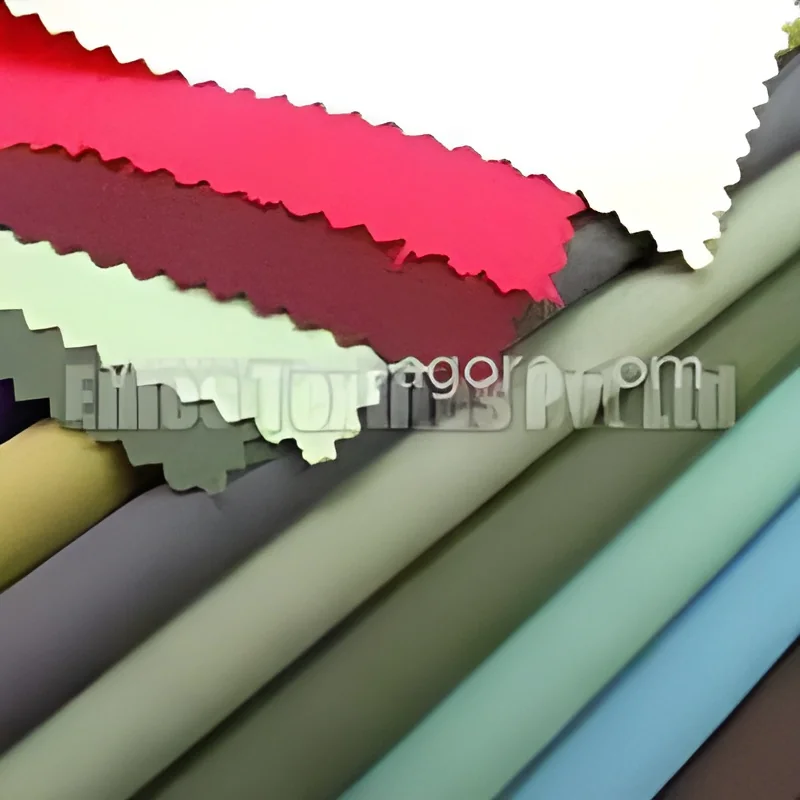
4. Color Options
- Available in a wide range of natural and dyed colors
- Custom dyeing options may be available
5. Breathability
- Highly breathable, allowing for comfortable wear
- Excellent moisture-wicking properties
6. Care Instructions
- Generally machine washable but may require gentle cycles
- Can be ironed at high temperatures for a crisp finish
7. Environmental Impact
- Flax production requires less water compared to cotton
- Fully recyclable and compostable
The unique features of pure linen fabric make it a versatile choice, suitable for a variety of applications while promoting sustainability.
Common Applications and Use Cases
Pure linen fabric finds its way into numerous industries due to its desirable properties.
1. Fashion Industry: Designers often use pure linen for summer collections, creating lightweight garments that are breathable and comfortable.
2. Home Textiles: Linen is popular for table linens, curtains, and bed sheets, where its natural look and feel enhance home aesthetics.
3. Hospitality Sector: Many hotels and restaurants opt for linen tablecloths and napkins for a luxurious dining experience.
4. Health and Wellness: In the healthcare industry, linen is used for uniforms and bedding due to its hypoallergenic properties.
5. Crafts and DIY Projects: Artisans and crafters utilize linen for upholstery and handmade items, valuing its durability and ease of handling.
6. Eco-Friendly Products: Brands focused on sustainability use pure linen as a key material in their product lines, appealing to environmentally conscious consumers.
7. Industrial Applications: Linen fabric is also used in making durable workwear and uniforms, where strength and comfort are essential.
Product Variants and Subcategories
Pure linen fabric comes in a variety of options to meet specific business needs.
Linen Blend Fabric: This variant combines linen with other fibers such as cotton or polyester. The blend enhances durability and reduces wrinkles, making it ideal for casual wear and everyday use.
Linen Canvas: A heavier variant, linen canvas is often used for bags, upholstery, and outdoor applications. Its robust nature makes it resistant to wear and tear.
Linen Sateen: This variant features a satin weave, giving the fabric a glossy finish. It is commonly used for luxury bedding and high-end fashion pieces.
Linen Muslin: A lightweight option, muslin is often used for linings, crafts, and delicate garments, offering a soft drape and breathability.
Benefits and Advantages
Pure linen fabric offers numerous advantages that make it a preferred choice across various industries.
1. Durability: Linen is one of the strongest natural fibers, providing long-lasting use even under heavy wear.
2. Comfort: The breathability of linen ensures comfort in warm weather, making it suitable for summer clothing and bedding.
3. Eco-Friendly: Linen production has a lower environmental impact compared to many other fabrics, aligning with sustainability goals.
4. Hypoallergenic: Linen is naturally hypoallergenic and resistant to dust mites, making it ideal for sensitive skin.
5. Low Maintenance: Linen fabrics are easy to care for, with resistance to dirt and stains, leading to reduced washing frequency.
6. Timeless Appeal: The luxurious look and feel of linen lend a classic aesthetic to any product, appealing to a broad customer base.
Buying Guide for B2B Buyers
When sourcing pure linen fabric, it is essential for buyers to consider several factors to ensure they make informed decisions.
1. Quality Assessment: Buyers should evaluate the fabric’s fiber content, weight, and weave. High-quality linen should feel sturdy and have a natural sheen.
2. Supplier Verification: It is crucial to vet suppliers by checking their reputation, certifications, and previous client reviews to ensure reliability.
3. Pricing and MOQ: Understand the pricing structure and minimum order quantities. Some suppliers may offer discounts for larger orders.
4. Delivery and Lead Times: Clarify delivery schedules and lead times to ensure timely receipt of materials, which is critical for production planning.
5. Compliance Requirements: Ensure that the fabric meets relevant industry standards and regulations, including safety and environmental compliance.
Compliance and Certifications
Pure linen fabric is subject to various quality standards and certifications that ensure its safety and performance.
ISO 9001 is a widely recognized standard that outlines criteria for a quality management system, ensuring consistent quality in products and services.
CE certification indicates that products meet European safety standards, which is essential for businesses exporting linen to EU markets.
In addition to these certifications, safety and testing requirements must be adhered to, particularly in industries such as healthcare and hospitality where fabric is in direct contact with users.
Regional compliance considerations may also come into play, especially for businesses operating in multiple markets, necessitating an understanding of local regulations regarding textiles.
Why Source Pure Linen Fabric from Pepagora?
Pepagora offers a reliable platform for sourcing pure linen fabric, providing numerous advantages for B2B buyers.
Verified Supplier Network: Pepagora maintains a network of verified suppliers, ensuring that buyers can trust the quality and authenticity of the products offered.
Streamlined RFQ Process: The platform features an efficient request for quotation system, allowing buyers to easily compare prices and specifications across different suppliers.
Trade Assurance and Support: Pepagora provides trade assurance, protecting buyers against potential risks and ensuring a secure purchasing experience.
Regional Coverage: With a strong presence in India, the GCC, and Southeast Asia, Pepagora connects buyers with suppliers across these regions, facilitating easy access to high-quality linen fabric.

 IN
IN