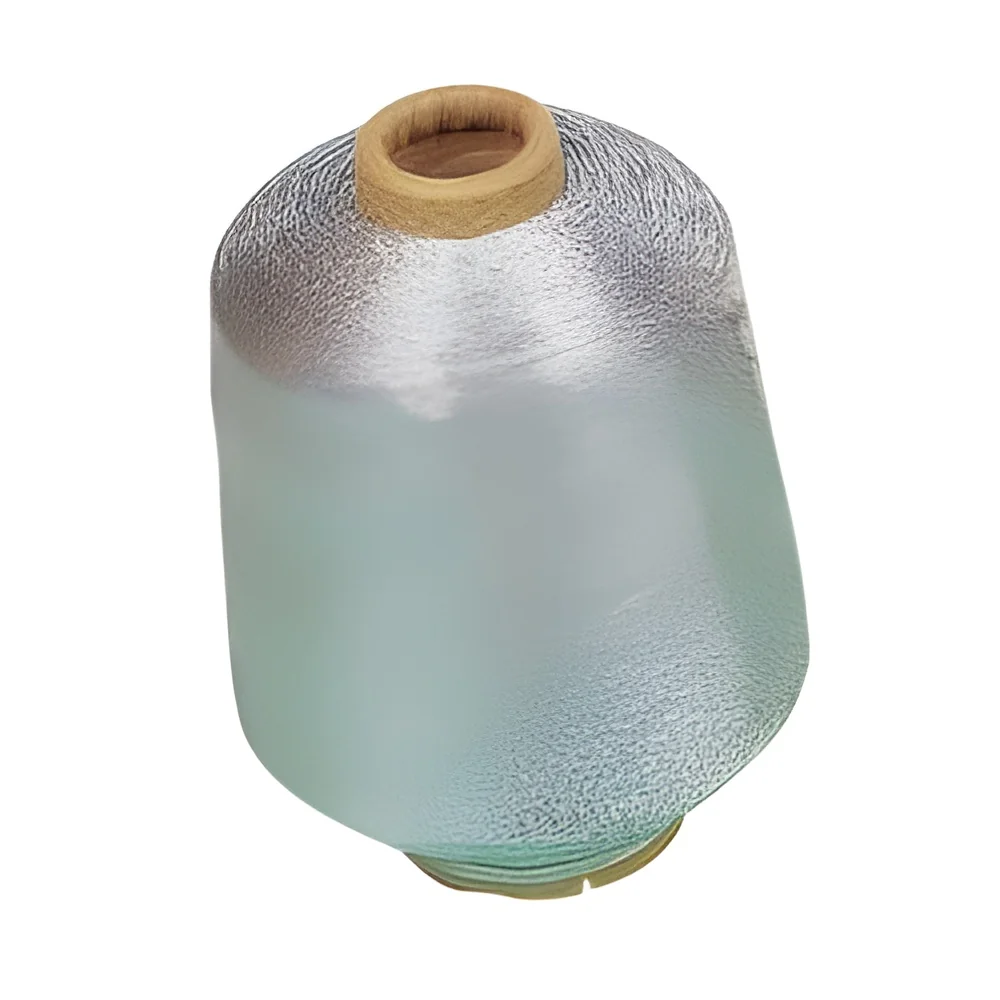
What are Cashmere Wool Fabric?
Cashmere wool fabric is a luxurious textile derived from the soft undercoat fibers of cashmere goats. Known for its exceptional softness, warmth, and lightweight nature, cashmere is a highly sought-after material in the fashion and textile industry. The production of cashmere involves a meticulous process of combing the goats during the molting season, resulting in fibers that are both delicate and durable.
This fabric is primarily used in high-end clothing and accessories, including sweaters, scarves, and coats. Its insulating properties make it ideal for cold weather apparel, while its elegant appearance lends itself well to upscale fashion. Cashmere wool fabric is also increasingly used in home textiles, such as throws and blankets, appealing to consumers looking for comfort and luxury in their living spaces. The relevance of cashmere in the textile market continues to grow, with buyers placing a premium on quality and sustainability.
Key Features and Specifications
Cashmere wool fabric boasts a range of features that contribute to its desirability among consumers and manufacturers alike. Understanding these specifications is crucial for businesses looking to source high-quality cashmere.
Key specifications include:
1. Fiber Diameter
- Cashmere fibers typically range from 14 to 19 microns in diameter.
- The finer the fiber, the softer and more luxurious the fabric.
2. Fabric Weight
- Cashmere wool fabric weight can vary, generally ranging from 200 to 400 grams per square meter.
- Heavier weights are suitable for outerwear, while lighter weights are ideal for layering.
3. Color and Dyeing Options
- Cashmere can be dyed in a wide array of colors, offering versatility in design.
- Natural, eco-friendly dyes are becoming increasingly popular.
4. Durability
- While cashmere is soft, it is also resilient when properly cared for.
- The lifespan of cashmere fabric can be extended with appropriate washing and storage techniques.
5. Moisture Wicking
- Cashmere has natural moisture-wicking properties, keeping the wearer dry and comfortable.
- This feature is particularly advantageous for activewear applications.
6. Insulating Properties
- The fabric provides excellent insulation, making it ideal for colder climates.
- Cashmere can retain heat without being overly bulky.
7. Sustainability
- Many suppliers are focusing on sustainable practices in cashmere production.
- Ethical sourcing is becoming a standard expectation.
In summary, cashmere wool fabric combines luxury with functionality, making it a preferred choice in various applications within the textile industry.
Common Applications and Use Cases
Cashmere wool fabric serves various industries beyond just fashion, showcasing its versatility and appeal.
1. Fashion Industry: Cashmere is predominantly used in high-end apparel such as sweaters, coats, and shawls. Its softness and aesthetic qualities make it a staple in luxury collections.
2. Home Textiles: The fabric is popular for creating luxurious throws and blankets, offering both comfort and style. Many consumers seek cashmere for its warmth and elegant appearance in home décor.
3. Accessories: Scarves and hats made from cashmere are favored for their warmth and softness, making them essential items during colder seasons.
4. Activewear: With its moisture-wicking and insulating properties, cashmere is being explored for upscale activewear, blending style and performance.
5. Gifts and Luxury Items: Cashmere products are often marketed as premium gifts, appealing to buyers looking for unique and high-quality options.
Product Variants and Subcategories
Cashmere wool fabric comes in various forms, each tailored for specific uses and applications.
Lightweight Cashmere
This variant is ideal for layering, providing warmth without bulk. It is often used in summer collections and as elegant accessories.
Heavyweight Cashmere
Designed for outerwear, this variant offers superior insulation. It is perfect for winter garments, ensuring comfort in colder climates.
Cashmere Blends
Blending cashmere with other fibers, such as wool or silk, creates fabrics that enhance durability while maintaining softness. These blends are popular for a variety of clothing items.
Benefits and Advantages
Choosing cashmere wool fabric offers numerous benefits that can enhance product offerings and customer satisfaction.
1. Luxurious Feel: Cashmere provides an unmatched softness that enhances the overall wearing experience, appealing to consumers seeking comfort.
2. Excellent Insulation: The natural insulating properties keep wearers warm without the added bulk, making it ideal for winter clothing.
3. Versatile Applications: Cashmere can be used in a range of products from apparel to home textiles, providing businesses with diverse opportunities.
4. Eco-Friendly Options: Many cashmere suppliers focus on sustainable practices, appealing to environmentally conscious consumers.
5. Timeless Appeal: The classic look of cashmere ensures that it remains fashionable across seasons, making it a smart investment for buyers.
6. Resilience: Properly maintained cashmere retains its quality over time, providing long-lasting value to consumers.
Buying Guide for B2B Buyers
When sourcing cashmere wool fabric for business needs, several factors should be considered to ensure a successful procurement process.
1. Quality Assessment: Evaluate the softness and fiber diameter to ensure you are purchasing high-quality cashmere. Request samples to inspect the fabric's feel and appearance.
2. Supplier Verification: Vet suppliers to confirm their reputation and track record. Look for certifications and reviews to ensure reliability.
3. Pricing and MOQ: Understand the pricing structure and minimum order quantities (MOQ) to align with your budget and production needs.
4. Delivery and Lead Times: Inquire about logistics to ensure timely delivery of your orders. Consider suppliers’ capabilities to meet your deadlines.
5. Compliance Requirements: Be aware of regulatory standards related to cashmere production, including any necessary certifications and quality standards.
Compliance and Certifications
Compliance with relevant quality standards is critical in the cashmere wool fabric industry. Adhering to guidelines such as ISO 9001 ensures that suppliers maintain high-quality management systems.
Industry certifications like CE signify compliance with European health, safety, and environmental protection standards. This is particularly important for businesses looking to market their products in international markets.
Safety and testing requirements should also be considered, as these ensure that the fabric meets consumer safety standards, particularly for clothing and home textiles.
Finally, regional compliance considerations may vary, so it is essential for businesses to understand local regulations governing cashmere sourcing and production.
Why Source Cashmere Wool Fabric from Pepagora?
Pepagora provides a trusted platform for sourcing cashmere wool fabric with several key advantages that benefit B2B buyers.
Verified Supplier Network: Pepagora connects buyers with a network of verified suppliers, ensuring that you have access to quality products and reliable partners. This reduces the risk associated with sourcing.
Streamlined RFQ Process: The platform facilitates a streamlined Request for Quotation (RFQ) process, allowing buyers to efficiently compare offers and select the best options for their needs.
Trade Assurance and Support: Buyers are protected through trade assurance policies, giving them confidence in their purchases. Pepagora offers support to navigate any issues that may arise during the sourcing process.
Regional Coverage: With a strong presence in India, the GCC, and Southeast Asia, Pepagora provides extensive geographic reach, making it easy for buyers to access cashmere wool fabric from various regions. This broad coverage ensures that you can find the right products to meet your market demands.

 IN
IN