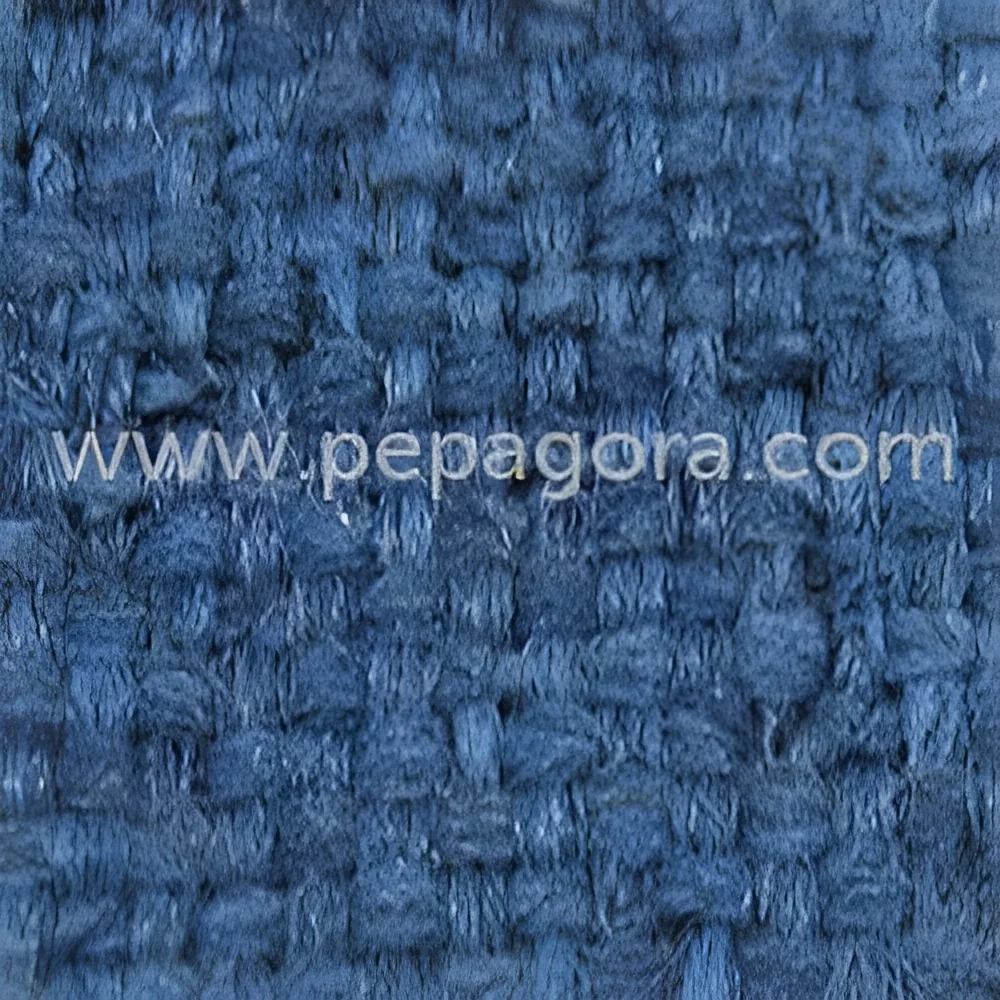
What are Tweed Wool Fabric?
Tweed wool fabric is a traditional textile made from wool, known for its durability and warmth. It typically features a tightly woven texture that is both rugged and stylish. The fabric is often characterized by its unique patterns, such as herringbone and houndstooth, which are created through a blend of colors and textures. Tweed is primarily produced in the British Isles, where it has a rich history rooted in rural and agricultural lifestyles.
This fabric is commonly used in various industries, especially in the fashion sector for outerwear, suits, and accessories. It is favored for its insulating properties, making it suitable for colder climates. Beyond clothing, tweed wool fabric finds applications in upholstery and home décor, enhancing the aesthetic appeal of furniture and interior spaces. The fabric's versatility and classic appeal make it a staple in both high-end fashion and everyday wear.
In today's market, tweed wool fabric continues to hold relevance, driven by a growing appreciation for sustainable and natural materials. As consumers increasingly prioritize quality and craftsmanship, the demand for tweed remains strong. This fabric not only caters to fashion trends but also aligns with eco-conscious practices, as it is often produced using traditional methods.
Key Features and Specifications
Tweed wool fabric is distinguished by several key features that enhance its appeal to businesses and consumers alike. The fabric's quality and construction are crucial for its performance in various applications. Understanding these features helps buyers make informed decisions when sourcing tweed.
Key specifications include:
1. Fabric Composition
- Made primarily from wool, often blended with other fibers for added durability and texture.
- Typically consists of 100% wool or wool blends, depending on the desired properties.
2. Weight
- Available in various weights, typically ranging from 300 to 600 grams per meter.
- Heavier weights are suitable for outerwear, while lighter weights can be used for suits and accessories.
3. Texture
- Features a unique, textured surface that can vary from smooth to coarse, depending on the weaving method.
- Provides a distinctive look and feel, enhancing both aesthetic and functional qualities.
4. Pattern Variety
- Comes in a wide range of patterns, including checks, plaids, and solid colors.
- Patterns are often achieved through a combination of dyeing and weaving techniques.
5. Breathability
- Naturally breathable, allowing for moisture regulation and comfort.
- Suitable for both warm and cool weather conditions.
6. Durability
- Known for its strength and resistance to wear and tear, making it ideal for long-lasting garments.
- Maintains its shape and appearance over time, even with regular use.
7. Colorfastness
- Designed to be resistant to fading, ensuring vibrant colors that last.
- Suitable for both machine washing and dry cleaning, depending on the blend.
8. Care Requirements
- Generally requires special care, including dry cleaning or gentle washing to maintain quality.
- Recommended to avoid harsh chemicals that may damage the fabric.
Overall, understanding these specifications allows buyers to select the right tweed wool fabric tailored to their specific needs.
Common Applications and Use Cases
Tweed wool fabric serves various industries, providing both functionality and style. Its diverse applications make it a versatile choice for many sectors.
1. Fashion Industry: Tweed is widely used in the fashion industry for designing jackets, coats, and skirts. Its durability and warmth make it ideal for creating stylish yet practical outerwear.
2. Home Décor: In interior design, tweed wool fabric can be used for upholstery, curtains, and cushions. Its textured appearance adds sophistication to home furnishings.
3. Automotive: Many automotive companies utilize tweed for interior upholstery, providing a luxurious feel and durability for car interiors.
4. Outdoor Gear: Tweed is also favored in the production of outdoor clothing and gear due to its weather-resistant properties, making it suitable for hiking and other outdoor activities.
5. Uniforms: Certain industries, such as hospitality and corporate sectors, use tweed for uniforms, combining professionalism with comfort.
6. Crafts and DIY: Crafters often use tweed for various projects, including bags and accessories, taking advantage of its unique patterns and textures.
7. Equestrian Wear: Tweed is a popular choice for equestrian clothing, including jackets and caps, known for its classic style and functionality.
Product Variants and Subcategories
The diversity of tweed wool fabric allows for various variants tailored to different applications and preferences.
Classic Tweed
This traditional variant is characterized by its rich textures and patterns. It is commonly used in tailored suits and outerwear, appealing to both fashion-forward and classic styles.
Harris Tweed
Originating from the Outer Hebrides of Scotland, Harris Tweed is handwoven and renowned for its quality. This variant is often used in high-end fashion and bespoke tailoring, emphasizing craftsmanship.
Loden Tweed
Loden tweed combines the ruggedness of traditional tweed with a softer finish. It is suitable for jackets and coats, providing warmth without sacrificing style.
Tweed Blends
These fabrics combine wool with synthetic fibers or other natural materials to enhance durability and ease of maintenance. They are often used in casual wear and accessories.
Benefits and Advantages
Tweed wool fabric offers several advantages that make it a preferred choice for businesses and consumers.
1. Durability: Tweed is known for its long-lasting properties, making it an investment for high-quality garments and furnishings.
2. Versatility: The fabric can be used across various applications, from fashion to home décor, catering to diverse market needs.
3. Timeless Aesthetic: Tweed’s classic patterns and textures lend an air of sophistication to any product, ensuring it remains in style.
4. Thermal Insulation: The natural properties of wool provide excellent insulation, keeping wearers warm in colder climates.
5. Eco-Friendly: As a natural fiber, wool is biodegradable and often produced using sustainable practices, appealing to eco-conscious consumers.
6. Moisture Wicking: Tweed naturally wicks moisture away from the body, offering comfort in varying weather conditions.
Buying Guide for B2B Buyers
When sourcing tweed wool fabric, it is essential for B2B buyers to consider several critical factors to ensure they make informed purchasing decisions.
1. Quality Assessment: Evaluate the fabric's composition, weight, and texture to ensure it meets the desired standards for your applications. Request samples to assess quality firsthand.
2. Supplier Verification: Vet potential suppliers by checking their credentials, customer reviews, and compliance with industry standards. A reliable supplier is essential for consistent quality.
3. Pricing and MOQ: Understand the pricing structure and minimum order quantities (MOQ) before making commitments. Compare prices across suppliers to find the best value.
4. Delivery and Lead Times: Confirm delivery schedules and lead times to ensure timely production and fulfillment of orders. This is crucial for maintaining inventory levels.
5. Compliance Requirements: Be aware of any regulatory standards or certifications required for tweed wool fabric in your industry. Compliance ensures product safety and quality.
Compliance and Certifications
Tweed wool fabric must adhere to various compliance and certification standards to ensure quality and safety.
Relevant quality standards include ISO 9001, which focuses on maintaining a consistent quality management system. This certification ensures that suppliers meet stringent quality criteria throughout their production processes.
Additionally, industry certifications such as CE mark may be applicable, indicating that the fabric meets European health, safety, and environmental protection standards.
Safety and testing requirements vary by region, and manufacturers must comply with local regulations regarding textile production. Buyers should verify that their suppliers meet these requirements to avoid any compliance issues.
Regional considerations also play a role in sourcing tweed wool fabric. Different countries may have specific regulations regarding textile production and environmental impact. Understanding these regional nuances is essential for businesses operating in multiple markets.
Why Source Tweed Wool Fabric from Pepagora?
Pepagora provides a trusted platform for sourcing tweed wool fabric with several key advantages that benefit B2B buyers.
Verified Supplier Network: Pepagora connects buyers with a network of verified suppliers, ensuring that all vendors meet high standards of quality and reliability. This reduces risks associated with sourcing.
Streamlined RFQ Process: The platform offers an efficient request for quotation (RFQ) system, allowing buyers to easily compare prices and specifications from multiple suppliers. This simplifies the sourcing process.
Trade Assurance and Support: Pepagora prioritizes buyer protection, offering trade assurance that safeguards transactions. Buyers can count on support throughout the purchasing process, ensuring peace of mind.
Regional Coverage: With a broad geographic reach across India, the GCC, and Southeast Asia, Pepagora provides access to a diverse range of suppliers. This regional coverage allows buyers to find the best options tailored to their specific needs.
By choosing Pepagora, businesses can confidently source high-quality tweed wool fabric while benefiting from a comprehensive support system and a vast network of trusted suppliers.

 IN
IN