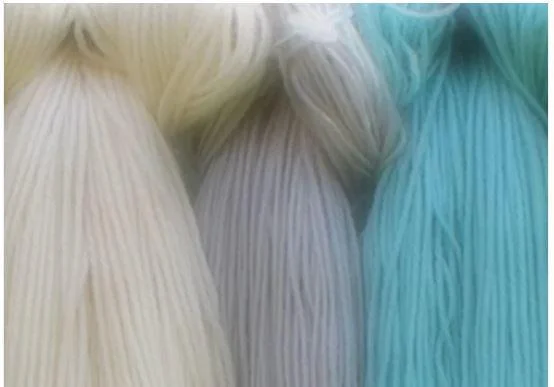
What are Wool Blend Fabric?
Wool blend fabric is a textile that combines natural wool fibers with synthetic or other natural fibers, creating a versatile and durable material. This blend takes advantage of the inherent qualities of wool, such as warmth, moisture-wicking properties, and breathability, while also enhancing the fabric's strength and wearability through the addition of other fibers. The result is a fabric that retains the luxurious feel and insulating properties of wool, making it suitable for various applications.
This type of fabric is widely used in industries that require high-quality materials, such as fashion, upholstery, and interior design. It is commonly found in garments like suits, coats, and sweaters, as well as in home textiles like curtains and cushions. The adaptability of wool blend fabric allows businesses to cater to diverse customer needs, making it a popular choice across multiple sectors. With the growing demand for sustainable and high-performance textiles, wool blend fabric is increasingly relevant in today's market.
Key Features and Specifications
Wool blend fabric offers a range of features that make it appealing to manufacturers and consumers alike. Its unique composition allows it to combine the best aspects of different fibers, resulting in a product that is functional, stylish, and suitable for various applications.
Key specifications include:
1. Fiber Composition
- Typically a mix of 50-70% wool and 30-50% synthetic fibers.
- Variations can include blends with cotton, polyester, or acrylic.
2. Weight
- Available in various weights, typically ranging from 200 to 500 grams per square meter.
- Heavier weights provide more warmth, while lighter weights are suitable for layering.
3. Durability
- Wool blend fabrics are designed to withstand wear and tear, offering excellent longevity.
- Resistance to pilling and fading enhances the fabric's lifecycle.
4. Moisture Management
- The natural moisture-wicking properties of wool help regulate temperature and keep the wearer dry.
- Blends can enhance this feature, making it suitable for active wear.
5. Insulation
- Wool blends provide superior insulation, making them ideal for colder climates.
- The fabric retains warmth without sacrificing breathability.
6. Color Retention
- Blended fibers enhance dye uptake, resulting in vibrant colors that last.
- Fabrics can be produced in a wide range of colors and patterns.
7. Care Instructions
- Generally machine washable, but specific care requirements may vary based on the blend.
- Some blends may require dry cleaning to maintain their appearance.
In summary, wool blend fabric combines the strengths of wool and other fibers to create a versatile material suitable for various applications, making it a favored choice in the textile industry.
Common Applications and Use Cases
Wool blend fabric serves various industries and applications due to its unique properties and versatility.
1. Fashion Industry: Wool blend fabric is widely used in the production of high-quality garments such as suits, coats, and dresses. Its luxurious feel and drape make it a favorite among designers.
2. Home Textiles: This fabric is often used for upholstery, curtains, and bedding. Its durability and aesthetic appeal contribute to its popularity in interior design.
3. Outdoor Gear: Wool blends are utilized in performance apparel for outdoor activities. Their moisture-wicking and insulating properties make them ideal for hiking, skiing, and other outdoor sports.
4. Automotive: Wool blend fabrics are employed in automotive interiors for their durability and comfort. They are often found in seat covers and headliners.
5. Corporate Wear: Many companies opt for wool blend fabrics for employee uniforms due to their professional appearance and comfort.
6. Healthcare: In medical environments, wool blends can be found in uniforms and linens. Their antimicrobial properties and comfort make them suitable for this sector.
7. Accessories: Scarves, hats, and blankets made from wool blend fabrics provide warmth and style, appealing to consumers looking for functional yet fashionable items.
Product Variants and Subcategories
Wool blend fabric comes in various forms, allowing businesses to select the right type for their specific needs.
Wool Polyester Blend
This variant combines wool with polyester, enhancing durability and wrinkle resistance. It is often used in formal wear and outer garments, providing a polished look.
Wool Acrylic Blend
A blend of wool and acrylic offers a lightweight, soft fabric that is cost-effective. It is commonly used in knitwear, such as sweaters and hats, appealing to budget-conscious consumers.
Wool Cotton Blend
Combining wool with cotton results in a breathable and comfortable fabric ideal for casual wear. It is often found in shirts and lightweight jackets, making it versatile for different seasons.
Benefits and Advantages
Wool blend fabric presents numerous benefits that make it a preferred choice for both manufacturers and consumers.
1. Versatility: The fabric can be used in a wide range of applications, from high-end fashion to everyday wear.
2. Comfort: The natural properties of wool provide comfort and breathability, ensuring a pleasant wearing experience.
3. Durability: Wool blends are designed to withstand wear and tear, offering longevity and value for money.
4. Insulation: The fabric's ability to retain heat while allowing moisture to escape makes it ideal for cooler climates.
5. Easy Care: Many wool blends are machine washable and easy to maintain, making them practical for everyday use.
6. Aesthetic Appeal: Wool blend fabrics are available in various colors and patterns, enhancing their visual appeal.
Buying Guide for B2B Buyers
When sourcing wool blend fabric, several factors should be considered to ensure a successful purchase.
1. Quality Assessment: Look for fabrics that meet specific quality criteria, such as fiber composition and weight. Test samples to evaluate texture and durability before making a bulk order.
2. Supplier Verification: Conduct thorough research to vet potential suppliers. Review their track record, industry reputation, and customer feedback to ensure they can meet your needs.
3. Pricing and MOQ: Understand the price range for wool blend fabrics and inquire about minimum order quantities. Balance cost with quality to ensure you receive good value.
4. Delivery and Lead Times: Discuss logistics with suppliers to determine expected delivery times. Plan your orders to avoid delays in production.
5. Compliance Requirements: Ensure that the fabric complies with relevant industry standards and regulations, such as safety and environmental considerations.
Compliance and Certifications
Wool blend fabrics are subject to various quality standards and certifications that ensure their safety and performance in the market.
ISO 9001 is a widely recognized quality management standard that indicates a supplier's commitment to consistent quality in production processes. This certification helps buyers gauge the reliability of their suppliers.
CE certification is essential for products sold in the European market, indicating compliance with health and safety regulations. This is crucial for businesses aiming to export wool blend fabric to Europe.
Safety and testing requirements are also vital, as they ensure the fabric meets specific performance standards. Buyers should inquire about the testing procedures that the fabric has undergone.
Regional compliance considerations may vary, so it is essential to understand the local regulations that apply to wool blend fabrics in different markets.
Why Source Wool Blend Fabric from Pepagora?
Pepagora provides a trusted platform for sourcing wool blend fabric, offering several key advantages to B2B buyers.
Verified Supplier Network: Pepagora has established a comprehensive network of verified suppliers, ensuring that buyers can source high-quality wool blend fabrics with confidence. Each supplier undergoes a rigorous vetting process, guaranteeing reliability.
Streamlined RFQ Process: The platform features a streamlined request for quotation (RFQ) system that simplifies the sourcing process. Buyers can easily submit their requirements and receive competitive quotations from multiple suppliers, saving time and effort.
Trade Assurance and Support: Pepagora offers trade assurance to protect buyers throughout the purchasing process. This includes support in case of any disputes, ensuring a secure transaction.
Regional Coverage: With a strong presence in India, the GCC, and Southeast Asia, Pepagora provides extensive geographic reach, allowing buyers to connect with suppliers in key markets efficiently. This regional coverage enhances accessibility to quality wool blend fabrics.

 IN
IN