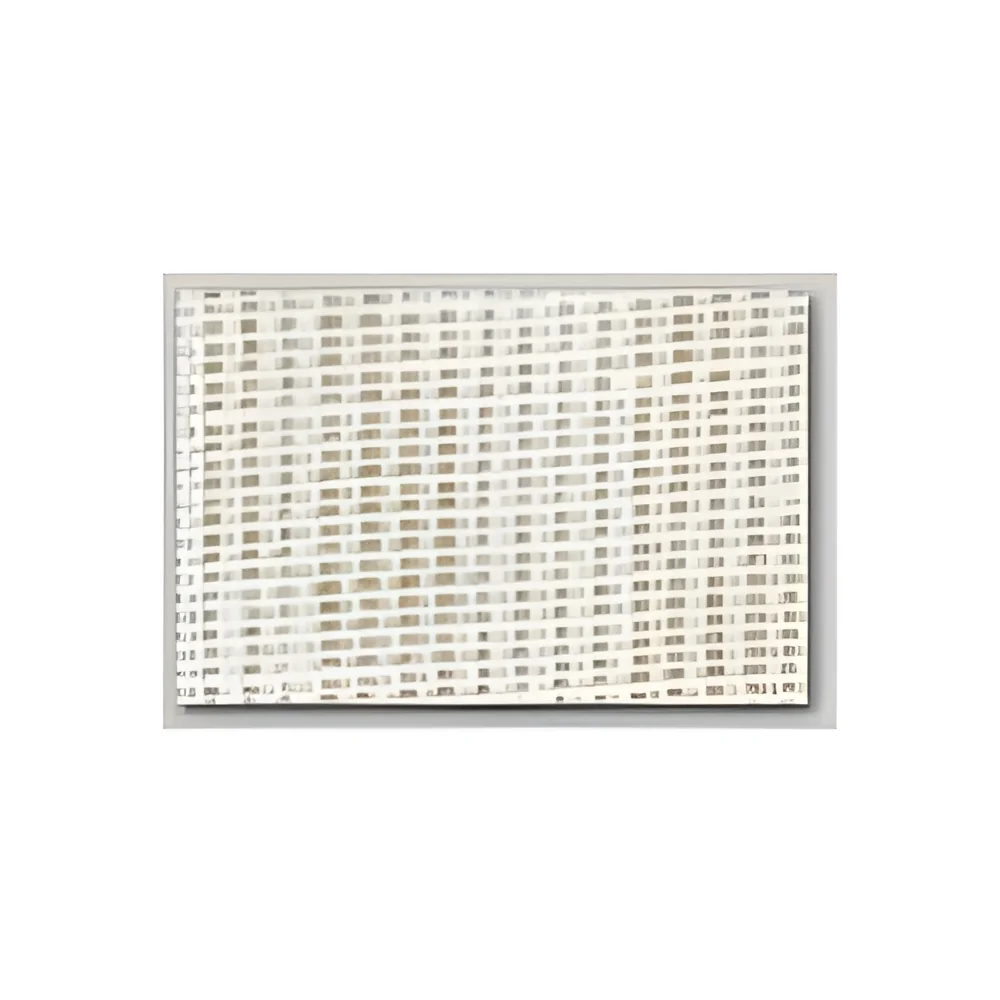
What are Textured Linen Fabric?
Textured linen fabric is a type of textile made from the fibers of the flax plant. This fabric is characterized by its unique surface texture, which can include variations in weave and finish. The result is a material that is not only visually appealing but also offers a durable and breathable option for various applications. Textured linen is often preferred for its natural look and feel, making it a popular choice in many design projects.
In the business world, textured linen fabric is utilized across various sectors for products like clothing, upholstery, and home textiles. Its versatility allows it to be used in both casual and formal settings. Businesses in fashion, interior design, and hospitality regularly incorporate textured linen into their offerings, enhancing the aesthetic and functional qualities of their products. The growing trend towards eco-friendly materials further boosts the relevance of textured linen in today’s market, where sustainability is a key consideration.
Key Features and Specifications
Textured linen fabric is known for its distinct features that appeal to a variety of industries. Its properties make it suitable for numerous applications, and understanding these specifications is crucial for B2B buyers.
Key specifications include:
1. Composition
- Made of 100% linen fibers for durability and breathability
- Offers a natural and luxurious texture
2. Weight
- Typically ranges from 150 to 300 grams per square meter
- Heavier weights provide more durability for upholstery applications
3. Weave Type
- Variety of weaves available, including plain, twill, and herringbone
- Each weave type offers different aesthetic and functional properties
4. Color Options
- Available in a wide range of colors and dye options
- Custom dyeing services may be offered by suppliers
5. Shrinkage Rate
- Usually has a shrinkage rate of around 3-5%
- Important for pre-washing before production
6. Breathability
- Highly breathable, making it suitable for warm climates
- Allows moisture to escape, enhancing comfort in clothing
7. Eco-Friendly Properties
- Biodegradable and made from a renewable resource
- Often produced with minimal chemical treatments
8. Maintenance
- Machine washable, but may require careful handling to maintain texture
- Ironing may be needed to preserve the fabric's appearance
Textured linen fabric stands out in the marketplace due to its unique combination of aesthetic appeal and practical benefits.
Common Applications and Use Cases
Textured linen fabric serves various industries due to its versatility and natural properties.
1. Fashion Industry: Textured linen is widely used in clothing lines, especially for summer collections. Its breathability and natural fibers provide comfort and style in garments like dresses, shirts, and trousers.
2. Interior Design: This fabric is a popular choice for curtains, upholstery, and cushion covers. Its texture adds depth to home decor, making spaces feel more inviting and stylish.
3. Hospitality Sector: Hotels and restaurants often utilize textured linen for table linens and uniforms. Its durability and ease of cleaning make it suitable for high-traffic environments.
4. Crafts and DIY Projects: Crafters appreciate textured linen for its workability. It can be used in various sewing projects, adding a unique touch to handmade items.
5. Textile Art: Artists use textured linen as a canvas for painting or embroidery, leveraging its surface characteristics to create stunning visual effects.
6. Outdoor Furniture: Due to its durability, textured linen is also explored for outdoor seating and decor items, enhancing outdoor living spaces while resisting wear.
7. Bags and Accessories: Manufacturers produce bags and accessories from textured linen, appealing to eco-conscious consumers seeking stylish, sustainable products.
Product Variants and Subcategories
Textured linen fabric is available in various forms, catering to different needs and preferences.
Linen Blend Fabric
This variant combines linen with other fibers like cotton or polyester, enhancing durability and reducing cost. It maintains the natural look of linen while offering improved wrinkle resistance and easier care.
Heavyweight Linen
This type is thicker and more robust, making it ideal for upholstery and drapery applications. Its weight adds a luxurious feel and a structured appearance to furnishings.
Lightweight Linen
Perfect for clothing and lightweight home textiles, this variant offers comfort and breathability. It drapes beautifully, making it a preferred choice for summer garments and delicate curtains.
Linen Canvas
A specific weave that provides added strength, linen canvas is suitable for bags and outdoor applications. It combines the texture of linen with the durability needed for heavy-duty use.
Benefits and Advantages
Textured linen fabric offers numerous advantages for businesses and consumers alike.
1. Aesthetic Appeal: The unique texture of linen adds a sophisticated touch to products, enhancing their overall attractiveness.
2. Durability: Linen is known for its strength, making it a long-lasting choice for various applications, from clothing to upholstery.
3. Comfort: The breathable nature of textured linen ensures comfort, particularly in clothing and home textiles.
4. Eco-Friendly: Made from natural fibers, textured linen is biodegradable and often produced with eco-conscious practices.
5. Versatility: This fabric can be used in a wide range of applications, from fashion to home decor, making it a valuable addition to any product line.
6. Easy Maintenance: Textured linen is generally easy to care for, with many options being machine washable, which appeals to busy consumers.
Buying Guide for B2B Buyers
When sourcing textured linen fabric, buyers should consider several key factors to make informed decisions.
1. Quality Assessment: Evaluate the fabric's quality by checking its weave, weight, and finish. High-quality linen should feel soft yet sturdy and have a uniform texture.
2. Supplier Verification: Conduct thorough research on potential suppliers. Look for reviews, certifications, and their experience in the industry to ensure reliability.
3. Pricing and MOQ: Understand the pricing structure and minimum order quantities. This will help manage budgets and inventory effectively.
4. Delivery and Lead Times: Inquire about delivery schedules and lead times to ensure timely project completion. Reliable suppliers should provide clear timelines.
5. Compliance Requirements: Be aware of any regulatory requirements or certifications needed for the fabric in your specific industry. This ensures that products meet safety and quality standards.
Compliance and Certifications
Textured linen fabric is subject to various quality standards and certifications that ensure its safety and usability across industries.
ISO 9001 is a widely recognized standard that specifies requirements for a quality management system. This certification indicates that manufacturers consistently provide products that meet customer and regulatory requirements.
CE certification may also apply, especially for products intended for the European market. This mark demonstrates that the fabric meets essential health, safety, and environmental protection requirements.
In addition to these certifications, safety and testing requirements play a crucial role in ensuring the fabric is free from harmful substances. Regular testing for chemical residues and adherence to safety standards is essential for compliance.
Regional compliance considerations may vary, so it is vital to understand local regulations that could affect product sourcing and usage. This awareness helps businesses remain compliant and maintain product integrity.
Why Source Textured Linen Fabric from Pepagora?
Pepagora provides a trusted platform for sourcing textured linen fabric, offering several key advantages that benefit B2B buyers.
Verified Supplier Network: Pepagora connects buyers with a network of verified suppliers. Each supplier undergoes a strict vetting process, ensuring high-quality fabrics and reliable service.
Streamlined RFQ Process: The platform features a streamlined request for quotation (RFQ) system, allowing buyers to easily compare offers from multiple suppliers. This efficiency simplifies the sourcing process.
Trade Assurance and Support: Pepagora offers trade assurance to protect buyers during transactions. This includes support for quality disputes, ensuring peace of mind when purchasing fabric.
Regional Coverage: With extensive reach in India, the GCC, and Southeast Asia, Pepagora connects buyers with suppliers across these regions. This geographic coverage allows for diverse sourcing options and competitive pricing.
By choosing Pepagora, businesses can confidently source textured linen fabric while accessing a range of valuable resources and support services tailored to their needs.

 IN
IN