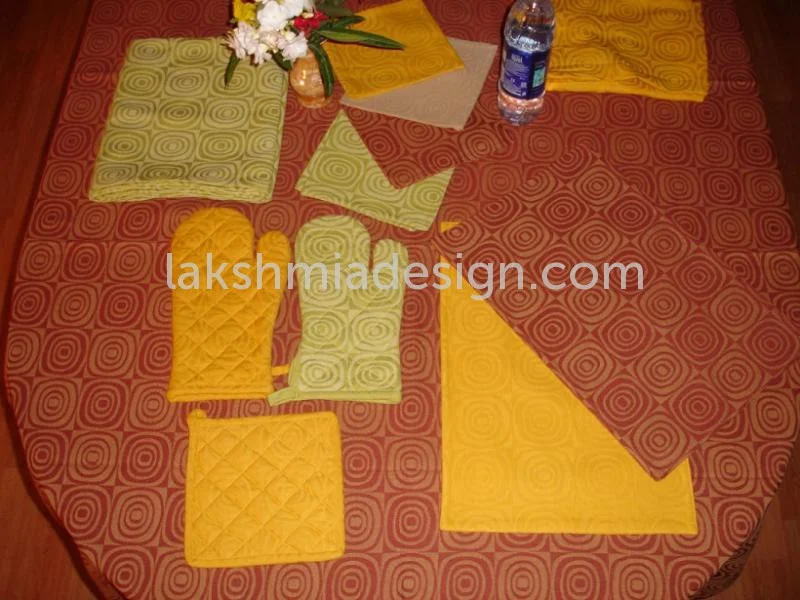
What are Dyed Linen Fabric?
Dyed linen fabric is a textile made from the fibers of the flax plant that has undergone a dyeing process to achieve a specific color or pattern. This fabric is known for its durability, breathability, and natural luster, making it a popular choice in various applications. The dyeing process can enhance the aesthetic appeal of linen, resulting in vibrant and rich colors that maintain the fabric's inherent qualities.
This fabric is widely used in industries such as fashion, home textiles, and upholstery. Businesses leverage dyed linen for clothing, table linens, curtains, and other decorative items due to its luxurious feel and timeless appearance. The textile's ability to absorb dye well allows for a variety of shades, catering to diverse design needs. As a result, dyed linen fabric remains relevant in the competitive textile market, where consumers increasingly seek quality and sustainability in their fabric choices.
Key Features and Specifications
Dyed linen fabric stands out due to its unique characteristics and specifications that cater to various industrial needs. Its combination of strength, comfort, and environmental sustainability makes it a preferred option for manufacturers and designers alike.
Key specifications include:
1. Fiber Content
- Made primarily from 100% flax fibers
- Natural composition supports sustainability
2. Weight
- Available in various weights, typically ranging from 150 to 400 grams per square meter
- Heavier weights are suitable for upholstery, while lighter options are preferred for garments
3. Colorfastness
- High resistance to fading and color bleeding
- Ensures longevity of the dyed appearance
4. Breathability
- Excellent moisture-wicking properties
- Suitable for warm climates and summer garments
5. Texture
- Characterized by a slightly coarse texture with a natural slub
- Provides a unique visual appeal and tactile experience
6. Shrinkage
- Minimal shrinkage when properly pre-washed
- Essential for maintaining size and fit in finished products
7. Care Instructions
- Typically machine washable, but gentle cycles are recommended
- Can be ironed at medium temperatures to maintain appearance
8. Environmental Compliance
- Often produced using eco-friendly dyes and methods
- Aligns with sustainable practices and consumer preferences
Overall, dyed linen fabric combines practicality with aesthetic appeal, making it a versatile option in various markets.
Common Applications and Use Cases
Dyed linen fabric has a wide range of applications across multiple industries, making it a highly sought-after material.
1. Fashion Industry: Dyed linen is commonly used for summer clothing lines, including dresses, shirts, and trousers. Its breathability and comfort make it ideal for warm weather attire.
2. Home Textiles: This fabric is popular for home décor items such as tablecloths, napkins, and curtains. Its ability to hold color well allows for vibrant and attractive designs.
3. Upholstery: Dyed linen is often utilized in the upholstery sector for furniture coverings. Its durability ensures it can withstand wear while providing a stylish look.
4. Craft and DIY: Many artisans and crafters use dyed linen for various projects, including bags, accessories, and home crafts due to its versatility.
5. Hospitality Industry: Hotels and restaurants frequently use dyed linen for table settings and bedding, as it adds elegance and can be customized to match their branding.
6. Medical Textiles: Certain applications in the healthcare sector use dyed linen for uniforms and hospital linens, benefiting from its natural properties.
7. Eco-Friendly Products: As consumers demand sustainable options, dyed linen is increasingly used in eco-friendly and organic product lines.
Product Variants and Subcategories
Dyed linen fabric is available in a variety of forms, catering to different needs and preferences in the market.
Linen Blend Fabric
This variant combines linen with other fibers, such as cotton or polyester. The blend enhances softness and reduces wrinkles while maintaining the durability of linen. It is ideal for casual wear and home textiles.
Textured Dyed Linen
This variant features unique textures, such as slubs or weaves, to create visual interest. It is often used in high-end fashion and upholstery to provide a distinct aesthetic appeal.
Printed Dyed Linen
In addition to solid colors, printed dyed linen features patterns and motifs. This variant allows for creative designs in fashion and home décor, appealing to a broad audience.
Benefits and Advantages
Choosing dyed linen fabric offers several advantages for businesses looking to enhance their product offerings.
1. Durability: Dyed linen is known for its strength and longevity, making it an excellent investment for products that require resilience.
2. Natural Fiber: Being a natural fiber, linen is biodegradable and environmentally friendly, aligning with the growing consumer demand for sustainable products.
3. Breathability: The fabric's moisture-wicking properties ensure comfort in various climates, making it suitable for a wide range of applications.
4. Aesthetic Versatility: Dyed linen can be produced in numerous colors and patterns, allowing businesses to cater to diverse customer preferences and trends.
5. Easy Maintenance: The fabric typically allows for easy washing and care, making it practical for consumers and industries alike.
6. Hypoallergenic Properties: Linen is naturally hypoallergenic, making it a safe choice for individuals with sensitive skin or allergies.
Buying Guide for B2B Buyers
When sourcing dyed linen fabric, it is crucial for businesses to consider several key factors to ensure quality and suitability for their needs.
1. Quality Assessment: Evaluate the fabric's weight, texture, and colorfastness. Request samples to inspect the quality before making bulk purchases.
2. Supplier Verification: Research potential suppliers thoroughly. Look for reviews, certifications, and their track record to ensure reliability and quality.
3. Pricing and MOQ: Understand the pricing structure and minimum order quantities. Compare different suppliers to find the best value while considering quality.
4. Delivery and Lead Times: Inquire about logistics and lead times. Timely delivery is essential for businesses to maintain production schedules and meet customer demands.
5. Compliance Requirements: Ensure that the fabric meets industry standards and certifications, such as CE. Verify any compliance related to environmental regulations.
Compliance and Certifications
Compliance and certifications are essential in the dyed linen fabric market to ensure quality and safety.
Relevant quality standards, including ISO 9001, set guidelines for effective quality management systems. Adhering to these standards guarantees that the fabric produced meets certain quality requirements.
Industry certifications, such as CE, signify that the fabric conforms to European health, safety, and environmental protection standards. This certification is particularly important for businesses exporting products to European markets.
Safety and testing requirements must also be considered, particularly in applications where the fabric may come into contact with skin or food. Rigorous testing ensures that dyes used are non-toxic and safe for consumers.
Regional compliance considerations may vary, particularly in different markets such as the EU, the US, and Asia. Understanding these regulations is crucial for businesses to avoid legal issues and ensure product acceptance.
Why Source Dyed Linen Fabric from Pepagora?
Pepagora provides a trusted platform for sourcing dyed linen fabric, offering several key advantages that benefit B2B buyers.
Verified Supplier Network: Pepagora connects buyers with a network of verified suppliers known for their quality and reliability. This reduces the risk associated with sourcing fabrics and ensures consistent quality.
Streamlined RFQ Process: The platform facilitates a straightforward request for quotation (RFQ) process, allowing buyers to easily request prices and terms from multiple suppliers. This efficiency saves time and helps businesses make informed purchasing decisions.
Trade Assurance and Support: Pepagora offers trade assurance, protecting buyers against unexpected issues such as shipment delays or quality discrepancies. This added layer of security fosters trust in the purchasing process.
Regional Coverage: With a broad geographic reach that includes India, the GCC, and Southeast Asia, Pepagora provides access to a diverse range of suppliers, enabling businesses to find the best options for their specific needs.

 IN
IN