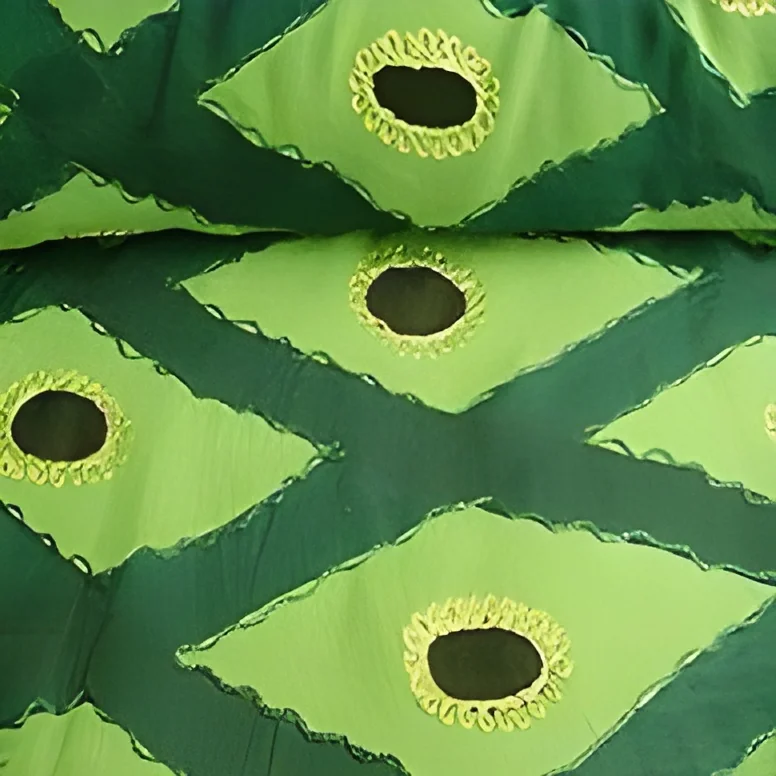
What are Silk Crepe Fabric?
Silk crepe fabric is a lightweight, luxurious textile known for its distinctive texture and graceful drape. It is made from silk fibers, which contribute to its softness and sheen. The fabric features a crinkled surface, giving it a slightly textured feel that enhances its visual appeal. This unique texture is achieved through the twisting of silk yarns during the weaving process, resulting in a fabric that is both elegant and versatile.
Silk crepe fabric is widely used in the fashion industry, particularly for creating high-end garments such as dresses, blouses, and evening wear. Its flowing nature makes it ideal for designs that require movement and fluidity. Beyond fashion, it is also employed in various applications including home décor, where it can be used for curtains and upholstery. The fabric’s ability to hold dyes well allows for vibrant colors and intricate patterns, making it a preferred choice among designers and manufacturers.
In the current market, silk crepe fabric holds significant relevance due to its association with luxury and quality. As consumer preference shifts towards sustainable and natural materials, the demand for silk textiles has increased. This trend is particularly prominent in regions known for silk production, where traditional techniques are combined with modern designs to meet evolving market needs.
Key Features and Specifications
Silk crepe fabric is characterized by several key features that make it a sought-after material in various industries. Its unique properties contribute to its functionality and aesthetic value.
Key specifications include:
1. Weight
- Typically lightweight, ranging from 50 to 100 grams per square meter.
- Ideal for garments that require a delicate touch.
2. Texture
- Features a crinkled surface that adds depth and dimension.
- Soft to the touch, providing comfort against the skin.
3. Drape
- Exhibits excellent draping qualities, allowing for elegant silhouettes.
- Flows gracefully, enhancing the overall design of garments.
4. Sheen
- High luster and shine that elevates its visual appeal.
- Reflects light beautifully, making it suitable for formal attire.
5. Breathability
- Natural fiber that allows for airflow, enhancing comfort in wear.
- Suitable for various climates and seasons.
6. Color Fastness
- Retains vibrant colors and resists fading over time.
- Suitable for dyeing and printing, allowing for creative designs.
7. Care Requirements
- Typically requires dry cleaning to maintain its quality.
- Sensitive to excessive heat, necessitating careful handling.
In summary, silk crepe fabric stands out due to its lightweight nature, luxurious texture, and versatility, making it an ideal choice for a range of applications in the textile industry.
Common Applications and Use Cases
Silk crepe fabric serves various industries, each utilizing its unique properties for specific applications.
1. Fashion Industry: Silk crepe is extensively used for creating elegant dresses, blouses, and evening gowns. Designers favor this fabric for its ability to drape beautifully and enhance the overall silhouette of garments.
2. Home Décor: The fabric is used for making luxurious curtains, cushions, and other home furnishings. Its soft texture and vibrant colors contribute to an upscale aesthetic in interior design.
3. Bridal Wear: Due to its refined appearance, silk crepe is a popular choice for bridal gowns and accessories. It adds a touch of sophistication and elegance to wedding attire.
4. Activewear: Some manufacturers utilize silk crepe for upscale athleisure collections, where comfort and style are paramount. The fabric’s breathability and drape make it suitable for fashionable workout wear.
5. Accessories: Silk crepe is also employed in the creation of scarves, ties, and other fashion accessories. Its lightweight and soft nature enhance the comfort and style of these items.
6. Costumes: The fabric is often used in theatrical and dance costumes for its fluidity and dramatic appearance, allowing for a range of expressive movements.
7. Corporate Wear: Silk crepe is increasingly being adopted in corporate attire, such as blouses and scarves, for a polished and professional look.
Product Variants and Subcategories
Silk crepe fabric comes in various forms, each catering to different design needs and applications.
Standard Silk Crepe
This is the most common variant used primarily in fashion and accessories. It offers a balance of lightness and durability, making it suitable for a wide range of garments.
Satin Silk Crepe
Combining the characteristics of satin and crepe, this variant has a smoother finish while retaining the luxurious drape. It is often used in high-end evening wear and formal attire.
Crinkle Silk Crepe
This variant emphasizes the crinkled texture, providing a more pronounced surface that adds visual interest to garments. It is commonly used in casual wear and fashion-forward designs.
Benefits and Advantages
Silk crepe fabric offers several advantages that make it a preferred choice for many businesses.
1. Luxurious Aesthetic: The natural sheen and texture of silk crepe create a premium look that appeals to consumers seeking high-quality products.
2. Versatility: This fabric can be used in various applications, from fashion to home décor, allowing for differentiation in product offerings.
3. Comfort: The lightweight and breathable nature of silk crepe ensures comfort for the wearer, making it suitable for all-day wear.
4. Easy to Dye: Its excellent color retention properties allow for vibrant and intricate designs, appealing to designers and manufacturers.
5. Sustainable Option: As a natural fiber, silk is often considered a more environmentally friendly choice compared to synthetic alternatives.
6. Enhanced Drapability: The fabric's ability to flow and drape creates flattering silhouettes in garments, adding to its desirability in the fashion market.
Buying Guide for B2B Buyers
When sourcing silk crepe fabric, it is essential to consider various factors to ensure the right choice for your business needs.
1. Quality Assessment: Evaluate the fabric's weight, texture, and sheen to ensure it meets your quality standards. Request samples to assess the material first-hand before making bulk orders.
2. Supplier Verification: Vet potential suppliers by checking their certifications, customer reviews, and production capabilities. A reliable supplier should be transparent about their sourcing and manufacturing processes.
3. Pricing and MOQ: Understand the pricing structure and minimum order quantities (MOQ) offered by suppliers. Compare costs to ensure you are getting a competitive rate for your desired fabric quality.
4. Delivery and Lead Times: Inquire about the delivery schedules and lead times for your orders. Efficient logistics are crucial to maintaining your production timelines.
5. Compliance Requirements: Ensure that the fabric complies with relevant industry standards and regulations, including safety and environmental requirements, to avoid any legal issues.
Compliance and Certifications
Silk crepe fabric must adhere to various quality standards and certifications to ensure its suitability for market use.
Relevant quality standards include ISO 9001, which focuses on maintaining quality management systems in manufacturing. Compliance with such standards indicates that the supplier consistently meets customer and regulatory requirements.
Industry certifications such as CE are crucial for fabrics intended for specific applications, especially in regions with strict safety regulations. These certifications assure buyers that the fabric meets necessary health and safety standards.
Safety and testing requirements are critical, especially when the fabric is used in garments that come into contact with the skin. Suppliers should provide documentation confirming that the silk crepe fabric has undergone proper testing for harmful substances.
Regional compliance considerations may vary depending on the market. Buyers should be aware of local regulations regarding textile products to ensure that the sourced fabric aligns with regional safety and quality expectations.
Why Source Silk Crepe Fabric from Pepagora?
Pepagora provides a trusted platform for sourcing silk crepe fabric with several key advantages that benefit B2B buyers.
Verified Supplier Network: Pepagora has established a rigorous verification process for its suppliers, ensuring that buyers can trust the quality and reliability of the fabric they source.
Streamlined RFQ Process: The Request for Quotation (RFQ) system simplifies the procurement process, allowing buyers to receive competitive quotes from multiple suppliers quickly and efficiently.
Trade Assurance and Support: Pepagora offers trade assurance to protect buyers against risks associated with transactions, providing support throughout the sourcing process.
Regional Coverage: With a strong presence in India and expanding reach across the GCC and Southeast Asia, Pepagora ensures that buyers can access a diverse range of silk crepe fabric suppliers tailored to their regional needs.

 IN
IN