
 IN
Mulberry Silk Fabric
27 products available
What are Mulberry Silk Fabric?
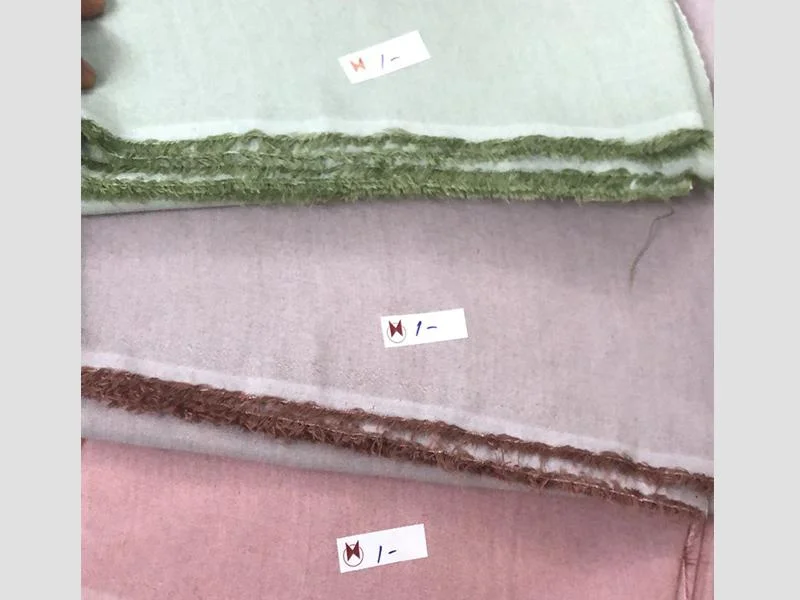
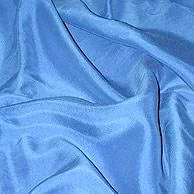
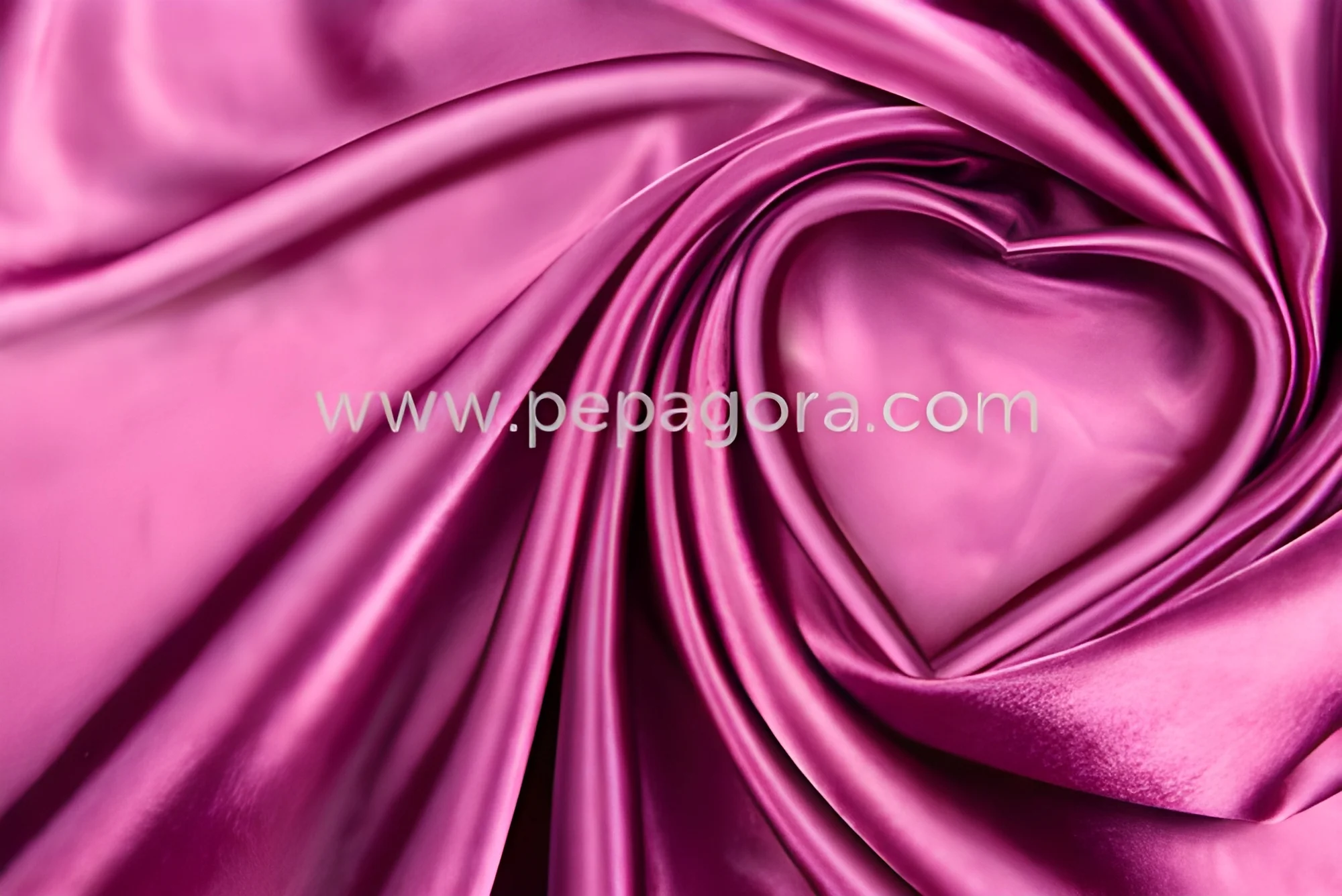
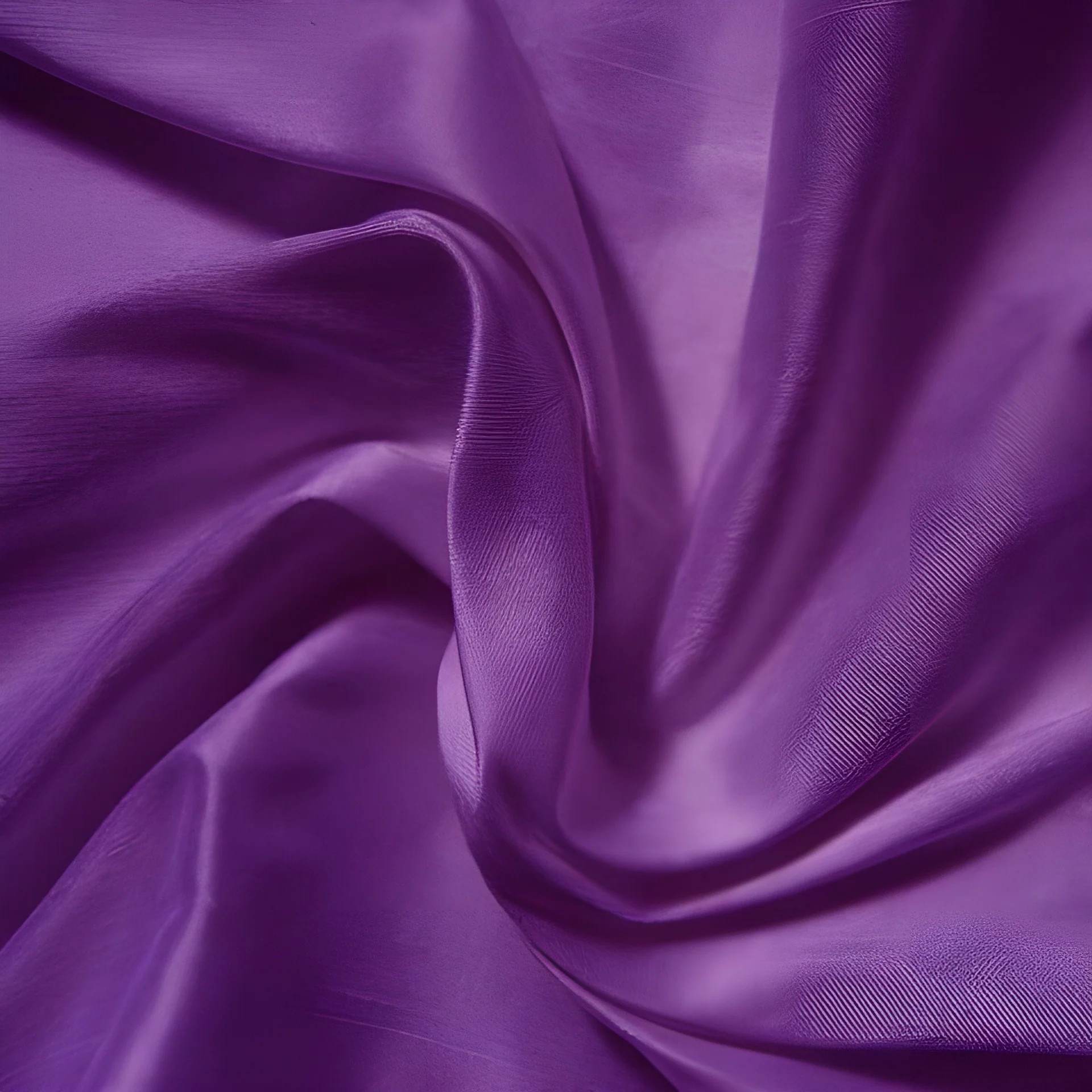
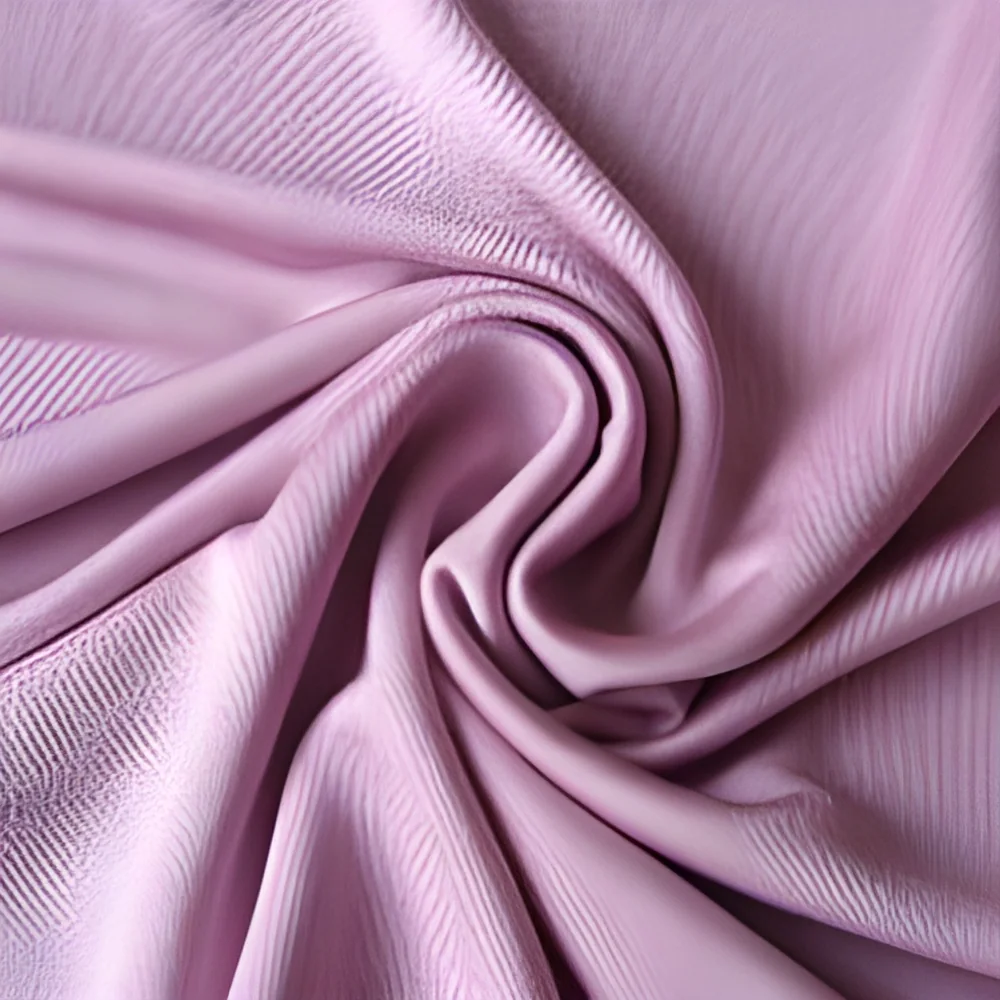
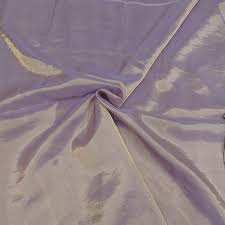
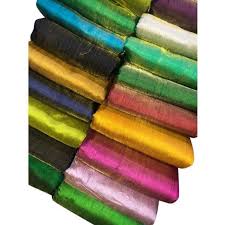
Mulberry silk fabric is a luxurious textile made from the silk produced by the silkworms that feed exclusively on mulberry leaves. This type of silk is known for its exceptional softness, durability, and natural sheen. The fibers are long and strong, making them ideal for weaving into fine fabrics. Mulberry silk is often regarded as the highest quality silk available, due to its smooth texture and vibrant colors.
The primary uses of mulberry silk fabric span across various industries, including fashion, home textiles, and furnishings. It is commonly used for garments such as dresses, scarves, and ties, as well as luxury bed linens and upholstery. The fabric's breathability and moisture-wicking properties make it suitable for both warm and cool climates. As the demand for sustainable and high-quality materials rises, mulberry silk's relevance in the textile market continues to grow, appealing to both consumers and businesses seeking premium products.
Key Features and Specifications
Mulberry silk fabric boasts several key features and specifications that enhance its appeal in the marketplace. The fabric is celebrated for its unique properties, which make it suitable for a range of applications.
Key specifications include:
1. Fiber Length
- Mulberry silk fibers are typically long, measuring between 1.5 to 3.0 kilometers in length.
- Longer fibers contribute to a smoother and more durable fabric.
2. Weight
- Mulberry silk fabric generally weighs between 19 to 30 momme.
- Higher momme indicates a denser and more luxurious fabric.
3. Weave Type
- Common weaves include satin, charmeuse, and chiffon.
- Each weave offers different textures and draping qualities.
4. Colorfastness
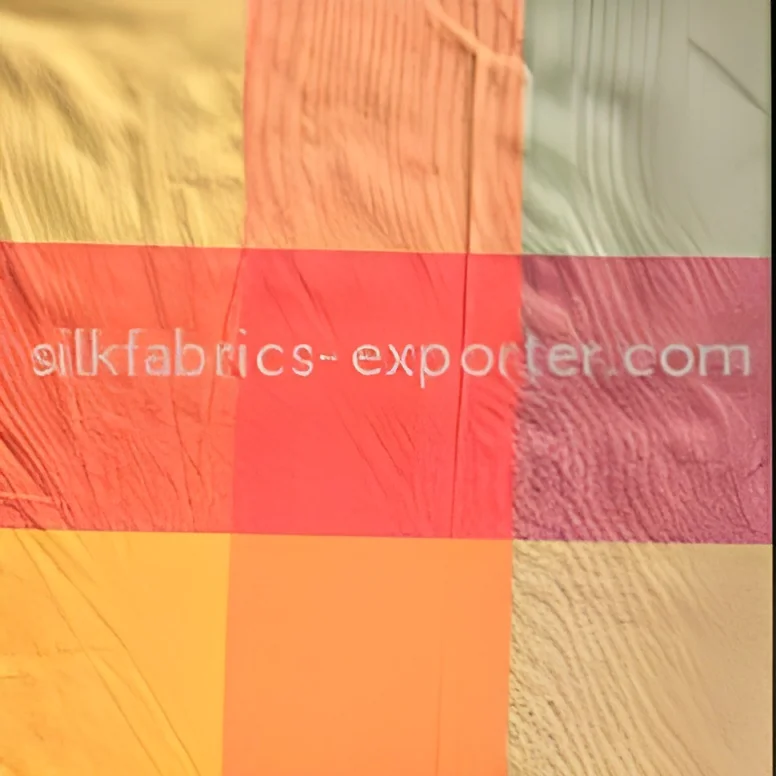
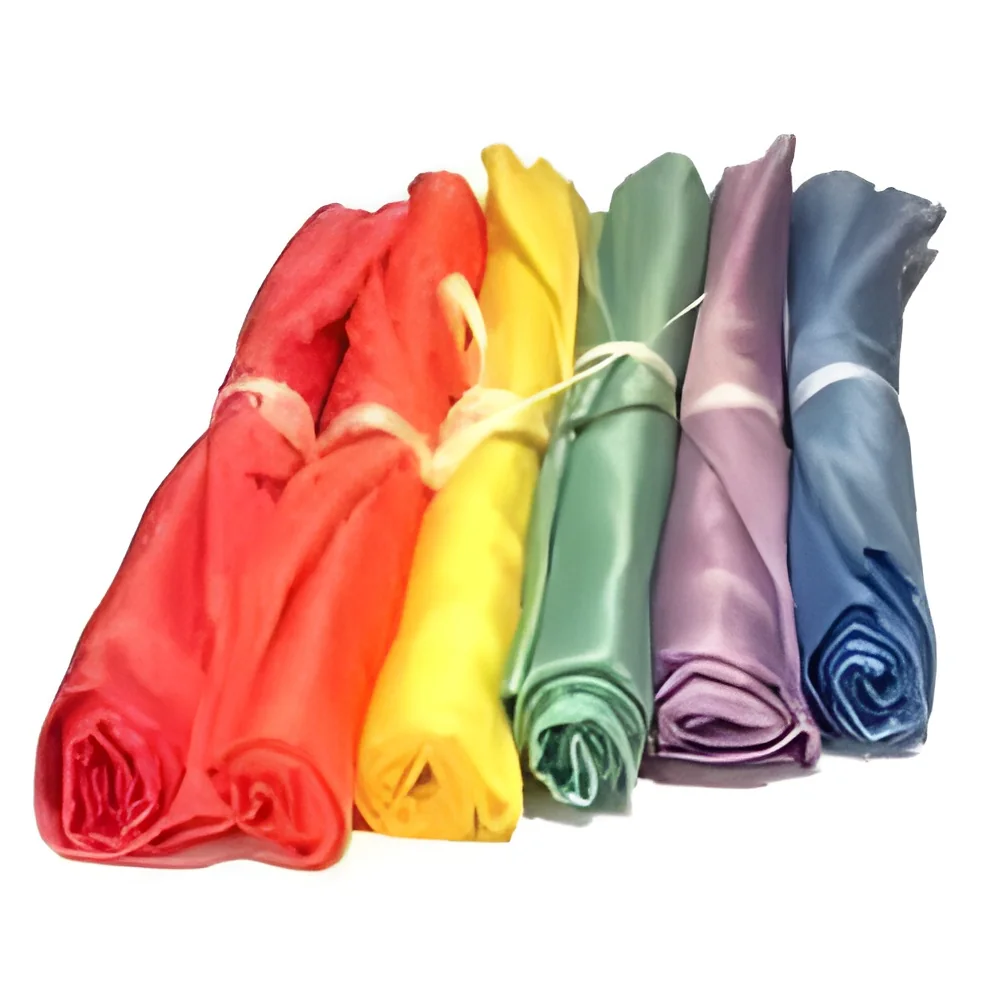
- Mulberry silk has excellent dye uptake and color retention.
- This results in vibrant colors that remain stable over time.
5. Breathability
- The fabric allows for excellent airflow, making it comfortable in various temperatures.
- It can wick moisture away from the body, enhancing comfort.
6. Hypoallergenic Properties
- Mulberry silk is naturally hypoallergenic, making it suitable for sensitive skin.
- It resists dust mites and mold, promoting a healthier environment.
7. Biodegradability
- Being a natural fiber, mulberry silk is biodegradable.
- This aligns with sustainable practices in the textile industry.
8. Care Requirements
- Mulberry silk typically requires dry cleaning or gentle hand washing.
- Proper care ensures the longevity of the fabric.
In summary, mulberry silk fabric is characterized by its long fibers, weight variations, and luxurious feel. Its unique properties make it a preferred choice across various industries.
Common Applications and Use Cases
Mulberry silk fabric is utilized in a wide range of applications across multiple sectors.
1. Fashion Industry: Designers favor mulberry silk for high-end garments, including evening wear and couture collections. Its drape and sheen elevate the overall aesthetic of clothing.
2. Home Textiles: Mulberry silk is commonly used in bed linens, pillowcases, and curtains. Its softness enhances comfort while adding a touch of elegance to home décor.
3. Upholstery: The fabric is suitable for luxury upholstery in furniture, offering durability and a refined look that appeals to high-end markets.
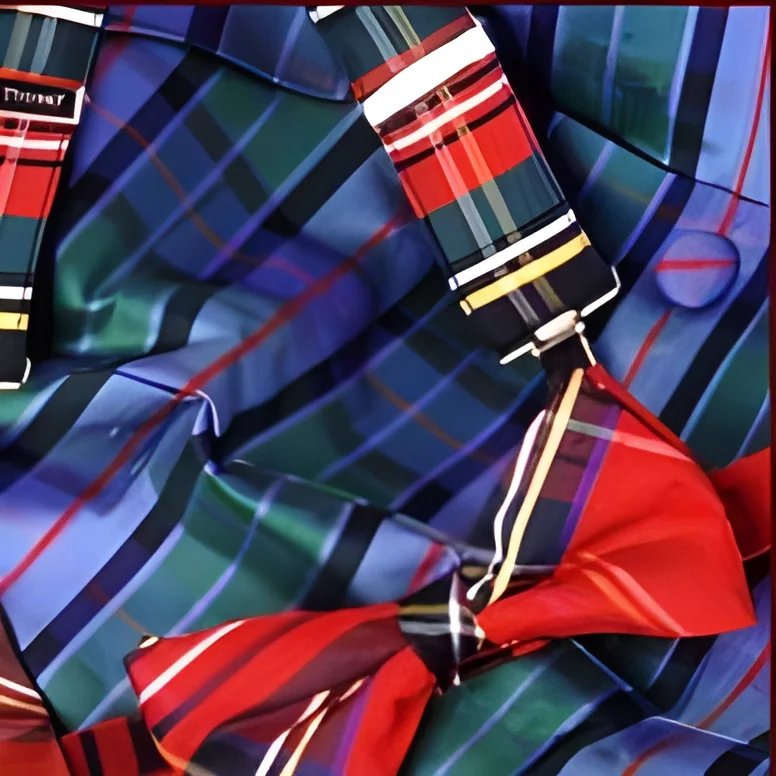
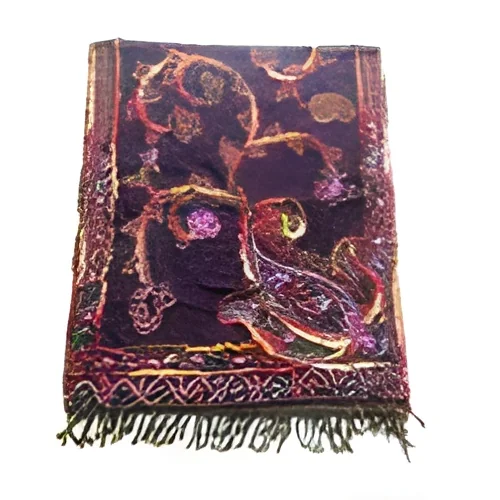
4. Accessories: Scarves, ties, and other fashion accessories made from mulberry silk are popular due to their luxurious feel and appealing appearance.
5. Health and Wellness: Due to its hypoallergenic properties, mulberry silk is often used in bedding and sleepwear, promoting better sleep hygiene.
6. Gifts and Special Occasions: Mulberry silk is a popular choice for gifts, especially for occasions like weddings and anniversaries, where quality and luxury are paramount.
7. Textile Art: Some artists use mulberry silk for textile art pieces, taking advantage of its vibrant colors and fine texture.
Product Variants and Subcategories
Mulberry silk fabric comes in various forms, catering to different needs and preferences.
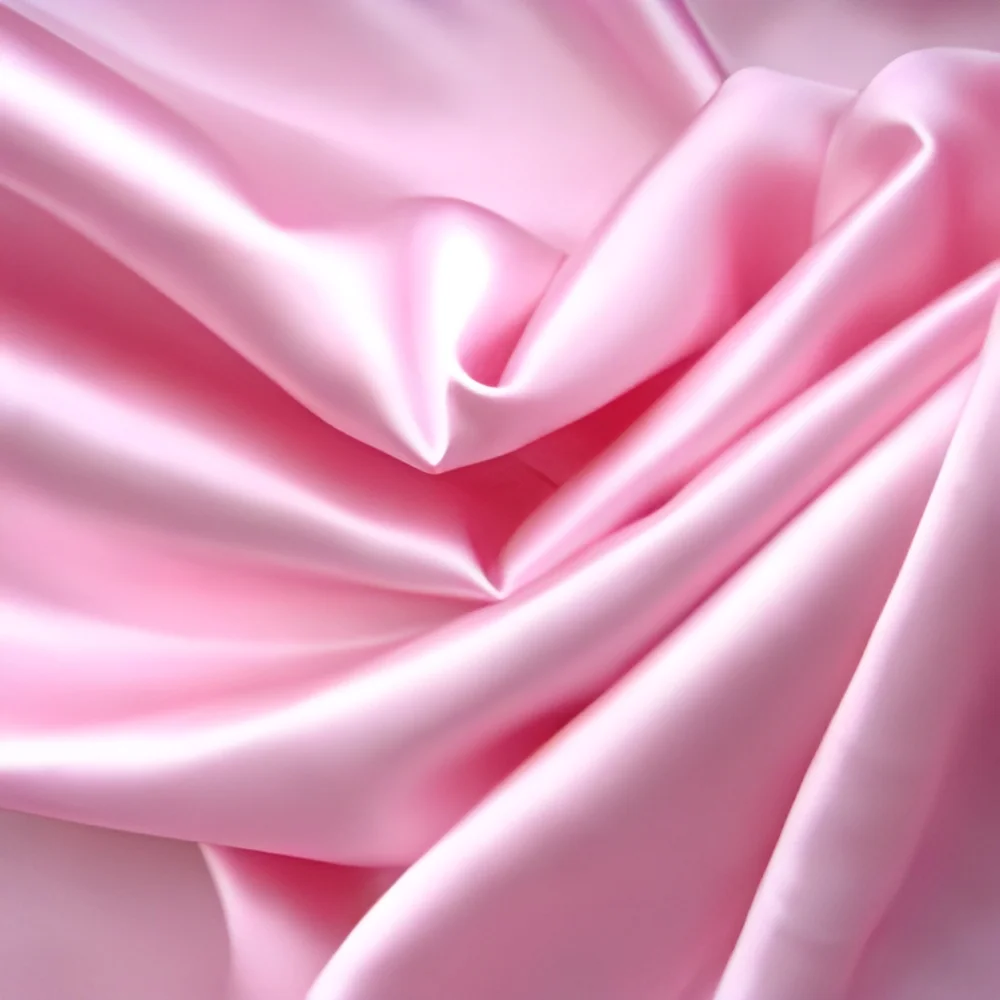
Satin Mulberry Silk
This variant is known for its glossy surface and smooth texture. It is often used for formal wear and evening dresses, providing a luxurious appearance.
Charmeuse Mulberry Silk
Charmeuse is lightweight and drapes beautifully, making it ideal for blouses and lingerie. Its soft feel enhances comfort against the skin.
Chiffon Mulberry Silk
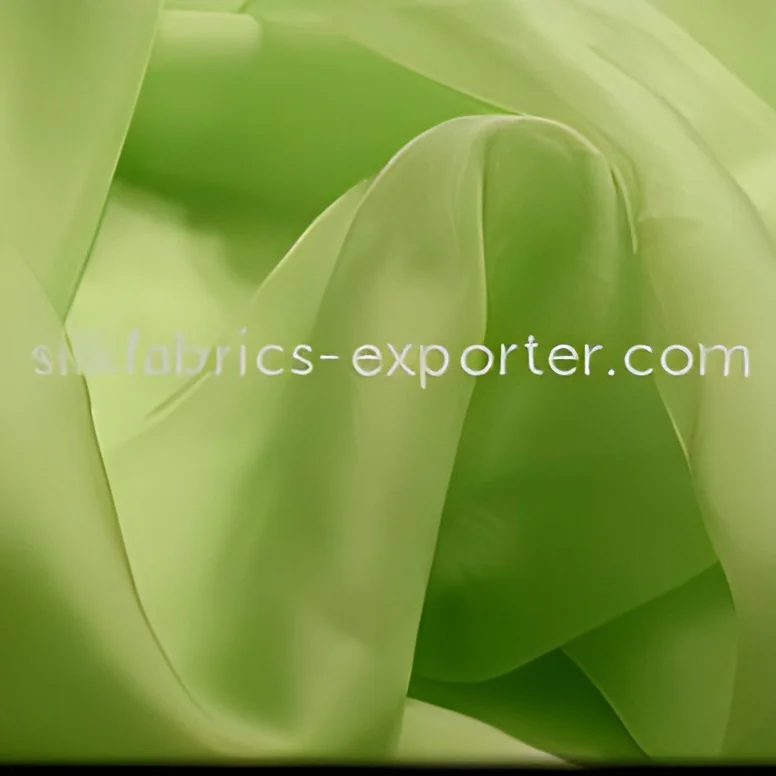
Chiffon is a sheer and delicate fabric, perfect for layering in dresses and scarves. Its airy quality adds elegance to any garment.
Duchess Satin
This heavier variant offers structure and is commonly used in ball gowns and tailored suits. Its luxurious weight adds a regal touch.
Benefits and Advantages
Choosing mulberry silk fabric offers numerous benefits for both manufacturers and consumers.
1. Durability: Mulberry silk is known for its strength, making it a long-lasting investment for textile products.
2. Luxurious Feel: The softness of mulberry silk provides unmatched comfort, appealing to consumers seeking high-quality fabrics.
3. Versatility: This fabric can be used in a variety of applications, from fashion to home textiles, catering to diverse market needs.
4. Natural Properties: Mulberry silk is hypoallergenic and breathable, making it suitable for sensitive skin and varying climates.
5. Sustainable Choice: Being a natural fiber, mulberry silk contributes to eco-friendliness, aligning with consumer preferences for sustainable products.
6. Aesthetic Appeal: The rich colors and sheen of mulberry silk enhance the visual appeal of finished products, making them stand out in the market.
Buying Guide for B2B Buyers
When sourcing mulberry silk fabric, it is essential to consider several factors to ensure quality and reliability.
1. Quality Assessment: Evaluate the fabric based on its fiber length, weight, and weave type. Consider samples to assess texture and durability.
2. Supplier Verification: Vet potential suppliers by checking their credentials and previous client reviews. Ensure they have a track record of delivering high-quality silk.
3. Pricing and MOQ: Understand the price range for mulberry silk and inquire about minimum order quantities. This will help in budgeting and planning orders effectively.
4. Delivery and Lead Times: Discuss logistics and lead times with suppliers to ensure timely delivery. This is crucial for meeting production schedules.
5. Compliance Requirements: Be aware of any regulatory standards or certifications applicable to mulberry silk in your region. Ensure that your supplier meets these compliance needs.
Compliance and Certifications
Mulberry silk fabric must meet several quality standards and certifications to ensure safety and reliability in various applications.
Relevant quality standards include ISO 9001, which focuses on quality management systems, ensuring that products meet customer and regulatory requirements. HACCP (Hazard Analysis Critical Control Point) is also important, particularly in industries where the fabric may be used in health-related applications.
Industry certifications such as UL and CE signify that the fabric meets specific safety and performance standards. These certifications provide assurance to buyers about the quality and safety of the products they are sourcing.
Safety and testing requirements are essential to guarantee that the fabric is free from harmful substances. Regular testing for chemical residues and compliance with safety standards is crucial in maintaining product integrity.
Regional compliance considerations may vary based on local regulations. Buyers should familiarize themselves with the compliance landscape in their target markets to ensure that the mulberry silk fabric meets all necessary requirements.
Why Source Mulberry Silk Fabric from Pepagora?
Pepagora provides a trusted platform for sourcing mulberry silk fabric, offering several key advantages for B2B buyers.
Verified Supplier Network: Pepagora has established a stringent supplier verification process to ensure that buyers receive products from reputable manufacturers. This minimizes the risk of sourcing low-quality materials.
Streamlined RFQ Process: The platform facilitates a streamlined request for quotation (RFQ) process, allowing buyers to easily compare quotes from multiple suppliers. This helps in making informed purchasing decisions efficiently.
Trade Assurance and Support: Pepagora offers trade assurance to protect buyers throughout the purchasing process. This includes support for resolving disputes and ensuring that products meet agreed specifications.
Regional Coverage: With a geographic reach that includes India, the GCC, and Southeast Asia, Pepagora connects buyers with suppliers across key markets. This broad coverage enhances sourcing options and fosters business growth.




Frequently Asked Questions
What are Mulberry Silk Fabric?
Mulberry Silk Fabric is a luxurious textile made from the silk produced by the larvae of the Bombyx mori moth, which primarily feeds on mulberry leaves. This type of silk is known for its softness, sheen, and durability, making it a popular choice for clothing, home furnishings, and accessories.
What are the different types of Mulberry Silk Fabric?
There are several types of Mulberry Silk Fabric, including charmeuse, chiffon, satin, and taffeta. Each type varies in texture, weight, and drape, allowing for a wide range of applications in fashion and interior design.
How do I choose the right Mulberry Silk Fabric?
When selecting Mulberry Silk Fabric, consider factors such as the intended use, desired texture, and weight of the fabric. It is also important to evaluate the fabric's sheen and drape to ensure it meets your design requirements.
What are the standard specifications for Mulberry Silk Fabric?
Standard specifications for Mulberry Silk Fabric include a weight range of 50 to 100 grams per square meter and a fiber content of at least 90% silk. The fabric should also exhibit a smooth finish and a consistent color throughout.
What is the price range for Mulberry Silk Fabric?
The price range for Mulberry Silk Fabric typically varies from INR 300 to INR 2000 per meter, depending on quality, weight, and supplier. Higher-end varieties may cost more due to their unique characteristics and craftsmanship.
What quality standards apply to Mulberry Silk Fabric?
Quality standards for Mulberry Silk Fabric include inspection for uniformity, absence of defects, and adherence to weight specifications. Fabrics should also meet industry standards for colorfastness and durability.
Where can I find Mulberry Silk Fabric suppliers in India?
You can find Mulberry Silk Fabric suppliers in India through B2B marketplaces like Pepagora, textile trade shows, and local textile markets. Online platforms often provide a comprehensive list of manufacturers and wholesalers.
Can Mulberry Silk Fabric be customized?
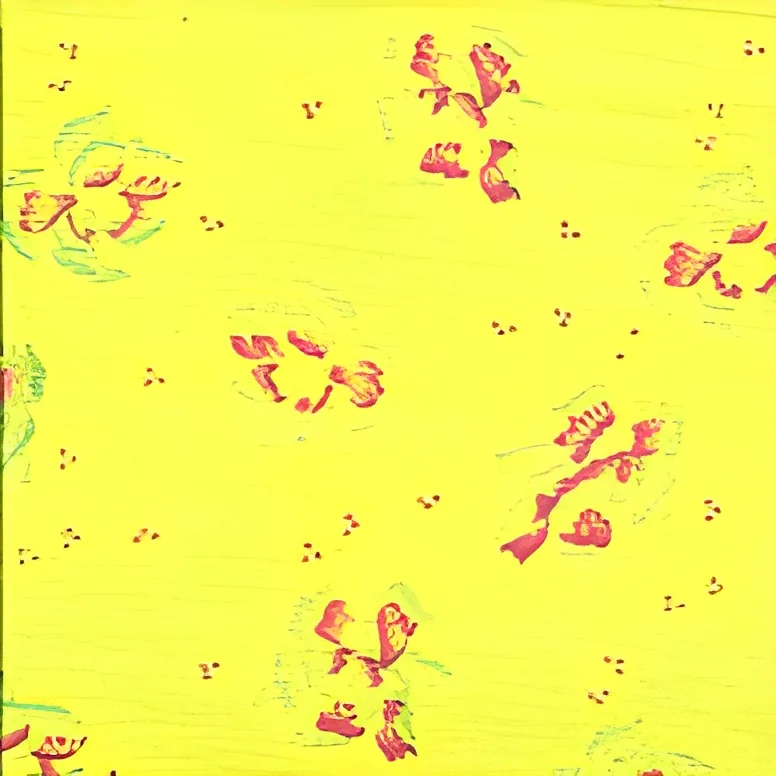
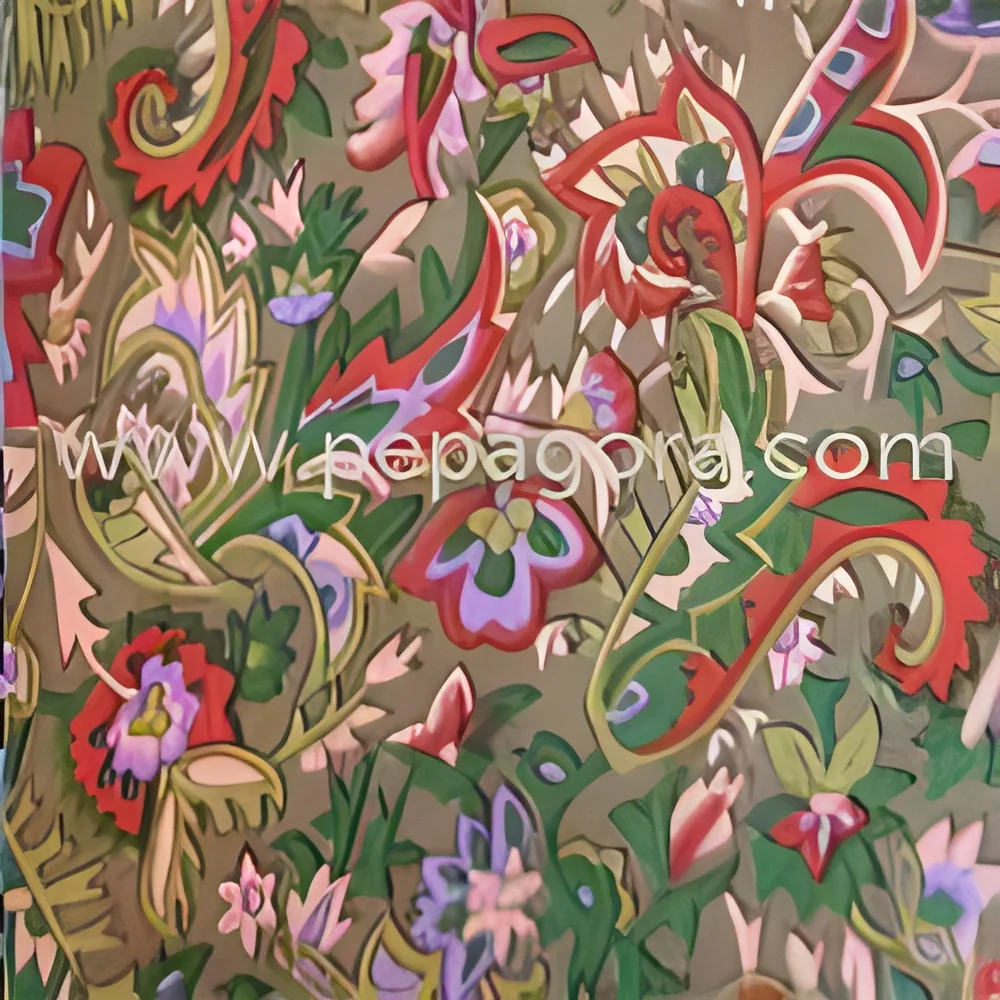
Yes, Mulberry Silk Fabric can be customized in terms of color, pattern, and finish. Many manufacturers offer customization options to meet specific design needs and preferences.
What is the typical minimum order quantity for Mulberry Silk Fabric?
The typical minimum order quantity (MOQ) for Mulberry Silk Fabric varies by supplier but generally ranges from 10 to 50 meters. It is advisable to check with the specific manufacturer for their MOQ requirements.
What is the typical lead time for Mulberry Silk Fabric?
The typical lead time for Mulberry Silk Fabric can range from 2 to 6 weeks, depending on the supplier's inventory and customization requirements. It's important to confirm delivery timelines when placing an order.
Why Businesses Trust Pepagora
Thousands of companies trust Pepagora to source smarter and sell faster
Expand Your Sales Globally

Source Smarter,Grow Faster
