
 IN
Pure Silk Fabric
7 products available
What are Pure Silk Fabric?
Pure silk fabric is a luxurious textile made from the natural fibers of the silkworm cocoon. It is known for its smooth texture, lustrous sheen, and lightweight characteristics. The production process involves carefully harvesting the cocoons, boiling them to extract the silk strands, and weaving those strands into fabric. The resulting material is not only soft and elegant but also highly breathable and comfortable, making it suitable for a variety of applications.
This fabric is widely used in the fashion industry, notably for high-end garments such as dresses, blouses, and ties. Additionally, it finds its place in home décor, including curtains and upholstery, due to its aesthetic appeal and durability. In the B2B context, pure silk fabric is relevant for businesses looking to create premium products, ensuring that they cater to clients who value quality and luxury in their offerings.
As the demand for sustainable and high-quality materials increases, pure silk fabric holds significant relevance in the market. It aligns with trends favoring natural fibers over synthetic alternatives, making it a sought-after choice for manufacturers who prioritize sustainability and craftsmanship.
Key Features and Specifications
Pure silk fabric boasts several distinct features that set it apart from other textiles. Its unique properties make it a preferred choice for various applications. The following specifications highlight the key aspects of pure silk fabric:
1. Fiber Composition
- Made from 100% natural silk fibers
- Offers exceptional softness and comfort
2. Weave Type
- Commonly produced in various weaves, including plain, satin, and twill
- Each weave affects the fabric's texture and drape
3. Weight
- Available in different weights, typically ranging from lightweight (around 8-12 momme) to medium weight (12-16 momme)
- Lightweight silk is ideal for flowy garments, while heavier silk is suitable for structured pieces
4. Color and Finish
- Can be dyed in a wide range of colors and finishes, including matte and glossy options
- Provides versatility in design
5. Durability
- Strong and resilient, with proper care
- Resistant to wrinkles and maintains its shape over time
6. Breathability
- Naturally breathable, allowing for easy air circulation
- Suitable for all seasons
7. Hypoallergenic Properties
- Generally safe for sensitive skin
- Reduces the risk of allergic reactions
8. Environmental Impact
- Biodegradable and sustainable when sourced responsibly
- Aligns with eco-friendly manufacturing practices
In summary, pure silk fabric is characterized by its natural composition, diverse weaves, and exceptional qualities that enhance both aesthetic and functional attributes.
Common Applications and Use Cases
Pure silk fabric serves various industries, each with unique applications that leverage its luxurious qualities.
1. Fashion Industry: Widely used for high-end garments such as evening wear, lingerie, and ties, enhancing the overall elegance and appeal of the products.
2. Home Décor: Employed in the creation of luxurious curtains, pillowcases, and upholstery, adding a touch of sophistication to interior spaces.
3. Health and Wellness: Used in luxury bedding and sleepwear, contributing to improved sleep quality due to its softness and breathability.
4. Accessories: Crafted into scarves, shawls, and handbags, offering a blend of style and functionality.
5. Costumes and Theatrical Apparel: Ideal for historical reenactments and stage performances, where authenticity and visual appeal are essential.
6. Bridal Wear: Frequently chosen for wedding gowns and bridal accessories, symbolizing elegance and luxury.
7. Craft and DIY: Utilized by artisans for various handmade projects, including quilting and embroidery, where its unique texture enhances the final product.
Product Variants and Subcategories
Pure silk fabric offers a range of variants that cater to different preferences and applications.
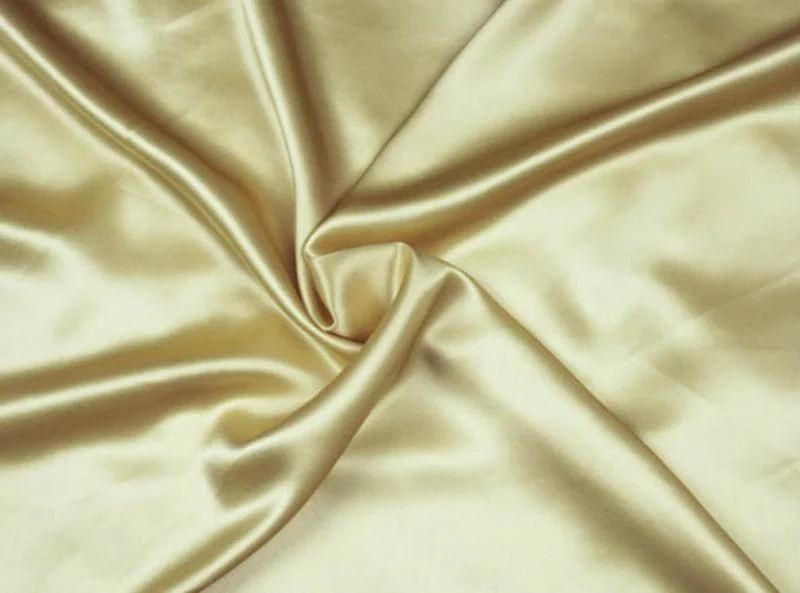
Silk Satin
Silk satin is known for its glossy surface and smooth feel, making it a popular choice for evening gowns and luxury lingerie. Its draping quality adds an element of sophistication to any garment.
Silk Chiffon
Silk chiffon is lightweight and sheer, often used for layering in dresses and blouses. Its delicate nature allows for intricate designs and flowing silhouettes, making it a favorite for summer wear.
Silk Crepe
Silk crepe features a slightly crinkled texture, providing a unique drape and feel. It is often used in tailored garments and blouses, offering a modern look while maintaining the luxurious qualities of silk.
Benefits and Advantages
Pure silk fabric provides numerous benefits that make it an attractive choice for B2B buyers.
1. Luxurious Feel: The softness of pure silk offers unmatched comfort, making it ideal for high-end fashion and products.
2. Versatility: With various weaves and finishes, silk can adapt to different styles and applications, meeting diverse customer needs.
3. Durability: When cared for properly, silk fabric is long-lasting, providing good value for investment.
4. Temperature Regulation: Its natural breathability helps regulate body temperature, ensuring comfort in both warm and cool climates.
5. Eco-Friendly: Being biodegradable, silk contributes to sustainable practices in textile production.
6. Aesthetic Appeal: The natural sheen and rich colors of silk elevate the visual quality of any product, attracting discerning customers.
Buying Guide for B2B Buyers
When sourcing pure silk fabric, it is essential for buyers to consider several key factors to ensure they make informed decisions.
1. Quality Assessment: Evaluate the silk's fiber composition and weave type to ensure it meets your quality standards. Checking for certifications can also help in assessing quality.
2. Supplier Verification: Vet potential suppliers by reviewing their reputation, experience in the industry, and customer feedback. This step helps to ensure reliability.
3. Pricing and MOQ: Understand the pricing structure and minimum order quantities. Negotiating terms can help in securing the best deals.
4. Delivery and Lead Times: Discuss delivery options and lead times with suppliers to plan production schedules effectively and minimize delays.
5. Compliance Requirements: Be aware of any regulatory standards applicable to silk fabric in your region, including safety and environmental considerations.
Compliance and Certifications
Pure silk fabric is subject to various quality standards and certifications that ensure it meets industry requirements.
ISO 9001 is a widely recognized standard that outlines quality management systems, ensuring consistent product quality and customer satisfaction in the silk supply chain.
CE certification is relevant in certain markets, indicating that products meet European health, safety, and environmental protection standards.
Additionally, safety and testing requirements may vary by region, necessitating compliance with local regulations regarding textile production and processing.
B2B buyers should also consider regional compliance, as different countries may have unique standards applicable to silk fabric, which can affect import and export processes.
Why Source Pure Silk Fabric from Pepagora?
Pepagora is a trusted platform for sourcing pure silk fabric, offering several key advantages to B2B buyers.
Verified Supplier Network: Pepagora connects buyers with a network of verified suppliers, ensuring that all sourced materials meet high quality and ethical standards. This verification process builds trust between buyers and suppliers.
Streamlined RFQ Process: The platform facilitates a straightforward Request for Quotation (RFQ) process, allowing buyers to efficiently compare offers and select the best options based on their needs.
Trade Assurance and Support: Pepagora provides trade assurance, protecting buyers' investments by offering support throughout the sourcing process. This includes assistance with logistics and dispute resolution.
Regional Coverage: With a strong presence in India, the GCC, and Southeast Asia, Pepagora provides extensive regional coverage, allowing buyers to access a diverse range of pure silk fabric options tailored to their specific markets.
By choosing Pepagora, businesses can confidently source high-quality pure silk fabric while benefiting from a reliable and efficient sourcing experience.

Frequently Asked Questions
What are Pure Silk Fabric?
Pure Silk Fabric is a textile made entirely from silk fibers, which are produced by silkworms. This fabric is renowned for its softness, sheen, and luxurious feel, making it a popular choice for clothing, accessories, and home decor.
What are the different types of Pure Silk Fabric?
There are several types of Pure Silk Fabric, including Charmeuse, Chiffon, Georgette, and Satin. Each type has unique characteristics, such as weight, drape, and texture, making them suitable for various applications and styles.
How do I choose the right Pure Silk Fabric?
When selecting Pure Silk Fabric, consider the intended use, desired texture, and weight. It is also important to evaluate the fabric's finish, as it can affect the overall appearance and comfort of the final product.
What are the standard specifications for Pure Silk Fabric?
Standard specifications for Pure Silk Fabric include fiber content, weave type, thread count, and weight. Typically, high-quality silk has a thread count of at least 400 and a weight ranging from 16 to 30 momme, depending on the intended use.
What is the price range for Pure Silk Fabric?
The price of Pure Silk Fabric can vary widely based on quality, type, and supplier, generally ranging from INR 300 to INR 2000 per meter. High-end silk varieties, such as handwoven or designer silks, may command higher prices.
What quality standards apply to Pure Silk Fabric?
Quality standards for Pure Silk Fabric often include tests for fiber purity, colorfastness, and durability. Reputable manufacturers adhere to industry standards such as ISO certifications to ensure the integrity and quality of the fabric.
Where can I find Pure Silk Fabric suppliers in India?
You can find Pure Silk Fabric suppliers in India through online B2B marketplaces, trade fairs, and local textile markets. Websites like Pepagora.com are useful for connecting with verified manufacturers and suppliers.
Can Pure Silk Fabric be customized?
Yes, Pure Silk Fabric can be customized in terms of color, print, and even weave type based on specific requirements. Many suppliers offer customization services to cater to individual customer needs.
What is the typical minimum order quantity for Pure Silk Fabric?
The typical minimum order quantity (MOQ) for Pure Silk Fabric can range from 10 to 50 meters, depending on the manufacturer. Some suppliers may offer smaller quantities for sample orders or specific products.
What is the typical lead time for Pure Silk Fabric?
The typical lead time for Pure Silk Fabric orders can vary from 2 to 6 weeks based on factors such as order size, customization, and supplier location. It is advisable to confirm lead times with the supplier at the time of order.
Why Businesses Trust Pepagora
Thousands of companies trust Pepagora to source smarter and sell faster
Expand Your Sales Globally

Source Smarter,Grow Faster
