
 IN
Viscose Rayon Fabric
7 products available
What are Viscose Rayon Fabric?
Viscose rayon fabric is a semi-synthetic textile made from regenerated cellulose fibers. It is derived from natural sources like wood pulp, which undergoes a chemical process to create a fiber that mimics the properties of silk, cotton, and synthetic fibers. Viscose rayon is known for its softness, breathability, and ability to drape well, making it a popular choice in the fashion and textile industries.
This fabric is widely used in clothing, home textiles, and industrial applications. In the apparel sector, it is commonly found in dresses, blouses, and linings due to its comfortable feel and attractive appearance. In home textiles, viscose rayon is used for curtains, upholstery, and bedding. The increasing demand for sustainable and eco-friendly fabrics has further boosted the market for viscose rayon, as it is biodegradable and often produced from renewable resources.
The relevance of viscose rayon in the market is significant, as it balances the qualities of luxury and affordability. With the growing trend toward sustainable practices in manufacturing, many brands are turning to viscose rayon as an alternative to traditional synthetic fabrics. Its versatility and wide range of applications ensure that it remains a staple in various industries.
Key Features and Specifications
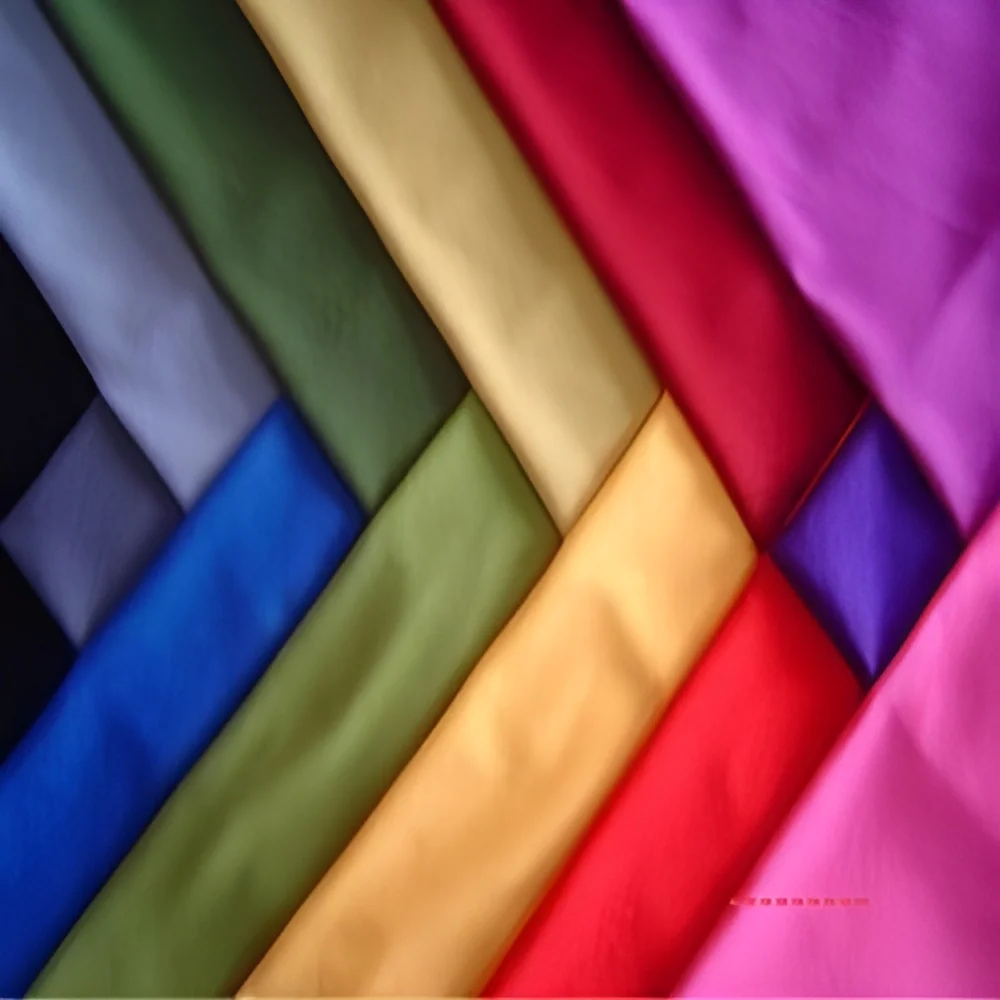
Viscose rayon fabric offers a unique combination of characteristics that make it suitable for multiple applications. It is often favored for its silk-like feel and environmental benefits. This fabric can be produced in various weights, colors, and finishes, catering to different market demands.
Key specifications include:
1. Fiber Composition
- Composed primarily of cellulose fibers derived from wood pulp
- Offers a soft, luxurious hand feel
2. Weight Range
- Available in various weights, typically ranging from 60 to 150 grams per square meter (GSM)
- Suitable for lightweight and heavier fabric applications
3. Colorfastness
- Generally good color retention, though it may vary based on dyeing processes
- Requires careful washing to maintain color vibrancy
4. Breathability
- Highly breathable, allowing moisture to escape
- Ideal for warm-weather clothing
5. Drapability
- Excellent drape, making it suitable for flowing garments
- Provides a flattering silhouette in fashion applications
6. Biodegradability
- Environmentally friendly due to its natural fiber content
- Breaks down more easily than synthetic fabrics
7. Care Requirements
- Typically requires gentle washing and air drying to maintain quality
- Not suitable for high-temperature drying or ironing
8. Environmental Impact
- Produced from renewable resources, reducing ecological footprint
- Manufacturing processes can vary in sustainability based on supplier practices
In summary, viscose rayon fabric combines desirable qualities, making it a versatile choice for various applications across multiple industries.
Common Applications and Use Cases
Viscose rayon fabric serves a wide range of industries due to its unique properties and benefits.
1. Fashion Industry: Viscose rayon is extensively used in clothing such as dresses, blouses, and skirts. Its soft texture and drape make it ideal for stylish and comfortable apparel.
2. Home Textiles: The fabric is commonly found in curtains, upholstery, and bedding. Its breathability and aesthetic appeal enhance the ambiance of living spaces.
3. Automotive Industry: Viscose rayon is utilized in the production of seat covers and interior linings, offering a premium look and feel in vehicles.
4. Medical Textiles: Some healthcare products, including surgical gowns and drapes, use viscose rayon for its absorbency and comfort against the skin.
5. Industrial Applications: Viscose rayon is employed in non-woven fabrics for filtration and insulation due to its lightweight and effective properties.
6. Upholstery: The fabric is also used in furniture upholstery, providing durability and comfort in residential and commercial settings.
7. Crafts and Home Decor: Crafters often choose viscose rayon for sewing projects, due to its versatility and availability in various colors and patterns.
Product Variants and Subcategories
Viscose rayon fabric comes in various forms, allowing for diverse applications across different markets.
Draped Viscose Rayon: This variant is known for its excellent drape and fluidity. It is often used in evening wear and high-fashion garments, making it a favorite among designers looking for a luxurious appearance.
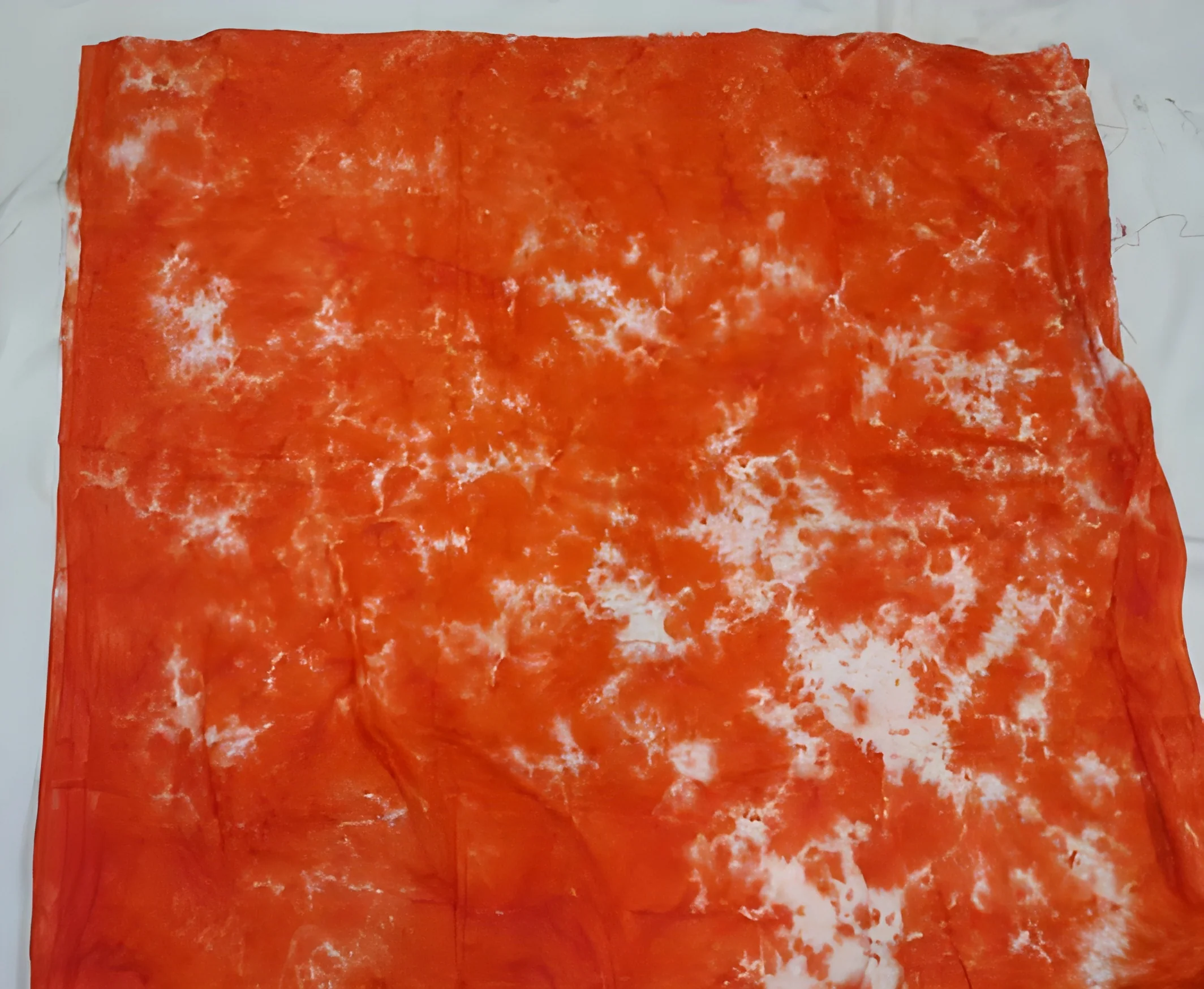
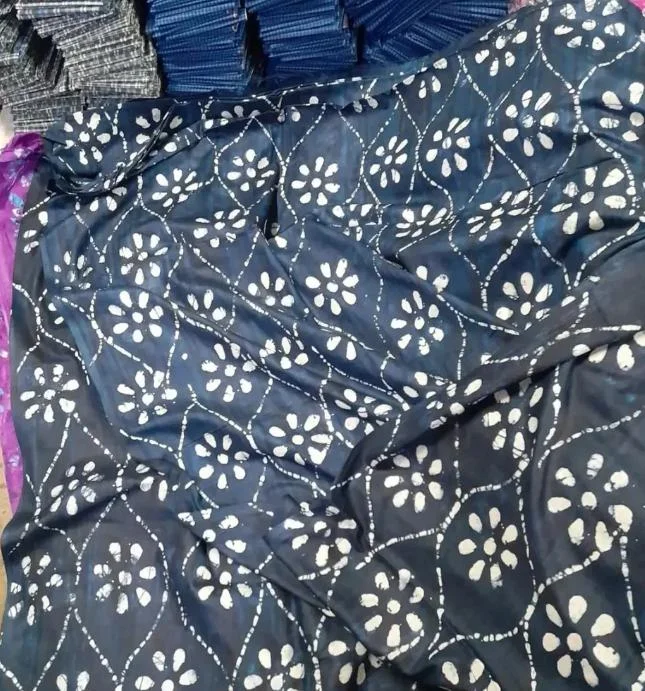
Printed Viscose Rayon: Available in a variety of printed designs, this variant is widely used in casual clothing and accessories. The vibrant patterns attract consumers looking for stylish and trendy options.
Brushed Viscose Rayon: This type has a soft, brushed finish that enhances its comfort and warmth. It is suitable for loungewear and fall fashion collections.
Benefits and Advantages
Viscose rayon fabric offers numerous advantages that appeal to both manufacturers and consumers.
1. Comfort: The soft and breathable nature of viscose rayon ensures a comfortable wearing experience, making it suitable for everyday clothing.
2. Versatility: This fabric can be used in a wide range of applications, from fashion to home textiles, catering to various consumer needs.
3. Eco-friendliness: Being derived from natural sources, viscose rayon is biodegradable, making it a more sustainable choice compared to synthetic fibers.
4. Aesthetic Appeal: Viscose rayon offers a luxurious appearance and feel, often mimicking silk, which adds value to finished products.
5. Good Drape: The fabric’s excellent draping ability allows for creative designs and flattering silhouettes in clothing.
6. Color Retention: Viscose rayon can retain vibrant colors well, enhancing the visual appeal of garments and home textiles.
Buying Guide for B2B Buyers
When sourcing viscose rayon fabric, buyers should consider several key factors to ensure they make informed decisions.
1. Quality Assessment: Evaluate the fabric's quality by checking for consistency in texture, weight, and finish. Request samples to assess the feel and performance.
2. Supplier Verification: Conduct thorough research on potential suppliers. Check their reputation, production capabilities, and compliance with industry standards.
3. Pricing and MOQ: Understand the pricing structure and minimum order quantities. Compare quotes from multiple suppliers to ensure competitive pricing.
4. Delivery and Lead Times: Clarify delivery schedules and lead times to align with production timelines. Ensure suppliers can meet your required deadlines.
5. Compliance Requirements: Verify that the fabric meets relevant quality and safety standards. Ensure that suppliers adhere to any necessary certifications and regulatory requirements.
Compliance and Certifications
Viscose rayon fabric must adhere to various quality standards to ensure safety and performance in its applications.
Many manufacturers seek ISO 9001 certification, which demonstrates a commitment to quality management systems. This certification ensures that products meet customer and regulatory requirements consistently.
Additionally, CE marking is relevant for products that may be sold in Europe, indicating compliance with health, safety, and environmental protection standards.
Safety and testing requirements are crucial, especially for applications in the medical and automotive industries. Regular testing for durability, colorfastness, and other relevant metrics is essential.
Regional compliance considerations vary, with different countries imposing unique regulations on textile products. It is vital for buyers to be aware of these requirements to avoid potential legal issues.
Why Source Viscose Rayon Fabric from Pepagora?
Pepagora is a trusted platform for sourcing viscose rayon fabric, offering several distinct advantages to B2B buyers.
Verified Supplier Network: Pepagora provides access to a network of verified suppliers, ensuring that buyers can source high-quality viscose rayon fabric from reputable manufacturers. This reduces the risk associated with supplier relationships.
Streamlined RFQ Process: The platform features a user-friendly request for quotation (RFQ) system, allowing buyers to easily compare offers from different suppliers. This transparency helps in making informed purchasing decisions.
Trade Assurance and Support: Buyers benefit from trade assurance, which provides protection against potential issues during transactions. Pepagora also offers customer support to assist with any inquiries or concerns.
Regional Coverage: With a strong presence in India, the GCC, and Southeast Asia, Pepagora facilitates sourcing across various regions. This extensive geographic reach allows buyers to find suitable suppliers that meet their specific needs.
In conclusion, Pepagora offers a comprehensive solution for businesses looking to source viscose rayon fabric, combining quality, varied options, and reliable supplier partnerships.

Frequently Asked Questions
What are Viscose Rayon Fabric?
Viscose Rayon Fabric is a semi-synthetic fabric made from regenerated cellulose fibers. It is known for its silk-like feel, breathability, and versatility, making it a popular choice in the textile industry.
What are the different types of Viscose Rayon Fabric?
There are several types of Viscose Rayon Fabric, including regular viscose, high wet modulus (HWM) viscose, and modal. Each type has distinct properties, such as strength and moisture absorption, catering to various applications.
How do I choose the right Viscose Rayon Fabric?
Choosing the right Viscose Rayon Fabric involves considering factors such as the intended use, desired texture, and weight of the fabric. It is also important to check for quality certifications and supplier reliability.
What are the standard specifications for Viscose Rayon Fabric?
Standard specifications for Viscose Rayon Fabric typically include fiber content, weight, width, and colorfastness ratings. It is essential to refer to technical data sheets provided by manufacturers for precise details.
What is the price range for Viscose Rayon Fabric?
The price range for Viscose Rayon Fabric can vary widely based on quality, type, and supplier. Generally, prices can range from INR 80 to INR 300 per meter, depending on market conditions and specifications.
What quality standards apply to Viscose Rayon Fabric?
Quality standards for Viscose Rayon Fabric may include certifications such as Oeko-Tex Standard 100 and ISO 9001. These standards ensure the fabric meets safety, environmental, and performance criteria.
Where can I find Viscose Rayon Fabric suppliers in India?
You can find Viscose Rayon Fabric suppliers in India through online B2B marketplaces like Pepagora, textile trade shows, and industry directories. It is advisable to review supplier profiles and ratings before making a selection.
Can Viscose Rayon Fabric be customized?
Yes, Viscose Rayon Fabric can often be customized in terms of color, pattern, and finish according to buyer specifications. Many manufacturers offer customization options to meet specific requirements.
What is the typical minimum order quantity for Viscose Rayon Fabric?
The typical minimum order quantity (MOQ) for Viscose Rayon Fabric can vary by supplier, but it generally ranges from 50 to 100 meters. It is best to confirm the MOQ with the specific supplier.
What is the typical lead time for Viscose Rayon Fabric?
The typical lead time for Viscose Rayon Fabric can range from 2 to 4 weeks, depending on order size and supplier capabilities. It is advisable to discuss lead times with suppliers during the ordering process.
Why Businesses Trust Pepagora
Thousands of companies trust Pepagora to source smarter and sell faster
Expand Your Sales Globally

Source Smarter,Grow Faster
