IN
IN₹
Apparel & Fashion
Description
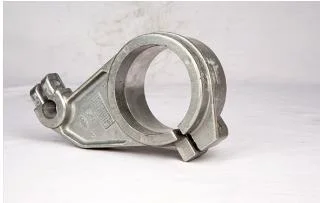
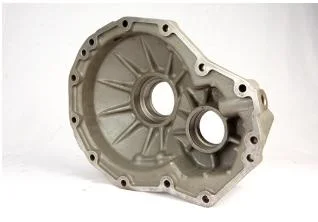
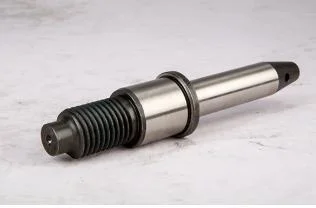
Precision automotive components represent the fundamental elements that enable modern vehicles to function reliably and efficiently. These engineered parts are manufactured using advanced production techniques and high-quality materials to meet the stringent requirements of automotive applications. Each component undergoes rigorous quality control processes to ensure dimensional accuracy, material integrity, and performance consistency. The manufacturing approach focuses on creating parts that not only meet specifications but also contribute to the overall durability and longevity of the vehicles they serve.

These components find extensive application across multiple sectors of the automotive industry, serving original equipment manufacturers, tier suppliers, and aftermarket providers. In passenger vehicle manufacturing, they contribute to safety systems, powertrain efficiency, and overall vehicle reliability. Commercial vehicle applications benefit from their durability in demanding ...
Precision automotive components represent the fundamental elements that enable modern vehicles to function reliably and efficiently. These engineered parts are manufactured using advanced production techniques and high-quality materials to meet the stringent requirements of automotive applications. Each component undergoes rigorous quality control processes to ensure dimensional accuracy, material integrity, and performance consistency. The manufacturing approach focuses on creating parts that not only meet specifications but also contribute to the overall durability and longevity of the vehicles they serve.

These components find extensive application across multiple sectors of the automotive industry, serving original equipment manufacturers, tier suppliers, and aftermarket providers. In passenger vehicle manufacturing, they contribute to safety systems, powertrain efficiency, and overall vehicle reliability. Commercial vehicle applications benefit from their durability in demanding operating conditions, supporting transportation, logistics, and industrial operations. The precision engineering makes them suitable for integration into complex automotive systems where performance and reliability are non-negotiable requirements.

The business value of these automotive components lies in their consistent quality and reliable performance, which directly translates to reduced downtime and maintenance costs for end-users. Manufacturers benefit from components that integrate smoothly into existing production lines without requiring significant process adjustments. The reliability factor ensures that vehicles maintain optimal performance throughout their service life, supporting customer satisfaction and brand reputation. These components represent a strategic investment in vehicle quality and operational efficiency.

Key Features:
- Precision engineering for exact dimensional accuracy and fit
- Manufactured from high-quality materials including alloy steel and forged components
- Designed to meet OEM specifications and quality standards
- Rigorous quality control throughout the manufacturing process
- Consistent performance across production batches

Benefits:
- Enhanced vehicle reliability and reduced maintenance requirements
- Seamless integration with existing automotive systems and assemblies
- Long service life through durable material selection and manufacturing
- Support for vehicle safety and performance standards compliance
- Cost-effective solution through reduced warranty claims and repair needs
Specifications
| Additional Information | |
|---|---|
| Country of Origin | India |
Application
These automotive components serve as essential building blocks for modern vehicle manufacturing, designed to integrate seamlessly into complex automotive systems. They provide the structural and functional foundation that enables vehicles to operate safely and efficiently across diverse conditions and applications.
Engineered to meet the exacting requirements of automotive manufacturers, these components support critical vehicle functions while maintaining consistency and reliability. Their precision manufacturing ensures compatibility with existing production processes, making them suitable for both new vehicle assembly and replacement part applications in maintenance scenarios.
Real-world applications:
- Engine assemblies including cylinder heads, pistons, crankshafts, and valve train components
- Transmission systems with gears, shafts, synchronizers, and clutch assemblies
- Suspension components such as control arms, ball joints, struts, and stabilizer links
- Braking systems including calipers, rotors, master cylinders, and brake pads
- Structural automotive parts like chassis components, brackets, and mounting systems
Trade Details
| Available Stock | In Stock |
| Sample Availability | No |
Payment Terms
| Payment Terms |
|
| Payment Methods |
|
Company Profile

Gee Keyy Engineering Co, Tamil Nadu
 Tamil Nadu, India
Tamil Nadu, IndiaIndustrial Equipment & Machinery•Manufacturer
Factory Details
Factory SizeBelow 1000 sqm
Precision Automotive Components For OEM Engineering Applications
Precision automotive components for OEM and engineering applications, manufactured to meet strict quality standards for reliable performance in passenger and commercial vehicles.
Min. Order Quantity: 1 piece
Shipping
Shipping fee and delivery date to be negotiated. Contact supplier now for more details.
Gee Keyy Engineering Co
 Tamil Nadu, India
Tamil Nadu, IndiaIndustrial Equipment & MachineryManufacturer