
 IN
Metal Scrap (Ferrous & Non-Ferrous)
9 products available
Key Features and Specifications
Metal scrap comes with a range of features and specifications that are crucial for buyers to understand. These specifications ensure that the material meets the required standards for recycling and manufacturing processes.
Key specifications include:
1. Material Type
- Ferrous metals include iron and steel.
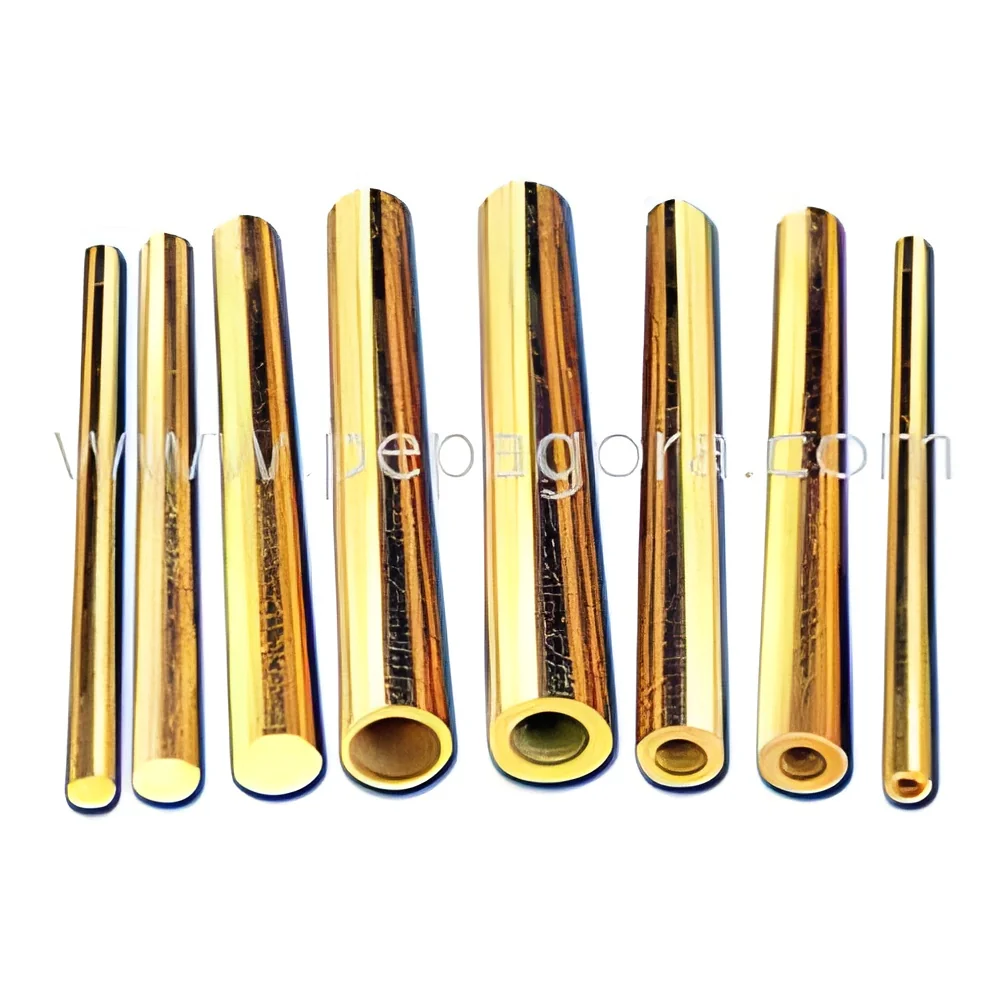
- Non-ferrous metals encompass aluminum, copper, brass, and others.
2. Purity Levels
- Ferrous scrap should generally contain at least 90% metal content.
- Non-ferrous scrap purity can vary; higher purity often commands better prices.
3. Size and Form
- Scrap can come in various forms, including shavings, sheets, and chunks.
- Standard sizes are important for processing efficiency.
4. Contaminants
- Scrap should be free from non-metal contaminants such as plastics and wood.
- Contamination can affect recycling processes and end-product quality.
5. Density
- Varies by metal type and impacts transportation costs.
- Higher density metals like copper may incur different handling fees.
6. Weight
- Often sold by weight, typically in tons.
- Accurate weighing is essential for pricing.
7. Certification
- Compliance with local regulations and industry standards ensures material quality.
8. Market Demand
- Fluctuations in demand for specific metals can affect pricing and availability.
Understanding these specifications helps buyers make informed decisions when sourcing metal scrap.
Common Applications and Use Cases
Metal scrap serves a wide range of industries, demonstrating its versatility and importance in manufacturing processes.
1. Automotive Industry: Scrap metal is used to produce new automotive parts, reducing the need for virgin materials and lowering production costs.
2. Construction Industry: Scrap metals are utilized in building structures, reinforcing concrete, and manufacturing construction equipment.
3. Electronics Industry: Non-ferrous metals, such as copper and aluminum, are essential for creating wiring and electronic components, making recycling critical for sustainability.
4. Aerospace Industry: Lightweight non-ferrous metals are often recycled to manufacture aircraft components, contributing to significant weight savings and efficiency.
5. Appliances Manufacturing: Scrap metals are repurposed to create household appliances, from refrigerators to washing machines.
6. Shipbuilding: Ferrous metals are crucial for building and repairing ships, optimizing costs through the use of recycled materials.
7. Art and Design: Artists and designers utilize scrap metal for creating sculptures and installations, showcasing its aesthetic value.
Product Variants and Subcategories
Metal scrap is diverse, catering to various industry needs and preferences.
Ferrous Metal Scrap
This variant includes materials such as steel and cast iron. It is commonly used in manufacturing new steel products and is vital for construction and automotive applications.
Non-Ferrous Metal Scrap
Comprising aluminum, copper, and brass, this variant is critical in the electronics and aerospace sectors. Its lightweight characteristics and resistance to corrosion make it a preferred choice for many applications.
Benefits and Advantages
Sourcing metal scrap provides numerous advantages for businesses.
1. Cost Savings: Utilizing recycled metal scrap can significantly reduce manufacturing costs compared to using virgin materials.
2. Environmental Impact: Recycling metal reduces waste in landfills and conserves natural resources, contributing to a more sustainable future.
3. Energy Efficiency: Reprocessing scrap metal generally requires less energy than producing new metal from ore.
4. Versatility: Metal scrap can be repurposed for various applications across multiple industries, enhancing its value.
5. Availability: The global market for metal scrap ensures a steady supply, benefiting manufacturers in need of raw materials.
6. Reduced Carbon Footprint: Using recycled metals lowers greenhouse gas emissions associated with mining and processing virgin materials.
Buying Guide for B2B Buyers
When sourcing metal scrap, it is essential to consider several factors to ensure quality and reliability.
1. Quality Assessment: Inspect the scrap for purity levels and contaminants. High-quality scrap yields better results in manufacturing processes.
2. Supplier Verification: Choose suppliers with proven track records and positive reviews. Conduct background checks to ensure reliability.
3. Pricing and MOQ: Understand market pricing trends and minimum order quantities. This knowledge helps in negotiating better deals.
4. Delivery and Lead Times: Confirm logistics and expected delivery times. Timely supply is crucial for maintaining production schedules.
5. Compliance Requirements: Familiarize yourself with local regulations and certifications needed for sourcing and processing metal scrap.
Compliance and Certifications
The metal scrap industry is governed by various quality standards and certifications to ensure safety and reliability.
ISO 9001 is a critical standard that outlines requirements for quality management systems. Compliance with this standard demonstrates a commitment to maintaining high-quality processes throughout the supply chain.
CE certification is essential for products sold within the European market. It indicates that the product meets health, safety, and environmental protection standards.
Safety and testing requirements are crucial in ensuring that the scrap metal is free from hazardous materials. Regular testing helps maintain compliance with environmental regulations.
Regional compliance considerations vary by market. Buyers should be aware of specific local laws regarding metal scrap recycling and handling to avoid legal issues.
Why Source Metal Scrap (Ferrous & Non-Ferrous) from Pepagora?
Pepagora provides a trusted platform for sourcing metal scrap with several key advantages.
Verified Supplier Network: Pepagora features a comprehensive network of verified suppliers committed to quality and reliability. This offers buyers peace of mind when sourcing metal scrap.
Streamlined RFQ Process: The platform simplifies the request for quotation process, allowing buyers to efficiently compare prices and terms from various suppliers.
Trade Assurance and Support: Pepagora offers buyer protection through trade assurance measures, ensuring that transactions are secure and disputes can be resolved effectively.
Regional Coverage: With a strong presence in India, the GCC, and Southeast Asia, Pepagora facilitates connections between buyers and suppliers across diverse markets, enhancing accessibility and choice.

 India
 India
 India

 India
 India

 India

Frequently Asked Questions
What are Metal Scrap (Ferrous & Non-Ferrous)?
Metal Scrap (Ferrous & Non-Ferrous) refers to discarded materials that can be recycled and reused in various industrial applications. Ferrous metals contain iron, such as steel and cast iron, while non-ferrous metals include aluminum, copper, lead, and zinc. Both types are valuable in recycling due to their material properties.
What are the different types of Metal Scrap (Ferrous & Non-Ferrous)?
The different types of Metal Scrap include ferrous scrap, which encompasses items like scrap steel and cast iron, and non-ferrous scrap, which includes metals like aluminum, copper, brass, and lead. Each type has specific applications depending on its properties and is categorized based on its composition and usability in recycling processes.
How do I choose the right Metal Scrap (Ferrous & Non-Ferrous)?
Choosing the right Metal Scrap involves considering factors such as the intended application, metal type, and quality requirements. It is essential to assess the physical condition of the scrap and any relevant certifications or specifications that may apply to its use in manufacturing processes.
What are the standard specifications for Metal Scrap (Ferrous & Non-Ferrous)?
Standard specifications for Metal Scrap often include criteria such as chemical composition, physical properties, and cleanliness of the material. These specifications may vary based on industry standards and the intended use of the scrap in manufacturing or recycling processes.
What is the price range for Metal Scrap (Ferrous & Non-Ferrous)?
The price range for Metal Scrap can vary significantly based on factors such as market demand, type of metal, and quality of the scrap. Generally, ferrous metals are priced lower than non-ferrous metals, with prices fluctuating based on global commodity markets.
What quality standards apply to Metal Scrap (Ferrous & Non-Ferrous)?
Quality standards for Metal Scrap are defined by organizations such as the Institute of Scrap Recycling Industries (ISRI) and may include specifications for metal purity, contamination levels, and physical characteristics. Adhering to these standards ensures that recycled materials meet industry requirements.
Where can I find Metal Scrap (Ferrous & Non-Ferrous) suppliers in India?
Metal Scrap suppliers in India can be found through various channels, including online B2B marketplaces, local scrap yards, and recycling centers. Platforms like Pepagora.com provide a comprehensive directory of suppliers, allowing buyers to compare options and find reliable sources.
Can Metal Scrap (Ferrous & Non-Ferrous) be customized?
While Metal Scrap is typically sold in its raw form, some suppliers may offer customized sorting or processing based on specific buyer requirements. Customization options may include cutting, shredding, or separating materials to meet particular specifications.
What is the typical minimum order quantity for Metal Scrap (Ferrous & Non-Ferrous)?
The typical minimum order quantity (MOQ) for Metal Scrap can vary by supplier and type of metal, but it generally ranges from a few tons to larger bulk quantities. Buyers should inquire with specific suppliers regarding their MOQ policies to ensure they can meet purchasing requirements.
What is the typical lead time for Metal Scrap (Ferrous & Non-Ferrous)?
The typical lead time for Metal Scrap can vary depending on the supplier, location, and availability of the material. Generally, lead times can range from a few days to several weeks, and it is advisable to confirm timelines with suppliers during the ordering process.
Why Businesses Trust Pepagora
Thousands of companies trust Pepagora to source smarter and sell faster
Expand Your Sales Globally

Source Smarter,Grow Faster
