IN
IN₹
Apparel & Fashion
Description
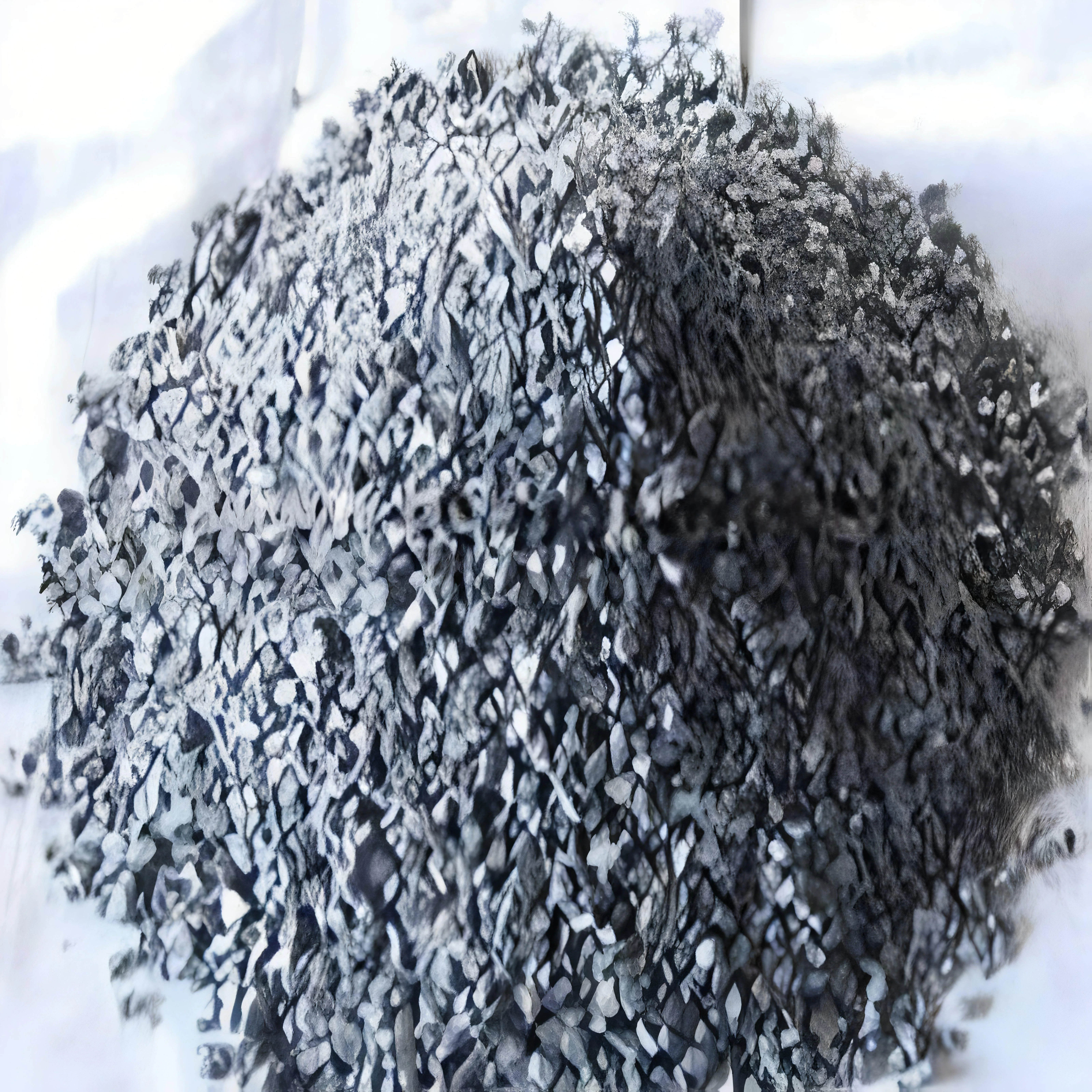
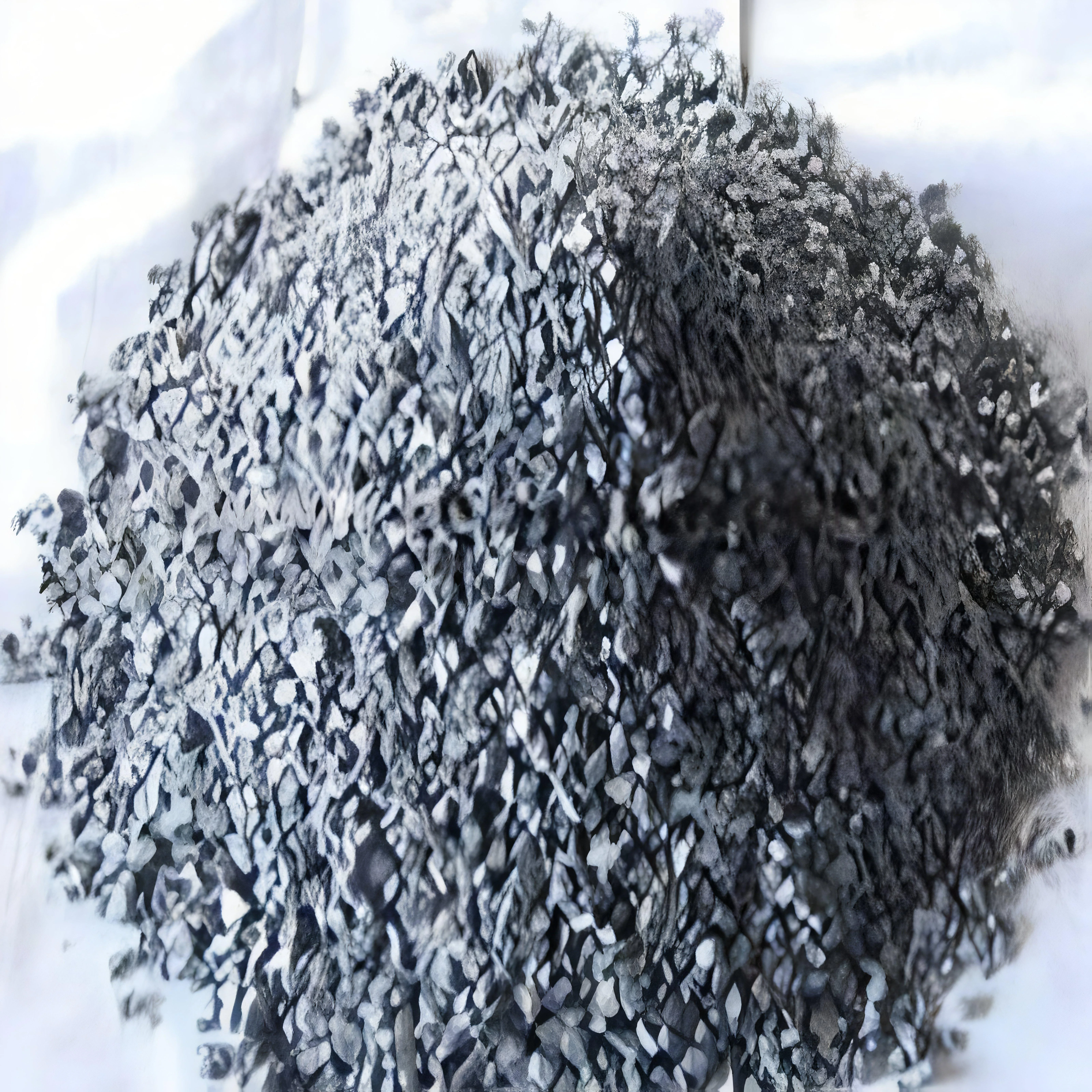
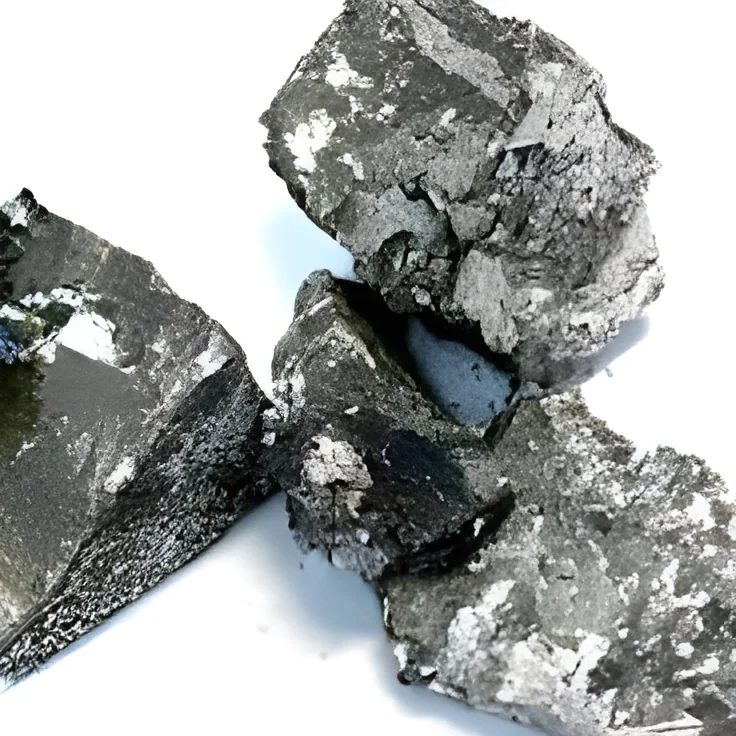
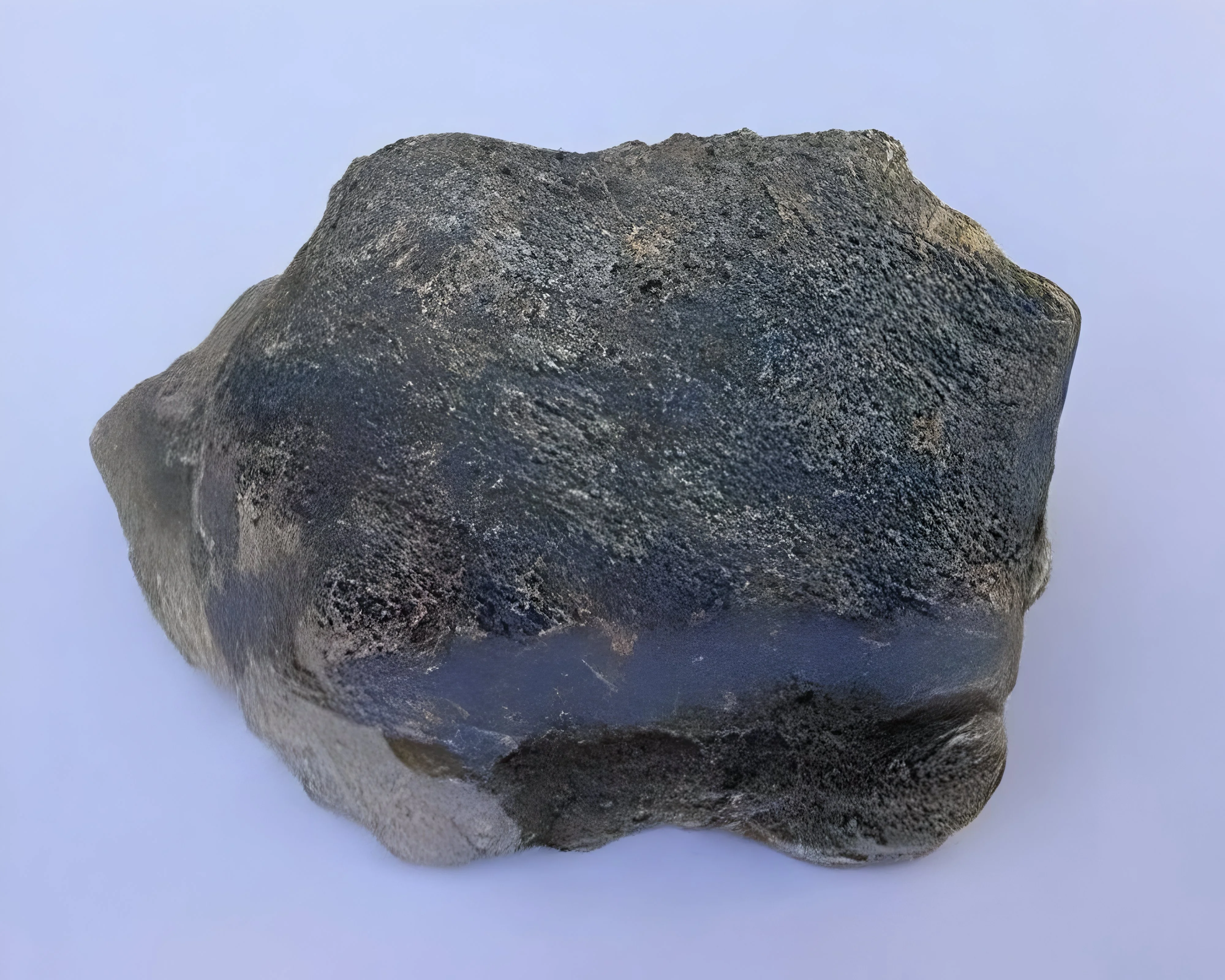
Ferro Chrome Alloy is a precisely formulated metallurgical additive, composed primarily of silicon (Si) and iron (Fe), designed to be a reliable source of chromium in steel and iron production. Available in versatile physical forms including powder, fines, grain, and compressed briquettes, it offers flexibility for different charging and alloying methods in electric arc furnaces, induction furnaces, and ladle treatment stations. This product is supplied as new, standard-grade material with an OEM focus, ensuring it meets the rigorous demands of industrial-scale operations. Its core purpose is to efficiently and consistently increase the chromium content in molten metal, which is fundamental for developing enhanced material properties such as superior hardness, exceptional corrosion resistance, and improved overall durability in the finished steel, making it a cornerstone input for quality-focused manufacturers.

This alloy finds its essential role across a broad spectrum of heavy indus...
Ferro Chrome Alloy is a precisely formulated metallurgical additive, composed primarily of silicon (Si) and iron (Fe), designed to be a reliable source of chromium in steel and iron production. Available in versatile physical forms including powder, fines, grain, and compressed briquettes, it offers flexibility for different charging and alloying methods in electric arc furnaces, induction furnaces, and ladle treatment stations. This product is supplied as new, standard-grade material with an OEM focus, ensuring it meets the rigorous demands of industrial-scale operations. Its core purpose is to efficiently and consistently increase the chromium content in molten metal, which is fundamental for developing enhanced material properties such as superior hardness, exceptional corrosion resistance, and improved overall durability in the finished steel, making it a cornerstone input for quality-focused manufacturers.

This alloy finds its essential role across a broad spectrum of heavy industries centered on metal production and fabrication. In the steelmaking sector, it is used to produce various grades of stainless steel and alloy steel, which are then transformed into products for construction, automotive manufacturing, and consumer goods. Foundries and casting houses rely on it to create specialized cast iron and steel components that require specific wear and corrosion characteristics, such as pump housings, valve bodies, and machinery parts. Furthermore, industries involved in making heavy equipment for mining, agriculture, and construction depend on the alloy to produce durable, long-lasting components that can endure significant stress and abrasive environments, ensuring equipment reliability and reducing downtime.

The business value of this Ferro Chrome Alloy is rooted in its reliability, consistency, and direct contribution to manufacturing efficiency and product quality. By providing a predictable and uniform source of chromium, it minimizes process variability, reduces the risk of off-specification production runs, and helps control overall melting costs. Its standard chemical composition and availability in forms suited to different operational workflows allow for seamless integration into existing processes, supporting just-in-time production schedules. For importers, distributors, and wholesalers, offering this reliable alloy strengthens supply chain partnerships, as end-users can trust in its performance to meet their stringent technical specifications and deliver end-products that satisfy market demands for strength and longevity.

Key Features:
- Available in multiple physical forms: powder, fines, grain, and briquette to suit various furnace charging and alloying methods.
- Standard chemical composition centered on Si and Fe, ensuring consistent and predictable chromium yield in the melt.
- Supplied as new material in OEM condition, guaranteeing high purity and absence of contaminants for reliable metallurgical results.
- Conforms to standard industrial specifications, providing a reliable baseline for quality and performance in steelmaking.
- Designed for applications in steelmaking, foundry operations, and casting processes requiring enhanced hardness and corrosion resistance.

Benefits:
- Enhances the final product's key properties, including surface hardness, wear resistance, and corrosion protection, extending service life.
- Provides consistent alloying performance, leading to stable production processes, reduced rejects, and improved operational efficiency.
- The variety of available shapes allows for optimized dissolution rates and improved recovery, maximizing material usage and cost-effectiveness.
- Reliable OEM-grade supply ensures product integrity and builds trust for long-term procurement partnerships and supply chain stability.
- Directly contributes to manufacturing superior-grade steels and castings, enabling producers to meet demanding technical specifications and market needs.
Specifications
| Key Attributes | |
|---|---|
| Type | Ferro Chrome Alloy |
| Supply Type | OEM |
| Chemical Composition: | Si Fe |
| Material | Si |
| Condition | New |
| Price | Reasonable |
| Standard or Non Standard | Standard |
| Dimensions | Customized |
| Shape | Powder; Fines; Grain; Briquette |
| Application | Steelmaking; Foundry; Casting |
| Specification | As per Clients Request |
| Tolerance | As per Clients Request |
| Additional Information | |
|---|---|
| Country of Origin | India |
Application
Ferro Chrome Alloy is a fundamental additive in modern steel production, specifically engineered to elevate the mechanical and chemical properties of various steel grades. Its primary function is to introduce precise chromium content into molten metal, which directly improves hardness, tensile strength, and resistance to corrosion and oxidation. This makes it indispensable for creating high-performance stainless steels and alloy steels that must withstand extreme environments, from industrial machinery to architectural structures, ensuring longevity and reduced maintenance costs.
Beyond primary steelmaking, this alloy is critical in foundry and precision casting operations where metallurgical control is paramount. It provides consistent composition for producing complex, wear-resistant components used across heavy industries. The availability in multiple physical forms—powder, fines, grain, and briquettes—allows for optimal integration into different furnace types and melting processes, ensuring efficient alloying, minimal slag formation, and predictable outcomes in the final cast products, from automotive parts to industrial tools.
- Manufacturing of austenitic and ferritic stainless steel for chemical processing equipment, food service, and architectural cladding.
- Production of high-strength low-alloy (HSLA) steels for automotive frames, chassis components, and suspension systems.
- Casting of abrasion-resistant parts for mining machinery, crusher liners, and grinding media in mineral processing.
- Fabrication of tool steels and die steels used in metal stamping, forging dies, and cutting tools requiring high hardness.
- Creation of heat-resistant alloys for engine valves, turbine components, and exhaust systems in the automotive and power generation sectors.
Trade Details
| Available Stock | In Stock |
| Sample Availability | No |
Payment Terms
| Payment Terms |
|
Shipping & Logistics
| Port of Dispatch | Coimbatore |
Company Profile
Hindusthan Foundary Fluxes, Tamil Nadu
 Tamil Nadu, India
Tamil Nadu, IndiaRaw Materials & Chemicals•Manufacturer•Distributor / Wholesaler
Factory Details
Factory SizeBelow 1000 sqm
Annual Production Capacity0
Main Markets
Eastern Asia
South Asia
Southeast Asia
Steelmaking Ferro Chrome Alloy Powder Fines Grain Briquette
High-grade Ferro Chrome Alloy powder, fines, grain, and briquette shapes for steelmaking and foundry applications. This alloy enhances hardness, corrosion resistance, and durability in final steel products with reliable OEM supply.
Min. Order Quantity: 1 piece
Shipping
Shipping fee and delivery date to be negotiated. Contact supplier now for more details.
Hindusthan Foundary Fluxes
 Tamil Nadu, India
Tamil Nadu, IndiaRaw Materials & ChemicalsManufacturer