
 IN
INMetal Scrap (Ferrous & Non-Ferrous)
9 products available
Key Features and Specifications
Common Applications and Use Cases
Product Variants and Subcategories
Benefits and Advantages
Buying Guide for B2B Buyers
Compliance and Certifications



Frequently Asked Questions
What are Metal Scrap (Ferrous & Non-Ferrous)?
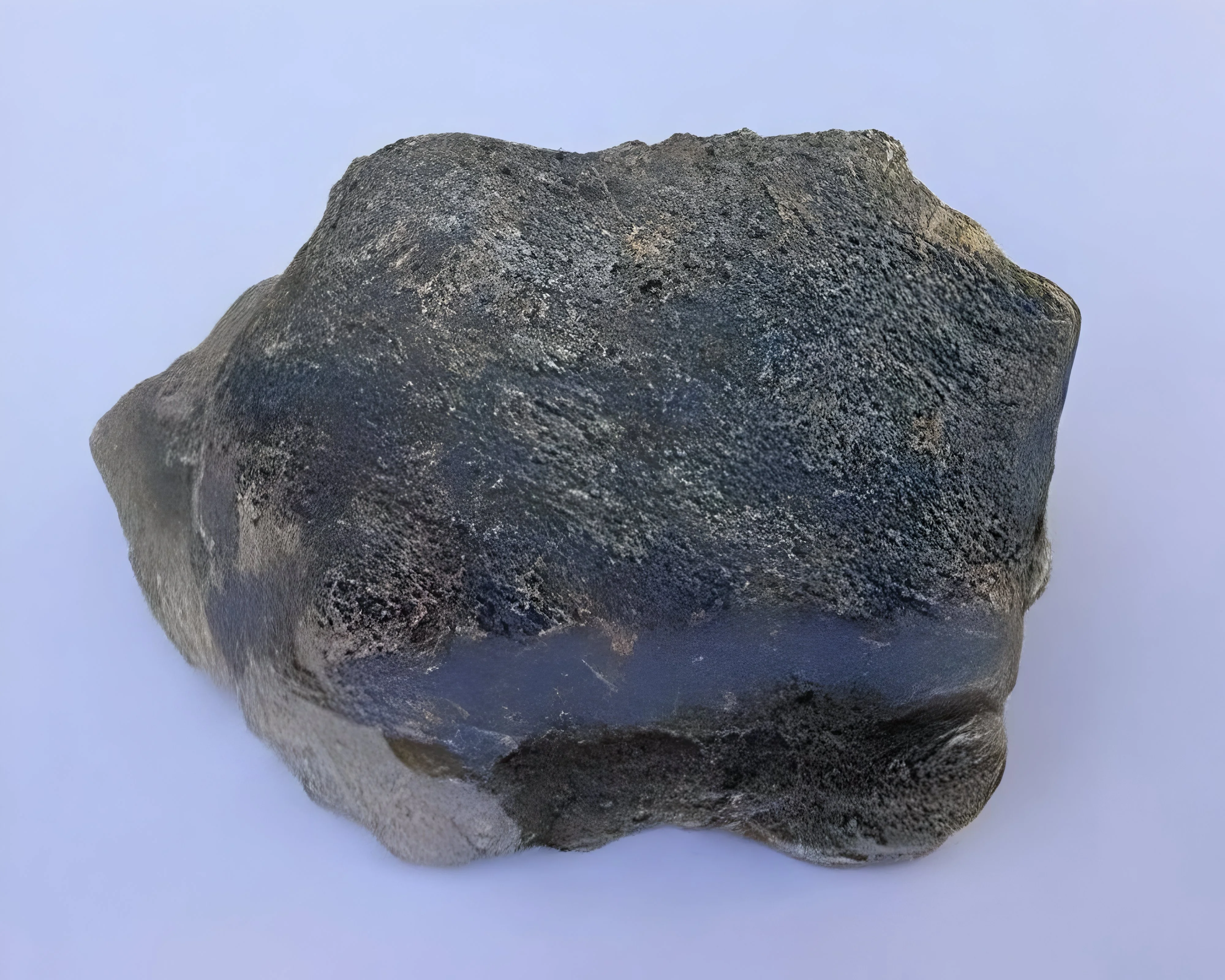
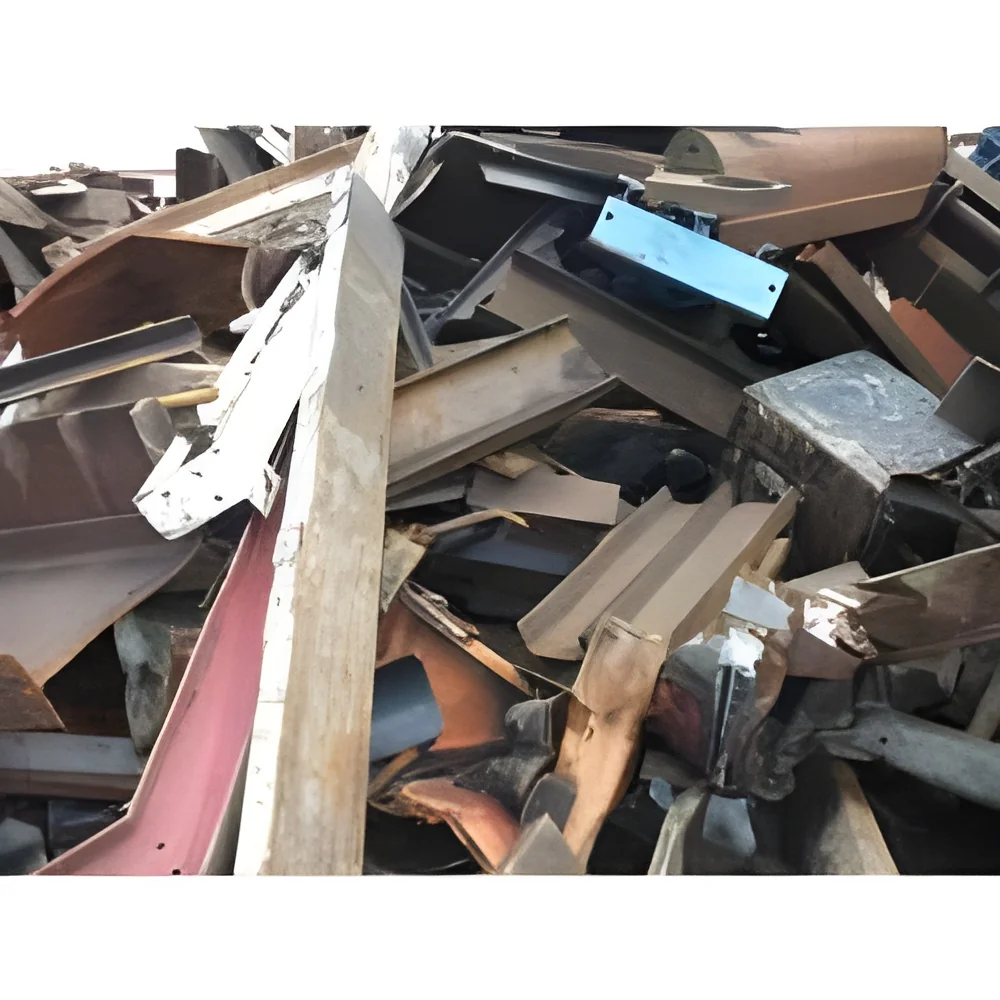
Metal Scrap (Ferrous & Non-Ferrous) refers to discarded materials that can be recycled and reused in various industrial applications. Ferrous metals contain iron, such as steel and cast iron, while non-ferrous metals include aluminum, copper, lead, and zinc. Both types are valuable in recycling due to their material properties.
What are the different types of Metal Scrap (Ferrous & Non-Ferrous)?
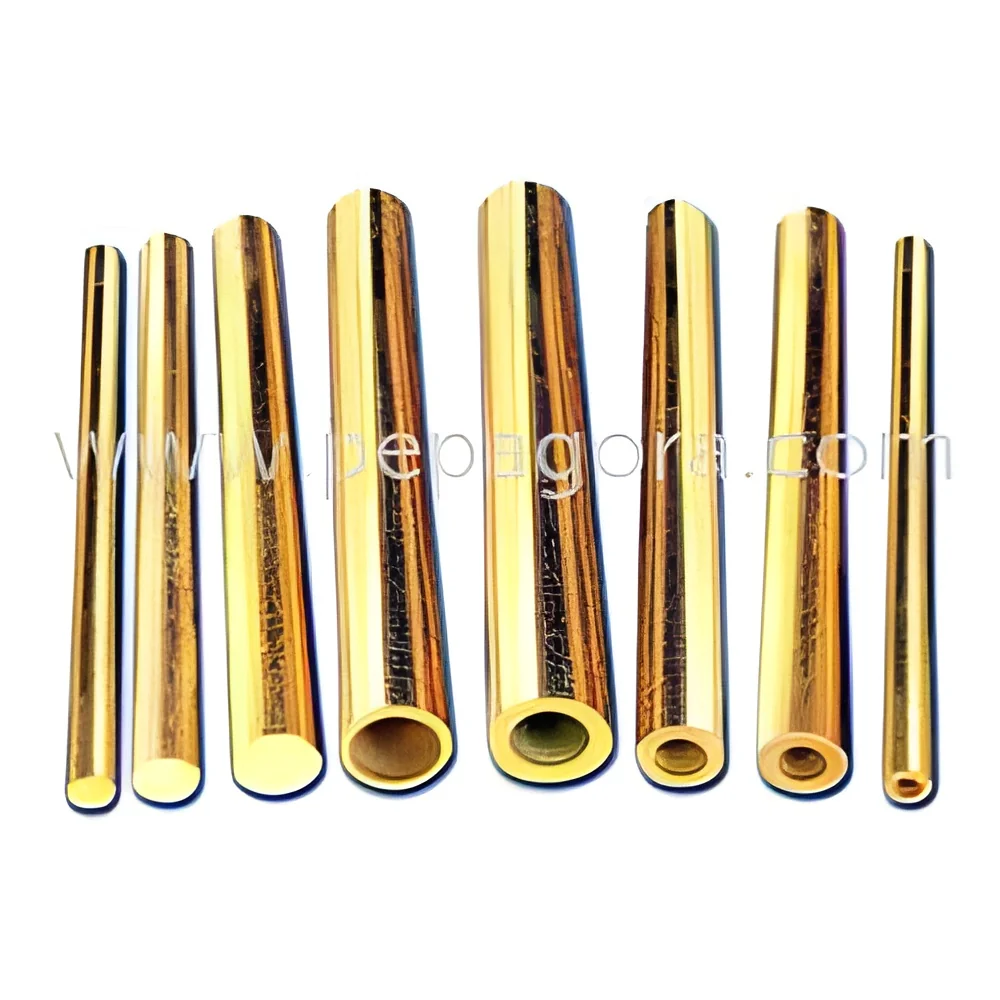
The different types of Metal Scrap include ferrous scrap, which encompasses items like scrap steel and cast iron, and non-ferrous scrap, which includes metals like aluminum, copper, brass, and lead. Each type has specific applications depending on its properties and is categorized based on its composition and usability in recycling processes.
How do I choose the right Metal Scrap (Ferrous & Non-Ferrous)?
Choosing the right Metal Scrap involves considering factors such as the intended application, metal type, and quality requirements. It is essential to assess the physical condition of the scrap and any relevant certifications or specifications that may apply to its use in manufacturing processes.
What are the standard specifications for Metal Scrap (Ferrous & Non-Ferrous)?
Standard specifications for Metal Scrap often include criteria such as chemical composition, physical properties, and cleanliness of the material. These specifications may vary based on industry standards and the intended use of the scrap in manufacturing or recycling processes.
What is the price range for Metal Scrap (Ferrous & Non-Ferrous)?
The price range for Metal Scrap can vary significantly based on factors such as market demand, type of metal, and quality of the scrap. Generally, ferrous metals are priced lower than non-ferrous metals, with prices fluctuating based on global commodity markets.
What quality standards apply to Metal Scrap (Ferrous & Non-Ferrous)?
Quality standards for Metal Scrap are defined by organizations such as the Institute of Scrap Recycling Industries (ISRI) and may include specifications for metal purity, contamination levels, and physical characteristics. Adhering to these standards ensures that recycled materials meet industry requirements.
Where can I find Metal Scrap (Ferrous & Non-Ferrous) suppliers in India?
Metal Scrap suppliers in India can be found through various channels, including online B2B marketplaces, local scrap yards, and recycling centers. Platforms like Pepagora.com provide a comprehensive directory of suppliers, allowing buyers to compare options and find reliable sources.
Can Metal Scrap (Ferrous & Non-Ferrous) be customized?
While Metal Scrap is typically sold in its raw form, some suppliers may offer customized sorting or processing based on specific buyer requirements. Customization options may include cutting, shredding, or separating materials to meet particular specifications.
What is the typical minimum order quantity for Metal Scrap (Ferrous & Non-Ferrous)?
The typical minimum order quantity (MOQ) for Metal Scrap can vary by supplier and type of metal, but it generally ranges from a few tons to larger bulk quantities. Buyers should inquire with specific suppliers regarding their MOQ policies to ensure they can meet purchasing requirements.
What is the typical lead time for Metal Scrap (Ferrous & Non-Ferrous)?
The typical lead time for Metal Scrap can vary depending on the supplier, location, and availability of the material. Generally, lead times can range from a few days to several weeks, and it is advisable to confirm timelines with suppliers during the ordering process.
Why Businesses Trust Pepagora
Thousands of companies trust Pepagora to source smarter and sell faster
Expand Your Sales Globally

Source Smarter,Grow Faster
