Key Features and Specifications
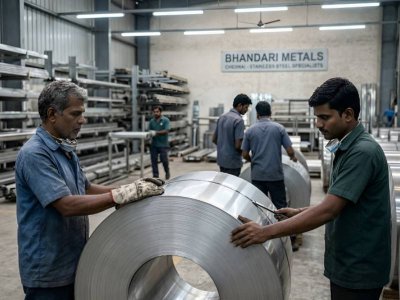
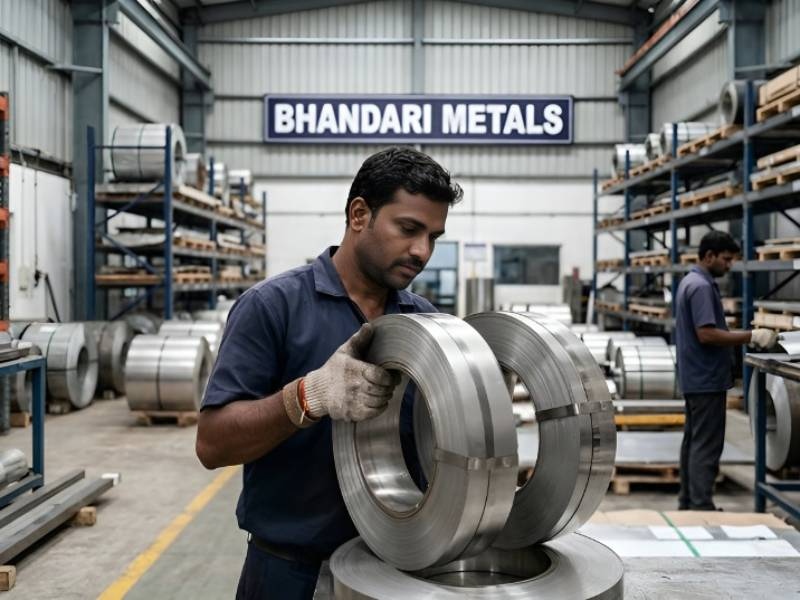
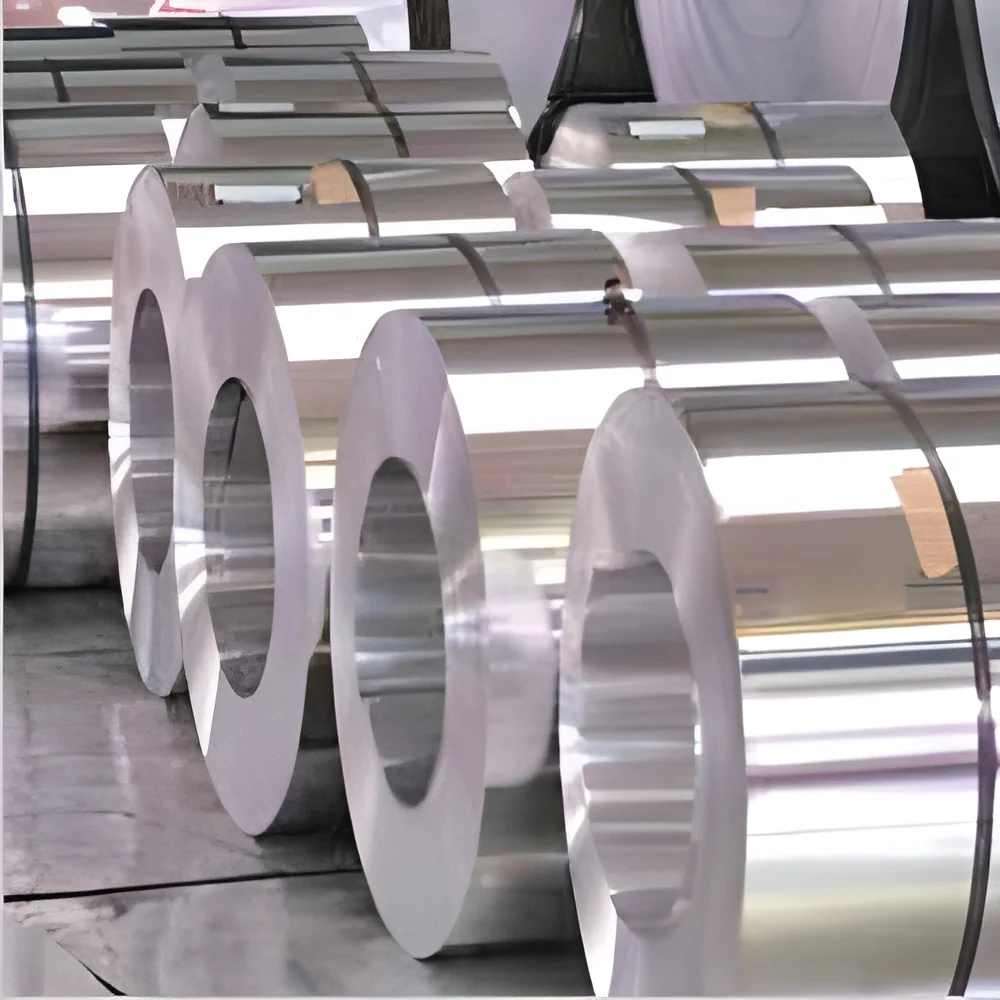
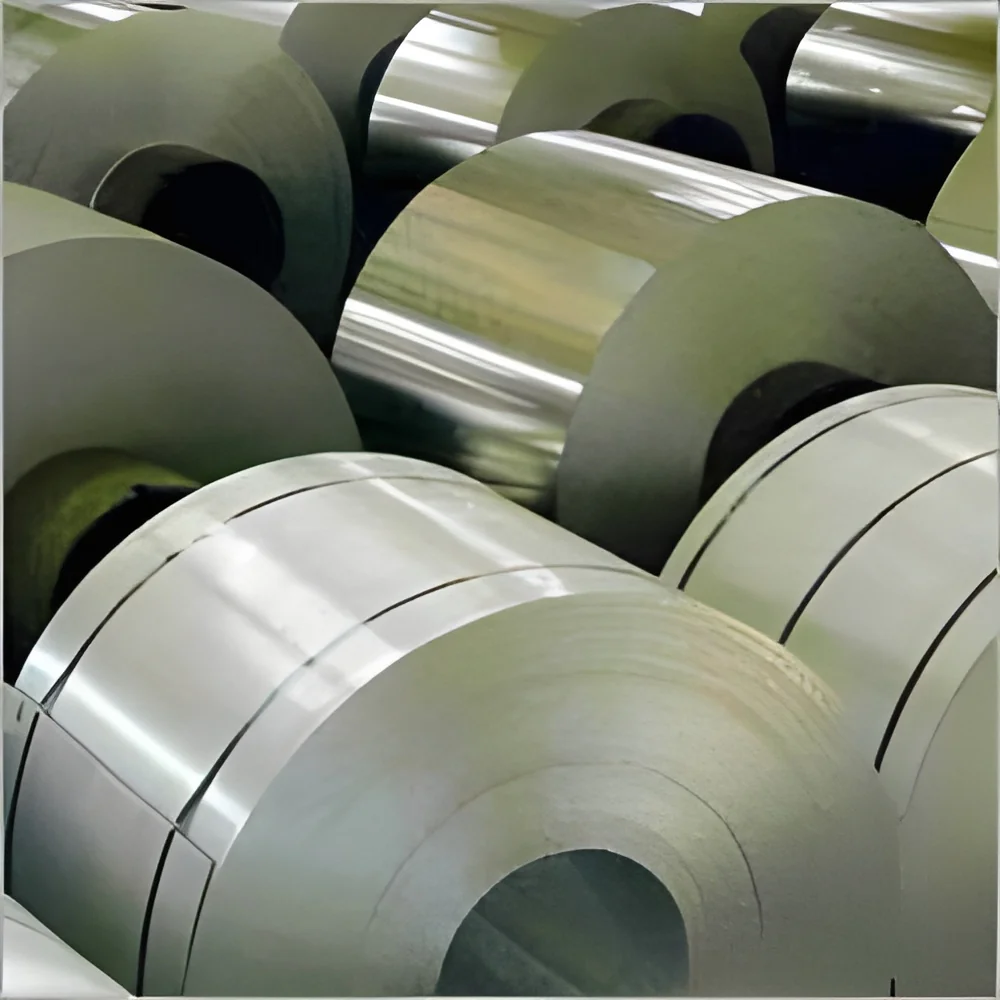
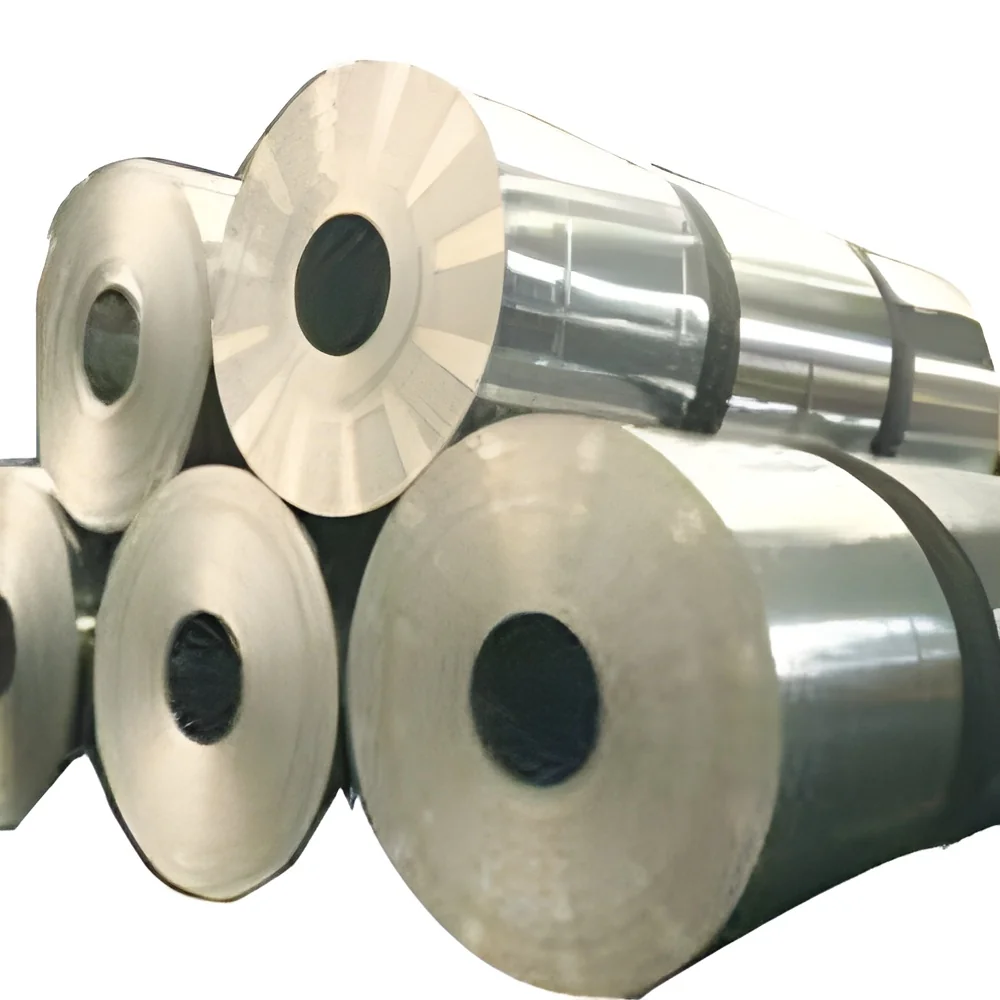
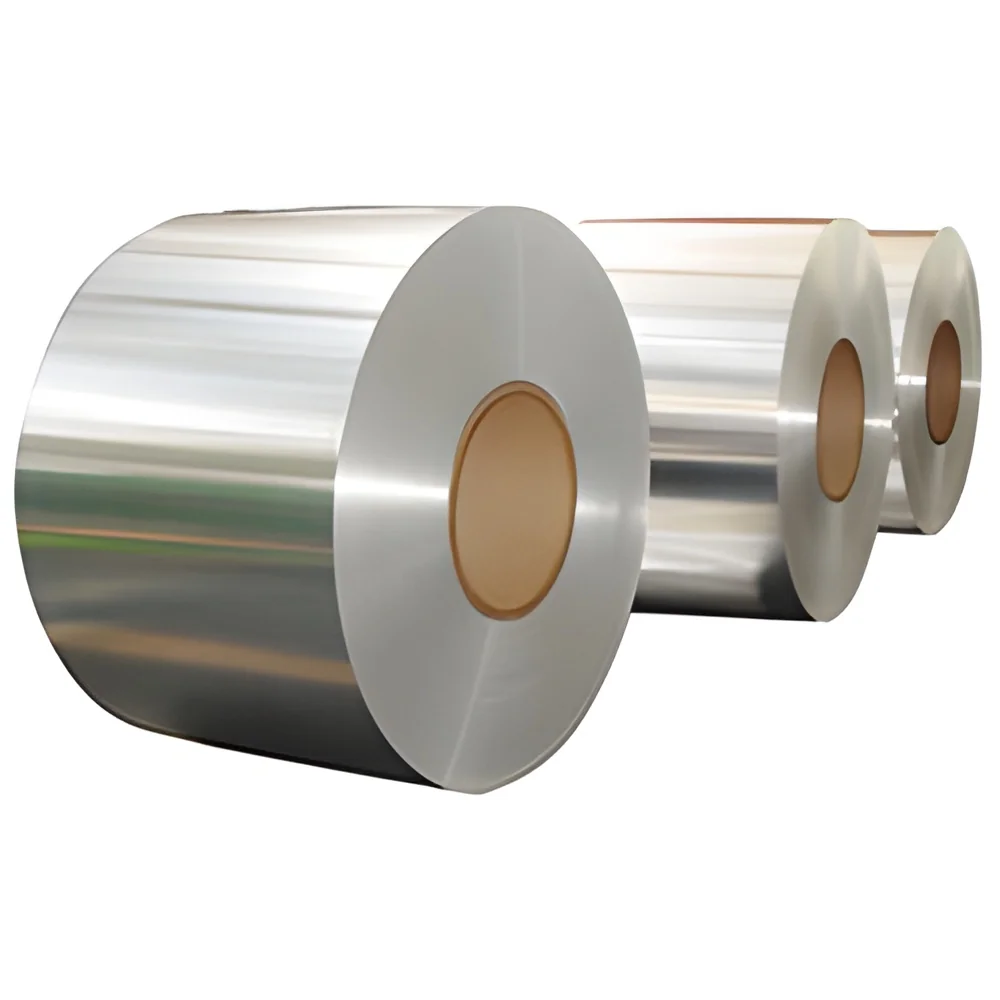
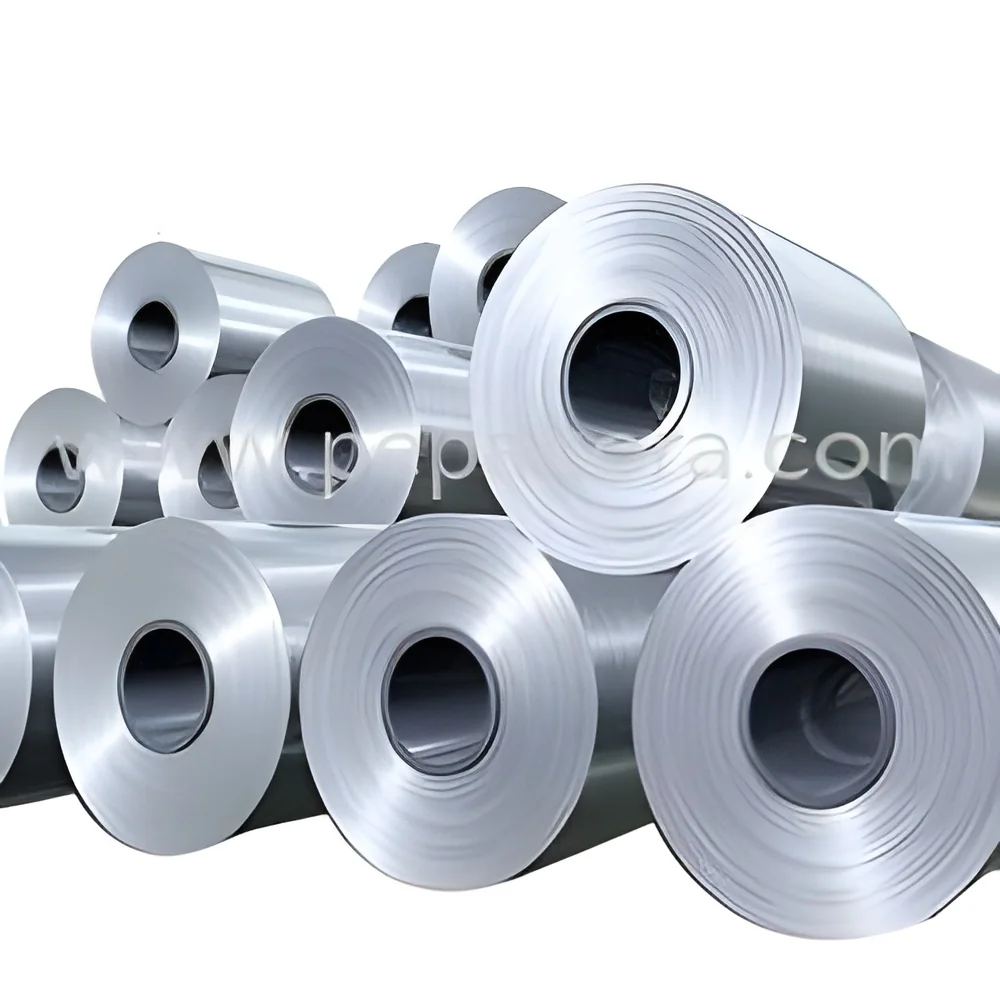
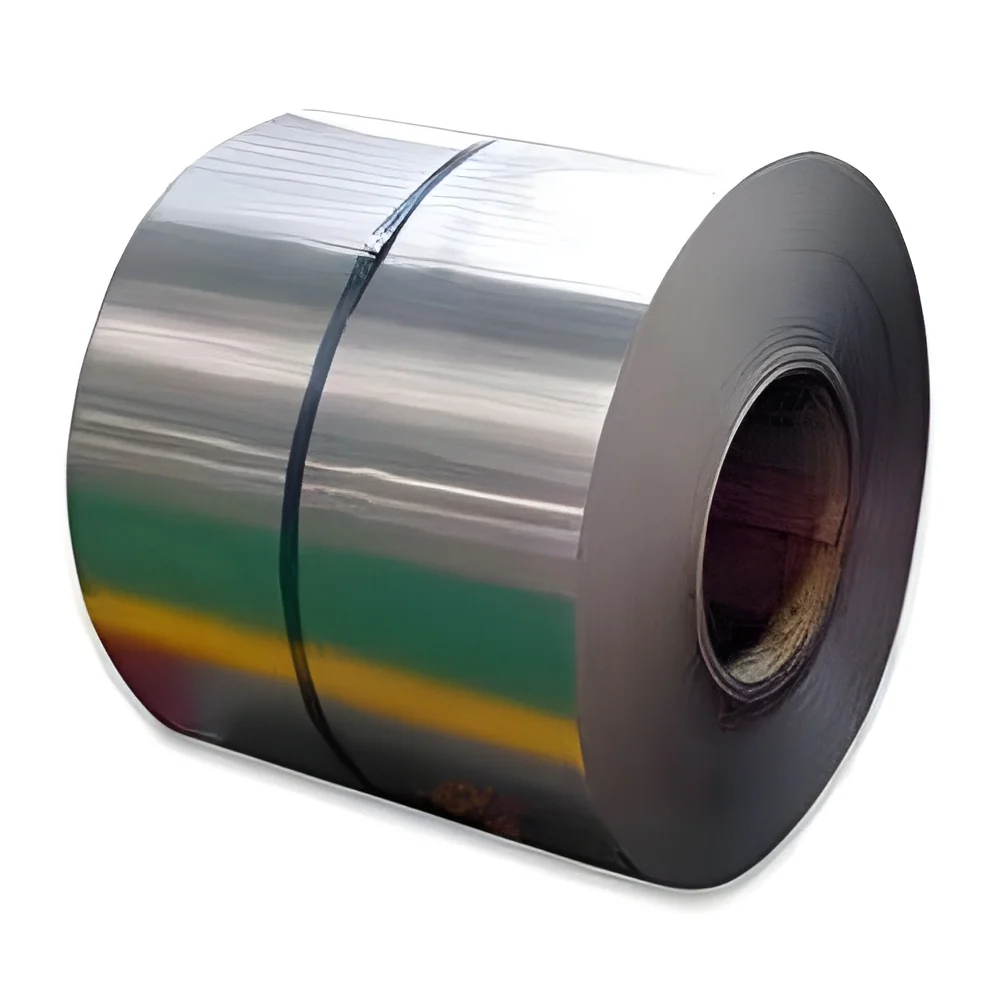
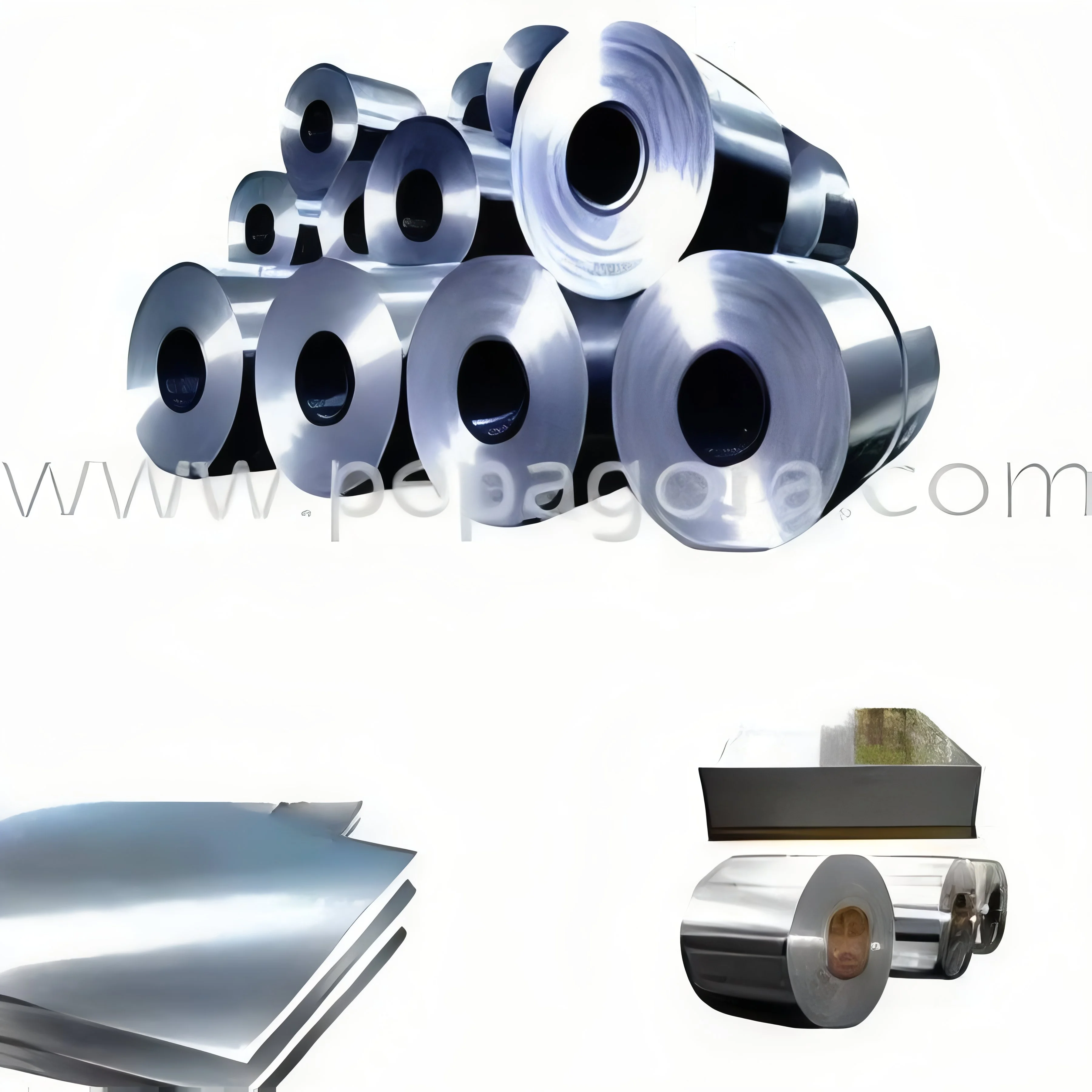
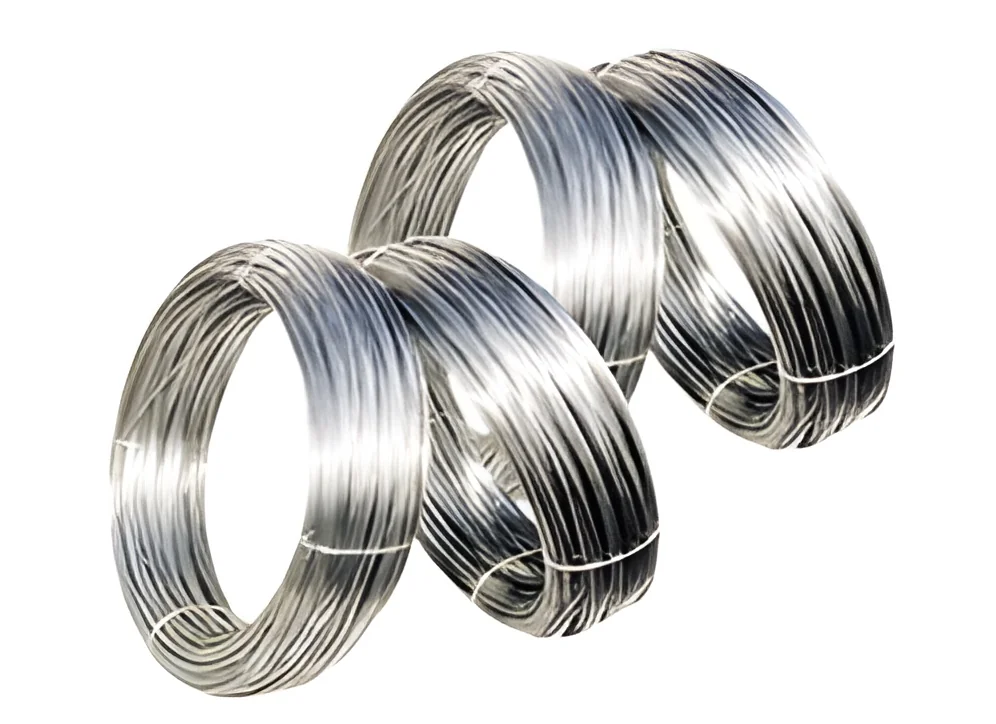
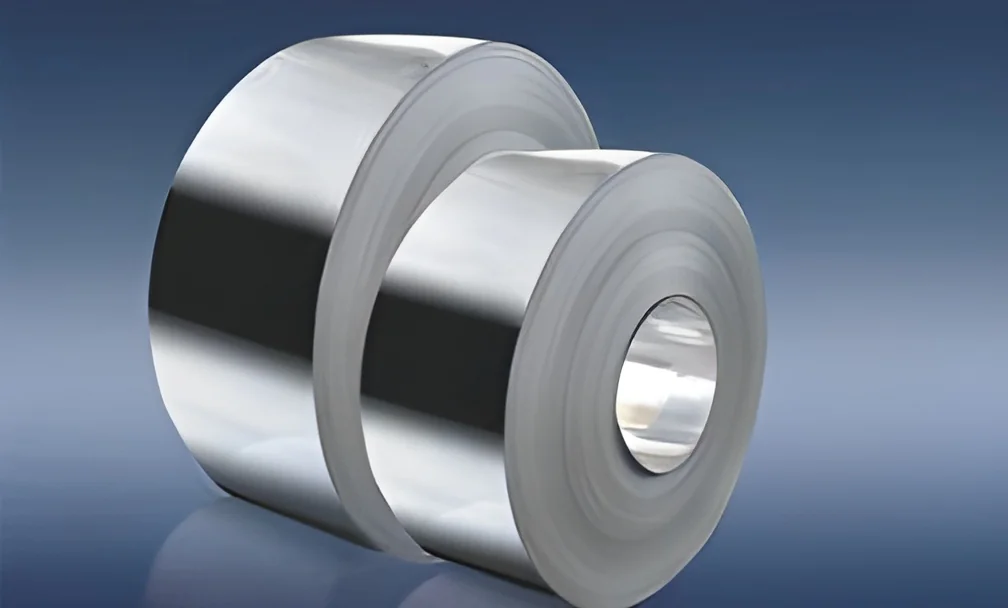
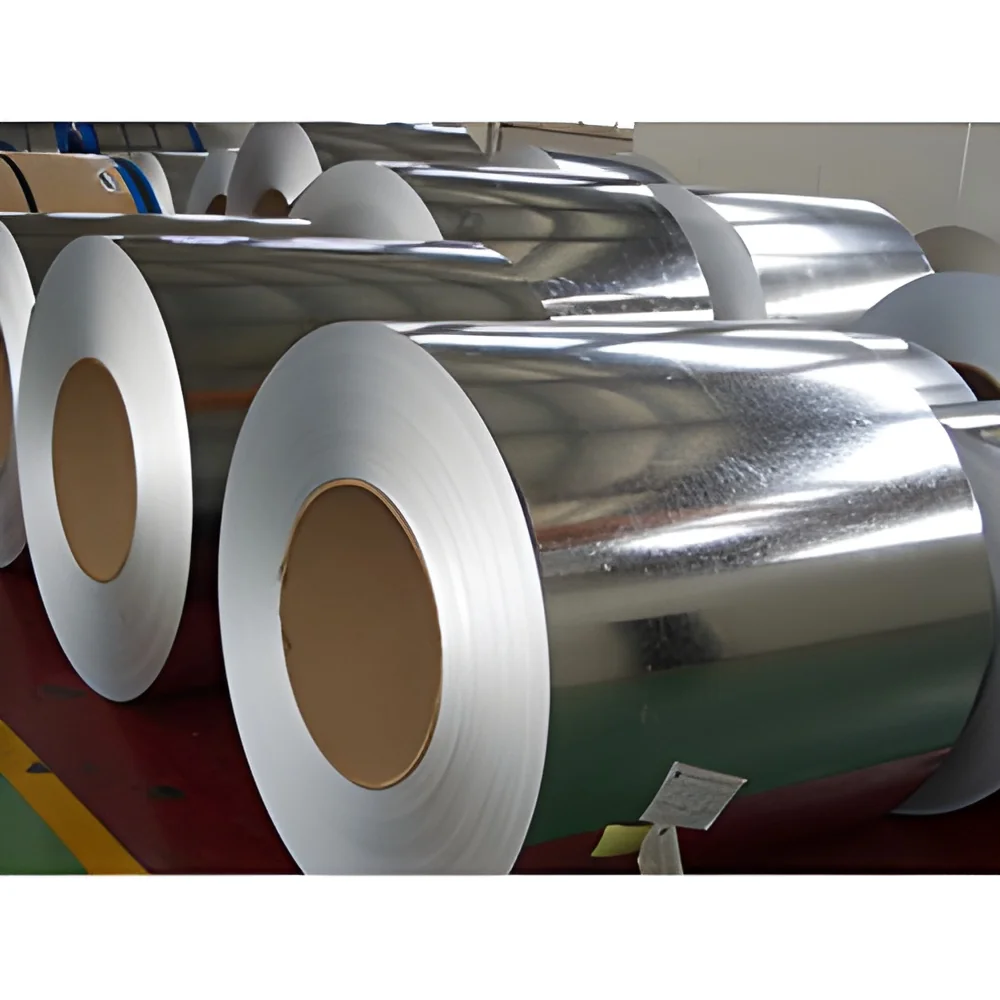
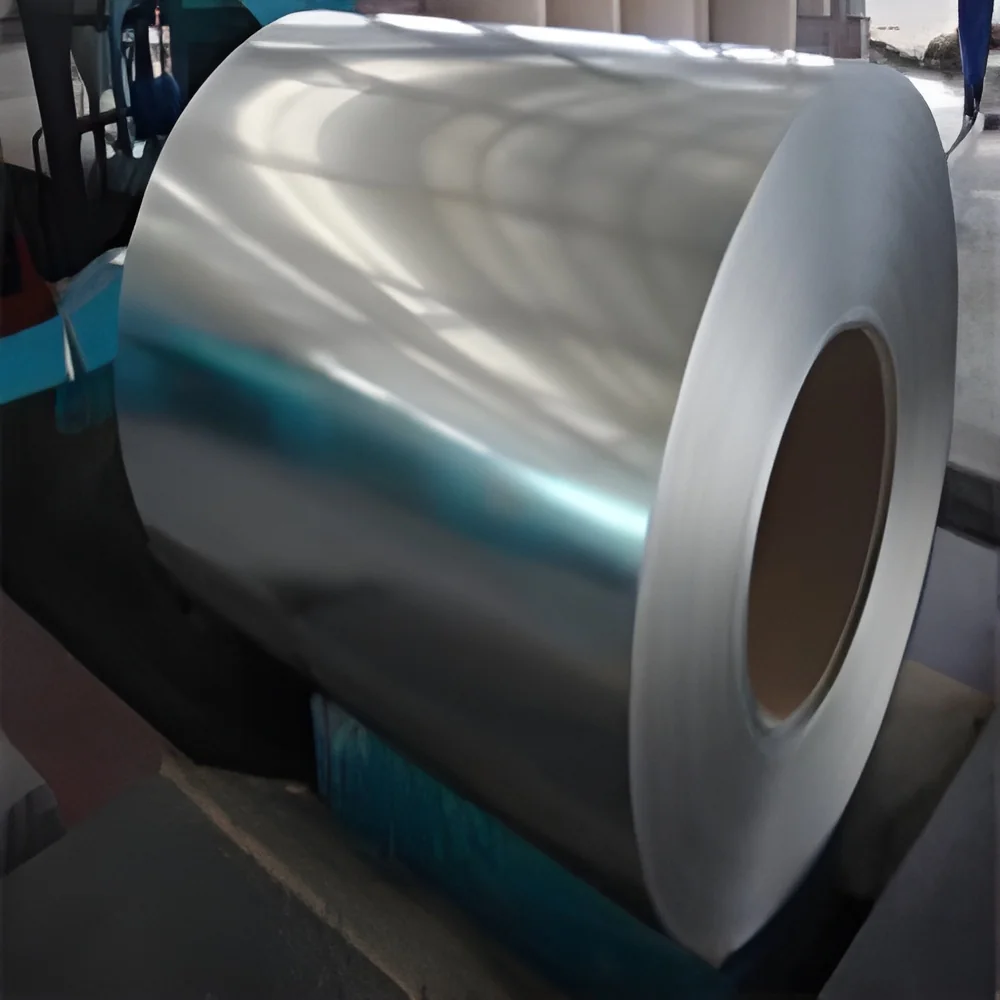
Metal coils come with a variety of features and specifications that cater to diverse industrial needs. Understanding these specifications can help businesses select the right product for their applications.
Key specifications include:
1. Material Type
- Common materials include steel, aluminum, and copper.
- Each material type offers distinct properties suited for specific applications.
2. Thickness
- Metal coils typically range from 0.2 mm to 12 mm in thickness.
- Thickness affects strength, weight, and suitability for various applications.
3. Width
- Width can vary, commonly ranging from 100 mm to 2000 mm.
- The width chosen depends on the end-use requirements.
4. Grade
- Available in various grades, including commercial and industrial grades.
- Selection of grade impacts corrosion resistance and mechanical properties.
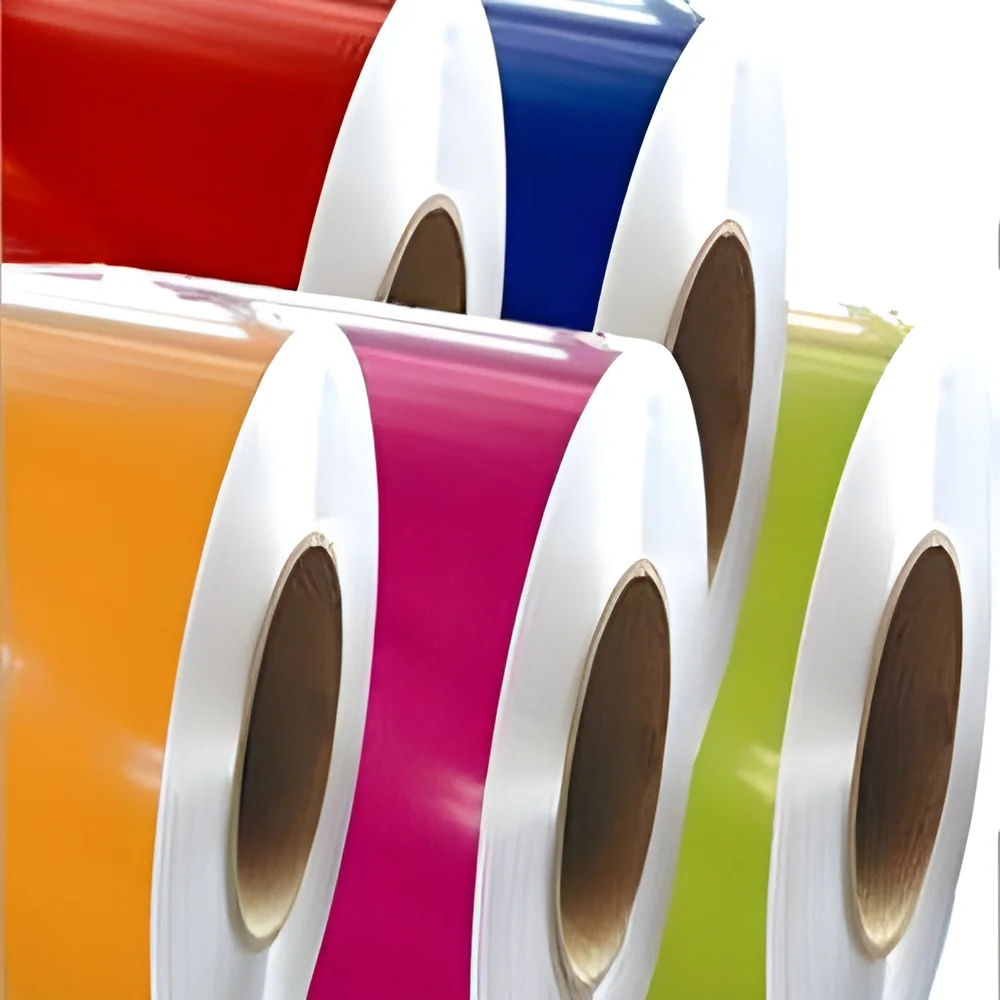
5. Surface Finish
- Options include galvanized, polished, or painted surfaces.
- Surface finish influences aesthetic quality and protection against wear.
6. Coil Weight
- Coil weight can vary significantly based on material and dimensions.
- Understanding weight is crucial for handling and transportation considerations.
7. Yield Strength
- Yield strength varies by grade but typically falls between 200 MPa to 600 MPa.
- Important for determining the load-bearing capacity of the product.
8. Compliance Standards
- Manufacturers often adhere to international quality standards such as CE certification.
- Compliance ensures reliability and safety in industrial applications.
In summary, the various features and specifications of metal coils are essential for meeting the specific demands of different industries. Businesses should consider these factors carefully when selecting metal coils for their projects.
Common Applications and Use Cases
Metal coils find extensive applications across numerous industries due to their versatility and strength.
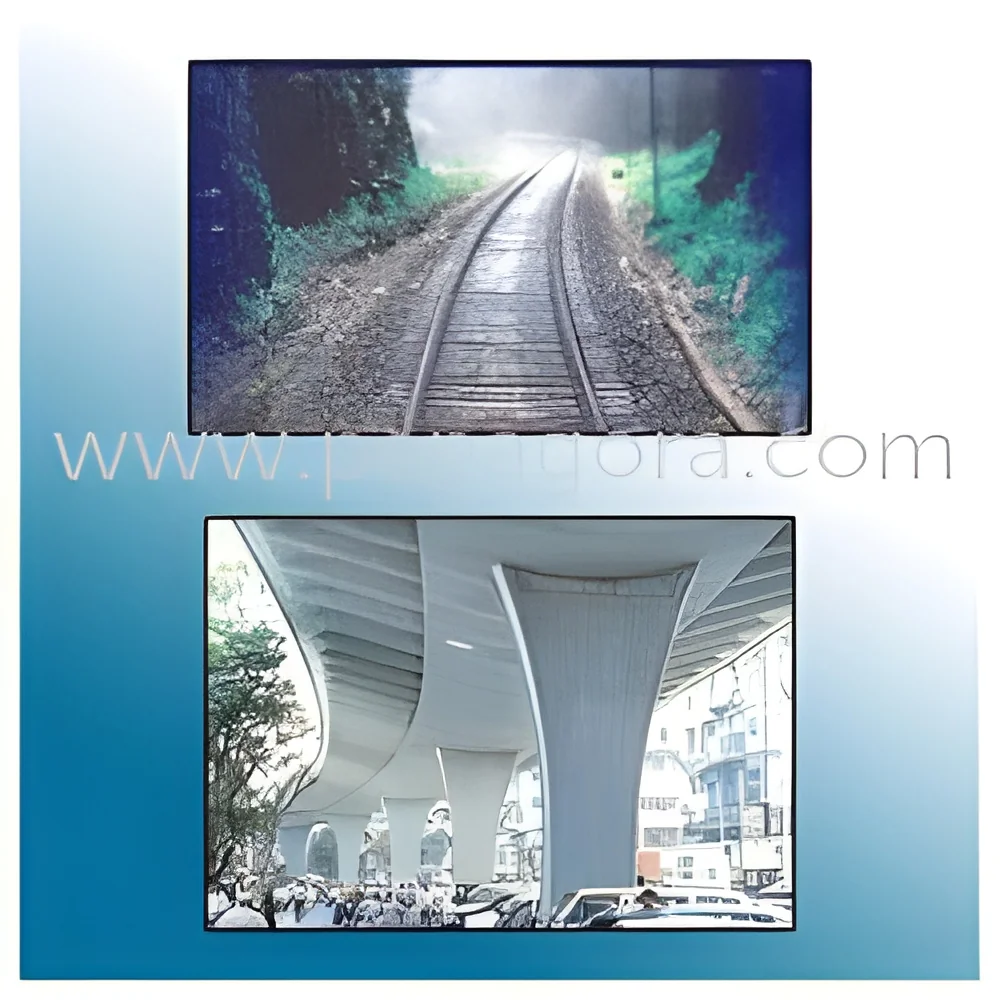
1. Construction: Metal coils are widely used in the construction industry for roofing, siding, and structural components. Their durability and resistance to various environmental factors make them ideal for building materials.
2. Automotive: In the automotive sector, metal coils are utilized for manufacturing body panels, frames, and other essential components. They provide the necessary strength and lightweight properties that are crucial for vehicle performance.
3. Manufacturing: Metal coils serve as raw material in manufacturing processes for products ranging from appliances to machinery. Their adaptability allows for a smooth integration into various production lines.
4. Electrical: In electrical applications, metal coils are used for wiring and components. Their conductive properties make them essential for creating efficient electrical systems.
5. Packaging: Metal coils are also used in the packaging industry, providing support for products that require robust, protective casings.
6. Aerospace: The aerospace industry employs metal coils for manufacturing parts that demand high strength-to-weight ratios and resistance to extreme conditions.
7. Energy: In the energy sector, metal coils are used in the production of equipment and structures that support renewable energy technologies, including wind and solar power.
Product Variants and Subcategories
Metal coils come in various forms to meet specific industry needs. The diversity of these products allows businesses to find the exact type of coil suited for their applications.
Galvanized Steel Coils: These coils are coated with a layer of zinc to protect against corrosion. They are widely used in construction and automotive applications due to their enhanced durability.
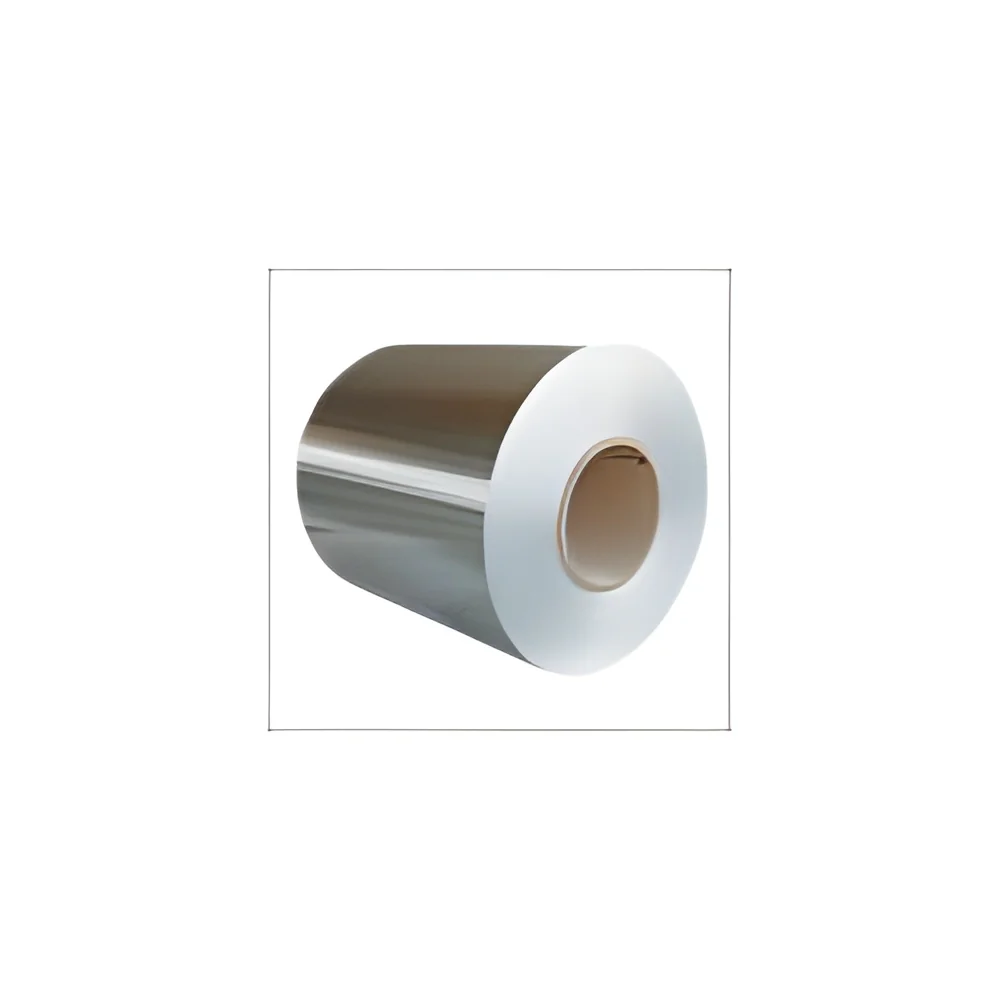
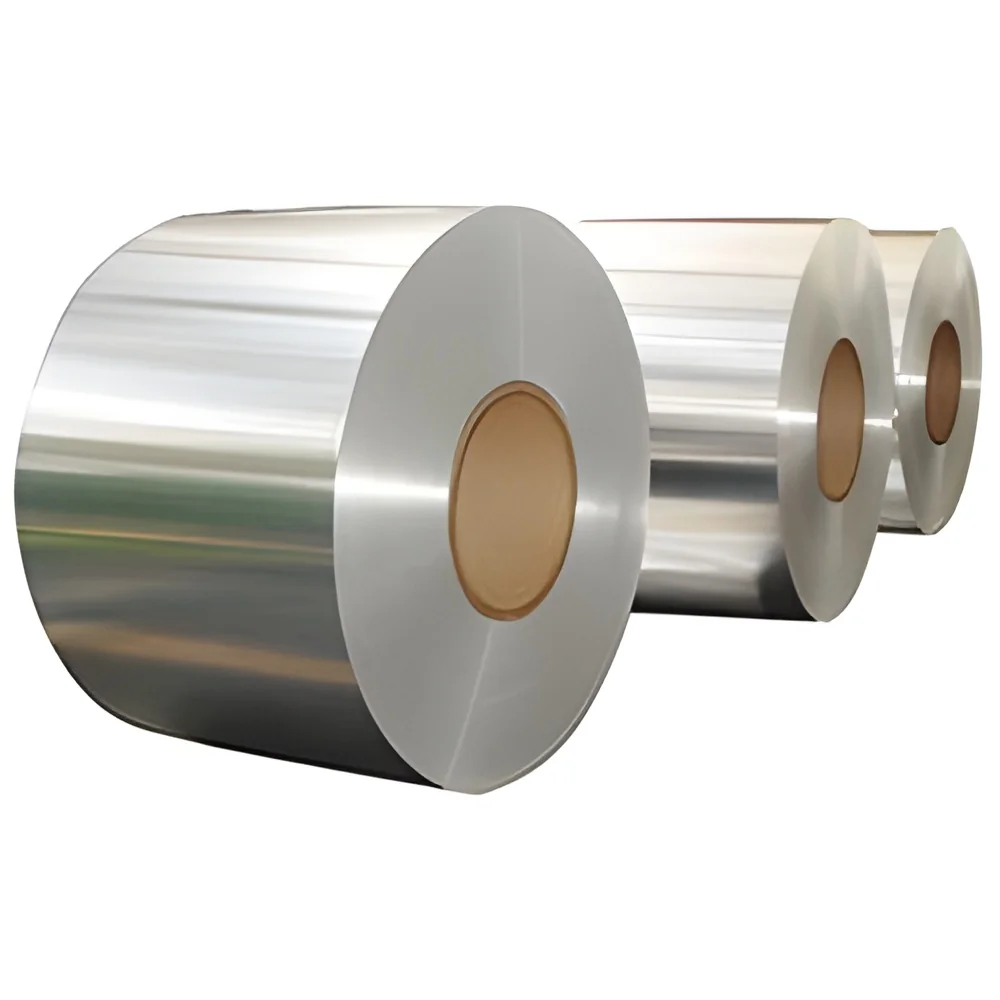
Aluminum Coils: Lightweight and resistant to corrosion, aluminum coils are popular in manufacturing and packaging. Their malleability allows for easy shaping into various products.
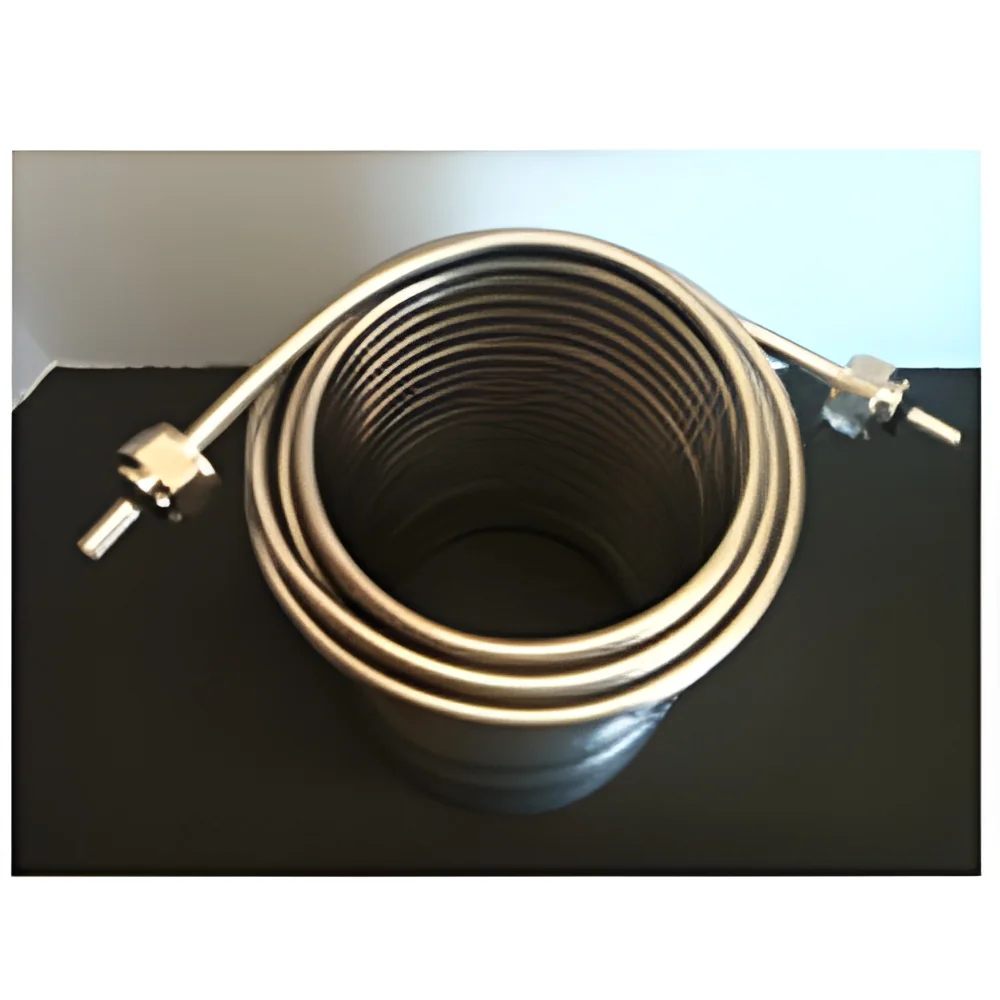
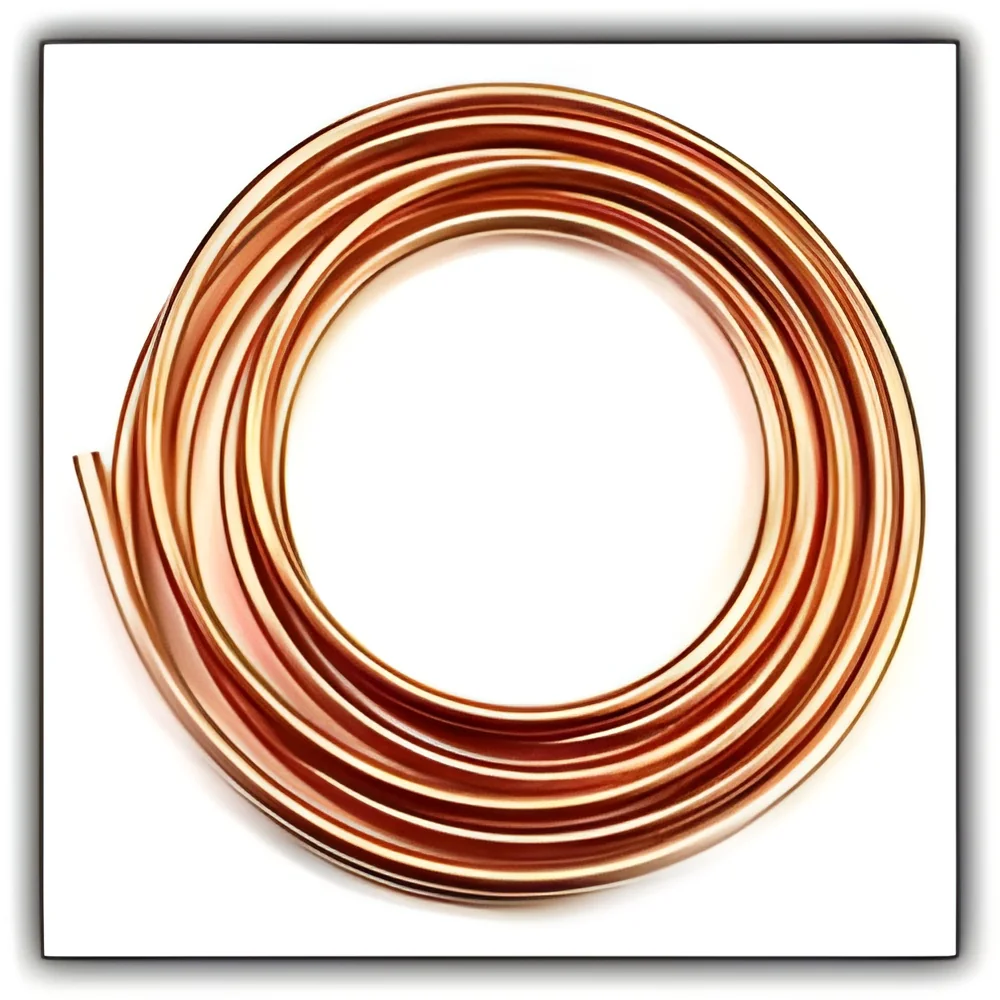
Copper Coils: Known for excellent conductivity, copper coils are commonly used in electrical applications. They are essential in wiring and electronic components.
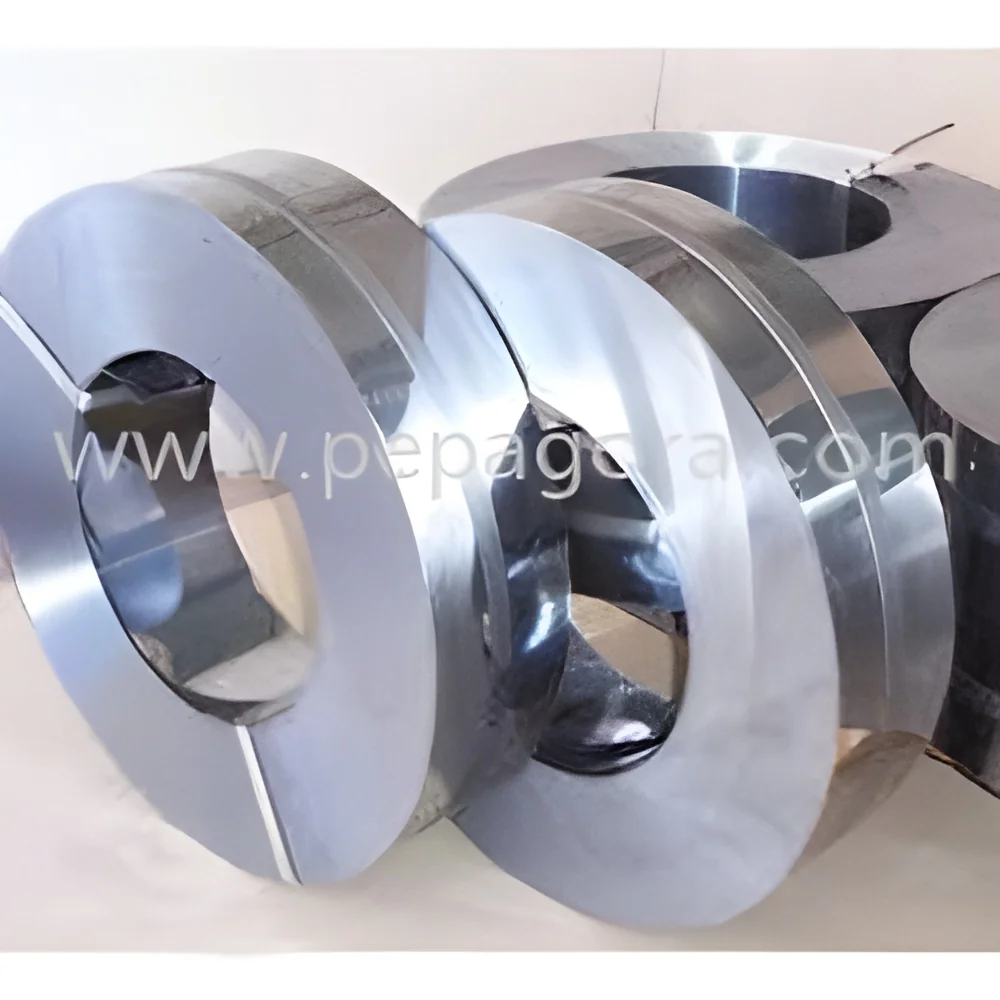
Stainless Steel Coils: These coils offer high resistance to rust and corrosion, making them suitable for food processing and chemical industries. Their strength and hygiene properties make them ideal for sensitive applications.
Cold Rolled Coils: These coils are processed at room temperature, providing a smooth finish and tighter tolerances. They are often used in automotive and appliance manufacturing.
Benefits and Advantages
Choosing metal coils provides numerous benefits for businesses across various industries.
1. Durability: Metal coils are known for their strength and longevity, ensuring that products made from them can withstand harsh conditions.
2. Versatility: Available in different grades and materials, metal coils can be adapted for a wide range of applications, from construction to electronics.
3. Cost-Effectiveness: Utilizing metal coils can reduce production costs due to their efficient manufacturing process and wide availability.
4. Customization: Many suppliers offer customization options for metal coils, allowing businesses to specify dimensions and finishes that meet their unique needs.
5. Lightweight: Certain metal coils, especially aluminum, are lightweight, making transportation and handling easier without compromising strength.
6. Corrosion Resistance: Coated and treated coils provide enhanced resistance to corrosion, extending the lifespan of the products made from them.
Buying Guide for B2B Buyers
When sourcing metal coils, there are several important factors to consider.
1. Quality Assessment: Evaluate the quality of the metal coils by checking for certifications and compliance with industry standards. Ensure the coils meet the specific requirements for your application.
2. Supplier Verification: Vet suppliers to ensure they have a proven track record of delivering quality products. Consider their reputation, customer reviews, and previous projects.
3. Pricing and MOQ: Understand pricing structures and minimum order quantities (MOQ) before placing an order. Compare quotes from different suppliers to find the best value.
4. Delivery and Lead Times: Confirm delivery timelines and logistics with suppliers to ensure timely receipt of materials. Factor in lead times when planning your project.
5. Compliance Requirements: Be aware of any regulatory compliance that your metal coils must meet, depending on the industry and region of operation.
Compliance and Certifications
Compliance and certifications are crucial in ensuring the quality and safety of metal coils.
Many manufacturers adhere to international quality standards such as ISO 9001, which focuses on effective quality management systems. This certification indicates that the manufacturer consistently meets customer and regulatory requirements.
Additionally, CE certification is often required for products sold in Europe, ensuring compliance with health, safety, and environmental protection standards. This certification allows for easier access to the European market.
Safety and testing requirements are also essential in the production of metal coils. Manufacturers typically conduct various tests to ensure that the coils meet the necessary mechanical and chemical properties.
Moreover, businesses should consider regional compliance regulations, as these can vary significantly. Understanding local laws and standards helps ensure that the metal coils meet all necessary requirements for use.
Why Source Metal Coils (All Grades) from Pepagora?
Pepagora offers a reliable platform for sourcing metal coils across all grades, providing several advantages for B2B buyers.
Verified Supplier Network: Pepagora's network consists of thoroughly vetted suppliers who have demonstrated their commitment to quality and reliability. This gives buyers confidence in their sourcing decisions.
Streamlined RFQ Process: The Request for Quotation (RFQ) process on Pepagora is designed to be efficient and user-friendly. Buyers can easily submit their requirements and receive competitive quotes from multiple suppliers.
Trade Assurance and Support: Pepagora provides trade assurance, protecting buyers against potential risks associated with procurement. This support ensures a safer transaction experience.
Regional Coverage: With a strong presence in India, the GCC, and Southeast Asia, Pepagora offers extensive regional coverage. This geographic reach allows businesses to access a wide range of metal coil suppliers, streamlining the sourcing process.
In conclusion, sourcing metal coils from Pepagora can enhance procurement efficiency and ensure that businesses find the right products for their specific needs. With a focus on quality and reliability, Pepagora is a trusted partner in the metal coil market.

 IN
IN

 India
India