IN
IN₹
Apparel & Fashion
Description
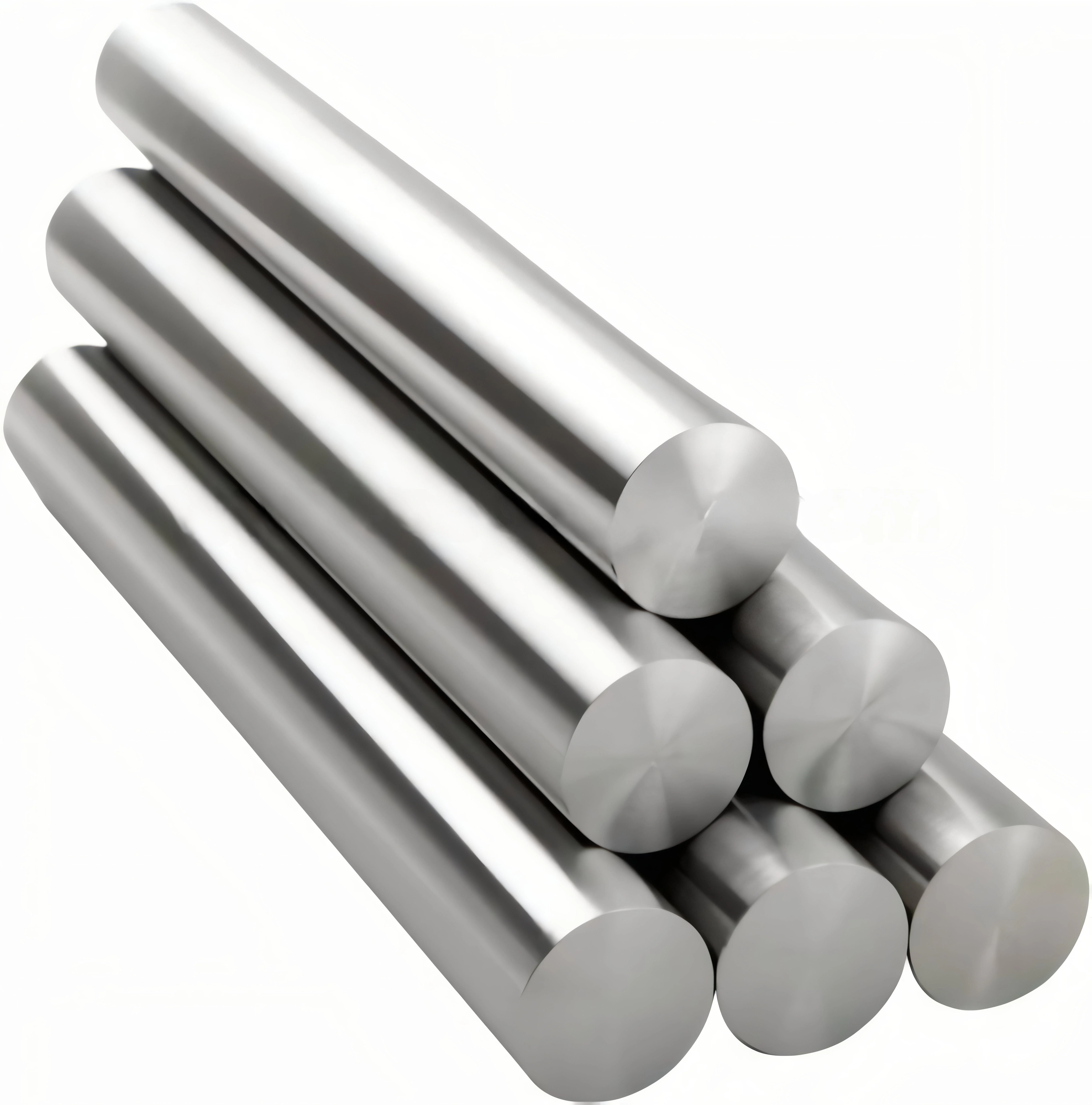
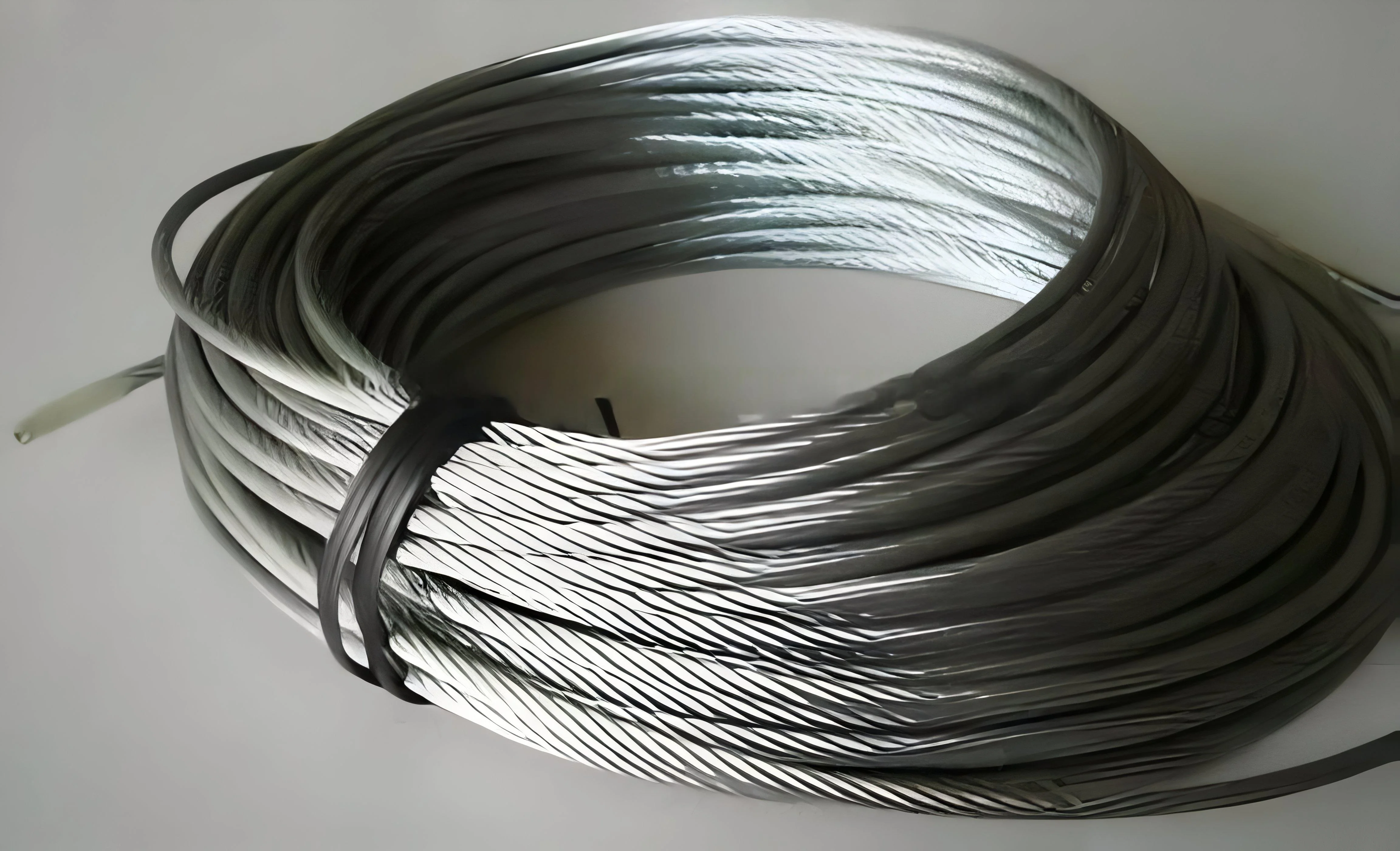
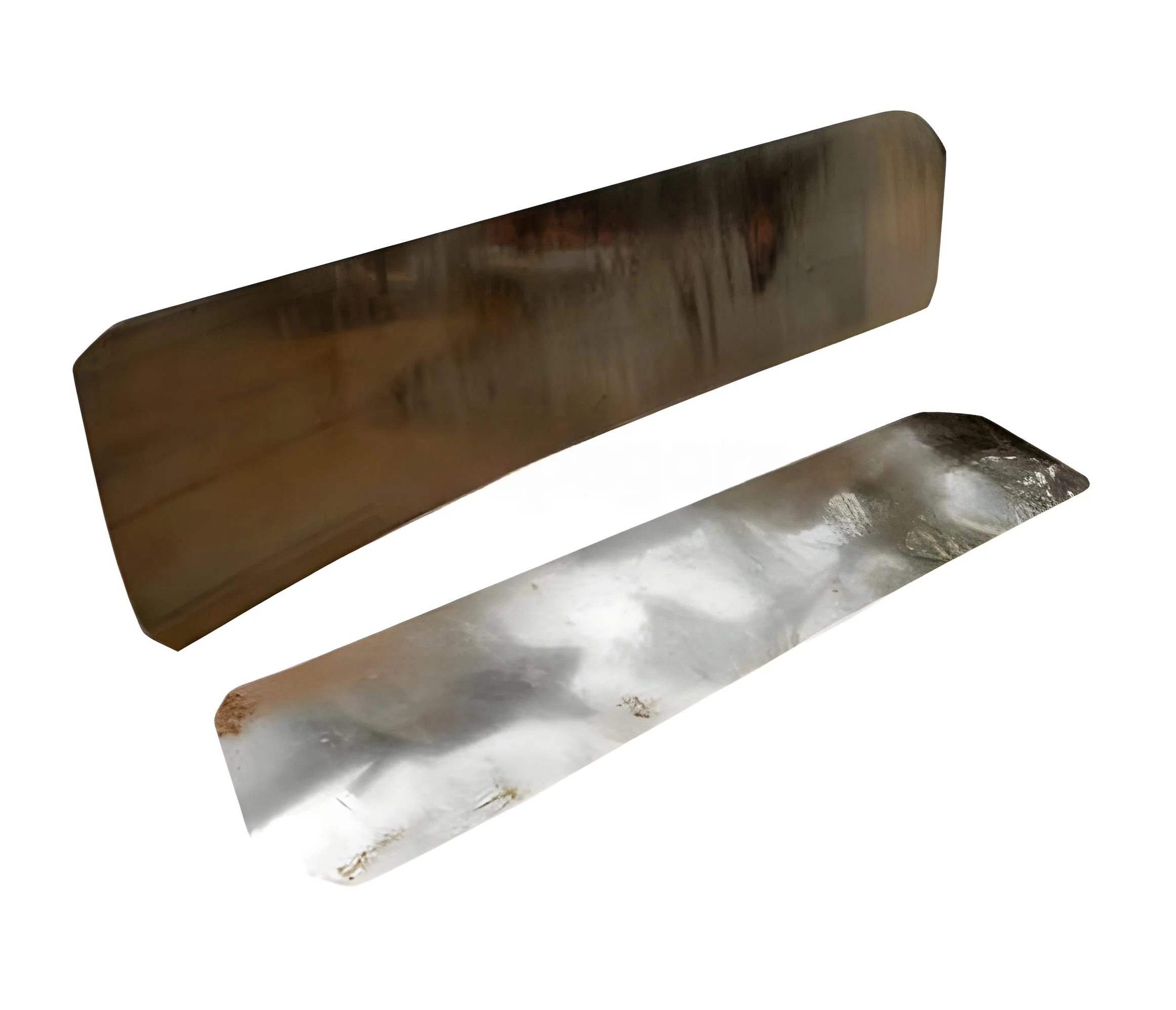
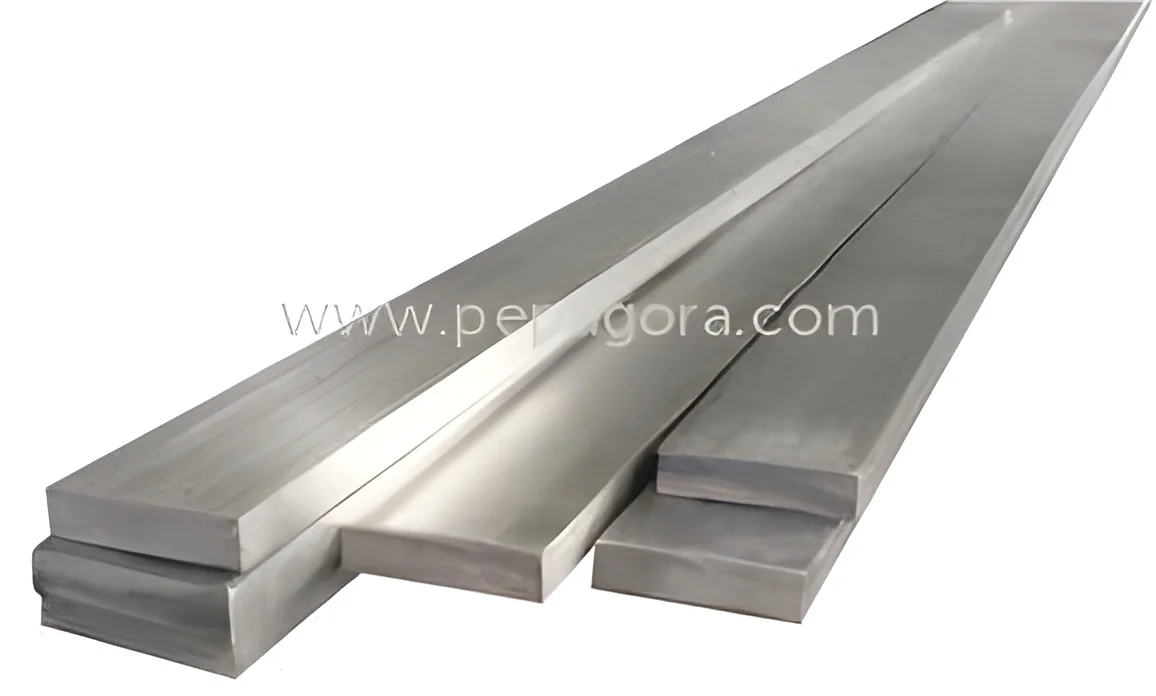
Wilson Steels provides premium stainless steel flats, recognized for their exceptional high corrosion resistance and reliable performance. Manufactured to exacting standards, these flats are available in an extensive thickness spectrum from a delicate 0.1mm up to a substantial 450mm, catering to both precision and heavy-duty applications. They come in multiple standard finishes including 2D, 2B, BA, and Matt, and are produced across a full suite of stainless steel grades. This includes popular austenitic types like 304, 304L, 316, and 316L for superior corrosion resistance, ferritic grades such as 430 for good formability, and martensitic grades like 410 and 420 for high strength and hardness. This combination of material science and manufacturing precision delivers a product built for longevity and consistent quality in the most challenging settings.

These stainless steel flats are indispensable across a wide array of industries that prioritize material reliability. In construction a...
Wilson Steels provides premium stainless steel flats, recognized for their exceptional high corrosion resistance and reliable performance. Manufactured to exacting standards, these flats are available in an extensive thickness spectrum from a delicate 0.1mm up to a substantial 450mm, catering to both precision and heavy-duty applications. They come in multiple standard finishes including 2D, 2B, BA, and Matt, and are produced across a full suite of stainless steel grades. This includes popular austenitic types like 304, 304L, 316, and 316L for superior corrosion resistance, ferritic grades such as 430 for good formability, and martensitic grades like 410 and 420 for high strength and hardness. This combination of material science and manufacturing precision delivers a product built for longevity and consistent quality in the most challenging settings.

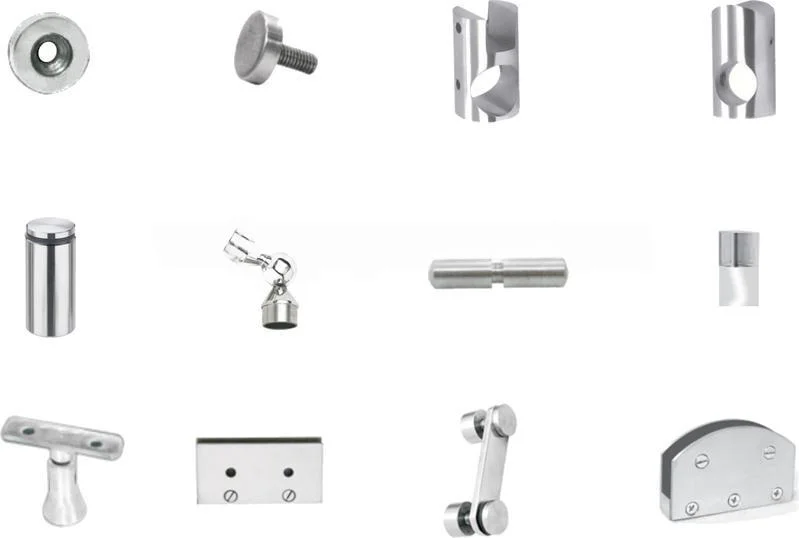
These stainless steel flats are indispensable across a wide array of industries that prioritize material reliability. In construction and infrastructure, they are used for structural components, escalator parts, and architectural features requiring durability and a clean appearance. The manufacturing sector relies on them for industrial tools, jigs, fixtures, and various mechanical parts where dimensional stability and resistance to degradation are paramount. Industries like food processing, chemical manufacturing, and marine engineering specifically value the flats' corrosion-resistant properties, which prevent contamination and withstand aggressive environments. The automotive and transportation sectors utilize these materials for components that face constant exposure to the elements and mechanical wear, ensuring vehicle longevity and safety.

The business value of sourcing stainless steel flats from Wilson Steels is rooted in operational reliability and cost-effectiveness. By choosing a material with proven high corrosion resistance, businesses significantly reduce downtime, maintenance frequency, and premature replacement costs, leading to a lower total cost of ownership. The availability of a wide range of grades and dimensions means projects can be optimized for both performance and budget without compromise. Wilson Steels' commitment to consistent quality ensures that every flat meets stringent specifications, providing peace of mind and reducing the risk of project delays or failures. This reliability translates into smoother production cycles, enhanced product quality for end-users, and a stronger reputation for businesses that depend on durable, high-performance materials.

Key Features:
- High corrosion resistance engineered for longevity in demanding environments.
- Extensive thickness range from 0.1 mm to 450 mm for versatile application.
- Available in multiple standard finishes: 2D, 2B, BA, and Matt.
- Comprehensive grade selection including Austenitic (304, 316L), Ferritic (430), and Martensitic (410, 420) steels.
- Wide width availability starting from a minimum of 6mm.

Benefits:
- Extended service life and reduced maintenance costs due to superior corrosion resistance.
- Operational flexibility with a single source for thicknesses from ultra-thin to very thick.
- Ability to meet specific aesthetic and functional surface requirements with different finishes.
- Optimal material selection for specific stress, corrosion, and temperature conditions using various grades.
- Supports efficient fabrication and reduces waste with readily available widths and consistent quality.
Specifications
| Key Attributes | |
|---|---|
| Material | Stainless steel |
| Corrosion resistance | High |
| Thickness | 0.1 mm – 450 mm |
| Finish | 2D, 2B, BA, Matt |
| Width | Min 6mm & Max any size |
| Martensitic Steel | 410, 416, 420, 431 |
| Ferritic Steel | 409, 409M, 410s, 420, 430 |
| Austenitic Steel | 301, 304, 304H, 304L, 310, 310S, 316, 316L, 317, 317L, 321, 347 |
| Usage | Industrial Tools, Mechanical Parts, Structure And Escalator For Construction Etc |
| Additional Information | |
|---|---|
| Country of Origin | India |
Application
Wilson Steels stainless steel flats are engineered for demanding environments where material failure is not an option. Their high corrosion resistance and structural integrity make them fundamental for applications exposed to moisture, chemicals, and stress. Available in a comprehensive range of grades including austenitic 304 and 316, ferritic 430, and martensitic 410-431 series, they are built to perform consistently under diverse industrial conditions.
These flats are specified for their reliability across critical manufacturing and construction processes. The variety of finishes—2D, 2B, BA, and Matt—allows for precise matching to functional and aesthetic requirements. From thin 0.1mm sheets to robust 450mm thick sections, the extensive thickness and width range ensures a suitable flat is available for virtually any project specification, supporting complex fabrication needs.
- Fabricating industrial tools and machine components that require durability and resistance to wear.
- Manufacturing mechanical parts for assemblies where strength and long-term reliability are critical.
- Constructing structural elements, frameworks, and escalator components for buildings and infrastructure.
- Producing automotive parts that must endure environmental exposure, road salts, and mechanical stress.
- Building kitchen equipment, food processing machinery, and hygienic surfaces that are easy to clean and sanitize.
Trade Details
| Available Stock | In Stock |
| Sample Availability | No |
Payment Terms
| Payment Terms |
|
Company Profile

Wilson Steel Suppliers, Tamil Nadu
 Tamil Nadu, India
Tamil Nadu, IndiaRaw Materials & Chemicals•Distributor / Wholesaler•Importer / Exporter
Factory Details
Factory SizeBelow 1000 sqm
Annual Production Capacity0 a:1:{i:0;s:4:"Tons";}
Main Markets
Domestic
Wilson Steels Stainless Steel Flats High Corrosion Resistance 0.1 450mm
Wilson Steels Stainless Steel Flats offer high corrosion resistance for industrial tools, mechanical parts, and construction. Available in grades 304, 316, and more, with thickness from 0.1mm to 450mm and multiple finishes.
Min. Order Quantity: 1 piece
Shipping
Shipping fee and delivery date to be negotiated. Contact supplier now for more details.
Wilson Steel Suppliers
 Tamil Nadu, India
Tamil Nadu, IndiaRaw Materials & ChemicalsDistributor / Wholesaler