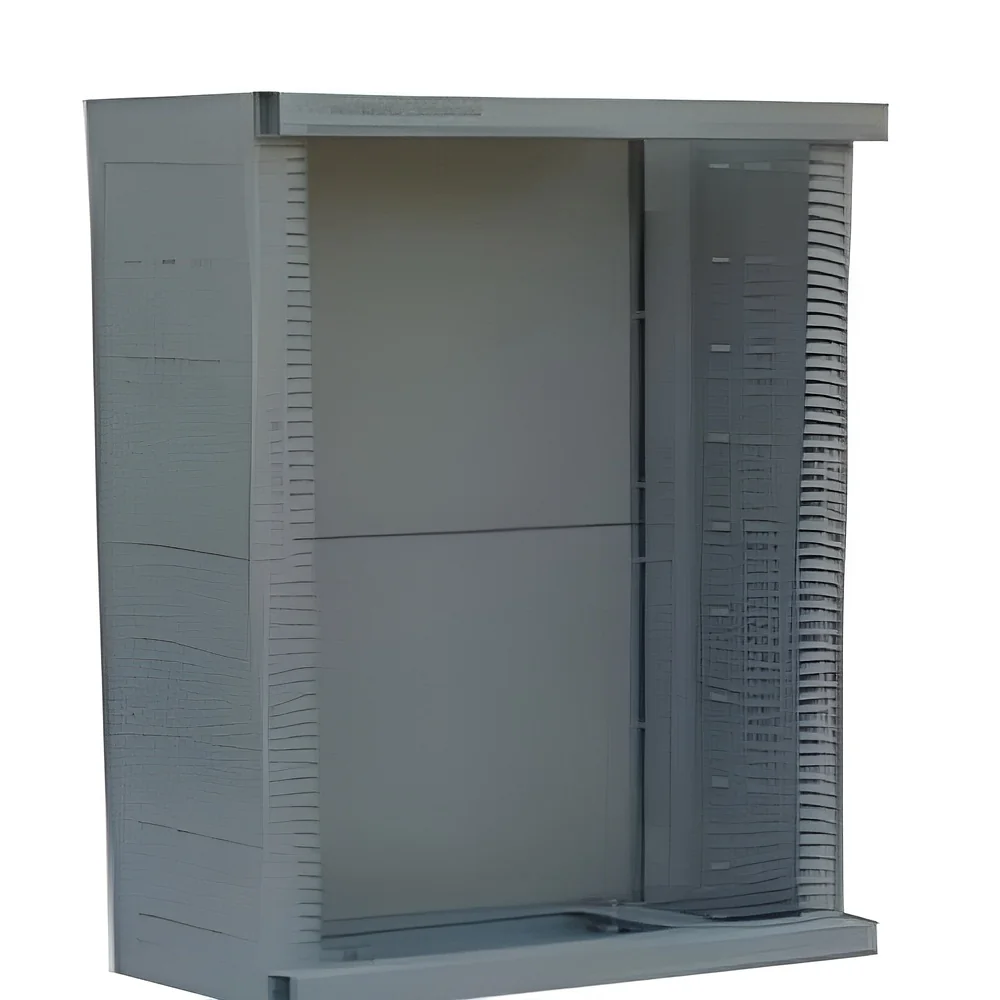
What are Industrial Control Panels?
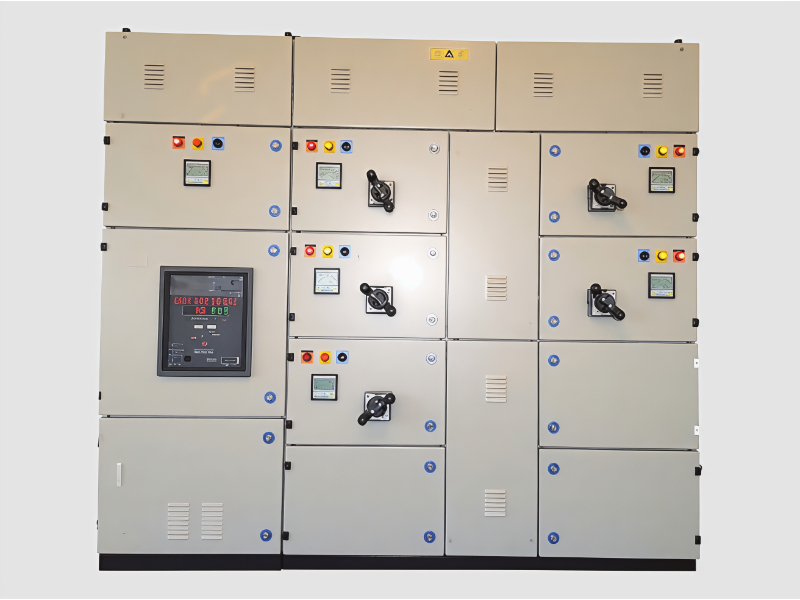
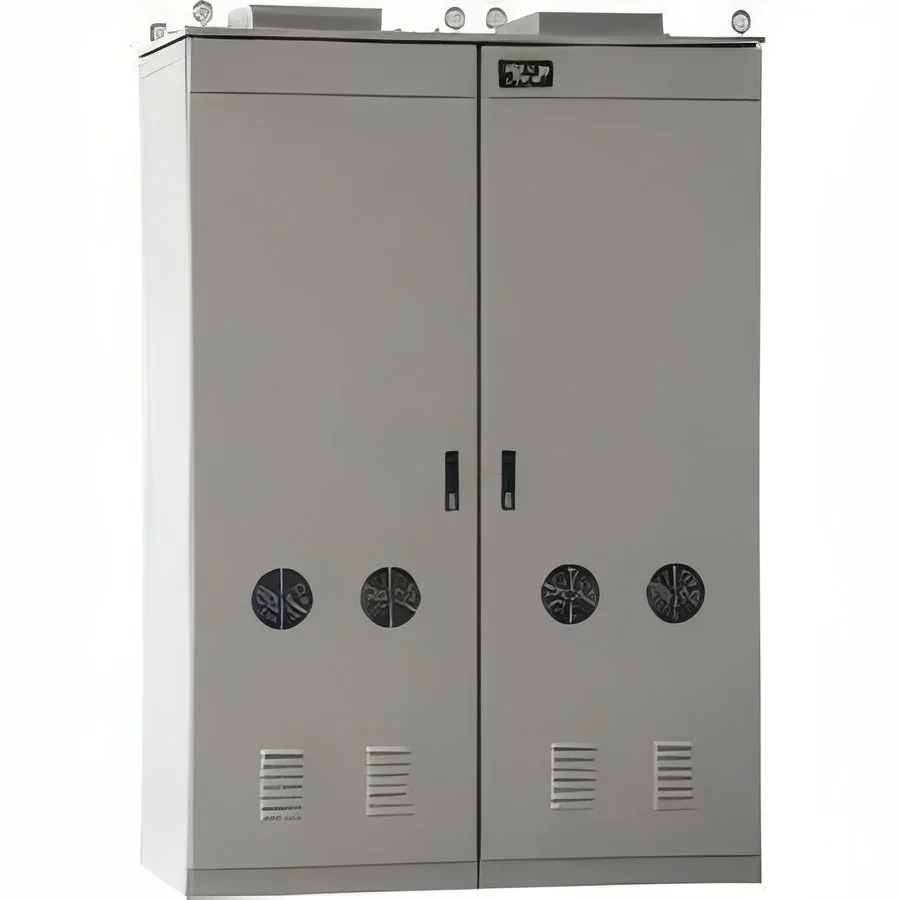
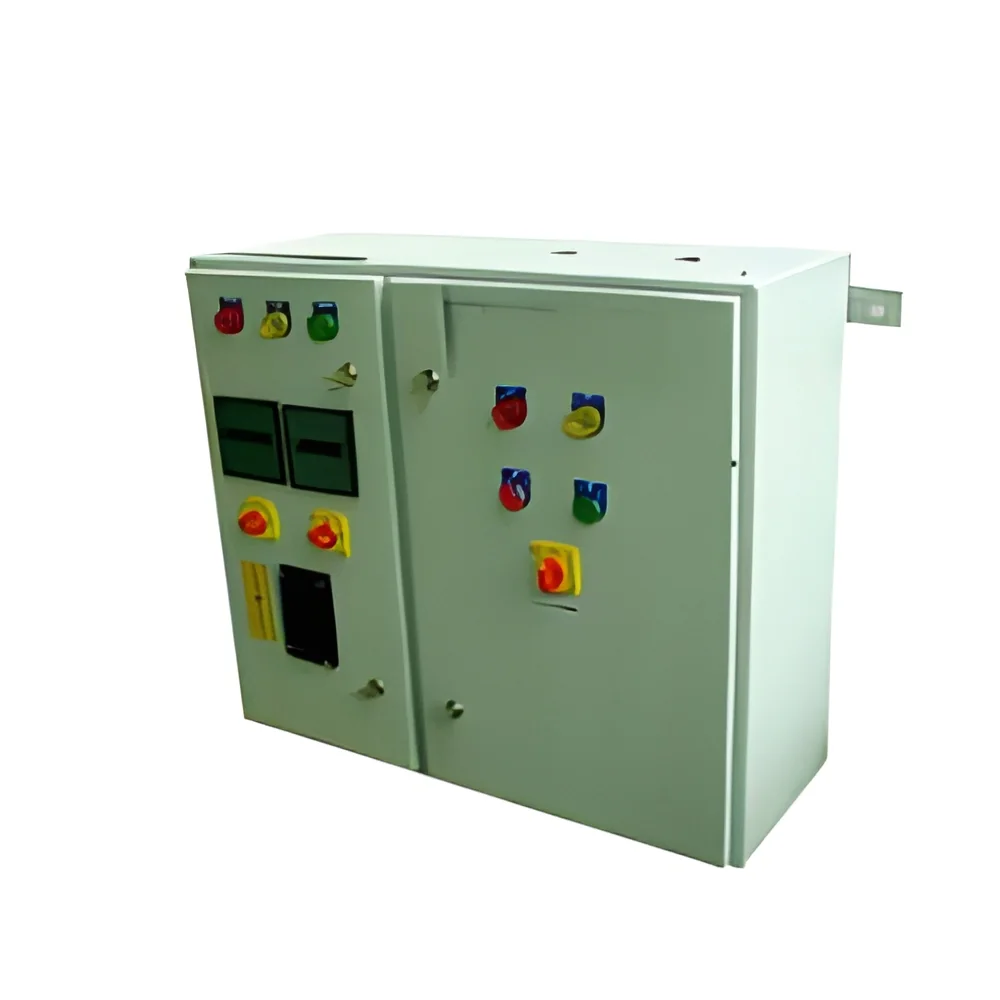
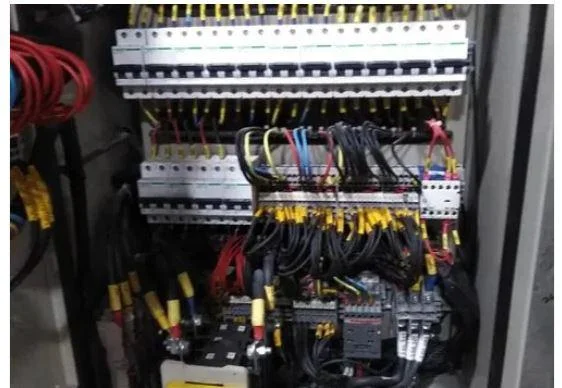
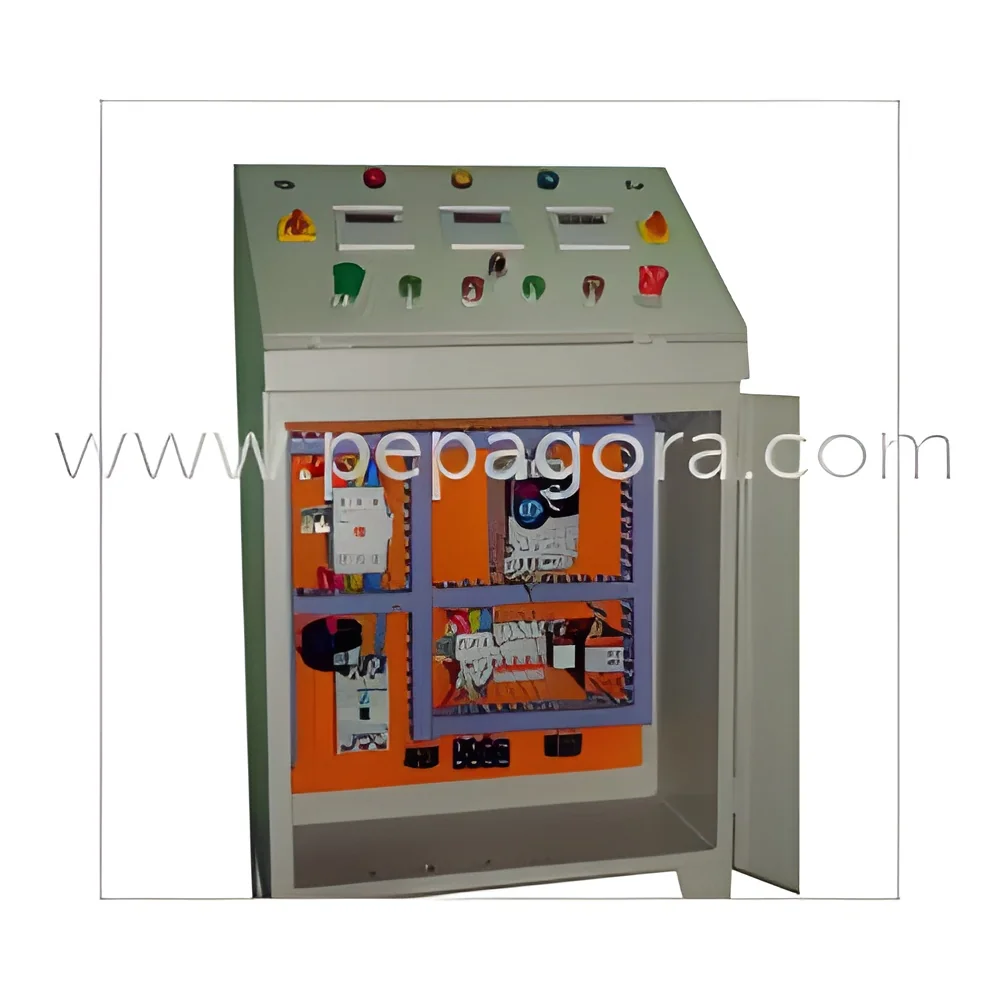
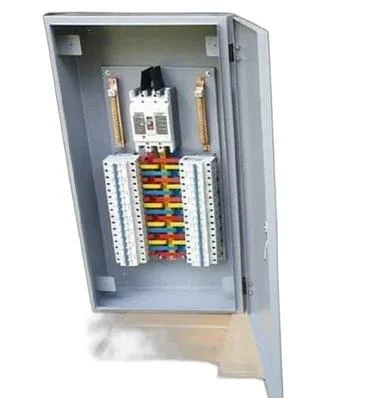
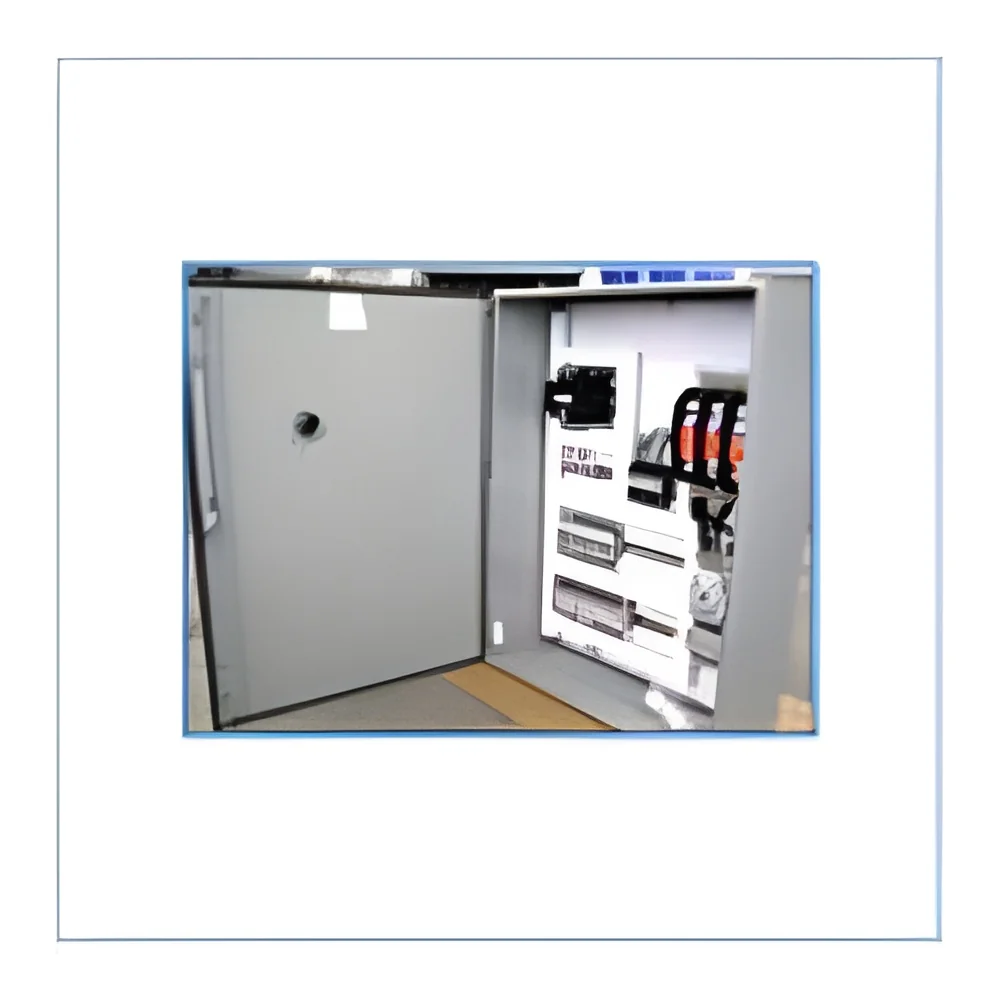
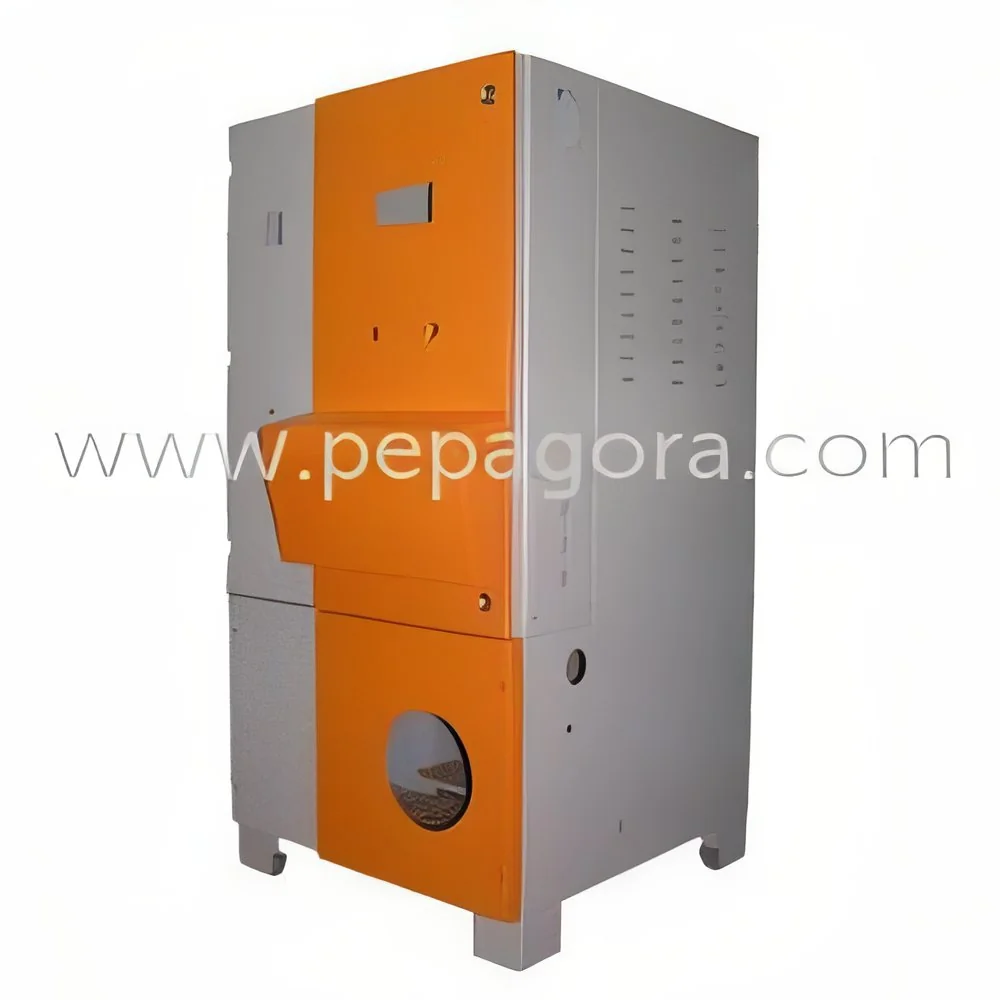
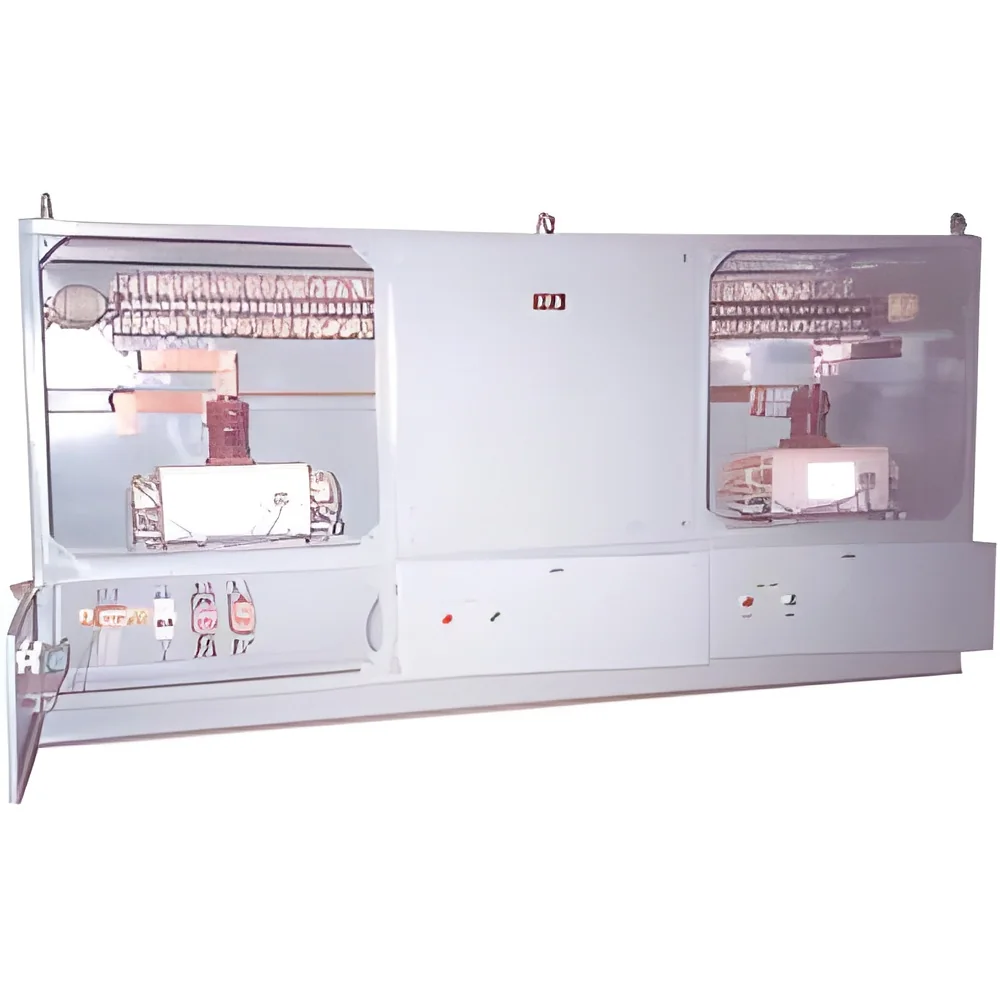
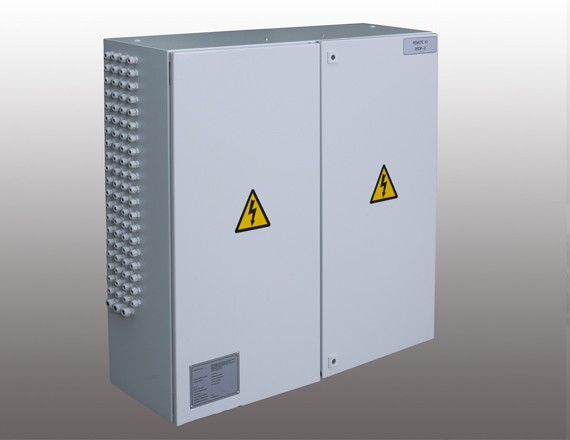
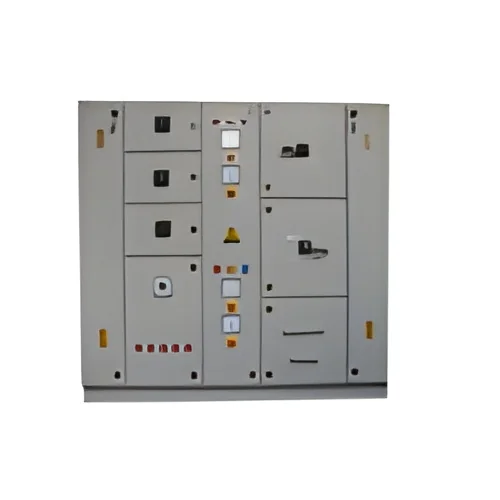
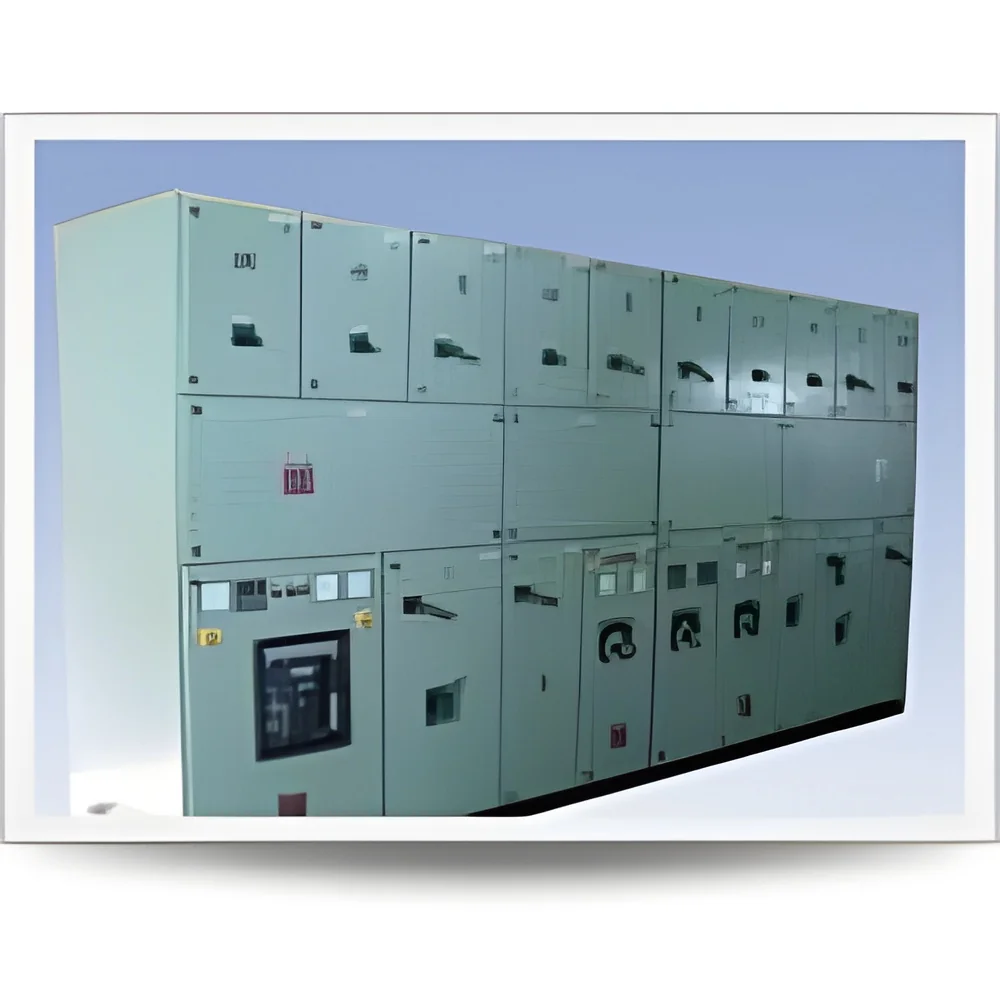
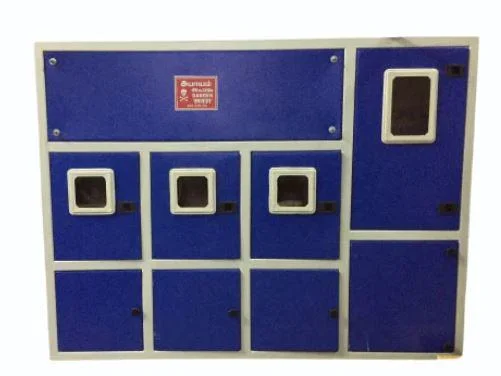
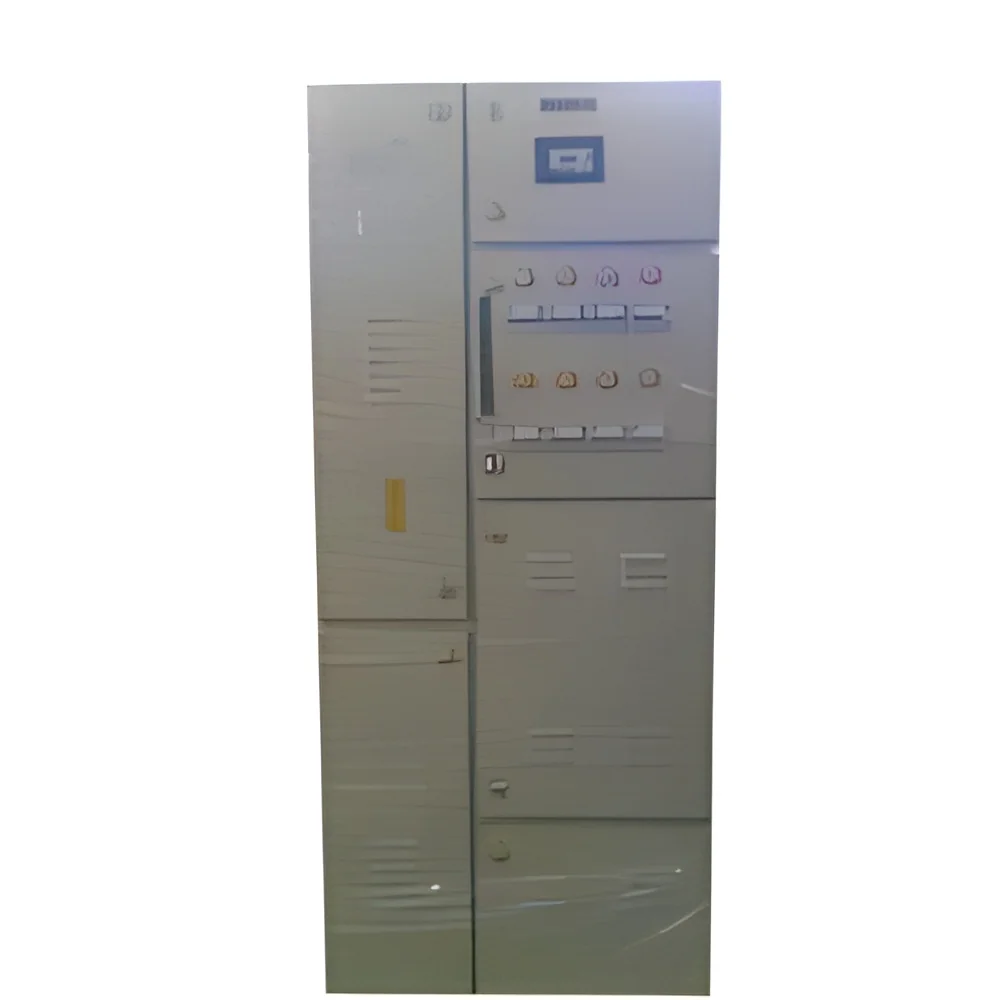
Industrial control panels are essential components in various industrial settings, serving as the central hub for controlling machinery and processes. These panels house electrical devices that enable operators to monitor and manage multiple systems simultaneously. They are designed to ensure safe and efficient operation, often integrating features such as automation, monitoring, and communication capabilities.
The primary uses of industrial control panels span a wide range of applications including manufacturing, energy management, water treatment, and building automation. Businesses rely on these panels to enhance operational efficiency, reduce downtime, and maintain safety standards. As industries evolve, the relevance of control panels continues to grow, accommodating advancements in technology and increasing demand for automation.
In the current market context, industrial control panels are integral to the push for smarter manufacturing and Industry 4.0 initiatives. With a growing emphasis on sustainability and efficiency, these panels play a critical role in transforming traditional manufacturing processes into more dynamic and responsive systems.
Key Features and Specifications
Industrial control panels come equipped with a variety of features and specifications that cater to diverse industrial needs. Understanding these specifications helps businesses select the right panel for their applications.
Key specifications include:
1. Power Supply
- Typically operates on standard voltages like 120V, 240V, or 480V AC/DC
- Designed to handle various power loads depending on application requirements
2. Enclosure Type
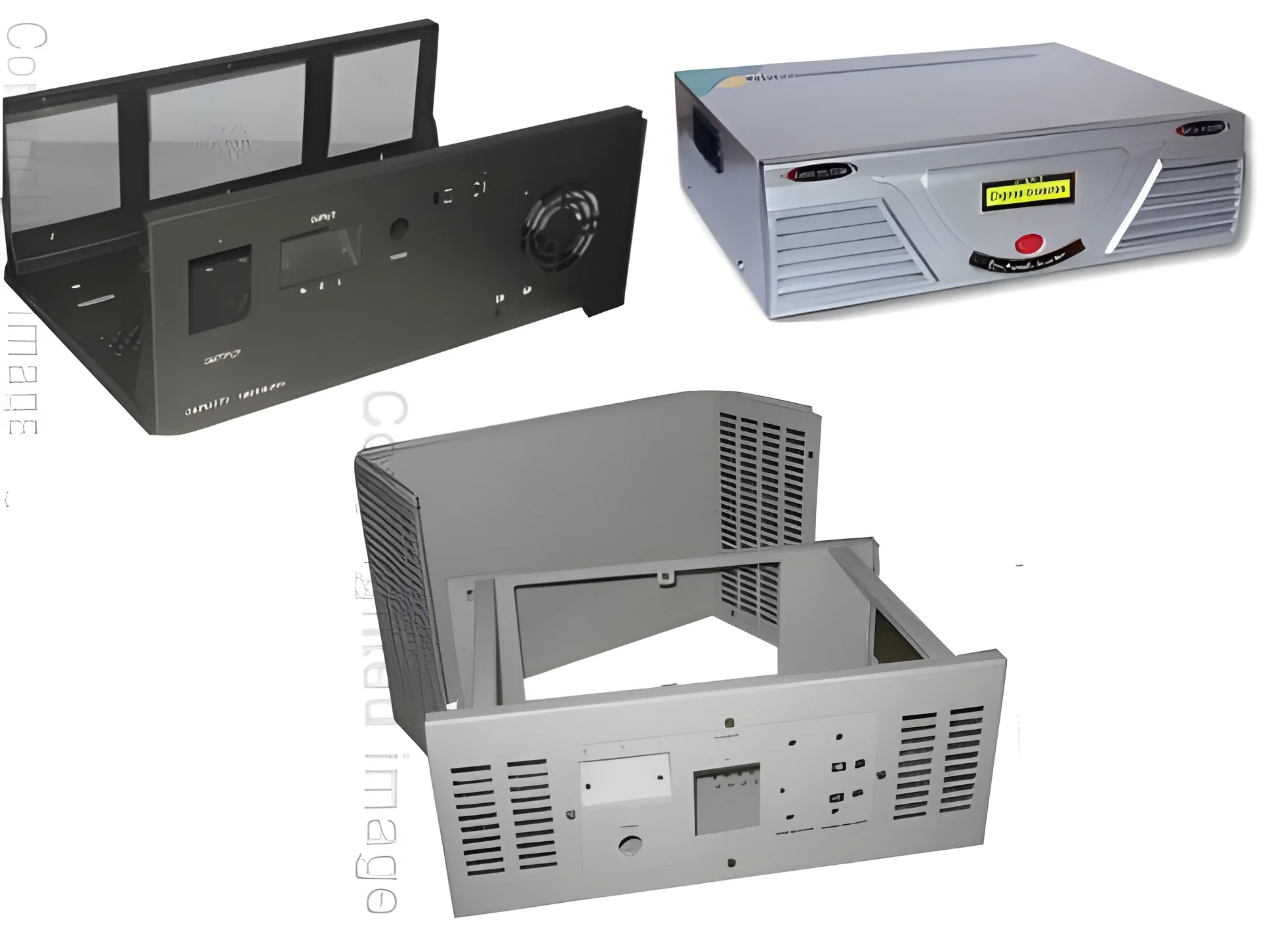
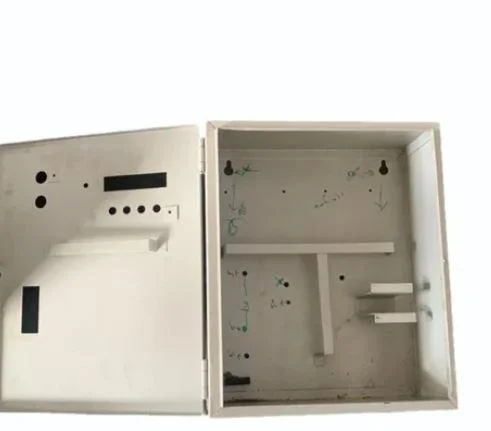
- Available in NEMA-rated enclosures for environmental protection
- Options include indoor and outdoor configurations
3. Control Interfaces
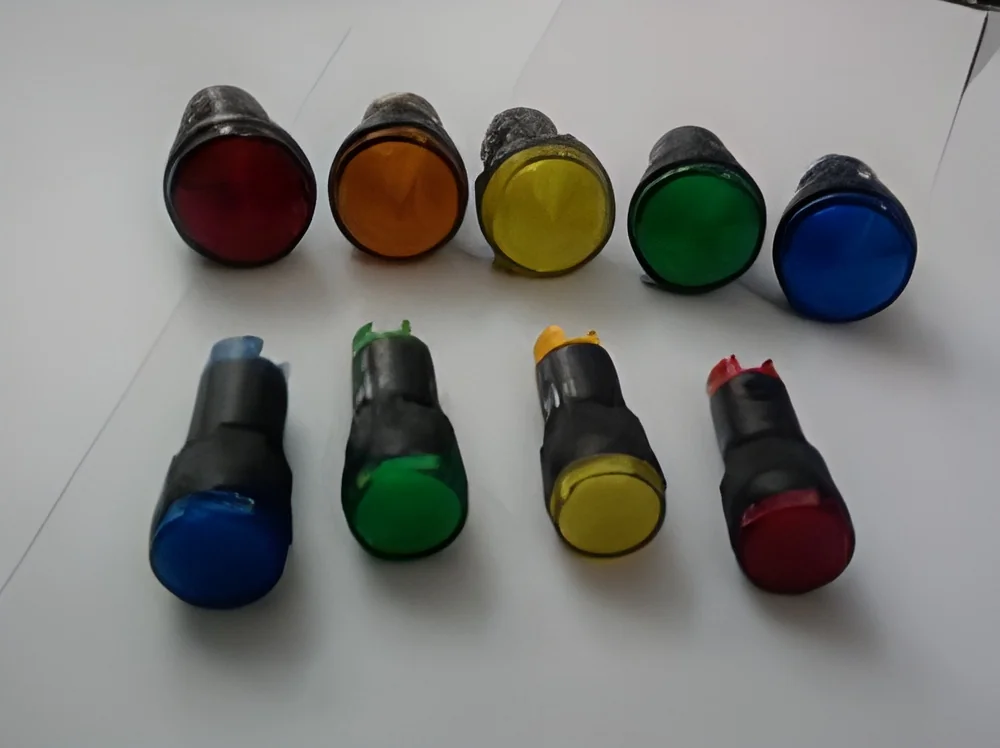
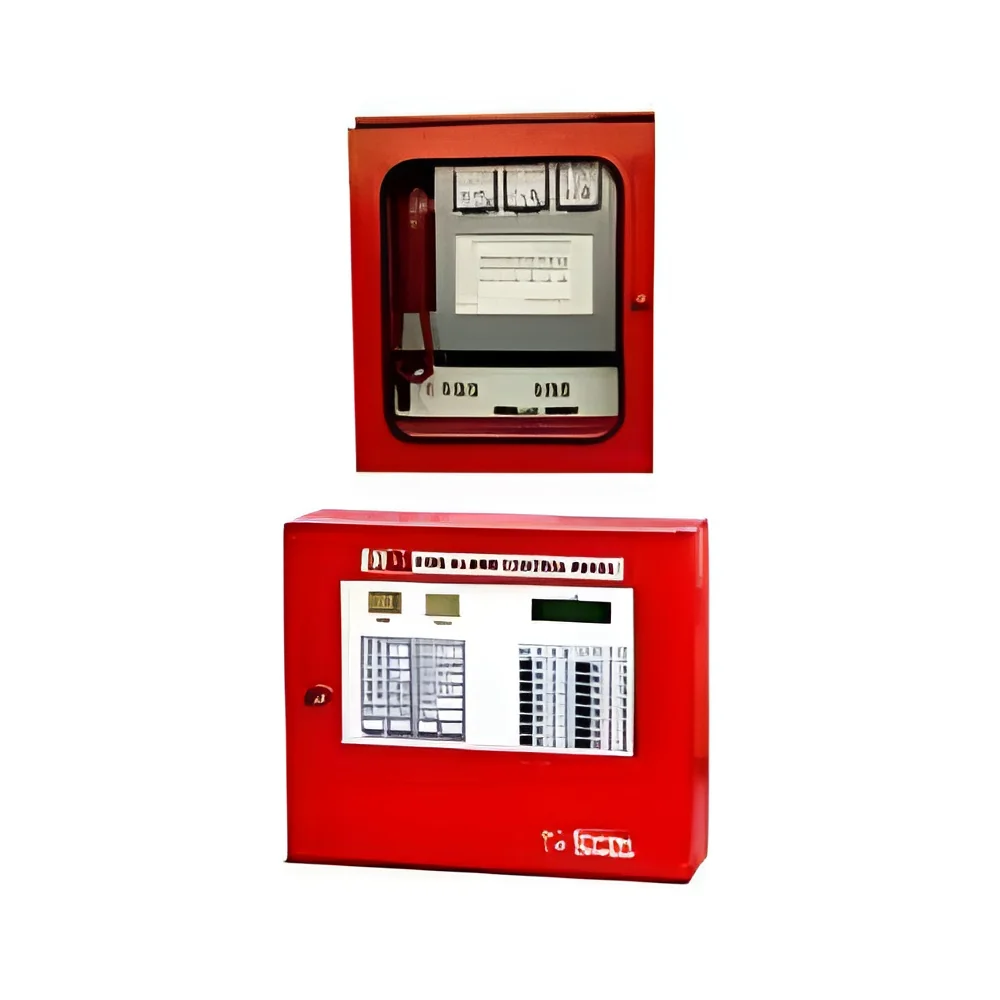
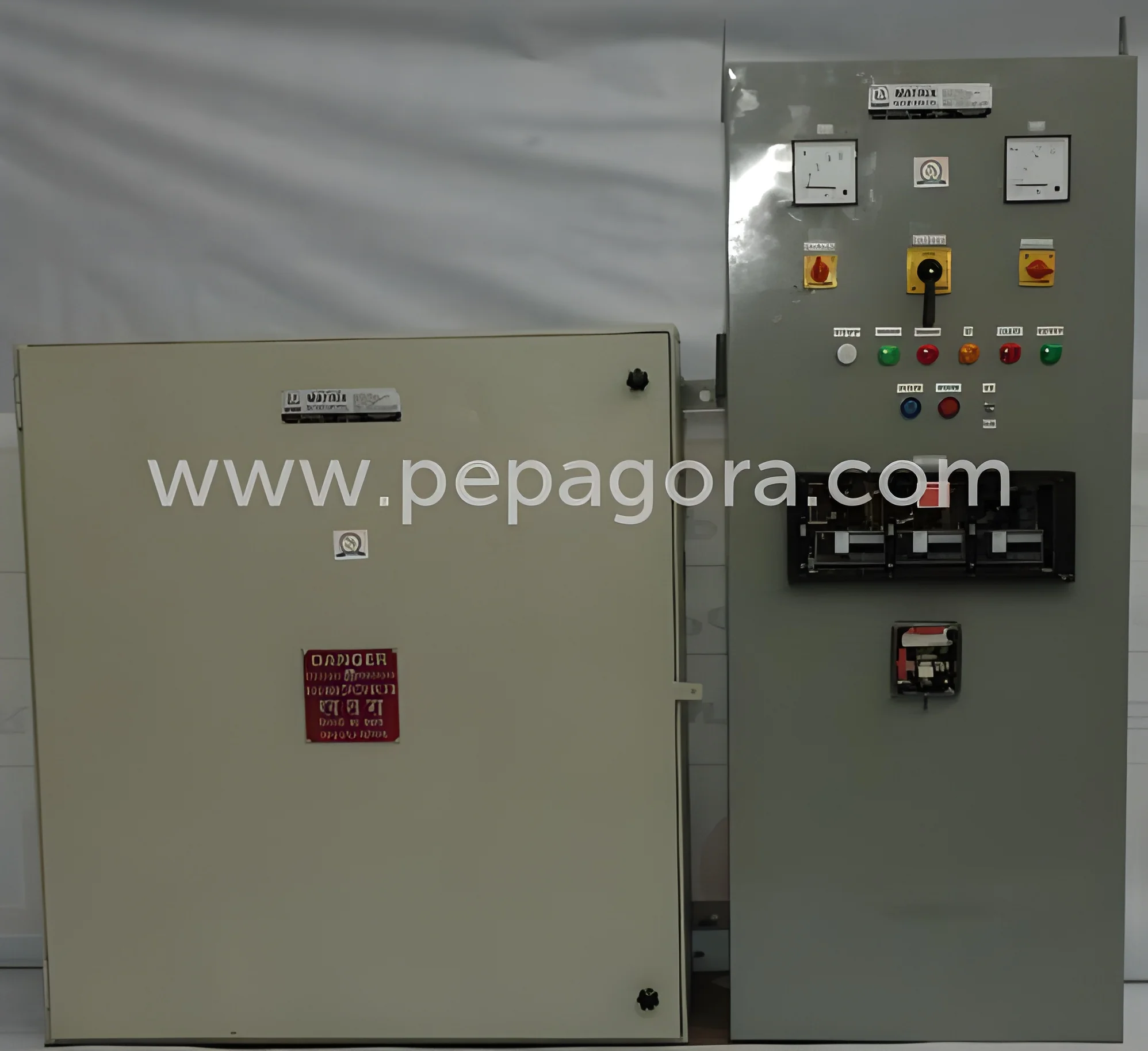
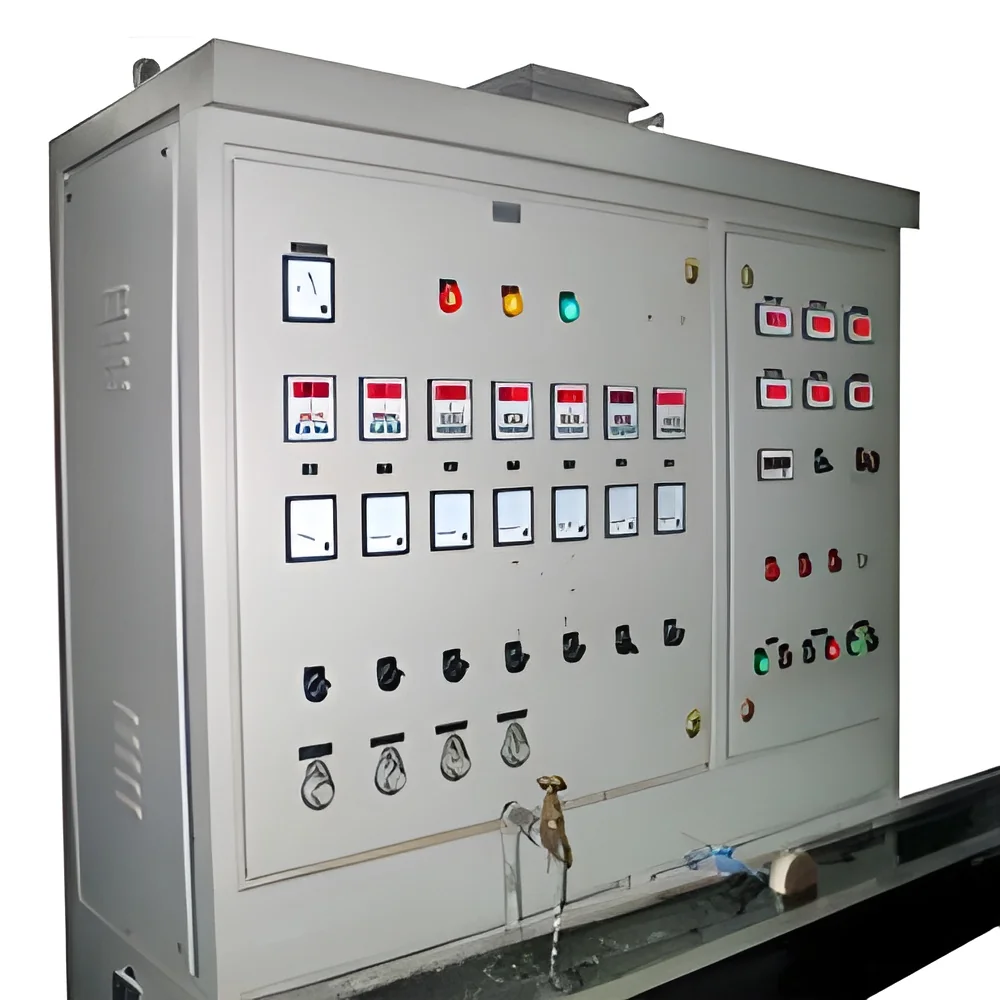
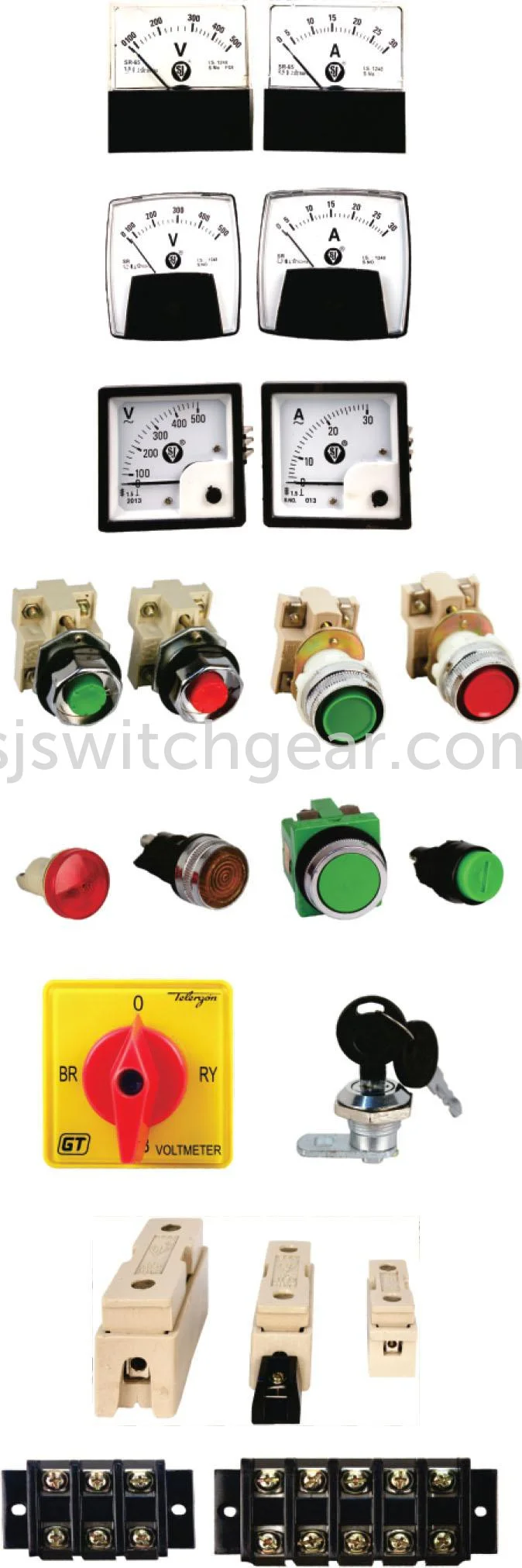
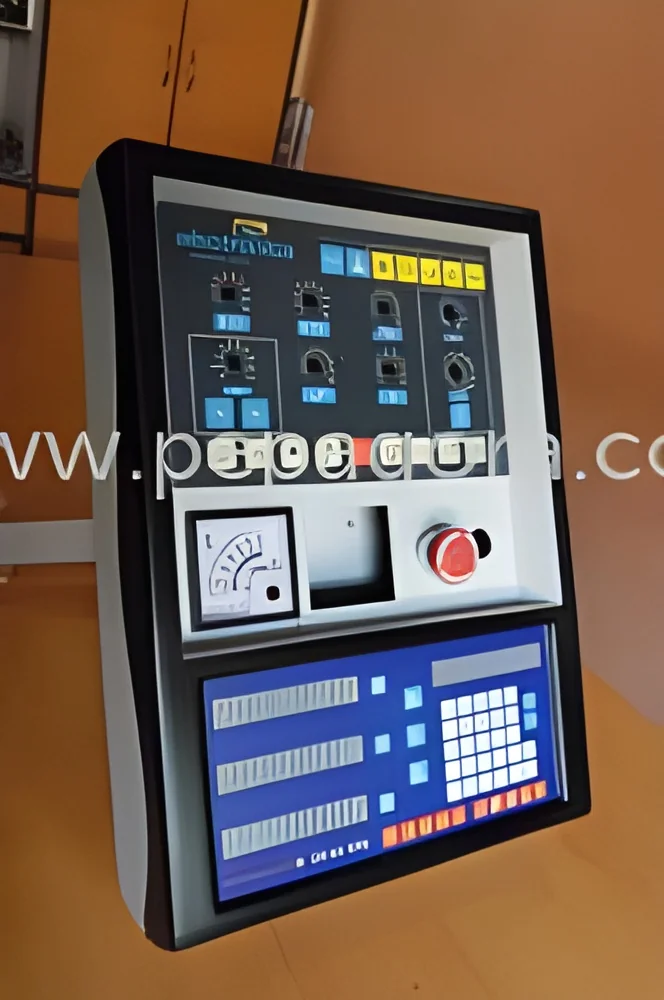
- Can include touchscreens, push buttons, and indicator lights
- Designed for user-friendly operation and monitoring
4. Communication Protocols
- Supports various communication standards such as Modbus, Ethernet/IP, and Profibus
- Enables integration with other systems for enhanced data exchange
5. Safety Features
- Includes circuit breakers, fuses, and emergency stop buttons
- Designed to comply with safety regulations and prevent accidents
6. Automation Capabilities
- Can be equipped with programmable logic controllers (PLCs) or distributed control systems (DCS)
- Facilitates automation of processes for increased efficiency
7. Monitoring and Control Systems
- Equipped with sensors and software for real-time monitoring
- Provides data analytics and reporting functionalities
8. Customization Options
- Panels can be tailored to meet specific operational needs
- Flexibility in design and component selection
In summary, the key features and specifications of industrial control panels are designed to enhance functionality, safety, and integration capabilities in various industrial applications.
Common Applications and Use Cases
Industrial control panels find extensive use across different sectors, each benefiting from their unique capabilities.
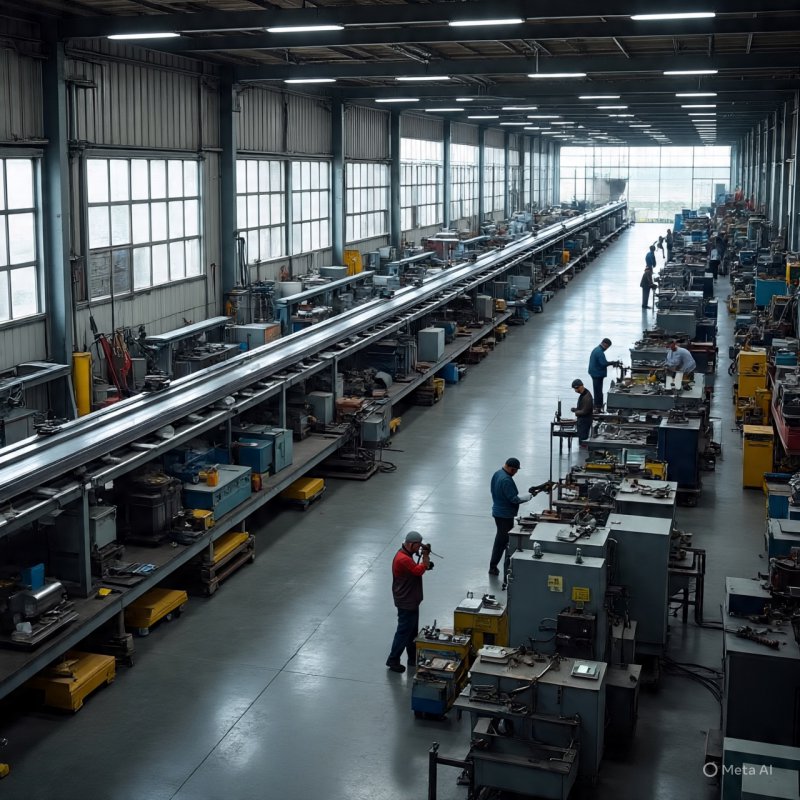
1. Manufacturing: These panels control machinery such as conveyors, robotic arms, and CNC machines, ensuring precise operations and minimizing downtime.
2. Energy Management: In power plants and facilities, control panels monitor and manage energy distribution, contributing to efficient energy use and sustainability initiatives.
3. Water Treatment: Control panels are crucial in water treatment plants, managing pumps, valves, and filtration systems to ensure compliance with health and environmental standards.
4. Building Automation: In commercial buildings, these panels control HVAC, lighting, and security systems, enhancing comfort and energy efficiency.
5. Food Processing: Control panels manage equipment in food production lines, ensuring consistency, safety, and compliance with health regulations.
6. Chemical Processing: These panels regulate processes involving hazardous materials, maintaining safety and operational efficiency.
7. Pharmaceutical Manufacturing: Control panels ensure strict adherence to quality standards and regulatory requirements through precise monitoring and control.
Product Variants and Subcategories
Industrial control panels come in various forms to address specific needs across industries.
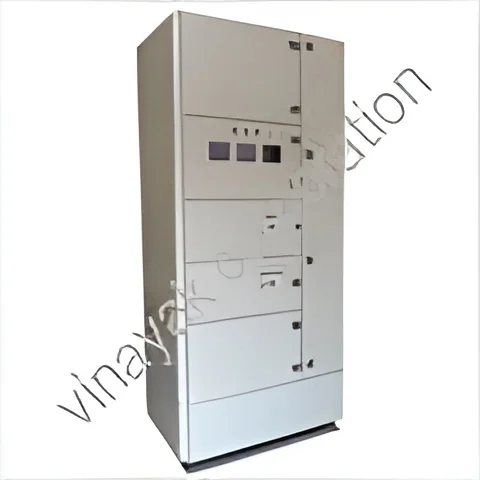
Standard Control Panels: These panels are designed for general applications with customizable features. They are widely used in manufacturing and processing plants to control machinery and processes.
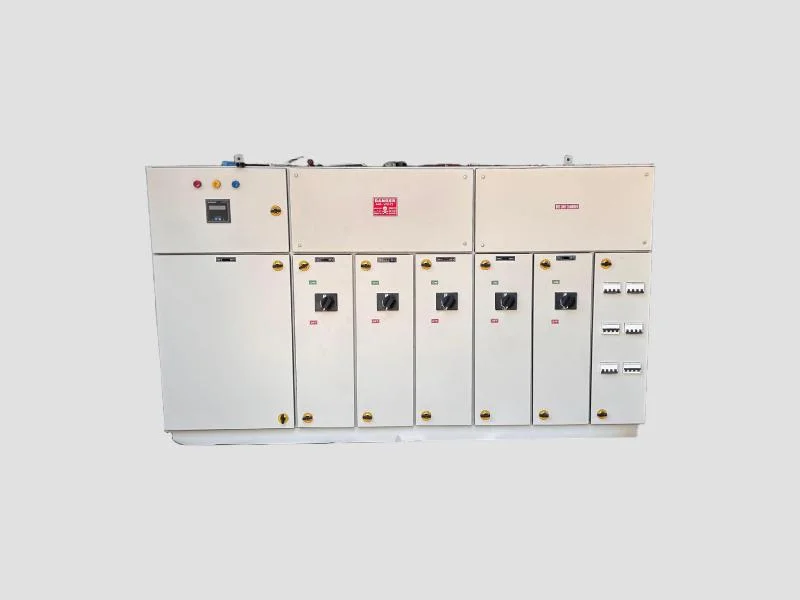
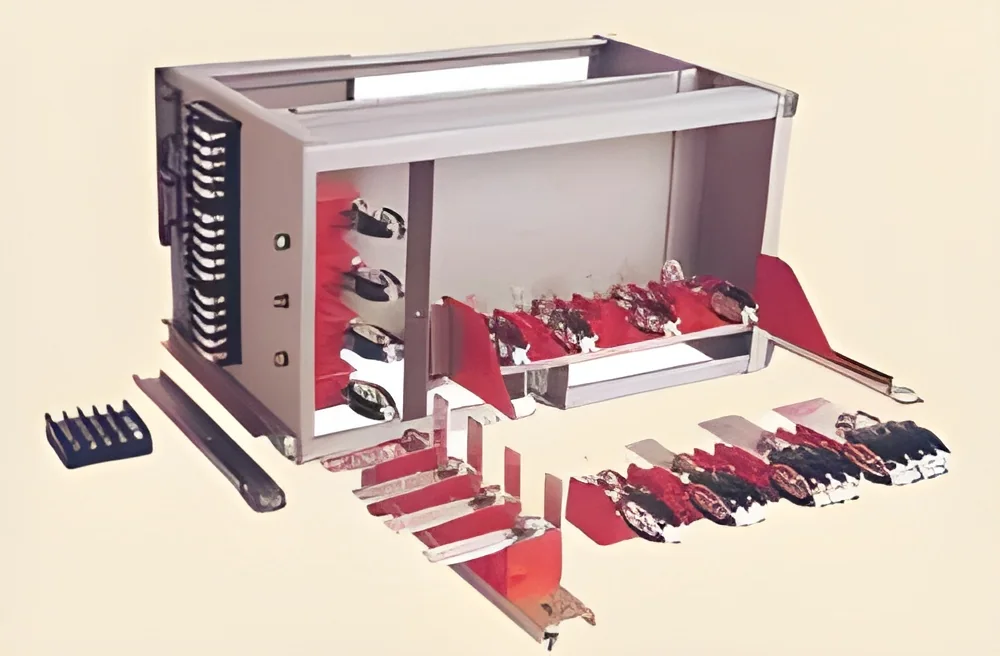
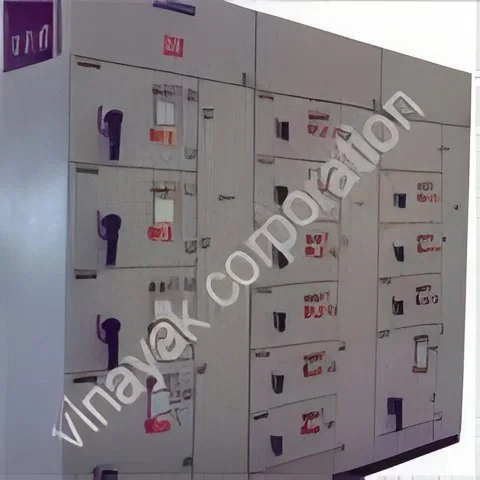
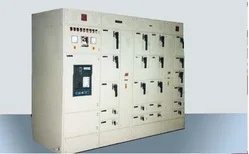
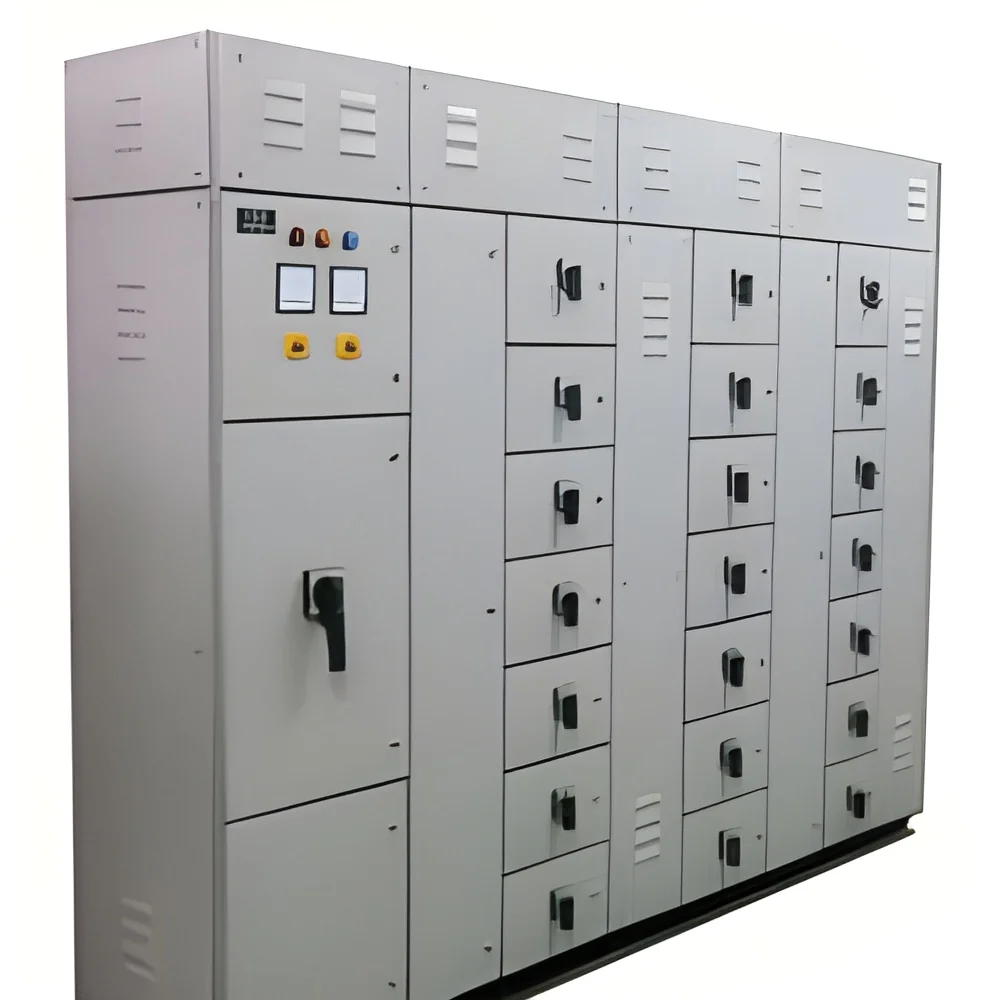
Motor Control Centers: These specialized panels focus on controlling electric motors, providing protection, and facilitating maintenance. They are essential in applications with multiple motor-driven systems.
Programmable Control Panels: Equipped with advanced programmable logic controllers (PLCs), these panels allow for automation and flexibility in process control, ideal for complex industrial applications.
Benefits and Advantages
Using industrial control panels offers numerous advantages that enhance operational efficiency and safety.
1. Improved Efficiency: Control panels streamline processes, reducing operational delays and increasing productivity.
2. Enhanced Safety: Equipped with safety features, control panels minimize risks associated with machinery operation and electrical hazards.
3. Real-Time Monitoring: Many panels provide real-time data and analytics, allowing operators to make informed decisions and optimize performance.
4. Customization: Businesses can tailor control panels to specific operational needs, ensuring maximum compatibility and effectiveness.
5. Cost Savings: Improved efficiency and reduced downtime lead to significant cost savings over time.
6. Compliance Assurance: Control panels help businesses adhere to industry regulations and standards, ensuring safety and quality in operations.
Buying Guide for B2B Buyers
When sourcing industrial control panels, it is important to consider several factors to ensure the right fit for your business needs.
1. Quality Assessment: Evaluate the quality of materials and components used in the panels. Look for certifications and standards that indicate reliability and durability.
2. Supplier Verification: Vet potential suppliers by checking their reputation, previous client testimonials, and industry experience. A verified supplier ensures better product quality and service.
3. Pricing and MOQ: Understand the pricing structure and minimum order quantities. Compare quotes from different suppliers to ensure competitive pricing without compromising quality.
4. Delivery and Lead Times: Assess the supplier's ability to meet delivery schedules and lead times, as timely availability is critical for operational planning.
5. Compliance Requirements: Ensure that the control panels adhere to relevant regulations and industry standards, which may vary by region and application.
Compliance and Certifications
Industrial control panels must adhere to various quality standards and certifications to ensure safe and effective operation.
ISO 9001 is a widely recognized standard that outlines quality management principles, ensuring manufacturers maintain high-quality processes.
CE certification indicates that products meet European safety and environmental requirements, making them suitable for the European market.
Safety and testing requirements are essential to ensure that control panels operate without posing risks to users or equipment. Manufacturers should conduct rigorous testing to meet these standards.
Regional compliance considerations may vary, so it is essential to be aware of local regulations and standards that apply to specific industries and applications.
Why Source Industrial Control Panels from Pepagora?
Pepagora offers a reliable platform for businesses looking to source industrial control panels with several advantages that enhance the purchasing experience.
Verified Supplier Network: Pepagora connects buyers with a network of verified suppliers, ensuring that products meet quality standards and industry regulations.
Streamlined RFQ Process: The request for quotation (RFQ) process is user-friendly, allowing buyers to easily compare offers from multiple suppliers to find the best deal.
Trade Assurance and Support: Pepagora provides buyer protection through trade assurance programs, ensuring that transactions are secure and disputes are minimized.
Regional Coverage: With a broad geographic reach, including India, the GCC, and Southeast Asia, Pepagora facilitates access to a diverse range of suppliers and products, catering to various market needs.

 IN
IN

 India
India