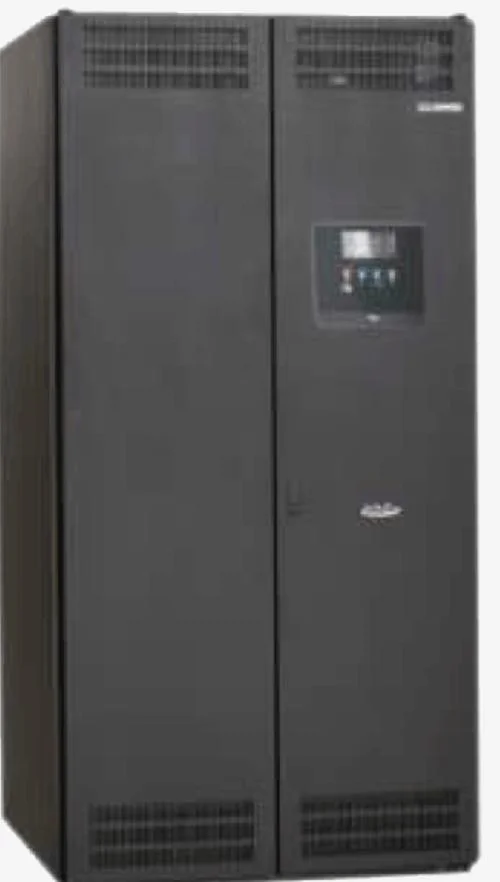
Key Features and Specifications
Power Distribution Units (PDUs) are characterized by several important features and specifications that cater to various industrial and commercial needs. Understanding these specifications is crucial for selecting the right unit for specific applications.
Key specifications include:
1. Input Voltage
- Standard input voltages typically range from 100V to 240V.
- Some units support higher voltage inputs for specific applications.
2. Output Capacity
- PDUs are available in various output capacities, commonly from 15A to 60A.
- The capacity determines how much power can be safely distributed to connected devices.
3. Number of Outlets
- PDUs can have anywhere from 4 to over 30 outlets.
- The number of outlets should align with the needs of connected equipment.
4. Form Factor
- PDUs are available in vertical and horizontal configurations.
- The choice of form factor depends on rack space and layout preferences.
5. Surge Protection
- Many PDUs feature built-in surge protection to safeguard connected devices.
- This helps prevent damage from electrical surges or spikes.
6. Monitoring Features
- Some PDUs offer monitoring capabilities for power consumption and load balancing.
- These features help in optimizing power usage and preventing overload.
7. Remote Management
- Managed PDUs allow for remote monitoring and control via network connectivity.
- This capability is essential for data center managers overseeing multiple units.
8. Certifications
- PDUs commonly hold certifications such as CE, ensuring compliance with safety standards.
- Certification is critical for ensuring quality and reliability.
In summary, understanding the key features and specifications of PDUs enables businesses to make informed decisions about their power distribution needs, ensuring they select a unit that meets their operational requirements.
Common Applications and Use Cases
Power Distribution Units (PDUs) are versatile devices used across various industries to manage electrical power distribution efficiently.
1. Information Technology: In data centers, PDUs distribute power to servers, networking equipment, and storage devices. They ensure continuous power supply and facilitate load balancing.
2. Telecommunications: PDUs are used to power communication equipment, including routers and switches, ensuring reliable connectivity and uninterrupted service.
3. Manufacturing: In manufacturing facilities, PDUs deliver power to machinery and automated systems, helping to maintain operational efficiency and reduce downtime.
4. Healthcare: Hospitals and medical facilities utilize PDUs to power critical medical devices and IT systems, ensuring patient safety and operational reliability.
5. Retail: Retail environments use PDUs to power point-of-sale systems and digital signage, enhancing customer experiences and operational effectiveness.
6. Education: Educational institutions employ PDUs in computer labs and administrative offices to provide power to computers and other electronic devices.
7. Broadcasting: In broadcasting studios, PDUs distribute power to equipment such as cameras and audio systems, ensuring smooth operations during live broadcasts.
Overall, PDUs play a critical role in enabling various industries to manage their power distribution needs effectively.
Product Variants and Subcategories
Power Distribution Units (PDUs) come in various types to cater to different applications and requirements. This diversity allows businesses to select the most suitable unit for their specific needs.
Basic PDU
Basic PDUs provide simple power distribution without additional features. They are often used in environments where advanced monitoring is not required and provide reliable power to multiple devices.
Smart PDU
Smart PDUs include advanced monitoring and management features. They allow users to track power consumption, monitor load balancing, and manage devices remotely, making them ideal for data centers.
Metered PDU
Metered PDUs come equipped with display panels to show real-time power usage. This variant enables users to monitor power consumption closely and make data-driven decisions to optimize performance.
In summary, the range of PDU variants allows businesses to choose a product that aligns with their operational needs and technical requirements.
Benefits and Advantages
Power Distribution Units (PDUs) offer numerous advantages that enhance operational efficiency and reliability.
1. Efficient Power Management: PDUs enable efficient distribution of power across multiple devices, reducing the risk of overload and ensuring stable operations.
2. Enhanced Monitoring: Many PDUs come with monitoring features that allow users to track power consumption and identify potential issues before they affect performance.
3. Improved Safety: PDUs often include surge protection and safety certifications, minimizing the risk of electrical failures and damage to connected equipment.
4. Flexibility in Configuration: PDUs are available in various sizes and configurations, allowing businesses to customize their power distribution setup according to space and equipment needs.
5. Scalability: As businesses grow, PDUs can easily accommodate additional devices, making them suitable for expanding operations without significant infrastructure changes.
6. Cost Savings: By optimizing power usage and reducing downtime, PDUs can lead to long-term cost savings for businesses.
In conclusion, the benefits of PDUs make them an essential component for any operation that relies on stable and efficient power distribution.
Buying Guide for B2B Buyers
When sourcing Power Distribution Units (PDUs), it is important for B2B buyers to consider several key factors to ensure they select the right product for their needs.
1. Quality Assessment: Evaluate the quality of the PDUs by checking for certifications and compliance with industry standards. Look for units that meet safety and performance criteria to ensure reliability.
2. Supplier Verification: Vet potential suppliers by reviewing their credentials and customer feedback. A reliable supplier should have a proven track record in providing quality PDUs.
3. Pricing and MOQ: Consider the pricing structure and minimum order quantities (MOQ) offered by suppliers. Compare quotes to ensure that the chosen PDU fits within budget constraints while meeting operational needs.
4. Delivery and Lead Times: Assess the delivery times and logistics capabilities of suppliers. Timely delivery is crucial to avoid disruptions in operations.
5. Compliance Requirements: Be aware of any regulatory compliance requirements that may apply to PDUs in your region. Ensure that the chosen units meet local safety and environmental standards.
By keeping these factors in mind, B2B buyers can make informed decisions when sourcing Power Distribution Units.
Compliance and Certifications
Power Distribution Units (PDUs) are subject to various compliance and certification requirements that ensure their safety and reliability in different applications.
One of the most recognized quality standards is ISO 9001, which focuses on quality management systems. This certification indicates that a manufacturer adheres to strict quality control processes, ensuring the PDUs are produced to high standards.
Additionally, PDUs often hold CE certification, which signifies that they meet European safety and environmental requirements. This certification is crucial for businesses operating in regions where compliance with EU regulations is mandatory.
Safety and testing requirements are also vital, as PDUs must undergo rigorous testing to ensure they can handle the electrical loads for which they are designed. Manufacturers typically conduct tests to assess performance under various conditions.
Lastly, regional compliance considerations may vary depending on local regulations. Buyers should confirm that the PDUs they select comply with applicable local standards, ensuring they meet safety and operational requirements.
Why Source Power Distribution Units (PDUs) from Pepagora?
Pepagora is a trusted platform for sourcing Power Distribution Units (PDUs) that offers several key advantages to buyers.
One of the primary benefits is the verified supplier network. Pepagora ensures that all suppliers are thoroughly vetted, providing buyers with confidence in the quality and reliability of the products offered. This verification process helps eliminate risks associated with sourcing from unverified suppliers.
The streamlined RFQ process simplifies the acquisition of PDUs. Buyers can easily submit requests for quotes and receive competitive pricing from multiple suppliers, allowing for informed decision-making.
Trade assurance and support are also strong features of Pepagora. The platform offers buyer protection, ensuring that transactions are secure and that buyers receive the products as described. This level of support fosters trust between buyers and suppliers.
Finally, Pepagora's regional coverage extends across India, the GCC, and Southeast Asia, making it a convenient choice for businesses in these areas. This broad geographic reach ensures that buyers can access quality PDUs tailored to their specific regional needs.
In conclusion, sourcing Power Distribution Units (PDUs) from Pepagora provides buyers with a reliable and efficient platform, enhancing their procurement experience.

 IN
IN