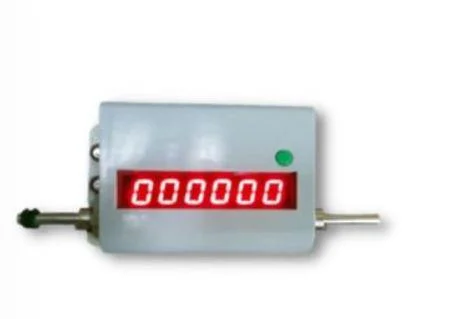
What are Industrial Timers & Counters?
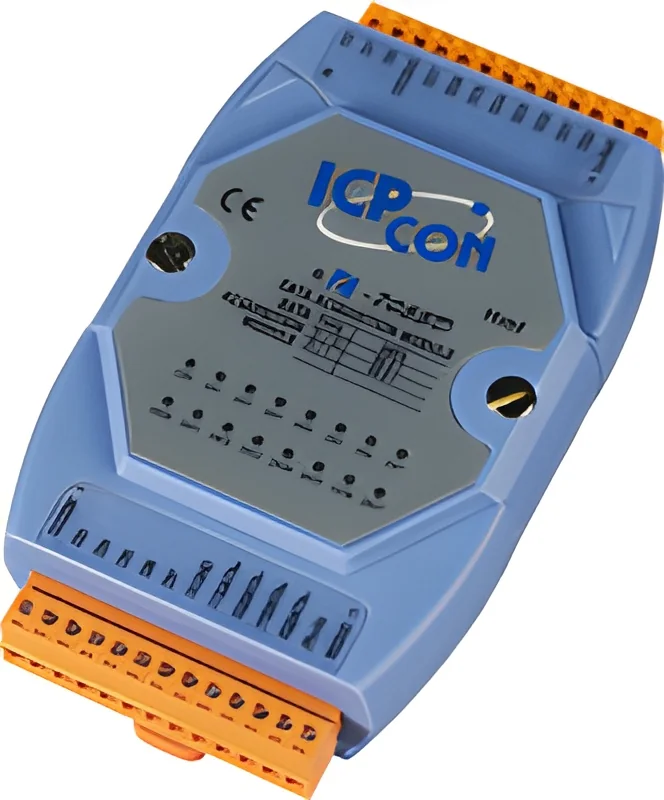
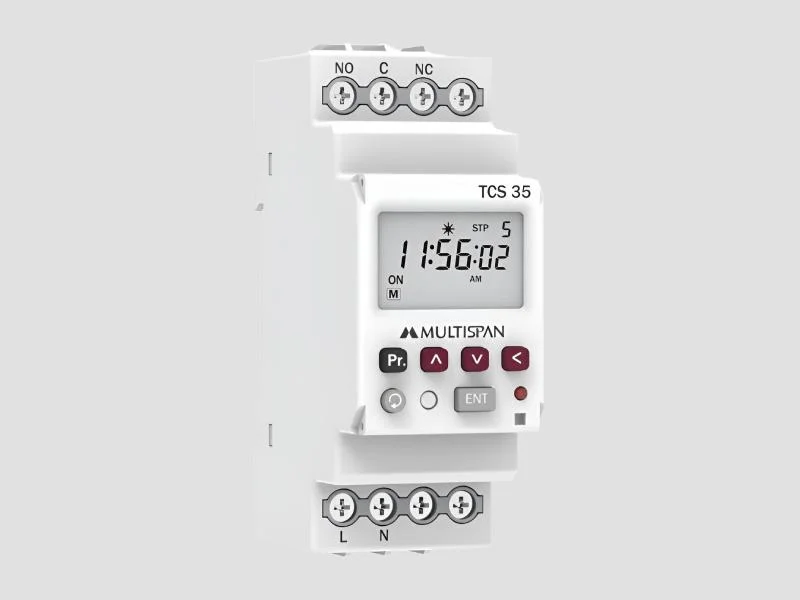
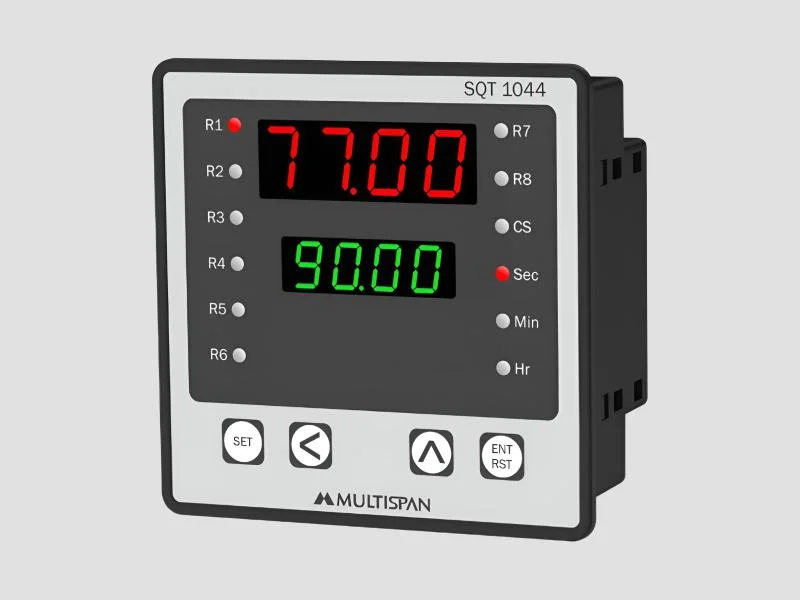
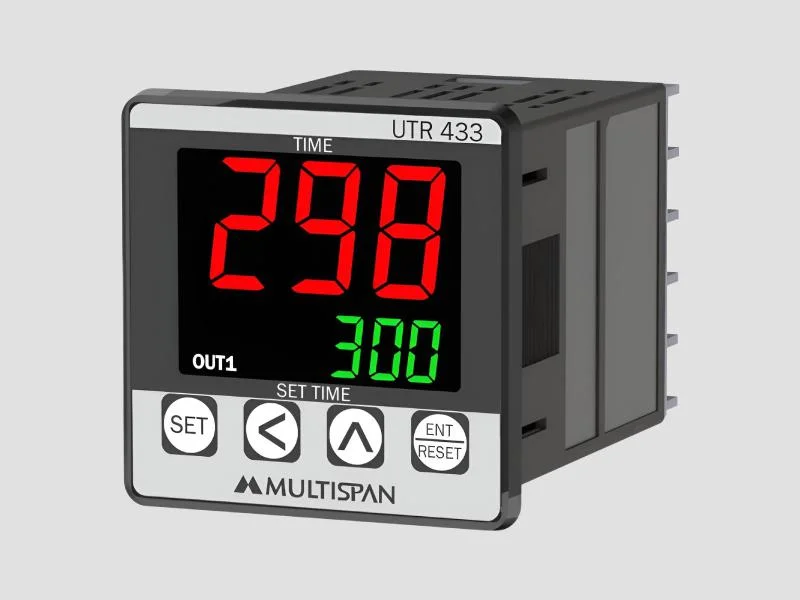
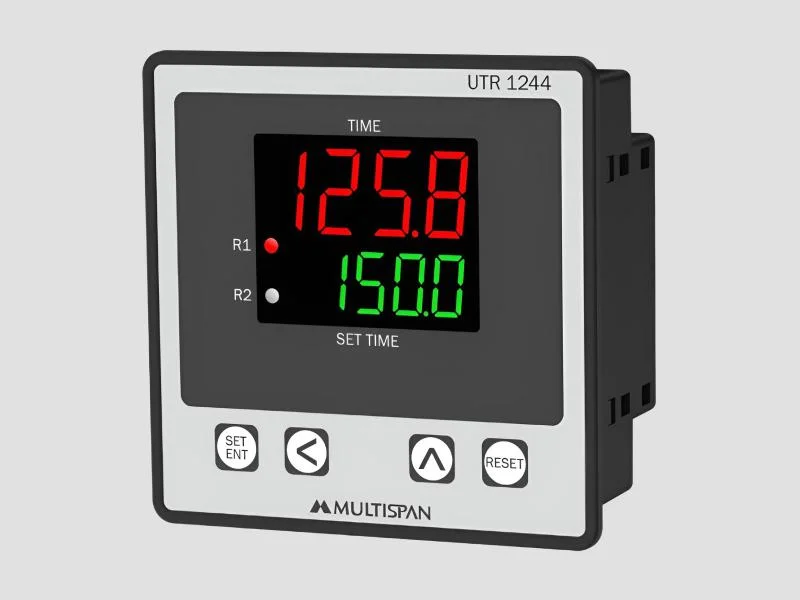
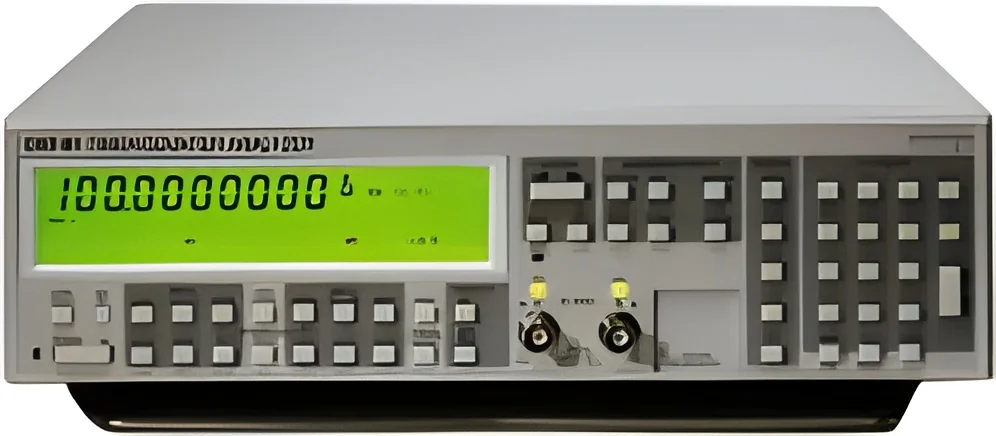
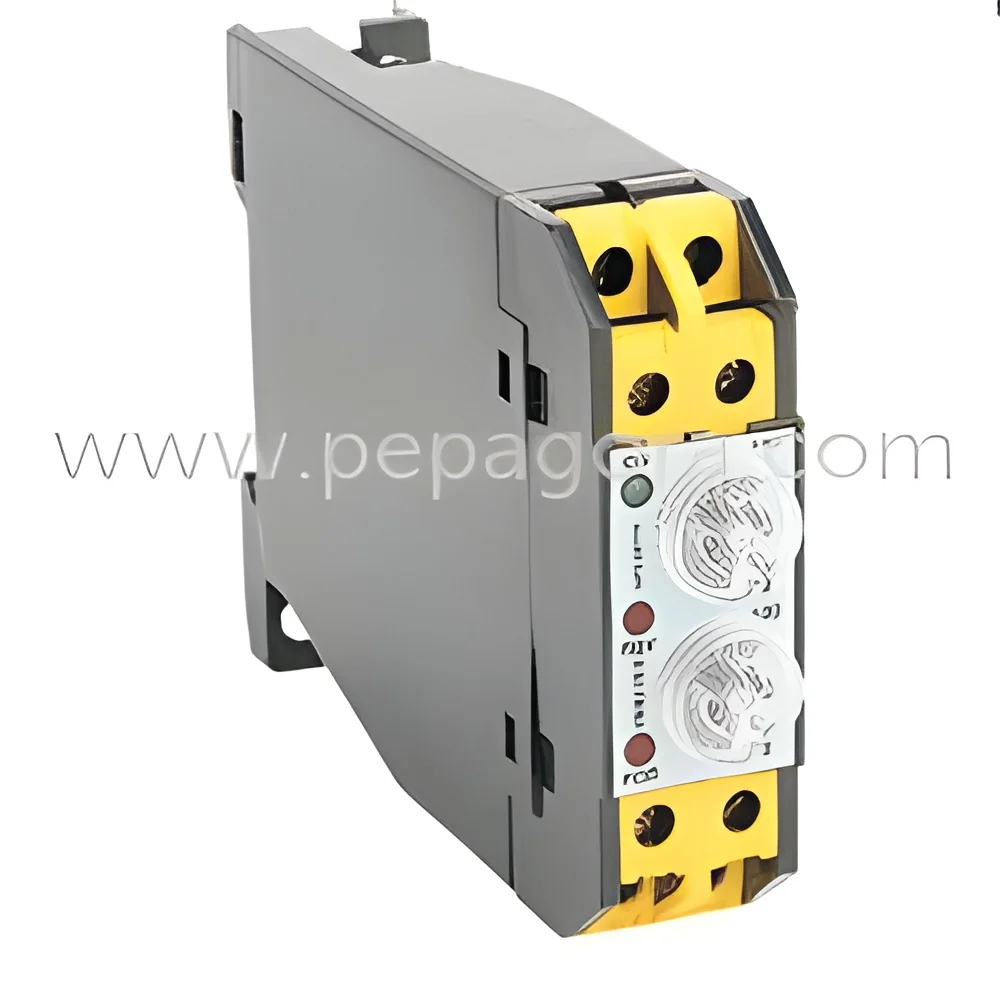
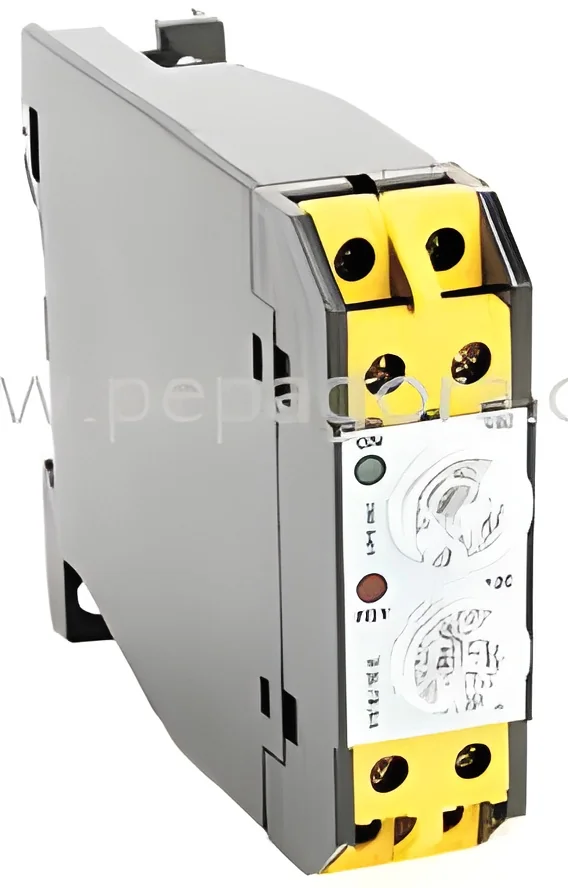
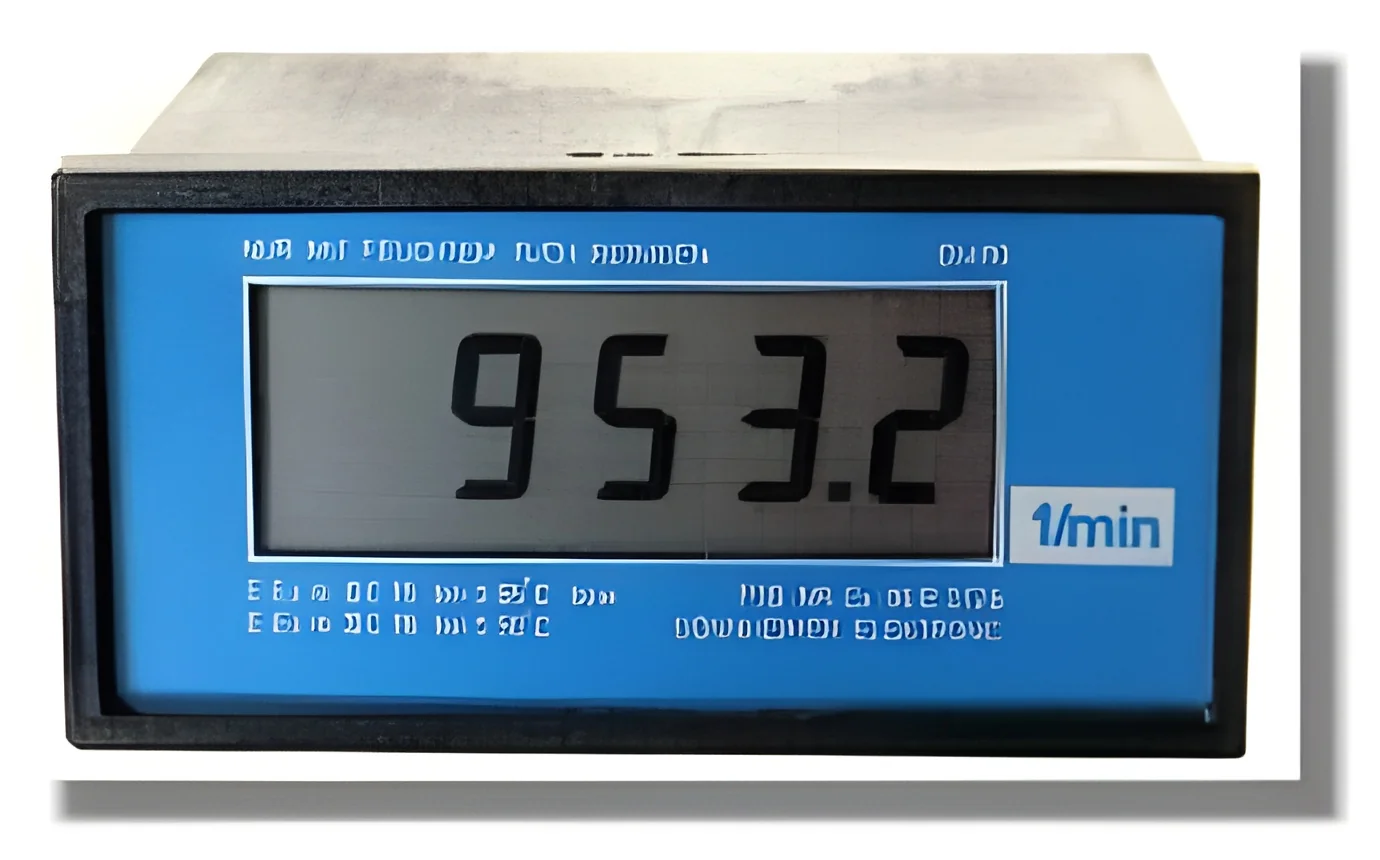
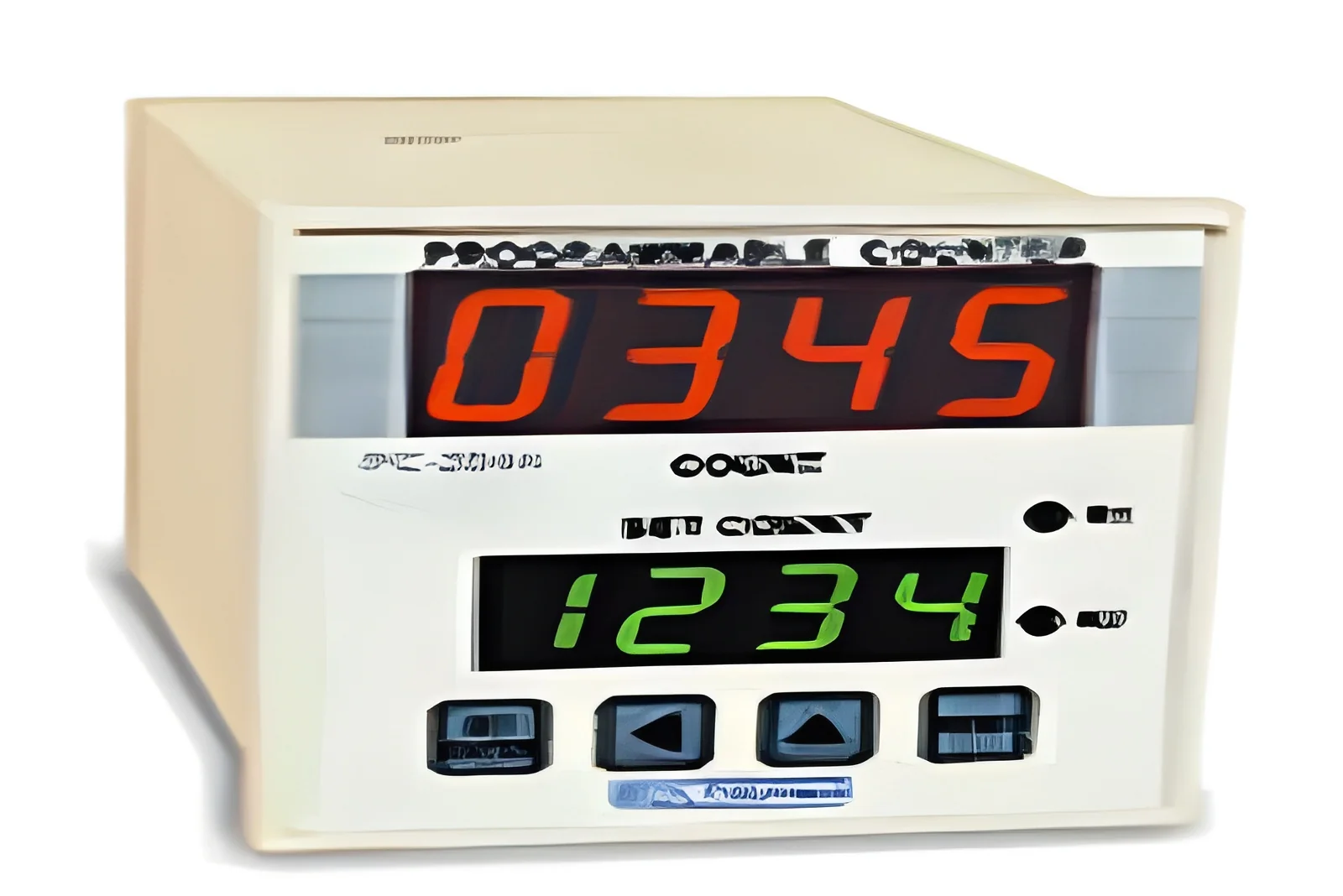
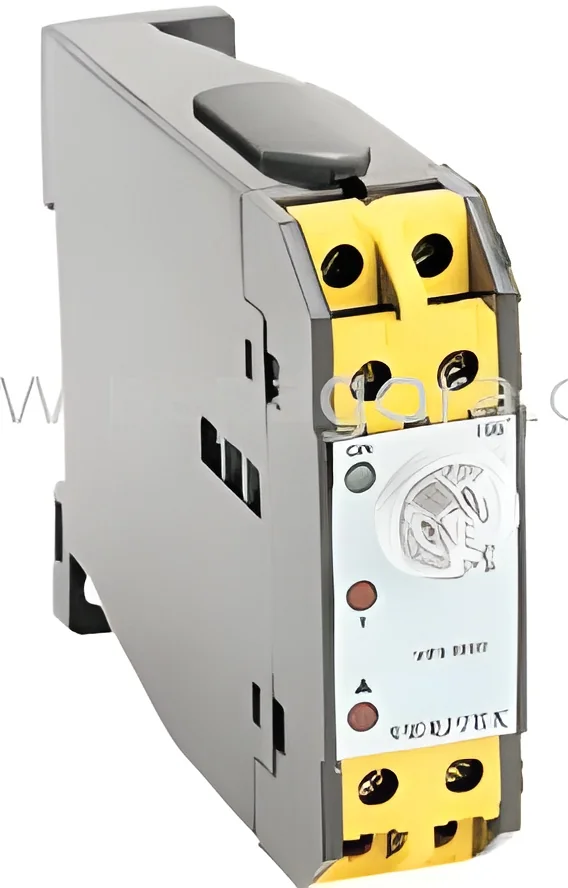
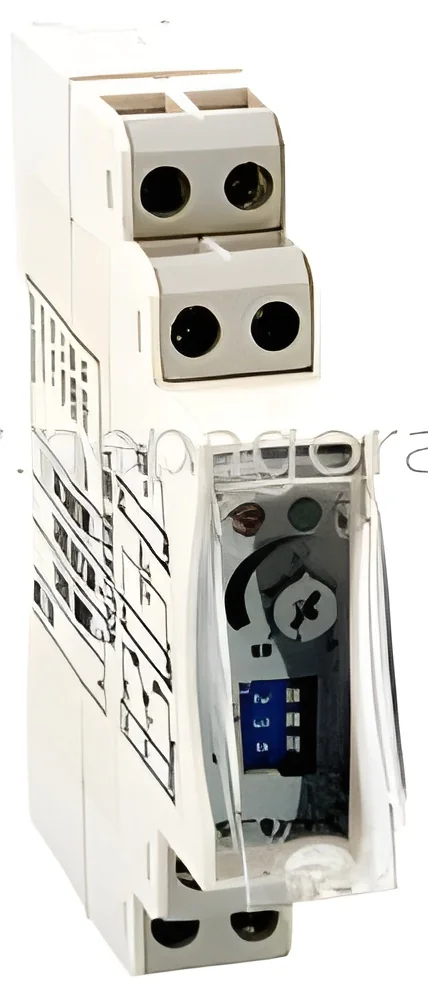
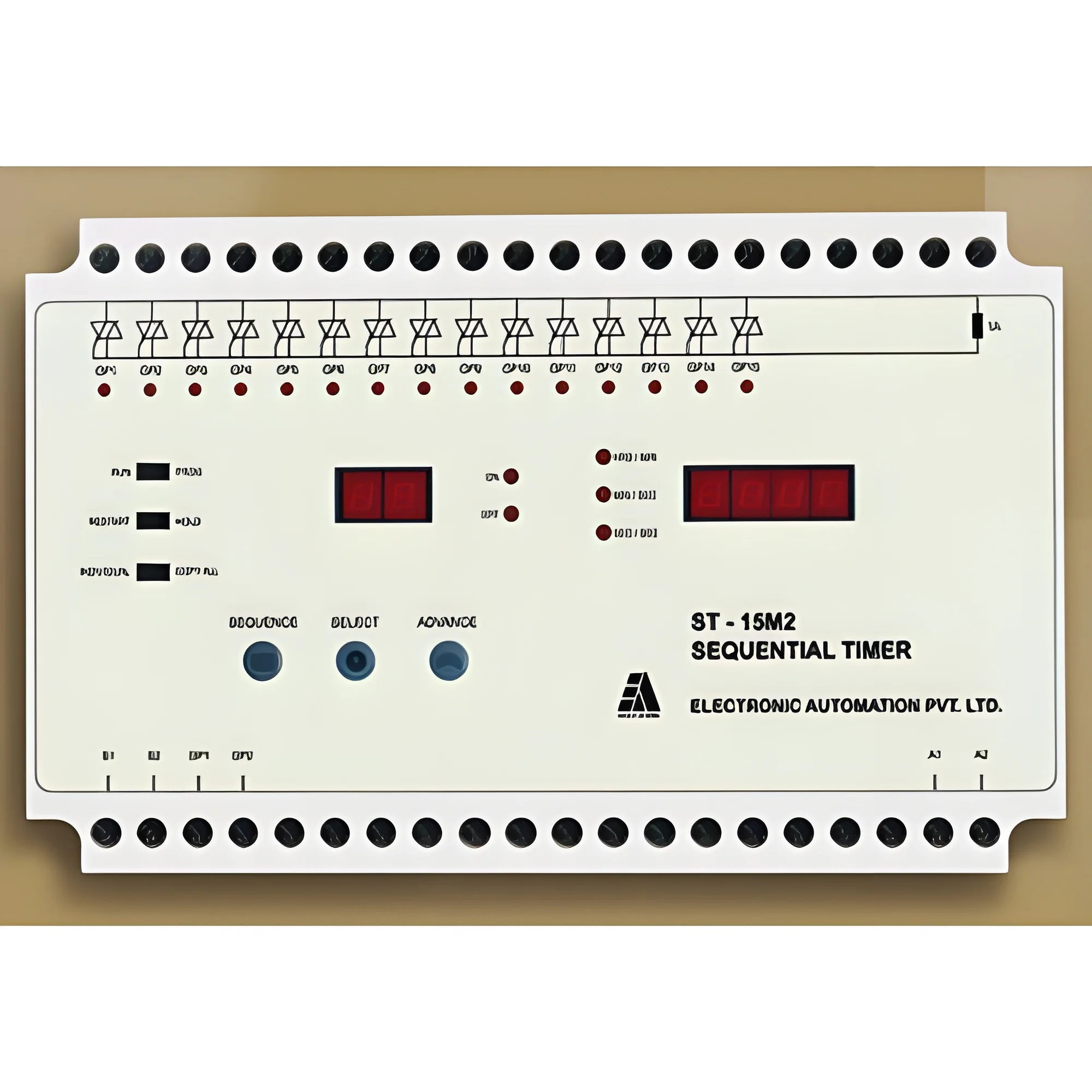
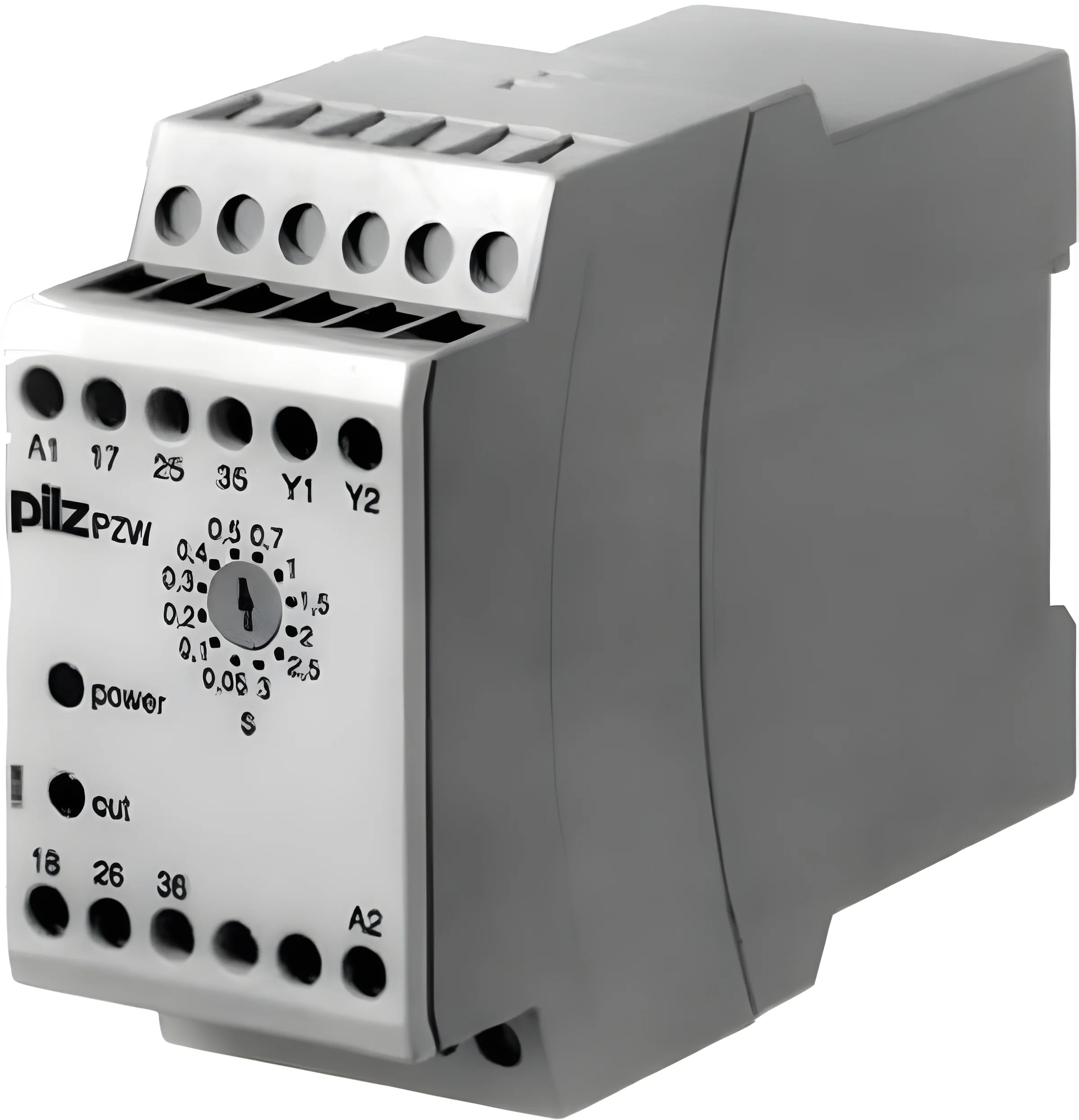
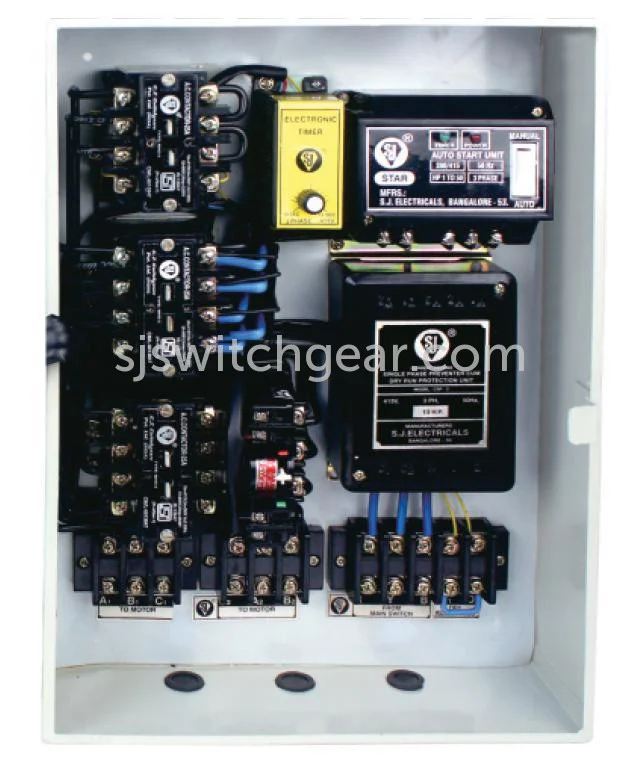
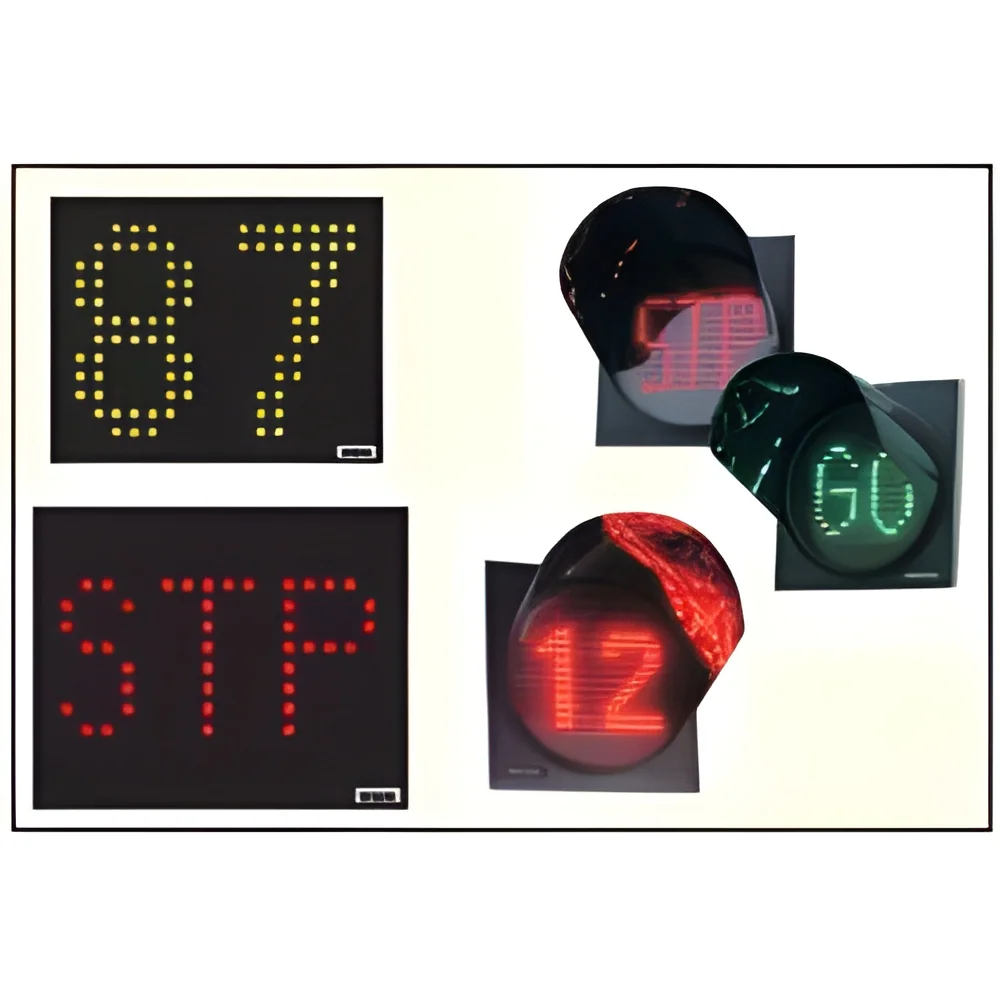
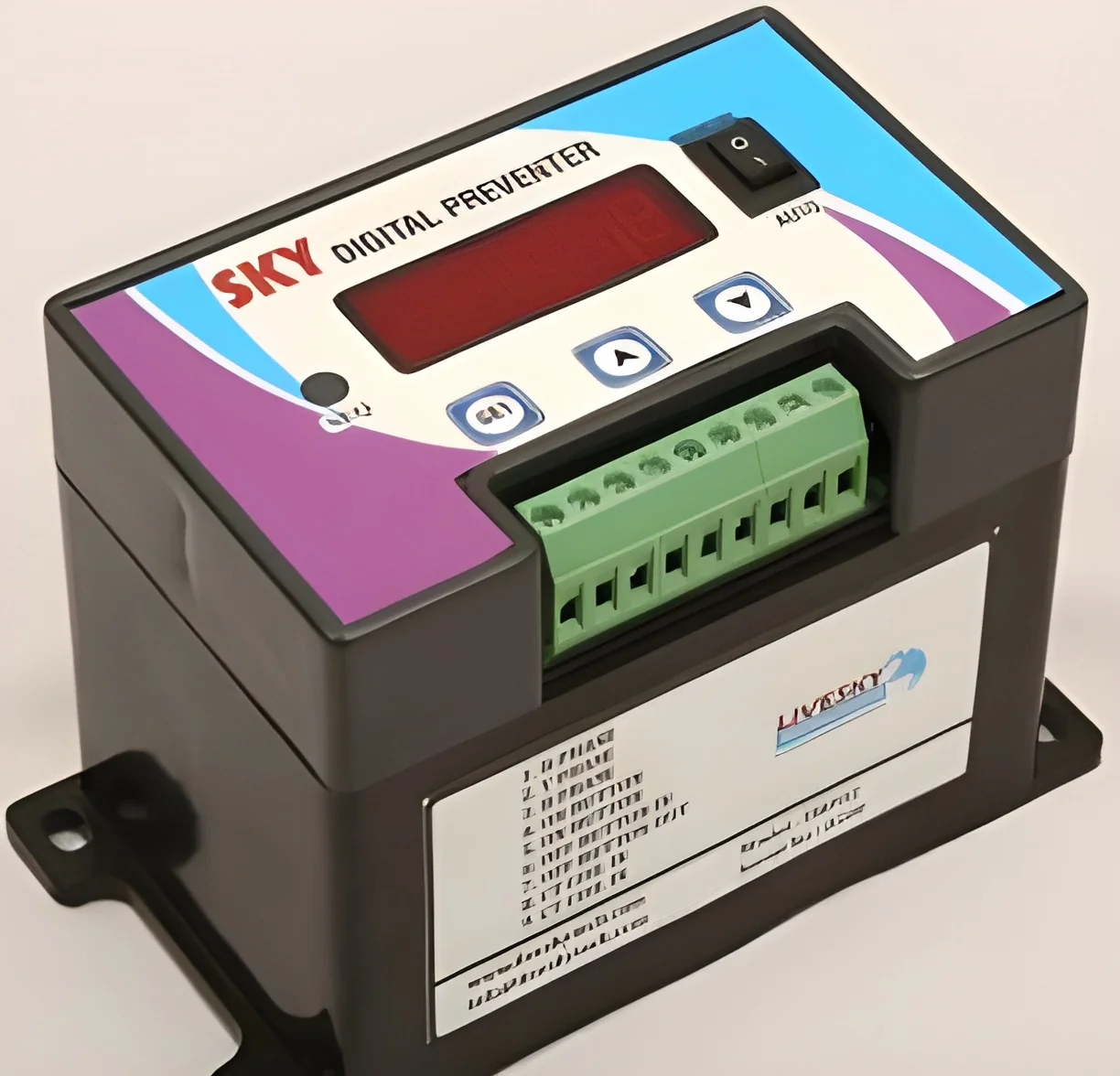
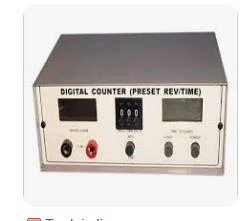
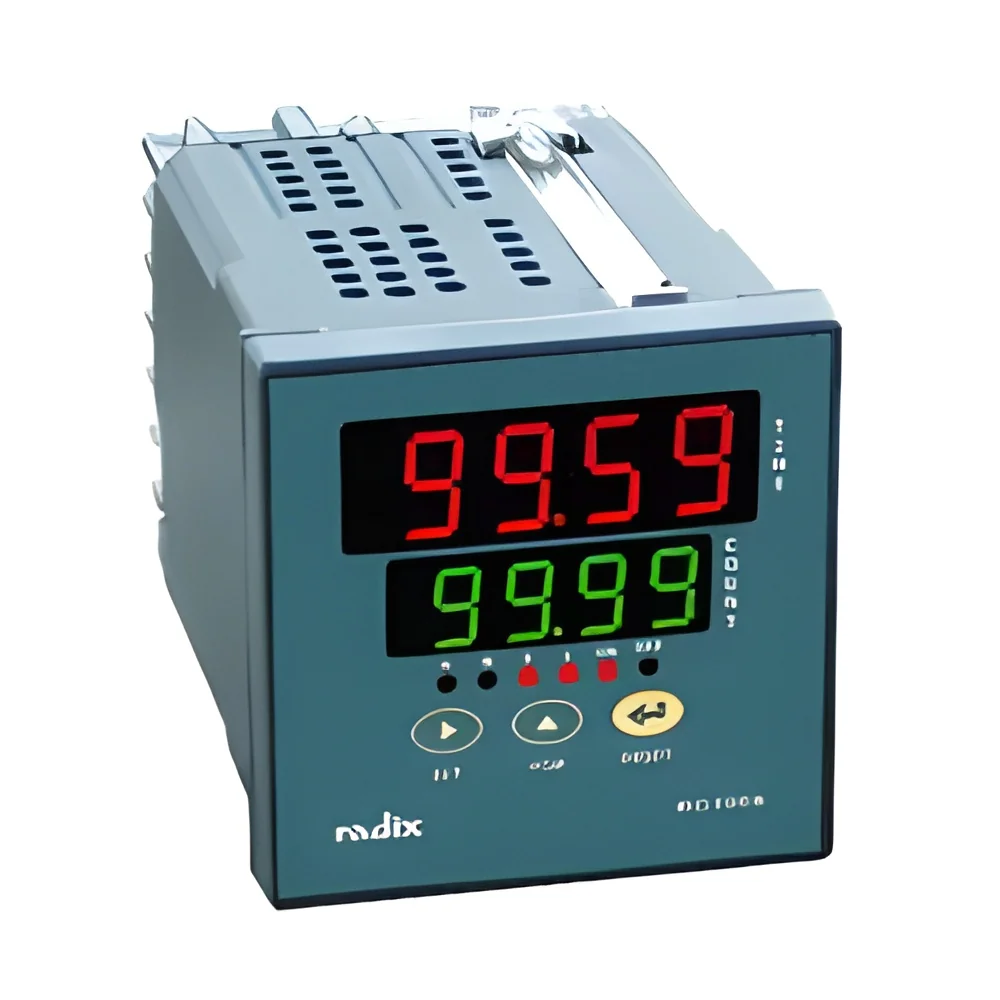
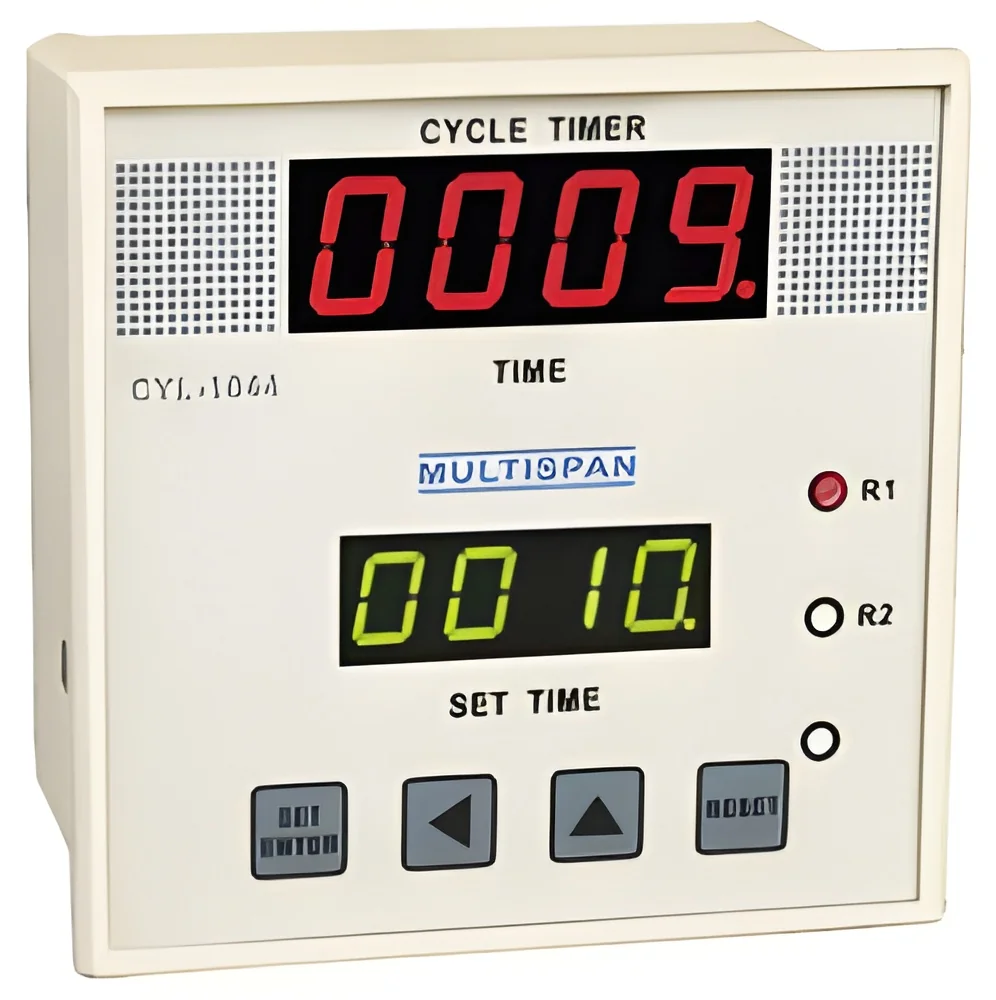
Industrial timers and counters are essential electronic devices used to measure time intervals or count specific events in various industrial applications. They provide accurate timing and counting capabilities, which are crucial for process control, automation, and operational efficiency. These devices can be used to track durations, control machinery, or log production cycles in a wide array of industries.
Primarily, industrial timers are employed in manufacturing settings, assembly lines, and quality control processes. They help ensure that operations run smoothly by monitoring time-sensitive tasks and ensuring that equipment operates within specified time frames. Counters, on the other hand, are utilized to tally items, monitor production output, or track cycles of machinery. The relevance of these devices spans across sectors such as manufacturing, food processing, and logistics, where timing and counting can significantly influence productivity and safety.
As industries continue to evolve, the demand for reliable and precise industrial timers and counters remains strong. With advancements in technology, these devices have become more sophisticated, integrating features that enhance their functionality and adaptability to various operational needs.
Key Features and Specifications
Industrial timers and counters come equipped with a range of features and specifications to meet diverse industrial needs. They are designed to provide reliability and precision in monitoring and control applications.
Key specifications include:
1. Accuracy
- Ensures precise timing and counting.
- Typically ranges within milliseconds for timers.
2. Display Type
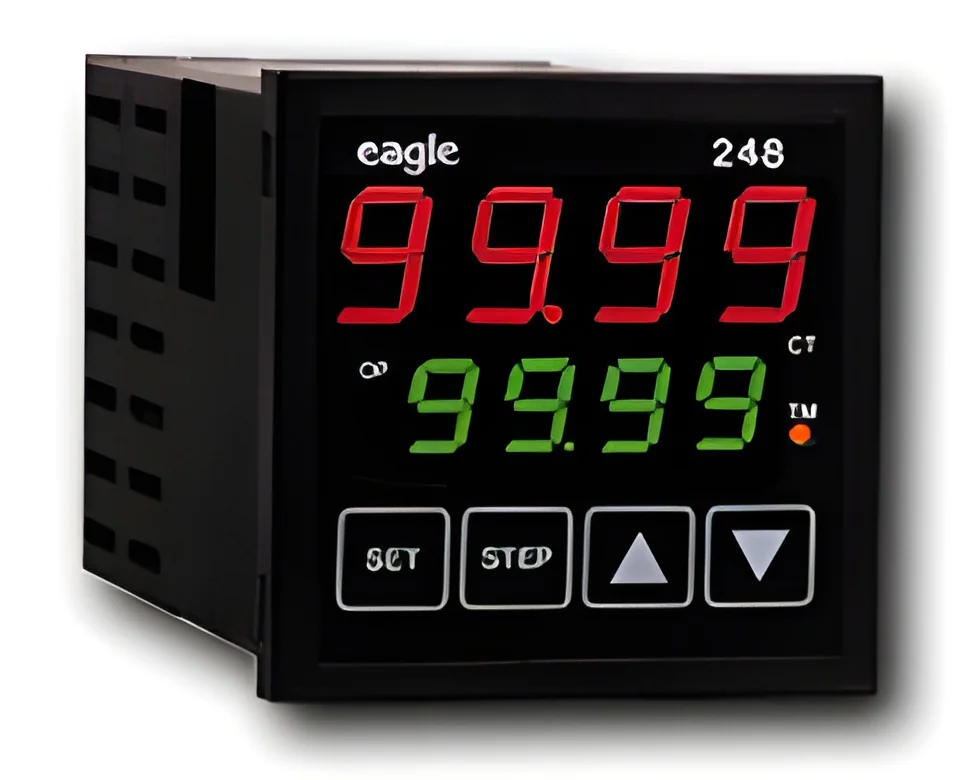
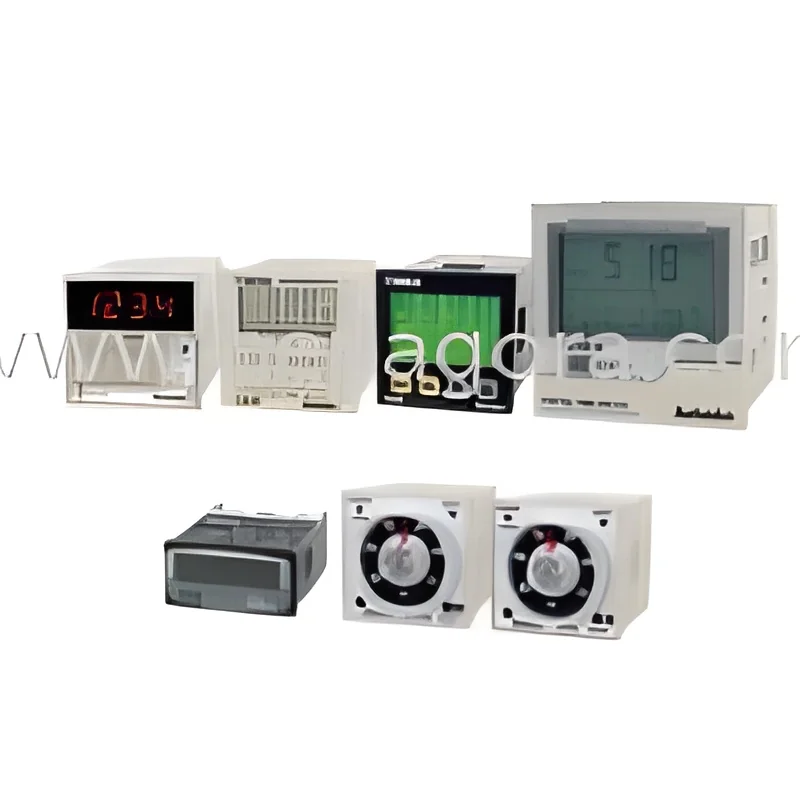
- Options include digital and analog displays.
- Digital displays often provide clearer readability.
3. Operating Temperature Range
- Suitable for various environments.
- Data not available for specific temperature ranges.
4. Power Supply
- Commonly powered by AC or DC sources.
- Voltage ratings usually range from 24V to 240V.
5. Reset Functionality
- Allows for easy resetting of timers or counters.
- Can be manual or automatic based on design.
6. Counting Modes
- Includes up, down, and bidirectional counting.
- Flexible options for different operational requirements.
7. Relay Output
- Provides control signals to connected devices.
- Useful for triggering alarms or starting/stopping equipment.
8. Compliance Standards
- Designed to meet industry standards.
- CE certification ensures product quality and safety.
In summary, the diverse features and specifications of industrial timers and counters cater to a wide range of applications, ensuring that businesses can find suitable solutions for their operational needs.
Common Applications and Use Cases
Industrial timers and counters are utilized across various sectors, enhancing efficiency and accuracy in operations.
1. Manufacturing: In manufacturing plants, timers are used to monitor production cycles, ensuring that machines operate within designated time frames. Counters track the number of items produced, facilitating inventory management.
2. Food Processing: Timers play a crucial role in cooking, packaging, and processing food products. They ensure that products are cooked for the right duration to meet safety and quality standards.
3. Logistics: In logistics operations, counters are used to monitor the number of packages processed or shipped. Timers can help manage loading and unloading schedules effectively.
4. HVAC Systems: Timers are used in heating, ventilation, and air conditioning systems to control the operation of equipment, ensuring optimal performance and energy efficiency.
5. Automotive: In the automotive industry, timers and counters are employed in assembly lines to synchronize processes, enhancing productivity and minimizing delays.
6. Pharmaceuticals: In pharmaceutical manufacturing, timers ensure that processes such as mixing, filling, and packaging are completed within precise time limits, adhering to regulatory requirements.
7. Telecommunication: Timers are used in telecommunication systems to monitor call durations and manage network traffic, contributing to efficient communication services.
Product Variants and Subcategories
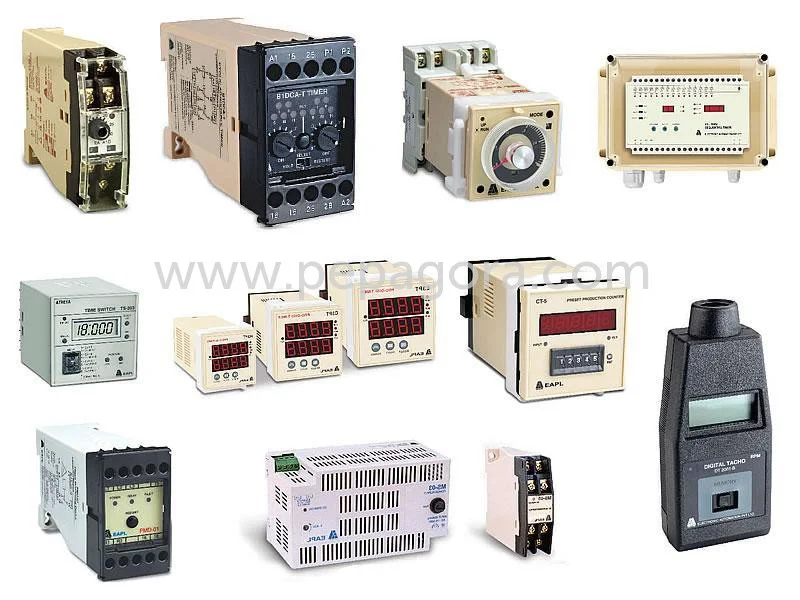
Industrial timers and counters come in a variety of models, each designed to meet specific operational needs.
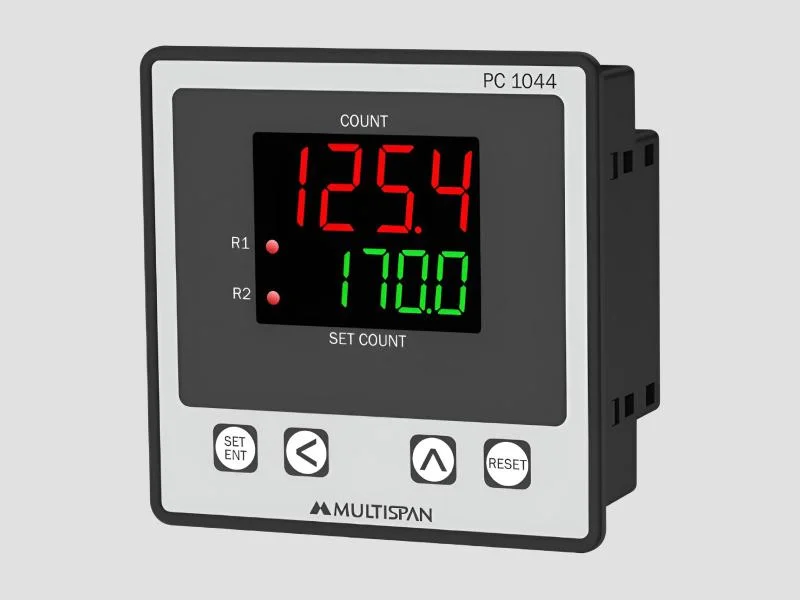
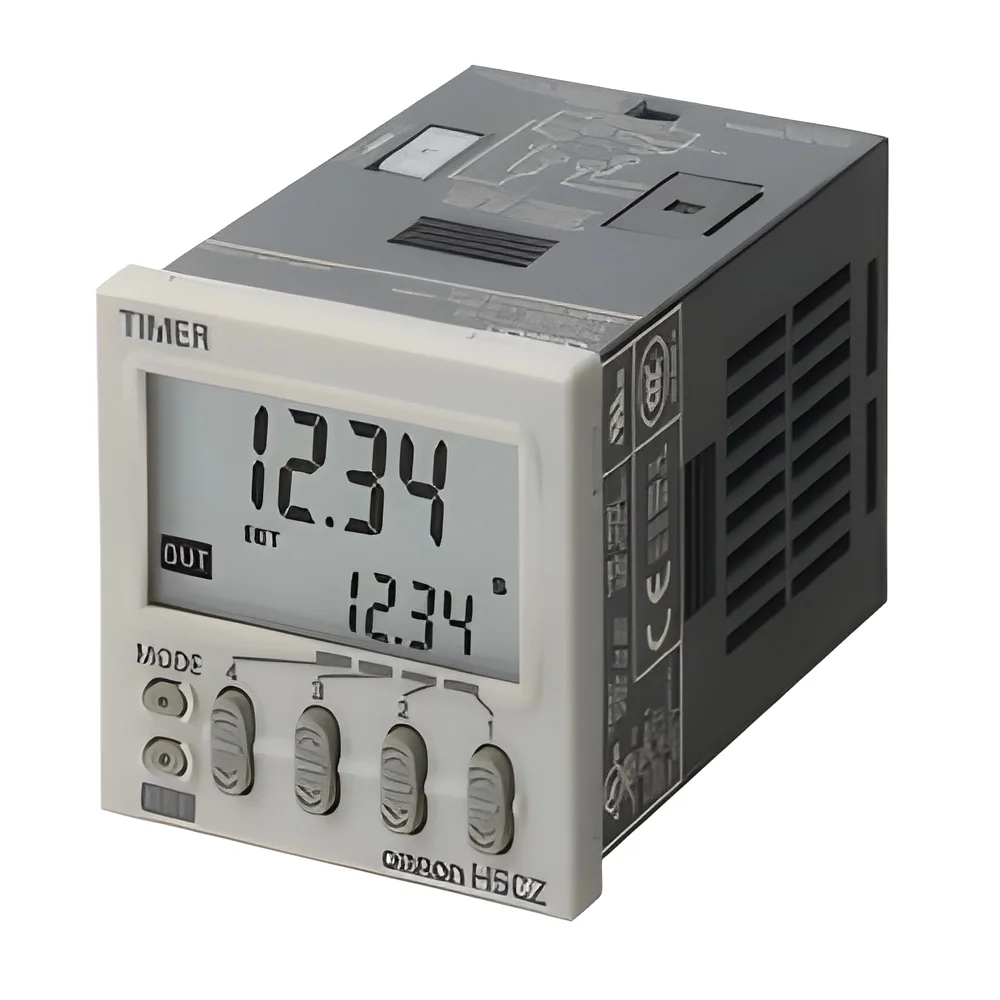
Digital Timers
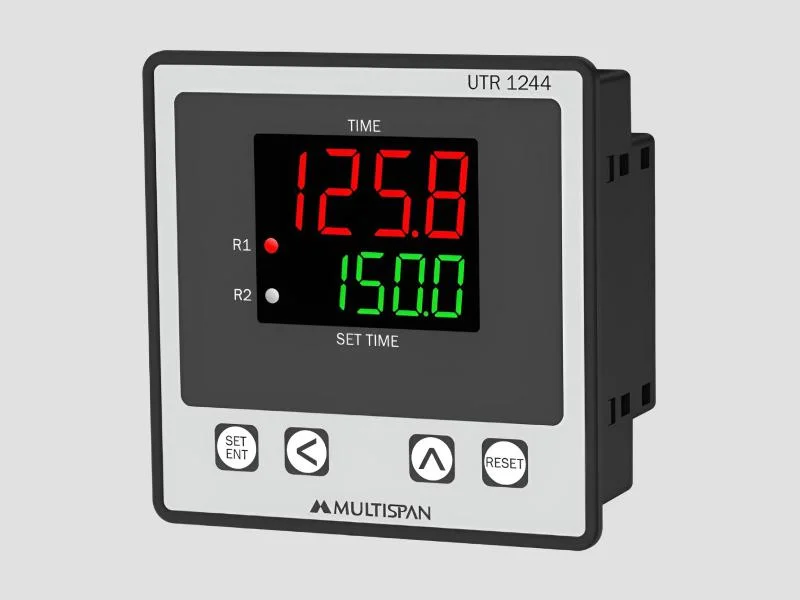
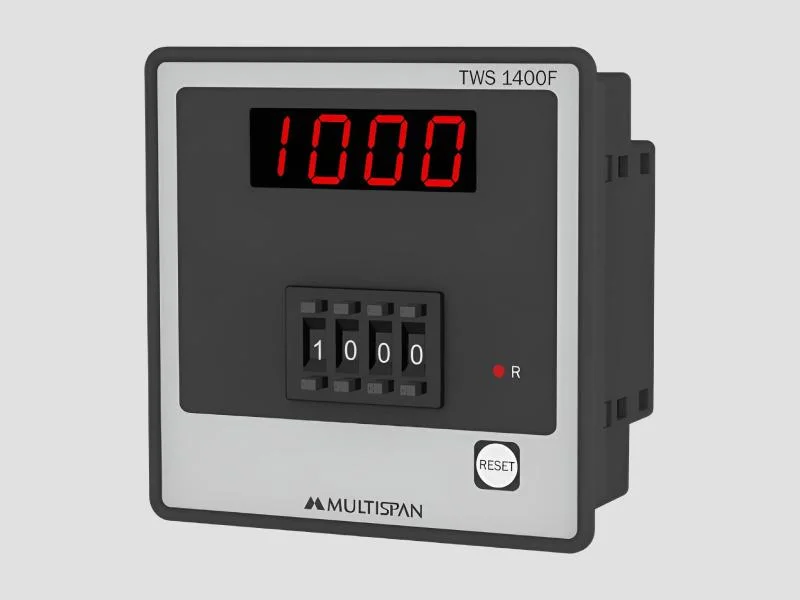
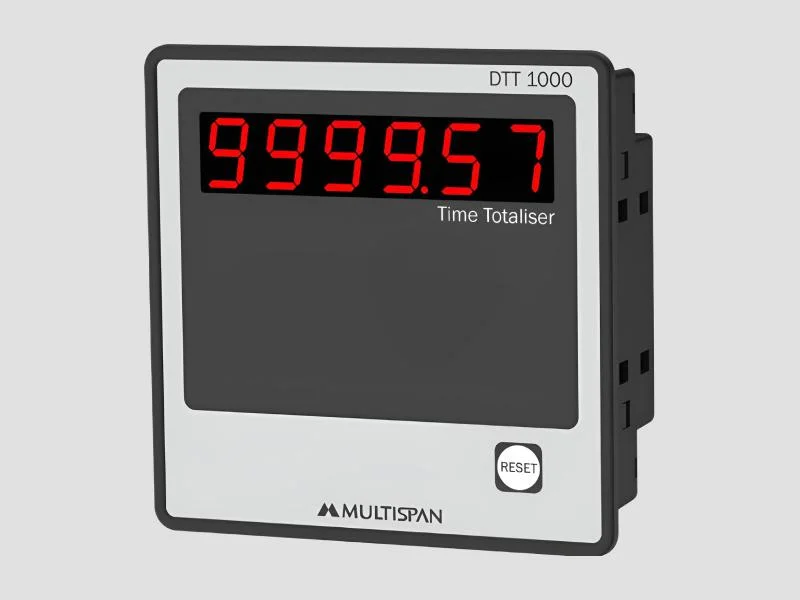
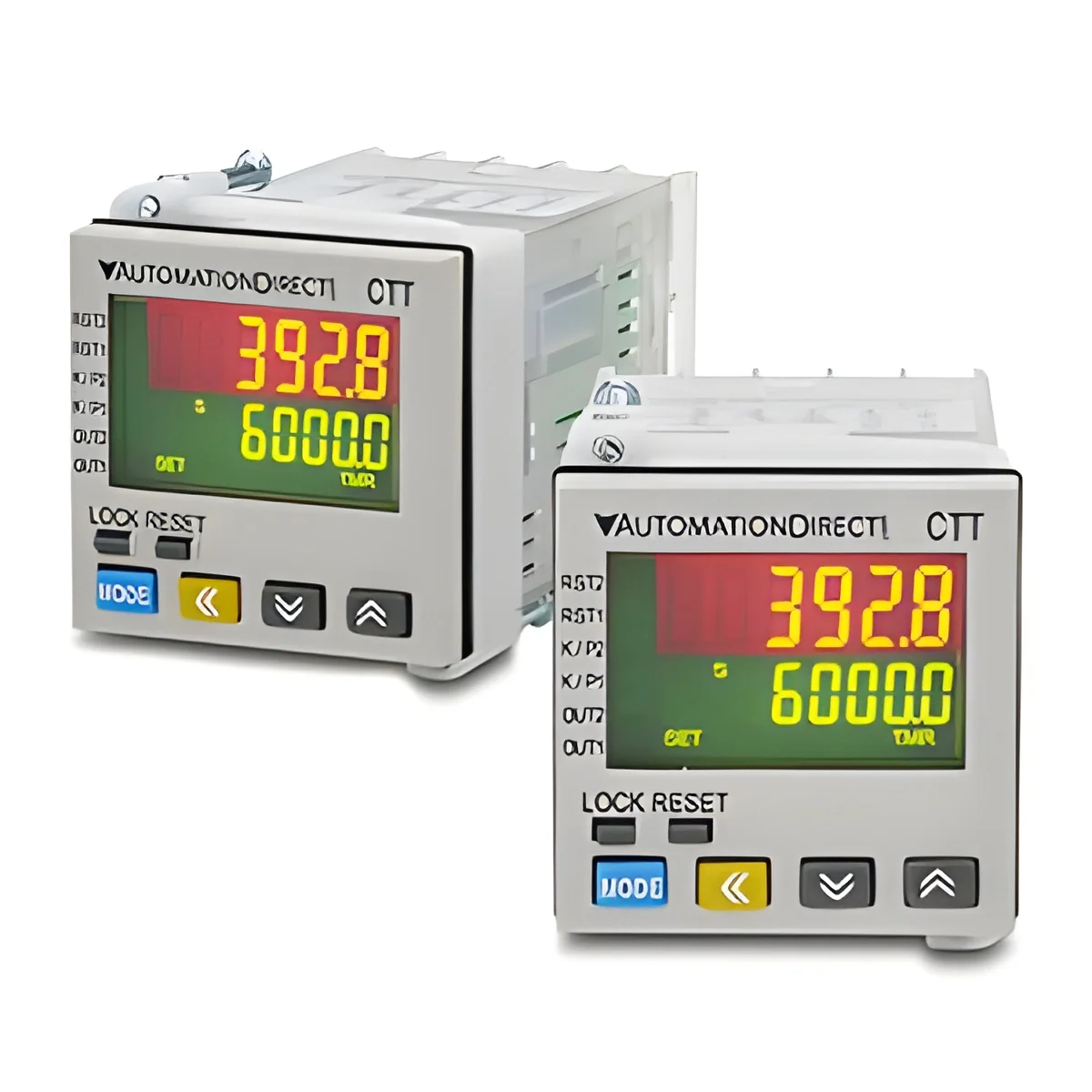
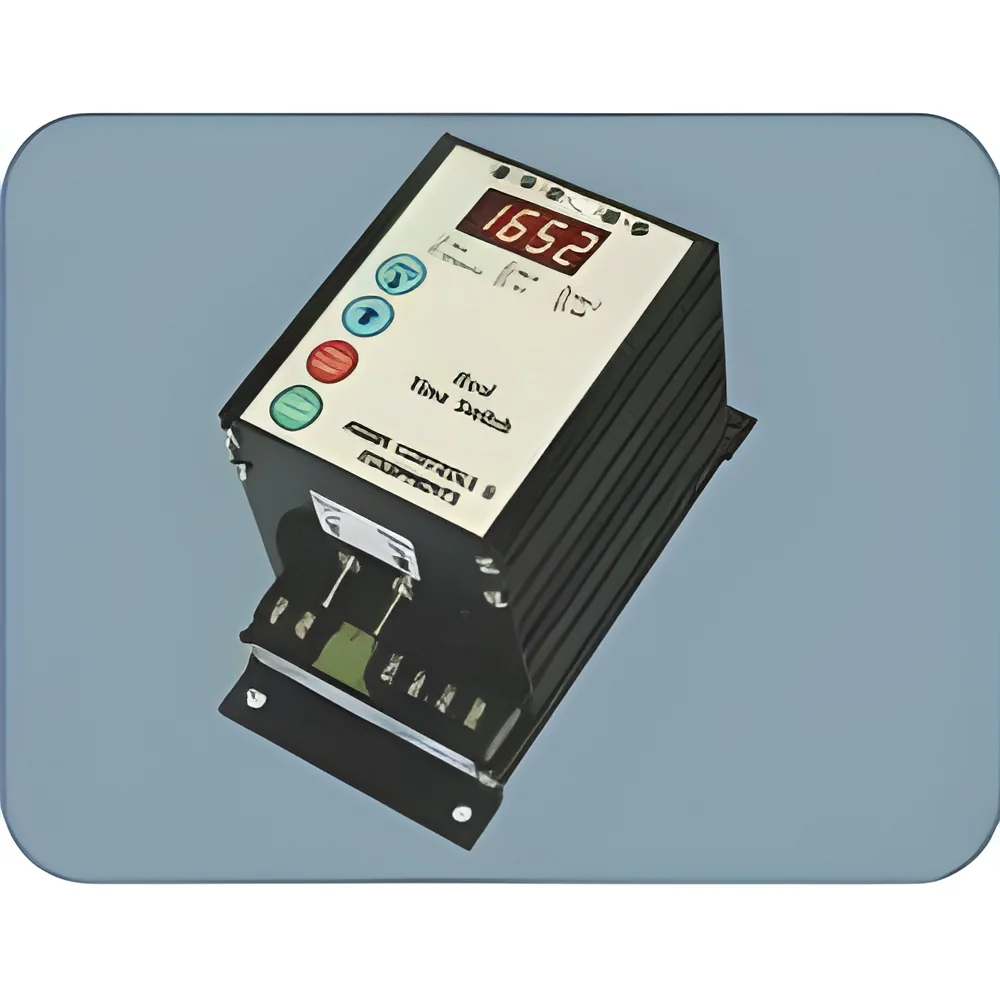
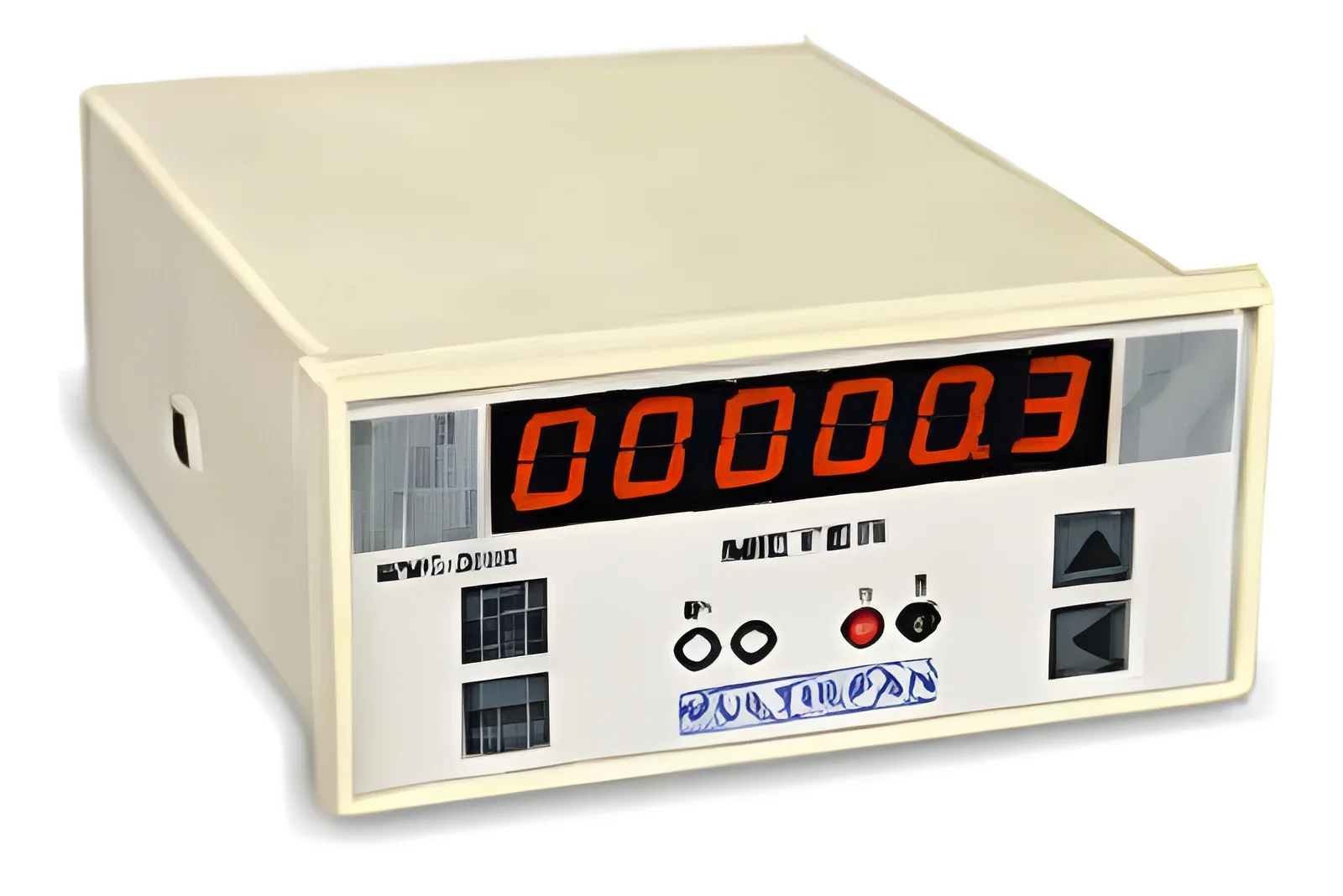
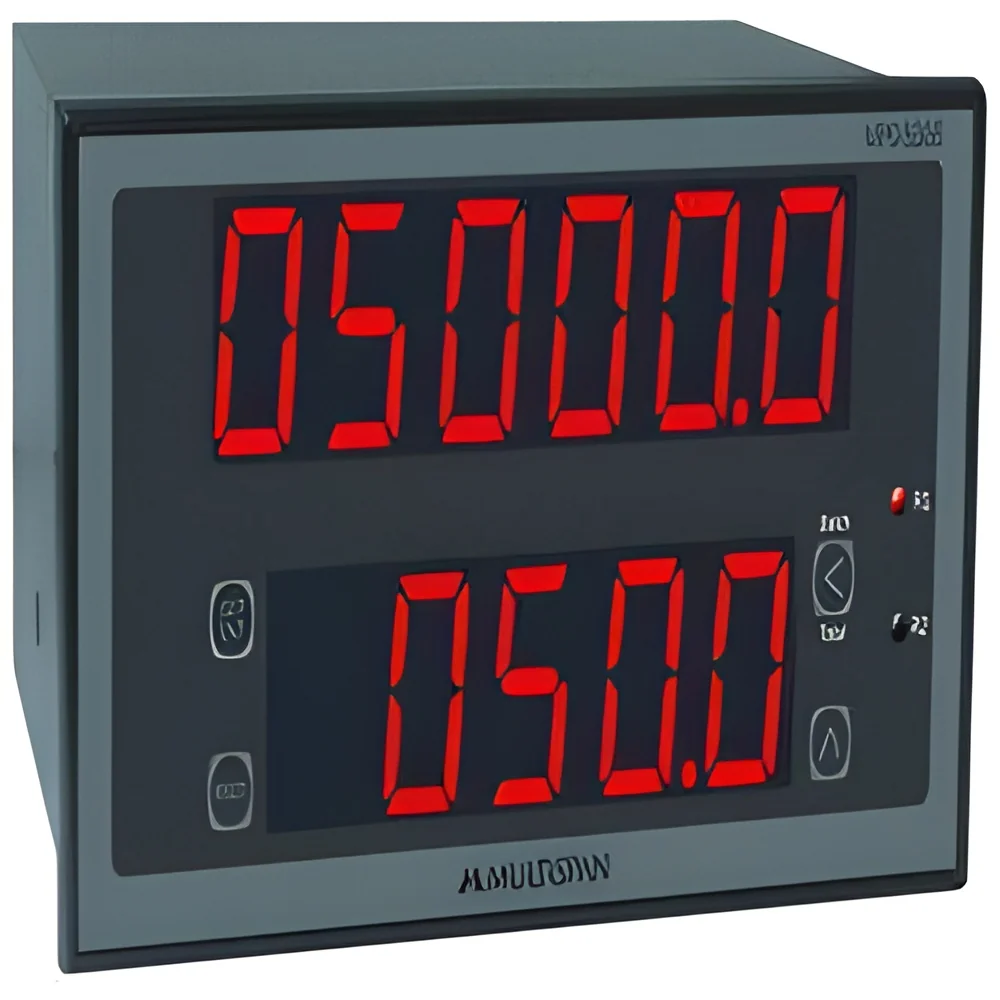
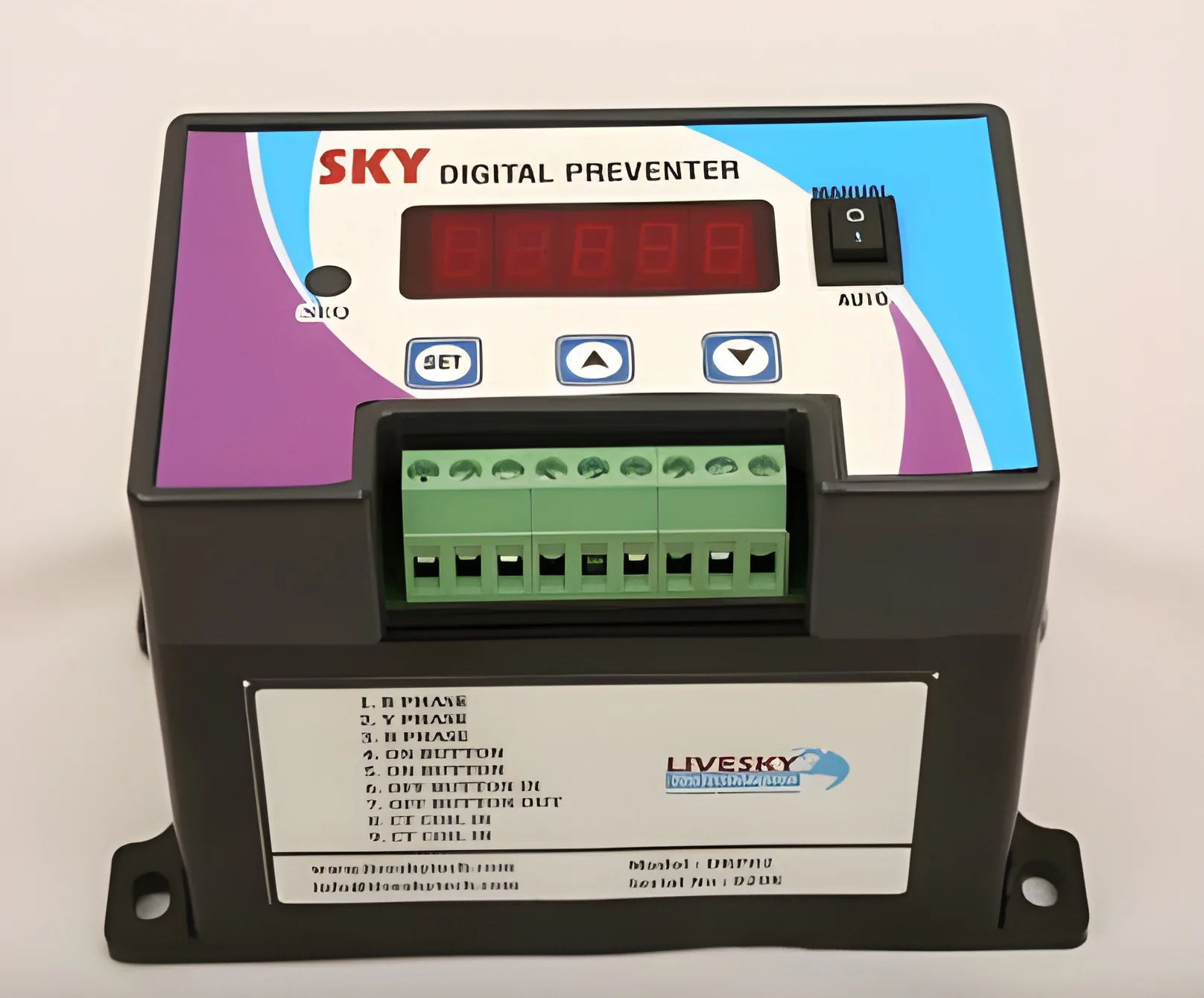
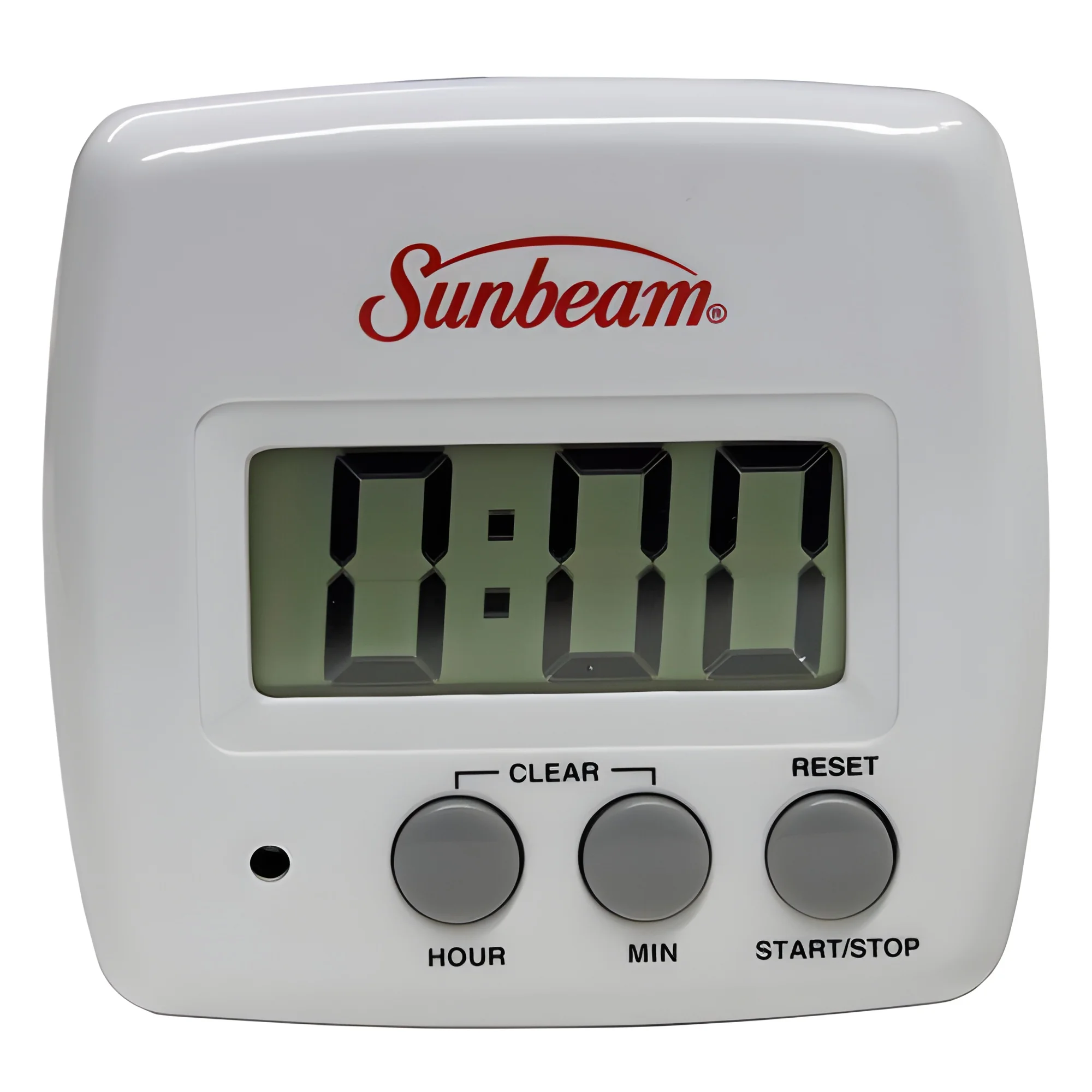
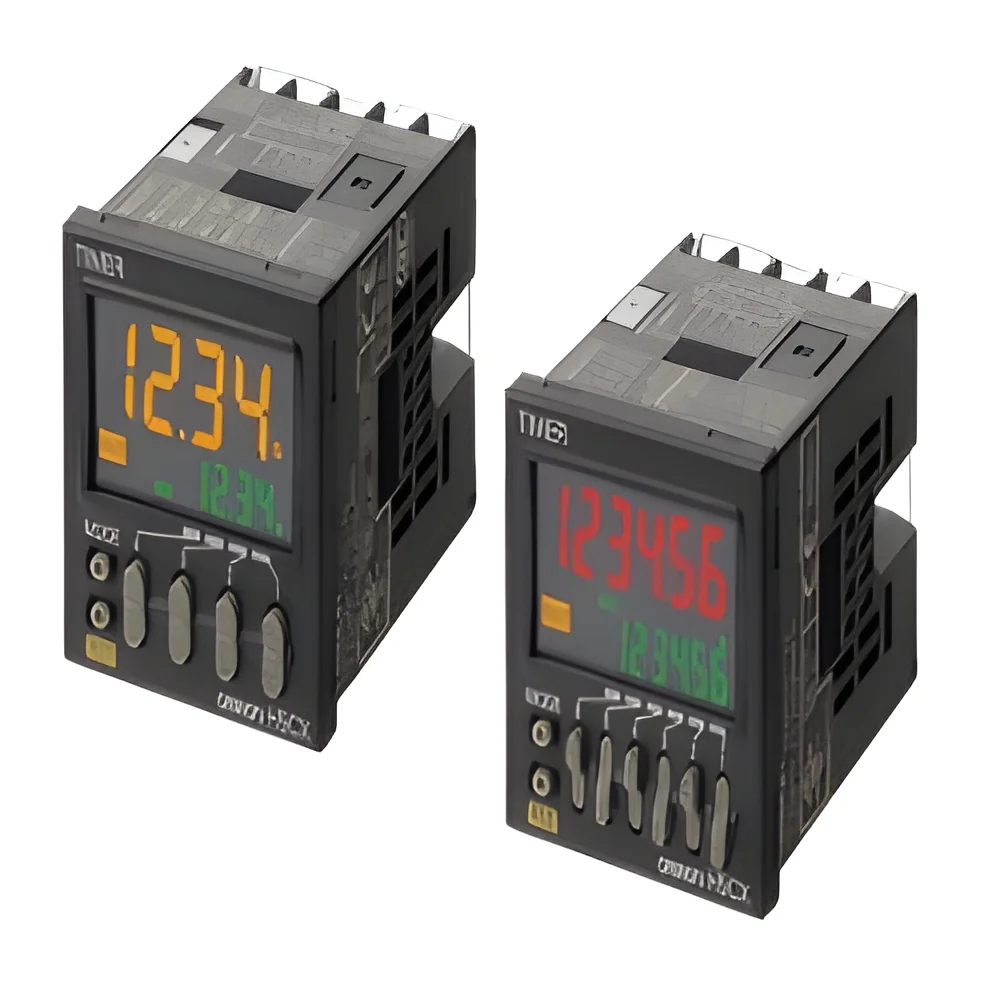
Digital timers provide precise time measurement and are ideal for applications requiring accurate timing. They often feature easy-to-read displays and programmable functions, making them suitable for various industrial applications.
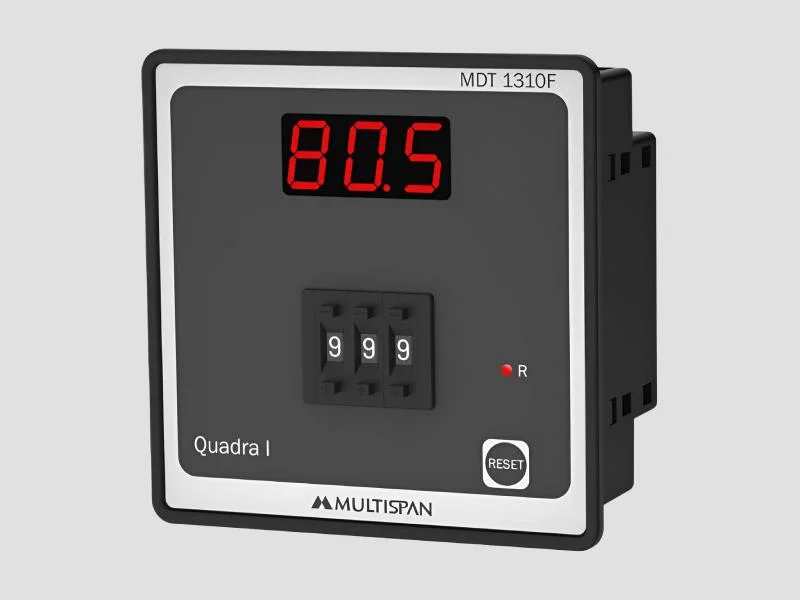
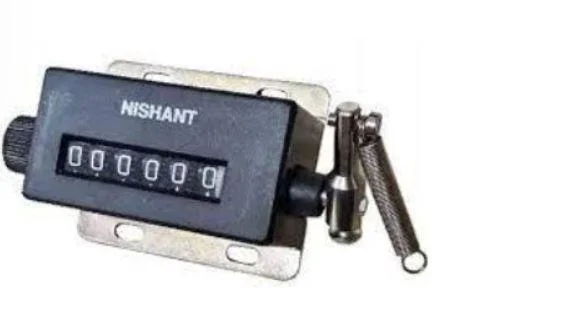
Mechanical Counters
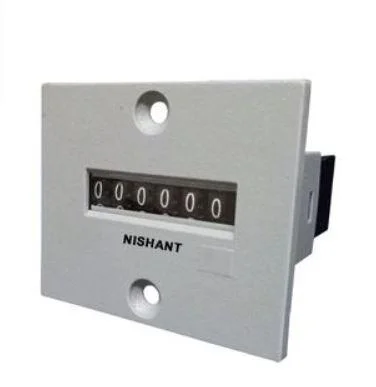
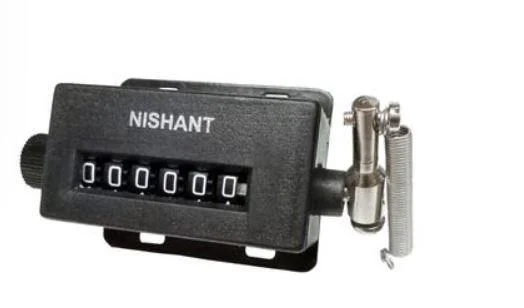
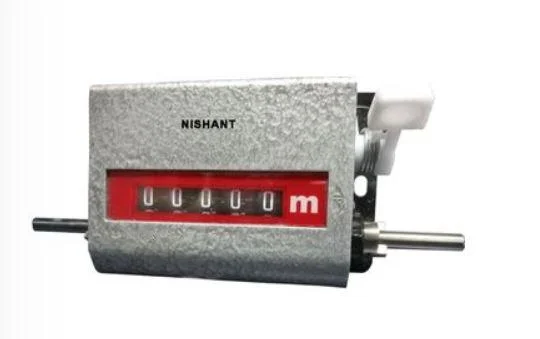
Mechanical counters are durable and require no power supply, making them suitable for harsh environments. They are commonly used in applications where electronic devices may not be feasible.
Programmable Timers
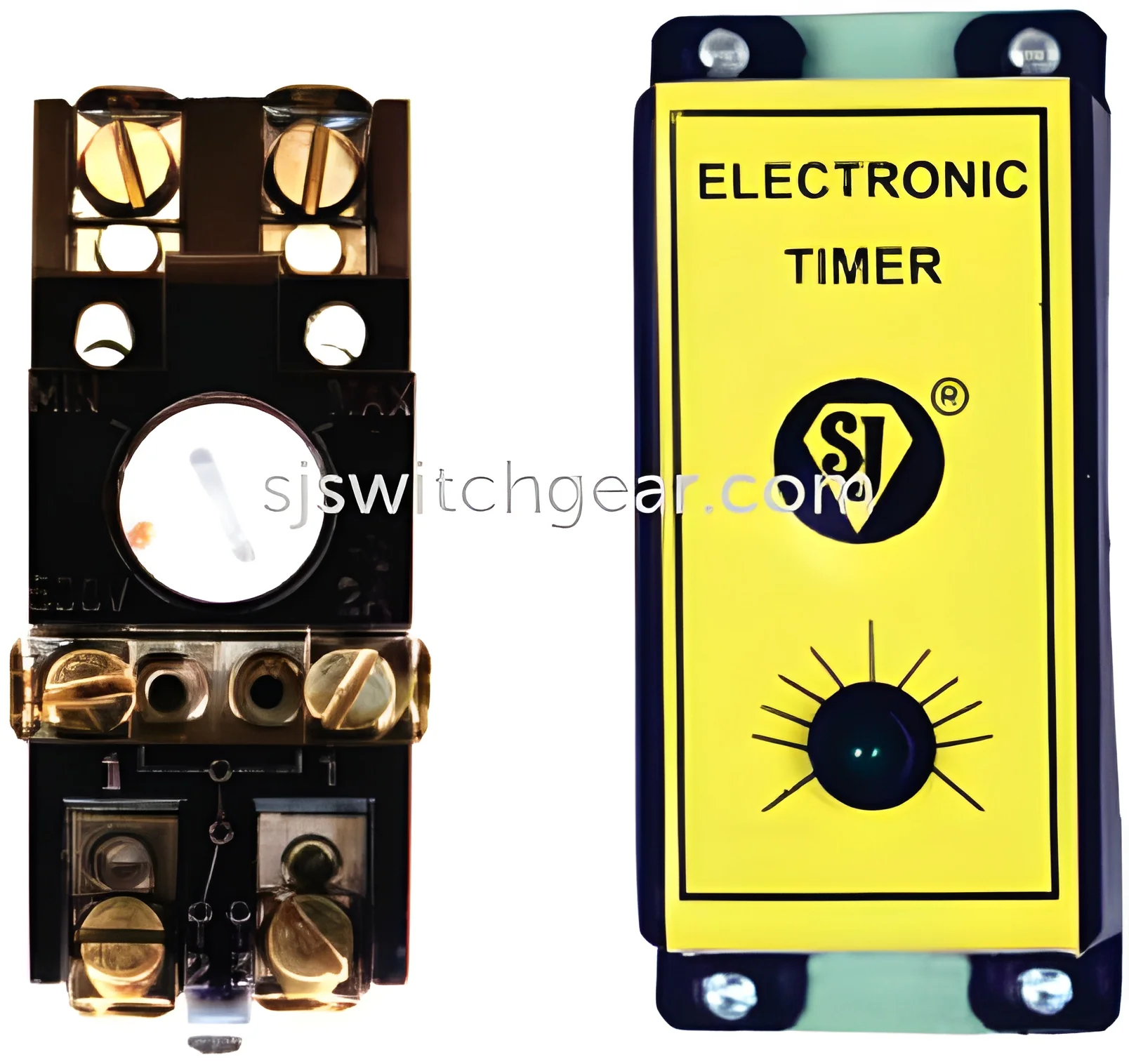
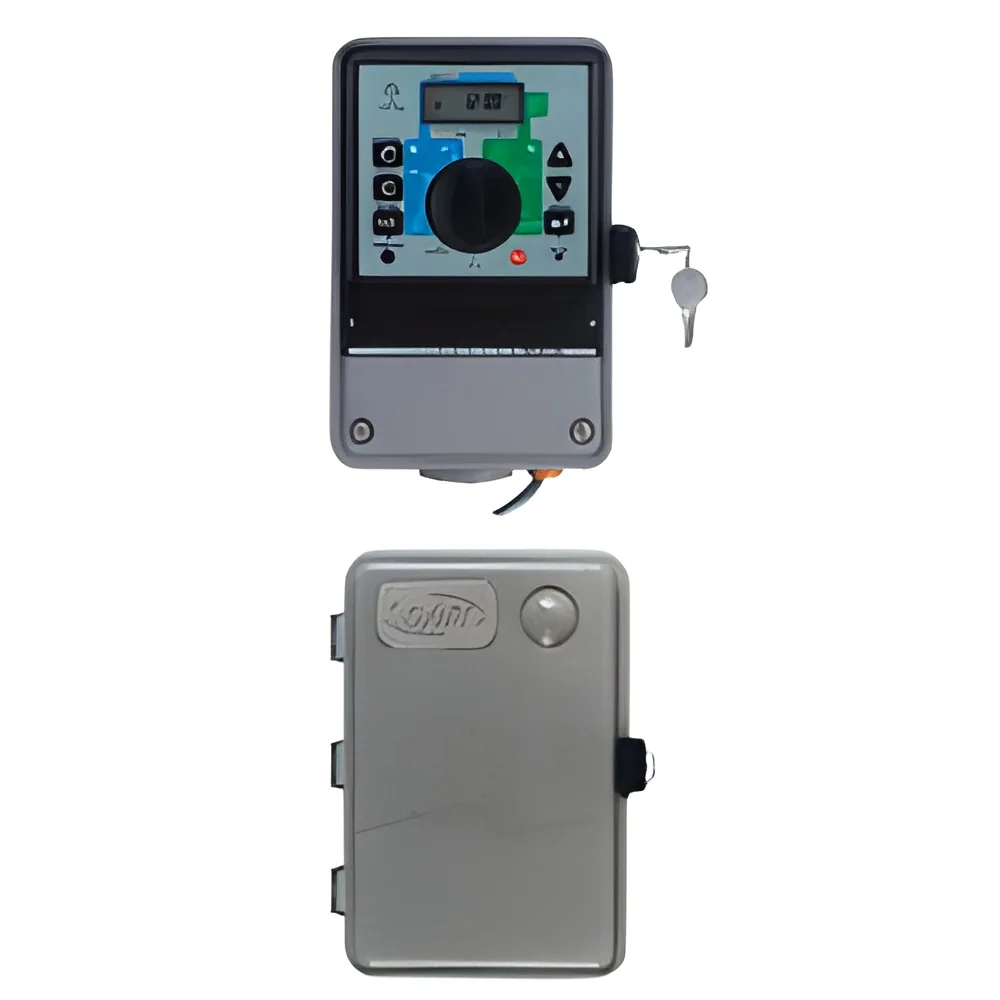
Programmable timers offer flexibility by allowing users to set multiple timing intervals. These are useful in processes with varying time requirements and can enhance operational efficiency.
Multi-Function Counters
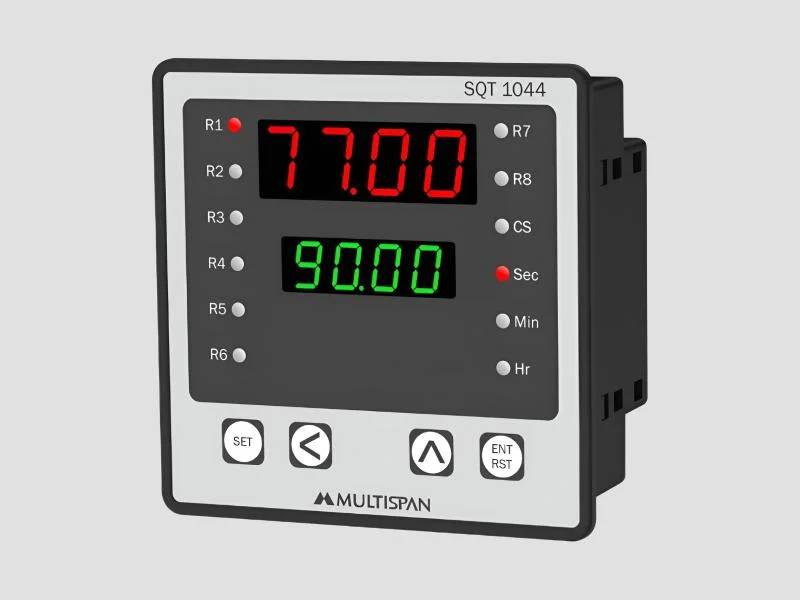
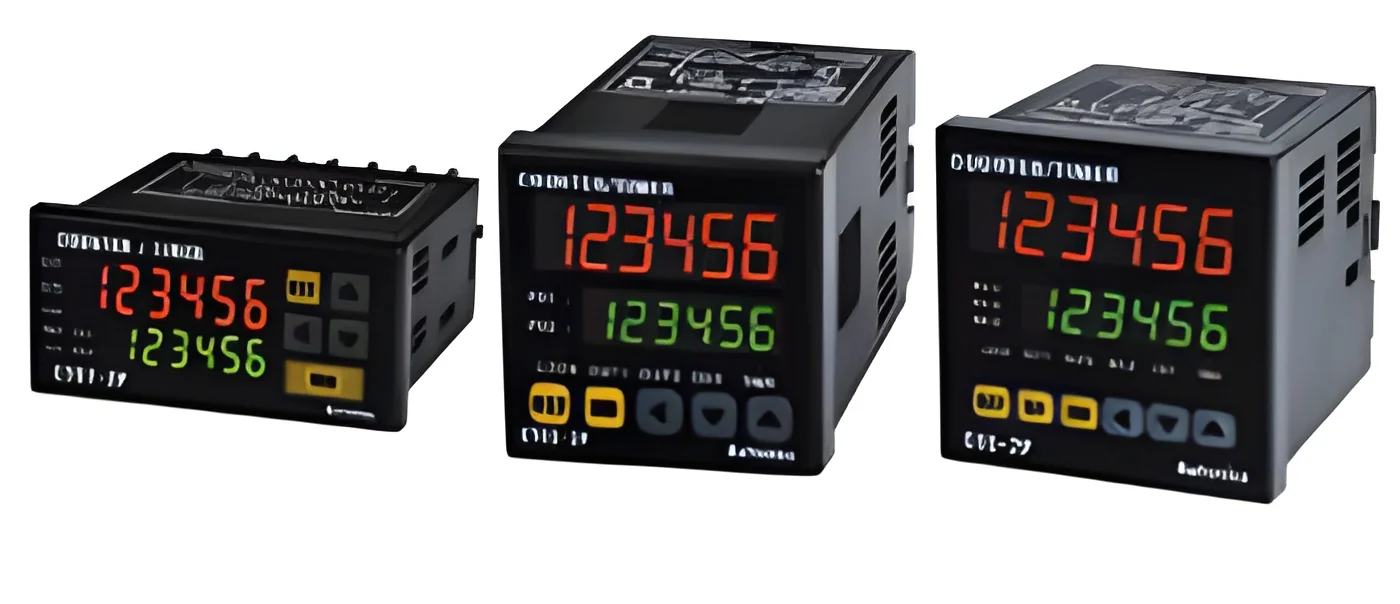
Multi-function counters combine various counting modes, allowing for versatile applications. They are beneficial in complex operations where different types of counting are needed.
Benefits and Advantages
Investing in industrial timers and counters presents several key benefits that enhance operational efficiency.
1. Precision: These devices provide accurate timing and counting, essential for maintaining quality control in manufacturing processes.
2. Automation: Timers and counters facilitate automation in industrial settings, reducing the need for manual monitoring and increasing productivity.
3. Versatility: With various models available, businesses can select timers and counters tailored to their specific applications.
4. Durability: Many industrial timers and counters are built to withstand harsh environments, ensuring long-lasting performance.
5. Cost-Effectiveness: By optimizing processes and reducing waste, these devices can contribute to significant cost savings over time.
6. Compliance: Using certified timers and counters helps businesses adhere to industry regulations, ensuring safety and quality standards are met.
Buying Guide for B2B Buyers
When sourcing industrial timers and counters, B2B buyers should consider several critical factors.
1. Quality Assessment: Evaluate the quality of the timers and counters based on manufacturer reputation and product reviews. Look for devices that meet industry standards to ensure reliability and performance.
2. Supplier Verification: Vet potential suppliers to ensure they have a reliable track record. Consider their experience in the industry and seek recommendations or references.
3. Pricing and MOQ: Compare pricing from different suppliers while considering the minimum order quantity. Ensure that pricing aligns with budget constraints without compromising quality.
4. Delivery and Lead Times: Assess the logistics and delivery timelines of suppliers. Fast lead times can be crucial for maintaining production schedules.
5. Compliance Requirements: Ensure that the products comply with relevant safety and quality standards. Familiarize yourself with any regulatory requirements specific to your industry.
Compliance and Certifications
Compliance and certification are vital aspects of industrial timers and counters. These devices must adhere to various quality standards to ensure safety and reliability.
ISO 9001 is a widely recognized standard that outlines the requirements for a quality management system. Compliance with ISO 9001 indicates that a manufacturer maintains consistent quality in their products, including industrial timers and counters.
CE certification is another important aspect, particularly for products sold in Europe. It signifies that the device meets EU safety and environmental requirements. This certification is essential for ensuring that industrial timers and counters are safe for use in various applications.
Safety and testing requirements are also critical for these devices. They must undergo rigorous testing to ensure they can withstand the conditions they will face in industrial environments. Additionally, regional compliance considerations may vary, so it is essential to be aware of local regulations in your area.
Why Source Industrial Timers & Counters from Pepagora?
Pepagora offers a reliable platform for sourcing industrial timers and counters, providing several key advantages for B2B buyers.
Verified Supplier Network: Pepagora features a network of verified suppliers who have undergone thorough vetting. This ensures that buyers can trust the quality and reliability of the products they purchase.
Streamlined RFQ Process: The platform simplifies the request for quotation process, allowing buyers to easily compare quotes from multiple suppliers. This efficiency helps businesses make informed purchasing decisions.
Trade Assurance and Support: Pepagora provides trade assurance, offering protection for buyers throughout the purchasing process. This support enhances confidence in transactions and helps mitigate risks.
Regional Coverage: With a geographic reach that includes India, the GCC, and Southeast Asia, Pepagora connects buyers with suppliers across these regions. This broad coverage ensures that businesses can access a wide range of industrial timers and counters tailored to their needs.

 IN
IN