
 IN
INEnergy Meters & Power Analyzers
34 products available
What are Energy Meters & Power Analyzers?
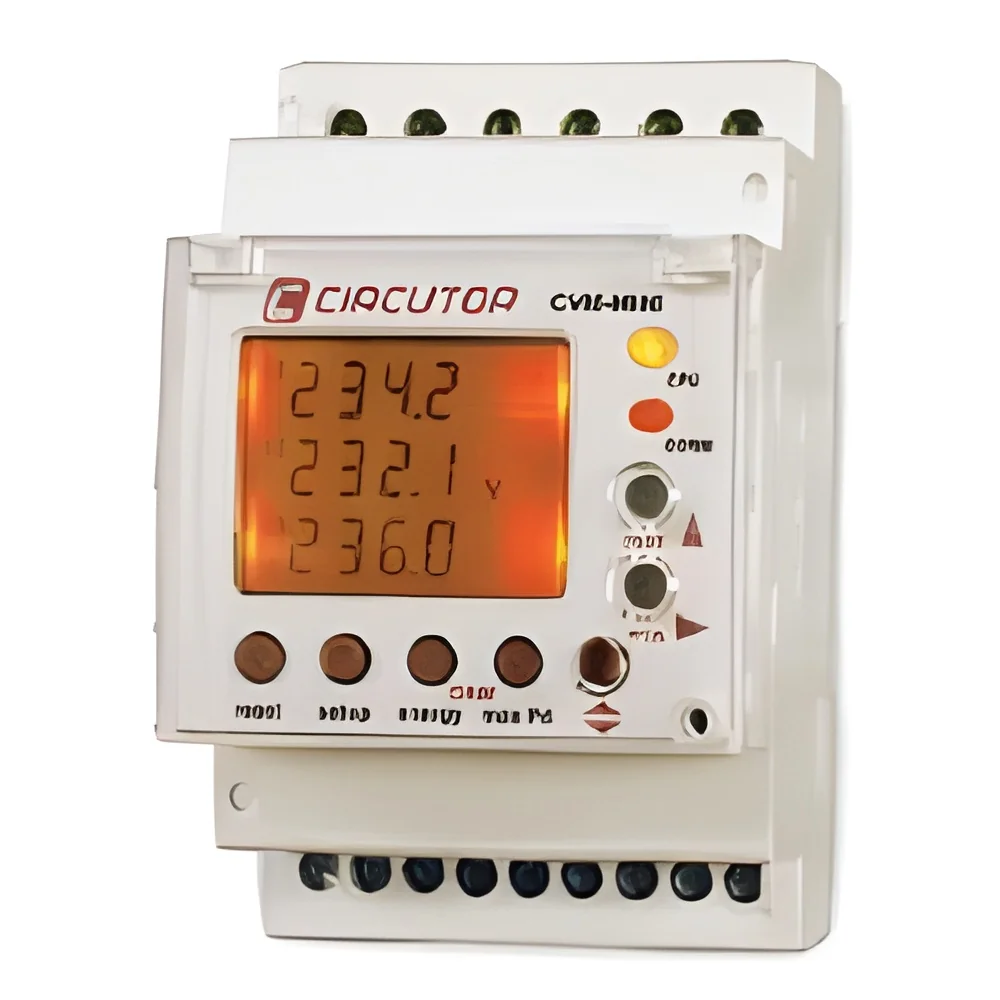
Energy meters and power analyzers are essential instruments used to measure electrical energy consumption and analyze power quality in various industrial applications. Energy meters primarily track the amount of electrical energy consumed by a facility, while power analyzers provide a deeper insight into the quality of power, including parameters such as voltage, current, frequency, and harmonics. These devices play a crucial role in improving energy efficiency and ensuring the reliability of electrical systems.
The primary uses of energy meters and power analyzers extend across multiple sectors, including manufacturing, commercial buildings, and utility companies. Businesses utilize these tools to monitor energy consumption patterns, identify inefficiencies, and optimize operational costs. Employing these devices helps organizations comply with energy regulations, manage energy budgets, and enhance sustainability initiatives within their operations. Given the growing emphasis on energy conservation and cost reduction, the market for energy meters and power analyzers continues to expand, driven by technological advancements and increasing demand for energy management solutions.
Key Features and Specifications
Energy meters and power analyzers come equipped with a range of features that enhance their functionality and usability. Understanding these specifications is vital for buyers looking to choose the right device for their specific needs.
Key specifications include:
1. Measurement Accuracy
- Energy meters typically offer accuracy levels of ±1% or better for energy consumption.
- Power analyzers can measure voltage and current with precision, ensuring reliable data collection.
2. Communication Protocols
- Many devices support protocols such as Modbus, RS-485, or Ethernet for seamless integration with existing monitoring systems.
- This feature allows for remote monitoring and data analysis.
3. Display Features
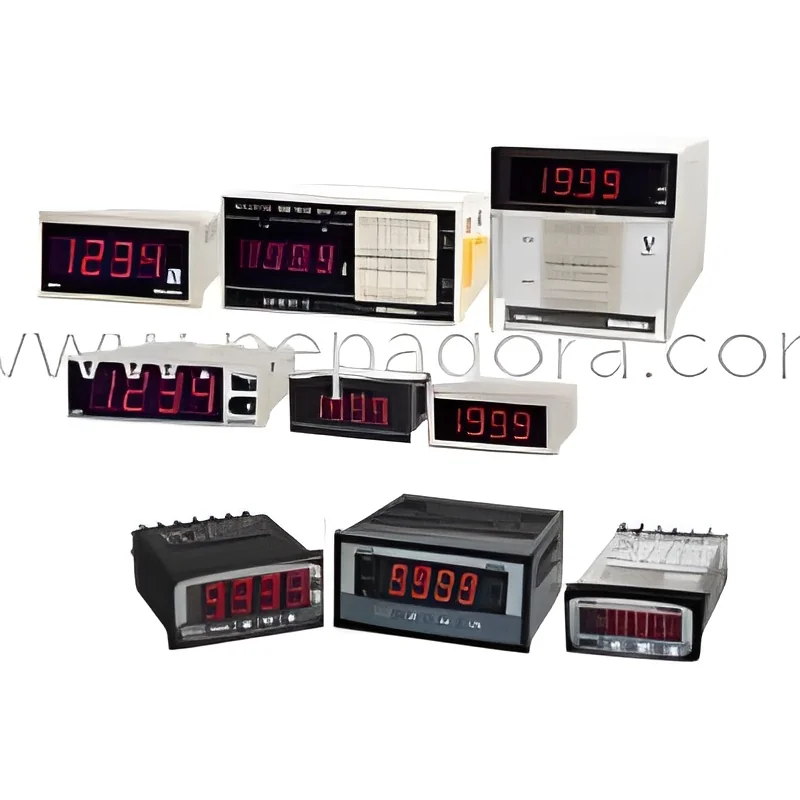
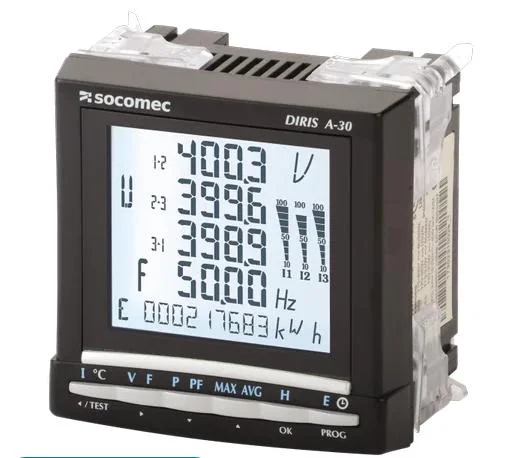
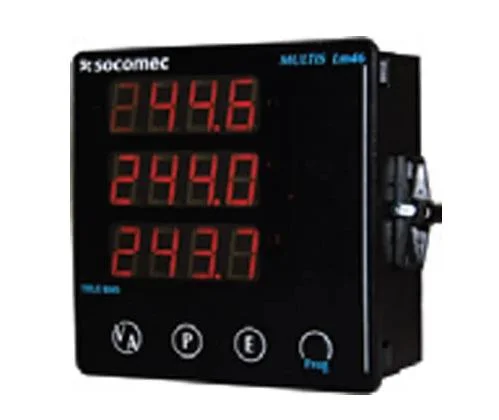
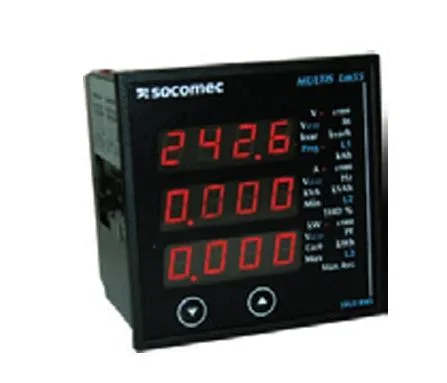
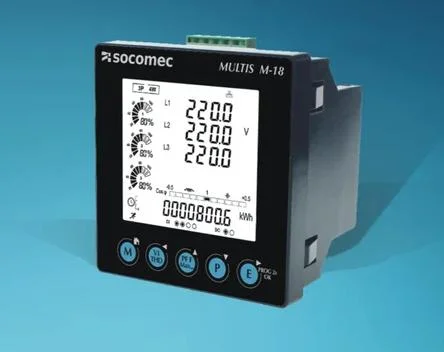
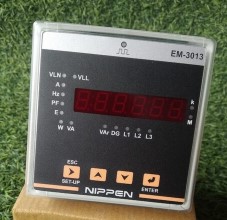
- Most energy meters and power analyzers have digital displays that show real-time data.
- Some models also offer backlit screens for visibility in low-light environments.
4. Data Logging Capacity
- Devices can store historical data for analysis, with capacities ranging from a few weeks to several years.
- This feature is essential for tracking trends over time.
5. Voltage and Current Ranges
- Energy meters generally support a wide range of voltages (e.g., 100V to 480V) and currents (e.g., up to 600A).
- Power analyzers can handle even higher ranges for industrial applications.
6. Harmonic Analysis
- Many power analyzers provide harmonic distortion measurements, which help in assessing power quality.
- This is crucial for identifying potential issues in electrical systems.
7. Compliance Certifications
- Devices often come with certifications such as CE, ensuring they meet industry standards.
- Compliance with these standards is vital for operational safety.
8. Environmental Tolerance
- Energy meters and power analyzers typically operate effectively within specific temperature and humidity ranges.
- Understanding these limits is important for optimal performance in various environments.
In summary, energy meters and power analyzers offer a diverse array of features designed to enhance energy management and power quality analysis across industries.
Common Applications and Use Cases
Energy meters and power analyzers are versatile instruments used across various industries to optimize energy consumption and ensure power quality.
1. Manufacturing: In manufacturing facilities, these devices monitor energy usage to identify inefficiencies. They help in managing power costs and complying with energy regulations.
2. Commercial Buildings: Building managers use energy meters to track consumption patterns and reduce energy waste. Power analyzers help maintain the quality of electrical supply.
3. Utilities: Utility companies rely on these instruments for monitoring grid stability and energy distribution. They analyze power quality to ensure reliable service.
4. Data Centers: Energy meters and analyzers help data centers manage their significant power demands and optimize cooling systems for energy efficiency.
5. Renewable Energy: In solar or wind energy installations, these devices measure the performance of energy generation and consumption, ensuring optimal operation.
6. HVAC Systems: Energy meters track the energy consumption of heating, ventilation, and air conditioning systems, allowing for better control and efficiency.
7. Agricultural Operations: Farmers use these devices to optimize the energy usage of irrigation systems and other agricultural machinery.
Product Variants and Subcategories
Energy meters and power analyzers are available in various configurations to meet different industrial needs. Each variant offers unique features tailored to specific applications.
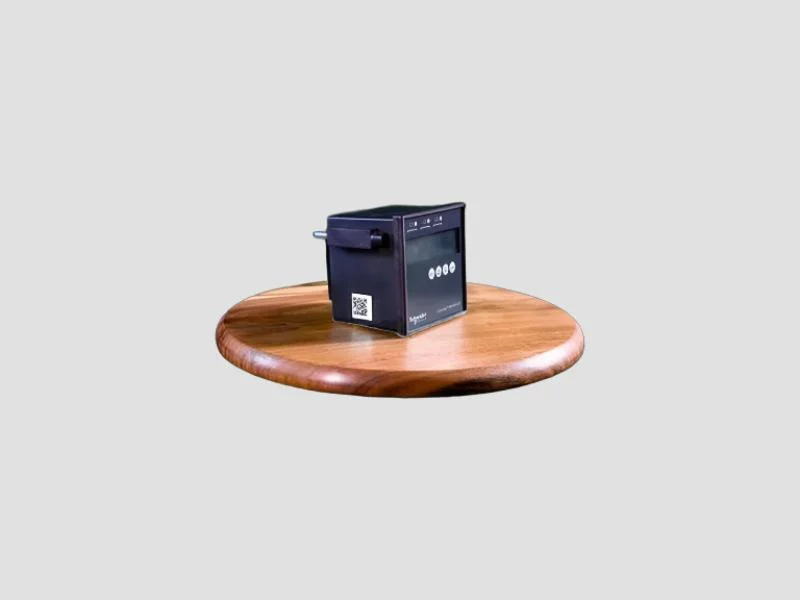
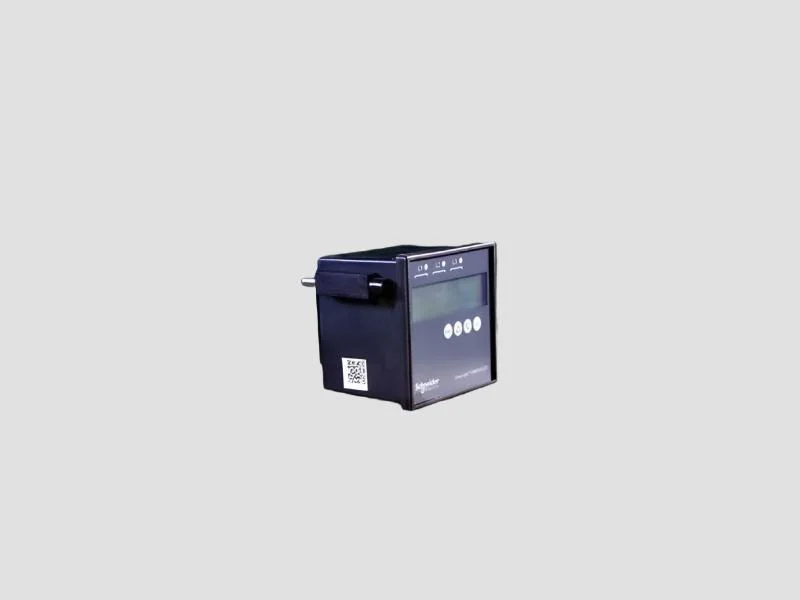
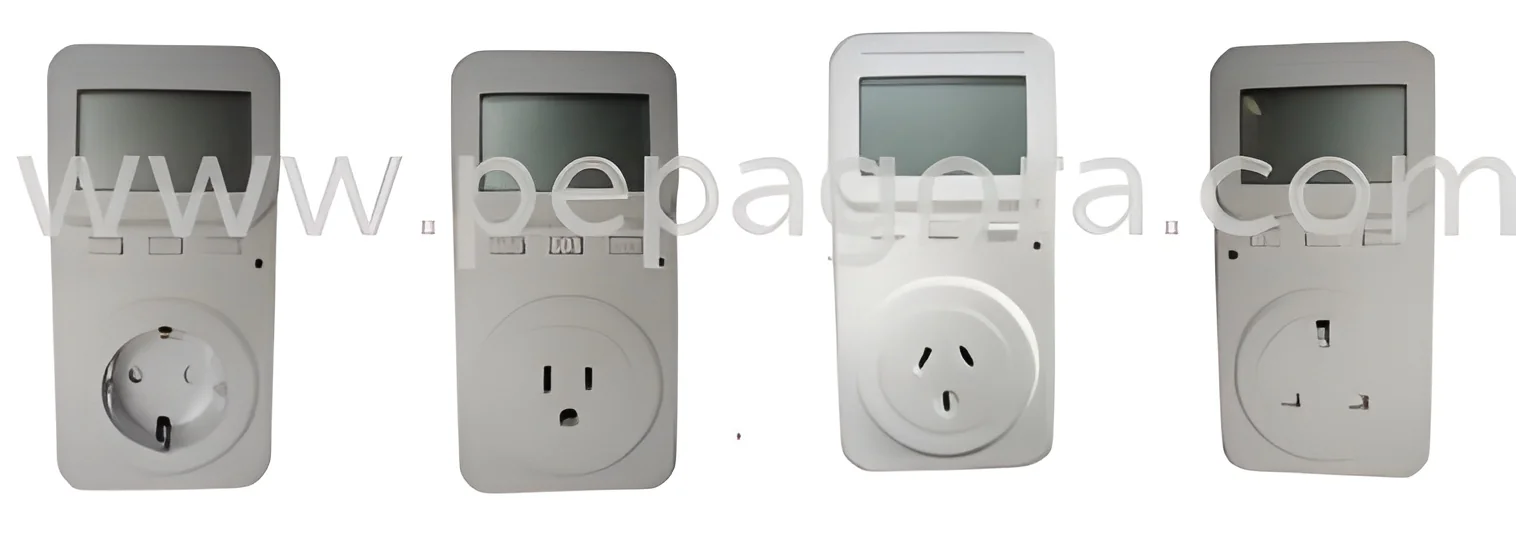
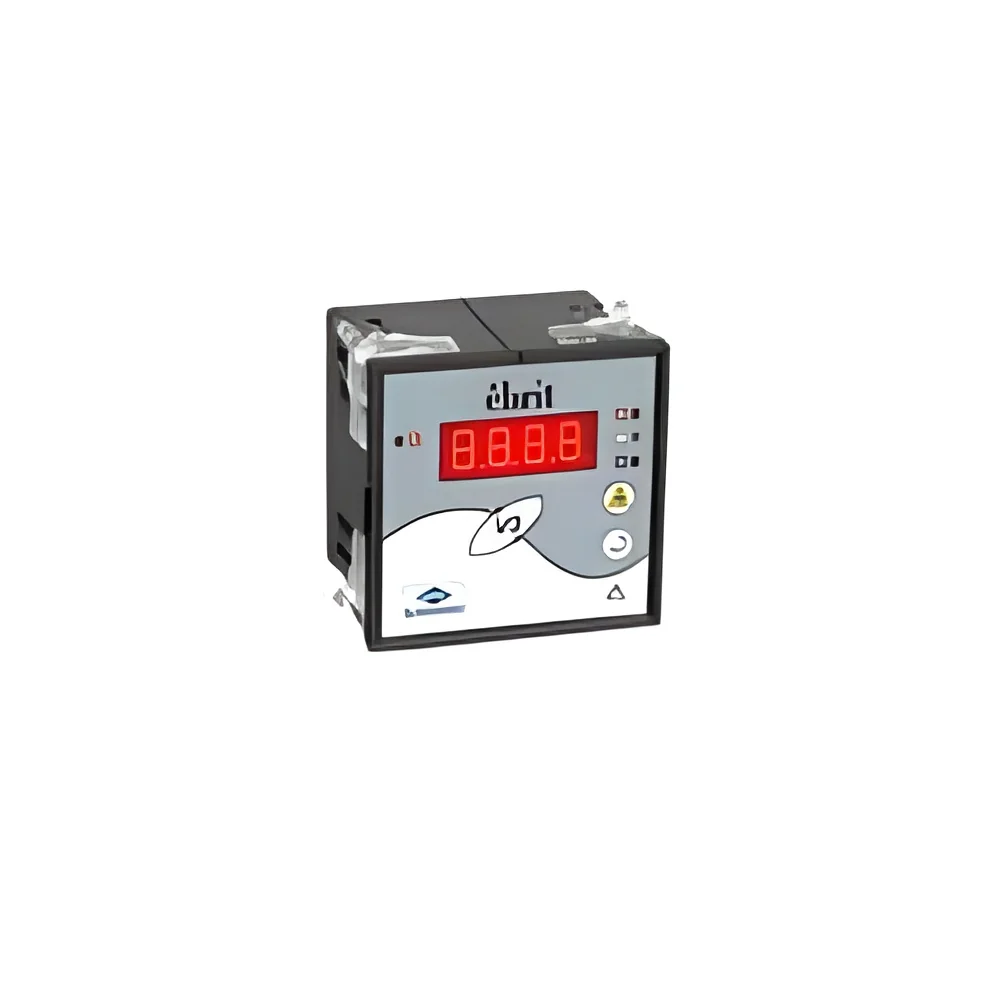
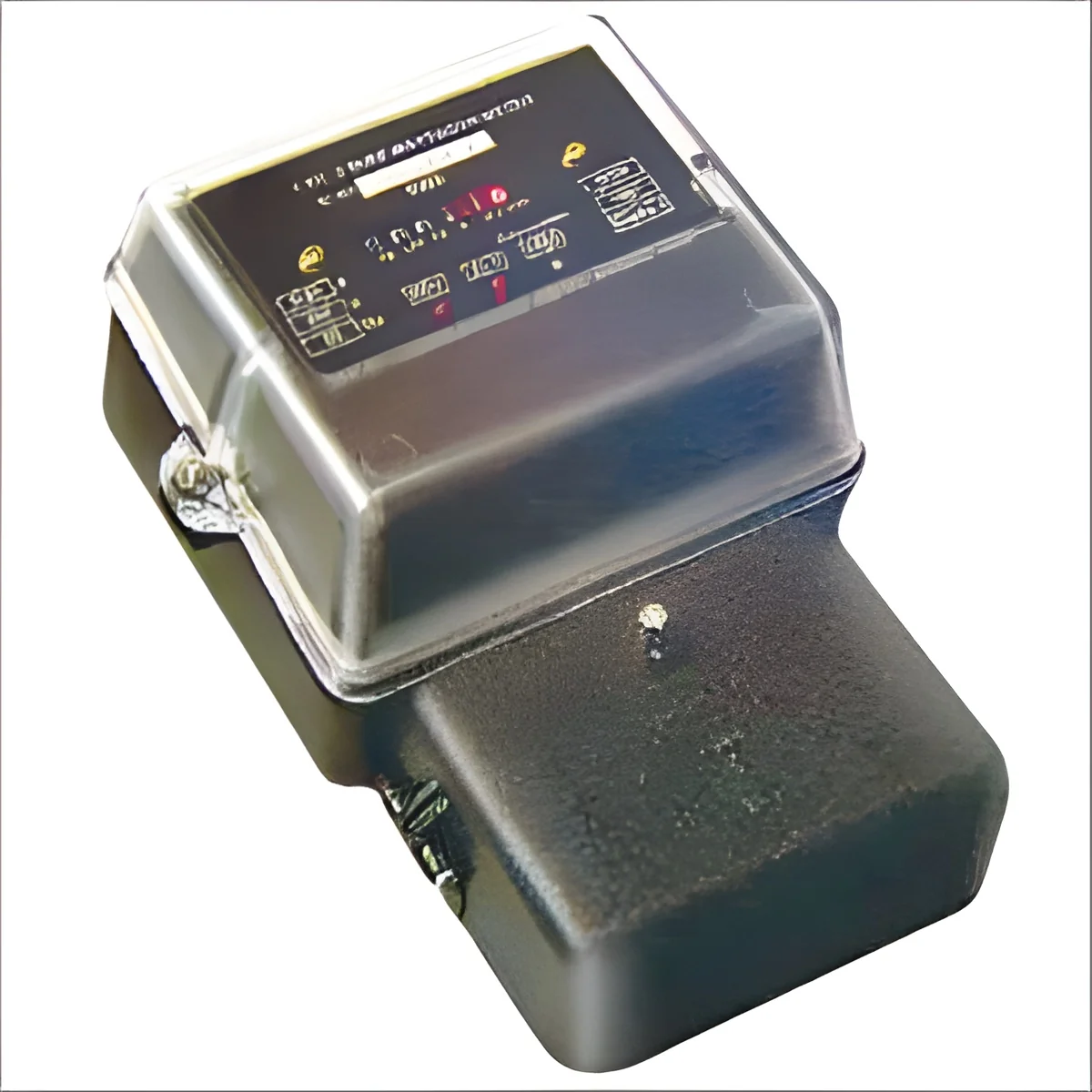
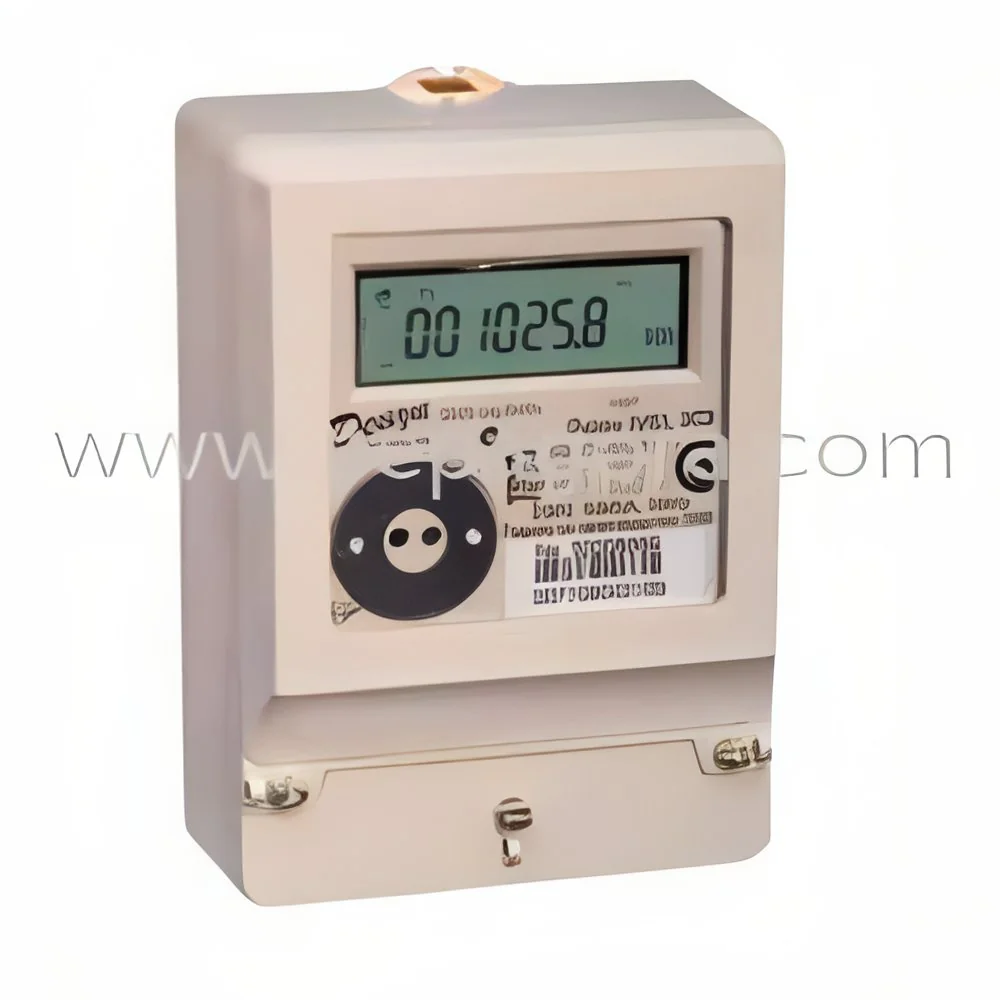
Single-Phase Energy Meters: This variant is ideal for residential and light commercial applications. It measures energy consumption in single-phase electrical systems and is often compact and easy to install.
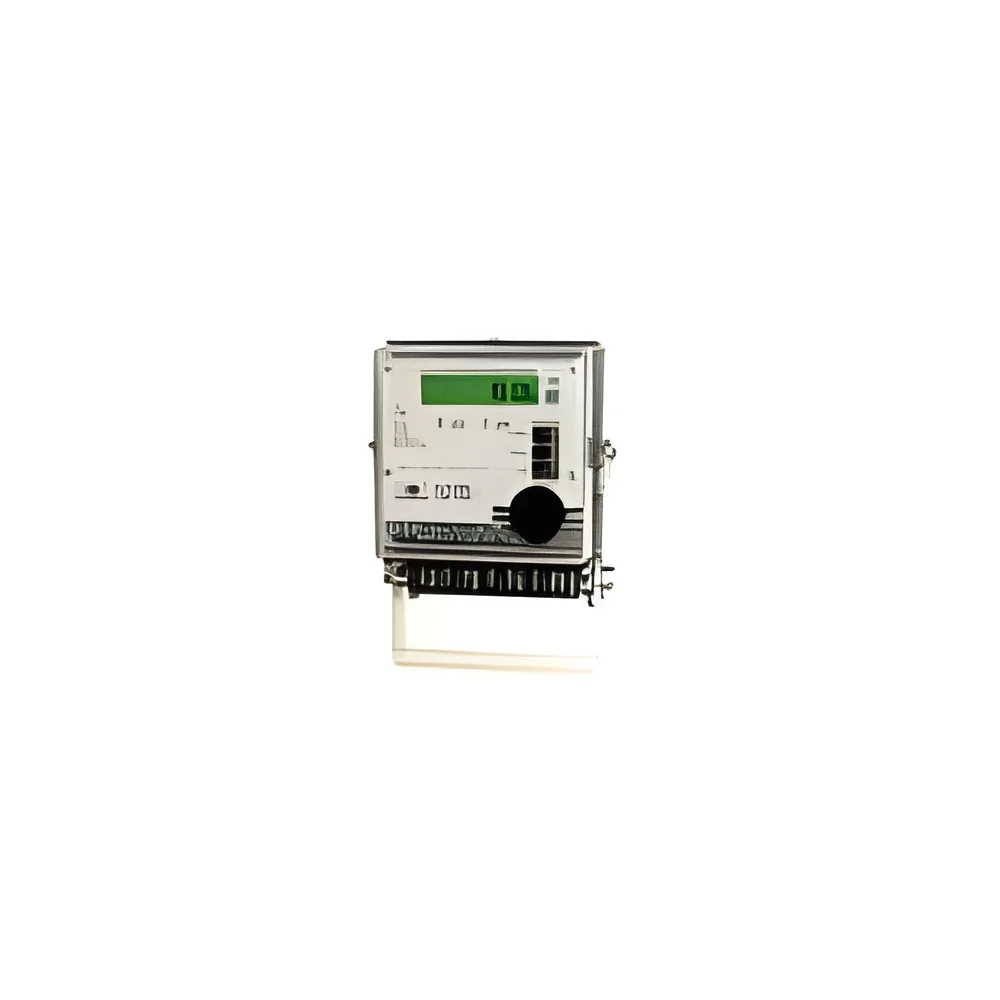
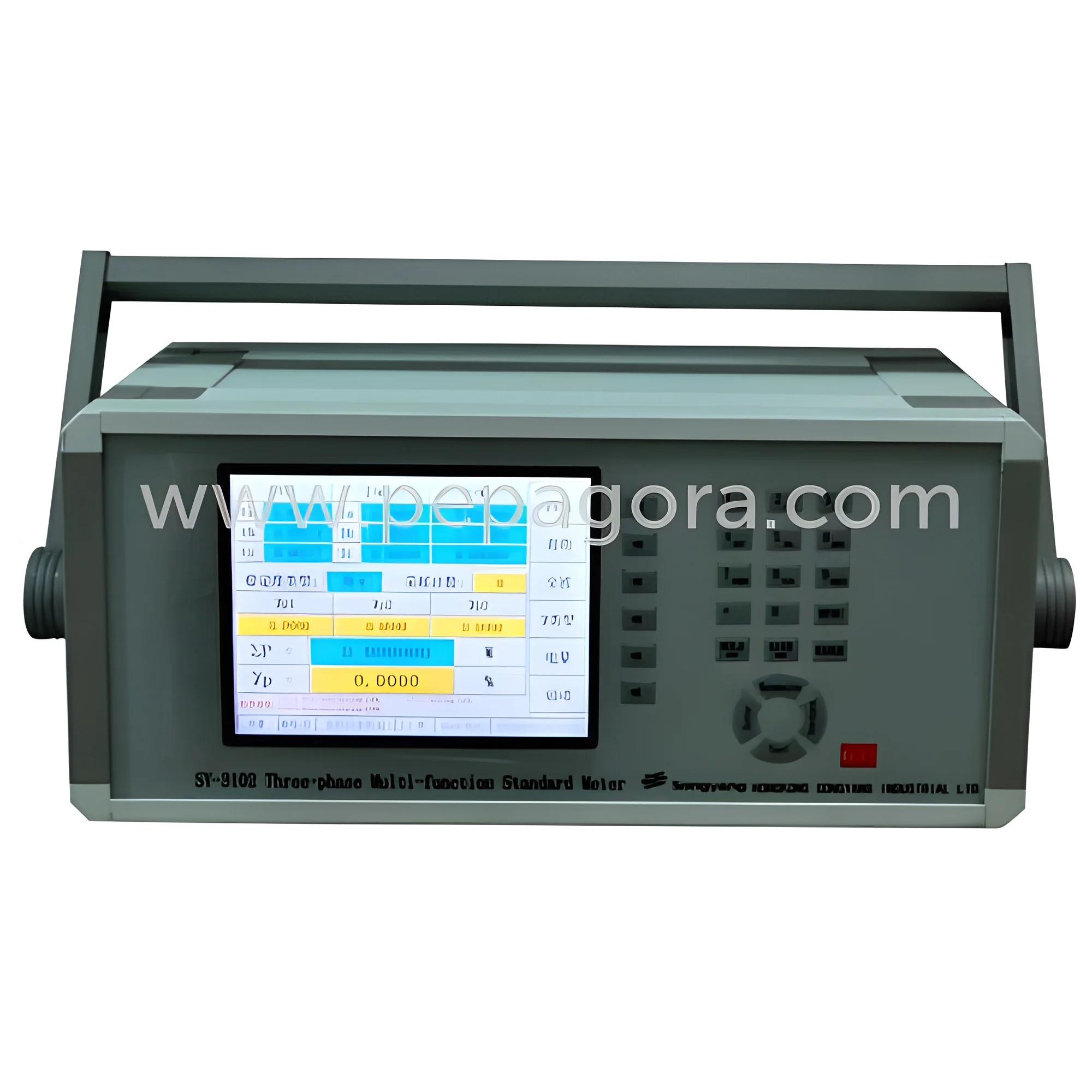
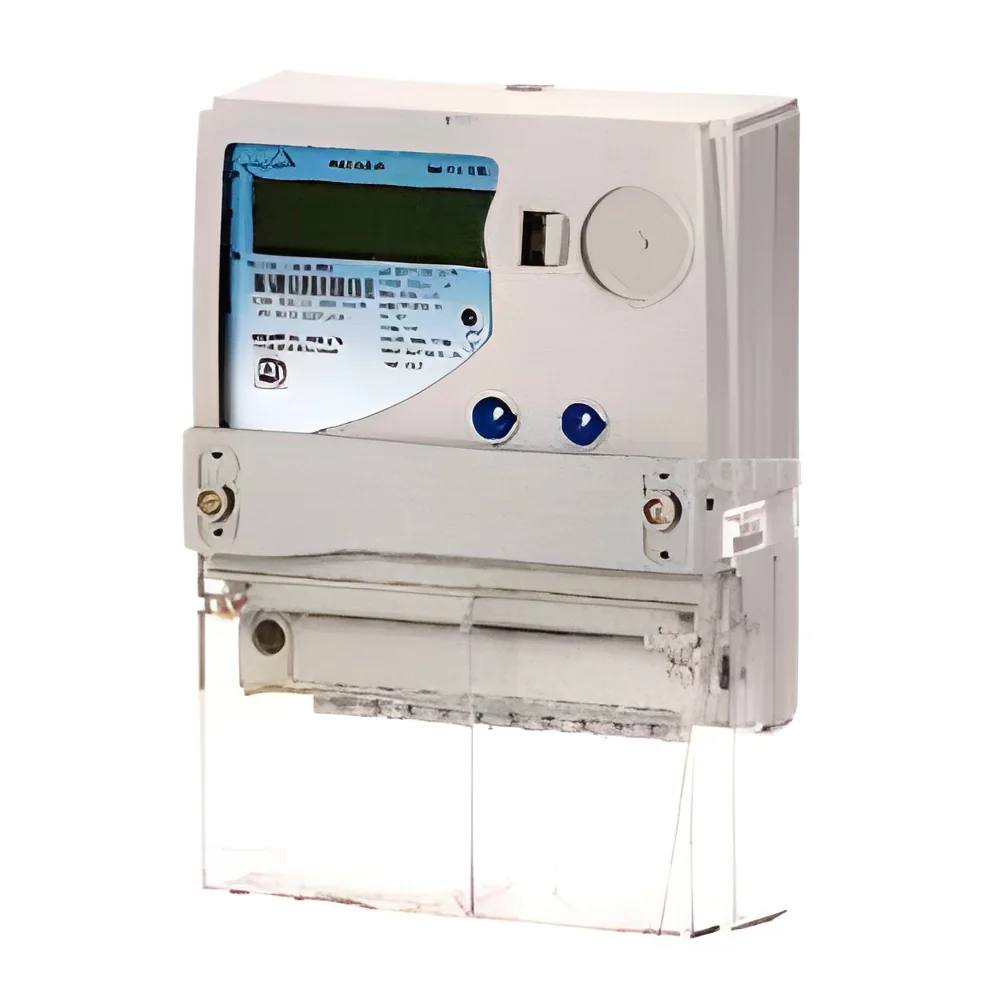
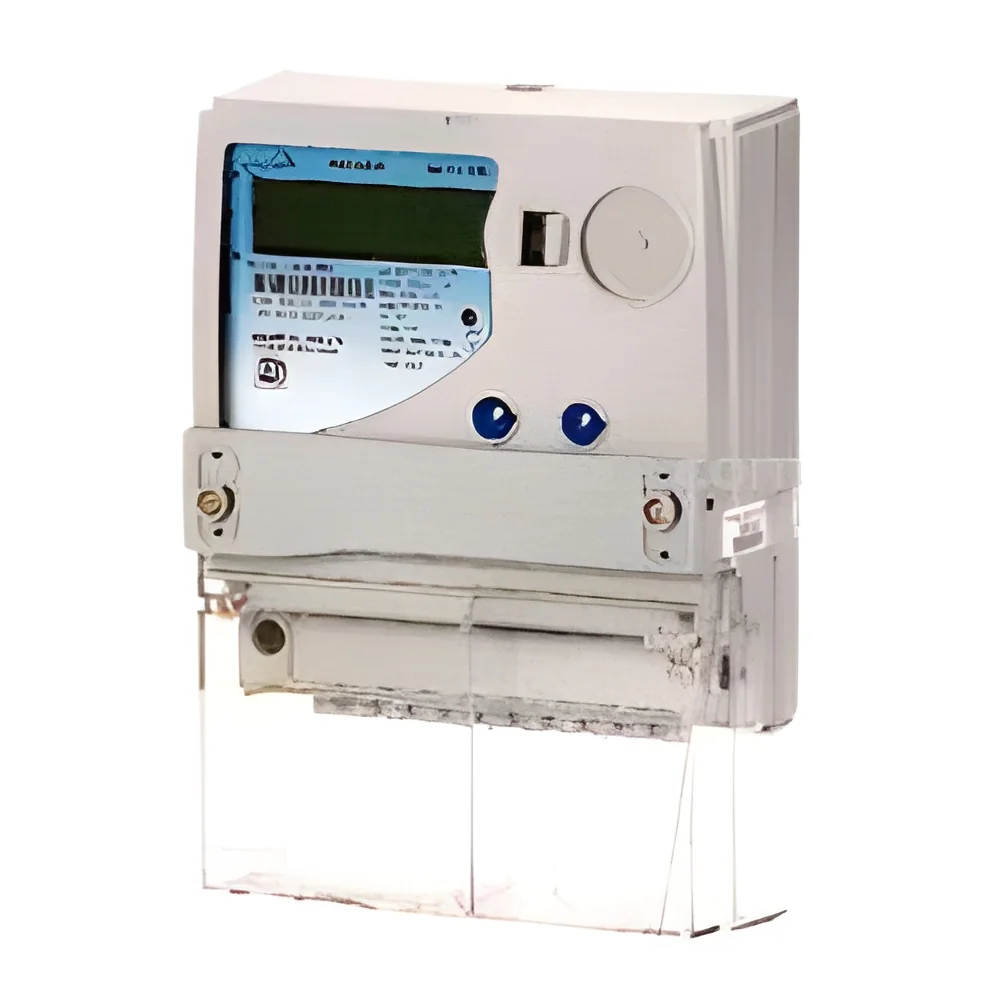
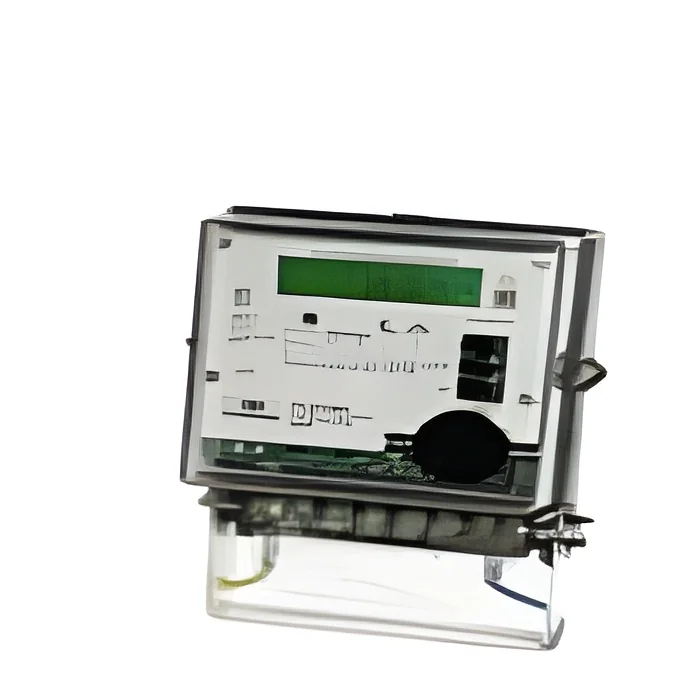
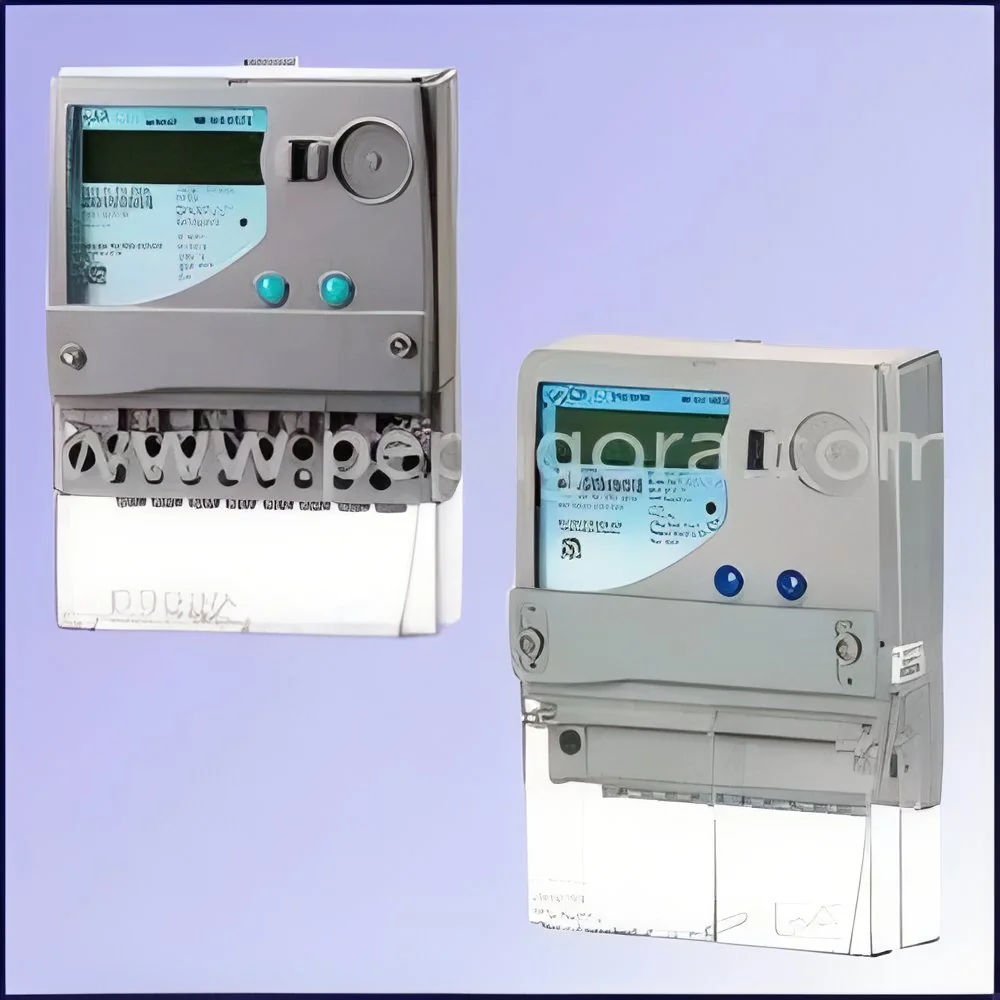
Three-Phase Energy Meters: Designed for industrial use, these meters measure energy consumption in three-phase systems. They provide detailed insights into energy usage, power factor, and harmonics.
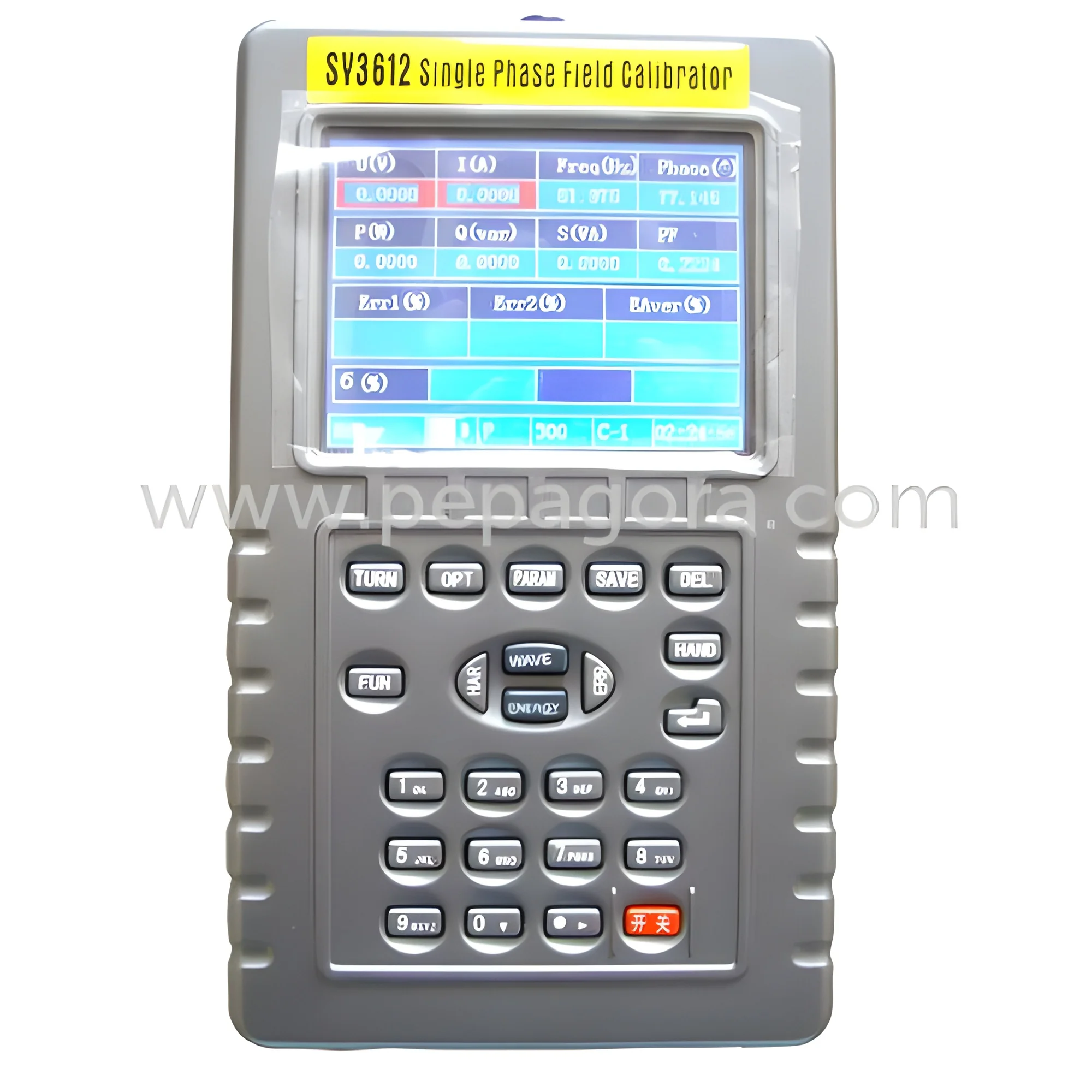
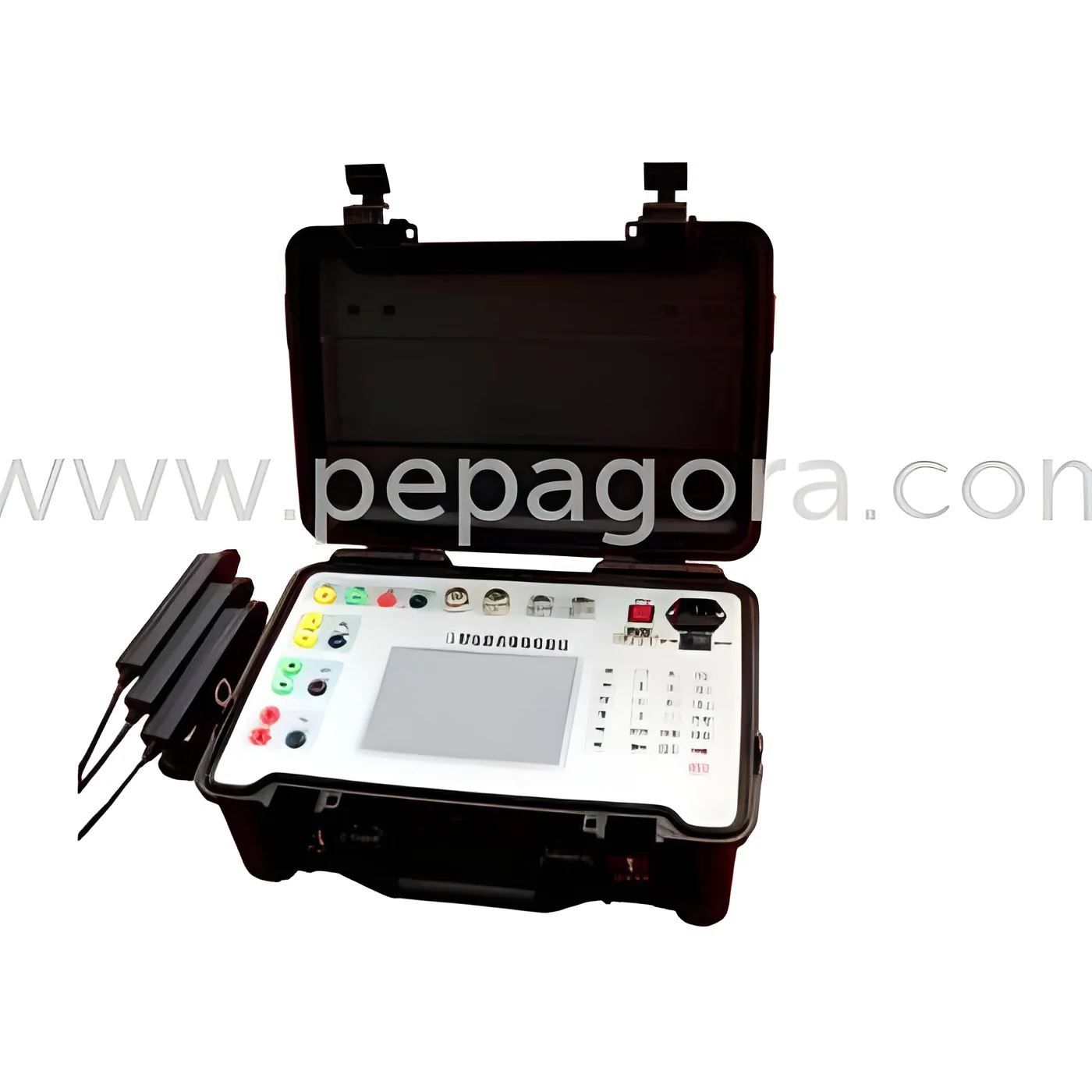
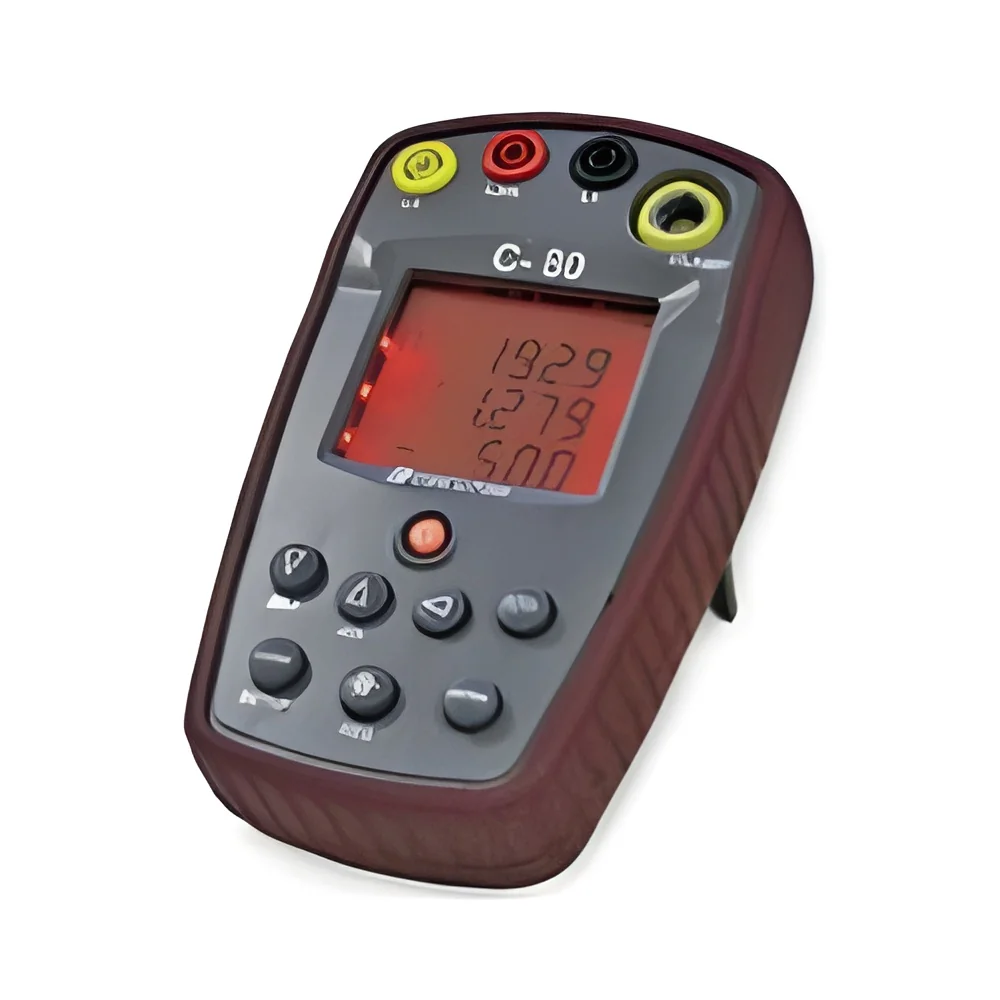
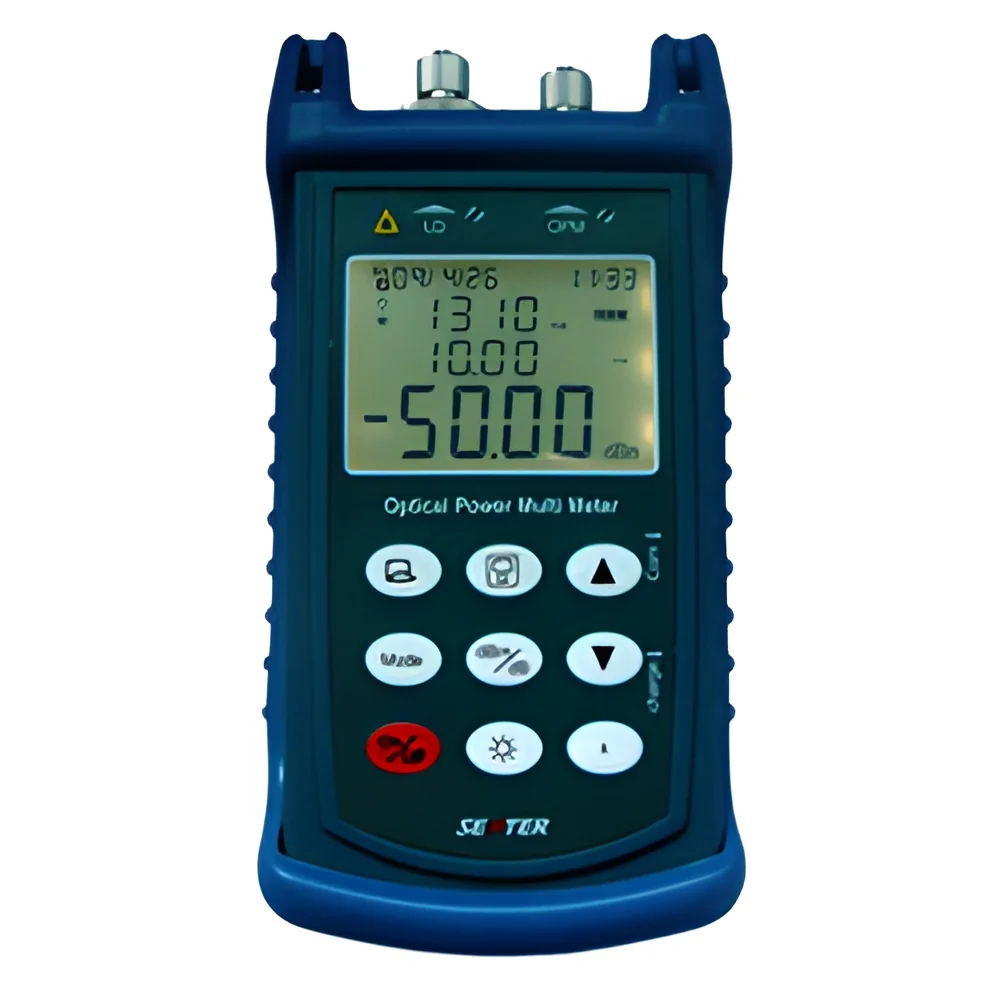
Portable Power Analyzers: These handheld devices are used for temporary monitoring of power quality in different locations. They are user-friendly and provide real-time data analysis.
Smart Energy Meters: Equipped with advanced communication capabilities, these meters enable remote monitoring and data management. They are suitable for smart grid applications and IoT integration.
Benefits and Advantages
Investing in energy meters and power analyzers offers numerous benefits for businesses aiming to enhance their energy management strategies.
1. Improved Energy Efficiency: These devices help identify energy waste and inefficiencies, allowing businesses to implement corrective measures.
2. Cost Savings: By monitoring energy consumption, companies can reduce operational costs and improve budgeting for energy expenses.
3. Enhanced Power Quality: Power analyzers provide insights into voltage and current irregularities, helping to maintain the reliability of electrical systems.
4. Regulatory Compliance: Using these devices ensures compliance with energy regulations, reducing the risk of penalties.
5. Data-Driven Decision Making: The data collected by energy meters and analyzers facilitate informed decision-making regarding energy consumption and management.
6. Sustainability Initiatives: Organizations can track their carbon footprint and work towards sustainability goals through effective energy management.
Buying Guide for B2B Buyers
When sourcing energy meters and power analyzers, it is essential for B2B buyers to consider several factors to ensure they select the right products for their needs.
1. Quality Assessment: Evaluate the quality of the devices based on accuracy, durability, and performance specifications. Look for established brands that comply with industry standards.
2. Supplier Verification: Vet suppliers based on their reputation, experience, and customer feedback. Ensure they have a proven track record in providing reliable energy measurement solutions.
3. Pricing and MOQ: Understand the pricing structure and minimum order quantities (MOQ) required by suppliers. This helps in budgeting and planning for procurement.
4. Delivery and Lead Times: Discuss delivery timelines with suppliers to ensure timely receipt of products, especially for projects with strict deadlines.
5. Compliance Requirements: Verify that the products meet relevant compliance standards and certifications, which is crucial for operational safety and regulatory adherence.
Compliance and Certifications
Compliance with industry standards and certifications is critical for energy meters and power analyzers to ensure safety and reliability. Devices often adhere to quality standards such as ISO 9001, which focuses on meeting customer satisfaction and regulatory requirements.
Industry certifications, like CE marking, indicate that the products comply with European safety, health, and environmental protection legislation. This certification is crucial for gaining market access in Europe.
Safety and testing requirements are paramount for ensuring that these devices operate safely under various conditions. Manufacturers must conduct rigorous testing to confirm their products meet these standards.
Regional compliance considerations vary, so buyers should be aware of the specific regulations applicable in their geographic areas. This knowledge helps in selecting compliant products that meet local standards.
Why Source Energy Meters & Power Analyzers from Pepagora?
Pepagora provides a trusted platform for sourcing energy meters and power analyzers, offering several key advantages to buyers.
Verified Supplier Network: Pepagora has established a rigorous verification process for suppliers to ensure that only reputable manufacturers are featured on the platform. This provides buyers with confidence in their sourcing decisions.
Streamlined RFQ Process: The Request for Quotation (RFQ) system simplifies the procurement process, allowing buyers to request quotes from multiple suppliers efficiently. This competitive approach helps in achieving the best pricing and terms.
Trade Assurance and Support: Pepagora offers trade assurance and comprehensive support to buyers, ensuring protection throughout the purchasing process. This includes assistance with disputes and guarantees on product quality.
Regional Coverage: Pepagora serves a wide geographic area, including India, the GCC, and Southeast Asia. This extensive reach allows buyers to access a diverse range of products and suppliers tailored to their specific market needs.



Frequently Asked Questions
What are Energy Meters & Power Analyzers?
Energy Meters are devices that measure the amount of electrical energy consumed by a residence, business, or an appliance. Power Analyzers, on the other hand, are instruments that measure various parameters of electrical power, including voltage, current, power factor, and frequency, providing a comprehensive analysis of power quality.
What are the different types of Energy Meters & Power Analyzers?
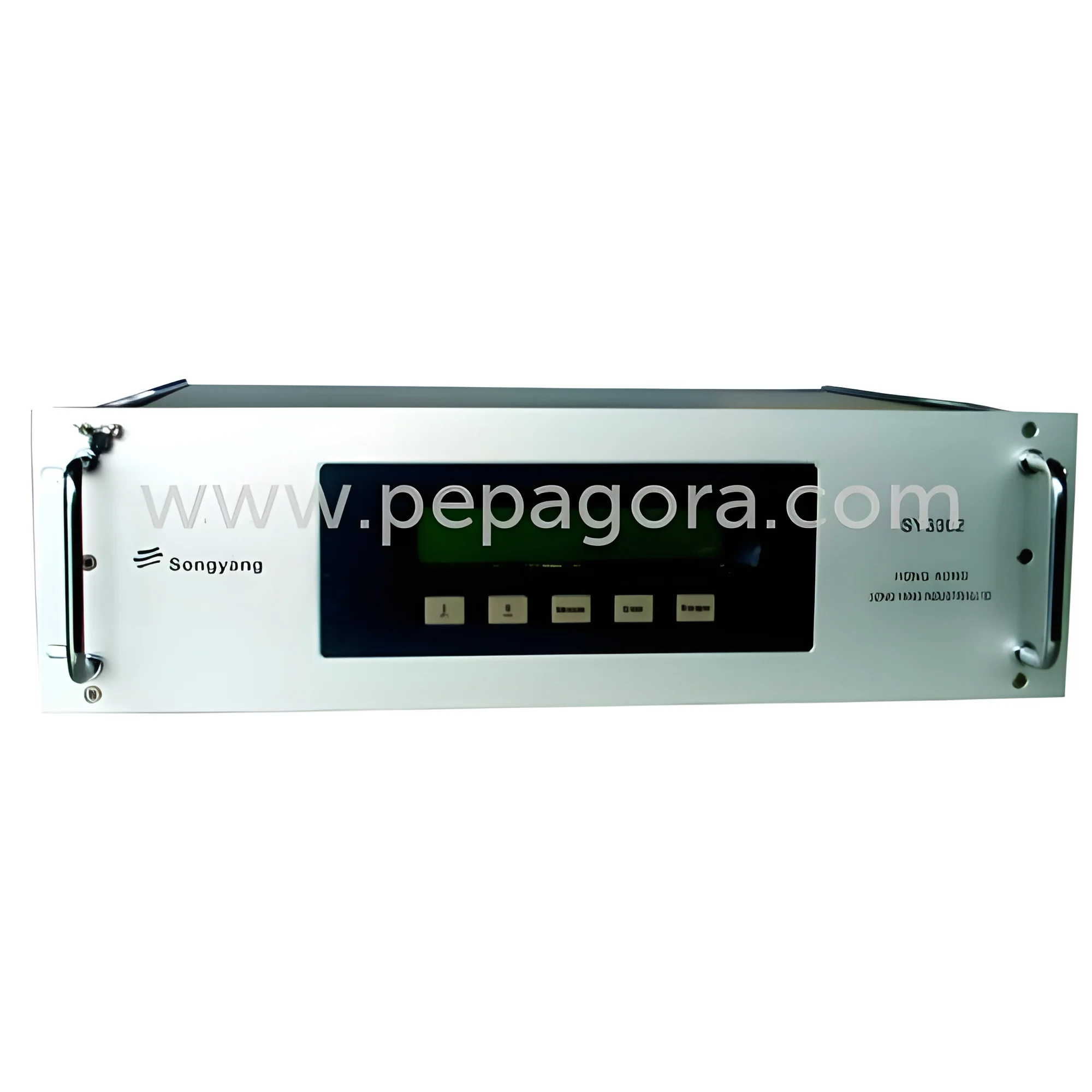
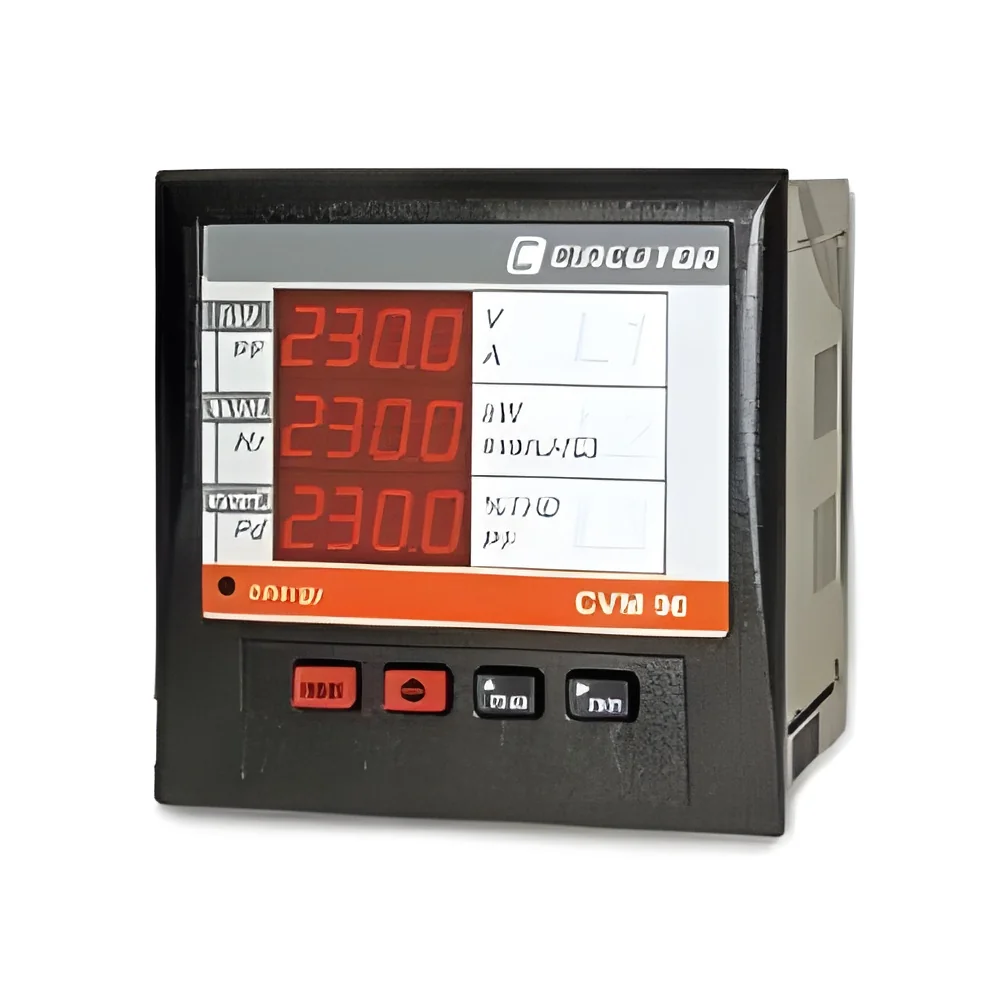
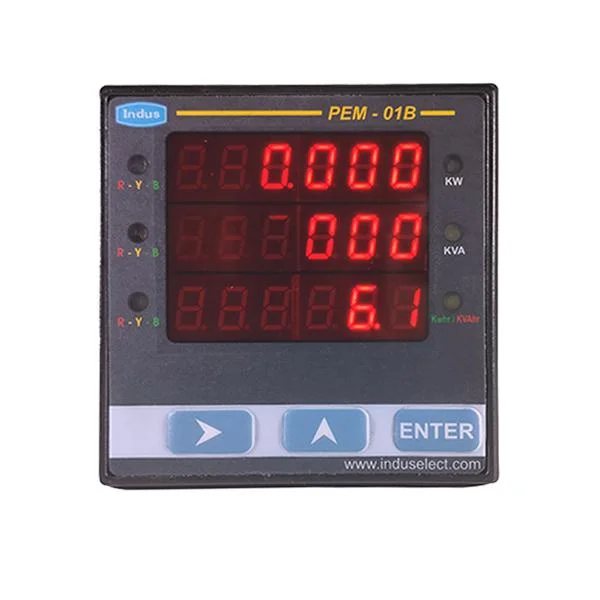
There are several types of Energy Meters, including electromechanical, digital, and smart meters. Power Analyzers can be classified into handheld, portable, and panel-mounted types, each serving different applications and levels of complexity.
How do I choose the right Energy Meters & Power Analyzers?
Selecting the appropriate Energy Meter or Power Analyzer depends on factors such as the application, measurement accuracy, and required features. It is important to assess your specific needs, including the type of electrical system and the parameters you need to monitor.
What are the standard specifications for Energy Meters & Power Analyzers?
Standard specifications for Energy Meters typically include voltage rating, current rating, accuracy class, and communication protocols. For Power Analyzers, key specifications may include frequency range, measurement capabilities, and data logging features.
What is the price range for Energy Meters & Power Analyzers?
The price of Energy Meters & Power Analyzers can vary widely based on the type and features, with basic models starting from a few thousand Indian Rupees to advanced models that can cost significantly more. It is advisable to compare different products and suppliers to find the best option for your budget.
What quality standards apply to Energy Meters & Power Analyzers?
Energy Meters and Power Analyzers are often required to comply with international quality standards such as ISO, IEC, and IEEE. Compliance with these standards ensures accuracy, reliability, and safety in measurement applications.
Where can I find Energy Meters & Power Analyzers suppliers in India?
You can find suppliers of Energy Meters & Power Analyzers in India through B2B marketplaces like Pepagora, industry trade shows, and online directories. It is advisable to check supplier credentials and product reviews before making a purchase.
Can Energy Meters & Power Analyzers be customized?
Many manufacturers offer customization options for Energy Meters & Power Analyzers, allowing you to tailor features according to specific requirements. Customization may include software modifications, additional communication interfaces, or unique form factors.
What is the typical minimum order quantity for Energy Meters & Power Analyzers?
The minimum order quantity (MOQ) for Energy Meters & Power Analyzers can vary by supplier, typically ranging from 10 to 100 units. It's best to confirm the MOQ directly with the supplier you are considering.
What is the typical lead time for Energy Meters & Power Analyzers?
The lead time for Energy Meters & Power Analyzers usually ranges from a few days to several weeks, depending on the supplier and whether the products are in stock or require customization. Always check with the supplier for specific timelines before placing an order.
Why Businesses Trust Pepagora
Thousands of companies trust Pepagora to source smarter and sell faster
Expand Your Sales Globally

Source Smarter,Grow Faster
