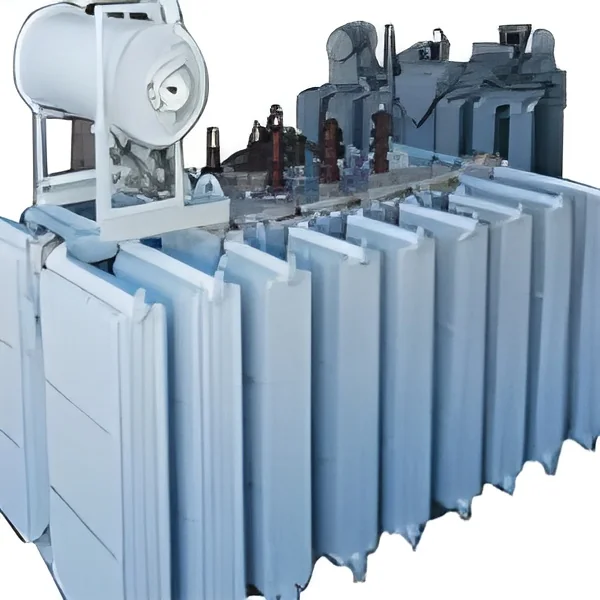
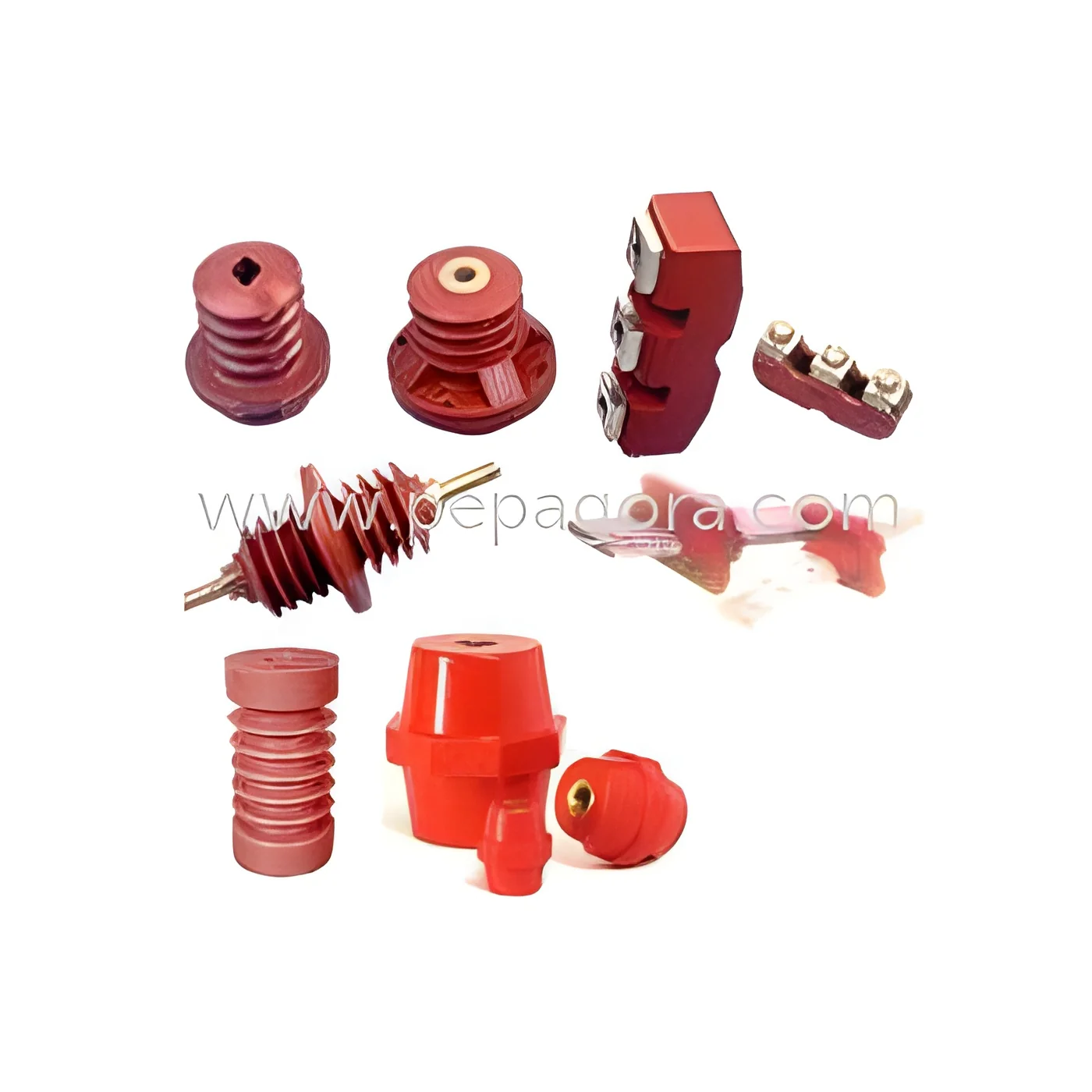
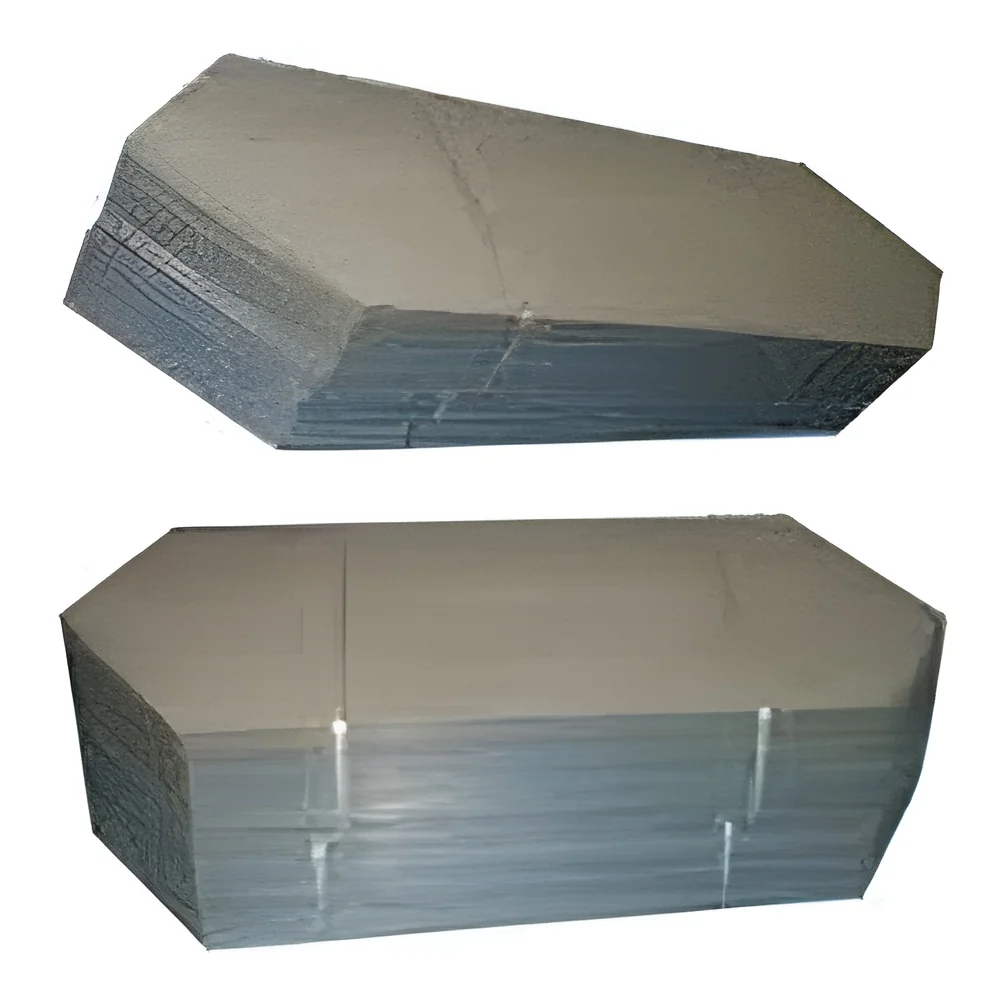
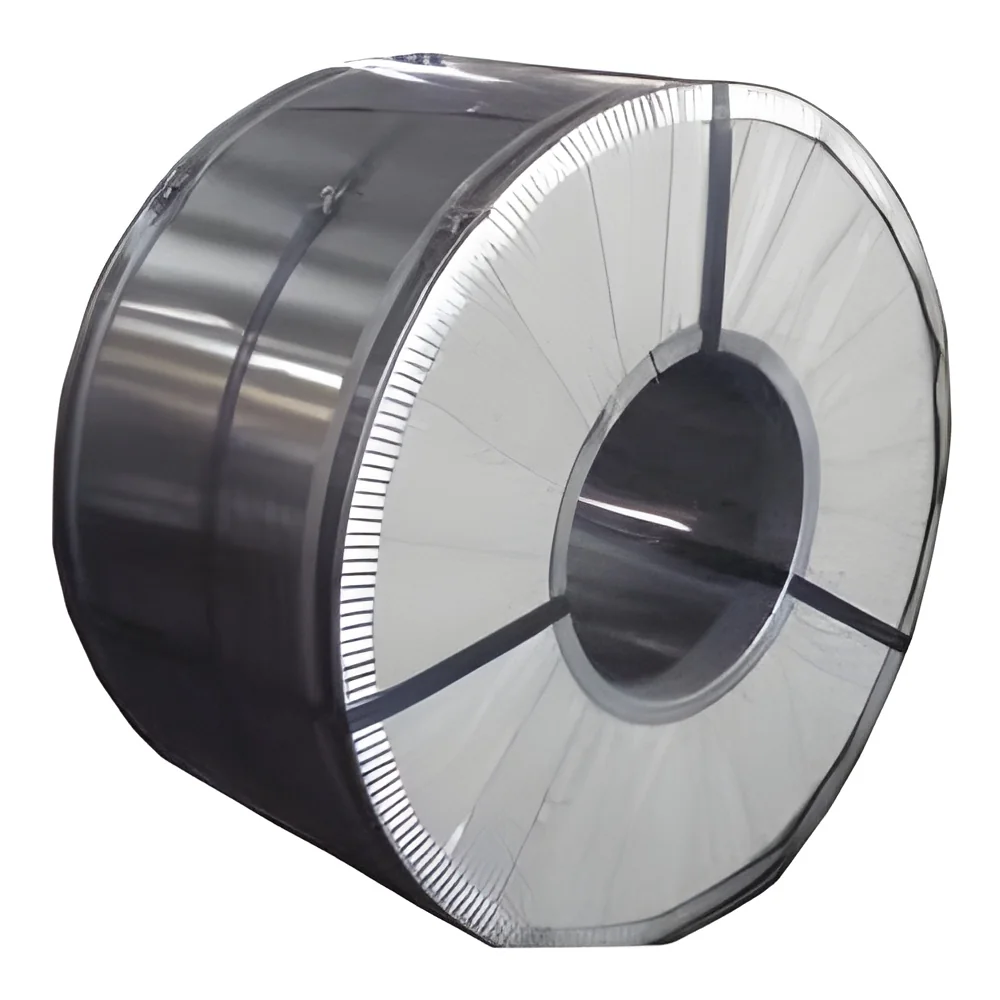
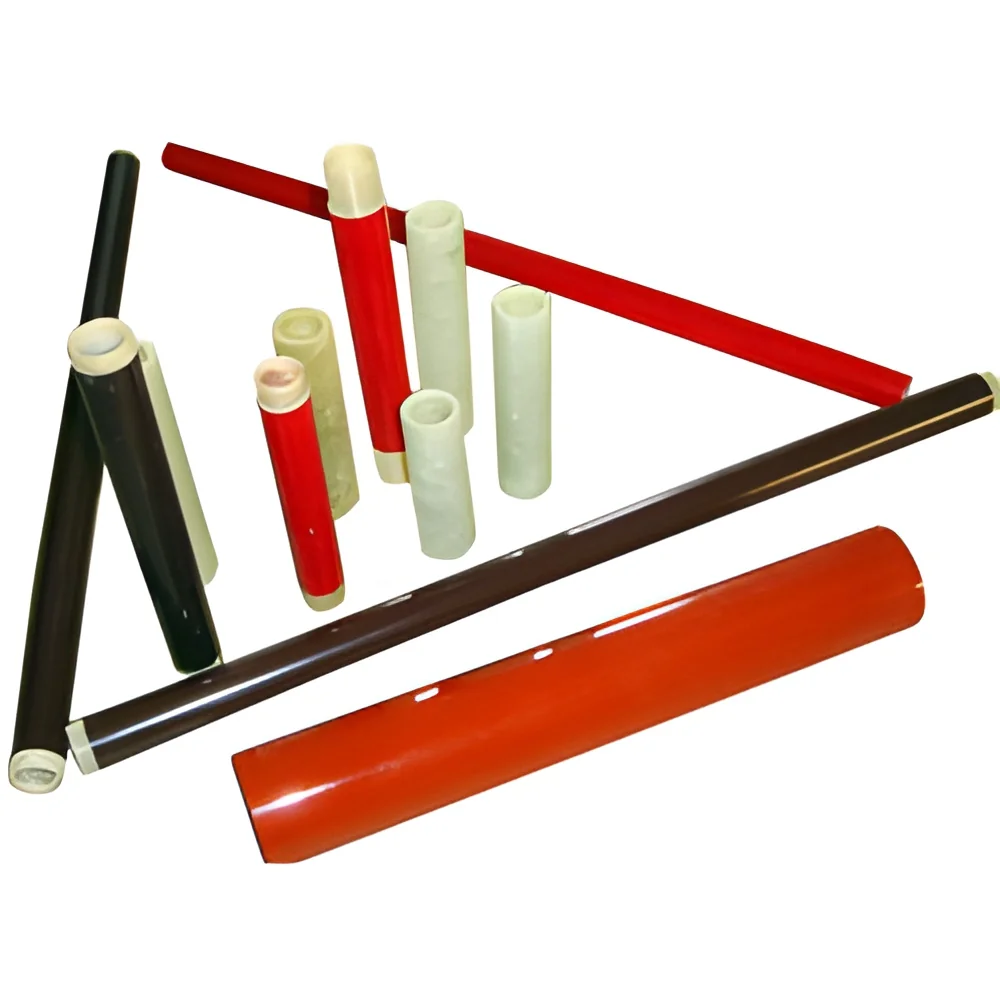
What are Transformers (Power, Distribution)?
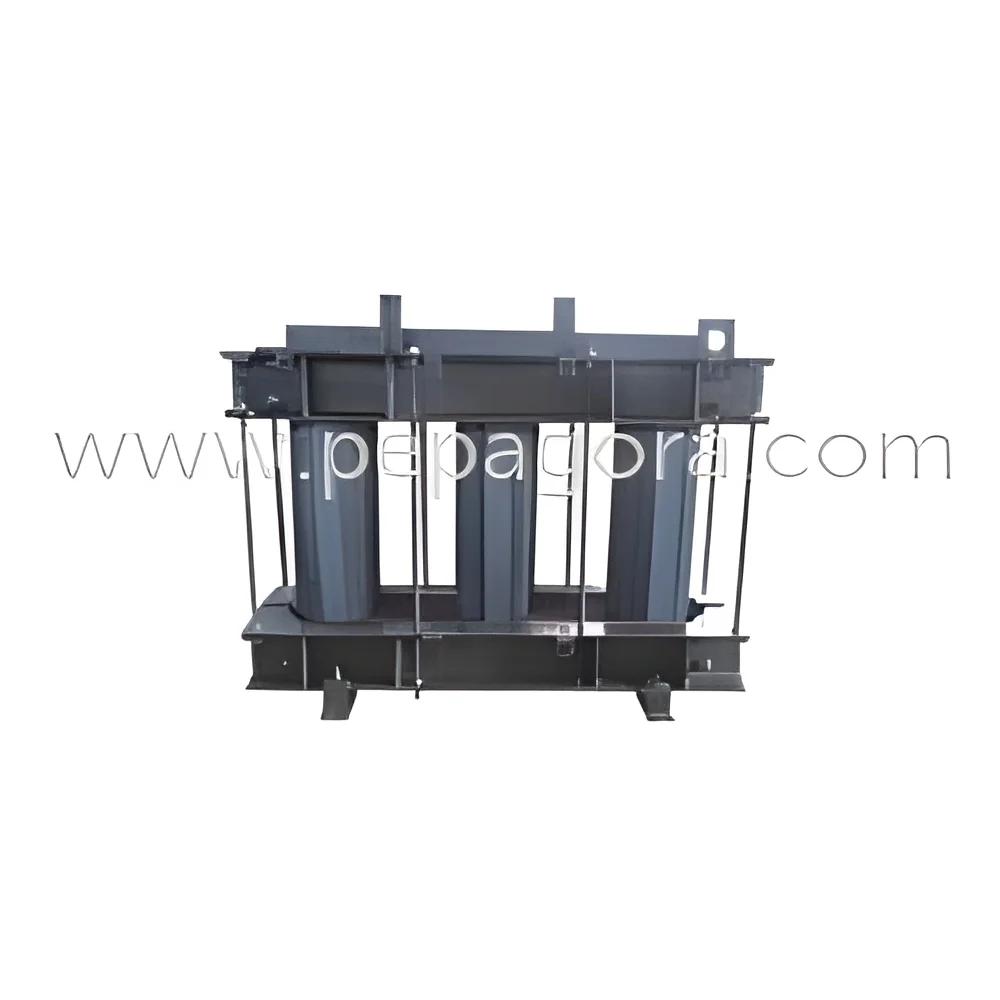
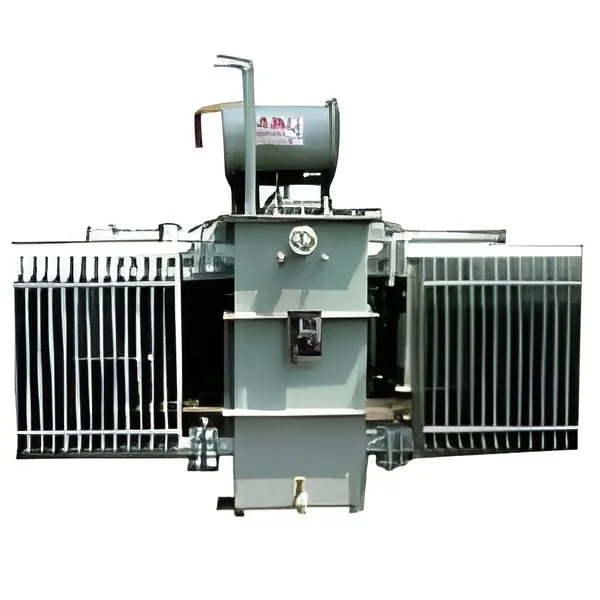
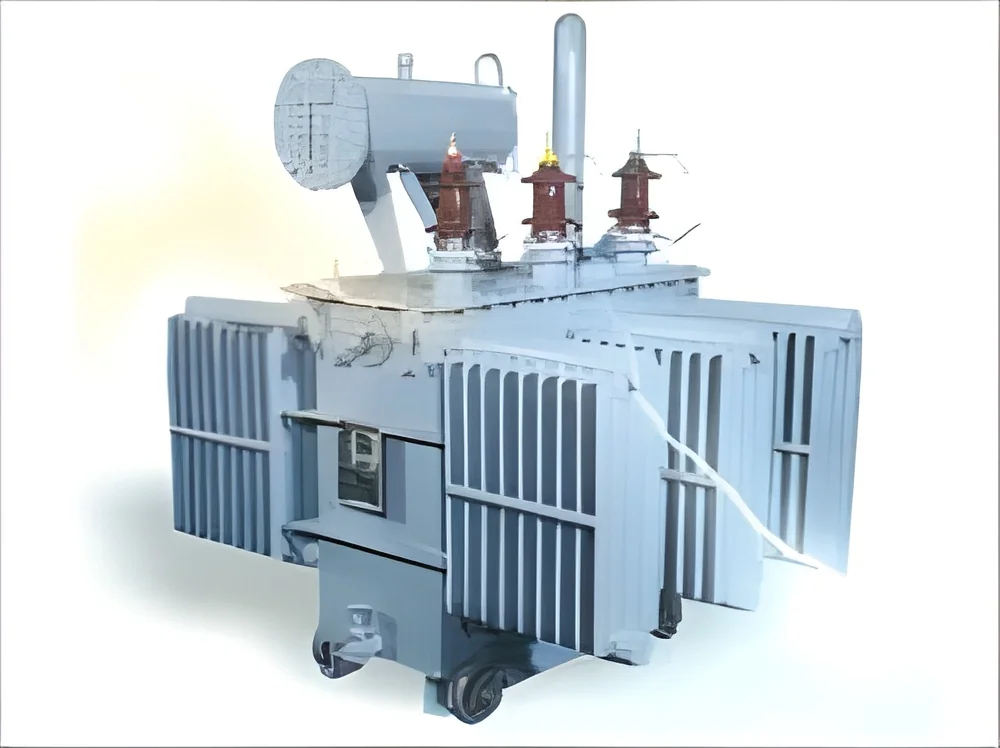
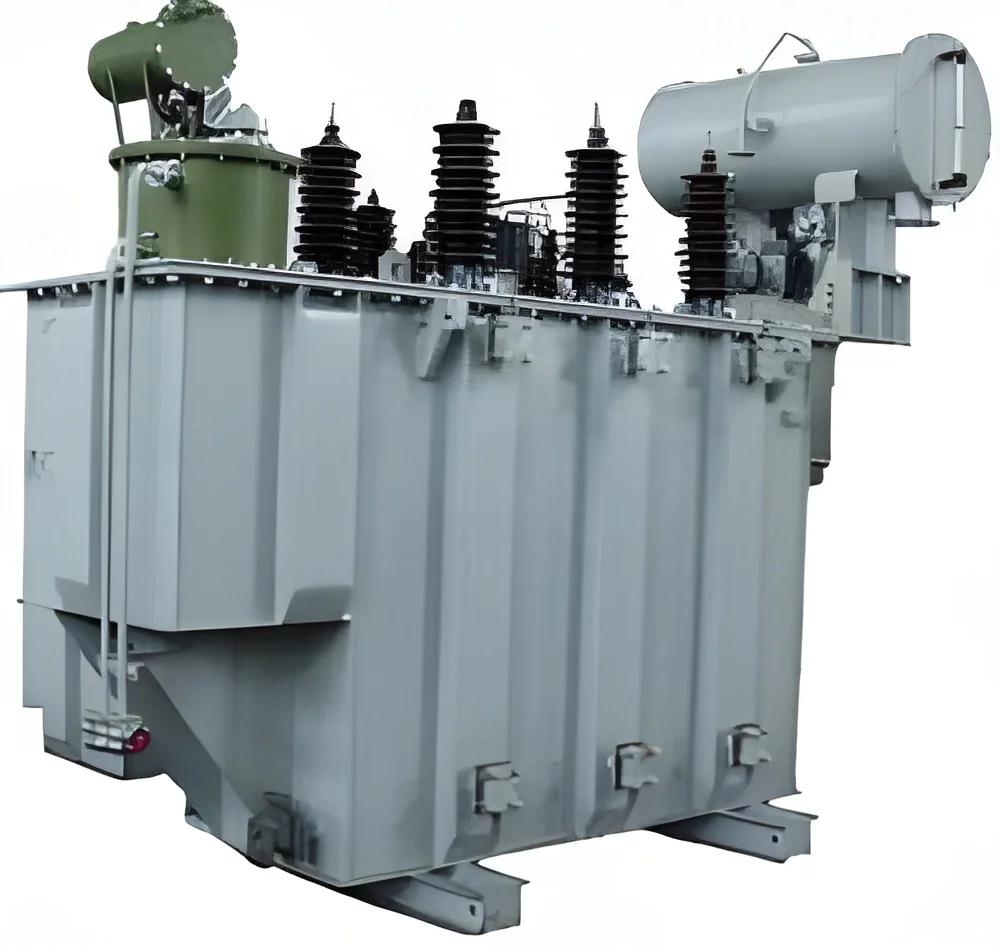
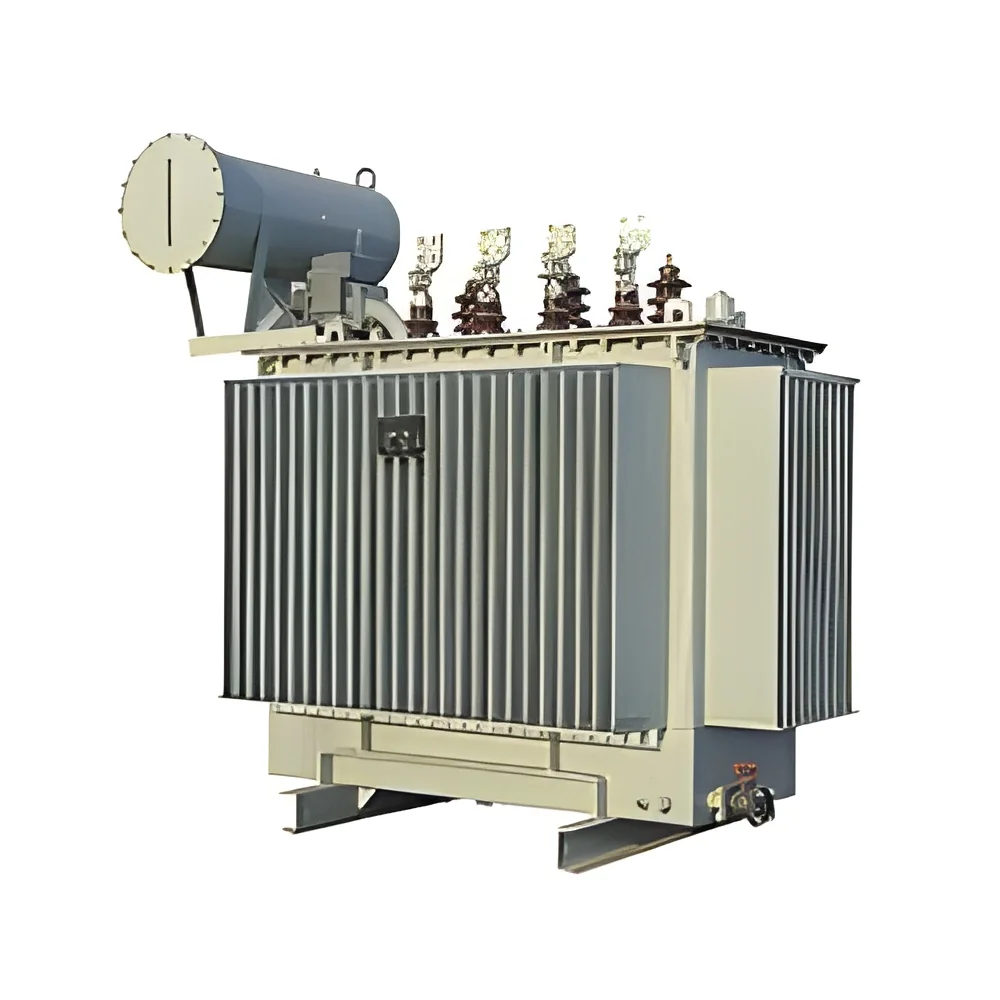
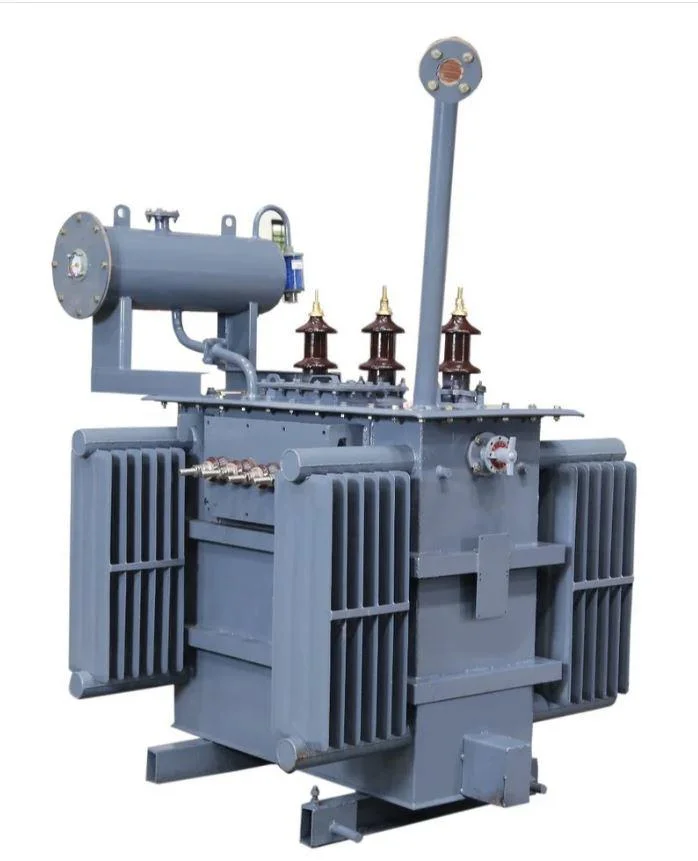
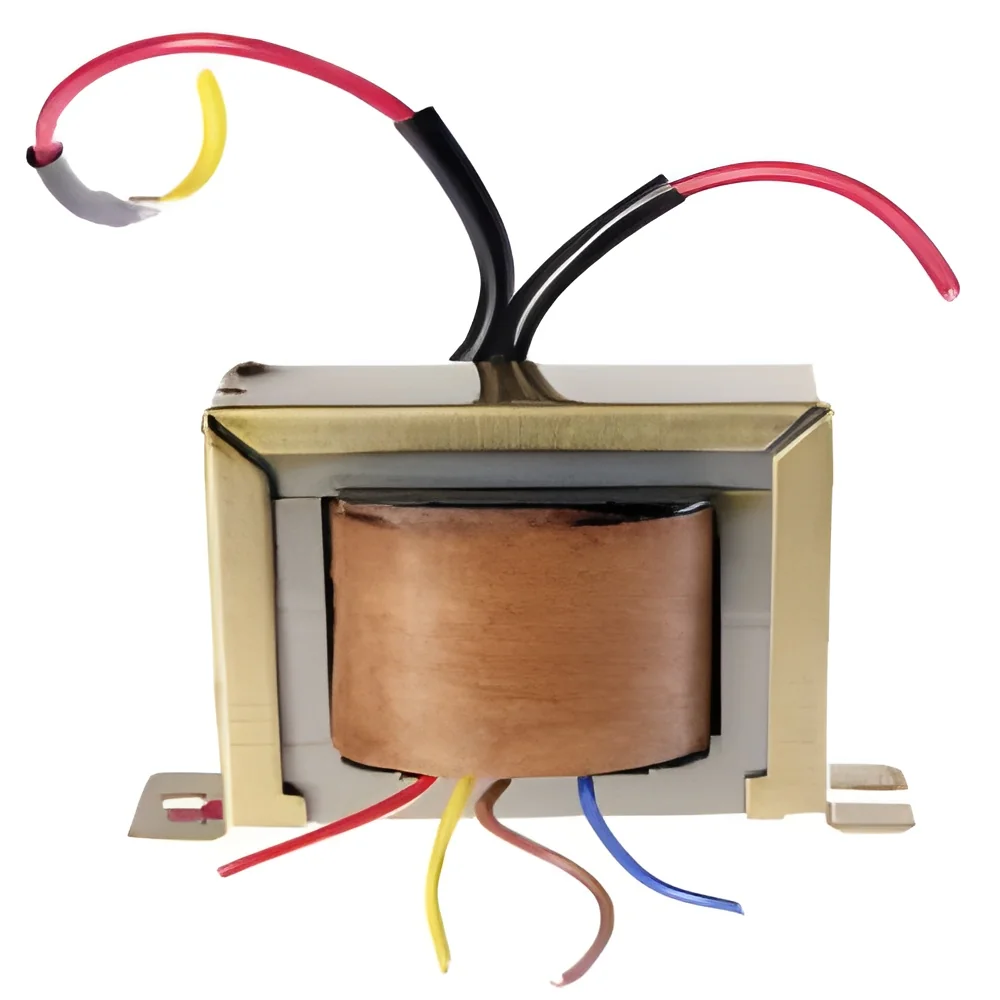
Transformers are electrical devices that transfer electrical energy between two or more circuits through electromagnetic induction. They are crucial for changing voltage levels in power systems, allowing electricity to be transmitted over long distances with minimal loss. Power transformers handle high voltage electricity generated in power plants, while distribution transformers lower the voltage for safe consumer use.
These devices are widely used in various sectors, including power generation, transmission, and distribution networks. They enable efficient energy distribution by stepping down voltage levels for residential and commercial use. Businesses rely on transformers to ensure the stable and safe operation of their electrical systems, making them integral components in infrastructure development and energy management.
The relevance of transformers in the industry cannot be overstated. As the demand for electricity continues to rise globally, efficient power distribution becomes paramount. This creates a growing market for transformers, with innovations aimed at improving efficiency and reducing costs. Thus, understanding transformers is essential for businesses involved in energy management and electrical infrastructure.
𝗞𝗲𝘆 𝗙𝗲𝗮𝘁𝘂𝗿𝗲𝘀 𝗮𝗻𝗱 𝗦𝗽𝗲𝗰𝗶𝗳𝗶𝗰𝗮𝘁𝗶𝗼𝗻𝘀
Transformers come with several key features and specifications that define their performance and suitability for specific applications. When selecting transformers, it is essential to consider the following specifications that impact their efficiency and effectiveness.
Key specifications include:
1. Power Rating
- Indicates the maximum load the transformer can handle.
- Typically measured in kilovolt-amperes (kVA) or megavolt-amperes (MVA).
2. Voltage Rating
- Defines the input and output voltage levels.
- Commonly ranges from 240V to 400kV depending on the application.
3. Frequency
- Refers to the operating frequency of the transformer.
- Standard frequencies are 50 Hz and 60 Hz.
4. Phase Configuration
- Indicates whether the transformer is single-phase or three-phase.
- Three-phase transformers are commonly used in industrial applications for efficiency.
5. Cooling Method
- Describes how the transformer dissipates heat.
- Options include oil-cooled, air-cooled, and dry-type transformers.
6. Impedance
- Represents the percentage voltage drop under full load.
- Typically ranges from 4% to 8%.
7. Efficiency
- Measures how effectively the transformer converts input power to output power.
- Higher efficiency ratings reduce energy losses.
8. Noise Level
- Indicates the sound produced during operation.
- Usually specified in decibels (dB).
In summary, understanding these specifications is crucial for selecting the right transformer for specific applications while ensuring optimal performance and energy efficiency.
𝗖𝗼𝗺𝗺𝗼𝗻 𝗔𝗽𝗽𝗹𝗶𝗰𝗮𝘁𝗶𝗼𝗻𝘀 𝗮𝗻𝗱 𝗨𝘀𝗲 𝗖𝗮𝘀𝗲𝘀
Transformers are utilized across various industries, supporting a wide range of applications.
1. Power Generation: Transformers are essential in power plants to step up voltage for transmission, ensuring energy is delivered over long distances efficiently.
2. Manufacturing: In manufacturing facilities, transformers supply the necessary voltage levels to operate machinery and equipment safely and reliably.
3. Telecommunications: Transformers are used in telecom networks to regulate voltage for communication equipment, ensuring uninterrupted service.
4. Oil and Gas: In oil refineries, transformers provide the power needed for refining processes and safety systems.
5. Transportation: Railways and electric vehicle charging stations utilize transformers to manage power distribution effectively.
6. Renewable Energy: Solar and wind energy systems employ transformers to convert generated power to usable voltage levels for the grid.
7. Residential: In residential areas, distribution transformers step down voltage for household use, ensuring safe electricity supply.
𝗣𝗿𝗼𝗱𝘂𝗰𝘁 𝗩𝗮𝗿𝗶𝗮𝗻𝘁𝘀 𝗮𝗻𝗱 𝗦𝘂𝗯𝗰𝗮𝘁𝗲𝗴𝗼𝗿𝗶𝗲𝘀
Transformers come in various types and configurations to meet the diverse needs of different applications.
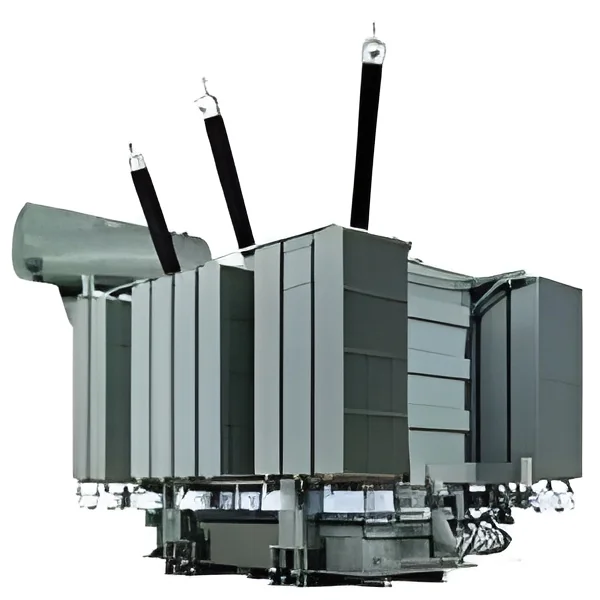
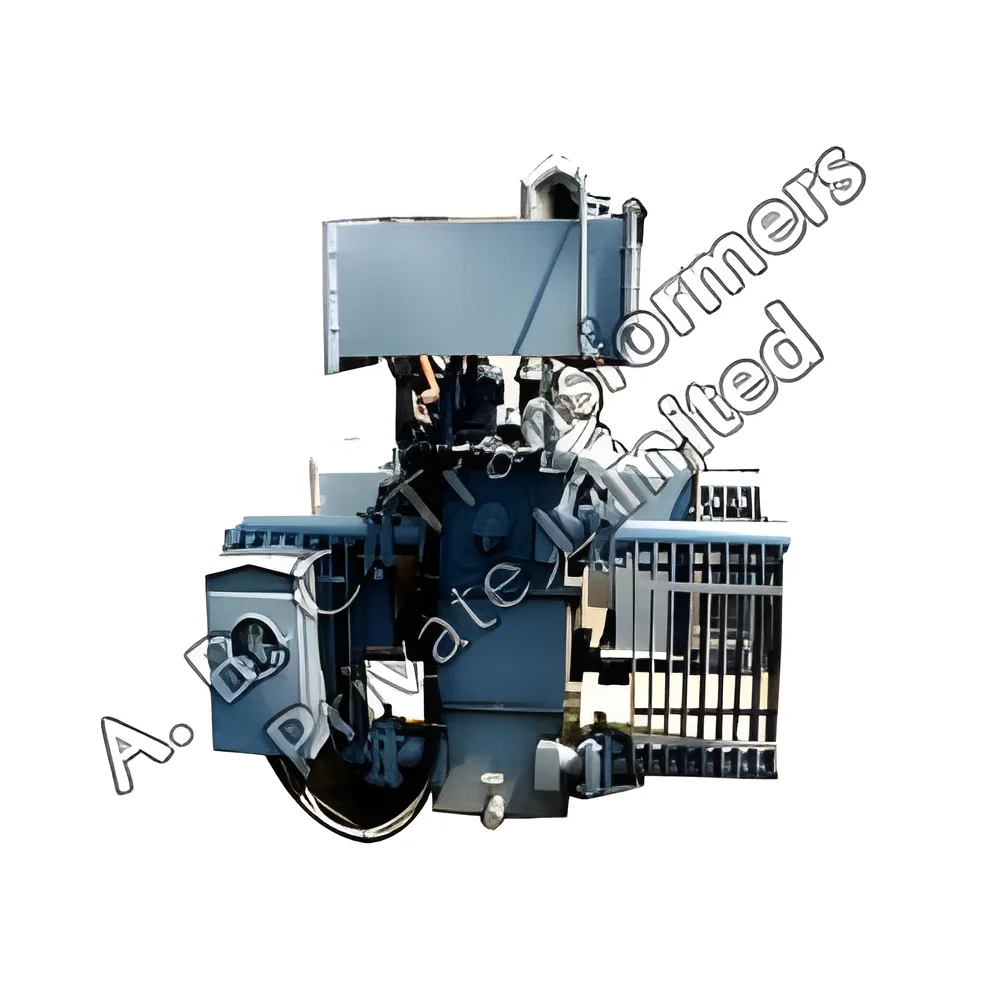
Power Transformers: These are used in high voltage applications, typically found in substations and power plants. They handle large amounts of electrical power and are designed for high efficiency and reliability.
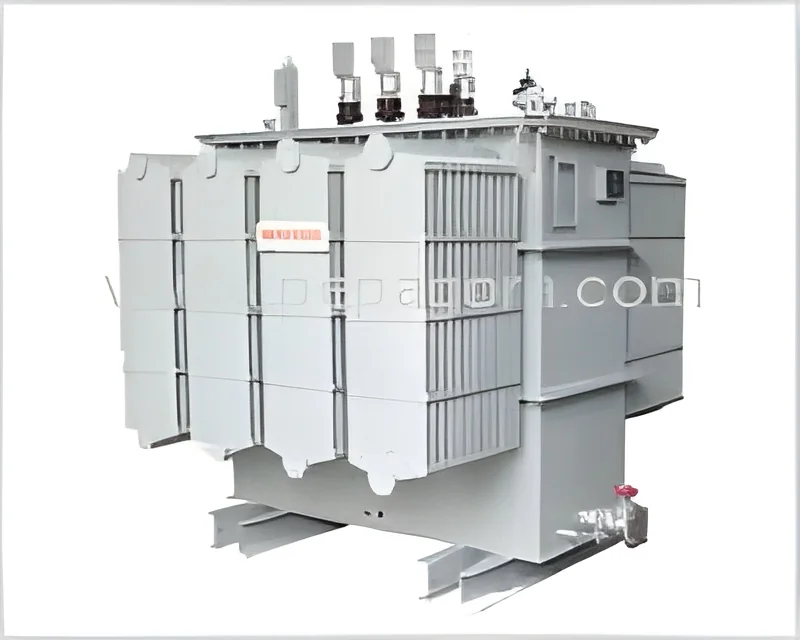
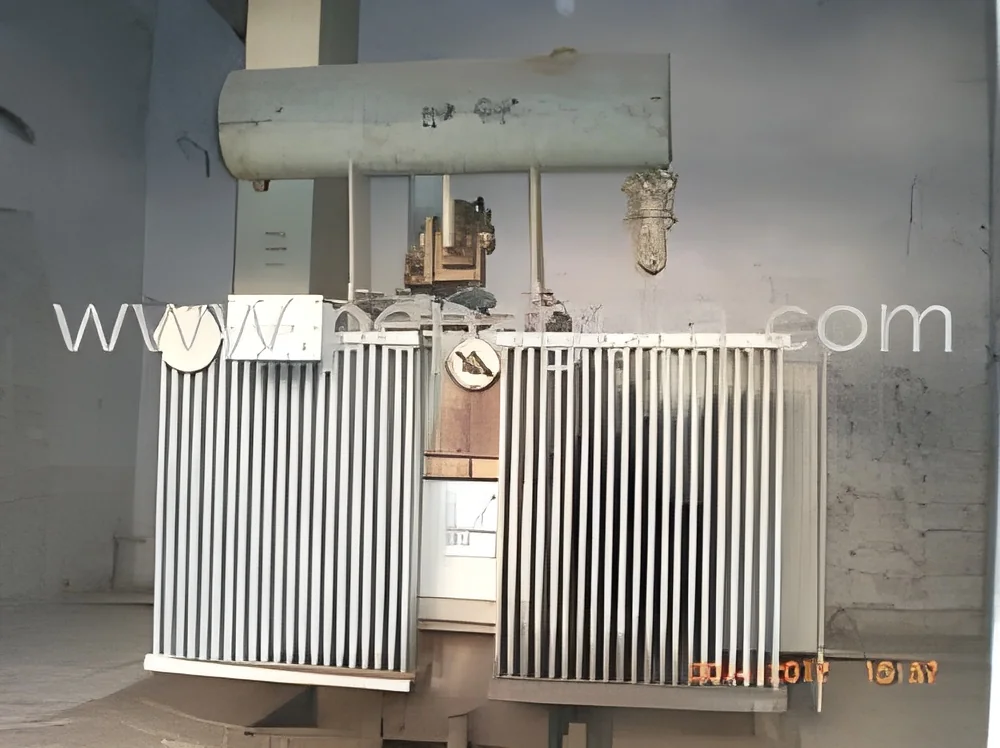
Distribution Transformers: These transformers are used to reduce voltage levels for distribution to consumers. They are commonly found in urban areas and are crucial for delivering electricity to homes and businesses.
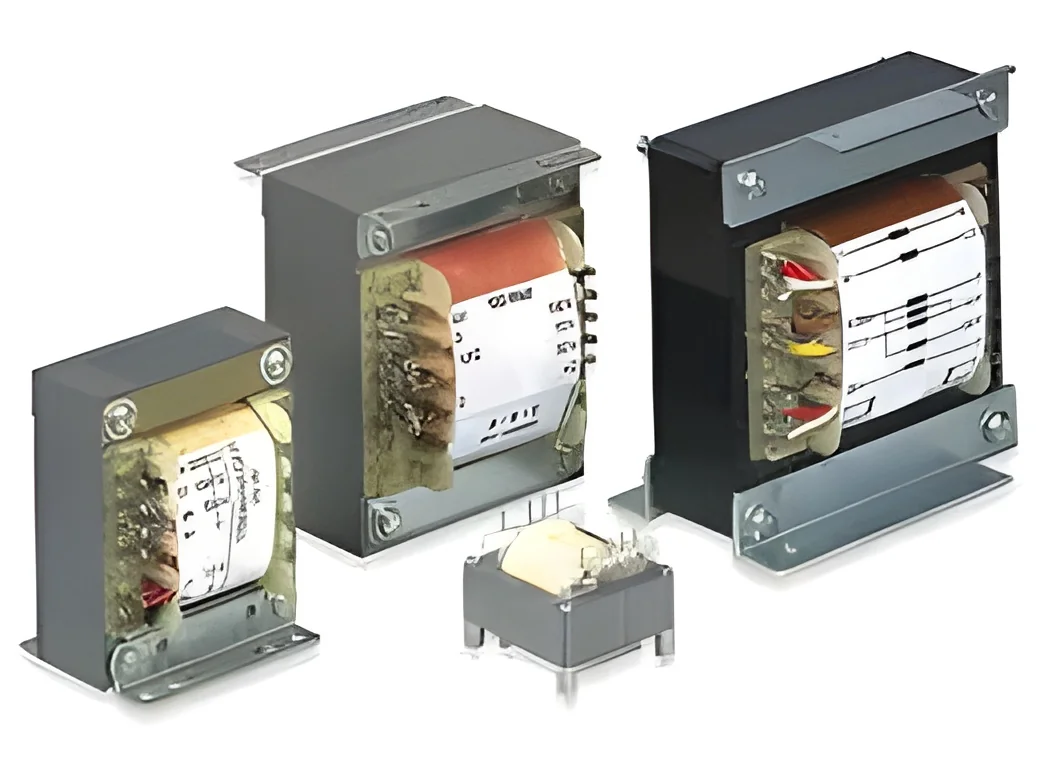
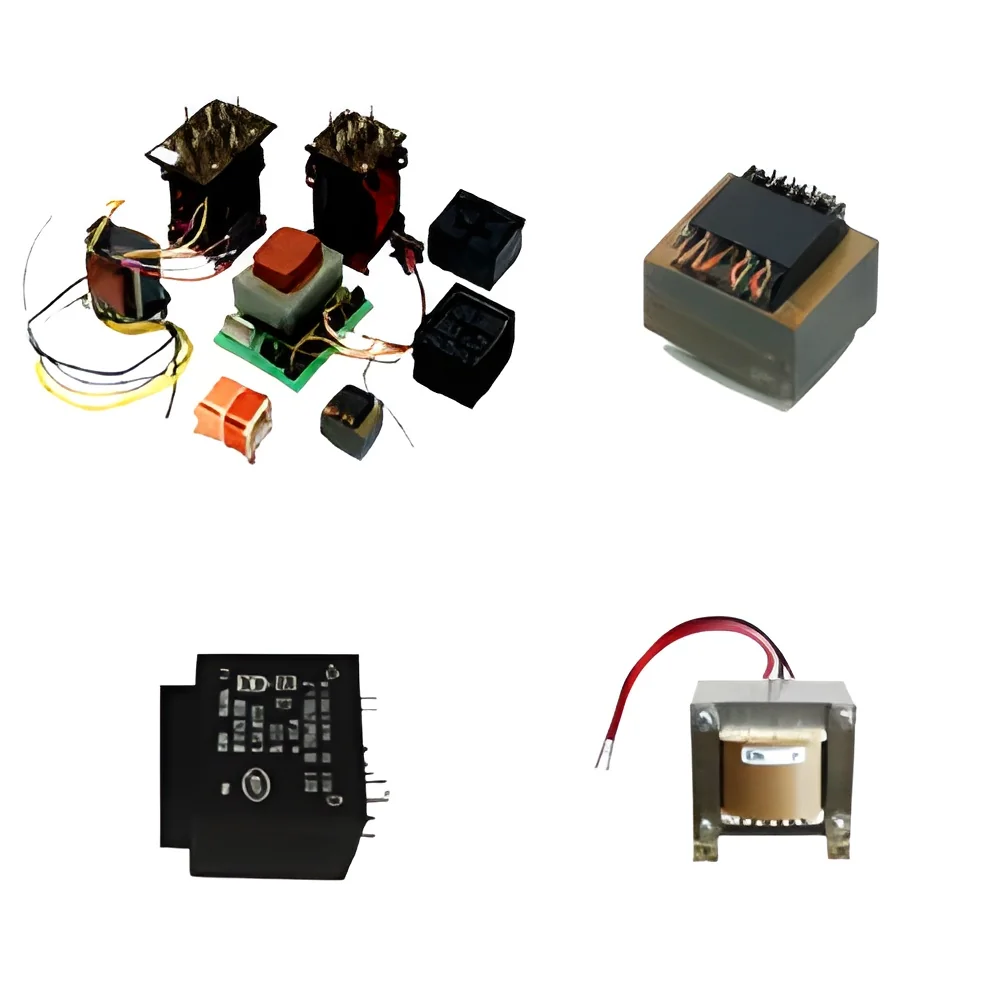
Isolation Transformers: Designed to isolate electrical circuits, these transformers prevent interference and enhance safety in sensitive equipment.
Auto Transformers: These transformers have a single winding that acts as both the primary and secondary winding, making them compact and cost-effective for certain applications.
𝗕𝗲𝗻𝗲𝗳𝗶𝘁𝘀 𝗮𝗻𝗱 𝗔𝗱𝘃𝗮𝗻𝘁𝗮𝗴𝗲𝘀
Transformers offer numerous benefits that enhance operational efficiency and safety in electrical systems.
1. Voltage Regulation: Transformers ensure that voltage levels remain stable, protecting equipment and improving performance.
2. Energy Efficiency: By optimizing voltage levels, transformers reduce energy losses during transmission, leading to cost savings.
3. Safety: Transformers provide electrical isolation, minimizing the risk of electrical shock and enhancing safety for personnel and equipment.
4. Versatility: With various types available, transformers can be tailored to meet specific power and voltage requirements across different applications.
5. Reliability: High-quality transformers are built to last, providing consistent performance over long operational lifespans.
6. Scalability: Transformers can be easily integrated into existing systems and upgraded as demand increases, supporting business growth.
𝗕𝘂𝘆𝗶𝗻𝗴 𝗚𝘂𝗶𝗱𝗲 𝗳𝗼𝗿 𝗕𝟮𝗕 𝗕𝘂𝘆𝗲𝗿𝘀
When sourcing Transformers (Power, Distribution), it is critical for B2B buyers to consider several key factors to ensure they make informed purchasing decisions.
1. Quality Assessment: Evaluate the quality of transformers based on industry certifications and performance ratings. Look for products that meet or exceed recognized standards for reliability and safety.
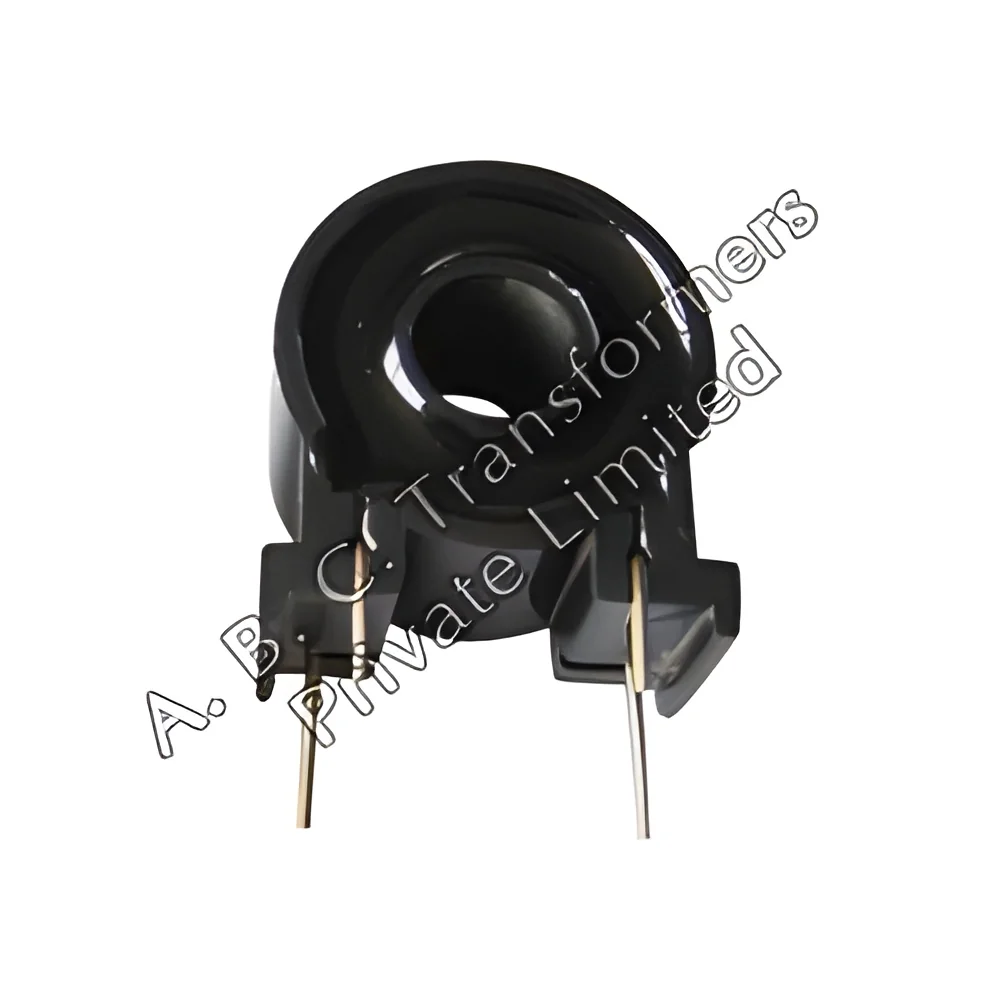
2. Supplier Verification: Vet potential suppliers to ensure they have a proven track record of delivering high-quality transformers. Check for customer reviews and case studies to gauge their reputation.
3. Pricing and MOQ: Understand the pricing structure and minimum order quantities (MOQ) required by suppliers. This helps in budgeting and ensures that the supplier can meet your needs.
4. Delivery and Lead Times: Clarify logistics and delivery timelines to avoid disruptions in operations. Ensure that the supplier can meet your deadlines without compromising quality.
5. Compliance Requirements: Be aware of regulatory requirements and industry standards that apply to transformers in your region. This ensures compliance and reduces the risk of legal issues.
𝗖𝗼𝗺𝗽𝗹𝗶𝗮𝗻𝗰𝗲 𝗮𝗻𝗱 𝗖𝗲𝗿𝘁𝗶𝗳𝗶𝗰𝗮𝘁𝗶𝗼𝗻𝘀
Compliance with relevant quality standards is essential for ensuring the reliability and safety of transformers. Key standards include ISO 9001, which focuses on quality management systems, and CE marking, indicating compliance with European safety standards.
Additionally, transformers must meet various safety and testing requirements. This may involve electrical testing, thermal performance assessments, and insulation resistance evaluations to ensure they operate safely under specified conditions.
Regional compliance considerations vary based on the market. It is important to understand local regulations and standards that govern transformer use, especially in different countries or regions. This ensures that the products sourced are compliant and safe for use in specified applications.
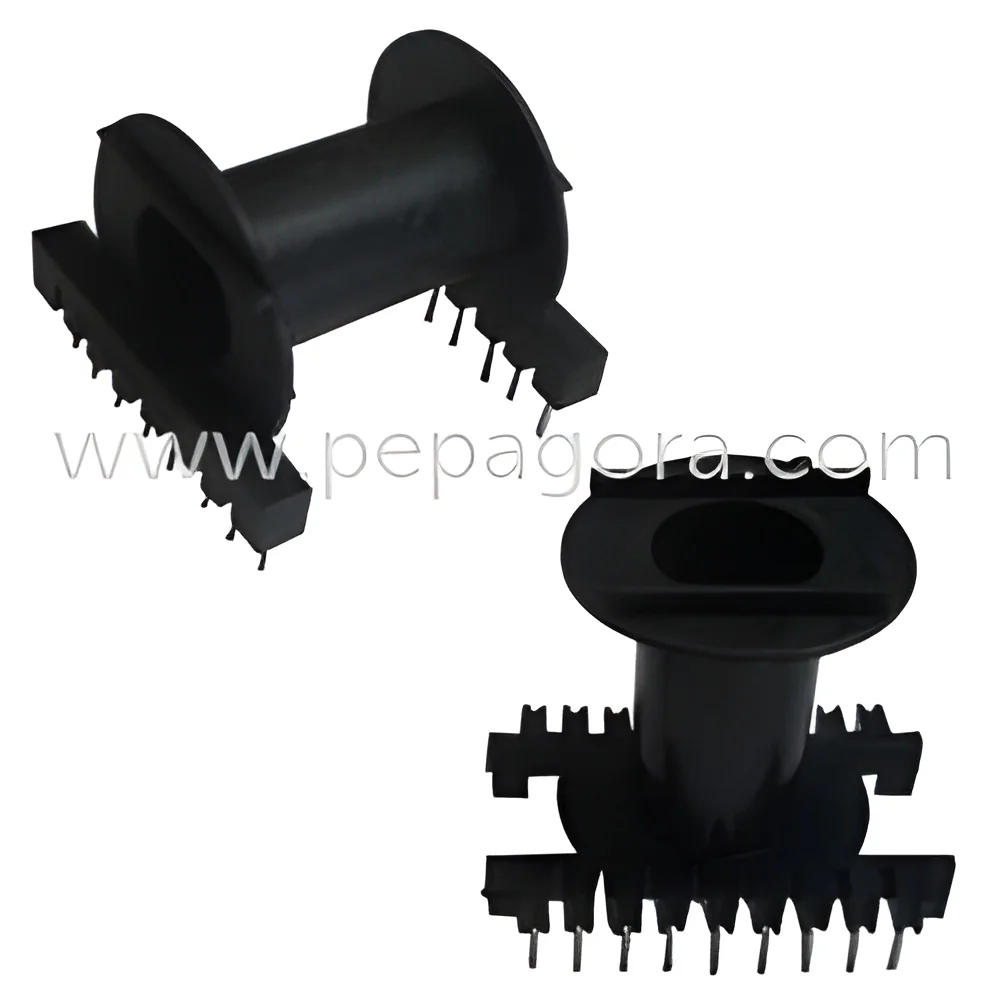

Why Source Transformers (Power, Distribution) from Pepagora?
Pepagora provides a trusted platform for sourcing Transformers (Power, Distribution) with several key advantages that benefit B2B buyers.
Verified Supplier Network: Pepagora connects buyers with a network of verified suppliers, ensuring that only reputable manufacturers are featured. This reduces the risks associated with sourcing unreliable products.
Streamlined RFQ Process: The request for quotation (RFQ) system allows buyers to easily obtain competitive quotes from multiple suppliers. This simplifies the procurement process and helps in making informed decisions.
Trade Assurance and Support: Pepagora offers trade assurance to protect buyers from potential issues related to quality and delivery. Their support team is available to assist throughout the sourcing process.
Regional Coverage: With a wide geographic reach, including India, GCC, and Southeast Asia, Pepagora caters to diverse markets. This allows buyers to find suitable suppliers that meet their specific regional needs.